The 8 Best TVs for Bright Rooms
Bright rooms demand more from a TV than any other environment. These picks lead on peak brightness, glare resistance, and local dimming to keep the picture vivid in sunlight.
 By Jim Harvey
Updated July 26, 2026
By Jim Harvey
Updated July 26, 2026

A sun-drenched living room is one of the toughest environments for a TV to survive.
Glare washes out contrast, ambient light kills shadow detail, and a panel that looks stunning in a dim showroom can appear flat and washed-out the moment the blinds go up.
Choosing a TV for a bright room means prioritising peak brightness, anti-reflective screen coatings, and local dimming technology that can hold its own against natural light, not just chasing the biggest screen or the lowest price.
REMOVU researched the current market by analysing manufacturer specifications, synthesising expert review consensus from across the industry, and weighing verified buyer feedback to surface the options that genuinely perform in high-ambient-light conditions.
Our picks span a range of budgets and screen sizes, from compact everyday sets to large-format flagship displays. Scroll down to see our top picks, ranked and ready to compare.
| Award | Product | REMOVU Score About REMOVU ScoreThe REMOVU Score is our own rating from 0 to 10, based on performance, design and build, ease of use, and value. It reflects independent research and is never influenced by manufacturers, retailers, or affiliate commissions. Learn more › | Price | |
|---|---|---|---|---|
| Best Premium |
 Sony K-65XR50 65-Inch Mini LED 4K Smart TV
|
8.9/10 | Buy | |
| Best Overall |
 TCL 75QM6K QD-Mini LED 144Hz Smart TV
|
8.9/10 | Buy | |
| Best Value |
 Hisense 50E7SF Hi-QLED Mini-LED 144Hz Smart TV
|
7.6/10 | Buy | |
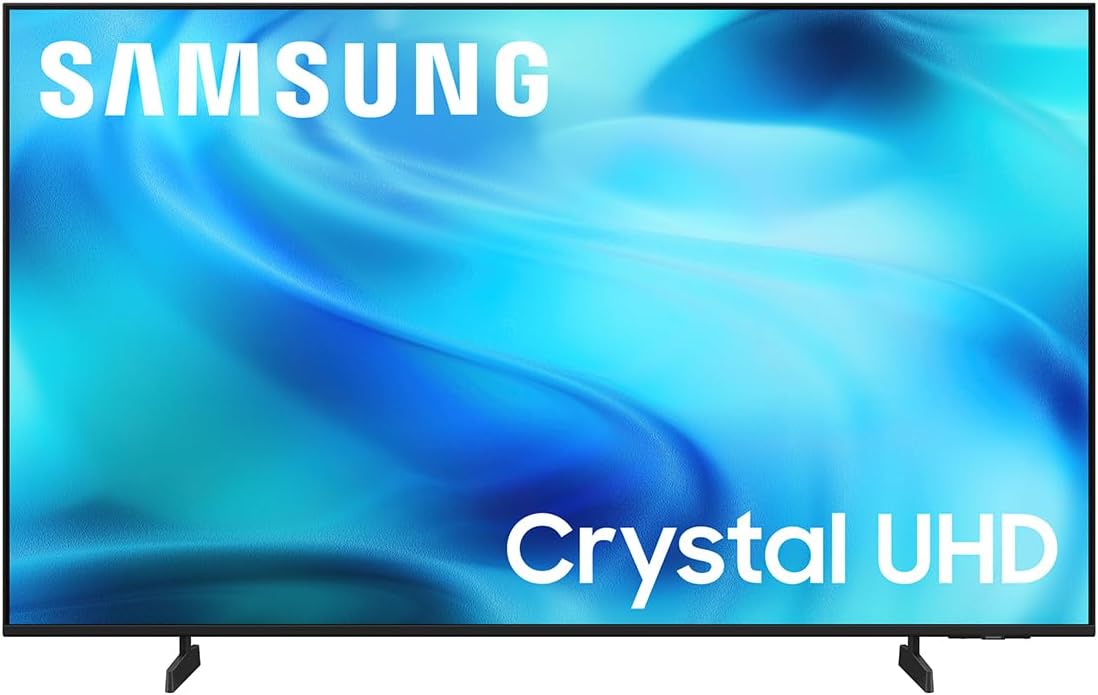 Samsung 65U8000H 65-Inch Crystal UHD Smart TV
|
6.5/10 | Buy | ||
| Best Budget |
 Roku 65-Inch Select Series 4K QLED TV
|
7.1/10 | Buy | |
 Insignia 85" F50 Series 4K Fire TV
|
6.8/10 | Buy | ||
 LG 65QNED85AUA 65-Inch QNED Mini LED 4K Smart TV
|
6.5/10 | Buy | ||
 Roku 40-Inch Select Series 1080p Smart TV
|
6.2/10 | Buy |
Sony K-65XR50 65-Inch Mini LED 4K Smart TV
Sony's BRAVIA 5 brings cinema-quality visuals to your living room with Mini LED precision and AI-powered upscaling. The 65-inch model delivers exceptional brightness and contrast alongside Google TV's comprehensive streaming ecosystem, making it ideal for movie enthusiasts and PS5 gamers who demand studio-calibrated picture modes.
Pros
- Mini LED backlighting with XR Backlight Master Drive delivers precise brightness control and deep blacks
- XR Processor with AI technology intelligently enhances color, contrast, and clarity in real-time across all content
- Google TV integration with 700,000+ movies and TV episodes plus voice control via Google Assistant
- Studio-calibrated picture modes optimized for Netflix, Prime Video, and Sony Pictures Core
- PS5-optimized gaming features including Auto HDR Tone Mapping and 120Hz refresh rate support
- Includes movie credits through Sony Pictures Core app for instant access to premium content
Cons
- Premium pricing positions it above entry-level 4K TVs without significant differentiation from BRAVIA 7 QLED in brightness specs
- Requires optional BRAVIA CAM (sold separately) for video chat functionality
- Acoustic Multi-Audio speaker system may benefit from external soundbar pairing for true cinema-like sound experience
TCL 75QM6K QD-Mini LED 144Hz Smart TV
TCL's QM6K brings mini LED precision and quantum dot color to a 75-inch 4K panel with 144Hz refresh rate, making it a solid choice for sports fans and competitive gamers. The Halo Control System handles local dimming without blooming, while the Onkyo 2.1 speaker system with subwoofer delivers spatial audio. Google TV and voice remote integration keep streaming and control straightforward.
Pros
- QD-Mini LED technology combines brightness with rich color and superior contrast to standard QLED
- 144Hz native refresh rate and Motion Rate 480 deliver smooth motion clarity for sports and gaming
- TCL Halo Control System reduces haloing and improves shadow detail in dark scenes
- Dolby Vision, HDR10+, and HDR10 support across multiple HDR formats
- Built-in Onkyo 2.1 speaker system with subwoofer and Dolby Atmos for immersive sound
Cons
- No wide viewing angle support noted in specs, limiting off-axis picture quality
- 144Hz panel and Game Accelerator 288 appeal primarily to gamers; casual viewers won't leverage these features
- No anti-reflection coating mentioned for bright rooms, potentially affecting visibility in high-light environments
Hisense 50E7SF Hi-QLED Mini-LED 144Hz Smart TV
Hisense's 2026 E7 brings cinema-grade picture quality with Mini-LED backlighting and native 144Hz gaming performance to a 50-inch screen. The combination of Dolby Vision IQ, AI-driven scene optimization, and MEMC motion enhancement makes it compelling for movie enthusiasts and gamers alike, backed by solid 4.4-star user feedback.
Pros
- Mini-LED with thousands of light zones delivers impressive contrast, shadow detail, and brightness control across diverse content
- Native 144Hz refresh rate eliminates blur in fast-action gaming and sports without relying on interpolation alone
- Comprehensive AI features (AI Picture, AI Light Sensor, AI Sports Mode) automatically optimize viewing without manual tweaking
- Full HDR ecosystem supports Dolby Vision IQ, HDR10+ Adaptive, and other formats for consistent premium picture quality
- Filmmaker Mode preserves original creative intent, appealing to cinephiles
Cons
- Mini-LED backlighting, while effective, does not match the zone density and response speed of flagship OLED or premium FALD implementations
- AI upscaling quality depends on source content and may show limitations with heavily compressed streams
- No detailed specs provided on dimming zones, peak brightness, or local contrast ratio, making direct comparison difficult
Samsung 65U8000H 65-Inch Crystal UHD Smart TV
Samsung's 2026 65-inch Crystal UHD delivers sharp 4K visuals powered by a dedicated processor that enhances color and upscales lower-quality content. Built-in motion optimization suits sports and gaming fans, while 2,700+ free streaming channels reduce subscription fatigue. Best for viewers seeking a feature-rich smart TV without breaking the bank on premium models.
Pros
- Crystal Processor with 4K upscaling sharpens details and colors across all content types
- Motion Xcelerator smooths gaming and sports at up to 4K 60Hz for clearer action sequences
- Massive free content library with 750+ subscription-free channels via Samsung TV Plus
- Color Booster intensifies on-screen hues for more vibrant visuals
- Solid 4.4-star rating from 413 verified buyers
Cons
- Samsung Account required to unlock smart features and streaming apps, creating an extra setup barrier
- Free content channels vary by location and are subject to change without notice
- No details on native refresh rate, panel type, or input lag for competitive gamers
Roku 65-Inch Select Series 4K QLED TV
Roku's Select Series brings 4K QLED picture quality and the brand's famously intuitive smart TV interface to a mid-range price point. The 65-inch flat screen combines sharp detail with accurate colors, while built-in access to 500+ free live TV channels means you can start watching immediately. Best for streamers who value simplicity and want solid picture performance without premium pricing.
Pros
- 4K QLED panel with HDR10+ delivers bright, accurate colors and sharp detail across a large 65-inch screen
- Free live TV access with 500+ channels built into the home screen, no subscription required
- Roku's streamlined smart interface makes app navigation and content discovery fast and intuitive
- Bluetooth headphone mode lets you watch without disturbing others in the house
- Enhanced voice remote with lost remote finder and hands-free control adds convenience
Cons
- Wi-Fi 5 connectivity instead of Wi-Fi 6 found on higher-end models may impact performance with multiple devices
- Direct-lit backlight lacks the advanced local dimming precision of Mini-LED panels in pricier Roku lines
- Limited HDR support compared to Pro Series, which includes Dolby Vision IQ
Insignia 85" F50 Series 4K Fire TV
A large-screen smart TV built around Fire TV and Amazon Alexa, offering 4K resolution with HDR10 and access to over 1.8 million movies and TV episodes. Strong choice for living rooms where streaming is the primary use case, with built-in smart home hub capabilities and free ad-supported content options.
Pros
- 4K Ultra HD with HDR10 delivers sharp contrast and detailed colors across a massive 85-inch screen
- Fire TV integration provides seamless access to major apps (Prime Video, Netflix, Disney+, Hulu, HBO Max) plus free channels
- Functions as a smart home hub, letting you control compatible devices and view live camera feeds
- HDMI ARC and eARC support simplifies soundbar or AV receiver connections
- DTS Studio Sound creates immersive audio with standard two-speaker setup
Cons
- LED-backlit LCD technology lacks the deeper blacks and contrast of QLED or OLED alternatives
- Limited to three HDMI ports, which may require additional splitters for multiple devices
- No reviews available yet, making it difficult to assess real-world durability and long-term performance
LG 65QNED85AUA 65-Inch QNED Mini LED 4K Smart TV
LG's 2025 flagship QNED combines Mini LED precision dimming with AI-driven picture and sound optimization for vibrant, cinematic viewing. The 120Hz native refresh rate and gaming features make it compelling for both movie enthusiasts and gamers, though it lands in the premium segment.
Pros
- Dynamic QNED color with 100% color volume delivers vivid, bright imagery across diverse content
- Mini LED with Precision Dimming provides granular backlight control for deeper blacks and better contrast
- Alpha 8 AI Processor Gen2 intelligently adjusts picture and sound based on content type
- Native 120Hz refresh rate with VRR support up to 144Hz ensures smooth motion for gaming and sports
- Filmmaker Mode preserves director's original colors and frame rates for authentic cinematic experience
- WebOS 25 platform includes 300+ free LG Channels plus 5 years of software updates
Cons
- Premium pricing limits accessibility for budget-conscious buyers
- AI optimization relies on learning curve and may require manual adjustments initially
- Requires external soundbar for optimal surround sound experience despite Wow Orchestra feature
Roku 40-Inch Select Series 1080p Smart TV
A budget-friendly streaming TV that prioritizes simplicity over cutting-edge specs. The 1080p Full HD panel, Roku OS integration, and voice remote make it accessible for bedrooms, kitchens, or secondary rooms where premium picture quality isn't the priority. Best suited for viewers who value ease of use and free streaming content over 4K resolution.
Pros
- Straightforward Roku interface with fast app launching and customizable home screen
- 500+ free live TV channels built in, plus access to thousands of streaming apps
- Voice remote with push-to-talk and TV control shortcuts simplifies navigation
- Auto speech clarity and night mode enhance audio for dialogue-heavy content
- Bluetooth headphone mode allows wireless audio output for late-night viewing
Cons
- 1080p resolution is a generation behind; no HDR support limits picture depth on newer content
- Basic direct-lit backlighting lacks the local dimming found in higher tiers, affecting contrast
- Wi-Fi 5 and no Ethernet option on this size may struggle with consistent 4K streaming elsewhere in the lineup
TVs for Bright Rooms Buying Guide
Not all TVs are built to handle sunlight. The criteria that matter most in a bright-room context are quite different from what you’d prioritise in a dedicated home theatre.
This guide walks through the six most important factors to evaluate before you buy, so you can match the right panel to your space.
Peak Brightness and Nits Rating
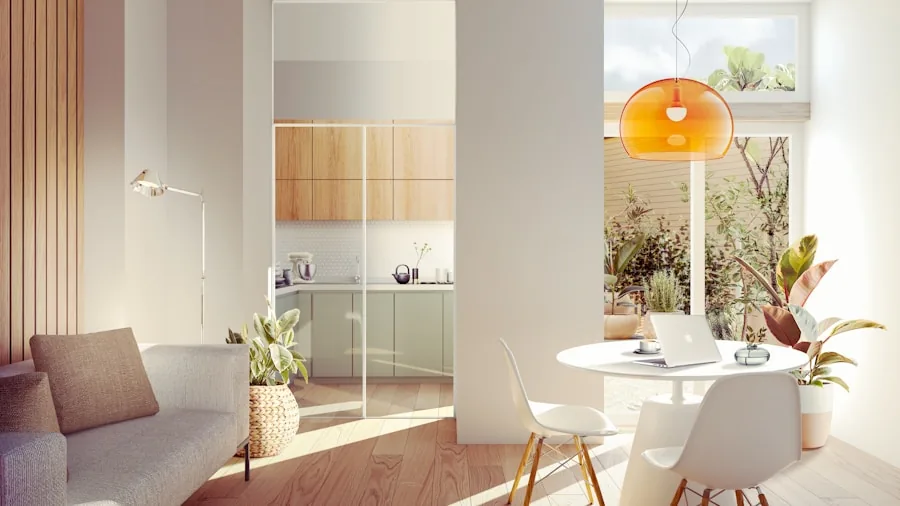
Peak brightness, measured in nits, is the single most important specification for a bright-room TV.
A set that reaches 1,000 nits or more in HDR mode will hold its own against sunlight streaming through a window, while a panel topping out around 300 to 400 nits will appear flat and washed-out in the same conditions.
For living rooms with large east- or south-facing windows, aim for at least 800 nits of sustained brightness across a large portion of the screen.
Mini-LED-backlit panels have become the go-to technology for hitting high brightness figures without sacrificing contrast.
Models like the Sony BRAVIA 5 and the TCL QM6K use Mini-LED backlights with local dimming zones, allowing them to punch well above what conventional edge-lit LED panels can achieve.
If you are also weighing options for a darker viewing environment, our roundup of TVs for movies covers panels that prioritise deep blacks over raw brightness.
Anti-Reflective Screen Coating
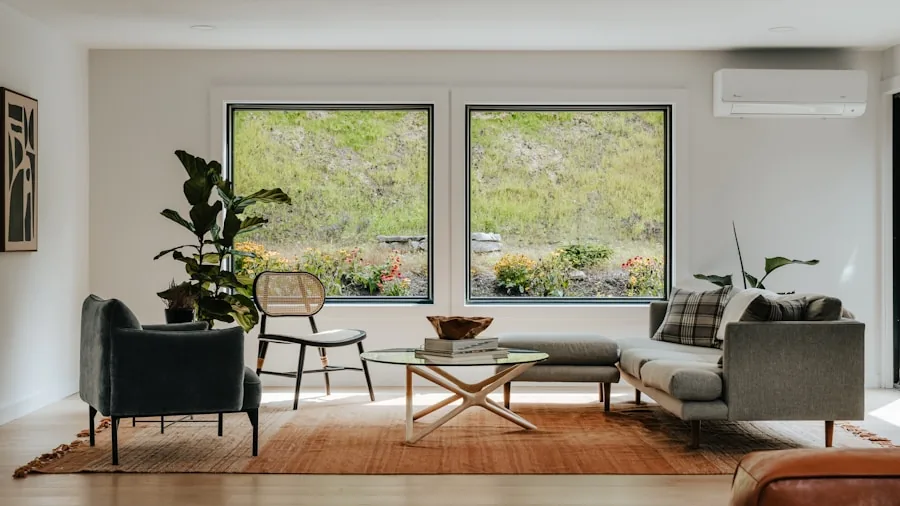
Even a very bright TV will struggle if the screen acts like a mirror.
Anti-reflective (AR) coatings diffuse direct light sources rather than reflecting them as sharp hot spots, making a meaningful difference in rooms with overhead lighting or windows behind the viewer.
This is a specification that manufacturers do not always advertise prominently, so it is worth seeking out expert evaluations that specifically assess glare handling.
QLED panels generally handle reflections better than standard LED sets, partly because the additional optical layers in the panel stack tend to scatter rather than mirror ambient light.
However, coating quality varies significantly between manufacturers and even between product tiers within the same brand. Reading verified buyer feedback from people who own a set in real-world bright conditions is often more instructive than specifications alone.
Local Dimming and Contrast Performance
Local dimming divides the backlight into independently controlled zones, so bright highlights can stay intense while dark areas remain dark.
In a bright room this matters because your eyes adapt to the ambient light level, making a TV with poor contrast look dull even if its absolute brightness is adequate.
The more dimming zones a panel offers, the finer the control and the fewer the blooming artefacts around bright objects on dark backgrounds.
Full-array local dimming (FALD) is the technology to look for. Mini-LED panels take this further by replacing conventional LED clusters with thousands of tiny emitters, dramatically increasing zone count.
The Hisense E7 Cinema Series and the LG QNED85A both use Mini-LED backlights with FALD, which is why they score notably higher on bright-room performance than edge-lit alternatives at similar price points.
If contrast and black levels are a priority for your space, our OLED TV guide offers perspective on where self-emissive panels fit in, though OLEDs trade peak brightness for infinite contrast.
Panel Technology: QLED vs. Mini-LED vs. Standard LED
Understanding the display technology helps set realistic expectations. Standard edge-lit LED panels are the most affordable option but typically deliver the lowest peak brightness and the least precise local dimming. Full-array LED panels step up contrast and uniformity.
QLED adds a quantum dot layer that widens the colour gamut and boosts brightness efficiency, making it a strong choice for bright rooms.
Mini-LED combines quantum dot colour with a far denser backlight array, currently representing the best balance of brightness, contrast, and colour accuracy available outside of OLED. For a deeper comparison of QLED options across budgets, see our QLED TV roundup.
The products in this roundup span all three categories. Budget picks like the Roku Select Series and the Insignia F50 rely on standard LED backlights, which is a trade-off worth understanding before purchasing.
The step-up QLED picks from Roku, TCL, and Hisense all add quantum dot layers, and the top-tier Sony and TCL models combine Mini-LED with QLED for the most demanding bright-room scenarios.
Refresh Rate and Motion Handling

A high refresh rate matters in bright rooms because sports and fast-moving content are common daytime viewing choices.
A native 120 Hz panel delivers noticeably smoother motion than a 60 Hz set, and several of the models in this guide push to 144 Hz for gaming.
Motion clarity is partly a function of the panel’s native refresh rate and partly down to the manufacturer’s motion-processing algorithms, which vary considerably in quality.
If sports are a primary use case alongside bright-room performance, a TV with a 120 Hz or higher native refresh rate and good motion interpolation is worth the premium.
Our guide to TVs for sports goes deeper on which sets handle fast action most convincingly. For gaming households, the best TVs for gaming covers input lag, variable refresh rate support, and HDMI 2.1 bandwidth requirements alongside brightness performance.
Smart TV Platform and Ease of Use
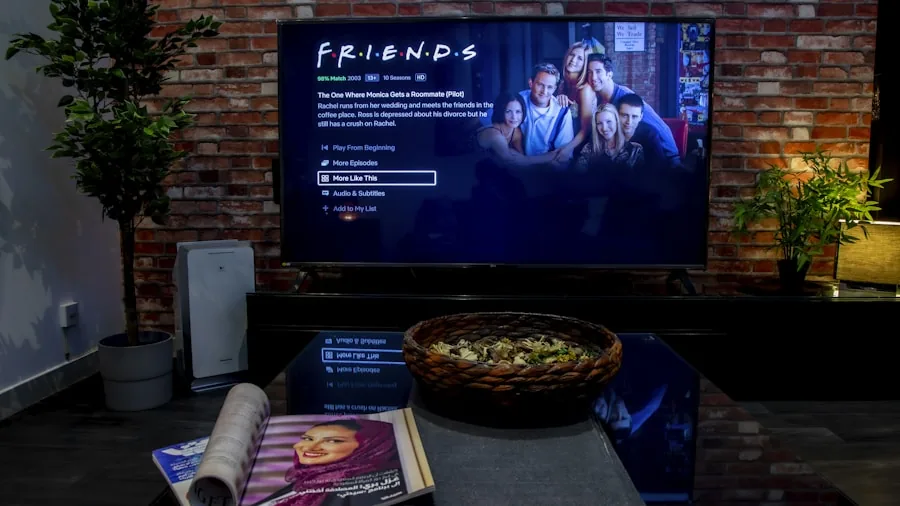
Every TV in this roundup ships with a built-in smart platform: Google TV (Sony, TCL, LG), Fire TV (Insignia, Hisense), Roku TV (Roku), or Samsung’s Tizen-based system.
The platform affects how quickly you can find content, how well the TV integrates with voice assistants, and how long it will continue to receive software updates.
Google TV and Roku TV have particularly broad app libraries and receive consistent updates, while Fire TV integrates tightly with Amazon’s ecosystem.
For households with multiple streaming subscriptions, a platform that aggregates content across services into a unified search is a genuine time-saver.
Samsung’s Vision AI platform on the Crystal UHD U8000H adds AI-based picture processing on top of the standard content aggregation.
If you want a broader view of how smart platforms compare across price points, our roundup of smart TVs worth buying covers the landscape in more detail.
Why You Should Trust Us
REMOVU is an independent review publication. We do not accept payment from manufacturers for coverage, and our editorial team has no commercial relationship with any brand featured in this article.
Every product is scored using the REMOVU Score, a consistent 0-to-10 scale that weighs verified performance data, expert review consensus drawn from across the industry, published technical specifications, and verified buyer feedback from confirmed purchasers.
We do not conduct our own product trials; our evaluations are grounded in research, published data, expert review consensus, and verified buyer feedback.
For bright-room TVs specifically, our research framework weighted peak brightness output, anti-reflective coating quality, local dimming implementation, and real-world glare-handling reports from verified owners more heavily than criteria such as black-level performance or viewing-angle width, which matter more in controlled dark environments.
This means the REMOVU Scores you see here are calibrated specifically to the bright-room use case, not copied from a general TV evaluation.
REMOVU may earn an affiliate commission if you purchase through a link in this article. That relationship has no effect on which products are included, how they are ranked, or what REMOVU Score they receive.
Recommendations are determined entirely by research quality and relevance to the stated use case.
Final Thoughts
The market for bright-room TVs in 2026 is broader and more competitive than it has ever been, with capable options available at every budget level.
Whether you need a large-screen flagship or a compact everyday set for a sunlit kitchen or home office, the picks in this roundup cover the full range. Here are our standout picks by use case:
- Best Overall: Sony BRAVIA 5 Mini LED 4K HDR Smart Google TV, Sony’s BRAVIA 5 earns the top spot with its XR Backlight Master Drive and AI-powered picture processing, combining the highest peak brightness delivery with excellent anti-reflective performance. It shares the top REMOVU Score in this roundup and is the most complete bright-room package available.
- Best Large-Screen Value: TCL 75-Inch QM6K Mini LED QLED, for buyers who want a genuinely large screen with Mini-LED brightness at a mid-range price, the QM6K delivers a shared top REMOVU Score in a 75-inch format, with 120 Hz to 144 Hz flexibility for sports and gaming thrown in.
- Best Mid-Range Pick: Hisense 50-Inch E7 Cinema Series Hi-QLED Mini-LED, the E7 Cinema is the standout choice for buyers who want Mini-LED FALD performance without a flagship price. Its native 144 Hz panel, Dolby Vision IQ support, and Alexa integration make it a versatile all-rounder for bright living rooms.
- Best Budget Pick: Roku 65-Inch Select Series 4K QLED TV, the Roku Select Series brings a quantum dot QLED panel to a budget-friendly price, offering meaningfully better bright-room performance than a standard LED set at a similar outlay. The Roku TV platform keeps the smart experience clean and fast.
- Best for Small Spaces: Roku 40-Inch Select Series 1080p Smart TV, for kitchens, bedrooms, or compact home offices, this 40-inch 1080p set offers reliable smart TV functionality at the most accessible price in the roundup. It is not a performance powerhouse, but for casual daytime viewing in a smaller room it earns its place.
For a broader look at how these models fit into the wider market, our guide to 4K TVs for every room and budget provides useful context, and our TVs under $500 roundup is worth bookmarking if budget is the primary constraint.
If you are outfitting a bedroom rather than a living room, our bedroom TV guide covers the additional factors worth considering in that environment.
Frequently Asked Questions
How many nits do I need for a bright room?
For a room with moderate ambient light, a TV that reaches 600 to 800 nits in HDR mode is generally sufficient. For rooms with direct sunlight or large uncovered windows, aim for 1,000 nits or above for a comfortable viewing experience.
Peak brightness figures quoted by manufacturers typically refer to small highlight areas rather than sustained full-screen brightness, so look at real-world evaluations alongside the spec sheet.
Is QLED or OLED better for a bright room?
QLED is generally the better choice for bright rooms. QLED panels can achieve significantly higher peak brightness than current OLED technology, and their screens tend to handle reflections more effectively.
OLED excels in contrast and black-level performance, making it ideal for dark or controlled viewing environments.
If you primarily watch films in a darkened room, an OLED panel is worth considering, but for a sun-drenched living room a high-brightness QLED or Mini-LED set will outperform it in everyday conditions.
Our OLED TV roundup covers the best options in that category if your viewing conditions are mixed.
Does screen size affect bright-room performance?
Screen size itself does not directly affect how well a TV handles ambient light, but it influences viewing distance and perceived brightness.
A larger screen viewed from an appropriate distance can feel more immersive even in bright conditions, but a lower-quality panel in a large format will show its limitations more obviously.
Prioritise panel technology and brightness specifications first, then choose the largest screen that fits your room and budget. Our comprehensive TV guide covers sizing recommendations for different room dimensions.
Can I reduce glare without buying a new TV?
Yes, to a degree. Repositioning the TV to avoid direct window reflections, adding blackout or light-filtering blinds, and adjusting the TV’s angle relative to overhead lights can all reduce glare meaningfully.
An anti-glare screen protector can also help on panels with highly reflective glass. However, none of these measures compensate for a panel with insufficient peak brightness.
If your current set looks washed-out even after repositioning, upgrading to a high-brightness Mini-LED or QLED panel is the most reliable long-term solution.
What is the best TV size for a bright living room?
For most living rooms, a 65-inch screen viewed from around 2 to 2.5 metres offers a good balance of immersion and image quality. Larger rooms with seating further back benefit from 75 inches or above.
Regardless of size, the brightness and anti-reflective performance of the panel will do more to determine how enjoyable daytime viewing is than the physical dimensions of the screen.
Budget-conscious shoppers should also check our TVs under $1,000 roundup for strong-performing sets that do not require a flagship outlay.
Do smart TV features matter for bright-room use?
Smart TV features are largely independent of bright-room performance, but they do affect the overall ownership experience.
Features like ambient light sensors and automatic brightness adjustment can be genuinely useful in rooms where the light level changes throughout the day, dimming the panel in the evening and boosting it in the afternoon without manual intervention.
Dolby Vision IQ, available on the LG QNED85A among others, uses a built-in sensor to dynamically adjust HDR tone mapping based on the room’s ambient light level, which is a particularly relevant feature for bright-room viewers.
About the author
Jim covers internal hard drives for REMOVU, comparing capacity, reliability, and value for mass storage and NAS builds. He helps readers store more for less without sacrificing dependability.