The 9 Best OLED TVs
OLED screens deliver picture quality that LCD simply cannot match. Our research-backed picks cover every size and price tier, from compact 48-inch panels to 77-inch flagship screens.
 By Marian Steward
Updated July 26, 2026
By Marian Steward
Updated July 26, 2026

OLED technology has fundamentally changed what we expect from a television.
Unlike LCD panels that rely on a backlight, OLED screens light each pixel individually, which means true blacks, infinite contrast ratios, and colours that stay accurate even at wide viewing angles.
For anyone serious about picture quality, whether for cinematic movie nights, competitive gaming, or everyday streaming, the best OLED TVs in 2026 represent the most compelling choice across virtually every use case and room size.
This guide draws on manufacturer specifications, consensus from professional AV reviewers, and verified buyer feedback to surface the strongest picks from LG, Samsung, and Panasonic available right now.
We cover the full range from compact 48-inch panels to expansive 77-inch flagship screens, at price points from accessible to premium.
Whether you are outfitting a bedroom, a dedicated home cinema, or a gaming setup, our ranked list below gives you a clear starting point.
Pairing your new TV with a quality audio setup makes a real difference, and you can explore our Dolby Atmos soundbars roundup for companion picks that match the picture performance of these panels.
| Award | Product | REMOVU Score About REMOVU ScoreThe REMOVU Score is our own rating from 0 to 10, based on performance, design and build, ease of use, and value. It reflects independent research and is never influenced by manufacturers, retailers, or affiliate commissions. Learn more › | Price | |
|---|---|---|---|---|
| Best Overall |
 LG OLED65G5WUA 65-Inch OLED evo G5
|
8.8/10 | Buy | |
| Best Premium |
 Samsung QN65S95F 65-Inch OLED 4K Smart TV Bundle
|
8.6/10 | Buy | |
 Samsung QN77S90FAFXZA 77-Inch OLED 4K Smart TV
|
8.5/10 | Buy | ||
| Best Value |
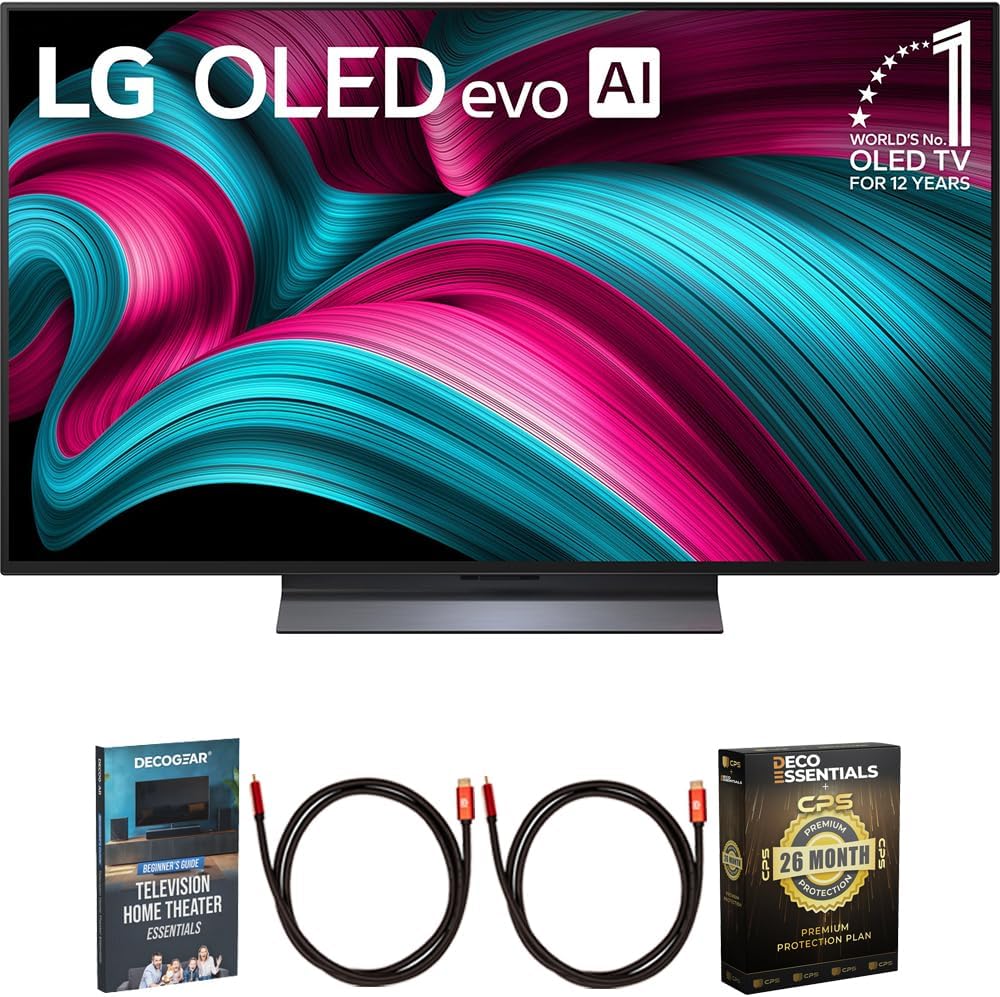 LG 65C5 OLED evo 4K Smart TV with Extended Protection
|
8.3/10 | Buy | |
 Samsung S90F 65-Inch OLED 4K AI TV
|
8.6/10 | Buy | ||
 LG 55C6 OLED evo AI 4K Smart TV with Soundbar Bundle
|
8.1/10 | Buy | ||
| Best Budget |
 LG OLED48C5PUA 48-Inch OLED Gaming TV
|
8.6/10 | Buy | |
 Samsung 55S85H 55-Inch OLED TV with NQ4 AI Gen2
|
7.5/10 | Buy | ||
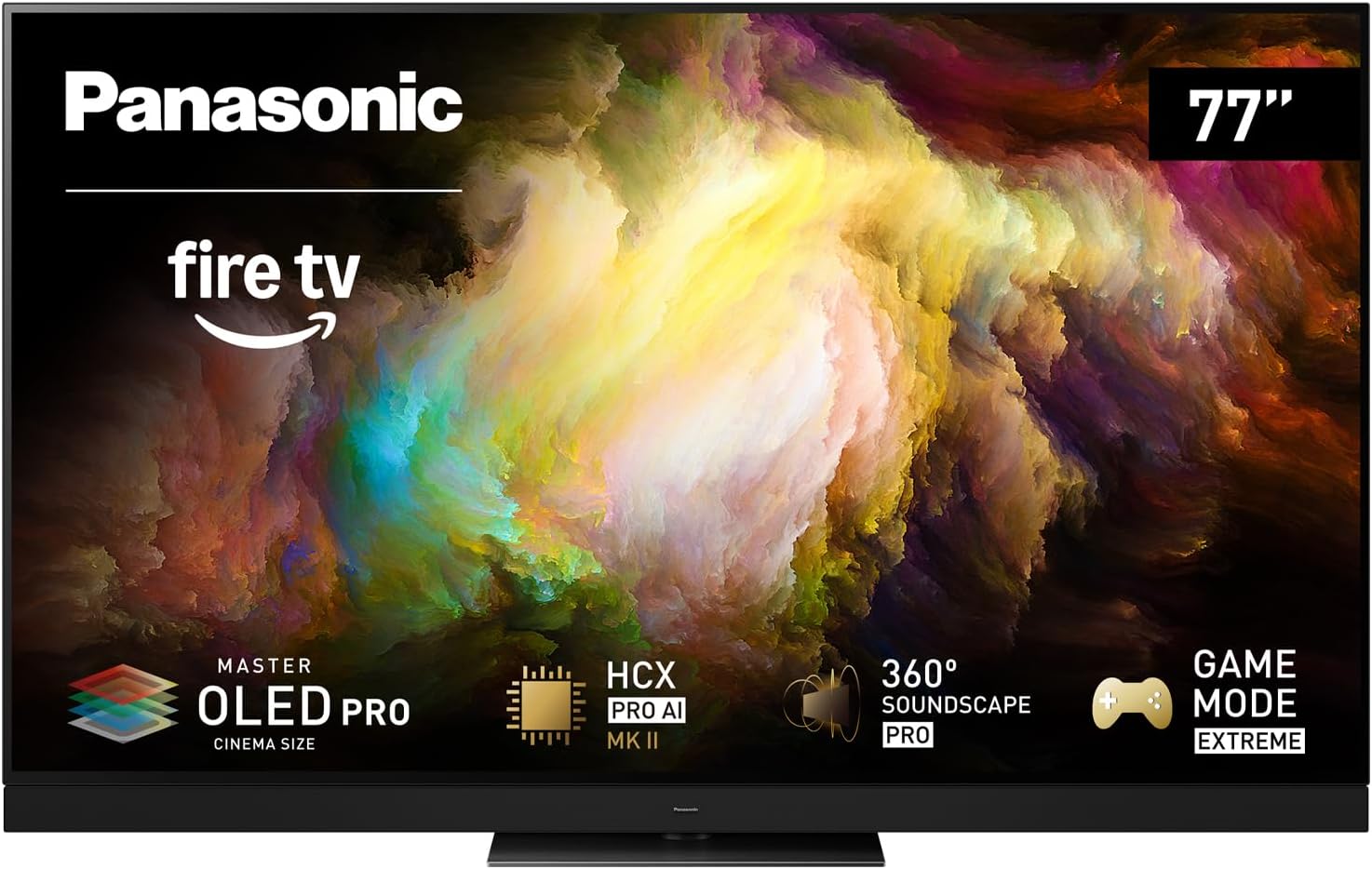 Panasonic Z8 77-inch OLED 4K Fire TV
|
7.2/10 | Buy |
LG OLED65G5WUA 65-Inch OLED evo G5
LG's flagship 2025 OLED delivers the brand's brightest panel yet with the Alpha 11 AI Processor Gen 2 handling upscaling and personalized picture tuning. The 45% brightness boost over previous models makes it genuinely usable in bright rooms without sacrificing OLED's signature perfect blacks. Built-in Dolby Vision, Dolby Atmos, and Filmmaker Mode cover cinephiles, while 0.1ms response time and 144Hz refresh rate appeal to serious gamers.
Pros
- Brightness Booster Ultimate produces 45% brighter images than predecessor, verified glare-free in bright rooms by UL standard
- Alpha 11 AI Processor Gen 2 with AI Super Upscaling and AI Director Processing for customized picture and sound
- Perfect black and color from 8.3 million self-lit OLED pixels even in challenging lighting
- Gaming-ready with 0.1ms response time, 144Hz refresh rate, G-Sync, FreeSync Premium, and four HDMI 2.1 ports
- 5-year limited panel warranty (first year covers parts and labor; years 2-5 panel only) and 5 years of webOS updates
Cons
- No user reviews yet to verify real-world performance and long-term reliability claims
- Premium pricing typical of flagship OLED; brightness improvements may not justify upgrade for users with darker viewing environments
- AI upscaling quality depends on source resolution; results vary and not guaranteed to enhance all content equally
Samsung QN65S95F 65-Inch OLED 4K Smart TV Bundle
Samsung's S95F brings a glare-free OLED panel designed for bright rooms, paired with the NQ4 AI Gen3 processor for upscaled streaming and gaming. The bundle adds Austere surge protection with USB-C charging, making it a complete home theater setup. Best for viewers who prioritize picture quality and want to eliminate reflections without heavy window treatments.
Pros
- Glare-free OLED technology eliminates reflections even in bright, sunny rooms
- NQ4 AI Gen3 processor with 128 neural networks enhances picture and sound across all content types
- Motion Xcelerator supports up to 165Hz refresh rate for smooth gaming and sports
- Object Tracking Sound+ and Dolby Atmos create immersive, directional audio
- Bundle includes premium Austere surge protector with 3000J protection and rapid USB-C charging
Cons
- No user reviews yet, so real-world performance feedback is unavailable
- Premium pricing reflects the glare-free OLED technology and AI processor
- 4K 165Hz gaming requires PC with compatible specifications, not native to most streaming content
Samsung QN77S90FAFXZA 77-Inch OLED 4K Smart TV
Samsung's flagship 77-inch OLED delivers exceptional picture quality with 8.3 million self-illuminating pixels, Pantone-validated colors, and the NQ4 AI Gen3 Processor for intelligent 4K upscaling. The 144Hz Motion Xcelerator and gaming-focused features make it compelling for both cinephiles and gamers, though the premium positioning reflects its feature density.
Pros
- Exceptional OLED contrast with pitch blacks and precise color accuracy verified by Pantone
- Advanced AI upscaling via NQ4 Gen3 Processor with 128 neural networks for real-time frame enhancement
- 144Hz gaming performance with G-SYNC and FreeSync Premium Pro support, plus AI Auto Game Mode optimization
- Immersive audio with Dolby Atmos, Object Tracking Sound Lite, and Active Voice Amplifier Pro for dialogue clarity
- Bundle includes extended 1-year protection plan, dual HDMI cables, and home theater guide for added value
Cons
- 77-inch size limits placement options and may overwhelm smaller rooms
- No user reviews available yet to validate real-world performance and reliability
- Premium price point reflects advanced features, making it less accessible for budget-conscious buyers
LG 65C5 OLED evo 4K Smart TV with Extended Protection
LG's flagship C5 Series brings 12 years of OLED refinement to a 65-inch display engineered for bright rooms, pairing perfect blacks with brightness-boosting tech and an AI processor that upscales lower-quality content. The bundle adds two HDMI cables and a 26-month protection plan, making it a complete cinema setup for serious viewers and gamers.
Pros
- OLED65C5PUA certified glare-free by UL, performs well in bright lighting conditions without sacrificing perfect blacks
- Alpha 9 AI Processor Gen8 with Super Upscaling automatically enhances sports, movies, and standard content in real time
- Gaming-focused specs: 0.1ms response time, up to 144Hz refresh rate, G-Sync and FreeSync Premium support across 4 HDMI 2.1 ports
- Dolby Vision and Dolby Atmos for cinematic color, contrast, and immersive audio out of the box
- Bundle includes extended 26-month protection plan, two HDMI cables, and home theater guide for immediate setup
Cons
- Premium pricing reflects flagship positioning, not entry-level OLED budget
- Only 2 verified reviews available, limiting real-world user feedback on long-term reliability and ownership experience
- Personalized AI features (picture/sound wizard, AI Concierge) require initial setup and learning period to deliver meaningful benefit
Samsung S90F 65-Inch OLED 4K AI TV
Samsung's flagship OLED delivers sharp 4K visuals powered by the NQ4 AI Gen3 processor, which upscales lower-resolution content and enhances motion for sports and gaming. The 144Hz refresh rate suits competitive gamers, though peak performance requires a compatible PC setup. Best for viewers seeking premium picture quality and AI-driven content enhancement.
Pros
- Advanced AI upscaling transforms SDR and lower-resolution content to near-4K quality using 128 neural networks
- OLED HDR+ contrast with Pantone-validated color for detailed, vibrant visuals
- Motion Xcelerator delivers smooth action at up to 4K 144Hz, ideal for fast-paced gaming and sports
- AI Motion Enhancer reduces blur on moving objects, keeping fast action sharp and readable
- Vision AI with built-in Alexa integration for voice control and scene optimization
Cons
- 4K 144Hz gaming requires a high-end PC graphics card and compatible games, limiting real-world usability
- AI upscaling quality depends on source content quality; results may vary with poor-quality streams
- Premium OLED panel increases burn-in risk with static images over extended periods
LG 55C6 OLED evo AI 4K Smart TV with Soundbar Bundle
LG's 2026 C6 OLED delivers self-lit pixel precision with the α11 AI processor, ideal for cinephiles and competitive gamers seeking exceptional black levels and 165Hz gaming support. This bundle pairs the TV with a Samsung soundbar, HDMI cables, and a home theater guide, making it a complete entry point for serious enthusiasts.
Pros
- 8.3 million self-lit OLED pixels for infinite contrast and true blacks
- Elite gaming: 165Hz VRR, G-SYNC, FreeSync, sub-0.1ms response time
- Dolby Vision, Dolby Atmos, and FILMMAKER MODE for cinematic accuracy
- Brightness Booster enhances visibility in well-lit rooms
- webOS 26 with AI Sound Pro virtual 11.1.2 upmix and AI chatbot
- Includes Samsung soundbar, cables, and beginner's home theater guide
Cons
- OLED panels susceptible to burn-in with static images over extended periods
- Premium pricing reflects high-end positioning; significant investment for most households
- Bundle soundbar (3.0ch) provides basic audio; serious enthusiasts may want to upgrade speakers separately
LG OLED48C5PUA 48-Inch OLED Gaming TV
LG's 2025 OLED evo C5 brings the α9 AI Processor Gen7 with AI Super Upscaling to deliver vivid contrast and perfect blacks across 8.3 million self-lit pixels. Built for gaming with 0.1ms response time, 144Hz refresh rate, and four HDMI 2.1 ports, it also excels at movies with Dolby Vision, Dolby Atmos, and Filmmaker Mode. Best suited for gamers and cinephiles seeking premium picture quality in a compact 48-inch form factor.
Pros
- Exceptional gaming performance with 0.1ms response time, up to 144Hz refresh rate, and full support for NVIDIA G-Sync, AMD FreeSync Premium, and VRR
- Outstanding picture quality with OLED technology delivering perfect blacks and rich colors, enhanced by AI Super Upscaling for lower-resolution content
- Comprehensive smart features including webOS 25, AI Concierge, Personalized Picture and Sound Wizard, and access to 350+ free LG Channels
- Premium audio-visual experience with Dolby Vision, Dolby Atmos, and Filmmaker Mode for authentic movie viewing
- Long-term software support through LG's Re:New Program with updates and feature refreshes for up to 5 years
Cons
- 48-inch size may feel small for some living rooms; larger options available in the C5 lineup
- OLED panels can be susceptible to burn-in with static images displayed for extended periods, though LG includes mitigation features
- Premium pricing reflects the flagship status; budget-conscious buyers may need to consider alternative models
Samsung 55S85H 55-Inch OLED TV with NQ4 AI Gen2
Samsung's flagship OLED delivers striking contrast and brightness courtesy of its NQ4 AI Gen2 processor, which analyzes scenes in real time to enhance detail and color. The Premium Gaming Pack supports up to 120Hz with G-SYNC and FreeSync, making it solid for competitive gaming. Best suited for viewers who value picture quality and want AI-driven upscaling to breathe new life into older content.
Pros
- OLED HDR with advanced brightness control reveals fine details in both bright and dark scenes
- NQ4 AI Gen2 processor upscales standard content to 4K and enhances motion, sharpness, and color in real time
- Premium Gaming Pack delivers 120Hz, G-SYNC, and FreeSync support for smooth, responsive gameplay
- Pantone-validated colors ensure accurate skin tones and realistic color reproduction
- Color Booster Pro adds vibrancy to scenes with AI-driven hue enhancement
Cons
- AI upscaling results vary depending on source content quality, so older or heavily compressed footage may show inconsistent improvements
- G-SYNC requires a PC; console gaming benefits only from FreeSync compatibility
- Premium positioning likely puts it outside budget-conscious buyers' reach
Panasonic Z8 77-inch OLED 4K Fire TV
Panasonic's flagship OLED delivers cinematic picture quality with Master OLED PRO technology and adaptive HDR that adjusts to your room's lighting. The 144Hz gaming panel pairs with AMD FreeSync Premium and NVIDIA G-SYNC support, while 360 Soundscape Pro with Technics tuning creates directional audio through front, side, and upward-firing speakers plus a 170W system. Fire TV integration and hands-free Alexa make it a complete entertainment hub for both casual viewers and competitive gamers.
Pros
- Master OLED PRO panel with enhanced brightness and contrast, plus micro-lens-array and HCX Pro AI Processor MKII for color accuracy
- 144Hz refresh rate with VRR and dual gaming sync standards (AMD FreeSync Premium, NVIDIA G-SYNC) for responsive gaming
- 360 Soundscape Pro with Technics tuning offers four directional sound modes and 170W total output across 7 channels plus subwoofer
- Comprehensive HDR support including HDR10+, Dolby Vision IQ, and Dolby Atmos with automatic room brightness optimization
- Fire TV built-in with hands-free Alexa voice control for seamless content discovery and smart home integration
Cons
- 77-inch size limits placement flexibility and may overwhelm smaller living spaces
- Premium OLED panel and gaming features position this at the high end of the TV market
- No information on brightness peak performance or specific gaming input lag specs provided in available data
OLED TVs Buying Guide
Choosing an OLED TV is about more than picking the largest screen you can afford. Panel generation, processing capability, refresh rate, and software ecosystem all play a decisive role in how the set performs day to day.
The sections below walk through each of the criteria that REMOVU weighted most heavily when evaluating these models.
Panel Generation and Brightness

Not all OLED panels are equal. LG’s evo panels, used in the C5 and G5 series, extract significantly higher peak brightness than older OLED designs, which matters most in bright rooms and HDR highlights.
Samsung’s QD-OLED technology layers a quantum dot filter over the OLED emitter, producing exceptionally wide colour volume and eye-catching saturation, particularly visible in the S90F and S95F lines.
Panasonic licences its panel from LG Display but applies its own signal processing, which historically appeals to buyers who prioritise reference-grade colour accuracy.
When comparing models, look at the specific panel generation rather than just the brand name. LG’s G-series uses a brighter MLA (Micro Lens Array) enhanced panel compared to the C-series, which explains the price step up.
If the TV will be used in a room with significant ambient light, a higher peak brightness rating and an anti-glare coating, as found on the Samsung S95F, will preserve shadow detail and colour pop during daytime viewing.
Processor and AI Upscaling

Modern OLED TVs are only as good as their processors. LG’s Alpha 9 AI processor and Samsung’s NQ4 AI Gen3 chip both handle real-time upscaling of lower-resolution content to 4K, noise reduction, and scene-by-scene picture optimisation.
In practice, a capable processor makes standard HD streaming look noticeably cleaner and reduces the artefacts that older chips left in fast motion sequences.
AI-driven features have expanded considerably in 2026. LG’s AI Super Upscaling analyses content frame by frame rather than applying a blanket algorithm, while Samsung’s AI Upscaling Pro targets specific textures like skin tones and foliage separately.
For buyers who watch a lot of older catalogue content or standard-definition broadcasts, the processor generation matters as much as panel quality. Budget-tier OLED models sometimes use older chip revisions, which is reflected in their lower scores in our evaluation.
Refresh Rate and Gaming Features
Gaming on an OLED TV is a genuinely different experience from LCD, largely because of the near-instantaneous pixel response that eliminates motion blur at its source.
Most models in our list support at least 120Hz native refresh, with Samsung’s S95F pushing a claimed 144Hz native rate and the Panasonic Z8 also hitting 144Hz.
For competitive gaming, lower input lag figures and full HDMI 2.1 bandwidth are the specifications to focus on.
All models in this roundup support VRR (Variable Refresh Rate) via HDMI 2.1, which synchronises the TV’s refresh rate with the frame output of a connected PlayStation 5 or Xbox Series X.
AMD FreeSync Premium and NVIDIA G-Sync compatibility vary by model, so confirm support for your specific console or PC before purchasing.
If gaming performance is your primary use case, the combination of OLED response time and a high refresh rate panel is genuinely one of the strongest reasons to choose these screens over a traditional LCD alternative.
HDR Format Support

HDR, or High Dynamic Range, is the format that allows televisions to display the full range of brightness and colour in compatible content. The major formats are Dolby Vision, HDR10, HDR10+, and HLG.
LG panels support Dolby Vision and HDR10 but have historically omitted HDR10+, while Samsung supports HDR10+ but not Dolby Vision on its OLED lineup.
Panasonic’s Z8 is notable for supporting both Dolby Vision IQ and HDR10+ Adaptive, making it the most format-agnostic option for buyers with diverse content libraries.
Filmmaker Mode, available on LG panels and some others, disables all post-processing and displays content as the director intended. This is particularly useful for films mastered with a specific colour grade.
Buyers who prioritise streaming from services like Netflix, Apple TV+, or Disney+ will find Dolby Vision dynamic metadata delivers the most consistent result across those platforms, which gives LG’s lineup a practical edge for that use case.
Screen Size and Viewing Distance

OLED’s pixel-level precision means the technology scales well across sizes, from the compact 48-inch C5 up to 77-inch flagships. A common rule of thumb for 4K viewing is to sit roughly 1 to 1.5 times the screen’s diagonal measurement in distance.
In a typical living room where viewers sit around 10 to 12 feet from the screen, a 65-inch panel is the sweet spot.
Smaller rooms benefit from the 48-inch or 55-inch options, which still deliver the full OLED contrast advantage without overwhelming the space.
For dedicated home cinema rooms or open-plan spaces, the 77-inch models offer a genuinely immersive experience. Bear in mind that larger panels require more processing headroom to maintain brightness uniformity across the screen.
LG’s G5 and Samsung’s S95F are the two picks in our list engineered specifically for larger-format performance.
Wall-mounting is common for OLED sets given their slim profiles, and a good home theater setup that keeps cable runs tidy makes the most of OLED’s near-bezel-free design.
Smart TV Platform and Ecosystem

The smart TV operating system you live with daily matters more than many buyers realise at purchase time. LG’s webOS is widely praised for its clean interface, app support, and HomeKit compatibility alongside Amazon Alexa.
Samsung’s Tizen platform offers a similarly polished experience with strong gaming hub integration.
Panasonic’s Z8 runs Amazon’s Fire TV operating system, which suits buyers already invested in that ecosystem and those who prefer the broad streaming app library that Fire TV supports natively.
Consider which voice assistant you use most. Every model in this roundup has Alexa built in. LG’s panels additionally support Google Assistant. For buyers who already use a smart home system, confirming platform compatibility before purchase avoids frustration later.
If you plan to add a smart speaker to the room, choosing a TV and speaker that share an ecosystem simplifies control.
The soundbar options bundled with some entries in this list, including the Samsung HW-S50B and Deco Gear accessories, are worth factoring into your total budget assessment.
Why You Should Trust Us
REMOVU is an independent review platform with no affiliation to any manufacturer, retailer, or broadcaster. Every product in this roundup was evaluated using a consistent, structured research methodology.
We do not conduct our own product trials; our evaluations are grounded in research, published data, expert review consensus, and verified buyer feedback.
Each model is scored using the REMOVU Score, rated on a scale of 0 to 10, which synthesises performance data across picture quality, processing capability, feature set, build quality, value, and user satisfaction signals drawn from verified purchasers.
Our research process cross-references manufacturer-published specifications against professional AV reviewer consensus and aggregated owner feedback. Where published measurements conflict with widely reported user experience, we weight the real-world outcome more heavily.
REMOVU may earn an affiliate commission if you purchase through a link in this article. That relationship has no influence on rankings, scores, or which products appear in our recommendations.
Placement is determined solely by evaluated quality relative to the criteria above.
Final Thoughts
The OLED TV market in 2026 is the strongest it has ever been for buyers.
Panel technology, AI processing, and gaming feature sets have all advanced significantly, and the range of form factors and price tiers means there is a genuine OLED option for most households.
Below are the standout picks from this roundup, each earning a specific recognition based on its REMOVU Score and evaluated strengths.
- Best Overall: LG 65-Inch OLED evo G5 Series (2025) earns the top position with the highest REMOVU Score in this roundup, combining LG’s brightest MLA-enhanced evo panel, AI Super Upscaling, and full Dolby Atmos and Dolby Vision support into the most complete large-screen OLED package available.
- Best Value OLED: LG 48-Inch OLED evo C5 Series (2025) delivers the core LG evo OLED experience at a compact size and a more accessible price, making it the strongest choice for secondary rooms or buyers moving into OLED for the first time.
- Best Glare-Free OLED: Samsung 65-Inch OLED S95F (2025) stands out for its OLED HDR Pro panel with a dedicated glare-free treatment and Motion Xcelerator 164Hz, making it the most capable option for bright living rooms where reflections are a persistent concern.
- Best Mid-Range Pick: Samsung 65-Inch OLED S90F (2025) hits a strong balance between Samsung’s QD-OLED colour performance, NQ4 AI Gen3 processing, and a price that sits clearly below the flagship tier, earning it a place as the most practical Samsung OLED for most buyers.
- Best for Format Versatility: Panasonic Z8 Series 77-Inch (2025) is the only model in this roundup to support both Dolby Vision IQ and HDR10+ Adaptive simultaneously, making it the right choice for buyers with broad content libraries who refuse to compromise on HDR coverage.
Whichever screen you choose, consider the full room context.
Audio is often the weakest link in a home cinema setup, and compact soundbars for smaller spaces or a full soundbar and subwoofer combination will transform how any of these panels performs in practice.
Visit our TV and home theater section for additional buying guides across projectors, Blu-ray players, and audio accessories.
Frequently Asked Questions
Is OLED worth the premium over QLED or LED TVs?
For most buyers who prioritise picture quality, yes. OLED’s pixel-level light control produces absolute black levels and contrast ratios that LED-backlit panels, including QLED, cannot match.
The trade-off is that OLED panels have historically been dimmer in peak brightness than the brightest QLED competitors, though recent evo and QD-OLED generations have significantly closed that gap.
If your primary viewing environment is very bright, a high-brightness QLED may occasionally have the edge, but for balanced or controlled lighting, OLED consistently delivers superior results.
Should I be concerned about burn-in on an OLED screen?
Burn-in, where a static image leaves a permanent ghost on the panel, is a real phenomenon with OLED technology, but it is far less of a concern in typical home use than it was with earlier generations.
Modern panels include pixel-shifting, screensavers, and automatic logo luminance adjustment to mitigate the risk. Buyers who leave news channels running continuously for many hours per day at maximum brightness face the highest risk.
For typical mixed-use viewing, including films, sports, and gaming with varied on-screen content, verified buyer feedback across all models in this roundup indicates burn-in rates that are very low in practice.
What HDMI ports do I need for 4K gaming at 120Hz?
You need HDMI 2.1 ports with a minimum 48Gbps bandwidth to run 4K at 120Hz with VRR enabled. All models in this roundup include at least one, and in most cases two or more, HDMI 2.1-capable inputs.
Confirm that the specific port you plan to use supports full bandwidth rather than a downgraded HDMI 2.0 port sharing the same physical connector, which is a common point of confusion in TV specifications.
PlayStation 5 and Xbox Series X both output 4K 120Hz signals over HDMI 2.1, so pairing them with any of these sets delivers the full benefit of console gaming on OLED.
How do LG OLED and Samsung QD-OLED compare in real-world picture quality?
LG’s evo OLED panels, particularly the G-series with MLA enhancement, tend to excel in overall brightness uniformity and HDR peak luminance.
Samsung’s QD-OLED panels produce a wider colour gamut and more saturated, vivid colours, particularly in reds and greens, which many viewers find immediately impressive.
Expert review consensus generally positions LG as the stronger choice for film content where accuracy and shadow detail matter most, while Samsung QD-OLED appeals to viewers who prefer a punchier, more vibrant look for mixed content.
Neither is objectively superior for all viewers; personal preference and room conditions both factor in significantly.
What size OLED TV should I buy?
The most practical approach is to measure your viewing distance and divide it by 1.5 to estimate an appropriate screen diagonal in inches. A typical living room with seating around 10 feet from the screen suits a 65-inch panel well.
Smaller bedrooms or home offices benefit from 48-inch or 55-inch options, which still deliver full 4K resolution and OLED contrast without overwhelming the space.
The 77-inch models are best reserved for dedicated home cinema rooms or large open-plan spaces where viewers sit further back.
Remember that OLED panels are slim and light enough to wall-mount comfortably, which can make a larger size work in rooms where a traditional TV stand would feel imposing.
Do I need a separate soundbar with an OLED TV?
OLED panels are slim by necessity, which limits the size and power of built-in speakers. Most models include some form of AI sound processing, and LG’s Wow Orchestra feature blends TV and soundbar audio when both are connected.
However, the built-in audio rarely matches the picture quality of a premium OLED panel. For a balanced home cinema experience, a dedicated Dolby Atmos soundbar or a full surround system is a worthwhile addition.
Some bundles in this roundup already include a soundbar or extended warranty, which can represent good overall value if those accessories align with your setup needs.
About the author
Marian covers item trackers like AirTag and Tile for REMOVU, focusing on finding-network coverage, range, and battery life. She helps readers pick a tracker that reliably locates keys, bags, and luggage.