The 11 Best 4K TVs
From OLED flagships to budget LED sets, finding the right 4K TV depends on panel type, room brightness, and how you plan to use it. Here are the top picks.
 By Lucy Ross
Updated July 26, 2026
By Lucy Ross
Updated July 26, 2026

Upgrading to a 4K TV is one of the most impactful home entertainment decisions you can make.
With four times the pixel density of 1080p, native 4K content from streaming platforms and Ultra HD Blu-ray looks genuinely stunning, and even upscaled HD footage benefits from the sharper, more detailed image.
Beyond raw resolution, today’s 4K TVs bundle technologies like HDR10, Dolby Vision, high-refresh-rate panels, and sophisticated smart platforms that make the viewing experience meaningfully better than it was just a few years ago.
Whether you are furnishing a living room, a bedroom, or a dedicated home theater, the right 4K TV transforms how you watch movies, follow sports, and play games.
The market ranges from budget-friendly entry-level LED sets to reference-grade OLED panels, which makes choosing harder than it looks.
REMOVU cuts through the noise by researching each model against a consistent set of criteria, drawing on published specifications, expert review consensus, and verified buyer feedback to assign every TV a REMOVU Score on our 0-to-10 scale.
The picks below represent our top-rated 4K TVs across panel types and price tiers, covering options from Sony, LG, TCL, Samsung, Roku, Toshiba, and Insignia. Read on to find the right screen for your room, your content, and your budget.
| Award | Product | REMOVU Score About REMOVU ScoreThe REMOVU Score is our own rating from 0 to 10, based on performance, design and build, ease of use, and value. It reflects independent research and is never influenced by manufacturers, retailers, or affiliate commissions. Learn more › | Price | |
|---|---|---|---|---|
| Best Overall |
 Sony XR48A90K 48-Inch 4K OLED Smart TV
|
8.9/10 | Buy | |
| Best Premium |
 Sony A90K 48-Inch OLED TV with Cognitive Processor XR
|
8.9/10 | Buy | |
 LG OLED48C5PUA 48-Inch OLED Gaming TV
|
8.6/10 | Buy | ||
 Sony X90L 65-Inch 4K Full Array LED Smart TV
|
8.2/10 | Buy | ||
| Best Value |
 TCL 75T7 4K QLED 144Hz Gaming TV
|
7.8/10 | Buy | |
 TCL 65" T7 4K QLED with 144Hz Gaming
|
7.6/10 | Buy | ||
 Sony K-65S30 BRAVIA 3 65-inch 4K LED Smart TV
|
7.1/10 | Buy | ||
| Best Budget |
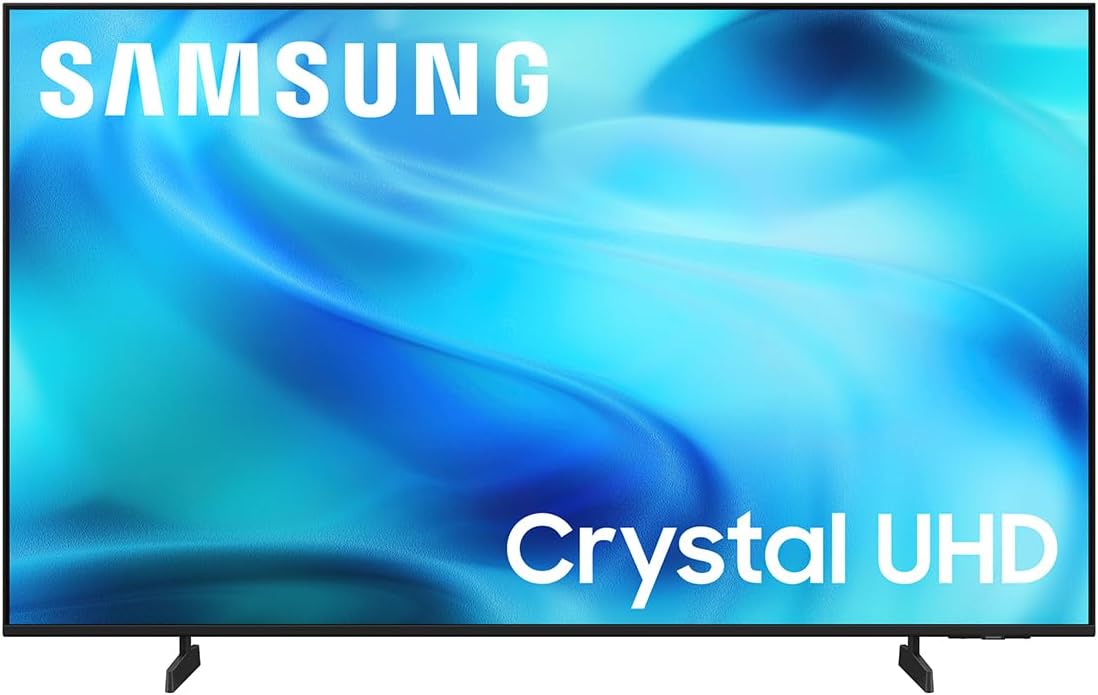 Samsung 43U8000H 43-Inch 4K Smart TV
|
6.3/10 | Buy | |
 Roku 43-Inch Select Series 4K Smart TV
|
6.2/10 | Buy | ||
 Insignia 43" F50 4K Fire TV with Alexa
|
6.2/10 | Buy | ||
 Toshiba 43" C350 Series 4K Fire TV
|
6.2/10 | Buy |
Sony XR48A90K 48-Inch 4K OLED Smart TV
Sony's compact 48-inch OLED delivers cinema-grade picture quality through its Cognitive Processor XR, which intelligently enhances contrast and color depth for both streaming and gaming. The 120Hz refresh rate and 8.5ms input lag make it particularly strong for PlayStation 5 players, while XR OLED Contrast Pro ensures pure blacks and peak brightness that define true OLED excellence. Bundle includes extended protection plans and screen cleaner, though the smaller footprint trades some immersion against larger models in the lineup.
Pros
- Outstanding OLED picture quality with XR Contrast Pro technology delivering pure blacks and lifelike depth
- Gaming-optimized with 120Hz refresh rate, 8.5ms input lag, and PlayStation 5 exclusive features
- Cognitive Processor XR intelligently upscales and enhances content across multiple picture modes
- Compact 48-inch size ideal for gaming setups or smaller living spaces without sacrificing premium features
- Bundle includes extended Amber Protection plans (2-6 years) covering mechanical/electrical failures and power surge protection
Cons
- Smaller screen size (48 inches) may limit immersion compared to larger OLED models for home theater viewing
- Premium pricing reflects OLED technology, positioning it as a high-end purchase rather than budget-friendly option
- Limited speaker configuration (2 speakers plus subwoofer) means external audio system recommended for optimal sound quality
Sony A90K 48-Inch OLED TV with Cognitive Processor XR
Sony's compact 48-inch OLED delivers premium picture quality through the Cognitive Processor XR, which enhances contrast and color accuracy. It's built for gamers with PlayStation 5 optimization, 4K/120fps support, and input lag as low as 8.5ms, while Google TV and included movie credits make it a well-rounded entertainment hub.
Pros
- Pure blacks and exceptional contrast from XR OLED Contrast Pro technology with Triluminos Pro color enhancement
- Gaming-focused features including 8.5ms input lag, 4K/120fps, VRR, and ALLM for PS5 and high-performance gaming
- Acoustic Surface Audio Plus with Dolby Atmos and built-in subwoofer for immersive sound
- Google TV with 700,000+ movies and TV episodes, plus 10 movie credits and 24 months of BRAVIA CORE streaming included
- Compact 48-inch size in OLED category, ideal for smaller living spaces without sacrificing picture quality
Cons
- Limited to 48 and 42-inch sizes compared to competing OLED models that offer larger options
- Premium pricing typical of OLED technology may be prohibitive for budget-conscious buyers
- Acoustic Surface Audio Plus relies on screen vibration rather than traditional speaker placement, which some users may find less immersive than dedicated audio systems
LG OLED48C5PUA 48-Inch OLED Gaming TV
LG's 2025 OLED evo C5 brings the α9 AI Processor Gen7 with AI Super Upscaling to deliver vivid contrast and perfect blacks across 8.3 million self-lit pixels. Built for gaming with 0.1ms response time, 144Hz refresh rate, and four HDMI 2.1 ports, it also excels at movies with Dolby Vision, Dolby Atmos, and Filmmaker Mode. Best suited for gamers and cinephiles seeking premium picture quality in a compact 48-inch form factor.
Pros
- Exceptional gaming performance with 0.1ms response time, up to 144Hz refresh rate, and full support for NVIDIA G-Sync, AMD FreeSync Premium, and VRR
- Outstanding picture quality with OLED technology delivering perfect blacks and rich colors, enhanced by AI Super Upscaling for lower-resolution content
- Comprehensive smart features including webOS 25, AI Concierge, Personalized Picture and Sound Wizard, and access to 350+ free LG Channels
- Premium audio-visual experience with Dolby Vision, Dolby Atmos, and Filmmaker Mode for authentic movie viewing
- Long-term software support through LG's Re:New Program with updates and feature refreshes for up to 5 years
Cons
- 48-inch size may feel small for some living rooms; larger options available in the C5 lineup
- OLED panels can be susceptible to burn-in with static images displayed for extended periods, though LG includes mitigation features
- Premium pricing reflects the flagship status; budget-conscious buyers may need to consider alternative models
Sony X90L 65-Inch 4K Full Array LED Smart TV
Sony's X90L brings serious picture quality through its Cognitive Processor XR and Full Array LED backlighting, making it equally capable for cinematic content and PS5 gaming. The HDMI 2.1 suite with 4K/120Hz and VRR support unlocks smooth gameplay, while Google TV integration keeps streaming straightforward. Best suited for living rooms where gaming and movies matter equally.
Pros
- Cognitive Processor XR delivers impressive contrast, color accuracy, and detail processing across hundreds of thousands of on-screen elements
- Full Array LED with XR Contrast Booster provides deep blacks and high peak brightness through independent zone control
- PS5-optimized with Auto HDR Tone Mapping and Auto Genre Picture Mode, plus full HDMI 2.1 support for 4K/120Hz, VRR, and ALLM
- Comprehensive smart TV ecosystem: Google TV with 700,000+ movies/episodes, Google Assistant voice control, Apple AirPlay 2, and Alexa compatibility
- Bundled BRAVIA CORE app includes 5 new-release credits and 12-month classic movie subscription
Cons
- Premium pricing positions it as a high-end investment rather than budget-friendly option
- Full Array LED backlighting, while excellent, consumes more power than edge-lit alternatives
- BRAVIA CAM for video chat sold separately, adding extra cost for that feature
TCL 75T7 4K QLED 144Hz Gaming TV
TCL's T7 brings gaming-focused features to a mainstream QLED package, pairing a 144Hz panel with Game Accelerator 288 and Auto Game Mode for responsive gameplay. The QLED quantum dot tech and HDR PRO+ deliver vibrant colors and strong contrast across movies and sports, while Motion Rate 480 with MEMC smooths out fast action. Best suited for gamers and sports fans who want a large, capable screen without premium pricing.
Pros
- 144Hz refresh rate with Game Accelerator 288 and ALLM for low-latency gaming
- QLED quantum dot technology with HDR PRO+, Dolby Vision, and HDR10+ for rich color and contrast
- Motion Rate 480 with MEMC frame insertion minimizes blur during fast scenes
- High Brightness Direct LED backlight improves visibility in bright rooms
- TCL AIPQ Pro Processor intelligently optimizes picture quality per scene
- Comprehensive audio with Dolby Atmos and DTS:X spatial sound
Cons
- No anti-reflection coating for bright room viewing, unlike higher-end models
- Limited wide viewing angles compared to premium competitors
- 144Hz panel may show diminishing returns for non-gaming content versus standard 60Hz TVs
TCL 65" T7 4K QLED with 144Hz Gaming
TCL's T7 brings gaming-focused features to a mainstream QLED TV, pairing a 144Hz refresh rate with Game Accelerator 288 and Auto Game Mode for responsive gameplay. The QLED panel delivers vibrant colors and HDR support across multiple formats, while Motion Rate 480 with MEMC handles fast-action content smoothly. Best suited for gamers and sports fans who want smooth motion without stepping into premium territory.
Pros
- 144Hz panel refresh rate eliminates motion blur during fast-paced gaming and sports
- Game Accelerator 288 with Auto Game Mode provides low-latency response for competitive gameplay
- QLED quantum dot technology covers nearly full DCI-P3 color space for rich, accurate colors
- HDR PRO+ supports Dolby Vision, HDR10+, and HDR10 for enhanced contrast and detail
- Comprehensive audio with Dolby Atmos and DTS Virtual:X for immersive sound
Cons
- High Brightness Direct LED backlight is less precise than full-array local dimming found in higher-tier models
- No anti-reflection coating means glare in bright rooms, unlike premium TCL alternatives
- Motion Rate 480 relies on MEMC frame insertion, which can introduce artifacts in some scenes
Sony K-65S30 BRAVIA 3 65-inch 4K LED Smart TV
A feature-rich 4K LED TV that combines Google TV integration with cinema-grade picture processing. The Triluminos Pro color engine and 4K X-Reality PRO upscaling deliver vibrant visuals across all content, while Dolby Vision and Dolby Atmos support elevates movies and gaming. Best suited for streamers and PS5 owners who want all-in-one entertainment without needing separate devices.
Pros
- Extensive smart TV ecosystem with 700,000+ movies/shows across 10,000+ apps and 800+ live TV channels via Google TV
- Strong picture processing with 4K HDR Processor X1, Triluminos Pro color accuracy, and 4K X-Reality PRO upscaling for near-4K quality from HD content
- PlayStation 5 optimization with Auto HDR Tone Mapping and Auto Genre Picture Mode for gaming-focused picture tuning
- Included SONY PICTURES CORE credits (5 new releases, 12-month classics subscription) adds immediate entertainment value
- Multiple streaming options with Chromecast built-in and AirPlay 2 support for device flexibility
Cons
- LED panel technology lacks the contrast and black levels of premium OLED alternatives
- X-Balanced Speakers are adequate but may require external soundbar for truly immersive cinema experience
- Optional BRAVIA CAM sold separately, adding cost for video chat functionality
Samsung 43U8000H 43-Inch 4K Smart TV
Samsung's 43-inch 4K TV combines solid picture quality through its Crystal Processor and Motion Xcelerator with a strong free content library via Samsung TV Plus. It's well-suited for viewers seeking a balanced mainstream TV without subscription pressure, though the 43-inch size limits appeal to those wanting a larger display.
Pros
- 2,700+ free streaming options including 750+ ad-supported channels eliminate subscription fatigue
- Crystal Processor delivers enhanced color and detail with effective 4K upscaling from lower-quality sources
- Motion Xcelerator smooths motion in sports and gaming at up to 4K 60Hz
- Samsung Gaming Hub provides console-free gaming access
- Rated #1 in durability among TV manufacturers per 2025 ACSI survey
Cons
- 43-inch screen size is relatively compact for immersive viewing compared to larger models
- Samsung Account required to unlock smart features and streaming apps, limiting functionality without account creation
- Gaming Hub and some streaming features require compatible subscriptions and high-speed internet separately
Roku 43-Inch Select Series 4K Smart TV
This 43-inch Roku TV brings 4K clarity and a straightforward smart interface to smaller spaces like bedrooms or kitchens. The built-in Roku platform offers 500+ free channels alongside major streaming apps, while Bluetooth headphone mode and auto speech clarity add practical conveniences. It's a solid budget-friendly option for anyone wanting smart TV basics without complexity.
Pros
- Sharp 4K picture with HDR10 and Roku Smart Picture optimization for cleaner signal processing
- Extensive free live TV access with 500+ Roku channels covering news, sports, and movies
- Bluetooth headphone mode and auto speech clarity for flexible, distraction-free viewing
- Simple home screen interface and voice remote make navigation intuitive
- Compact 43-inch size suits bedrooms, kitchens, and smaller living spaces
Cons
- Wi-Fi 5 and direct-lit backlighting lack the advanced features found in higher-tier Roku models
- Dolby Audio only, without Dolby Atmos support for immersive sound
- No local dimming or Mini-LED backlighting, limiting contrast depth compared to Select Series QLED variant
Insignia 43" F50 4K Fire TV with Alexa
A straightforward 4K Smart TV built around Amazon's Fire TV ecosystem, delivering solid picture quality through HDR10 support and access to major streaming apps without a cable subscription. Best for viewers who want an all-in-one entertainment hub with smart home integration at a practical price point.
Pros
- 4K resolution with HDR10 and DTS Virtual-X sound for immersive viewing
- Fire TV built-in with access to 1.8 million movies and TV episodes, plus free ad-supported content
- Smart home hub functionality pairs with compatible devices for camera feeds and device control
- Comprehensive connectivity including 3 HDMI ports, eARC support, and Ethernet
- Parental controls and PIN-protected access for household management
Cons
- Limited to LED display technology, not QLED or OLED like higher-tier competitors
- No information on refresh rate or gaming-specific features despite modern specifications
- Relies on Amazon ecosystem, which may limit flexibility for users preferring other smart TV platforms
Toshiba 43" C350 Series 4K Fire TV
A 43-inch 4K smart TV built around Fire TV integration and Toshiba's REGZA Engine ZR processing. The standout feature is its AI 4K upscaler, which intelligently enhances Full HD content to near-4K clarity by analyzing pixel texture rather than simply enlarging. Dolby Vision and Atmos support, plus dedicated gaming and sports modes, make it versatile for mixed content consumption.
Pros
- AI 4K upscaling intelligently enhances lower-resolution content with texture-aware processing
- Dolby Vision and Dolby Atmos deliver immersive picture and sound
- Game Mode supports ALLM and VRR for responsive gaming with reduced motion blur
- Fire TV integration simplifies app discovery and content access on one home screen
- Sports Mode optimized for fast-action clarity and detail
Cons
- No user reviews available yet, limiting real-world performance validation
- 43-inch size may be considered entry-level for premium 4K TV pricing
- Upscaling quality depends on source material and room lighting conditions
4K TVs Buying Guide
Buying a 4K TV involves more than picking the biggest screen your budget allows. Panel technology, picture processing, smart platform, and connectivity all shape daily satisfaction in ways that spec sheets can obscure.
The sections below walk through the criteria that matter most, so you can match the right set to your room and use case.
If your shortlist leans toward one technology in particular, our roundups of OLED TVs and QLED TVs go deeper on those categories.
Panel Technology: OLED, QLED, or LED

Panel type is the single biggest factor in picture quality. OLED panels use self-emissive pixels that switch off completely, producing true blacks and essentially infinite contrast.
They excel in dark viewing environments and are widely considered the reference standard for cinematic content. The trade-off is that peak brightness falls below the highest-end LED sets, which can matter in very bright rooms.
QLED panels layer quantum dot film over an LED backlight to expand the color gamut and push peak brightness higher than standard LED. They handle bright ambient light well and suit large living rooms where sunlight is a factor.
Full-array local dimming (FALD) versions close much of the contrast gap with OLED. Standard LED and LCD sets without quantum dots offer the most accessible price points with respectable sharpness, making them a practical choice for bedrooms and secondary spaces.
For dedicated movie-watching setups, OLED remains the gold standard; for bright, open living rooms where glare is constant, a high-brightness QLED is worth the consideration.
Mini-LED backlighting, available on premium LCD/QLED models, uses thousands of tiny LEDs to dramatically refine local dimming zones, reducing the blooming halos that plagued older sets.
It sits between conventional FALD and OLED in both performance and price, and it is increasingly common in the upper-midrange tier.
Processor and Upscaling Performance

A TV’s picture processor does far more than decode a signal.
It handles upscaling of 1080p and lower-resolution content to near-4K quality, manages noise reduction, adjusts tone mapping for HDR, and on AI-driven chips, adapts settings dynamically to the content being displayed.
Sony’s Cognitive Processor XR, found in the A90K and X90L, uses cross-object analysis to replicate how human eyes perceive scenes, producing natural depth and texture rather than over-sharpened edges.
LG’s a9 AI Processor in the C5 OLED applies scene-by-scene upscaling and automatic genre recognition.
Budget processors in entry-level sets do a competent job with native 4K content but can struggle with upscaling or produce over-smoothed motion.
If you watch a lot of cable TV, streaming at mixed resolutions, or older Blu-ray content, investing in a model with a stronger processor pays dividends every single day.
Check whether a processor supports Super Resolution or AI upscaling specifically, not just generic “4K upscaling.”
HDR Format Support
High Dynamic Range dramatically expands luminance range and color volume, making highlights sparkle and shadow detail visible simultaneously.
The two most significant HDR formats are HDR10 (open standard, universally supported) and Dolby Vision (licensed, scene-by-scene metadata for more precise tone mapping).
Dolby Vision is the more sophisticated of the two and is supported by Netflix, Disney+, and Apple TV+. HDR10+ offers dynamic metadata as well and appears on Amazon Prime Video content.
For the best HDR experience, look for a TV that supports both Dolby Vision and HDR10+, covers the majority of streaming sources.
Also check peak brightness: Dolby Vision performs visibly better when a panel can reach at least 600 to 1,000 nits in HDR mode.
OLED panels typically top out lower on peak brightness than the best LED sets but compensate with superior black levels, which is why perceived contrast often looks comparable or better in a dark room.
Refresh Rate and Motion Handling

Native refresh rate matters most for sports viewers and gamers. A 120 Hz native panel delivers smoother motion during fast-paced action and enables 4K/120 fps input from current-generation gaming consoles.
Many midrange and budget TVs advertise “motion rate” or “effective” figures that are double or quadruple the native rate using frame interpolation; these numbers are marketing constructs rather than hardware specifications, so always verify the native Hz before buying.
For sports, a 120 Hz panel combined with effective motion processing eliminates judder and motion blur that makes fast panning shots look smeared.
Gamers should also verify HDMI 2.1 port availability, which is required to push 4K at 120 fps from a PlayStation 5 or Xbox Series X. You can find more sport-specific advice in our guide to TVs built for sports watching.
For gaming-first buyers, gaming-optimized TVs add features like Variable Refresh Rate (VRR) and Auto Low Latency Mode (ALLM) that reduce input lag automatically.
Smart TV Platform and App Ecosystem

All the TVs in this list run a smart platform out of the box, eliminating the need for a separate streaming stick in most cases.
Google TV (used by Sony and TCL models here) offers a polished, content-forward interface with Google Assistant, Chromecast built-in, and broad app support. LG’s webOS is consistently praised for speed and ease of navigation.
Samsung’s Tizen platform features a wide content partnership and excellent ambient mode. Amazon Fire TV (Toshiba and Insignia models) integrates Alexa deeply and surfaces free ad-supported content prominently.
Roku OS, found in the Roku Select Series, is celebrated for its no-frills simplicity and nearly universal app availability.
Consider which voice assistant ecosystem you already live in, whether that is Google, Alexa, or Apple HomeKit, because day-to-day convenience improves when your TV and smart home devices speak the same language.
For a broader look at smart platform considerations, our smart TV guide covers platform differences in depth. Pairing any of these sets with a capable soundbar for TV elevates the audio to match the picture quality.
Screen Size and Viewing Distance

Choosing the right screen size is about matching panel diagonal to the distance between your seating position and the wall.
A common guideline for 4K resolution is to sit roughly 1 to 1.5 times the screen diagonal away; at that distance you can resolve the full pixel detail 4K offers without perceiving individual pixels.
A 65-inch TV works well at about 8 to 10 feet; a 75-inch panel suits a room where seating is 10 to 12 feet back.
For bedrooms and smaller spaces, 43 to 48 inches is a comfortable range that keeps the image immersive without overwhelming the room.
If the TV will live primarily in a bedroom, our bedroom TV guide has size and brightness recommendations tuned for that context.
At the opposite extreme, buyers on a stretched budget across any size should cross-reference our TVs under a thousand dollars roundup to identify where spending more actually moves the needle on quality.
Why You Should Trust Us
REMOVU is an independent review publication. We do not sell products, we do not fulfill orders, and we have no affiliation with any retailer or manufacturer.
Every TV in this roundup is scored using the REMOVU Score, a 0-to-10 scale applied consistently across a defined set of criteria: picture quality and panel technology, processor and upscaling capability, HDR format support, smart platform quality, gaming and connectivity features, build quality, and value relative to alternatives in the same tier.
We do not conduct our own product trials; our evaluations are grounded in research, published data, expert review consensus, and verified buyer feedback.
Our research team analyzes manufacturer specifications, draws on aggregated expert review consensus from the broader professional reviewing community, and weighs verified buyer feedback to identify real-world patterns, both positive and negative, that spec sheets do not reveal.
Sources are cross-referenced to reduce the influence of any single outlier assessment.
REMOVU may earn a commission when you purchase through links on this page. That affiliate relationship has no bearing on which products appear in our rankings, what scores they receive, or how they are described.
Our editorial decisions are made independently of commercial outcomes. If a product scores poorly on our criteria, it does not appear in our recommended list regardless of commercial considerations.
Final Thoughts
The 4K TV market in 2026 offers exceptional value at every price tier, from genuinely cinematic OLED panels to capable budget LED sets that cover the basics without compromise. After researching the full lineup, here are our standout picks by category:
- Best Overall: Sony XR48A90K BRAVIA XR 4K OLED earns the top REMOVU Score in this roundup. Its XR Cognitive Processor, pixel-level contrast control, and Dolby Vision support make it the most complete 4K viewing package here, especially for film and high-quality streaming content.
- Best OLED for Most People: LG 48-Inch OLED evo C5 combines an exceptional self-lit OLED panel with AI-driven upscaling, Dolby Atmos, and Filmmaker Mode in a 2026 model that competes at the top of its class without requiring the premium that the Sony commands.
- Best LED TV for Living Rooms: Sony 65 Inch BRAVIA XR X90L brings full-array LED performance, 4K/120Hz input, and the Cognitive Processor XR to a larger screen format at a significantly more accessible price, making it the strongest LED pick for main living areas.
- Best QLED Value: TCL 75-Inch T7 QLED delivers a 144 Hz QLED panel at a price that undercuts the competition substantially, offering smooth motion for sports and gaming alongside Google TV in a genuinely large format.
- Best Budget Pick: Insignia 43-Inch F50 Fire TV is the most affordable route to a capable 4K smart TV with Alexa voice control and access to free live TV, making it the logical entry point for buyers who want solid fundamentals without a large outlay.
Whichever screen you choose, pairing it with quality audio makes a real difference. A well-matched TV soundbar or a full AV receiver for home theater turns a great picture into a genuinely cinematic experience.
Browse our full TV and home theater category for complementary gear that works alongside any of these picks.
Frequently Asked Questions
Is 4K Worth It if My Internet Connection Is Not Fast?
Yes, for two reasons. First, streaming 4K from Netflix or Disney+ requires around 15 to 25 Mbps, which is within reach of most home broadband connections.
Second, even if you stream mostly at 1080p, a 4K TV’s upscaling processor improves the apparent sharpness of that content noticeably.
A strong processor like Sony’s Cognitive Processor XR or LG’s a9 AI chip makes 1080p content look closer to native 4K than a budget processor does.
What Is the Difference Between OLED and QLED in Everyday Viewing?
OLED produces deeper blacks and better contrast in dark rooms because each pixel controls its own light output independently. QLED achieves higher peak brightness and performs better in brightly lit rooms where ambient light washes out OLED’s contrast advantage.
For a dedicated home theater or evening viewing, OLED is typically preferred. For a sunny living room with large windows, a high-brightness QLED is often the more practical choice. Both technologies support Dolby Vision and deliver rich, wide-color-gamut images.
Do I Need HDMI 2.1 Ports on My 4K TV?
If you own or plan to buy a PlayStation 5 or Xbox Series X and want to play at 4K resolution and 120 frames per second, at least one HDMI 2.1 port is essential.
HDMI 2.1 also enables Variable Refresh Rate and Auto Low Latency Mode, both of which meaningfully reduce input lag and screen tearing. If your primary use is streaming and cable TV, HDMI 2.0 ports are sufficient for all practical purposes.
How Do I Know Which Screen Size Is Right for My Room?
Measure the distance from your seating position to the wall where the TV will sit, in feet. Multiply that number by 12 to convert to inches, then aim for a screen diagonal between 0.7 and 1.0 times that figure.
For example, a 10-foot viewing distance suggests a screen between roughly 84 and 120 inches in the ideal range, though 65 to 75 inches is often the practical sweet spot for that distance given room aesthetics and budget.
For a bedroom where you sit closer, 43 to 48 inches is usually the right scale without dominating the space.
Which Smart TV Platform Is the Easiest to Use?
Roku OS is consistently rated the most intuitive platform for users who want simplicity and fast access to apps without a cluttered interface.
Google TV is excellent for users already invested in the Google ecosystem, offering strong voice search and personalized content recommendations across apps. LG’s webOS is quick and clean, especially for navigating between inputs and adjusting settings.
Amazon Fire TV is deeply integrated with Alexa and surfaces free ad-supported content prominently, which suits buyers who rely heavily on Prime Video and Alexa routines at home.
Are Budget 4K TVs Good Enough for General Use?
For casual streaming, news, and general TV watching, yes. Budget sets from brands like Toshiba, Insignia, and Roku offer solid 4K resolution, HDR10 support, and built-in smart platforms at a fraction of the price of flagship models.
The trade-offs appear in motion handling, local dimming quality, and smart platform responsiveness.
If you plan to use the TV as a primary living room screen for long hours daily or for critical movie watching, moving up to a midrange or premium model yields a noticeably better experience.
For secondary rooms, budget picks are entirely reasonable.
About the author
Lucy covers AV receivers for REMOVU, digging into channel support, HDMI features, and how much clean power each unit delivers to a home theater. She translates dense spec sheets into plain advice for building a surround setup.