The 9 Best TVs for Gaming
From OLED to Mini-LED QLED, the right gaming TV transforms frame rates, contrast, and input lag. Here are the top picks across every price tier.
 By Dwight Garza
Updated July 26, 2026
By Dwight Garza
Updated July 26, 2026
Picking the right TV for gaming has never mattered more.
With current-generation consoles and high-end PCs pushing 4K at high frame rates, the display you choose can be the difference between a smooth, immersive experience and one plagued by blur, input lag, or washed-out colors.
Panel technology, refresh rate, HDR implementation, and smart platform all play a role, and the options spanning OLED, Mini-LED QLED, and traditional LCD span a wide range of price points and performance tiers.
Whether you play fast-paced shooters, open-world RPGs, or casual titles on the couch, the right gaming TV dramatically changes what you see and feel during every session.
This guide brings together picks from LG, TCL, Hisense, and Samsung, evaluated through REMOVU’s research-based methodology covering published specifications, expert review consensus, and verified buyer feedback.
From a premium OLED with near-perfect black levels to budget-friendly LCD options that still deliver smooth motion, there is a pick here for every setup and spending threshold. Read on for our top recommendations across every category.
| Award | Product | REMOVU Score About REMOVU ScoreThe REMOVU Score is our own rating from 0 to 10, based on performance, design and build, ease of use, and value. It reflects independent research and is never influenced by manufacturers, retailers, or affiliate commissions. Learn more › | Price | |
|---|---|---|---|---|
| Best Overall |
 LG OLED55C5PUA 55-Inch OLED evo AI 4K TV
|
9.1/10 | Buy | |
| Best Premium |
 Hisense 55U7 Mini-LED 165Hz Gaming TV
|
8.4/10 | Buy | |
 TCL 65QM6K Mini LED QLED 144Hz Smart TV
|
7.8/10 | Buy | ||
| Best Value |
TCL 55QM6K Mini LED QLED 4K Smart TV
|
8.3/10 | Buy | |
 TCL 65" T7 4K QLED with 144Hz Gaming
|
7.6/10 | Buy | ||
| Best Budget |
 Hisense 55E7SF Hi-QLED Mini-LED 4K Smart TV
|
7.3/10 | Buy | |
 TCL 55T7 55-inch QLED 144Hz Gaming TV
|
7.2/10 | Buy | ||
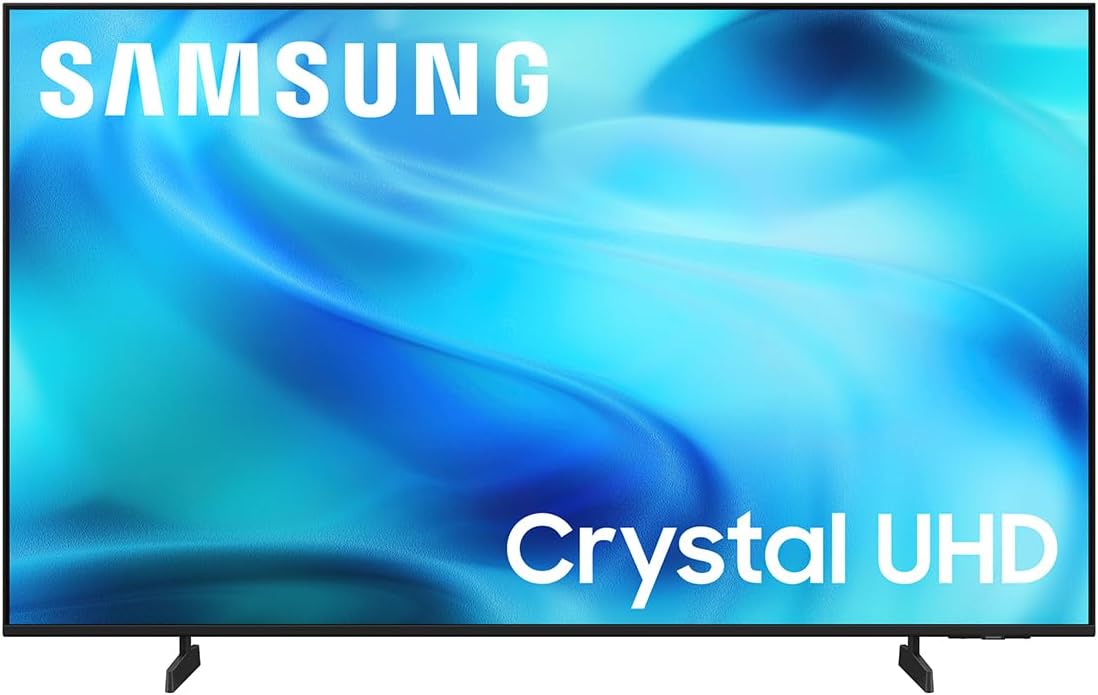 Samsung 65U8000H 65-Inch Crystal UHD Smart TV
|
6.5/10 | Buy | ||
|
Samsung 50U8000H 50-Inch Crystal UHD Smart TV
|
6.2/10 | Buy |
LG OLED55C5PUA 55-Inch OLED evo AI 4K TV
LG's flagship OLED delivers exceptional picture quality with the Alpha 9 Gen8 AI processor handling upscaling and personalized settings across content. The 55-inch panel excels in bright rooms thanks to brightness-boosting tech and UL-verified glare resistance, while four HDMI 2.1 ports and 0.1ms response time make it gaming-ready. A premium choice for cinephiles and gamers seeking true blacks paired with immersive Dolby Vision and Atmos.
Pros
- Perfect blacks and color accuracy from 8.3 million self-lit OLED pixels, even in well-lit spaces
- Alpha 9 Gen8 AI processor with Super Upscaling enhances lower-resolution content intelligently
- Gaming-focused specs: 0.1ms response time, up to 144Hz refresh rate, four HDMI 2.1 inputs, G-Sync and FreeSync support
- Filmmaker Mode preserves directorial intent, plus Dolby Vision and Dolby Atmos for cinematic experience
- Bright Room Ready certification (UGR <22) confirms minimal glare in daylit environments
Cons
- Premium pricing typical of flagship OLED models limits accessibility for budget-conscious buyers
- Potential burn-in risk with OLED technology if static images displayed for extended periods, though mitigated by modern safeguards
- Requires internet connection and streaming subscriptions for full feature access including personalized recommendations
Hisense 55U7 Mini-LED 165Hz Gaming TV
A 55-inch premium gaming display built around native 165Hz motion and Mini-LED precision lighting. The Hi-QLED technology with up to 3,000 local dimming zones and anti-reflection coating handles both bright rooms and dark viewing, while Game Booster 330 VRR targets competitive gamers seeking low input lag. Best suited for players and sports fans who prioritize motion clarity and contrast over other factors.
Pros
- Native 165Hz refresh rate with AI Smooth Motion keeps fast action fluid without blur, ideal for gaming and sports
- Hi-QLED Mini-LED with 3,000 local dimming zones and 3,000 nits peak brightness delivers strong contrast and bright highlights even in lit rooms
- Anti-reflection dual-layer screen minimizes glare and reflections for consistent picture clarity
- Game Booster 330 with VRR and real-time Game Bar monitoring reduces input lag and lets you track performance metrics mid-game
- Pantone-validated color accuracy ensures natural, lifelike color reproduction across content
Cons
- No user reviews yet, so real-world reliability and long-term performance remain unverified
- Premium positioning means higher cost compared to standard 55-inch 4K TVs without Mini-LED or high refresh rate features
- Native 165Hz advantage is most noticeable on compatible gaming consoles and PC setups; standard streaming content won't fully leverage the spec
TCL 65QM6K Mini LED QLED 144Hz Smart TV
TCL's QM6K combines Mini LED precision dimming with Quantum Dot color for sharp contrast and bright HDR performance across sports, movies, and gaming. The 144Hz native refresh rate and Game Accelerator 288 make it compelling for fast-action content, while the Onkyo 2.1 audio system with built-in subwoofer handles Dolby Atmos. Best suited for buyers wanting premium picture quality and gaming features without flagship pricing.
Pros
- QD-Mini LED technology delivers high brightness and rich color with up to 500 precise dimming zones
- 144Hz native refresh rate plus Motion Rate 480 ensures smooth playback for sports and gaming
- TCL Halo Control System minimizes blooming and haloing for cleaner blacks and shadow detail
- Onkyo speaker system with subwoofer and Dolby Atmos provides solid spatial audio
- Game Accelerator 288 with AMD FreeSync Premium Pro and Auto Game Mode for low-lag gameplay
- Google TV platform with voice remote (Alexa compatible) for convenient streaming access
Cons
- No anti-reflection coating mentioned for bright room use, which could impact visibility in high ambient light
- 144Hz refresh rate only on 65-inch and larger models (240Hz on 50/55-inch), limiting smooth motion on smaller sizes
- Competing models in the price range offer higher peak brightness (6000+ nits vs stated high brightness here)
TCL 55QM6K Mini LED QLED 4K Smart TV
TCL's QM6K combines Mini LED precision with Quantum Dot color technology to deliver bright, contrast-rich picture quality without the premium price tag of flagship models. Built for sports fans and gamers with its 144Hz native refresh rate and advanced local dimming, it handles fast-paced content smoothly while supporting multiple HDR formats. The integration of Google TV, Dolby Atmos audio, and voice control makes it a well-rounded option for streaming households.
Pros
- QD-Mini LED technology delivers exceptional brightness and color vibrancy with minimal blooming through TCL's Halo Control System
- 144Hz native refresh rate plus Motion Rate 480 produces smooth motion ideal for sports and gaming
- Supports Dolby Vision, HDR10+, HDR10, and HLG for comprehensive HDR content compatibility
- Built-in Google TV with Alexa voice remote and Onkyo audio system simplifies content access and entertainment
- Strong user rating (4.4 stars from 1818 reviews) reflects consistent real-world satisfaction
Cons
- Mini LED local dimming, while effective, may not achieve the true blacks of premium OLED displays
- 55-inch size limits options for smaller viewing spaces or those seeking larger screens
- Advanced features like high refresh rate and Mini LED technology position it above budget TVs but below ultra-premium tiers
TCL 65" T7 4K QLED with 144Hz Gaming
TCL's T7 brings gaming-focused features to a mainstream QLED TV, pairing a 144Hz refresh rate with Game Accelerator 288 and Auto Game Mode for responsive gameplay. The QLED panel delivers vibrant colors and HDR support across multiple formats, while Motion Rate 480 with MEMC handles fast-action content smoothly. Best suited for gamers and sports fans who want smooth motion without stepping into premium territory.
Pros
- 144Hz panel refresh rate eliminates motion blur during fast-paced gaming and sports
- Game Accelerator 288 with Auto Game Mode provides low-latency response for competitive gameplay
- QLED quantum dot technology covers nearly full DCI-P3 color space for rich, accurate colors
- HDR PRO+ supports Dolby Vision, HDR10+, and HDR10 for enhanced contrast and detail
- Comprehensive audio with Dolby Atmos and DTS Virtual:X for immersive sound
Cons
- High Brightness Direct LED backlight is less precise than full-array local dimming found in higher-tier models
- No anti-reflection coating means glare in bright rooms, unlike premium TCL alternatives
- Motion Rate 480 relies on MEMC frame insertion, which can introduce artifacts in some scenes
Hisense 55E7SF Hi-QLED Mini-LED 4K Smart TV
Hisense's E7 brings mini-LED contrast and AI-driven picture optimization to a 55-inch 4K panel, making it solid for movies, sports, and everyday streaming. The 144Hz native refresh and MEMC motion tech appeal to gamers and sports fans, while Dolby Vision with Atmos handles cinematic content well. Best suited for viewers who want noticeable picture improvements without premium pricing.
Pros
- Mini-LED backlighting with thousands of zones delivers genuine contrast separation and detail visibility across bright and dark scenes
- Native 144Hz gaming mode with quick response keeps action smooth and blur-free for competitive play and fast-motion content
- Comprehensive AI processing covers picture optimization, motion enhancement, 4K upscaling, and auto sports mode detection without manual tweaking
- Full HDR stack including Dolby Vision IQ, HDR10+ Adaptive, and Dolby Atmos for immersive sound and bright highlights
- AI Light Sensor adjusts brightness in real time based on room conditions, reducing eye strain throughout the day
Cons
- No specifications or detailed contrast/brightness measurements provided, making true performance comparison difficult versus competitors at similar price
- AI upscaling quality depends on content source and algorithm tuning, which can vary noticeably on lower-resolution streams
- 178 reviews indicate solid but not exceptional user satisfaction, with limited insight into long-term reliability or edge-case issues
TCL 55T7 55-inch QLED 144Hz Gaming TV
TCL's T7 brings QLED picture quality and gaming-focused features to a budget-friendly package. The 144Hz refresh rate, Game Accelerator 240, and low-latency Auto Game Mode make it compelling for both sports enthusiasts and console gamers, while the AIPQ Pro processor and Motion Rate 480 keep motion smooth across all content.
Pros
- 144Hz refresh rate with Game Accelerator 240 and Auto Game Mode for responsive gaming with minimal lag
- QLED Quantum Dot technology delivers vibrant colors and strong contrast across DCI-P3 color space
- Motion Rate 480 with MEMC frame insertion smooths fast-action content effectively
- Comprehensive HDR support including Dolby Vision, HDR10+, and HDR10 for detailed image processing
- Google TV platform with Chromecast and Apple AirPlay 2 integration for flexible streaming
Cons
- No anti-reflection coating, so bright rooms may cause glare issues
- High Brightness Direct LED backlight is less advanced than mini-LED or full-array local dimming found in pricier models
- 144Hz panel is marketed for gaming but lacks the peak brightness of premium gaming displays
Samsung 65U8000H 65-Inch Crystal UHD Smart TV
Samsung's 2026 65-inch Crystal UHD delivers sharp 4K visuals powered by a dedicated processor that enhances color and upscales lower-quality content. Built-in motion optimization suits sports and gaming fans, while 2,700+ free streaming channels reduce subscription fatigue. Best for viewers seeking a feature-rich smart TV without breaking the bank on premium models.
Pros
- Crystal Processor with 4K upscaling sharpens details and colors across all content types
- Motion Xcelerator smooths gaming and sports at up to 4K 60Hz for clearer action sequences
- Massive free content library with 750+ subscription-free channels via Samsung TV Plus
- Color Booster intensifies on-screen hues for more vibrant visuals
- Solid 4.4-star rating from 413 verified buyers
Cons
- Samsung Account required to unlock smart features and streaming apps, creating an extra setup barrier
- Free content channels vary by location and are subject to change without notice
- No details on native refresh rate, panel type, or input lag for competitive gamers
Samsung 50U8000H 50-Inch Crystal UHD Smart TV
Samsung's 50-inch Crystal UHD delivers solid 4K picture quality with AI-enhanced processing that sharpens details and boosts colors. The TV bundles 2,700+ free streaming channels through Samsung TV Plus, plus Motion Xcelerator for smooth gaming and sports, making it a well-rounded choice for households seeking entertainment without subscription fatigue. Rated 4.4 stars from 413 verified buyers.
Pros
- Crystal Processor upscales lower-quality content to 4K and enhances color vibrancy
- 2,700+ free streaming options with 750+ subscription-free channels reduce ongoing costs
- Motion Xcelerator delivers smooth 4K 60Hz performance for gaming and live sports
- Color Booster intensifies colors across content for more engaging visuals
- Built-in Alexa and Samsung Vision AI for voice control and smart features
Cons
- Requires Samsung Account login to access smart services and streaming apps; limited functionality without it
- 4K upscaling quality depends on source material, so lower-resolution content may still show limitations
- No detailed specs provided on brightness, contrast ratio, or panel type to compare against competitors
Best TVs for Gaming Buying Guide
Buying a gaming TV involves more than just picking the biggest screen you can afford. Each specification below has a direct impact on how your games look and feel in real play.
Understanding these criteria lets you match the right panel to your console, PC, or streaming setup before you spend a cent.
Panel Technology: OLED vs. Mini-LED QLED vs. LCD
Panel type sets the foundation for everything else. OLED panels, like the one inside the LG C5 series, use per-pixel light emission to deliver perfect blacks, infinite contrast ratios, and near-instant pixel response times.
This makes dark scenes in games dramatically more detailed and eliminates the blooming glow that surrounds bright objects on backlit displays. For serious gamers who play in a darkened room, OLED remains the gold standard.
Mini-LED QLED panels, used across TCL’s QM6K line and Hisense’s U7 and E7 Cinema series, use thousands of tiny LED zones behind a quantum dot LCD layer.
This approach delivers significantly higher peak brightness than OLED, which helps HDR highlights pop in well-lit living rooms. The trade-off is that blooming around very bright objects can still occur, though high zone counts minimize it considerably.
For most living-room gaming setups, Mini-LED QLED offers an excellent balance of brightness, color volume, and price.
Standard LCD panels, found in Samsung’s Crystal UHD U8000H series, use conventional edge or direct-lit backlights without the granular zone control of Mini-LED.
They are the most affordable option and still capable of smooth, respectable gaming performance, but contrast and shadow detail will be noticeably behind their Mini-LED or OLED counterparts.
If budget is the primary constraint and you play primarily in a bright room, a good LCD can still serve you well.
Refresh Rate and VRR Support
Refresh rate determines how many frames your TV can display per second, and for gaming it is one of the most important specs on the sheet.
A native 120Hz panel is the practical minimum for current-generation console gaming, enabling smooth motion during fast action and compatibility with 120fps game modes on PlayStation 5 and Xbox Series X.
Several panels in this roundup, including the Hisense U7SG and both TCL QM6K models, push native refresh rates to 144Hz or even 165Hz, which becomes genuinely useful when paired with a capable gaming PC.
Variable Refresh Rate (VRR) support, covering AMD FreeSync and NVIDIA G-Sync Compatible certification, synchronizes the TV’s refresh rate to your GPU’s output frame rate in real time. This eliminates screen tearing and reduces stutter during scenes where frame rates fluctuate.
The Hisense U7SG’s VRR range up to 330Hz reported in its specifications stands out as unusually wide for a TV panel.
If you game on a PC, confirming VRR compatibility with your laptop or desktop GPU is worth doing before purchase.
Auto Low Latency Mode (ALLM) is a related feature that automatically switches the TV to its lowest-latency Game Mode when it detects a gaming source.
All picks in this guide support ALLM, but the depth of Game Mode customization, including brightness, color temperature, and HDR settings within that mode, varies by brand and model tier.
Input Lag and Response Time
Input lag is the delay between pressing a button and seeing the action on screen.
For competitive gaming, anything below 10ms in Game Mode is considered excellent; anything above 20ms starts to feel perceptibly sluggish in twitch-response genres like first-person shooters or fighting games.
OLED panels have a structural advantage here because their pixels switch states near-instantaneously, and the LG C5 series consistently ranks among the lowest-latency TVs in expert consensus data.
Pixel response time, separate from input lag, describes how quickly individual pixels transition between colors. Slow pixel response creates visible motion blur trailing behind fast-moving objects.
Mini-LED QLED panels from TCL and Hisense have improved markedly in this area, and most 2025 and 2026 models in this roundup include pixel overdrive or MEMC (Motion Estimation Motion Compensation) processing to reduce ghosting.
Be aware that aggressive MEMC can introduce artifacts in some gaming scenes, so checking verified buyer feedback on specific models is valuable.
HDR Format and Peak Brightness
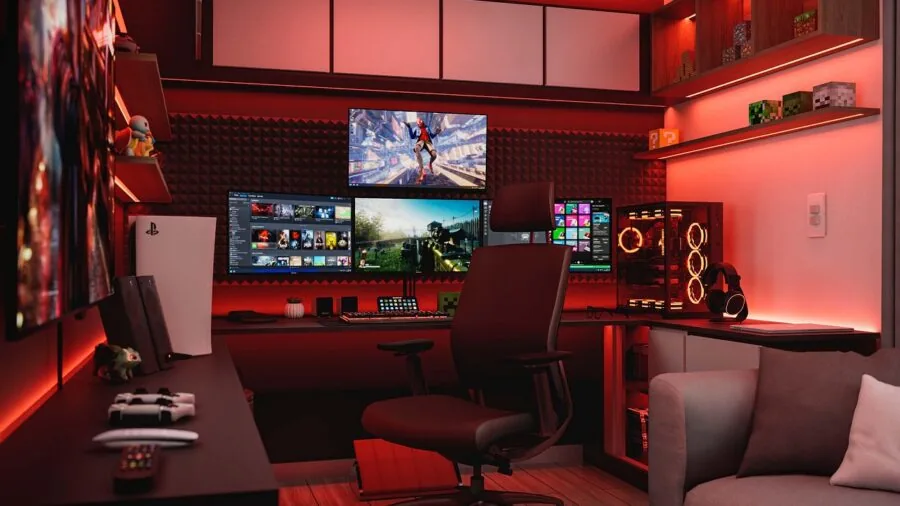
HDR transforms compatible game content by expanding the range between the darkest shadows and the brightest highlights. The most widely supported formats are HDR10 and Dolby Vision.
HDR10+ Adaptive (supported by several Hisense models here) adds dynamic metadata that adjusts tone mapping scene by scene, while Dolby Vision IQ (on both Hisense U7SG and the LG C5) goes further by using ambient light sensors to optimize the picture for the brightness of your room automatically.
Peak brightness determines how impactful HDR highlights actually look. OLED panels achieve extraordinary contrast through near-zero black levels, while Mini-LED QLED panels often achieve higher raw peak brightness numbers, making them better suited to bright ambient environments.
The Hisense U7SG and TCL QM6K series both publish high peak brightness specifications for HDR content, a meaningful advantage in sun-lit living rooms.
The LG C5’s OLED evo panel is brighter than prior OLED generations, narrowing that gap considerably.
HDMI 2.1 Connectivity and Gaming Features
HDMI 2.1 ports are essential for next-generation gaming at full bandwidth. Without HDMI 2.1, you cannot use 4K at 120fps from a PS5 or Xbox Series X, and VRR over HDMI is limited.
Confirm that the specific port you intend to use for your console or PC supports full HDMI 2.1 bandwidth at 48Gbps, as some manufacturers include only one or two HDMI 2.1 ports while labeling others as HDMI 2.0 or 2.1 at reduced bandwidth.
Beyond physical ports, look for eARC (Enhanced Audio Return Channel) on at least one HDMI port. eARC allows lossless audio formats like Dolby TrueHD and DTS:X to pass from your TV to a connected soundbar or AV receiver without quality loss.
Pairing your gaming TV with a capable soundbar with subwoofer makes a substantial difference in how action sequences and game soundtracks land, especially in larger rooms.
Smart TV Platform and Ecosystem
The smart TV platform affects daily usability beyond gaming. Google TV, found on TCL’s T7 and QM6K series and Hisense’s U7SG, offers a deep app library, Google Assistant voice control, and excellent Chromecast integration.
Amazon’s Fire TV platform, used in the Hisense E7 Cinema series, prioritizes Prime Video content but still supports most major streaming apps and Alexa voice control.
LG’s webOS, powering the C5, is widely praised for its speed, clean interface, and strong gaming-specific dashboard features.
Samsung’s Tizen OS on the U8000H series is mature and well-supported, with a broad app ecosystem and tight integration with other Samsung devices.
If you already own a Samsung phone or tablet, the SmartThings ecosystem connection can be genuinely convenient. For households using voice assistants heavily, all platforms here support Alexa; Google TV and webOS additionally support Google Assistant.
Pairing any of these TVs with a quality smart speaker can extend voice control beyond the remote.
Why You Should Trust Us
REMOVU is an independent review platform with no affiliation to any manufacturer or retailer.
Every product in this roundup is evaluated through a consistent, structured research process covering published technical specifications, expert review consensus from across the industry, and verified buyer feedback gathered from confirmed purchasers.
We do not conduct our own product trials; our evaluations are grounded in research, published data, expert review consensus, and verified buyer feedback.
Each product receives a REMOVU Score on a scale of 0 to 10, reflecting its overall performance across the criteria most relevant to its category. Scores are derived from weighted assessment of real-world performance data, not from marketing claims.
The LG C5 leads this roundup with the highest REMOVU Score in the group; the Samsung Crystal UHD U8000H represents the most accessible entry point and is scored accordingly.
REMOVU may earn a commission if you purchase through a link in this article. That affiliate relationship has no bearing on our rankings, scores, or product selection.
Our recommendations are determined entirely by research quality and how well a product serves the needs of real buyers, not by commission rates.
Final Thoughts
The gaming TV market in 2026 offers genuinely excellent options at every price tier, from accessible LCD panels with smooth 60Hz to 120Hz performance up to flagship OLEDs with near-zero input lag and pixel-perfect contrast.
After assessing all nine models in this roundup against consistent criteria, here are our standout picks by category:
- Best Overall: LG OLED evo AI 4K C5 Series (55-Inch) earns the top REMOVU Score in this roundup with its per-pixel OLED contrast, extremely low input lag, and comprehensive HDR format support including Dolby Vision IQ, making it the most complete gaming TV in the group for those who can invest at the premium tier.
- Best Premium Value: Hisense 55″ U7 Mini-LED ULED (55U7SG) delivers a native 165Hz refresh rate, an exceptionally wide VRR range, Dolby Vision IQ and Dolby Atmos, and anti-reflection treatment at a price well below the OLED tier, making it the strongest performance-per-dollar pick in the roundup for competitive gamers on a mid-range budget.
- Best for Large-Screen Gaming: TCL 65″ QM6K Mini-LED QLED (65QM6K) brings high-brightness Mini-LED performance and a 120Hz to 144Hz panel to the 65-inch class, giving living-room gamers the screen real estate of a larger display without sacrificing the color volume and motion clarity that gaming demands.
- Best Budget Pick: Samsung 50-Inch Crystal UHD U8000H is the most affordable entry in this roundup and still offers Samsung’s Vision AI processing, Motion Xcelerator, and Alexa integration at a price accessible to first-time console buyers or secondary-room setups where top-tier contrast is less critical.
- Best for Gaming Headset Users: Any of the top-scoring picks pair naturally with a quality gaming headset for private, immersive audio when a soundbar is not practical, and their eARC-equipped HDMI ports ensure the audio chain stays clean.
Whichever model you choose, pairing it with the right audio setup makes a real difference. A dedicated Dolby Atmos soundbar can transform the spatial audio that many of these TVs are capable of passing through.
For those setting up a full home theater space, exploring projectors as an alternative large-format display is also worth considering if ambient light control is available in your room.
Frequently Asked Questions
Is OLED Really Worth It for Gaming?
For most dedicated gamers who play in a controlled lighting environment, OLED’s advantages in contrast, input lag, and pixel response are genuinely noticeable and impactful.
Shadow detail in dark game scenes, the smoothness of fast camera pans, and the responsiveness of the display during competitive play are all areas where OLED leads comparable LCD alternatives.
The trade-off is price and a modest peak brightness disadvantage in very bright rooms. If you primarily game in a well-lit living room, a high-brightness Mini-LED QLED may serve you better at a lower cost.
What Refresh Rate Do I Need for Console Gaming?
For PlayStation 5 and Xbox Series X gaming, a native 120Hz panel is the practical target.
Most current triple-A titles support 60fps or 120fps performance modes, and having a 120Hz panel ensures you can take full advantage of the higher frame rate setting.
144Hz panels like those in the TCL QM6K and T7 series offer headroom for PC gaming but provide no direct benefit to console gaming unless a future console update targets higher frame rates.
A 60Hz panel will still run every current-generation game, but you will not be able to use 120fps game modes.
How Many HDMI 2.1 Ports Do I Need?
If you own a single console or gaming PC, one full-bandwidth HDMI 2.1 port is sufficient. If you plan to connect both a PS5 and an Xbox Series X simultaneously without swapping cables, you will want at least two HDMI 2.1 ports.
Check the TV’s specification sheet carefully, as some models label a port as HDMI 2.1 but at reduced bandwidth that does not support 4K at 120fps.
Most premium gaming TVs in this roundup offer two to four HDMI 2.1-capable ports, but the count and bandwidth vary by model.
Should I Use the TV’s Built-In Speakers or Add a Soundbar?
Built-in TV speakers have improved, and models like the LG C5 with its Wow Orchestra system and the TCL QM6K with Onkyo audio tuning deliver better-than-average integrated audio.
That said, a dedicated audio solution almost always produces a wider soundstage, deeper bass, and clearer dialogue. For gaming specifically, spatial audio cues, footsteps, directional gunfire, and environmental audio benefit from proper stereo or surround separation.
A quality soundbar paired via eARC is the most common upgrade path and a meaningful one for immersive gaming.
Do Gaming TVs Work Well for Streaming Too?
Every TV in this roundup doubles effectively as a streaming device.
Google TV (TCL, Hisense U7SG), Fire TV (Hisense E7), webOS (LG), and Tizen (Samsung) all provide access to Netflix, Disney Plus, Apple TV Plus, YouTube, and Amazon Prime Video.
Filmmaker Mode on the LG C5 automatically disables motion processing for streaming movies, respecting the director’s original frame rate and color intent.
For households that split time between gaming and cinematic streaming, any of the top-scoring picks in this guide handle both duties well without compromise.
What Audio Accessories Pair Best With a Gaming TV?
For shared gaming sessions, a soundbar with a subwoofer is the most impactful single upgrade.
For solo or late-night gaming, a wireless gaming headset connected through the TV’s optical or USB output, or directly to a console controller, eliminates sound bleed and delivers positional audio that can actually give you a competitive edge in multiplayer titles.
Both categories work well alongside the TVs in this roundup, and the choice depends largely on whether your gaming is primarily social or solitary.
About the author
Dwight covers kids tablets for REMOVU, weighing durability, parental controls, and worthwhile content. He helps parents pick a tough, well-managed tablet that earns its price.