The 12 Best QLED TVs
QLED TVs deliver vivid color and high brightness across every budget. This guide compares top picks from Samsung, Hisense, TCL, and Roku to help you find the right panel size, backlight technology, and smart platform for your room.
 By Maxine Hansen
Updated July 26, 2026
By Maxine Hansen
Updated July 26, 2026
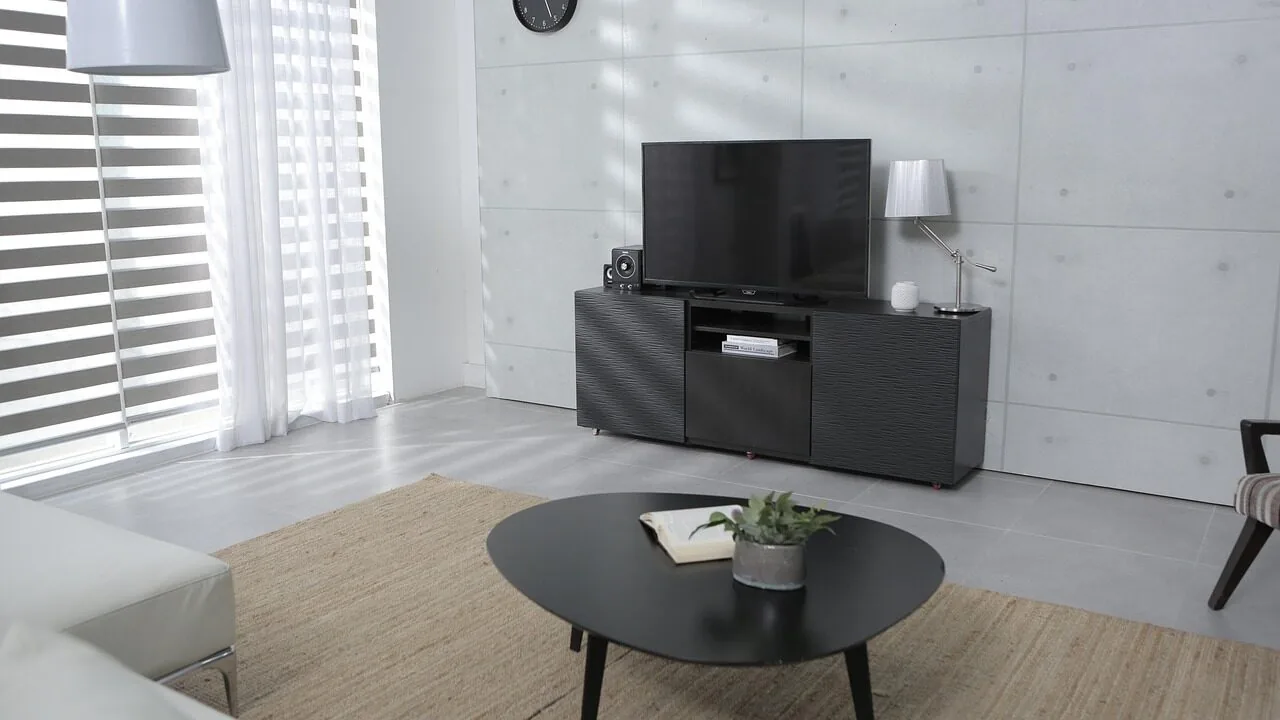
QLED TVs have become the go-to choice for anyone who wants vivid, punchy color without sacrificing brightness, and the category has expanded dramatically to cover everything from budget-friendly 43-inch panels to large-format flagship sets with Mini LED backlighting.
The technology, which layers a quantum dot filter over an LED backlight, delivers a wider color gamut and higher peak brightness than conventional LED TVs, making it especially compelling for bright living rooms, sports viewing, and HDR content.
Whether you are upgrading a home theater, furnishing a bedroom, or hunting for a gaming-ready display, the right QLED TV can make a meaningful difference in your daily watching experience.
If you are also weighing the trade-offs between QLED and OLED panels, our OLED TVs guide covers that territory in depth.
To build this list, the REMOVU editorial team analyzed manufacturer specifications, synthesized expert review consensus from across the industry, and incorporated verified buyer feedback to evaluate each model against a consistent set of criteria.
Every product here has been assessed and scored using our REMOVU Score system, giving you a clear, comparable snapshot of where each TV stands relative to its competition.
Prices and availability shift frequently, so we track them continuously to keep our picks current.
Read on for our top-rated picks, and then dive into the buying guide below to find the model that best fits your room, budget, and viewing habits.
| Award | Product | REMOVU Score About REMOVU ScoreThe REMOVU Score is our own rating from 0 to 10, based on performance, design and build, ease of use, and value. It reflects independent research and is never influenced by manufacturers, retailers, or affiliate commissions. Learn more › | Price | |
|---|---|---|---|---|
| Best Overall |
 Samsung QN75QN85D 75-inch QLED Mini LED 4K
|
8.9/10 | Buy | |
| Best Premium |
 Samsung 75QN90F 4K Neo QLED with Vision AI
|
8.8/10 | Buy | |
 Samsung S90F 65-Inch OLED 4K AI TV
|
8.6/10 | Buy | ||
| Best Value |
 Hisense 65U8QG 165Hz Mini-LED Gaming TV
|
8.2/10 | Buy | |
 Samsung 65-Inch QN70H Neo QLED with Quantum Mini LED
|
7.9/10 | Buy | ||
 TCL 65QM6K Mini LED QLED 144Hz Smart TV
|
7.8/10 | Buy | ||
 TCL 65" T7 4K QLED with 144Hz Gaming
|
7.6/10 | Buy | ||
| Best Budget |
 Hisense 55E7SF Hi-QLED Mini-LED 4K Smart TV
|
7.3/10 | Buy | |
 Roku 55-Inch Select Series 4K QLED Smart TV
|
6.7/10 | Buy | ||
 Hisense 43E6QF Hi-QLED 4K Fire TV
|
6.5/10 | Buy | ||
 Samsung 65-Inch The Frame LS03F 4K QLED Smart TV
|
7.5/10 | Buy | ||
 Samsung 43Q7F QLED 4K Smart TV with AI Processing
|
6.2/10 | Buy |
Samsung QN75QN85D 75-inch QLED Mini LED 4K
Samsung's 75-inch flagship combines mini LED backlighting with AI upscaling to deliver sharp 4K visuals and smooth 120Hz motion. The Object Tracking Sound Lite and Dolby Atmos create immersive audio that follows on-screen action, while Real Depth Enhancer adds cinematic dimension. Best suited for those prioritizing picture quality and premium features in a large-screen package.
Pros
- Quantum Matrix mini LED system provides precise lighting control and strong contrast across bright and dark scenes
- Neo Quantum HDR with scene-by-scene contrast adjustment delivers vibrant, accurate colors
- Motion Xcelerator Turbo 120Hz ensures smooth action sequences without judder
- 4K AI upscaling intelligently enhances lower-resolution content in real time
- Built-in Dolby Atmos and Object Tracking Sound create spatial audio that enhances immersion
Cons
- Requires Samsung Account login to access full smart TV features and streaming apps
- 4.2-star rating from 237 reviews suggests some users experienced reliability or software issues
- Premium positioning means higher cost compared to standard QLED models without mini LED
Samsung 75QN90F 4K Neo QLED with Vision AI
Samsung's flagship 75-inch Neo QLED delivers AI-powered picture enhancement across all content types, from streaming to gaming. The glare-free panel and advanced processor make it well-suited for bright rooms and fast-action viewing, though the premium positioning limits accessibility for budget-conscious buyers.
Pros
- Vision AI processor with 128 neural networks upscales lower-resolution content to near-4K quality
- Glare-free screen eliminates reflections in bright environments without sacrificing picture clarity
- Neo Quantum HDR+ with mini LED backlighting provides excellent brightness and contrast for detailed scenes
- Object Tracking Sound+ with Dolby Atmos and motion smoothing enhance sports and gaming experiences
- Supports 4K 165Hz gaming with VRR for PC gamers with compatible hardware
Cons
- AI upscaling results depend heavily on source content quality, with variable performance across streaming services
- 4K 165Hz gaming requires high-end PC graphics card and compatible games, limiting real-world adoption
- Premium pricing positions this as a luxury purchase rather than mainstream option
Samsung S90F 65-Inch OLED 4K AI TV
Samsung's flagship OLED delivers sharp 4K visuals powered by the NQ4 AI Gen3 processor, which upscales lower-resolution content and enhances motion for sports and gaming. The 144Hz refresh rate suits competitive gamers, though peak performance requires a compatible PC setup. Best for viewers seeking premium picture quality and AI-driven content enhancement.
Pros
- Advanced AI upscaling transforms SDR and lower-resolution content to near-4K quality using 128 neural networks
- OLED HDR+ contrast with Pantone-validated color for detailed, vibrant visuals
- Motion Xcelerator delivers smooth action at up to 4K 144Hz, ideal for fast-paced gaming and sports
- AI Motion Enhancer reduces blur on moving objects, keeping fast action sharp and readable
- Vision AI with built-in Alexa integration for voice control and scene optimization
Cons
- 4K 144Hz gaming requires a high-end PC graphics card and compatible games, limiting real-world usability
- AI upscaling quality depends on source content quality; results may vary with poor-quality streams
- Premium OLED panel increases burn-in risk with static images over extended periods
Hisense 65U8QG 165Hz Mini-LED Gaming TV
A flagship gaming TV built around speed and brightness, with native 165Hz refresh rate and up to 5,000 nits peak output for competitive play and sports viewing. The Mini-LED backlight with 5,600 dimming zones delivers sharp contrast, while the Hi-View AI engine adjusts picture and sound on the fly. Best suited for gamers and sports fans willing to invest in premium performance.
Pros
- Native 165Hz panel with VRR up to 288Hz eliminates screen tearing and input lag for responsive gaming
- Mini-LED Pro with up to 5,600 local dimming zones and 5,000 nits peak brightness creates dramatic contrast and deep blacks
- Anti-Reflection Pro coating reduces glare significantly, useful for bright rooms and daytime viewing
- 4.1.2 channel Dolby Atmos audio with 82W output delivers immersive surround without a soundbar
- Comprehensive HDR support including Dolby Vision IQ, HDR10+ Adaptive, and IMAX Enhanced certification
Cons
- Premium pricing limits accessibility for budget-conscious buyers
- Mini-LED technology with thousands of dimming zones can show occasional blooming artifacts in dark scenes with bright objects
- No native 240Hz or higher refresh rate, which some competitive esports gamers prefer
Samsung 65-Inch QN70H Neo QLED with Quantum Mini LED
Samsung's 2026 Neo QLED combines Quantum Mini LED backlighting with an NQ4 AI processor to deliver vibrant colors and sharp contrast across movies, sports, and gaming. The 100% color volume with Quantum Dots ensures accurate hues even in bright scenes, while 4K upscaling enhances lower-resolution content. Best suited for viewers who prioritize picture quality and want AI-enhanced processing for diverse content types.
Pros
- Quantum Mini LED with precise backlighting creates impressive contrast and clarity in both dark and bright scenes
- 100% color volume with Quantum Dots maintains color accuracy across the full brightness spectrum
- NQ4 AI Processor dynamically optimizes picture and sound based on content type, plus delivers up to 57% faster CPU performance
- 4K upscaling technology brings detail and clarity to lower-resolution sources
- Motion Xcelerator technology provides smooth, responsive performance for gaming and sports viewing
Cons
- Rating of 4.3 stars from 69 reviews suggests some users experienced inconsistencies or limitations not fully detailed in marketing materials
- AI-based color and sound optimization relies on proprietary formulas that may not suit all viewing preferences or content genres
- 65-inch size limits flexibility for smaller living spaces or different room configurations
TCL 65QM6K Mini LED QLED 144Hz Smart TV
TCL's QM6K combines Mini LED precision dimming with Quantum Dot color for sharp contrast and bright HDR performance across sports, movies, and gaming. The 144Hz native refresh rate and Game Accelerator 288 make it compelling for fast-action content, while the Onkyo 2.1 audio system with built-in subwoofer handles Dolby Atmos. Best suited for buyers wanting premium picture quality and gaming features without flagship pricing.
Pros
- QD-Mini LED technology delivers high brightness and rich color with up to 500 precise dimming zones
- 144Hz native refresh rate plus Motion Rate 480 ensures smooth playback for sports and gaming
- TCL Halo Control System minimizes blooming and haloing for cleaner blacks and shadow detail
- Onkyo speaker system with subwoofer and Dolby Atmos provides solid spatial audio
- Game Accelerator 288 with AMD FreeSync Premium Pro and Auto Game Mode for low-lag gameplay
- Google TV platform with voice remote (Alexa compatible) for convenient streaming access
Cons
- No anti-reflection coating mentioned for bright room use, which could impact visibility in high ambient light
- 144Hz refresh rate only on 65-inch and larger models (240Hz on 50/55-inch), limiting smooth motion on smaller sizes
- Competing models in the price range offer higher peak brightness (6000+ nits vs stated high brightness here)
TCL 65" T7 4K QLED with 144Hz Gaming
TCL's T7 brings gaming-focused features to a mainstream QLED TV, pairing a 144Hz refresh rate with Game Accelerator 288 and Auto Game Mode for responsive gameplay. The QLED panel delivers vibrant colors and HDR support across multiple formats, while Motion Rate 480 with MEMC handles fast-action content smoothly. Best suited for gamers and sports fans who want smooth motion without stepping into premium territory.
Pros
- 144Hz panel refresh rate eliminates motion blur during fast-paced gaming and sports
- Game Accelerator 288 with Auto Game Mode provides low-latency response for competitive gameplay
- QLED quantum dot technology covers nearly full DCI-P3 color space for rich, accurate colors
- HDR PRO+ supports Dolby Vision, HDR10+, and HDR10 for enhanced contrast and detail
- Comprehensive audio with Dolby Atmos and DTS Virtual:X for immersive sound
Cons
- High Brightness Direct LED backlight is less precise than full-array local dimming found in higher-tier models
- No anti-reflection coating means glare in bright rooms, unlike premium TCL alternatives
- Motion Rate 480 relies on MEMC frame insertion, which can introduce artifacts in some scenes
Hisense 55E7SF Hi-QLED Mini-LED 4K Smart TV
Hisense's E7 brings mini-LED contrast and AI-driven picture optimization to a 55-inch 4K panel, making it solid for movies, sports, and everyday streaming. The 144Hz native refresh and MEMC motion tech appeal to gamers and sports fans, while Dolby Vision with Atmos handles cinematic content well. Best suited for viewers who want noticeable picture improvements without premium pricing.
Pros
- Mini-LED backlighting with thousands of zones delivers genuine contrast separation and detail visibility across bright and dark scenes
- Native 144Hz gaming mode with quick response keeps action smooth and blur-free for competitive play and fast-motion content
- Comprehensive AI processing covers picture optimization, motion enhancement, 4K upscaling, and auto sports mode detection without manual tweaking
- Full HDR stack including Dolby Vision IQ, HDR10+ Adaptive, and Dolby Atmos for immersive sound and bright highlights
- AI Light Sensor adjusts brightness in real time based on room conditions, reducing eye strain throughout the day
Cons
- No specifications or detailed contrast/brightness measurements provided, making true performance comparison difficult versus competitors at similar price
- AI upscaling quality depends on content source and algorithm tuning, which can vary noticeably on lower-resolution streams
- 178 reviews indicate solid but not exceptional user satisfaction, with limited insight into long-term reliability or edge-case issues
Roku 55-Inch Select Series 4K QLED Smart TV
Roku's Select Series brings 4K QLED picture quality to a straightforward smart TV that prioritizes ease of use over complexity. The Roku OS home screen keeps navigation simple, while features like Bluetooth headphone mode and 500+ free live TV channels appeal to cord-cutters and casual viewers. Best suited for those who want solid streaming performance without premium pricing or excessive setup.
Pros
- 4K QLED display with HDR10+ and Roku Smart Picture upscaling for sharp, color-accurate visuals
- Extensive free content library with 500+ live TV channels including local news, sports, and Roku Originals
- Bluetooth headphone mode lets you watch without disturbing others
- Enhanced voice remote with lost remote finder and hands-free control
- Simple, customizable Roku OS home screen designed for quick access to favorite apps
Cons
- Wi-Fi 5 connectivity instead of Wi-Fi 6 found on higher-tier Pro Series models
- Direct-lit backlighting lacks the local dimming precision of Mini-LED panels in pricier alternatives
- Dolby Audio without Dolby Atmos limits immersive sound compared to premium tiers
Hisense 43E6QF Hi-QLED 4K Fire TV
Hisense's E6 brings cinema-grade visuals to a compact 43-inch package with Hi-QLED color, Dolby Vision, and Dolby Atmos. Fire TV integration and AI light sensor make it practical for everyday viewing, though it trades gaming specs for a more balanced entertainment experience. Best suited for cinephiles and casual viewers who value picture quality over high refresh rates.
Pros
- Hi-QLED color delivers vivid, lifelike visuals with strong contrast and color accuracy
- Dolby Vision and Dolby Atmos create immersive home cinema experience
- AI Light Sensor automatically adjusts brightness for energy savings
- Fire TV with Alexa voice control and personalized profiles simplifies content discovery
- AI 4K Upscaler and MEMC smooth motion enhance lower-resolution content and fast-action scenes
Cons
- 60Hz refresh rate limits appeal for competitive gaming compared to higher-tier models
- Motion Rate 120 is modest for sports enthusiasts seeking ultra-smooth playback
- 4.1-star rating with 2,450 reviews suggests some users experienced durability or software concerns
Samsung 65-Inch The Frame LS03F 4K QLED Smart TV
This 2025 QLED TV doubles as a wall-mounted art display when powered off, transforming your living room into a gallery space. It combines genuine picture quality for viewing with a matte, print-like finish designed to make artwork look authentic. Best suited for design-conscious viewers who want their TV to blend seamlessly with home decor when not in use.
Pros
- Flush wall mount design with slim profile and customizable bezels for aesthetic flexibility
- Art Mode accesses curated collections and accepts personal photo uploads with adjustable mat styles
- Matte, glare-free screen mimics print texture for authentic artwork presentation
- Smooth 4K 144Hz gaming support with VRR for competitive performance
- Single external hub consolidates power and device connections into one cable
Cons
- Art Mode functionality requires active subscriptions or curation access beyond uploaded photos
- Matte finish may reduce peak brightness compared to standard glossy QLED panels during regular viewing
- Premium positioning and design-first approach may not appeal to value-focused or sports-heavy viewers
Samsung 43Q7F QLED 4K Smart TV with AI Processing
Samsung's 43-inch QLED delivers vibrant color accuracy and AI-enhanced upscaling for mixed-quality sources. Built-in security, free streaming channels, and gaming-focused features make it a solid mid-range option for living rooms where brightness and color consistency matter.
Pros
- Quantum Dot technology produces over a billion colors with consistent accuracy even in bright scenes
- AI-powered 4K upscaling improves lower-resolution content quality
- Samsung Knox triple-layer security protects personal data and connected IoT devices
- 2,700+ free channels including 400+ Samsung TV Plus premium options, no subscription required
- HDR10+ with dynamic tone mapping enhances contrast and reveals fine details
Cons
- Object Tracking Sound Lite is a limited audio feature compared to full surround systems
- 43-inch size limits appeal for larger viewing spaces or home theater setups
- No specifications provided for brightness levels, refresh rate, or input lag, making gaming performance unclear despite Gaming Hub inclusion
QLED TVs Buying Guide
Choosing among today’s QLED TVs means weighing several interrelated factors, from panel technology and brightness to smart platform and audio quality.
The picks above span a wide price range, and understanding the following criteria will help you match the right model to your specific needs and room conditions.
Backlight Technology: Standard QLED vs. Mini LED
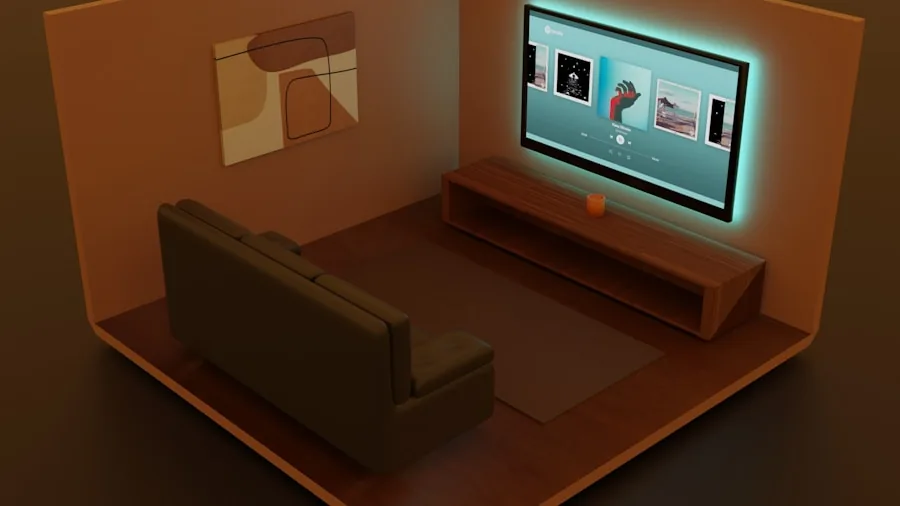
Not all QLED TVs use the same backlight architecture. Entry-level and mid-range models rely on a conventional LED backlight with a quantum dot layer placed in front of it.
This combination improves color volume significantly over a plain LED TV but still leaves the panel susceptible to blooming around bright objects set against dark backgrounds.
Mini LED backlights, found in higher-tier models like Samsung’s QN85D and QN90F as well as the Hisense U8, divide the backlight into thousands of individually controlled zones, giving the TV far more precise control over local brightness and contrast.
If you watch a lot of HDR movies or mixed content in a room that can be dimmed, a Mini LED QLED will deliver noticeably deeper blacks and more dramatic highlights than a standard edge-lit set.
For brightly lit living rooms where ambient light already washes out shadow detail, the difference between standard QLED and Mini LED is less critical, and a mid-range option may offer better value.
This is one of the biggest spending decisions in the category, and it is worth being intentional about it before looking at anything else.
Panel Size and Viewing Distance

The right screen size is determined primarily by how far you sit from the TV, not by the size of your room in isolation.
A common guideline for 4K content is to sit at a distance of roughly 1 to 1.5 times the screen’s diagonal measurement.
That means a 65-inch TV is ideally suited to seating distances between roughly five and eight feet, while a 75-inch set asks for a bit more room to breathe.
Sitting too close to a large screen makes individual pixels visible; sitting too far away eliminates the perceived benefit of 4K resolution entirely.
The products in this roundup range from 43 inches up to 75 inches, covering the most common living room and bedroom configurations.
If you are shopping for a secondary set for a smaller space, see our guide to TVs for a bedroom, which focuses on compact sizes and features that matter most when the screen is closer to eye level.
Larger formats tend to include more premium backlighting and audio systems as standard, which partially offsets the higher price of going bigger.
Brightness and HDR Performance
Peak brightness, measured in nits, is one of the most consequential specifications for a QLED TV because the entire value proposition of the technology is built on superior luminance.
A bright screen that can sustain high nit output over a large area of the panel renders HDR highlights, specular reflections, and sunlit scenes with a realism that lower-brightness TVs simply cannot match.
Look for peak brightness figures above 1,000 nits for a competent HDR experience, and above 1,500 nits if you want the kind of punch that premium HDR formats like Dolby Vision IQ and HDR10+ Adaptive are calibrated to exploit.
HDR format support is a related but separate question. Most quality QLED TVs in 2026 support at least HDR10 and HDR10+, while Samsung’s own lineup tends to favor HDR10+ over Dolby Vision due to licensing arrangements.
Hisense models frequently support both Dolby Vision and HDR10+, which gives them broader compatibility with streaming services. If you watch a lot of content on Netflix or Apple TV Plus, Dolby Vision support is worth prioritizing.
IMAX Enhanced certification, found on the Hisense U8, indicates optimized decoding for compatible IMAX titles as well.
Refresh Rate and Gaming Features

A 120Hz native refresh rate is now a baseline expectation for any TV you plan to pair with a current-generation gaming console or a PC.
It enables smoother motion in sports, action films, and games compared to the 60Hz panels still found in some budget models.
Several models in this list push to 144Hz or beyond, which primarily benefits PC gamers but also provides headroom for smoother motion interpolation at the TV level.
Variable refresh rate (VRR) support through HDMI 2.1 is increasingly standard at mid-range and above, and it eliminates screen tearing without the input lag associated with older sync methods.
HDMI 2.1 ports, which support 4K at 120Hz bandwidth, are essential if you own a PlayStation 5 or Xbox Series X and want to take full advantage of their output capabilities.
Verify that the specific HDMI port you intend to use is designated as a 2.1 port, because some manufacturers equip only one or two of their four HDMI ports with the full bandwidth spec.
Samsung TVs also include a Gaming Hub that streams cloud gaming services directly without a console, which can be a meaningful added value for casual players.
For a deeper look at gaming-optimized panels, our dedicated resource covers the best TVs for gaming across all budgets.
Smart Platform and Ecosystem Compatibility
The smart TV platform determines how you navigate content, which apps are available, how quickly the interface responds, and how tightly the TV integrates with your existing smart home devices.
Samsung’s Tizen OS is polished, fast, and deeply integrated with the Samsung ecosystem, including SmartThings and Alexa built-in.
Google TV, found on TCL and Hisense models using that platform, offers excellent integration with Google Assistant and the Play Store app library.
Amazon’s Fire TV OS, embedded in the Hisense E6 and E7 series, prioritizes Amazon Prime Video and integrates Alexa deeply, which suits households already invested in Amazon’s ecosystem.
Roku’s operating system, used in the 55-inch Roku Select Series QLED, is widely regarded as one of the simplest and most content-neutral platforms available, with no heavy push toward any single streaming service.
If you value a clean, fast interface with strong universal search across services, Roku is worth considering.
Consider whether the platform supports the specific streaming apps you rely on most, particularly any regional or niche services that may not be available on all systems.
All platforms covered here include smart TV functionality sufficient for everyday streaming, but the depth of integration with your other devices can vary considerably.
Audio Quality and Soundbar Pairing

TV audio has improved meaningfully at the premium tier, with Samsung’s Object Tracking Sound and Dolby Atmos decoding providing a more immersive experience than flat stereo outputs.
Hisense’s U8 series includes a 4.1.2-channel speaker configuration that delivers genuine vertical audio for Atmos content without a soundbar, an unusual capability at its price.
The TCL QM6K pairs its panel with Onkyo-tuned audio, a partnership that typically results in fuller bass response than a same-size TV from a brand that treats audio as an afterthought.
That said, even the best built-in TV speakers have physical limitations imposed by cabinet depth and driver size. If audio fidelity is a priority, plan your budget to include a quality soundbar for your TV or a full surround system.
An external soundbar with a dedicated subwoofer will transform the low-frequency reproduction of any TV in this list, turning a good watching experience into a genuinely cinematic one. eARC support on the HDMI port is the key spec to verify when pairing a modern soundbar; all the higher-tier models here include it.
Why You Should Trust Us
REMOVU is an independent review publication with no manufacturer relationships that influence our editorial decisions.
Every TV in this guide has been assessed using the REMOVU Score, our proprietary 0 to 10 rating system that evaluates each product against a consistent, category-specific set of criteria covering picture quality, feature set, smart platform, audio performance, value, and build quality.
We do not conduct our own product trials; our evaluations are grounded in research, published data, expert review consensus, and verified buyer feedback.
Our editorial team synthesizes manufacturer specifications, aggregated expert review consensus from professional AV reviewers, and verified buyer feedback gathered from confirmed purchasers to form a comprehensive view of each model’s real-world strengths and weaknesses.
When expert reviewers consistently note a specific strength or limitation across multiple sources, that consensus carries significant weight in our scoring.
Published measurements, such as peak brightness figures, color volume data, and input lag readings from calibration-grade instruments used by professional reviewers, are incorporated where available and cited accordingly.
REMOVU may earn an affiliate commission if you purchase through a link in this article. This commercial relationship has no influence on our rankings, scores, or product selection.
We include products because they earned their position through our evaluation process, not because of the commission rate they carry.
Our goal is straightforward: give you the clearest, most trustworthy information available so you can spend your money on a TV you will still be happy with years from now.
Final Thoughts
After evaluating every model in this guide against our full scoring criteria, a few standout picks emerge for different types of buyers.
The range of options here is wide enough to serve a careful budget shopper and a dedicated home theater enthusiast equally well.
Here are our key recommendations by use case, each linked to its full product card above so you can compare specs and current pricing directly.
- Best Overall: Samsung 75-Inch Class QLED 4K QN85D Series earns the top REMOVU Score in this roundup by combining Mini LED backlighting, Neo Quantum HDR, Object Tracking Sound Lite, and Dolby Atmos support at a premium tier that still offers genuine value for its size and capability. It is the pick we would recommend first to anyone who wants the most complete package without compromise.
- Best Large-Screen Neo QLED: Samsung 75-Inch Class Neo QLED 4K QN90F Series steps up with glare-free panel treatment, Vision AI processing, and Object Tracking Sound+ with Dolby Atmos, making it the strongest choice for bright living rooms where reflections are a persistent problem.
- Best for HDR Enthusiasts on a Mid-Range Budget: Hisense 65-Inch U8 Series ULED Mini-LED packs native 165Hz, up to 5000 nits of peak brightness, Dolby Vision IQ, HDR10+, and IMAX Enhanced certification into a package that competes well above its price bracket. It is particularly strong for movie-focused viewing and for anyone who wants premium HDR performance without paying flagship Samsung prices.
- Best Mid-Range Value: TCL 65-Inch Class QM6K Series delivers Mini LED QLED quality, 120Hz to 144Hz flexibility, Onkyo-tuned audio, and Google TV in a package priced well below comparably specified competitors, making it the strongest mid-range recommendation for buyers who want to maximize picture quality per dollar.
- Best Budget Entry Point: Hisense 43-Inch E6 Cinema Series Hi-QLED brings Dolby Vision, Dolby Atmos, HDR 10+ Adaptive, and Amazon Fire TV integration to a compact size at a budget-friendly price, offering a meaningful step up from a plain LED TV for shoppers who are price-sensitive but still want genuine HDR support.
Regardless of which model you choose, pairing your new QLED TV with the right audio setup and room arrangement will amplify the investment considerably.
If you are still deciding between QLED and other display technologies, our broader TV buying guide walks through how all the major panel types compare across real-world use cases.
Frequently Asked Questions
What is the difference between QLED and OLED?
QLED uses a quantum dot layer in front of an LED backlight to expand the color gamut and increase peak brightness. OLED uses self-emissive pixels that turn off individually, producing perfect blacks and infinite contrast ratios.
QLED TVs generally get brighter, making them better suited to rooms with significant ambient light and for HDR highlights that require sustained high luminance.
OLED panels deliver superior black levels and wider off-axis viewing angles, making them a frequent recommendation for dedicated home theater setups in controlled lighting.
Our guide to OLED TVs covers that category’s top picks in detail if you want a direct comparison.
Is Mini LED the same as QLED?
No. QLED refers specifically to the quantum dot color technology applied to the panel.
Mini LED refers to the backlight architecture, where a very large number of tiny LEDs are arranged in a dense grid behind the panel to allow more granular local dimming zones.
A TV can be both QLED and Mini LED simultaneously, as is the case with several models in this guide including the Samsung QN85D, QN90F, and the Hisense U8.
Mini LED significantly improves contrast performance compared to standard edge-lit or direct-lit QLED panels, but it is a distinct technology layer from the quantum dot filter itself.
Do QLED TVs work well for sports?
Yes, QLED TVs are well suited to sports viewing.
Their high brightness handles the bright rooms typical of daytime sports watching without washing out the image, and models with 120Hz or higher refresh rates reproduce fast motion, including panning shots and ball tracking, with minimal blur.
Features like motion compensation (marketed as Auto Motion Plus on Samsung or MEMC on Hisense) can further smooth motion in sports content, though some viewers prefer to dial these down to avoid an overly processed look.
For live sports in a naturally bright space, a high-brightness QLED with a 120Hz panel is among the strongest choices available.
How important is HDMI 2.1 on a QLED TV?
HDMI 2.1 is essential if you plan to connect a PlayStation 5, Xbox Series X, or a gaming PC to your TV and want to take advantage of 4K resolution at 120Hz frame rates simultaneously.
Without HDMI 2.1 bandwidth, you must choose between 4K at 60Hz or 1080p at 120Hz. HDMI 2.1 also enables variable refresh rate sync and enhanced Audio Return Channel (eARC) for passing high-quality audio to a soundbar.
If you are buying a TV primarily for streaming and do not own a current-generation console or gaming PC, HDMI 2.1 is a nice feature but not a hard requirement.
Most mid-range and premium QLED TVs in 2026 include at least one or two HDMI 2.1 ports as standard.
Can I use a QLED TV as a PC monitor?
A QLED TV can function as a large-format PC display, and several models in this guide are well suited to that use.
Low input lag, a clear and sharp 4K image at typical desk-to-screen distances, and HDMI 2.1 support for high refresh rates all make premium QLED TVs viable options for PC users who want a large screen.
The Samsung models with Gaming Hub also allow access to cloud gaming services directly from the TV.
Text rendering at very close viewing distances can look softer than a dedicated monitor because TV panels are calibrated for longer viewing distances, but at distances of four feet or more, a 4K QLED TV is a capable and immersive PC display.
Pairing a large QLED TV with a quality AV receiver and surround speakers can also transform a living room PC setup into a genuine entertainment hub.
Which QLED TV brands are most reliable?
Samsung, Hisense, and TCL are the primary brands represented in this guide, and all three have strong reliability track records backed by verified buyer feedback across large sample sizes.
Samsung consistently leads in panel quality and smart platform refinement, particularly at the premium tier.
Hisense has made significant strides in recent years, offering competitive hardware specifications at prices that undercut Samsung and LG, with the U8 series in particular earning strong consensus from professional reviewers.
TCL’s partnership with Onkyo for audio and its use of Mini LED backlighting in the QM6K series demonstrate a commitment to feature parity with higher-priced competitors.
The Roku-branded QLED in this list adds a fourth option for buyers who prioritize a clean, platform-neutral smart TV experience above all else. All four brands offer manufacturer warranties and broad retail availability, which supports long-term ownership confidence.
About the author
Maxine is REMOVU's TV writer, comparing OLED, QLED, and LED sets on picture quality, gaming features, and value. She helps readers cut through a crowded field to the right screen.