The 10 Best TVs
From OLED flagships to budget-friendly streamers, the right TV depends on your room, viewing habits, and priorities. Here are the top picks across every category.
 By Yolanda Carroll
Updated July 26, 2026
By Yolanda Carroll
Updated July 26, 2026

Buying a new TV in 2026 means navigating an overwhelming sea of panel technologies, processor generations, and smart platform ecosystems.
Whether you are upgrading a living room centerpiece or equipping a gaming setup, the right display can fundamentally change how you experience movies, sports, and interactive entertainment.
The difference between a well-matched TV and a poorly chosen one often comes down to knowing which specs actually matter for your use case, and which are marketing noise.
Our research spans official product specifications, consensus from professional AV reviewers, and verified buyer feedback gathered across thousands of real-world purchases, so every recommendation here is grounded in evidence rather than guesswork.
In this guide, REMOVU covers ten televisions across budget, mid-range, and premium tiers, from compact 40-inch everyday screens to large-format 77-inch OLED flagships.
You will find options from Sony, Samsung, Hisense, Roku, and Insignia, spanning LED/LCD, QLED, Mini-LED, and OLED categories.
Pairing your new TV with a great audio setup matters just as much as the picture itself; a quality soundbar with subwoofer can transform even a modest living room into a cinematic space.
Read on for our ranked top picks below.
| Award | Product | REMOVU Score About REMOVU ScoreThe REMOVU Score is our own rating from 0 to 10, based on performance, design and build, ease of use, and value. It reflects independent research and is never influenced by manufacturers, retailers, or affiliate commissions. Learn more › | Price | |
|---|---|---|---|---|
 Hisense 55U7 Mini-LED 165Hz Gaming TV
|
8.4/10 | Buy | ||
| Best Value |
 Samsung S90F 65-Inch OLED 4K AI TV
|
8.6/10 | Buy | |
| Best Premium |
 Sony BRAVIA XR8B 55-Inch OLED 4K Smart TV
|
8.6/10 | Buy | |
 Samsung 77S85F 77-Inch OLED 4K Smart TV
|
8.4/10 | Buy | ||
| Best Overall |
 Sony K-65XR50 65-Inch Mini LED 4K Smart TV
|
8.9/10 | Buy | |
 Sony K-65S30 BRAVIA 3 65-inch 4K LED Smart TV
|
7.1/10 | Buy | ||
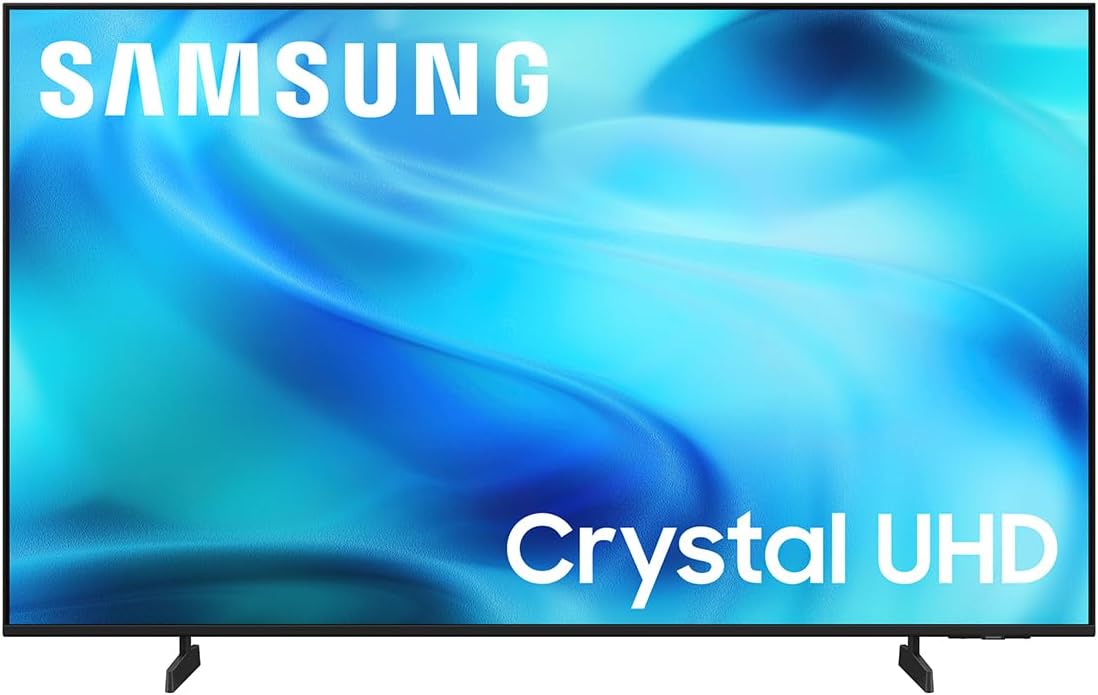 Samsung 65U8000H 65-Inch Crystal UHD Smart TV
|
6.5/10 | Buy | ||
| Best Budget |
 Roku 55-Inch Select Series 4K QLED Smart TV
|
6.7/10 | Buy | |
 Roku 40-Inch Select Series 1080p Smart TV
|
6.2/10 | Buy | ||
 Insignia 55-inch F50 4K Fire TV
|
6.2/10 | Buy |
Hisense 55U7 Mini-LED 165Hz Gaming TV
A 55-inch premium gaming display built around native 165Hz motion and Mini-LED precision lighting. The Hi-QLED technology with up to 3,000 local dimming zones and anti-reflection coating handles both bright rooms and dark viewing, while Game Booster 330 VRR targets competitive gamers seeking low input lag. Best suited for players and sports fans who prioritize motion clarity and contrast over other factors.
Pros
- Native 165Hz refresh rate with AI Smooth Motion keeps fast action fluid without blur, ideal for gaming and sports
- Hi-QLED Mini-LED with 3,000 local dimming zones and 3,000 nits peak brightness delivers strong contrast and bright highlights even in lit rooms
- Anti-reflection dual-layer screen minimizes glare and reflections for consistent picture clarity
- Game Booster 330 with VRR and real-time Game Bar monitoring reduces input lag and lets you track performance metrics mid-game
- Pantone-validated color accuracy ensures natural, lifelike color reproduction across content
Cons
- No user reviews yet, so real-world reliability and long-term performance remain unverified
- Premium positioning means higher cost compared to standard 55-inch 4K TVs without Mini-LED or high refresh rate features
- Native 165Hz advantage is most noticeable on compatible gaming consoles and PC setups; standard streaming content won't fully leverage the spec
Samsung S90F 65-Inch OLED 4K AI TV
Samsung's flagship OLED delivers sharp 4K visuals powered by the NQ4 AI Gen3 processor, which upscales lower-resolution content and enhances motion for sports and gaming. The 144Hz refresh rate suits competitive gamers, though peak performance requires a compatible PC setup. Best for viewers seeking premium picture quality and AI-driven content enhancement.
Pros
- Advanced AI upscaling transforms SDR and lower-resolution content to near-4K quality using 128 neural networks
- OLED HDR+ contrast with Pantone-validated color for detailed, vibrant visuals
- Motion Xcelerator delivers smooth action at up to 4K 144Hz, ideal for fast-paced gaming and sports
- AI Motion Enhancer reduces blur on moving objects, keeping fast action sharp and readable
- Vision AI with built-in Alexa integration for voice control and scene optimization
Cons
- 4K 144Hz gaming requires a high-end PC graphics card and compatible games, limiting real-world usability
- AI upscaling quality depends on source content quality; results may vary with poor-quality streams
- Premium OLED panel increases burn-in risk with static images over extended periods
Sony BRAVIA XR8B 55-Inch OLED 4K Smart TV
Sony's flagship OLED delivers cinema-grade picture quality with precise pixel control, vibrant color accuracy, and studio-calibrated modes designed for filmmakers' intent. Google TV integration and PS5 optimization make it versatile for streaming and gaming, while Dolby Vision and Atmos support create genuinely immersive audio-visual experiences. Best suited for home theater enthusiasts who prioritize picture fidelity and want a feature-rich smart platform.
Pros
- Self-lit OLED pixels produce deep blacks and high contrast with exceptional clarity in both dark and bright scenes
- XR Processor with AI enhances color, contrast, and detail in real-time across all content types
- Google TV consolidates 700,000+ movies, TV episodes, and 800+ live channels with voice control via Google Assistant
- Exclusive PS5 features including Auto HDR Tone Mapping and Auto Genre Picture Mode optimize gaming visuals
- Acoustic Surface Audio+ delivers immersive sound directly from the screen, matching action on-screen
- Studio Calibrated Picture Modes for Netflix and Prime Video ensure creator-intended color grading
Cons
- Premium pricing positions this as a high-end investment rather than budget-friendly option
- Acoustic Surface Audio+, while innovative, may not match dedicated external sound systems for serious audiophiles
- Additional accessories like BRAVIA CAM and compatible soundbars require separate purchases to unlock full feature set
Samsung 77S85F 77-Inch OLED 4K Smart TV
Samsung's flagship OLED delivers self-illuminating pixels for rich blacks and vibrant colors validated by Pantone experts. The NQ4 AI Gen2 processor upscales content to 4K using 20 neural networks and dynamically adjusts brightness per scene, while Vision AI and top-firing speakers create an immersive viewing experience. Best suited for those prioritizing picture quality and design in a premium large-screen format.
Pros
- OLED technology with expert-validated Pantone color accuracy and realistic skin tones
- Advanced AI upscaling to 4K from lower-resolution sources using 20 neural networks
- Dynamic brightness and contrast optimization analyzes each scene for enhanced depth
- Sleek contour design with thin bezels and sophisticated aesthetic
- Multi-dimensional audio with top-firing speakers and Dolby Atmos support
- Strong user rating of 4.4 stars across 203 verified reviews
Cons
- Premium pricing typical of flagship OLED models limits accessibility for budget-conscious buyers
- Samsung Vision AI features vary by model, requiring verification of specific capabilities on 77S85F
- AI upscaling results depend heavily on source content quality, not guaranteed uniform improvement
Sony K-65XR50 65-Inch Mini LED 4K Smart TV
Sony's BRAVIA 5 brings cinema-quality visuals to your living room with Mini LED precision and AI-powered upscaling. The 65-inch model delivers exceptional brightness and contrast alongside Google TV's comprehensive streaming ecosystem, making it ideal for movie enthusiasts and PS5 gamers who demand studio-calibrated picture modes.
Pros
- Mini LED backlighting with XR Backlight Master Drive delivers precise brightness control and deep blacks
- XR Processor with AI technology intelligently enhances color, contrast, and clarity in real-time across all content
- Google TV integration with 700,000+ movies and TV episodes plus voice control via Google Assistant
- Studio-calibrated picture modes optimized for Netflix, Prime Video, and Sony Pictures Core
- PS5-optimized gaming features including Auto HDR Tone Mapping and 120Hz refresh rate support
- Includes movie credits through Sony Pictures Core app for instant access to premium content
Cons
- Premium pricing positions it above entry-level 4K TVs without significant differentiation from BRAVIA 7 QLED in brightness specs
- Requires optional BRAVIA CAM (sold separately) for video chat functionality
- Acoustic Multi-Audio speaker system may benefit from external soundbar pairing for true cinema-like sound experience
Sony K-65S30 BRAVIA 3 65-inch 4K LED Smart TV
A feature-rich 4K LED TV that combines Google TV integration with cinema-grade picture processing. The Triluminos Pro color engine and 4K X-Reality PRO upscaling deliver vibrant visuals across all content, while Dolby Vision and Dolby Atmos support elevates movies and gaming. Best suited for streamers and PS5 owners who want all-in-one entertainment without needing separate devices.
Pros
- Extensive smart TV ecosystem with 700,000+ movies/shows across 10,000+ apps and 800+ live TV channels via Google TV
- Strong picture processing with 4K HDR Processor X1, Triluminos Pro color accuracy, and 4K X-Reality PRO upscaling for near-4K quality from HD content
- PlayStation 5 optimization with Auto HDR Tone Mapping and Auto Genre Picture Mode for gaming-focused picture tuning
- Included SONY PICTURES CORE credits (5 new releases, 12-month classics subscription) adds immediate entertainment value
- Multiple streaming options with Chromecast built-in and AirPlay 2 support for device flexibility
Cons
- LED panel technology lacks the contrast and black levels of premium OLED alternatives
- X-Balanced Speakers are adequate but may require external soundbar for truly immersive cinema experience
- Optional BRAVIA CAM sold separately, adding cost for video chat functionality
Samsung 65U8000H 65-Inch Crystal UHD Smart TV
Samsung's 2026 65-inch Crystal UHD delivers sharp 4K visuals powered by a dedicated processor that enhances color and upscales lower-quality content. Built-in motion optimization suits sports and gaming fans, while 2,700+ free streaming channels reduce subscription fatigue. Best for viewers seeking a feature-rich smart TV without breaking the bank on premium models.
Pros
- Crystal Processor with 4K upscaling sharpens details and colors across all content types
- Motion Xcelerator smooths gaming and sports at up to 4K 60Hz for clearer action sequences
- Massive free content library with 750+ subscription-free channels via Samsung TV Plus
- Color Booster intensifies on-screen hues for more vibrant visuals
- Solid 4.4-star rating from 413 verified buyers
Cons
- Samsung Account required to unlock smart features and streaming apps, creating an extra setup barrier
- Free content channels vary by location and are subject to change without notice
- No details on native refresh rate, panel type, or input lag for competitive gamers
Roku 55-Inch Select Series 4K QLED Smart TV
Roku's Select Series brings 4K QLED picture quality to a straightforward smart TV that prioritizes ease of use over complexity. The Roku OS home screen keeps navigation simple, while features like Bluetooth headphone mode and 500+ free live TV channels appeal to cord-cutters and casual viewers. Best suited for those who want solid streaming performance without premium pricing or excessive setup.
Pros
- 4K QLED display with HDR10+ and Roku Smart Picture upscaling for sharp, color-accurate visuals
- Extensive free content library with 500+ live TV channels including local news, sports, and Roku Originals
- Bluetooth headphone mode lets you watch without disturbing others
- Enhanced voice remote with lost remote finder and hands-free control
- Simple, customizable Roku OS home screen designed for quick access to favorite apps
Cons
- Wi-Fi 5 connectivity instead of Wi-Fi 6 found on higher-tier Pro Series models
- Direct-lit backlighting lacks the local dimming precision of Mini-LED panels in pricier alternatives
- Dolby Audio without Dolby Atmos limits immersive sound compared to premium tiers
Roku 40-Inch Select Series 1080p Smart TV
A budget-friendly streaming TV that prioritizes simplicity over cutting-edge specs. The 1080p Full HD panel, Roku OS integration, and voice remote make it accessible for bedrooms, kitchens, or secondary rooms where premium picture quality isn't the priority. Best suited for viewers who value ease of use and free streaming content over 4K resolution.
Pros
- Straightforward Roku interface with fast app launching and customizable home screen
- 500+ free live TV channels built in, plus access to thousands of streaming apps
- Voice remote with push-to-talk and TV control shortcuts simplifies navigation
- Auto speech clarity and night mode enhance audio for dialogue-heavy content
- Bluetooth headphone mode allows wireless audio output for late-night viewing
Cons
- 1080p resolution is a generation behind; no HDR support limits picture depth on newer content
- Basic direct-lit backlighting lacks the local dimming found in higher tiers, affecting contrast
- Wi-Fi 5 and no Ethernet option on this size may struggle with consistent 4K streaming elsewhere in the lineup
Insignia 55-inch F50 4K Fire TV
A budget-friendly 4K Smart TV that brings Fire TV streaming and Alexa voice control directly to your living room. The F50 delivers solid 4K picture quality with HDR support and access to over 1.8 million movies and TV episodes, making it a practical choice for cord-cutters who want an all-in-one entertainment hub without premium pricing.
Pros
- 4K resolution with HDR10 and DTS Virtual-X sound for immersive viewing and audio
- Fire TV built-in with access to major streaming apps (Prime Video, Netflix, Disney+, HBO Max) plus free ad-supported content
- Doubles as a smart home hub to control compatible devices and view camera feeds
- HDMI eARC support and versatile connectivity (3 HDMI, USB, optical output, Ethernet)
- Parental controls and wall-mountable design for flexible setup
Cons
- Entry-level LED panel lacks the contrast and color performance of higher-end QLED or OLED displays
- DTS Virtual-X sound on built-in speakers is adequate but not a substitute for external audio systems
- Limited to 55-inch and larger sizes in the F50 lineup, no smaller options for compact spaces
TVs Buying Guide
Choosing the right TV is less about chasing the highest spec sheet and more about matching the technology to your room, viewing habits, and budget.
The guide below walks through the six most consequential factors our research identifies, with practical context for each one so you can make a confident decision rather than relying on floor-model impressions at a retailer.
Panel Technology: OLED, Mini-LED, QLED, or LED/LCD
Panel type is the single biggest determinant of picture quality. OLED panels, like those in the Sony BRAVIA XR8B and Samsung S90F, achieve perfect blacks because each pixel produces its own light and can switch off entirely.
This creates infinite contrast ratios and eliminates the blooming or halo effects common on backlit displays.
The trade-off is that OLED screens have historically been more expensive and carry a theoretical risk of image retention in static-content-heavy environments, though modern panel management features have largely mitigated this in daily use.
Mini-LED displays, such as the Sony BRAVIA 5 and the Hisense U7, use thousands of tiny backlighting zones to approach OLED-level contrast while maintaining peak brightness levels that OLED panels cannot always match.
This makes them particularly well-suited to bright living rooms where ambient light washes out darker panels.
Standard QLED and LED/LCD options from Samsung and Roku occupy the value tier, offering respectable color and sharpness at a fraction of the cost, with the understanding that local dimming depth and black-level performance are more limited.
For a broader look at display-adjacent home theater gear, the projectors category is worth exploring if screen size is your primary priority.
Buyers who primarily watch HDR films or play games in a darkened room will gain the most from OLED or Mini-LED.
Those who want a versatile everyday screen at a sensible price point will find well-engineered LED/LCD and QLED sets more than adequate for most content.
Resolution and HDR Format Support

Every set in this guide is native 4K, meaning 3,840 by 2,160 pixels, which is now the baseline expectation for screens 40 inches and above. The meaningful differentiator at the resolution layer is upscaling quality.
Processors like Sony’s XR with AI technology and Samsung’s NQ4 AI Gen3 analyze incoming lower-resolution content in real time and apply machine-learning-based upscaling to approximate native 4K detail.
Expert review consensus consistently rates Sony’s XR processor and Samsung’s AI Gen3 upscaling among the best in class for this task.
HDR format support adds another layer of complexity. Dolby Vision is a dynamic format that adjusts tone-mapping on a scene-by-scene or frame-by-frame basis; it is supported by the Sony models and the Samsung S85F in this guide.
HDR10+ provides similar dynamic metadata and appears on Samsung’s S90F as well as the Hisense U7, which also carries IMAX Enhanced certification. HDR10 is the universal baseline supported by all sets listed here.
Buyers who subscribe to streaming services that deliver Dolby Vision content (such as Netflix or Apple TV Plus) will benefit most from that specific certification.
Refresh Rate and Motion Handling
Refresh rate describes how many times per second the screen redraws an image. A 60 Hz panel is adequate for standard broadcast and casual streaming, but 120 Hz and above becomes relevant for sports with fast lateral motion, action cinema, and gaming.
The Hisense U7 SG stands out here with a native 165 Hz panel and VRR support up to 330, making it one of the most capable gaming displays in this group.
Samsung’s S90F and S85F both feature Motion Xcelerator 144Hz processing, which is meaningful for console and PC gaming at high frame rates.
Motion-smoothing modes, sometimes called soap-opera effect, can reduce judder at the cost of making filmed content look unnaturally fluid. Most reviewers recommend disabling manufacturer motion-smoothing presets for movies and enabling them only selectively for live sports.
Buyers who game seriously should also verify HDMI 2.1 bandwidth on the specific ports they intend to use, since only HDMI 2.1 supports 4K at 120 Hz simultaneously.
If you are building a broader gaming or entertainment room, a well-chosen compact soundbar can complement a performance TV without cluttering a smaller space.
Smart Platform and Voice Assistant Integration

The operating system running on a TV shapes daily usability as much as the panel itself.
Google TV, used by all Sony BRAVIA models in this guide, provides a highly organized content aggregation layer that surfaces recommendations across subscribed apps and integrates with Google Assistant and Chromecast.
Verified buyer feedback on Google TV consistently praises its search functionality and the depth of app availability from the Google Play store.
Samsung’s Tizen-based Vision AI platform powers the S90F, S85F, and Crystal UHD U8000H. It features Alexa built-in alongside Bixby and delivers a mature, fast interface with strong Smart Hub content discovery.
Hisense’s U7 runs Google TV as well, making it feel familiar to Android users.
Roku’s native platform, found on both Roku sets in this guide, is consistently rated the most intuitive and least cluttered of all smart TV operating systems in expert consensus, with minimal ads in the interface hierarchy and broad app coverage.
Insignia’s Fire TV OS integrates deeply with the Amazon ecosystem, making it a natural fit if you already own Alexa-enabled devices.
The right platform is largely a matter of existing ecosystem loyalty, but for pure simplicity, Roku continues to earn its reputation.
Screen Size and Viewing Distance

Screen size should always be evaluated relative to your seating distance rather than as an absolute figure.
A common guideline from the Society of Motion Picture and Television Engineers suggests a field of view of roughly 30 degrees for a comfortable but immersive experience; at 10 feet of viewing distance, that translates to approximately 65 to 75 inches for a 4K display.
At closer viewing distances of 6 to 8 feet, a 55-inch screen delivers a comparable perceived experience to a larger set viewed from farther away.
The 77-inch Samsung S85F represents the upper end of this guide and is best suited to dedicated home theater rooms or open-plan living areas with significant viewing distance.
The 40-inch Roku Select makes practical sense for bedrooms, home offices, and kitchens where desk or counter placement brings the viewer closer. Most of the 55-inch and 65-inch options in this guide hit the most common household sweet spot.
For rooms where picture size is genuinely the priority but budget is limited, the projectors category is an alternative worth considering alongside large-format TVs.
Connectivity, Ports, and Gaming Features

Connectivity is a practical checklist that is easy to overlook until after purchase.
Confirm that any TV you shortlist has at least two HDMI 2.1 ports if you plan to connect a current-generation console and a soundbar or AV receiver simultaneously at full bandwidth.
Sony’s BRAVIA models include exclusive PlayStation 5 features such as Auto HDR Tone Mapping and Auto Genre Picture Mode, which are enabled automatically when a PS5 is detected and represent a meaningful advantage for PlayStation owners beyond marketing language.
Both features have been documented and confirmed in Sony’s published developer notes and validated by gaming-focused review outlets.
USB ports for media playback, eARC support for lossless audio passthrough to an external speaker system, and Bluetooth for wireless headphone connectivity are worth confirming against your specific setup. eARC in particular matters if you intend to pass Dolby Atmos or DTS:X from your TV’s apps through to a capable soundbar with full surround audio.
Budget-tier sets like the Insignia F50 and entry-level Roku models typically offer fewer HDMI ports and no HDMI 2.1, which is an acceptable trade-off at their respective price points but worth noting before committing.
Why You Should Trust Us
REMOVU is an independent review publication. We have no retail operation, no manufacturer relationships that influence editorial, and no incentive to recommend products that do not genuinely serve our readers.
Every television in this guide was evaluated using a consistent, multi-factor methodology that we apply uniformly across the category.
We do not conduct our own product trials; our evaluations are grounded in research, published data, expert review consensus, and verified buyer feedback.
Each product is assigned a REMOVU Score on a scale of 0 to 10, derived from a structured assessment of picture quality, processor performance, smart platform quality, connectivity, value relative to asking price, and the weight of verified buyer satisfaction.
Expert review consensus is drawn from professional AV and consumer electronics publications; we aggregate positions rather than rely on any single source.
Verified buyer feedback is drawn from documented purchaser reviews on retail platforms, filtered to reduce incentivized or unverified submissions.
REMOVU may earn an affiliate commission when you purchase through links in this article. That commercial relationship has zero bearing on REMOVU Scores, product rankings, or editorial selections.
Products are ranked solely on the merit of their evaluation against our criteria. We disclose this relationship in the interest of full transparency.
Final Thoughts
The televisions in this guide represent the most well-rounded options across every major price tier and panel technology available in 2026.
Whether you are prioritizing cinematic picture quality, gaming performance, ease of use, or value, the picks below reflect where expert consensus and verified buyer satisfaction converge most strongly.
Pairing any of these displays with quality audio, whether a dedicated compact soundbar for a bedroom setup or a soundbar and subwoofer combination for a living room, will significantly elevate the overall viewing experience beyond what the TV’s built-in speakers can deliver alone.
- Best Overall: Sony 65 Inch BRAVIA 5 Mini-LED 4K HDR Smart Google TV. Sony’s XR processor with AI technology, combined with XR Backlight Master Drive Mini-LED backlighting and comprehensive Dolby Vision and Atmos support, earns this model the highest REMOVU Score in the group. It represents the most complete package of picture performance, gaming capability, and smart platform maturity available in this guide.
- Best OLED Value: Samsung 65-Inch Class OLED S90F 4K Smart TV. The S90F pairs Samsung’s most advanced NQ4 AI Gen3 processor with a 144Hz OLED panel and Alexa integration at a mid-to-premium price point that consistently undercuts comparable Sony OLED models. Expert consensus rates its upscaling and motion handling among the best in the OLED tier.
- Best for Home Theater Enthusiasts: Sony 55 Inch BRAVIA XR8B OLED 4K HDR Smart Google TV. The XR8B’s self-emissive OLED panel with Sony’s XR cognitive processor delivers picture accuracy and black-level depth that place it at the top of verified reviewer preference for dedicated cinephile use.
- Best Gaming TV: Hisense 55 Inch U7 Mini-LED ULED 4K UHD Google Smart TV. A native 165Hz panel, VRR support, IMAX Enhanced certification, and Hi-QLED color technology combine to make the U7 the most gaming-optimized display in this guide at a mid-range price. Verified buyers consistently highlight its brightness and low-latency game mode as standout attributes.
- Best Budget Pick: Roku 40-Inch Smart TV 2026 Select Series. For bedrooms, kitchens, and secondary rooms where premium picture performance is not the priority, the Roku Select delivers Roku’s famously clean smart platform in a compact, genuinely affordable package. Its simplicity and platform reliability are its core strengths.
Frequently Asked Questions
What Is the Difference Between OLED and Mini-LED TVs?
OLED panels use self-emissive pixels that switch off completely for true blacks, producing infinite contrast in dark-room viewing scenarios.
Mini-LED displays use thousands of small backlight zones to approximate this contrast performance while delivering higher peak brightness, which benefits rooms with significant ambient light.
Neither is universally superior; the right choice depends on your room conditions and primary content type.
Do I Need HDMI 2.1 for My New TV?
HDMI 2.1 is essential if you own or plan to own a PlayStation 5, Xbox Series X, or a gaming PC and want to output 4K resolution at 120 frames per second.
It also enables Variable Refresh Rate at 4K, which reduces screen tearing during gaming. If your primary use is streaming and standard broadcast content, HDMI 2.1 is a nice addition but not a necessity.
All premium and mid-range sets in this guide include at least one HDMI 2.1 port; budget-tier options typically do not.
Which Smart TV Platform Is the Easiest to Use?
Expert review consensus and verified buyer feedback consistently rank Roku as the most intuitive smart TV platform for general audiences, particularly users who are not deeply embedded in a specific tech ecosystem.
Google TV on Sony and Hisense models excels at cross-app content discovery and integrates smoothly with Android devices. Samsung’s Tizen-based Vision AI is fast and feature-rich but has a steeper learning curve.
Fire TV on the Insignia is best suited to households already using Alexa-enabled devices.
How Should I Handle TV Audio Without a Soundbar?
Built-in TV speakers have improved meaningfully over the past few years, particularly on premium Sony and Samsung models that incorporate upward-firing channels and object-based audio processing for Dolby Atmos.
However, the physical constraints of thin TV chassis mean that bass response and overall loudness remain limited compared to external audio solutions. For everyday television and casual streaming, built-in speakers on higher-end models are workable.
For movies, music, and gaming, adding even a modest external speaker upgrade makes a substantive difference.
If you are exploring audio upgrades alongside your TV purchase, bookshelf speakers are a flexible option for smaller rooms where a full soundbar footprint is impractical.
Is a 77-Inch TV Too Large for a Standard Living Room?
Size appropriateness depends almost entirely on viewing distance. For typical living rooms where the primary seating is roughly 10 to 12 feet from the screen, a 75-inch to 77-inch TV delivers an immersive field of view without visual discomfort.
At shorter distances of 7 to 9 feet, a 65-inch set is often a more comfortable choice. The 77-inch Samsung S85F in this guide is best reserved for rooms where the seating-to-screen geometry genuinely accommodates it.
Measuring your room before purchasing is always recommended over approximating from floor-model experience at a retail store.
Can I Improve TV Audio Easily After Purchase?
Yes, and it is one of the most cost-effective upgrades available.
Most modern TVs include eARC on at least one HDMI port, which allows lossless Dolby Atmos or DTS:X audio to pass from the TV’s streaming apps to a compatible external speaker system.
This means you do not need a separate media player to access high-quality audio from services like Netflix or Disney Plus.
A soundbar with a dedicated subwoofer connected via eARC is the most straightforward upgrade path for the majority of TV buyers, requiring minimal cabling and no additional streaming hardware.
About the author
Yolanda covers tablets for REMOVU, weighing performance, display, and value across iPad and Android options. She helps readers pick a tablet that fits couch time or real work.