The 10 Best VR Headsets
From standalone Quest headsets to ultra-sharp Pimax rigs, finding the right VR headset depends on your space, PC setup, and content priorities. Here are the picks worth considering.
 By Kevin Hunt
Updated July 26, 2026
By Kevin Hunt
Updated July 26, 2026

Virtual reality has moved well beyond novelty status.
Whether you want to explore immersive gaming worlds, train for a sport, attend a virtual concert, or simply escape into a 3D film, the right VR headset can deliver an experience that a flat screen simply cannot match.
The market has matured significantly, with standalone headsets that need no PC or console sitting alongside high-end tethered rigs built for simulator enthusiasts and creative professionals.
Picking between them involves weighing display resolution, tracking quality, content libraries, processing power, and how much physical space you have at home.
This guide cuts through the noise for anyone shopping for VR headsets in 2026.
REMOVU’s editorial team researched and assessed each model on this list using a synthesis of published specifications, expert review consensus, and verified buyer feedback, then scored every headset on a consistent 0-to-10 REMOVU Score.
You will find picks spanning entry-level standalone options from Meta to enthusiast-grade PC headsets from Pimax and HTC, covering a wide range of budgets and use cases. Here are the top VR headsets worth buying right now.
| Award | Product | REMOVU Score About REMOVU ScoreThe REMOVU Score is our own rating from 0 to 10, based on performance, design and build, ease of use, and value. It reflects independent research and is never influenced by manufacturers, retailers, or affiliate commissions. Learn more › | Price | |
|---|---|---|---|---|
| Best Overall |
 Meta Quest 3 512GB VR Headset
|
8.8/10 | Buy | |
| Best Value |
 Meta Quest 3 512GB Mixed Reality Headset (Renewed)
|
8.4/10 | Buy | |
| Best Budget |
 Meta Quest 3S 128GB Standalone VR Headset
|
8.3/10 | Buy | |
 Meta Quest 2 128GB Standalone VR Headset
|
7.1/10 | Buy | ||
 Meta Quest 2 128GB All-in-One VR Headset
|
7.2/10 | Buy | ||
| Best Premium |
 HTC Vive Focus Vision 5K Mixed Reality Headset
|
6.8/10 | Buy | |
 Meta Quest 2 256GB VR Headset (Renewed)
|
7.1/10 | Buy | ||
 Pimax Crystal Light 2880x2880 PC VR Headset
|
6.3/10 | Buy | ||
 Pimax Crystal Super VR Headset, 3840x3840, 140° FOV
|
6.8/10 | Buy | ||
 Meta Quest Pro 256GB VR Headset with Field Trips
|
6.8/10 | Buy |
Meta Quest 3 512GB VR Headset
Meta's flagship standalone VR headset delivers sharp 4K visuals and wireless freedom with twice the processing power of its predecessor. The Gorilla Tag bundle and 3-month Horizon+ trial make it accessible for newcomers, though battery life tops out around 2 hours and the 512GB storage fills quickly with demanding titles.
Pros
- Sharp 4K+ resolution with nearly 30% leap in visual clarity over Quest 2
- Wireless, untethered gameplay powered by Snapdragon XR2 Gen 2 processor
- Dual RGB color cameras enable convincing mixed reality experiences
- 8GB RAM and 512GB storage handle demanding games with fast load times
- Inclusive bundle with 100+ games via 3-month Horizon+ trial plus exclusive Gorilla Tag items
Cons
- Battery life limited to 2+ hours, requiring frequent charging during extended sessions
- 512GB storage can fill quickly with AAA VR titles, limiting offline library
- Premium positioning means higher entry cost compared to budget VR alternatives
Meta Quest 3 512GB Mixed Reality Headset (Renewed)
The Quest 3 delivers sharp 4K visuals and wireless freedom with double the graphics power of its predecessor, making it a capable standalone VR headset for gaming and media. Battery life under 2.5 hours and comfort concerns with the stock strap are real trade-offs worth considering.
Pros
- Nearly 30% sharper resolution with 4K Infinite Display and OLED technology
- 2X graphical processing power via Snapdragon XR2 Gen 2 for smooth, fast gameplay
- Wireless, untethered gameplay without cords or PC tethering required
- Dual RGB color cameras enable full-color passthrough and mixed reality blending
- 512GB storage eliminates frequent app deletion; 8GB RAM improves responsiveness
- Renewed condition at discount with verified durability reports from long-term users
Cons
- Battery life maxes out around 2.2 hours, requiring external power or aftermarket battery straps for extended sessions
- Stock headstrap uncomfortable beyond 1 hour of use; most owners recommend upgrading to third-party options
- Glasses wearer accommodation is reportedly inadequate, limiting accessibility for that demographic
Meta Quest 3S 128GB Standalone VR Headset
A renewed Meta Quest 3S with 128GB storage and included 3-month Meta Horizon+ trial, built around the Snapdragon XR2 Gen 2 processor for smooth performance. Best for gamers seeking wireless VR with over 40 launch titles and mixed reality passthrough capabilities.
Pros
- Snapdragon XR2 Gen 2 delivers next-gen graphics and smooth gameplay without stuttering
- Upgraded 128GB storage and 8GB RAM eliminate frequent load bottlenecks compared to base models
- Full-color passthrough with dual RGB cameras seamlessly blends virtual and physical spaces
- 2+ hour battery keeps extended play sessions viable without constant charging
- Substantial game library accessible immediately through included Horizon+ trial
Cons
- Renewed condition may show minor cosmetic wear, though backed by Amazon's guarantee
- Battery life of 2-3 hours limits extended play to roughly one session per charge cycle
- No pricing flexibility noted; renewed pricing advantage depends on retailer comparison at purchase time
Meta Quest 2 128GB Standalone VR Headset
A standalone VR system delivering immersive gaming and social experiences without needing a PC or external sensors. Offers 500+ titles across gaming, fitness, and entertainment with hand tracking and touch controllers, though graphics are budget-tier and battery life is limited to roughly 2 hours.
Pros
- Truly standalone operation with built-in processor and battery, no PC or console required
- Massive content library with 500+ titles including exclusive releases and free apps like Epic Roller Coaster
- Hand tracking and intuitive touch controllers create natural interaction in virtual worlds
- Portability and wireless gameplay without external sensors or fixed play area setup
- Accessible price point for entry-level VR with strong value proposition
Cons
- Graphics quality falls between Nintendo 64 and GameCube level due to onboard processing limits, noticeably less polished than PC VR versions
- Battery life averages 2 hours between charges, requiring accessories like extended battery straps for longer sessions
- Default head strap is lightweight but can cause front-heaviness and discomfort during extended wear; third-party upgrade often needed
- Requires active Meta account tied to Facebook, with risk of account suspension permanently disabling the device
- Head tracking occasionally stutters, momentarily breaking immersion especially during graphics-intensive games
Meta Quest 2 128GB All-in-One VR Headset
An all-in-one VR system with a 1832x1920 per-eye display, fast processor, and redesigned Touch controllers that require no PC or console to operate. Best suited for casual gamers and families seeking an accessible entry point to VR with a solid library of games and entertainment content.
Pros
- High-resolution display with 50% more pixels than original Quest, delivering crisp visuals at 90Hz refresh rate
- Standalone system requires no PC or console, just smartphone app setup and wireless internet
- Durable construction noted by users after extended use and accidental impacts
- Includes comprehensive accessories: controllers, silicone grip covers, glasses spacer, charging cable, and power adapter
- Backward compatible with Quest library and PC VR capable via optional Oculus Link cable
Cons
- Requires Facebook account to operate the device
- Controller batteries reported to stop charging after extended use in some cases
- PC VR connectivity requires separate Oculus Link cable purchase
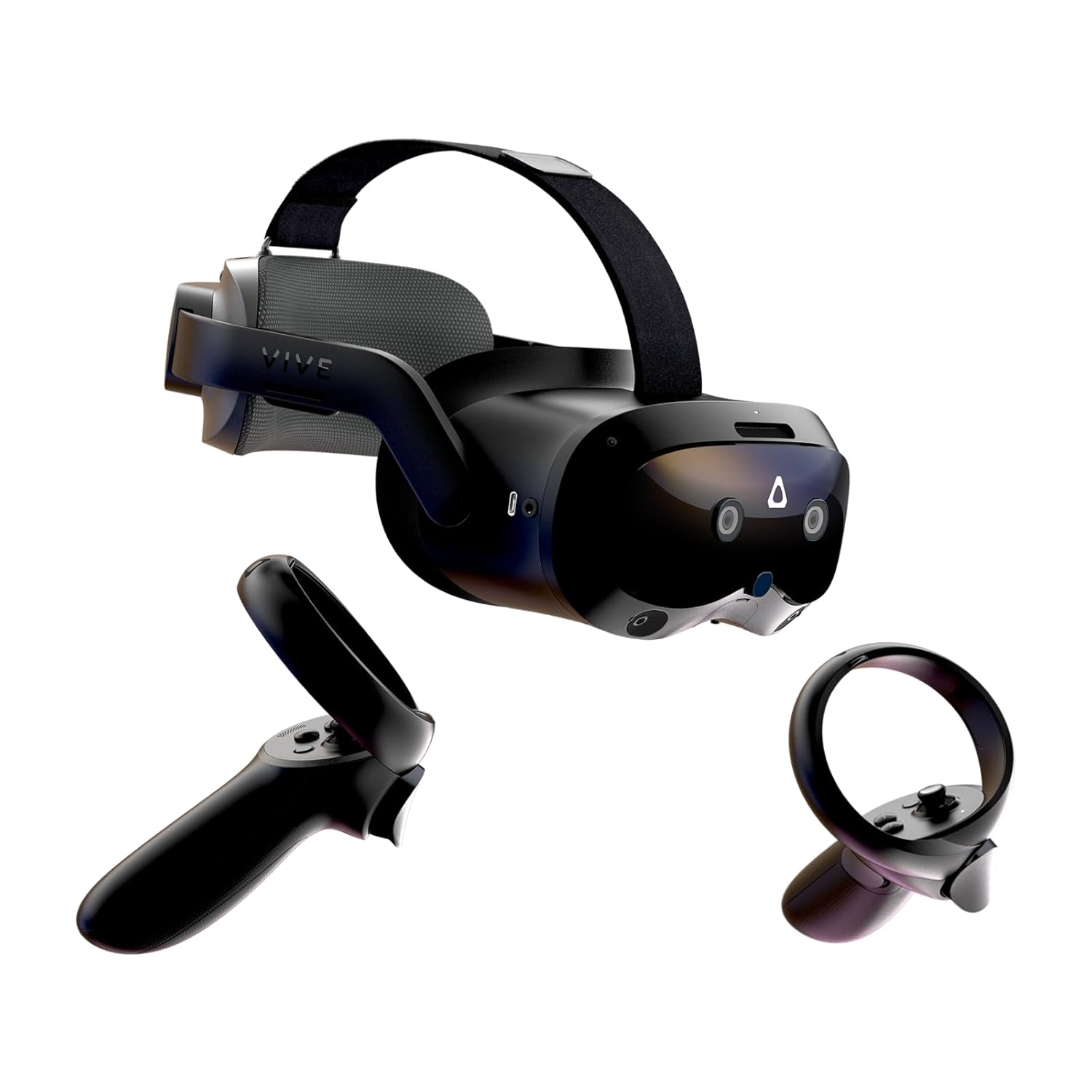
HTC Vive Focus Vision 5K Mixed Reality Headset
A dual-mode headset balancing standalone VR with PC streaming capabilities, featuring 5K displays per eye and built-in eye and hand tracking for social VR. The hot-swap battery and spatial computing features appeal to content creators, though the 3.4-star rating suggests real-world performance may not fully match its spec sheet.
Pros
- High-resolution displays deliver sharp visuals for both standalone and PC VR content
- Eye and hand tracking enable natural social interactions in VRChat and similar platforms
- Hot-swappable battery system eliminates downtime during extended use
- Mixed reality capabilities with scene understanding support practical applications beyond gaming
- Dual-mode functionality offers flexibility between portable standalone and PC-tethered experiences
Cons
- 3.4-star rating from 132 reviews indicates user satisfaction below expectations for the feature set
- PC VR streaming requires Ethernet connection setup, adding complexity versus direct DisplayPort alternatives
- No base stations needed is convenient, but tracking stability and range compared to lighthouse-based systems remains unclear from available data
Meta Quest 2 256GB VR Headset (Renewed)
The Quest 2 is a standalone VR headset with 256GB storage, 1832x1920 per-eye resolution, and included controller grip covers and knuckle straps. It suits gaming, fitness apps, and entertainment, though some users report setup confusion and occasional hardware issues.
Pros
- High-resolution display and fast processor deliver smooth VR gaming and entertainment experiences
- Included anti-slip grip covers and adjustable knuckle straps enhance comfort and control
- Generous 256GB storage accommodates multiple games and apps without frequent deletions
- Works standalone and connects via Bluetooth to compatible devices
- Renewed unit comes with carrying case and full accessories
Cons
- Setup and app selection can be confusing for first-time users (Meta Horizon app vs. Oculus 2 app compatibility unclear)
- Some units arrive with hardware defects or non-functional controllers requiring troubleshooting
- 90-day limited warranty provides minimal coverage for a renewed device
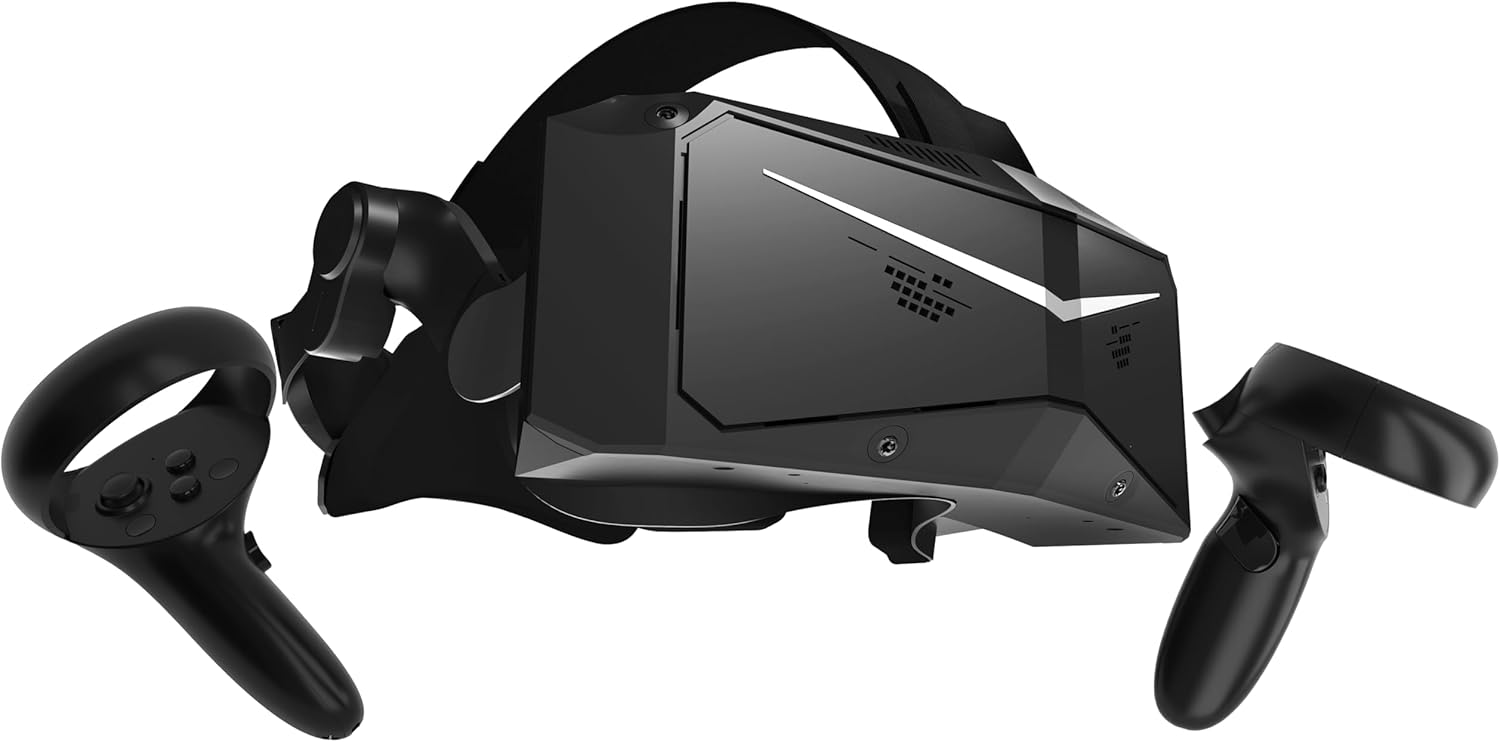
Pimax Crystal Light 2880x2880 PC VR Headset
High-resolution PC VR headset with 2880x2880 per-eye QLED display and local dimming for sharp visuals and vivid colors. Designed for flight sims and racing games with 120Hz refresh rate and inside-out tracking, though it carries a premium price point and lacks user reviews for real-world validation.
Pros
- Exceptional display clarity with high pixel density and QLED technology offering excellent contrast and color vibrancy
- Inside-out tracking eliminates setup complexity and space requirements
- Lightweight design and adjustable headband support long gaming sessions
- 120Hz refresh rate delivers responsive performance for demanding applications like flight sims and iRacing
- Foveated rendering optimization helps manage performance without sacrificing visual quality
Cons
- No verified user reviews available, making real-world performance assessment difficult
- Premium positioning suggests high cost relative to mainstream VR headsets
- Limited information on controller ecosystem and available accessories
Pimax Crystal Super VR Headset, 3840x3840, 140° FOV
A premium PC VR headset built for flight and racing simulators, delivering exceptional visual clarity at 50 PPD with an ultrawide 140-degree field of view. The QLED Mini-LED display and inside-out tracking make it well-suited for users seeking immersive, sharp visuals in demanding VR applications.
Pros
- Exceptional edge-to-edge sharpness with 50 PPD and aspherical lenses
- Ultrawide 140-degree FOV maximizes situational awareness in simulators
- QLED Mini-LED display combines OLED blacks with bright QLED levels
- Balanced weight distribution and replaceable facial interfaces for comfort during extended sessions
- Eye tracking and passthrough camera included
Cons
- Requires DisplayPort and USB wired connection to Windows 10 PC, limiting mobility
- Limited real-world user feedback with only 2 verified reviews available
- Premium pricing positions it for professional users and enthusiasts rather than casual gamers
Meta Quest Pro 256GB VR Headset with Field Trips
Meta's premium standalone VR headset combines high-resolution mixed reality passthrough with intuitive hand tracking and spatial multitasking. Includes a 1-month VR field trips subscription, making it suitable for both immersive gaming and educational experiences.
Pros
- High-quality passthrough camera system with full-color sensors enables seamless reality blending
- Self-tracking controllers eliminate need for external base stations
- Lightweight, well-balanced design suited for extended wear
- Substantial storage (256GB) and RAM (12GB) for demanding applications
- Includes educational subscription for immediate content access
Cons
- No user reviews available yet to validate real-world performance claims
- Premium pricing positions it toward enthusiasts rather than casual users
- Only 1-month field trips subscription included, requires renewal for continued access
VR Headsets Buying Guide
Choosing a VR headset involves more variables than picking a gaming monitor or a new console. Headsets sit at the intersection of display hardware, motion tracking, audio, ergonomics, and software ecosystems.
Understanding each factor before you buy will save you from costly mismatches between what a headset promises and what it actually delivers for your situation.
Standalone vs. PC-Tethered: Picking the Right Architecture

The most fundamental choice you face is whether you want a standalone headset or one that relies on a PC for processing.
Standalone headsets such as the Meta Quest line contain their own chipset, battery, and storage, so you strap them on and go with no cables or gaming rig required.
This architecture is ideal for living-room gaming, casual users, and anyone who does not already own a powerful desktop.
The trade-off is that onboard processing is always less capable than a full desktop GPU, which caps graphical fidelity compared to tethered alternatives.
PC-tethered or hybrid headsets like those from Pimax and HTC Vive connect to a dedicated graphics card and let the desktop do the heavy lifting.
For flight simulators, racing sims, or VR applications that demand pixel-perfect sharpness and fluid high-frame-rate rendering, this approach is hard to beat. You will need a capable PC to back it up, so factor that cost into your budget.
If you are building or upgrading a rig to pair with a tethered headset, check out graphics cards worth upgrading to as a starting point.
Some headsets, including HTC Vive Focus Vision and the Meta Quest line, offer a hybrid mode where you can use them standalone or stream PC content wirelessly or via cable. This flexibility is valuable if your needs might evolve over time.
Display Resolution and Visual Clarity

Resolution is one of the first specs listed for any VR headset, and for good reason: it directly determines how sharp the virtual world looks and how noticeable the “screen door effect” is, where you perceive fine lines between pixels.
Modern headsets quote resolution per eye, and anything above 2,000 by 2,000 pixels per eye produces a noticeably sharper image than older generations.
High-end options from Pimax push resolution to extraordinary levels, which is why they appeal to simulator pilots who need to read cockpit gauges clearly.
Resolution figures alone do not tell the whole story. Lens design, panel type (LCD vs. pancake lens optics), and rendering pipeline all affect perceived sharpness.
Verified buyer feedback across multiple headsets consistently flags that a high-resolution display paired with poor optics still looks soft in the periphery. Look for expert consensus on real-world sharpness, not just the raw pixel count in the spec sheet.
Field of View and Comfort
Field of view (FOV) determines how much of your peripheral vision the headset fills.
A narrow FOV creates a “looking through binoculars” feeling that breaks immersion quickly, while a wide FOV makes the virtual world feel like a real environment around you.
Consumer headsets typically land between 90 and 120 degrees horizontal FOV, and enthusiast models push toward 130 to 140 degrees. The HTC Vive Focus Vision, for example, advertises 120 degrees FOV, while both Pimax headsets target even wider coverage.
Comfort matters enormously during longer sessions. Weight distribution is critical: a front-heavy headset causes neck fatigue within 30 to 45 minutes of use, regardless of how good the display is.
Foam padding quality, adjustable IPD (interpupillary distance), and head strap design all contribute to whether a headset works well for a broad range of face shapes.
Verified buyers across the Meta Quest range frequently cite comfort as a deciding factor in daily usage, noting that aftermarket head straps are a common upgrade.
Tracking Technology
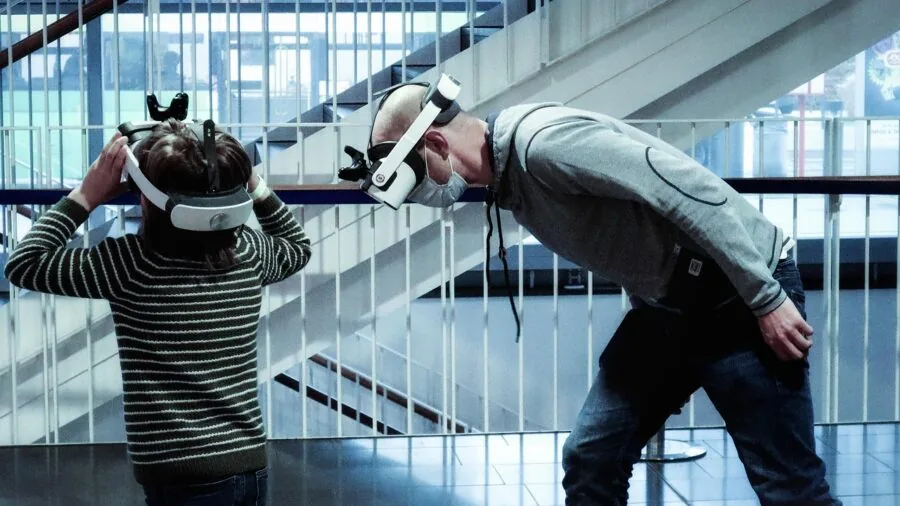
Tracking refers to how accurately the headset and controllers follow your real-world movement. Inside-out tracking uses onboard cameras to map your environment and track controller positions without any external sensors.
It has become the dominant standard because it requires no room setup and works in any space. Most Meta Quest headsets and the Pimax Crystal Light use inside-out tracking, making them practical for users who lack a dedicated VR room.
Outside-in tracking, used by some PC VR platforms, relies on external base stations placed around the room. It historically offered superior precision for competitive gaming and full-body tracking, though modern inside-out systems have narrowed the gap substantially.
Eye tracking and hand tracking are becoming increasingly common on premium headsets, enabling more intuitive menu navigation and new gameplay mechanics.
The HTC Vive Focus Vision ships with both eye tracking and hand tracking as standard features, which expert reviewers highlight as a differentiator in the professional and enterprise segment.
Content Library and Ecosystem Lock-In

A headset is only as good as the software that runs on it.
Meta’s ecosystem anchors the largest standalone VR content library, with hundreds of games and apps available through Meta Horizon, and the Meta Quest line benefits from a subscription service that bundles access to a rotating catalogue of titles.
This breadth of content is a primary reason Meta Quest headsets earn high scores in our evaluations across usefulness and value dimensions.
PC VR platforms such as SteamVR offer an enormous library of titles compatible with most tethered headsets, including Pimax and HTC Vive. OpenXR standardization has made cross-platform compatibility more reliable than it was a few years ago.
Consider what games or experiences matter most to you and verify that your target headset supports them natively or through a streaming solution.
For anyone drawn to VR fitness or rhythm games, content availability is often the deciding factor, more so than raw hardware specs.
Storage, Battery Life, and Connectivity
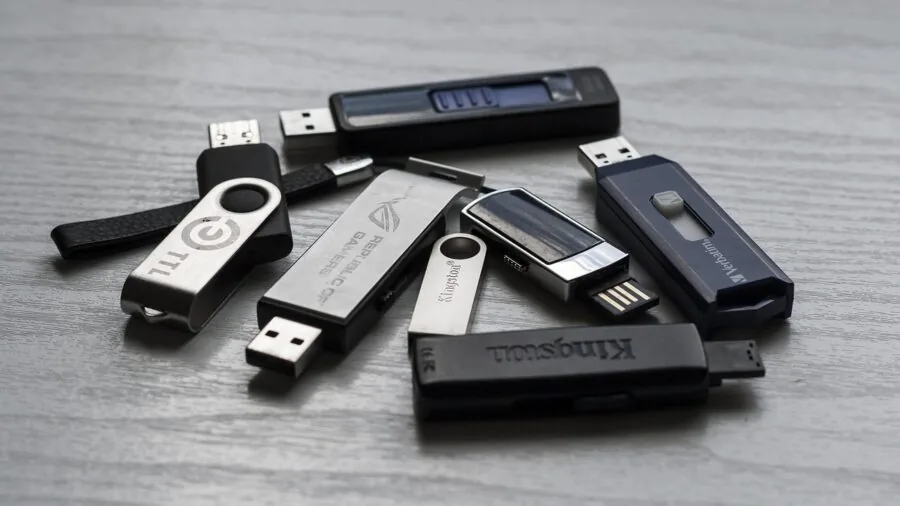
For standalone headsets, onboard storage determines how many games and experiences you can keep installed at once. Modern VR titles can occupy several gigabytes each, so 128 GB fills up faster than you might expect if you are an active user.
Opting for a 256 GB or 512 GB configuration provides meaningful headroom without the inconvenience of constantly managing your library.
Battery life on standalone headsets typically runs between two and three hours of active use, which aligns with most gaming sessions but may require a charging break for longer simulator stints or social VR events.
PC VR headsets are tethered by design, so battery is not a concern, but cable management is. Wireless streaming adapters exist for some platforms and eliminate the cable entirely, though at the cost of added latency and a price premium.
The HTC Vive Focus Vision addresses this with a hot-swap battery system, allowing you to replace the battery without powering down mid-session.
Connectivity ports, including USB-C passthrough for charging during use, are worth checking if you intend to use the headset for extended periods.
A VR setup pairs naturally with a robust entertainment and gaming environment, and a large-screen TV built for gaming can complement your living room setup when you step out of the headset.
Why You Should Trust Us
REMOVU is an independent review platform with no affiliation to any manufacturer or retailer.
Every headset in this guide was evaluated by our editorial team using a consistent, structured methodology: we compare published specifications, draw on expert review consensus from across the enthusiast and professional press, and incorporate verified buyer feedback from confirmed purchasers.
We do not conduct our own product trials; our evaluations are grounded in research, published data, expert review consensus, and verified buyer feedback.
Each product receives a REMOVU Score on a scale of 0 to 10, weighted across dimensions including display quality, tracking accuracy, comfort, content ecosystem, value for money, and build quality.
Scores reflect the overall merit of a product relative to its category competition, not its price tier in isolation.
A budget standalone headset and a premium PC VR rig are scored within their respective contexts, which is why scores across very different categories of headset are best interpreted alongside the buying guide above rather than in direct numerical comparison alone.
REMOVU may earn a commission when you purchase through links in this article. That affiliate relationship has no bearing on our rankings, scores, or editorial decisions.
Products are selected and ranked based solely on the quality of our assessment, not on commission rates. Our goal is to help you make a well-informed decision, not to push any particular product.
Final Thoughts
The VR headset landscape in 2026 offers something genuinely compelling at almost every price point, from renewed standalone options that bring capable immersive gaming within reach of a modest budget, to ultra-high-resolution PC rigs built for simulation enthusiasts who want the sharpest possible virtual cockpit.
Below are the standout picks from this list, each earning a recognition based on what it does best.
- Best Overall: Meta Quest 3 512GB (Gorilla Tag Cardboard Monkenaut Bundle) earns the top REMOVU Score in this group thanks to its combination of mixed reality capability, strong processing performance, a deep content library, and generous storage, making it the most well-rounded standalone headset available from Meta’s current lineup.
- Best Renewed Value: Meta Quest 3 512GB (Renewed Premium) delivers the same powerful hardware at a lower price through Amazon’s certified renewal programme, making it an excellent choice for buyers who want flagship-tier performance without paying the full retail premium.
- Best Budget Standalone Pick: Meta Quest 3S 128GB (Renewed Premium) brings the Quest 3 platform’s processing architecture to a more accessible price bracket, earning strong marks for value and earning it a place as the most compelling entry point into current-generation Meta VR.
- Best for Mixed Reality and Enterprise Use: HTC Vive Focus Vision stands apart with its wide field of view, eye tracking, hand tracking, and hot-swap battery system. Expert reviewers consistently position it as a serious tool for professional and enterprise applications rather than a pure gaming device.
- Best for PC Simulator Enthusiasts: Pimax Crystal Super targets the most demanding segment of the PC VR market with its extreme per-eye resolution, making it a niche but compelling choice for flight sim and racing sim pilots who prioritise visual fidelity above all else and already own a capable desktop rig.
Whichever headset you choose, pairing it with the right supporting hardware makes a real difference.
A comfortable gaming chair or dedicated desk helps during longer seated simulator sessions, while PC VR users will want to keep their NVMe SSD fast enough to handle large game installs without stuttering.
For anyone exploring the broader gaming ecosystem, our gaming hub covers everything from game controllers to handheld consoles.
Frequently Asked Questions
Do I Need a Gaming PC to Use a VR Headset?
No, not if you choose a standalone headset. Meta Quest headsets run entirely on their onboard chipset and require no PC connection for most games and apps.
If you want to play PC VR titles through SteamVR or access graphically demanding experiences, you can connect a Quest headset to a compatible PC via cable or wireless streaming, but it is entirely optional.
Pimax and HTC Vive headsets in this guide do require a PC to function.
Is a Renewed VR Headset Worth Buying?
Amazon Renewed Premium products are inspected and certified to meet a defined quality standard, with cosmetic and functional checks performed before resale.
Verified buyers of renewed Meta Quest headsets generally report satisfaction comparable to new units, particularly for the display, tracking, and controller responsiveness.
The primary consideration is that renewed units may show minor cosmetic wear and typically come with shorter warranty coverage than new retail boxes. For budget-conscious buyers, the renewed options in this guide represent strong value.
How Much Storage Do I Actually Need in a Standalone VR Headset?
Casual users who keep a small rotation of games installed can get by with 128 GB, but active players who enjoy a variety of titles will find that space fills up quickly given that many VR games occupy several gigabytes each.
If you anticipate subscribing to a content catalogue and downloading titles frequently, 256 GB or 512 GB gives you meaningful headroom and reduces the friction of library management.
Standalone VR headsets do not support external storage expansion, so choosing the right capacity upfront matters.
Can I Use a VR Headset With a Gaming Console?
The headsets in this guide are not designed for direct console connectivity. They are either standalone Android-based devices or PC VR peripherals. Sony’s PlayStation platform has its own dedicated VR ecosystem.
If console-based VR interests you, check our coverage of game consoles to understand which platforms support native VR. For the headsets listed here, a PC or standalone mode is the intended pairing.
What Is the Ideal Play Space for a VR Headset?
Most inside-out tracking headsets, including the Meta Quest line, support both stationary and room-scale modes.
Room-scale experiences, where you physically walk and move within a defined area, typically benefit from a clear space of at least two metres by two metres.
The headset’s Guardian or boundary system will prompt you to define your safe zone during setup.
Seated or stationary modes work well in smaller spaces and are standard for simulator titles where you remain in a fixed position throughout the session. Always clear the play area of furniture and obstacles before starting a room-scale session.
Are High-End VR Headsets From Pimax Worth the Premium?
Pimax headsets occupy a niche but well-defined position in the market.
Their extreme per-eye resolution and wide field of view are genuinely appreciated by flight simulator and racing simulator pilots who spend hours in virtual cockpits and need to read small instrument details clearly.
Expert consensus consistently notes that setup complexity and software maturity lag behind the mainstream Meta and HTC products. For general gaming and casual VR, the value proposition is harder to justify.
For dedicated sim enthusiasts with a powerful PC, a racing wheel setup and a Pimax headset can create an exceptionally immersive experience that no flat monitor can replicate.
About the author
Kevin is REMOVU's SSD writer, comparing NVMe and SATA drives on speed, endurance, and price per gigabyte. He helps readers pick the SSD that delivers the biggest real-world speed boost for their PC.