The 9 Best VR Headsets Standalone
Standalone VR has never been more capable or more confusing to shop. We researched every major headset across display quality, comfort, tracking, and ecosystem depth so you can skip straight to the right pick.
 By Maxine Hansen
Updated July 26, 2026
By Maxine Hansen
Updated July 26, 2026

Standalone VR headsets have matured rapidly over the past few years, moving from niche gadgets to genuinely compelling entertainment and productivity platforms.
Because they require no gaming PC, no console, and no external sensors, they lower the barrier to entry dramatically while still delivering immersive experiences that would have felt science-fictional a decade ago.
Whether you are drawn to social platforms, fitness apps, big-budget VR titles, or mixed reality passthrough, the right headset can unlock a completely new way to interact with digital content, and the wrong one can leave you with a heavy, uncomfortable device collecting dust on a shelf.
Choosing among the options available today is genuinely tricky. Display resolution, processor generation, tracking quality, comfort over long sessions, and ecosystem depth all vary significantly across the lineup.
This guide draws on published specifications, expert review consensus, and verified buyer feedback to help you cut through the marketing noise.
REMOVU’s research team analyzed each headset against a consistent set of criteria so you can make a confident, well-informed decision. Read on to see our top-ranked standalone VR headsets right now.
| Award | Product | REMOVU Score About REMOVU ScoreThe REMOVU Score is our own rating from 0 to 10, based on performance, design and build, ease of use, and value. It reflects independent research and is never influenced by manufacturers, retailers, or affiliate commissions. Learn more › | Price | |
|---|---|---|---|---|
| Best Overall |
 Meta Quest 3 512GB VR Headset
|
8.8/10 | Buy | |
| Best Budget |
 Meta Quest 3S 128GB Standalone VR Headset
|
8.3/10 | Buy | |
| Best Premium |
 HTC Vive XR Elite Deluxe Pack, 3840x1920 Mixed Reality Headset
|
7.6/10 | Buy | |
| Best Value |
 Meta Quest 2 128GB Standalone VR Headset
|
7.1/10 | Buy | |
 Meta Quest 2 256GB VR Headset (Renewed)
|
7.1/10 | Buy | ||
 HTC Vive Focus Vision DisplayPort PC VR Headset
|
6.9/10 | Buy | ||
 Meta Quest Pro 256GB VR Headset with Field Trips
|
6.8/10 | Buy | ||
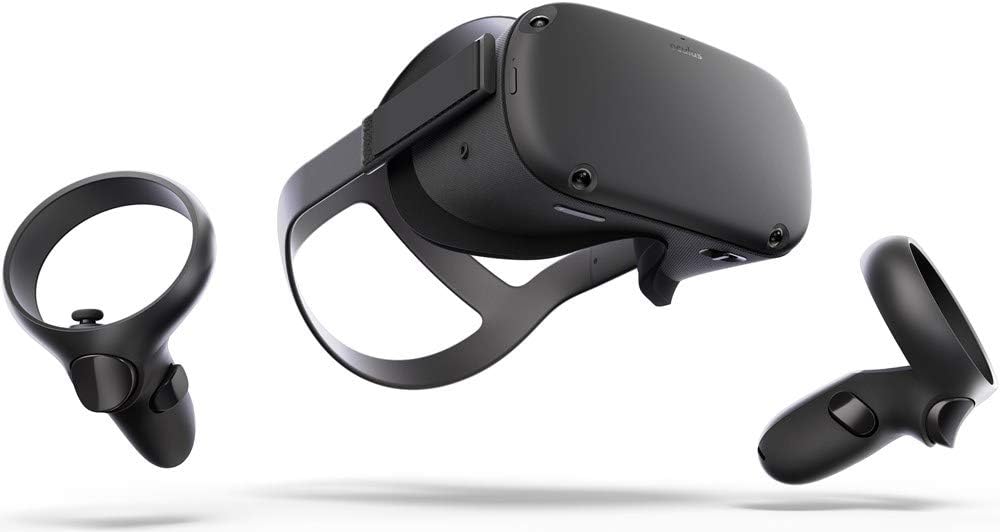 Meta Oculus Quest 128GB All-in-One VR Headset
|
6.4/10 | Buy | ||
 Meta Quest 64GB All-in-One VR Headset
|
6.2/10 | Buy |
Meta Quest 3 512GB VR Headset
Meta's flagship standalone VR headset delivers sharp 4K visuals and wireless freedom with twice the processing power of its predecessor. The Gorilla Tag bundle and 3-month Horizon+ trial make it accessible for newcomers, though battery life tops out around 2 hours and the 512GB storage fills quickly with demanding titles.
Pros
- Sharp 4K+ resolution with nearly 30% leap in visual clarity over Quest 2
- Wireless, untethered gameplay powered by Snapdragon XR2 Gen 2 processor
- Dual RGB color cameras enable convincing mixed reality experiences
- 8GB RAM and 512GB storage handle demanding games with fast load times
- Inclusive bundle with 100+ games via 3-month Horizon+ trial plus exclusive Gorilla Tag items
Cons
- Battery life limited to 2+ hours, requiring frequent charging during extended sessions
- 512GB storage can fill quickly with AAA VR titles, limiting offline library
- Premium positioning means higher entry cost compared to budget VR alternatives
Meta Quest 3S 128GB Standalone VR Headset
A renewed Meta Quest 3S with 128GB storage and included 3-month Meta Horizon+ trial, built around the Snapdragon XR2 Gen 2 processor for smooth performance. Best for gamers seeking wireless VR with over 40 launch titles and mixed reality passthrough capabilities.
Pros
- Snapdragon XR2 Gen 2 delivers next-gen graphics and smooth gameplay without stuttering
- Upgraded 128GB storage and 8GB RAM eliminate frequent load bottlenecks compared to base models
- Full-color passthrough with dual RGB cameras seamlessly blends virtual and physical spaces
- 2+ hour battery keeps extended play sessions viable without constant charging
- Substantial game library accessible immediately through included Horizon+ trial
Cons
- Renewed condition may show minor cosmetic wear, though backed by Amazon's guarantee
- Battery life of 2-3 hours limits extended play to roughly one session per charge cycle
- No pricing flexibility noted; renewed pricing advantage depends on retailer comparison at purchase time
HTC Vive XR Elite Deluxe Pack, 3840x1920 Mixed Reality Headset
A lightweight, convertible headset that combines standalone VR and base station-free PC VR in one package, featuring high-resolution displays, color passthrough, and adjustable optics for vision correction. The included Deluxe Pack accessories address comfort concerns from earlier iterations, though premium pricing and some accessory dependencies limit its appeal to casual users.
Pros
- High-resolution 3840x1920 display with 110-degree FOV and 90Hz refresh rate delivers sharp visuals in compact form
- Lightweight, portable design with hot-swappable battery cradle for extended use without heavy counterweight fatigue
- Hybrid standalone and PC VR capability via base station-free inside-out tracking and wireless/USB streaming options
- Mixed reality color passthrough and depth sensor enable intuitive blend between virtual and real environments
- Adjustable stepless IPD and diopter dials accommodate vision correction up to moderate prescriptions without requiring glasses
Cons
- Battery life limited to approximately 2 hours per charge, requiring frequent swaps for extended sessions
- Premium price point substantially higher than competing all-in-one headsets like Meta Quest 3
- Full-body tracking and face tracking require separate purchases of VIVE Ultimate Trackers and wireless dongle, adding significant cost; diopter range may insufficient for stronger prescriptions (5+ diopters)
Meta Quest 2 128GB Standalone VR Headset
A standalone VR system delivering immersive gaming and social experiences without needing a PC or external sensors. Offers 500+ titles across gaming, fitness, and entertainment with hand tracking and touch controllers, though graphics are budget-tier and battery life is limited to roughly 2 hours.
Pros
- Truly standalone operation with built-in processor and battery, no PC or console required
- Massive content library with 500+ titles including exclusive releases and free apps like Epic Roller Coaster
- Hand tracking and intuitive touch controllers create natural interaction in virtual worlds
- Portability and wireless gameplay without external sensors or fixed play area setup
- Accessible price point for entry-level VR with strong value proposition
Cons
- Graphics quality falls between Nintendo 64 and GameCube level due to onboard processing limits, noticeably less polished than PC VR versions
- Battery life averages 2 hours between charges, requiring accessories like extended battery straps for longer sessions
- Default head strap is lightweight but can cause front-heaviness and discomfort during extended wear; third-party upgrade often needed
- Requires active Meta account tied to Facebook, with risk of account suspension permanently disabling the device
- Head tracking occasionally stutters, momentarily breaking immersion especially during graphics-intensive games
Meta Quest 2 256GB VR Headset (Renewed)
The Quest 2 is a standalone VR headset with 256GB storage, 1832x1920 per-eye resolution, and included controller grip covers and knuckle straps. It suits gaming, fitness apps, and entertainment, though some users report setup confusion and occasional hardware issues.
Pros
- High-resolution display and fast processor deliver smooth VR gaming and entertainment experiences
- Included anti-slip grip covers and adjustable knuckle straps enhance comfort and control
- Generous 256GB storage accommodates multiple games and apps without frequent deletions
- Works standalone and connects via Bluetooth to compatible devices
- Renewed unit comes with carrying case and full accessories
Cons
- Setup and app selection can be confusing for first-time users (Meta Horizon app vs. Oculus 2 app compatibility unclear)
- Some units arrive with hardware defects or non-functional controllers requiring troubleshooting
- 90-day limited warranty provides minimal coverage for a renewed device
HTC Vive Focus Vision DisplayPort PC VR Headset
A premium standalone VR headset with 5K per-eye displays and built-in eye/hand tracking, designed primarily for PC VR streaming via DisplayPort cable. Strong for content creators and VRChat enthusiasts, though real-world visual clarity and software stability remain inconsistent across users.
Pros
- DisplayPort streaming delivers low-latency, visually lossless PC VR content
- Built-in eye and hand tracking with face tracking support works well for avatar-driven apps like VRChat
- Hot-swappable battery system allows seamless swaps without full shutdown
- Comfortable ergonomic design with adjustable rear dial and magnetic quick-release battery
- Works effectively in low-light conditions thanks to infrared floodlight for hand tracking
Cons
- Visual clarity falls short of premium positioning; Fresnel lenses cause mudding and god rays comparable to older Quest 2, not a generational leap despite 5K specs
- Software plagued with stability issues including horizon tilting glitches, auto-IPD failures, and controller tracking inconsistencies reported by multiple users
- DisplayPort streaming kit requires adequate PC power delivery (30W power bank underspecified; users report needing 45W+) and connection drops to USB fallback
Meta Quest Pro 256GB VR Headset with Field Trips
Meta's premium standalone VR headset combines high-resolution mixed reality passthrough with intuitive hand tracking and spatial multitasking. Includes a 1-month VR field trips subscription, making it suitable for both immersive gaming and educational experiences.
Pros
- High-quality passthrough camera system with full-color sensors enables seamless reality blending
- Self-tracking controllers eliminate need for external base stations
- Lightweight, well-balanced design suited for extended wear
- Substantial storage (256GB) and RAM (12GB) for demanding applications
- Includes educational subscription for immediate content access
Cons
- No user reviews available yet to validate real-world performance claims
- Premium pricing positions it toward enthusiasts rather than casual users
- Only 1-month field trips subscription included, requires renewal for continued access
Meta Oculus Quest 128GB All-in-One VR Headset
A wireless, standalone VR system that delivers immersive 6DOF gaming without PC or external sensors. Strong game library and intuitive Touch controllers make it accessible to VR newcomers, though comfort and controller durability show compromises versus pricier alternatives.
Pros
- Exceptional value for true 6DOF VR, delivers experience comparable to PC headsets at fraction of total cost
- Frictionless setup using hand-painted Guardian boundaries; adapts to any room size
- Inside-out camera tracking performs reliably in normal lighting without external hardware
- OLED screens produce vibrant blacks and minimal god ray artifacts versus earlier VR displays
- Award-winning Touch controllers feel intuitive for slashing, grabbing, and throwing in games
Cons
- Front-heavy design causes discomfort after 30+ minutes for many users; third-party straps recommended
- New Touch controllers noticeably more fragile than first-gen Oculus controllers; replacement costs $70 per unit
- Requires Facebook account login, raising privacy concerns for some buyers
Meta Quest 64GB All-in-One VR Headset
A standalone VR system that requires minimal setup, delivering hand tracking and room-scale gameplay through inside-out cameras without external sensors. The 1440x1600 OLED display and 90Hz refresh rate provide solid visuals for gaming, though Facebook account integration is mandatory.
Pros
- Truly wireless with built-in processing, no external trackers needed
- Precise hand and controller tracking through Insight system
- Flexible gameplay in various room sizes and positions
- Sharp OLED visuals at native 1440x1600 resolution per eye
Cons
- Requires Facebook account login, limiting privacy for some users
- 64GB storage may fill quickly with larger game titles
- No external PC connection means limited to Quest app library
Standalone VR Headsets Buying Guide
A standalone VR headset is a self-contained computer you strap to your face. Every component, processor, battery, storage, display, and tracking cameras, lives inside the headset itself.
That convenience is liberating, but it also means every spec matters more than it would in a tethered setup where a desktop PC does the heavy lifting.
The sections below walk through the criteria that separate a headset you will love from one you will tolerate.
Display Quality and Visual Clarity

Resolution is the single most visible indicator of whether a VR experience feels “real” or obviously pixelated. Look for per-eye resolution figures rather than combined totals, because manufacturers sometimes advertise combined numbers to make specs look more impressive.
A higher pixel density reduces the so-called screen-door effect, the faint grid visible between pixels in older headsets, and directly affects how comfortable text, menus, and fine detail look during extended sessions.
Beyond raw resolution, consider the display technology. Pancake lens systems, which compress the optical stack into a thinner profile, tend to deliver sharper edge-to-edge clarity than older Fresnel lenses, though they may reduce peak brightness slightly.
Refresh rate matters for comfort too: headsets capable of 90 Hz or higher feel noticeably smoother and cause less motion sickness for susceptible users than 72 Hz modes.
If you plan to use the headset for fast-paced games or fitness, prioritize headsets with high-refresh-rate display options.
Color accuracy and black levels also differ significantly across models. LCD-based panels offer good brightness but more limited contrast, while newer mixed-reality passthrough cameras vary widely in color fidelity.
If mixed reality use cases matter to you, overlaying virtual objects on your real room, the quality of the color passthrough camera system is worth scrutinizing closely in expert reviews before buying.
Processing Power and Performance

Standalone headsets run their own SoC (system-on-chip), and the generation of that chip determines not just raw graphical performance but also how efficiently the headset handles mixed reality processing, hand tracking, and background tasks.
First-generation Snapdragon XR2 devices handle older libraries of content well but begin to struggle with newer, graphically demanding titles.
Newer chipsets deliver meaningfully better performance and longer software support windows, which matters if you plan to own the headset for several years.
RAM and storage should also enter the calculation. Headsets with more RAM handle multitasking and complex scenes more gracefully, while larger onboard storage lets you keep more titles installed simultaneously without juggling downloads.
If a headset also supports PC VR streaming, letting it tap into a gaming PC’s GPU over Wi-Fi or a wired connection, that extends its effective performance ceiling significantly and is worth noting as a secondary capability even for buyers who prioritize standalone use.
Comfort and Fit for Long Sessions
Comfort is arguably the most under-discussed spec in VR, yet it determines whether you actually use the headset or not.
Weight distribution is critical: a front-heavy design pushes down on the nose and cheeks and causes fatigue within twenty or thirty minutes, while headsets that shift more mass toward the back of the head remain comfortable for hours.
Pay attention to the default head strap design and whether the headset accepts aftermarket elite straps, because the included strap on many consumer headsets is a cost-cutting compromise.
IPD (interpupillary distance) adjustment affects optical clarity and eye strain. Physical IPD adjustment is preferable to software-only adjustment because it aligns the lenses mechanically with your eyes rather than digitally cropping the display.
Face gasket materials vary between foam and silicone; silicone is easier to clean and more hygienic for shared-use scenarios or intense workout sessions, while foam tends to feel softer initially but degrades faster with sweat exposure.
Battery life in standalone headsets typically falls in the two-to-three-hour range for active use, which is a genuine limitation if you want long uninterrupted sessions.
Some headsets support pass-through charging while in use, and the weight penalty of a power bank strapped to a rear-balance counterweight strap is a popular workaround many enthusiasts adopt.
Factor in charging time as well as session length when comparing models.
Tracking and Controller Quality
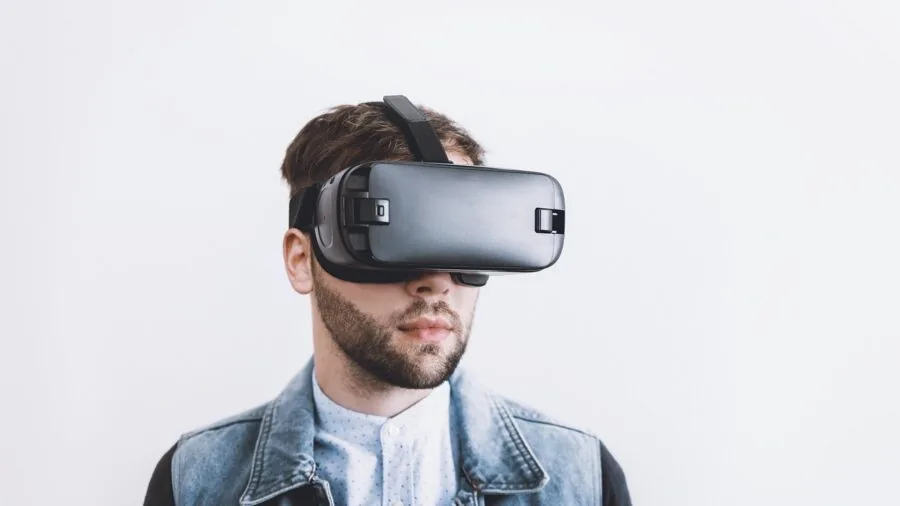
Modern standalone headsets use inside-out tracking, meaning the headset’s external cameras map the environment and track the controllers without external base stations.
This approach is convenient and works well in most living-room and bedroom setups, but performance can degrade in poor lighting or highly reflective environments.
Evaluate how many cameras a headset uses and whether the tracking system supports full wrist and lower-body tracking if you care about social VR or fitness applications.
Controller ergonomics and button layouts differ across ecosystems. The Meta Touch controller family has iterated significantly over the years and is now well-regarded for its natural grip and accurate thumbstick placement.
HTC’s controllers tend to prioritize precision and have a dedicated following among enterprise and productivity users. Hand tracking, the ability to use bare hands as input without controllers, is increasingly standard but varies in accuracy and latency across headsets.
If controller-free interaction matters for your use case, look specifically for expert feedback on hand-tracking reliability rather than simply whether the feature is listed in the spec sheet.
Ecosystem, Software Library, and Mixed Reality Capability

Hardware specs alone do not determine how much value you get from a VR headset.
The software ecosystem surrounding the device determines whether you have a rich library of games, social experiences, and productivity tools to explore, or whether you exhaust the catalog within a few weeks.
Meta’s platform currently hosts the largest standalone VR library, with thousands of titles ranging from full-priced AAA games to free social applications. HTC’s enterprise-focused ecosystem is smaller but includes professional tools and enterprise management features that matter in business contexts.
Mixed reality passthrough quality has become a meaningful differentiator. Color passthrough that accurately maps your real environment opens up a new category of applications where virtual objects sit convincingly in your physical space.
Some headsets offer only black-and-white or low-resolution passthrough that feels more like a safety feature than a genuine spatial computing tool.
If you are interested in the boundary between the virtual and physical world, sometimes called “mixed reality” rather than “pure VR”, the quality of the passthrough system should weigh heavily in your decision.
If you already invest in a wider gaming setup, pairing a VR headset with a comfortable gaming chair or desk can make seated VR sessions significantly more enjoyable over long periods.
Value, Longevity, and Buying Renewed

Standalone VR headsets span a wide price spectrum from budget-friendly entry points to professional-grade devices priced as workplace tools.
Higher prices do not always translate to better consumer VR experiences: some premium headsets are designed primarily for enterprise deployment and carry price premiums for management software and durability rather than gaming or entertainment features.
Matching the headset’s design focus to your actual use case matters more than buying the most expensive option.
Renewed or refurbished headsets certified by major retailers can offer meaningful savings without sacrificing reliability. Amazon Renewed Premium certification, for example, requires that devices arrive in like-new cosmetic condition, pass a functional inspection, and include a warranty.
For headsets where the core platform experience remains current, and where the previous owner’s head strap wear is the primary cosmetic concern, renewed options represent strong value.
Verify that the model you are considering still receives software updates and has an active development community before committing to a refurbished purchase.
For context on how other entertainment investments compare, game consoles follow a similar logic when evaluating platform longevity before buying.
Why You Should Trust Us
REMOVU is an independent review platform with no manufacturer affiliations. Every standalone VR headset in this guide was assessed against a consistent, documented set of criteria covering display quality, processing capability, comfort, tracking accuracy, ecosystem depth, and overall value.
Each product receives a REMOVU Score on a 0 to 10 scale, which reflects a weighted synthesis of those criteria rather than any single dimension of performance.
We do not conduct our own product trials; our evaluations are grounded in research, published data, expert review consensus, and verified buyer feedback.
That means we analyze manufacturer specifications alongside long-form expert assessments and aggregate verified owner reports to build a picture of how each headset performs across a realistic range of real-world conditions.
Where expert consensus conflicts with owner feedback, we note the discrepancy rather than averaging it away.
REMOVU may earn a commission if you purchase through links in this article. That affiliate relationship has no influence on rankings, scores, or product selection.
Every pick is chosen because our research indicates it offers genuine value in its category, not because of margin or promotional agreements.
Our goal is the same as yours: finding the right headset for your needs without wasted money or regret.
Final Thoughts
After analyzing the full lineup, a few headsets stand out clearly for different types of buyers. Here are our editorial awards based on REMOVU Score and category fit:
- Best Overall: Meta Quest 3 512GB earns the top REMOVU Score in this roundup. It combines a next-generation chipset, high-resolution pancake-lens display, and full-color mixed reality passthrough into the most well-rounded standalone VR experience currently available for consumers. The large storage tier means you will rarely have to manage downloads, and Meta’s platform ecosystem is the most content-rich in standalone VR.
- Best Mid-Range Pick: Meta Quest 3S 128GB (Renewed Premium) delivers the same modern platform and controller ecosystem as the Quest 3 at a significantly more accessible price point. Amazon Renewed Premium certification means cosmetic and functional quality are tightly controlled. For buyers who want a current-generation Meta experience without paying full retail, this is the strongest value in the list.
- Best for Hybrid PC and Standalone Use: HTC Vive XR Elite with Deluxe Pack bridges standalone and PC VR more elegantly than most. The Deluxe Pack adds a hard travel case and full-face gasket, and the headset’s lightweight design makes it unusually comfortable for extended sessions. Buyers who already have a capable gaming PC will appreciate being able to stream high-fidelity PC VR content to the headset without tethering cables.
- Best Budget Entry Point: Meta Quest 2 256GB (Renewed) remains a capable way to enter standalone VR without committing full budget. The platform library is large, the controller design is proven, and the renewed 256GB variant gives enough storage to explore the catalog meaningfully. It is the right choice for buyers who want to assess whether VR is for them before investing in a flagship device. If you are also exploring other game consoles for your setup, the Quest 2 renewed makes an easy companion purchase.
- Best for Professional and Enterprise Use: HTC Vive Focus Vision Wired Bundle targets enterprise deployments, training environments, and professional visualization rather than consumer gaming. The wired DisplayPort streaming kit eliminates compression artifacts for users who need the highest-fidelity PC VR connection, and HTC’s enterprise device management tools add value in multi-headset organizational deployments. Its premium price reflects that professional positioning.
For most people buying their first or second standalone VR headset, the Meta ecosystem currently offers the most content, the most active developer community, and the smoothest out-of-box experience.
Those with professional requirements or a strong preference for open platforms will find HTC’s lineup worth the premium.
Whatever your use case, the buying guide above gives you the framework to match a headset’s actual strengths to what you plan to do with it.
Frequently Asked Questions
Do Standalone VR Headsets Need a PC or Phone to Work?
No. Standalone VR headsets contain all the processing hardware they need onboard, including a mobile-class SoC, RAM, storage, and battery. You do not need a PC, console, or smartphone connected to use them.
Some headsets offer an optional PC VR streaming mode that taps into a gaming PC’s GPU for higher-fidelity rendering, but this is a bonus capability rather than a requirement for basic operation.
What Is Mixed Reality, and Do I Need It?
Mixed reality refers to the ability to see your real physical environment through the headset’s external cameras while virtual objects are overlaid on top of it.
This contrasts with pure VR, which replaces your entire field of view with a virtual scene.
Whether you need it depends on your use cases: mixed reality is compelling for productivity apps, creative tools, fitness applications that respond to your actual room layout, and social scenarios where you want to remain aware of your surroundings.
If your primary interest is fully immersive gaming or video, pure VR performance matters more than passthrough quality. For a broader perspective on immersive entertainment tech, OLED TVs and high-quality audio gear round out a complete home entertainment setup.
How Important Is Storage Capacity in a Standalone VR Headset?
More important than many buyers expect. Standalone VR games often have large install sizes, and the most graphically rich titles can occupy 10 to 20 GB or more each.
A smaller-storage headset means you will constantly manage installations, deleting and redownloading titles as your library grows.
If you anticipate building a meaningful game library or downloading large social and creative applications, opting for a higher-storage tier or a renewed higher-capacity variant is a worthwhile investment that avoids frustration down the road.
This consideration mirrors advice in any device category with fixed onboard storage, such as when choosing SSDs for laptops.
Are Renewed VR Headsets Worth Buying?
They can be excellent value, provided you buy from a reputable certification program. Amazon Renewed Premium, for example, requires like-new cosmetic condition, full functional evaluation, and a warranty, making it meaningfully different from an uncertified used device.
The key considerations are whether the model still receives software updates from the manufacturer, whether the battery has been assessed (battery degradation is the most common functional concern in renewed wearables), and whether the headset’s platform ecosystem remains active.
A renewed headset on a current-generation platform at a lower price is often a smarter buy than a brand-new previous-generation model at a similar price.
This principle also applies to other electronics; for instance, wireless earbuds follow similar renewed-value logic when budget is a priority.
Can I Use a Standalone VR Headset for Fitness and Exercise?
Yes, and it is one of the most popular use cases. VR fitness applications can deliver surprisingly intense cardio workouts through rhythm games, boxing apps, and active sports simulations.
For fitness use, comfort and hygiene become even more important: look for headsets with silicone or wipeable face gaskets, physically adjustable IPD to prevent eye strain during movement, and sufficient tracking accuracy to register fast motions reliably.
Battery life is worth monitoring too, since heavy workout sessions can drain a standalone headset in under two hours.
If you are building out a broader fitness and audio ecosystem, wireless workout headphones pair well with VR fitness for music or coaching audio during sessions when the headset’s built-in speakers are not ideal.
How Does the Meta Ecosystem Compare to HTC for Standalone VR?
Meta’s platform prioritizes consumer gaming and social VR, with a substantially larger library of entertainment titles, active multiplayer communities, and regular first-party content investments.
HTC’s ecosystem is more enterprise-focused, with device management tools, professional visualization software, and a hardware design philosophy that emphasizes durability and open-platform compatibility. For home users primarily interested in gaming, fitness, and entertainment, Meta’s ecosystem is the clear practical choice.
For organizations deploying headsets at scale for training, simulation, or productivity, HTC offers infrastructure that Meta’s consumer platform does not match. Either way, exploring the broader gaming landscape helps contextualize where standalone VR fits in a complete entertainment setup.
About the author
Maxine is REMOVU's TV writer, comparing OLED, QLED, and LED sets on picture quality, gaming features, and value. She helps readers cut through a crowded field to the right screen.