The 9 Best Tripods Under $200
Stability, versatility, and value: finding the right tripod under $200 is easier than it looks. These picks cover DSLR rigs, video work, travel photography, and smartphone use.
 By Glen Simmons
Updated July 26, 2026
By Glen Simmons
Updated July 26, 2026
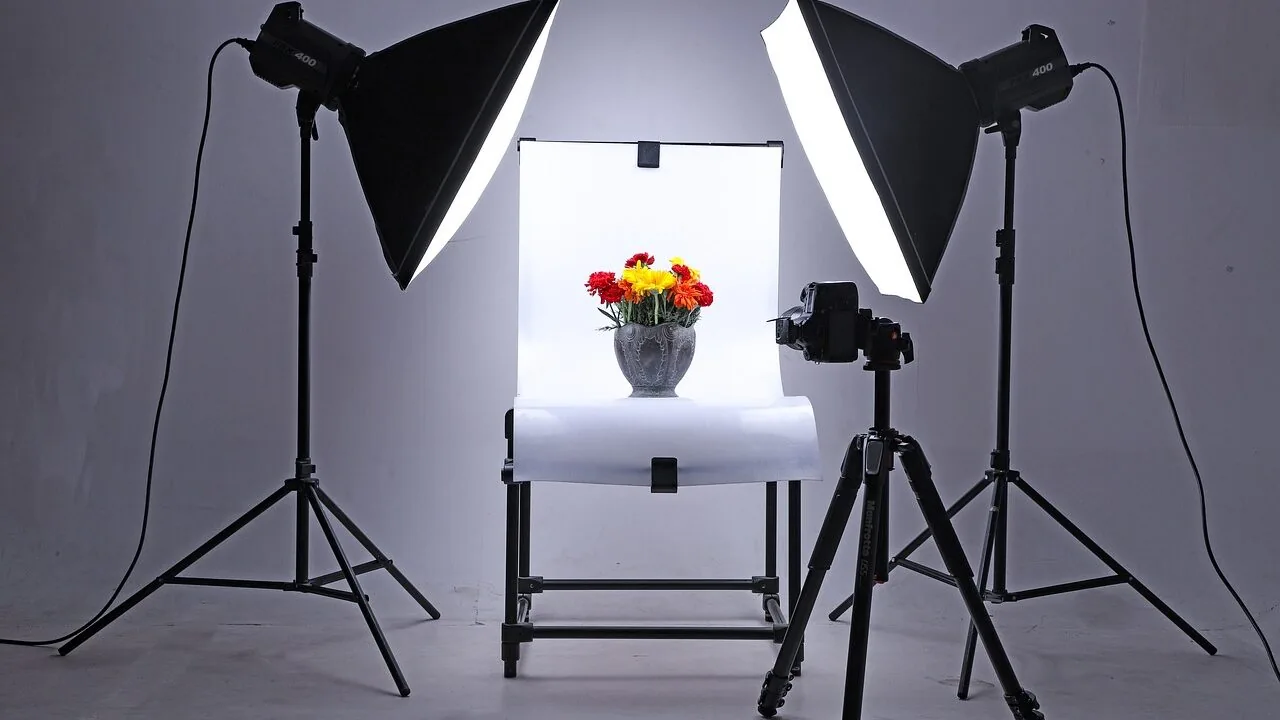
A reliable tripod is one of those purchases that quietly transforms how you shoot.
Whether you’re a travel photographer tired of blurry handheld shots, a content creator building a home studio setup, or a hobbyist stepping up from kit gear, the right tripod adds stability, repeatability, and creative control that no amount of image stabilization can fully replace.
The good news: you no longer need to spend hundreds of dollars to get a tripod that holds a DSLR steady, survives a weekend hike, or handles video work without constant frustration.
The market for tripods in the budget-to-mid-range price band has matured considerably, with brands like K&F Concept, Neewer, CAMBOFOTO, and Victiv all offering genuinely capable options for photographers and videographers alike.
This guide covers the best tripods under $200 across a range of use cases, from heavy-duty aluminum stands built for DSLR rigs to compact travel-friendly designs suited for mirrorless cameras and smartphones.
REMOVU’s picks are based on comprehensive research drawing on published specifications, expert review consensus, and verified buyer feedback. If you want to skip straight to the recommendations, the ranked list is right below.
| Award | Product | REMOVU Score About REMOVU ScoreThe REMOVU Score is our own rating from 0 to 10, based on performance, design and build, ease of use, and value. It reflects independent research and is never influenced by manufacturers, retailers, or affiliate commissions. Learn more › | Price | |
|---|---|---|---|---|
| Best Overall |
 K&F Concept TM2324 72-inch Aluminum Tripod
|
8.2/10 | Buy | |
| Best Premium |
 Neewer 72-Inch Tripod with Ball Head and Center Column
|
8.1/10 | Buy | |
 Neewer 200cm Video Tripod with Fluid Head
|
7.8/10 | Buy | ||
| Best Value |
 K&F Concept 76-Inch Tripod with Ball Head
|
7.6/10 | Buy | |
 K&F Concept O234A1 64-Inch Ball Head Tripod
|
7.5/10 | Buy | ||
| Best Budget |
 CAMBOFOTO SAB65B 74-Inch Aluminum Tripod
|
6.7/10 | Buy | |
 CAMBOFOTO SAB265B 73-Inch Tripod/Monopod Combo
|
6.4/10 | Buy | ||
 EUCOS 62-Inch Phone Tripod with Remote
|
6.2/10 | Buy | ||
 Victiv NT70 74-Inch Aluminum Tripod
|
6.2/10 | Buy |
K&F Concept TM2324 72-inch Aluminum Tripod
This aluminum tripod delivers solid versatility for photographers and videographers on the move. The 72-inch maximum height, lightweight 3.5lb build, and convertible monopod design make it practical for travel and varied shooting scenarios. The included phone holder, remote control, and dual quick-release plates streamline switching between cameras and mobile devices.
Pros
- Converts to monopod with one leg detachment, doubling as a trekking pole for adventurers
- Compact 16.92-inch folded length balances portability with 72-inch extended reach
- Includes thoughtful accessories: phone holder, 32ft wireless remote, and two QR plates for device switching
- 360-degree ball head with panoramic scales simplifies landscape and multi-shot composition
- Quick flip-lock leg sections and 2-year after-sales service with 24-hour support response
Cons
- 5-section legs add complexity to setup and breakdown compared to simpler 3-4 section designs
- 22lb ball head capacity limits use with heavy professional cinema lenses or rigs
- Central column has only two sections, which may reduce fine-tuning height adjustments for some setups
Neewer 72-Inch Tripod with Ball Head and Center Column
A versatile aluminum tripod designed for DSLR and video work, featuring a multi-angle center column that rotates 360 degrees and tilts to various angles for overhead and low-angle shots. The 33-pound load capacity and panoramic ball head with quick-release plate make it suitable for most camera setups, while the monopod conversion option adds flexibility for mobile shooting.
Pros
- Adjustable center column supports multiple shooting angles (0°, 22.5°, 45°, 67.5°, 90°) plus horizontal panning and macro reversal
- Converts to monopod by removing one leg, expanding functionality for different shooting scenarios
- Extends to 72.4 inches with compact 26.4-inch folded height, balancing reach with portability
- Arca-type quick-release plate and dual bubble levels streamline composition and leveling
- Highly rated by verified buyers (4.7 stars from 3,362 reviews) with consistent positive feedback
Cons
- 33-pound load limit may constrain use with heavier telephoto lenses or professional cinema cameras
- Multi-section legs and center column adjustments add setup complexity compared to simpler fixed tripods
- Aluminum construction trades some rigidity for weight savings, potentially affecting stability under windy conditions without additional ballast
Neewer 200cm Video Tripod with Fluid Head
A heavy-duty aluminum tripod designed for video work and DSLR cameras, reaching up to 200cm with a 360-degree fluid head for smooth panning. The sturdy double-tube construction and quick-release plate support most major camera brands, making it practical for outdoor and studio shooting. Best suited for videographers and photographers who prioritize stability and height range over portability.
Pros
- Tall maximum height of 200cm with adjustable range down to 88cm covers diverse shooting angles
- 360-degree fluid drag head enables smooth horizontal panning and -70 to 90-degree vertical tilting
- Heavy-duty aluminum alloy double-tube legs with 70mm bowl base provide solid stability and 17.6lb load capacity
- Quick-release plate compatible with 1/4" and 3/8" screws works with Canon, Nikon, Sony, and other major DSLR brands
- Flip-lock leg mechanisms allow fast height adjustment, and folds to 91cm for transport with included carrying bag
Cons
- At 4.48kg, relatively heavy for frequent relocation despite the carrying bag
- No reviews available yet to verify real-world performance and durability claims
- Bubble level and rubber feet are basic features that don't address uneven terrain as effectively as specialized stabilizers
K&F Concept 76-Inch Tripod with Ball Head
A lightweight aluminum tripod designed for both cameras and smartphones, featuring a rotatable center column and 360-degree ball head for flexible framing. The 4-section legs fold to just 15 inches and weigh under 3.7 pounds, making it practical for travel and outdoor shooting. Best suited for casual photographers and content creators who prioritize portability without needing professional-grade stability.
Pros
- Compact folded size (15.3 inches) and light weight (3.63 lbs) for easy transport
- Multi-angle center column rotates 0-180 degrees and 360 horizontally for panorama and creative shots
- Quick flip leg locks allow one-handed operation for fast setup and adjustment
- Dual compatibility with cameras and smartphones via standard 1/4-inch thread and included phone clip
- Solid 4.6-star rating from 755 verified reviews indicating reliable performance
Cons
- 8kg (17.6 lbs) load capacity limits use to lighter camera bodies and smaller lenses
- Aluminum construction less durable than carbon fiber alternatives for rugged outdoor conditions
- Non-detachable monopod design compared to some competing models in the same price range
K&F Concept O234A1 64-Inch Ball Head Tripod
A lightweight aluminum travel tripod that extends to 64 inches and collapses to just 15.5 inches, making it ideal for vlogging and outdoor shooting. The 360-degree ball head delivers quick angle adjustments without the bulk of traditional pan heads, while the one-handed flip locks speed up setup and teardown.
Pros
- Genuinely compact and light at 2.53 lbs total, fits easily in camera bags
- 360-degree ball head allows fast, smooth panning without repositioning the entire tripod
- One-handed flip leg locks open and close all sections quickly
- Arca-Swiss compatible quick release plate works with most standard mounting systems
- 17.6 lbs load capacity sufficient for mirrorless cameras and compact DSLRs with typical lenses
- 4.7-star rating across 4,260 verified reviews reflects real user satisfaction
Cons
- 4-section legs mean smaller diameter tubes at full extension, potentially less rigid than 3-section designs under load
- 17.6 lbs capacity limits use with heavier telephoto lenses or professional cinema cameras
- Ball head offers less precise fine-tuning control than fluid or geared heads for locked-down shots
CAMBOFOTO SAB65B 74-Inch Aluminum Tripod
A versatile aluminum tripod designed for photographers and content creators working with DSLRs, mirrorless cameras, smartphones, and action cameras. The 20-74 inch adjustable height and 360-degree pan head make it adaptable for portraits, vlogs, and live streaming, while the 2.8 lb weight and included carry bag suit travel and on-location work.
Pros
- Adjustable height range (20-74 inches) accommodates tabletop and full-extension setups without requiring multiple tripods
- Supports up to 8.8 lbs with stable aluminum construction, suitable for heavier DSLRs and mirrorless cameras plus ring lights
- Multi-device compatibility with quick release plate and phone mount eliminates switching hassles between camera and mobile content
- Lightweight at 2.8 lbs with compact folding design and carry bag, practical for travel and backpack storage
- 360-degree pan and tilt head enables smooth panoramas and video movements without stiff resistance
Cons
- Weight capacity of 8.8 lbs may limit stability with heavier professional camera setups or larger telephoto lenses
- Aluminum construction, while lightweight, may show durability concerns with extended heavy-use scenarios compared to carbon fiber alternatives
- Pan head smoothness depends on proper maintenance and calibration, which some users report requires attention over time
CAMBOFOTO SAB265B 73-Inch Tripod/Monopod Combo
A convertible aluminum tripod that splits into a standalone monopod, designed for entry-level DSLR and mirrorless shooters who value flexibility over specialization. The 2-in-1 design and lightweight build make it practical for travel and event work, though the 11-pound load limit rules out heavier telephoto setups.
Pros
- Detachable center column converts to a functional 41-58 inch monopod without additional purchase
- Compact when folded (19.7 inches) and light (3.3 lbs) for portability across travel, hiking, and outdoor events
- CNC-machined head with smooth, stutter-free pan and tilt action rated for 50,000+ uses over 5+ years
- Bubble level and 160-degree tilt range (90 degrees down, 60 degrees up) support both landscape and portrait framing
- 2-year warranty with free parts replacement for manufacturing defects
Cons
- 11-pound load capacity excludes professional telephoto lenses and heavier cinema rigs
- Monopod mode offers less stability than dedicated monopods for fast-moving subject tracking
- Quick-release plate lacks the advanced features found in mid-range or professional tripod heads
EUCOS 62-Inch Phone Tripod with Remote
This extendable tripod converts from compact stand to 62-inch selfie stick in one fluid motion, making it practical for vlogging, travel, and content creation. It accommodates phones 2.2 to 3.6 inches wide with a wireless remote reaching up to 33 feet, plus a built-in cold shoe for attaching lights or microphones. The nylon polymer construction balances durability with portability at 13 ounces.
Pros
- Rapid single-motion extension from tripod to full 62-inch height for versatile shooting angles
- Wireless remote control up to 33 feet enables hands-free capture without touching the device
- Cold shoe expansion port accommodates additional gear like fill lights and lavalier mics for professional setups
- Secure phone clamping for widths 2.2 to 3.6 inches with preset angle rotation (horizontal, 45-degree, vertical)
- Lightweight at 13 ounces and includes lifetime warranty coverage
Cons
- Description lacks clear details on stability and wobble performance at full 62-inch extension with heavier phones
- No information provided about maximum payload capacity or compatibility with larger phones or action cameras despite claims of cross-device support
- Product description reads more like marketing narrative than functional specifications, making it difficult to assess build quality differences from competitors
Victiv NT70 74-Inch Aluminum Tripod
A versatile aluminum tripod that extends from 19 to 74 inches and works with cameras, phones, GoPros, and spotting scopes via its standard 1/4" mount. The 3-way pan head delivers smooth 360° horizontal and 180° vertical movement, making it suitable for video production, live streaming, and photography. At 3.14 lbs with included carry bag, it balances portability with stability for creators and hobbyists.
Pros
- Wide height range (19-74 inches) accommodates various shooting angles and setups
- Universal compatibility with DSLRs, mirrorless cameras, smartphones, and accessories like ring lights and projectors
- 3-way pan head with smooth 360° horizontal and 180° vertical articulation for panoramic and portrait shots
- Lightweight aluminum construction (3.14 lbs) with carrying bag for easy transport
- Includes extras: universal phone holder, quick release plate, and weight hook for added stability
Cons
- 9.5 lb max load may limit use with heavier professional camera setups
- 3-way pan head requires manual adjustment between shooting angles, slower than fluid video heads
- Limited stability on uneven terrain without the optional weight hook deployed
Tripods Under $200 Buying Guide
Shopping for a tripod in this price range means navigating a surprisingly wide range of designs, materials, and feature sets.
The subsections below walk through the criteria that matter most, so you can zero in on the model that fits your shooting style rather than just buying the tallest one in the listing.
Build Material and Weight Capacity
Almost every tripod in the budget-to-mid-range segment is made from aluminum alloy, and that’s not a bad thing. Aluminum strikes a practical balance between rigidity and cost.
It won’t flex under a heavy DSLR with a telephoto lens the way cheap plastic will, and it doesn’t corrode quickly outdoors.
Carbon fiber is lighter and damps vibration better, but it becomes relevant mainly at price points well above this guide’s ceiling.
Pay close attention to the rated load capacity.
Manufacturers tend to publish optimistic figures measured under ideal lab conditions, so a practical rule of thumb is to aim for a tripod rated to at least double the weight of your heaviest camera-and-lens combination.
A mirrorless body with a kit lens typically weighs under 2 lbs, while a full-frame DSLR with a standard zoom can push 4 to 5 lbs.
Several picks in this guide support loads upward of 17 lbs, which leaves meaningful headroom for heavier setups without paying a premium for professional-grade hardware.
Pair a capable tripod with a solid mirrorless or DSLR camera and you have a stable foundation for nearly any shooting scenario.
Folded length and packed weight also matter if you plan to travel. A tripod that extends to 74 inches and folds down to under 20 inches is genuinely backpack-friendly; one that folds to 28 inches is better suited to a car trunk.
Check both the folded length and the weight before committing, especially for hiking or travel photography.
Head Type: Ball Head vs. Pan Head vs.
Fluid Head
The head determines how quickly and precisely you can reposition your camera, and it’s one of the most consequential decisions in any tripod purchase.
Ball heads use a single locking knob to release a ball joint, letting you point the camera in virtually any direction before tightening. They’re fast, compact, and well-suited to still photography where you’re frequently reframing between shots.
Pan heads (also called 3-way heads) use separate controls for each axis of movement. They feel slower at first, but they make precise compositional adjustments far easier once you learn the controls.
Many beginner photographers find 3-way heads more intuitive for architectural work or landscape framing where you need to level the horizon exactly. Several models in this guide include 360-degree pan heads, making them versatile for both stills and casual video.
Fluid drag heads are the video-specific option. They use hydraulic resistance to produce smooth, cinematic pans and tilts rather than jerky movements.
If you’re shooting video with a camcorder or using your camera for vlog content, a fluid head is worth prioritizing.
Neewer’s 79-inch video tripod in this guide ships with a genuine 360-degree fluid drag head at a price point that makes it particularly compelling for video-focused buyers.
Content creators shooting alongside other gear, such as action cameras or camcorders, will find fluid heads especially valuable for run-and-gun or studio setups.
Maximum Height and Minimum Height
Most tripods in this guide extend to between 62 and 79 inches, which covers the eyeline of most adult photographers when the center column is extended.
However, there’s a nuance worth understanding: extending the center column fully introduces flex that reduces stability, particularly in wind or when shooting with heavier lenses.
The most stable position is always with the center column retracted and the legs spread to their maximum length.
If maximum height matters to you, prioritize a tripod with long legs rather than one that achieves its published height only with the center column fully raised.
Low-angle and overhead shooting also warrant attention. Some models here feature a reversible or rotatable center column, which allows the camera to be positioned at ground level or horizontally for flat-lay photography.
This is a genuinely useful feature for macro photographers, product shooters, and content creators who need overhead angles without a separate arm.
K&F Concept’s 76-inch tripod with a rotatable multi-angle center column is the standout pick in this guide for that use case.
Quick-Release Plate Compatibility
The quick-release (QR) plate is the interface between your camera and the tripod head. Getting this right saves time and frustration in the field.
Most budget tripods ship with proprietary QR plates that only work with that specific head, which means you’ll need a different plate for every tripod you own.
Arca-Swiss-compatible plates have become something of a standard: they fit a wide ecosystem of heads, clamps, and accessories from many manufacturers, making it easy to swap cameras between rigs quickly.
Several picks in this guide, including the top-ranked K&F Concept 72-inch model and the Neewer 72-inch combo, ship with Arca-type QR plates.
If you own or plan to buy multiple tripods or plate-based accessories such as gimbal heads or monopods, prioritizing Arca compatibility now pays dividends later.
Some bundles also include a spare QR plate, which is a practical bonus if you’re mounting more than one camera body.
Leg Lock Mechanism: Flip Locks vs. Twist Locks
Leg locks come in two main styles. Flip locks (also called lever locks) use a hinged clamp that snaps open and closed. They’re intuitive, easy to operate with gloves, and give clear visual confirmation that the leg is secured.
Twist locks require rotating the leg tube to release and tighten. They’re typically more compact when folded and seal out dust and grit more effectively in dirty environments, but they require more dexterity in cold weather.
Neither system is objectively superior; it comes down to workflow preference. Photographers who set up and break down frequently, such as event or wedding shooters, often prefer the speed of flip locks.
Outdoor photographers working in sandy or dusty conditions tend to favor twist locks.
All the aluminum tripods in this guide use one or the other, so check the product listing if your shooting environment makes one a priority over the other.
Included Accessories and Bundle Value
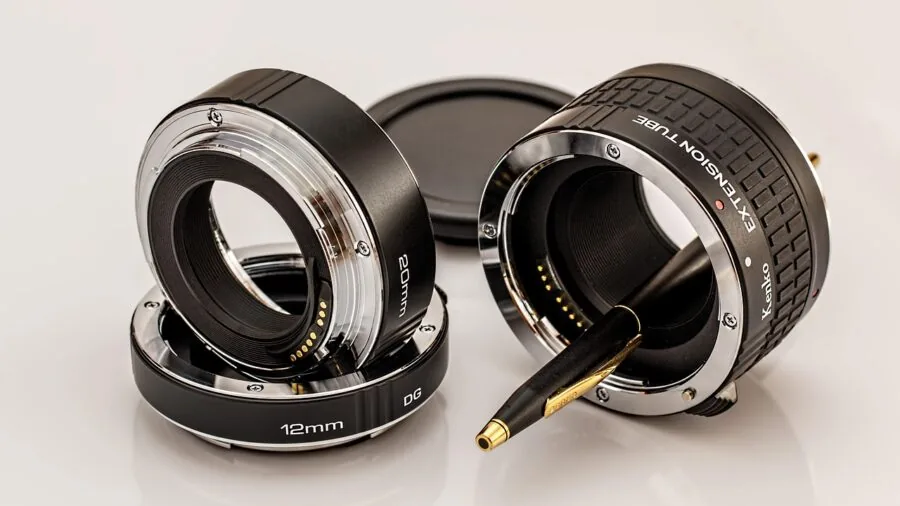
At this price tier, the accessories bundled with a tripod can meaningfully affect the overall value proposition.
A carrying bag is almost always included, but quality varies significantly: a well-padded bag with a shoulder strap is genuinely useful for transport; a thin drawstring pouch is little more than marketing filler. Look for specifics in the listing.
Phone mounts are increasingly common and relevant for smartphone photographers, solo content creators, and anyone using their phone as a secondary camera or teleprompter.
Monopod conversion is another feature worth noting: several tripods in this guide allow one leg to detach and function as a standalone monopod, effectively giving you two tools for the price of one.
The K&F Concept 72-inch model and the Neewer 72-inch version both include monopod functionality and remote shutter releases, raising their value noticeably against competitors at similar price points.
Photographers who also invest in quality camera lenses or studio lighting will find a well-accessorized tripod integrates cleanly into a growing kit.
If you’re building out a complete capture-and-edit workflow, pairing a capable tripod with a laptop built for photo editing covers both ends of the creative process.
Why You Should Trust Us
REMOVU is an independent review platform. We do not sell products, process orders, or have any commercial relationship with the brands we cover. Every pick in this guide was selected based on merit, not margin.
Each tripod in this roundup was evaluated and assigned a REMOVU Score on a scale of 0 to 10.
Scores reflect a consistent set of criteria applied across the category: build quality and material, head type and usability, load capacity relative to price, height range and minimum height, leg lock mechanism, included accessories, and patterns emerging from verified buyer feedback.
We do not conduct our own product trials; our evaluations are grounded in research, published data, expert review consensus, and verified buyer feedback.
REMOVU may earn a commission if you purchase through links on this page. That affiliate relationship has no bearing on our rankings, scores, or editorial recommendations.
Products are selected and ordered according to the quality of our assessment, not the size of any commission. We aim to give you the clearest, most honest picture of each product so you can make a confident purchase decision.
Final Thoughts
The tripods in this guide cover a genuinely wide range of photographers and use cases, from entry-level buyers wanting their first stable platform to intermediate shooters who need fluid video movement or low-angle versatility. Here’s how our top picks break down by use case:
- Best Overall: K&F Concept 72″ Aluminum Tripod TM2324 earns the top REMOVU Score in this roundup thanks to its combination of Arca-type QR plate compatibility, included remote shutter release, spare QR plate, and monopod conversion, all wrapped into a lightweight, foldable design that suits both travel and studio use.
- Best for DSLR and Heavy Rigs: Neewer 72″ Camera Tripod Monopod stands out for its 33 lb load rating and versatile overhead horizontal mount capability, making it a strong choice for photographers who push heavier lenses or need creative camera positioning.
- Best for Video: Neewer 79″/200cm Video Tripod is the dedicated video pick, offering a genuine 360-degree fluid drag head at a mid-range price that’s hard to match. It’s well-suited to camcorder users and hybrid shooters who need smooth pans.
- Best for Low-Angle and Overhead Work: K&F Concept 76″ Rotatable Multi-Angle Center Column Tripod earns this category for its unusually flexible center column that enables both ground-level and overhead flat-lay positions, a meaningful differentiator for product and macro photographers.
- Best Budget Pick: CAMBOFOTO 73″ Camera Tripod and Monopod offers a functional aluminum tripod-and-monopod combination at a very accessible price, making it the most practical starting point for beginners who aren’t ready to commit more to their first support system.
Whichever model you choose, a good tripod pays dividends far beyond sharper images. It slows down your shooting, encourages deliberate composition, and opens up techniques like long exposure, time-lapse, and self-portraits that simply aren’t viable handheld.
For photographers also exploring video, a capable tripod pairs naturally with a quality camera drone for aerial coverage that complements locked-down ground shots.
And if you’re investing in a full creative kit, a lightweight laptop for field editing rounds out a portable workflow nicely.
Frequently Asked Questions
What’s the difference between a ball head and a pan head on a tripod?
A ball head uses a single locking knob to free a ball joint, allowing fast repositioning in any direction before you tighten it down. It’s quick and compact, making it the preferred choice for most still photographers.
A pan head (or 3-way head) has separate controls for horizontal, vertical, and tilt movement, which takes more time but makes fine-tuning composition easier, particularly for landscape and architectural photography where precise leveling matters.
Do I need a fluid head tripod for video?
For any kind of moving camera work, yes, a fluid drag head makes a noticeable difference.
Fluid heads use hydraulic resistance to smooth out pan and tilt movements, preventing the jerky stops and starts you get from a standard ball or pan head. If your video involves static locked-off shots, a standard head works fine.
But for interviews, run-and-gun documentary work, or vlogging that involves tracking movement, a fluid head is worth prioritizing. The Neewer 79-inch video tripod in this guide is the strongest fluid head option at this price point.
Is an aluminum tripod good enough, or should I buy carbon fiber?
For most photographers working in this price range, aluminum is entirely sufficient. It’s rigid, durable, and handles everyday outdoor conditions without issue.
Carbon fiber is lighter (typically by 20 to 30 percent for equivalent rigidity) and damps vibration slightly better, which matters in long-exposure or macro photography. However, carbon fiber tripods with comparable load ratings typically cost significantly more.
Unless you’re frequently hiking long distances with your gear, aluminum is the smarter value choice here.
Can these tripods hold a mirrorless camera as well as a DSLR?
Absolutely. Mirrorless cameras are generally lighter than comparable DSLRs, so any tripod in this guide with a load rating above 8 lbs handles a mirrorless body and lens combination with considerable headroom to spare.
The Arca-Swiss-compatible plates on several picks also make mirrorless setups easy to mount and dismount quickly.
If you’re shopping for cameras to pair with your tripod, our overview of mirrorless and DSLR cameras covers the current landscape of camera bodies worth considering.
Are these tripods suitable for smartphone photography?
Several picks in this guide ship with a phone mount as part of the bundle, which makes them immediately usable for smartphone photography, livestreaming, and video calls.
Models from K&F Concept and CAMBOFOTO in particular include phone clips that accommodate most current smartphone sizes.
The EUCOS 62-inch model in this guide is specifically designed with phone use as the primary use case, functioning as both a tripod and a selfie stick with a remote shutter.
For photographers who rely heavily on their phone as a camera, it’s a low-cost starting point worth considering alongside a dedicated phone stand.
How do I know if a tripod is stable enough for long-exposure photography?
Stability for long exposures depends on several factors working together: load capacity headroom (leave plenty of buffer above your actual camera weight), leg lock quality, center column extension (keep it minimal), and ground surface.
On harder surfaces, spiked rubber feet help; on soft ground, look for models with reversible spiked tips. Hanging a weight from the center column hook, if one is present, lowers the center of gravity and reduces vibration significantly.
All of this matters more than maximum load rating alone, so reading verified buyer feedback from photographers who specifically mention long-exposure work is one of the most reliable signals when choosing between two otherwise similar models.
About the author
Glen covers gaming chairs and desks for REMOVU, focusing on ergonomic comfort, build quality, and value for long sessions. He helps readers protect their posture without wrecking their budget.