The 9 Best Tripods for Video
Smooth pans and stable shots start with the right support. Our picks cover fluid heads, load capacity, and build quality across a range of budgets for video creators.
 By Katherine Henderson
Updated July 26, 2026
By Katherine Henderson
Updated July 26, 2026
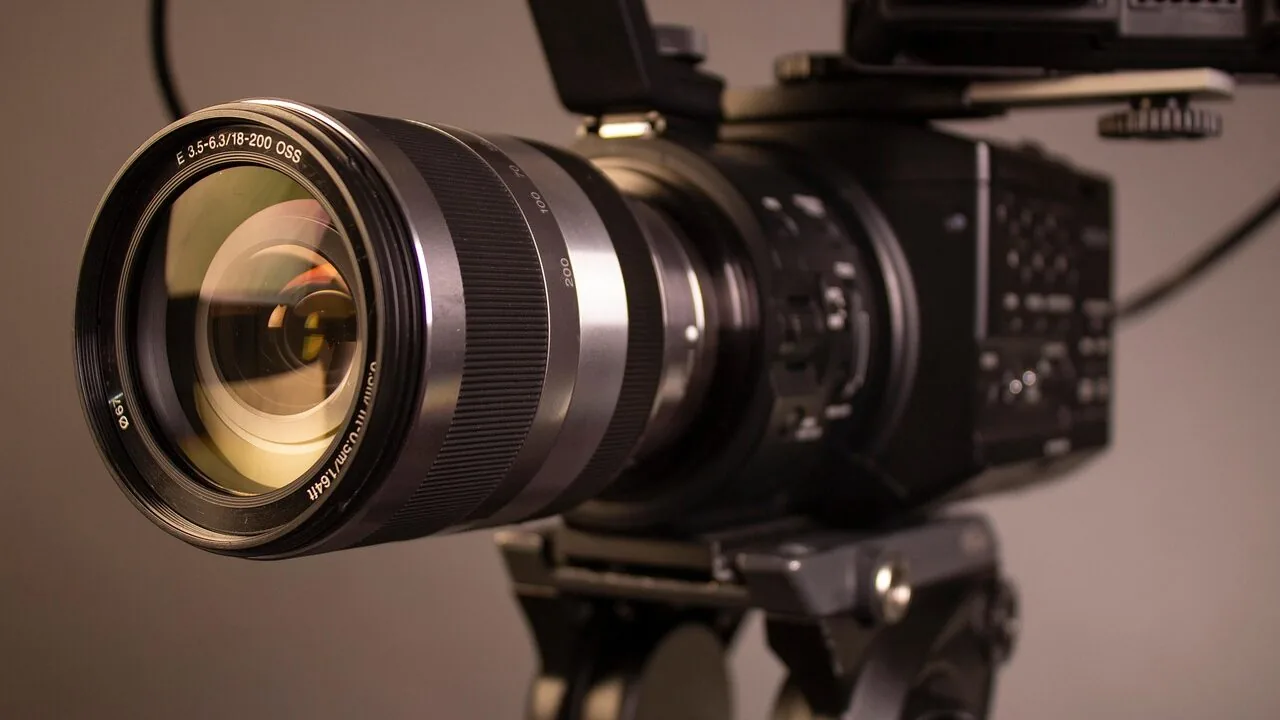
A shaky shot can ruin an otherwise perfect video, and no amount of post-production stabilization fully fixes footage that was never stable to begin with.
Whether you are a run-and-gun documentary shooter, a YouTube creator building out a home studio, or a wedding videographer who needs reliable gear on the day, a purpose-built video tripod is one of the most impactful upgrades you can make to your workflow.
Unlike photo tripods, which simply need to hold still, video tripods must also move beautifully, panning across a scene or tilting up to follow action without any wobble, sticking, or jerking.
That fluid motion lives or dies on the quality of the head, the rigidity of the legs, and how well the two work together under real shooting conditions.
To help you find the right match for your camera and shooting style, we researched and evaluated a wide range of options from brands including Neewer, SIRUI, SmallRig, K&F Concept, CAMBOFOTO, and Magnus.
Our picks span a range of price points, from budget-friendly to professional-grade, so there is something worth considering regardless of what you are working with.
Read on for our top picks, then use the buying guide below to understand what actually matters when choosing a video tripod in 2026.
| Award | Product | REMOVU Score About REMOVU ScoreThe REMOVU Score is our own rating from 0 to 10, based on performance, design and build, ease of use, and value. It reflects independent research and is never influenced by manufacturers, retailers, or affiliate commissions. Learn more › | Price | |
|---|---|---|---|---|
| Best Overall |
 Neewer TP74 74-Inch Video Tripod with Fluid Head
|
8.9/10 | Buy | |
| Best Premium |
 SIRUI AM-25S 74.8" Video Tripod with Fluid Head
|
8.6/10 | Buy | |
 SmallRig AD-01 73-Inch Heavy Duty Video Tripod
|
7.8/10 | Buy | ||
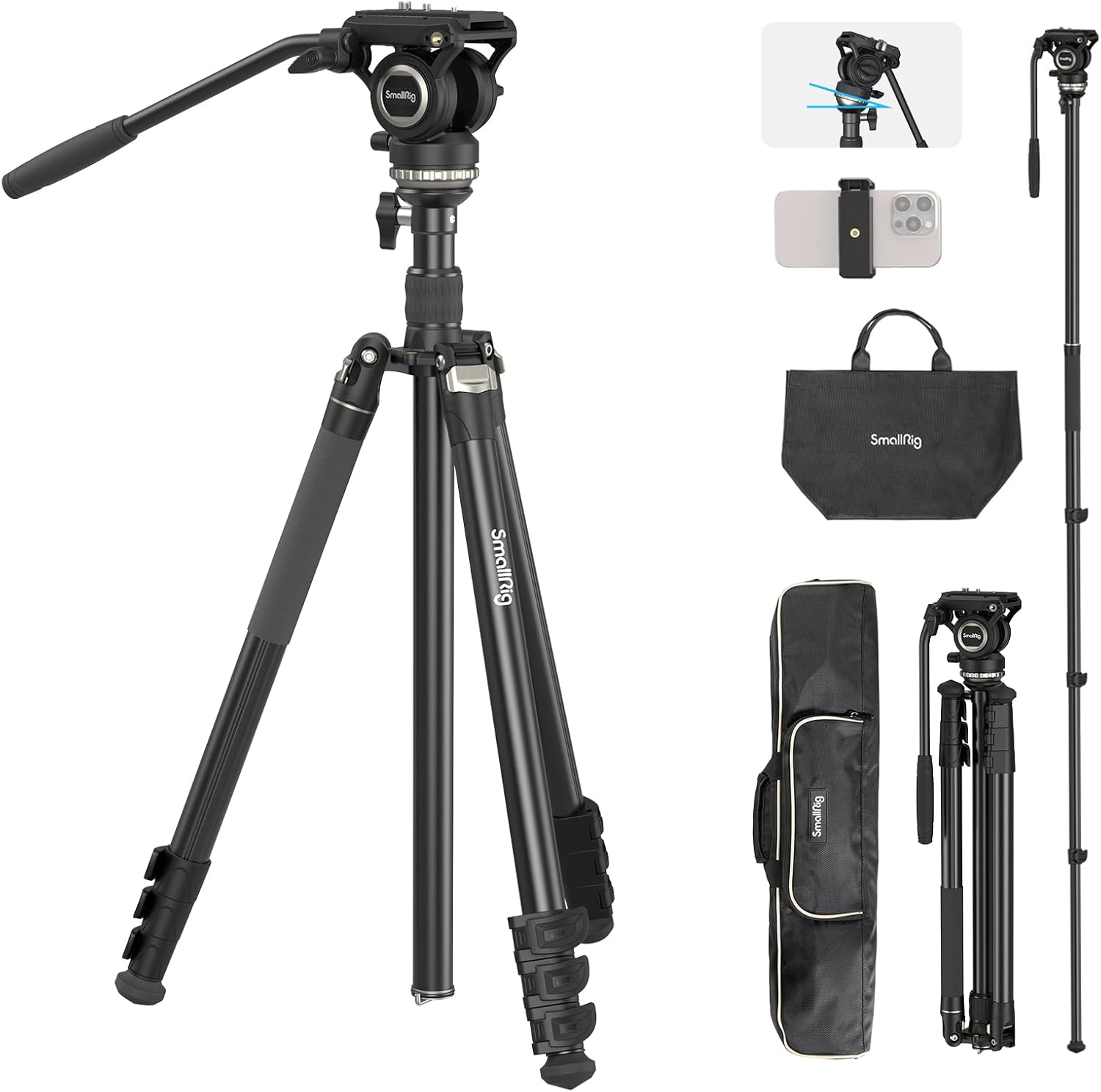 SmallRig CT210 75-inch Video Tripod with Fluid Head
|
7.6/10 | Buy | ||
 K&F Concept VA3+BV70 80-Inch Fluid Head Tripod
|
7.3/10 | Buy | ||
 CAMBOFOTO TA60 74-inch Video Tripod with Fluid Head
|
7.2/10 | Buy | ||
| Best Value |
 Neewer 200cm Video Tripod with Fluid Head
|
7.8/10 | Buy | |
| Best Budget |
 K&F Concept O234A1 64-Inch Ball Head Tripod
|
7.5/10 | Buy | |
 Magnus VT-300 Video Tripod with Fluid Head
|
6.2/10 | Buy |
Neewer TP74 74-Inch Video Tripod with Fluid Head
A professional-grade tripod designed for video work, featuring a fluid drag pan head that delivers smooth panning and tilting for cinematic shots. The 74-inch height range and dual quick-release compatibility make it versatile for both camera and gimbal work, earning strong ratings from videographers and content creators.
Pros
- Smooth fluid drag pan head with 360° rotation and -75°/+90° tilt for controlled video movements
- Dual QR modes compatible with DJI RS2/RS3 gimbals and Manfrotto quick release plates for quick switching
- Extends from 35 to 74 inches with flip locks and folds to 36 inches for portability
- Sturdy aluminum construction supports up to 17.6lb load capacity with mid-level spreader and nonslip feet
- Universal 1/4" and 3/8" mounting threads work with DSLRs, mirrorless cameras, camcorders, and accessories
Cons
- Load capacity of 17.6lb limits use with heavier professional cinema cameras or large telephoto lenses
- Fluid head requires careful tension adjustment via hex keys, which may be time-consuming for frequent adjustments
- Telescopic leg design means stability decreases at maximum height, particularly with near-maximum loads
SIRUI AM-25S 74.8" Video Tripod with Fluid Head
A mid-range aluminum video tripod built for smooth, stable footage with its professional fluid head system. The 360-degree pan and adjustable damping make it suitable for camcorder and DSLR work, though the 22-pound load capacity limits it to lighter camera setups. Best for videographers prioritizing fluid motion over maximum payload.
Pros
- Professional fluid head with stepless 360-degree pan and -75 to +90 degree tilt range for smooth video work
- Adjustable damping tension allows customizable resistance for different shooting styles
- Quick height adjustment from 36 inches to 74.8 inches with oversized locking knobs
- Bubble level and 75mm bowl base provide solid stability on varied terrain
- Switchable left/right handle operation and quick-release plate with dual screw compatibility (1/4" and 3/8")
Cons
- 22-pound maximum payload is modest for heavier professional cameras or multi-lens setups
- Aluminum construction is heavier than carbon fiber alternatives in the SIRUI lineup
- Retractable spike feet require manual adjustment between surfaces, adding setup steps
SmallRig AD-01 73-Inch Heavy Duty Video Tripod
Built for video professionals, this aluminum tripod combines a 360-degree fluid head with solid payload capacity and adjustable height up to 73 inches. The dual-mode quick-release system and mid-level spreader offer practical flexibility for studio and on-location shooting, though the weight and bulk make it less ideal for frequent travel.
Pros
- Professional fluid head with 360-degree horizontal and ±90/-60 degree vertical pan/tilt range
- Stable heavy-duty aluminum construction with 75mm bowl base and high maximum load capacity of 17 lbs
- Dual-mode quick-release plate compatible with multiple mounting standards
- Adjustable height from 33 to 73 inches accommodates various shooting angles
- Includes carrying bag and built-in wrench for convenience
Cons
- Heavier at 11 lbs compared to carbon fiber alternatives, limiting portability for mobile work
- Mid-level spreader design is less stable than full spreaders in some shooting scenarios
- Larger footprint when folded (39 inches) makes storage and transport less convenient
SmallRig CT210 75-inch Video Tripod with Fluid Head
A versatile aluminum video tripod designed for outdoor shooting with a professional fluid head and integrated leveling base. The 4-section leg design converts to a monopod, and the dual quick-release system accommodates both DJI gimbal stabilizers and standard camera mounts, making it adaptable for mixed-equipment workflows.
Pros
- Fluid head with fixed damping delivers smooth panning and tilting at 90°/-65° range, plus ±15° integrated leveling base for quick horizon correction
- Converts to monopod with one detachable leg, expanding shooting options without additional gear
- Dual quick-release plate compatibility (DJI RS series and standard mounts) enables seamless switching between stabilizers and tripods
- Three preset angle locks (23°/55°/80°) and reversible center column provide multiple shooting perspectives
- Compact 61cm folded size with 2.5kg weight balances portability with stability up to 6kg payload
Cons
- 6kg load limit restricts use with heavier cinema cameras or lens combinations common in professional video work
- Aluminum construction is lighter than carbon fiber alternatives, potentially affecting long-term durability in demanding outdoor conditions
- 4.6-star rating based on 84 reviews suggests limited market penetration compared to established competitors
K&F Concept VA3+BV70 80-Inch Fluid Head Tripod
A mid-range video tripod built for smooth camera movement with its hydraulic fluid head and sturdy aluminum construction. The 70mm ball head and detachable handle make it versatile for DSLR, mirrorless, and camcorder work. Best suited for videographers who prioritize fluid pans and tilts over extreme portability.
Pros
- Fluid head delivers smooth 360° horizontal pan and -70°/+90° vertical tilt for professional video work
- Solid 17.6lb load capacity with durable multi-tube aluminum legs and triangle mid-spreader for stability
- Quick-release plate with dual 1/4" and 3/8" screws handles both lightweight cameras and heavier camcorders
- Extends to 80 inches maximum height while folding to 36.2 inches for reasonable portability
- Detachable handle accommodates different hand preferences
Cons
- Heavier build at 9.9lbs makes it less ideal for travel-heavy workflows compared to portable alternatives
- Folded length of 36 inches still requires dedicated carrying bag and takes up notable pack space
- Fluid damping system requires maintenance attention over time to preserve smooth operation
CAMBOFOTO TA60 74-inch Video Tripod with Fluid Head
A professional-grade tripod built for video and telephoto work, the CAMBOFOTO TA60 combines a smooth hydraulic fluid head with solid load capacity and quick setup. The dual quick-release plates and precision gimbal make it versatile for cameras, camcorders, and telescopes, though its weight and complexity may not suit casual users.
Pros
- Smooth, responsive fluid head with 360-degree rotation and -70° to 90° tilt range enables precise camera positioning for video work
- Dual quick-release plates (3/8" and 1/4") provide broad compatibility across cameras, camcorders, telescopes, and projectors
- 20-pound load capacity with stable leg design handles heavy telephoto lenses and large camcorders in outdoor conditions
- Quick two-point leg locks allow fast setup and breakdown without sacrificing stability when tightened
- Multifunctional foot pads with rubber and ball pins adapt to soft, sandy, and uneven terrain
Cons
- 9.1-pound weight and hydraulic mechanism add complexity compared to lighter, simpler tripods for casual photography
- Fluid head requires maintenance and care to preserve smooth operation over time
- Limited to 36-inch minimum height, which may feel low for some standing shooting scenarios
Neewer 200cm Video Tripod with Fluid Head
A heavy-duty aluminum tripod designed for video work and DSLR cameras, reaching up to 200cm with a 360-degree fluid head for smooth panning. The sturdy double-tube construction and quick-release plate support most major camera brands, making it practical for outdoor and studio shooting. Best suited for videographers and photographers who prioritize stability and height range over portability.
Pros
- Tall maximum height of 200cm with adjustable range down to 88cm covers diverse shooting angles
- 360-degree fluid drag head enables smooth horizontal panning and -70 to 90-degree vertical tilting
- Heavy-duty aluminum alloy double-tube legs with 70mm bowl base provide solid stability and 17.6lb load capacity
- Quick-release plate compatible with 1/4" and 3/8" screws works with Canon, Nikon, Sony, and other major DSLR brands
- Flip-lock leg mechanisms allow fast height adjustment, and folds to 91cm for transport with included carrying bag
Cons
- At 4.48kg, relatively heavy for frequent relocation despite the carrying bag
- No reviews available yet to verify real-world performance and durability claims
- Bubble level and rubber feet are basic features that don't address uneven terrain as effectively as specialized stabilizers
K&F Concept O234A1 64-Inch Ball Head Tripod
A lightweight aluminum travel tripod that extends to 64 inches and collapses to just 15.5 inches, making it ideal for vlogging and outdoor shooting. The 360-degree ball head delivers quick angle adjustments without the bulk of traditional pan heads, while the one-handed flip locks speed up setup and teardown.
Pros
- Genuinely compact and light at 2.53 lbs total, fits easily in camera bags
- 360-degree ball head allows fast, smooth panning without repositioning the entire tripod
- One-handed flip leg locks open and close all sections quickly
- Arca-Swiss compatible quick release plate works with most standard mounting systems
- 17.6 lbs load capacity sufficient for mirrorless cameras and compact DSLRs with typical lenses
- 4.7-star rating across 4,260 verified reviews reflects real user satisfaction
Cons
- 4-section legs mean smaller diameter tubes at full extension, potentially less rigid than 3-section designs under load
- 17.6 lbs capacity limits use with heavier telephoto lenses or professional cinema cameras
- Ball head offers less precise fine-tuning control than fluid or geared heads for locked-down shots
Magnus VT-300 Video Tripod with Fluid Head
A compact video tripod built for DSLR and camcorder shooters who need smooth, controlled pans and tilts without breaking the bank. The integrated fluid head delivers professional-grade motion, while the hand-crank center column lets you dial in height precisely. At 4.5 pounds with a carry case, it's genuinely portable for location work.
Pros
- Fluid video head with independent pan and tilt locks for smooth, controlled motion and locked-off shots
- Integrated center column with geared friction control for fine height adjustments without repositioning legs
- Lightweight at 4.5 lb and includes shoulder-strap carry case, making it practical for travel and on-location work
- Quick-release plate with anti-skid surface and registration pin ensures secure, repeatable camera mounting
- Integrated mid-level spreader provides stability during setup and locks securely once positioned
- High user satisfaction with 4.7-star rating across 653 reviews
Cons
- 15 lb weight capacity limits use to smaller cameras and compact camcorders, excluding heavier cinema or professional rigs
- Non-illuminated bubble level offers no advantage in low-light shooting environments
- Flip-lock leg extensions may require more handling adjustments compared to lever-lock systems when fine-tuning leg angles
Video Tripods Buying Guide
Picking the right video tripod requires thinking through more than just height and price. The criteria below are the ones that actually determine whether a tripod helps or hurts your footage quality.
Work through each section in relation to your own camera, shooting environment, and typical subject matter.
Fluid Head Quality and Drag Control

The fluid head is the single most important component of any video tripod. It is the mechanism that allows you to pan left and right or tilt up and down while keeping motion smooth and controllable.
A quality fluid head uses viscous fluid (or a simulated friction system) to provide consistent resistance throughout the arc of movement, which is what separates cinematic pans from herky-jerky camera swings.
Look for heads that offer adjustable drag on both pan and tilt axes independently. Being able to dial in more resistance for slow dramatic pans and less for fast tracking shots makes a head dramatically more versatile.
Heads with a counterbalance system, which offsets the weight of the camera so it does not tip forward when you release it, are especially valuable if you are shooting with heavier camera and lens combinations.
Many of the models in our list, including picks from SIRUI and SmallRig, include adjustable drag settings that verified buyers and expert reviewers consistently praise for smooth action at their price points.
Pay close attention to the pan and tilt range.
The best video heads offer a full 360-degree pan plus a generous tilt range in both directions, allowing you to capture overhead angles or low dramatic Dutch tilts without repositioning the whole tripod.
A 90-degree upward tilt is useful for filming subjects above your camera position, while a negative tilt of 60 to 75 degrees lets you shoot straight down for product and tabletop work.
Load Capacity and Camera Compatibility
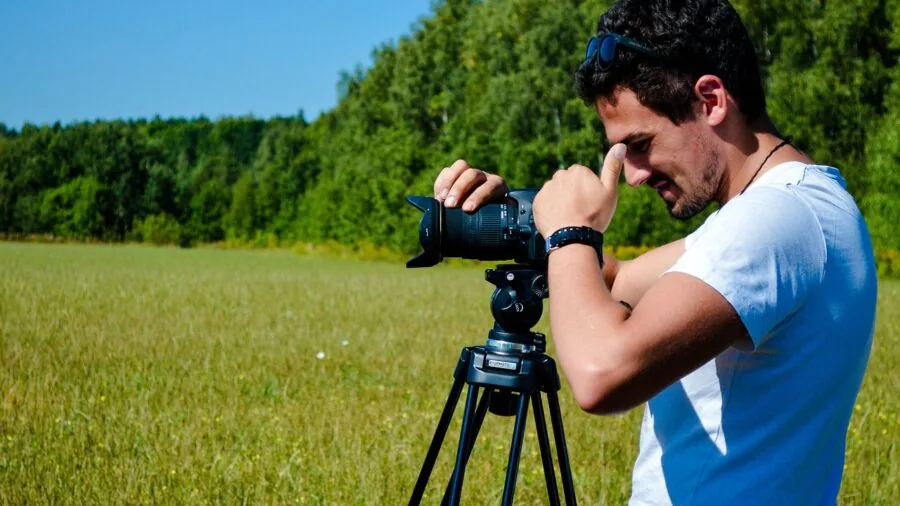
Every tripod and head combination is rated for a maximum payload, and it is critical that you stay within it, not just for stability but for head performance.
A fluid head dragging on too much weight will lose the smooth feel that makes it worth buying in the first place.
As a general rule, choose a tripod rated for at least 30 to 40 percent more than your actual camera-plus-lens-plus-accessories weight, giving you a meaningful safety margin.
For mirrorless or DSLR cameras with a standard prime or zoom lens, a tripod rated to around 17 to 22 pounds covers most shooting scenarios comfortably, which describes the majority of picks in this guide.
If you regularly shoot with a large broadcast camcorder, a long telephoto lens, or an external monitor and follow focus system stacked on a cage rig, you should look at the higher end of that range or consider professional cinema-grade support.
Leg Construction and Height Range
Aluminum alloy is the dominant material at this price range, offering a practical balance of rigidity, weight, and cost.
Carbon fiber legs are lighter and damp vibration more effectively but cost significantly more, which puts them out of scope for most of the tripods reviewed here.
What matters most in aluminum legs is the section count (two-section legs are stiffer but less compact; three-section legs fold shorter for transport) and the quality of the leg locks, which should hold firmly without creep under a full load.
Height range matters more for video than for photography because you are often locked into a composition for an extended shot.
A maximum working height of around 73 to 80 inches (roughly 185 to 200 cm) puts the camera at eye level for standing subjects without requiring you to crane the center column up, which compromises stability.
Equally important is the minimum height: a tripod that spreads its legs wide to get low lets you capture compelling ground-level perspectives that a tall, rigid tripod simply cannot reach.
Check both figures before purchasing, especially if you shoot in tight spaces or regularly need low-angle shots.
Quick Release System
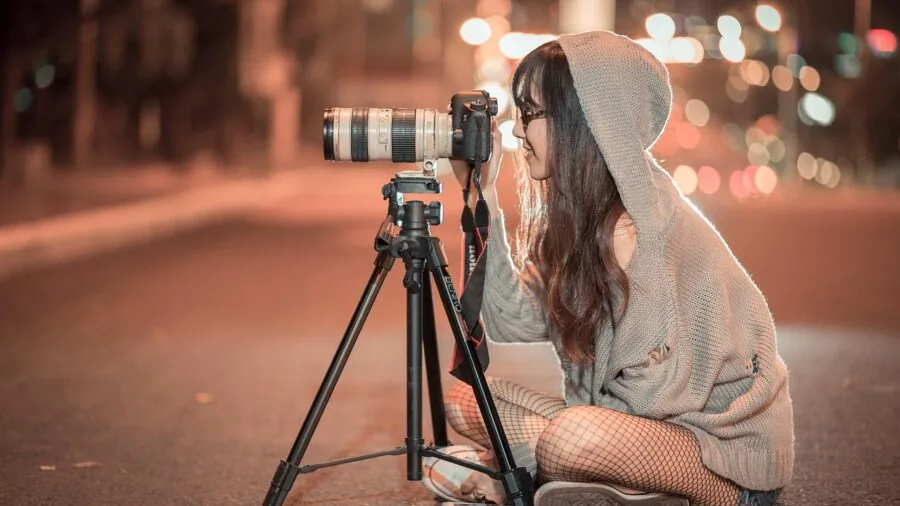
A quality quick release (QR) plate system dramatically speeds up the process of mounting and dismounting your camera, which matters most when you are moving between handheld and tripod shots on a run-and-gun shoot.
The plate should seat firmly with no side-to-side play, and the release lever should require a deliberate action to prevent accidental drops.
Pay attention to thread compatibility. Most plates use a standard 1/4-20 camera screw, but some heads also include a 3/8-inch adapter for larger cameras.
Models like the CAMBOFOTO in our list ship with two QR plates in both thread sizes, which is a practical touch for shooters who swap between camera bodies.
Arca-Swiss compatible plates, found on some of the SmallRig options, are worth seeking out if you already own Arca-Swiss compatible accessories, because the plates become interchangeable across your entire kit.
Leveling Base and Spreader Design

Getting a perfectly level head is essential for smooth pans, even a slight off-level horizon will drift visibly during a long pan shot.
Some tripods solve this with a bowl adapter at the top of the leg assembly that lets you float and lock the head level without individually adjusting each leg.
Others, like the SmallRig CT210 in our lineup, include a dedicated leveling base built into the head itself, rated for a swing of plus or minus 15 degrees, which covers most real-world uneven surfaces without fuss.
A spreader, either a mid-level spreader connecting the three legs midway down or a ground-level spreader, adds lateral rigidity and prevents the legs from sliding out on smooth floors.
Mid-level spreaders are more practical for location work where you need to move quickly; ground spreaders offer maximum stability but can catch on terrain.
If you regularly shoot on polished wood, concrete, or tile floors, a spreader is not optional, it is essential safety equipment for your camera.
Portability and Build Durability
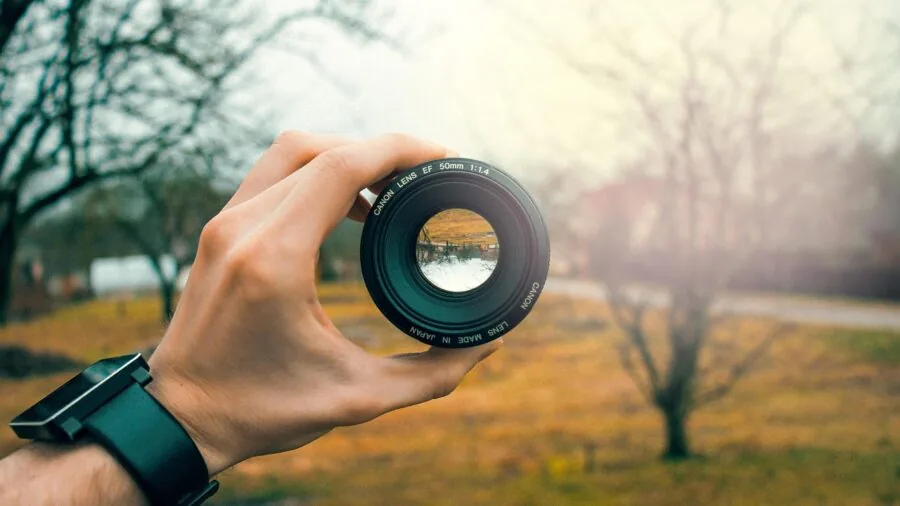
A video tripod that stays in a closet because it is too heavy to carry is no tripod at all.
Weight is a genuine trade-off: heavier legs are generally more stable, but if you are hiking to a location or flying with your kit, you will feel every ounce.
Most aluminum video tripods in this guide fall in the range that makes them practical for car-based location work; the lighter options from K&F Concept tip toward travel-friendly territory without sacrificing too much rigidity for lighter camera setups.
Camcorders, mirrorless and DSLR cameras, and compact video rigs all have different weight profiles, so match your tripod choice to what you actually carry.
Check the construction of the leg locks, feet, and head-to-leg connection. Rubber feet that can be swapped for spiked feet are a useful detail for outdoor shooting on soft ground. Metal leg locks outlast plastic ones over years of use.
The overall build finish matters too, anodized aluminum holds up well to field use, and a tripod that feels solid in the hand will generally earn more trust in demanding shooting environments.
If you shoot outdoors frequently, browse our cameras and photo section for related gear that pairs well with a capable video tripod.
Why You Should Trust Us
REMOVU is an independent review platform. We have no affiliation with any of the brands featured in this guide, and our picks are not influenced by manufacturer relationships, advertising budgets, or sponsored placements. Every product featured here was selected based on its merits alone.
Each model is assigned a REMOVU Score on a consistent 0 to 10 scale.
We evaluate and score products by analyzing published specifications, synthesizing expert review consensus from across the video and photography community, reviewing verified buyer feedback from confirmed purchasers, and cross-referencing published technical data.
We do not conduct our own product trials; our evaluations are grounded in research, published data, expert review consensus, and verified buyer feedback.
This methodology lets us assess a broad range of products systematically and consistently without the conflicts of interest that can arise from manufacturer loan programs or single-reviewer bias.
REMOVU may earn a commission if you purchase through a link in this article. That affiliate relationship has no bearing on our rankings, scores, or product selection. We would recommend the same products regardless of whether a commission is involved.
Our job is to give you the clearest, most useful picture of what each product actually delivers so you can make the right decision for your specific situation.
Final Thoughts
After evaluating the full field, these are our standout picks and the specific scenarios where each one earns its spot.
If you are also building out a broader video production setup, pairing your tripod with quality flashes and lighting will make an immediate difference to your footage quality, and a capable laptop for video editing rounds out a production-ready kit.
- Best Overall: NEEWER 74″ Video Tripod with Fluid Head (TP74), Earns the top REMOVU Score in this lineup through an impressive combination of smooth fluid head performance, robust aluminum construction, and a generous load rating that covers nearly every mirrorless, DSLR, and camcorder setup. Verified buyers consistently praise the pan and tilt action as punching well above its price point.
- Best Premium Pick: SIRUI AM-25S Video Tripod, The second-highest REMOVU Score in the group reflects SIRUI’s reputation for precision engineering. The AM-25S earns particular praise for its adjustable damping fluid head and robust build quality, making it the pick for shooters who want closer-to-professional head performance without a professional price tag.
- Best Mid-Range Value: SmallRig AD-01 Video Tripod, A strong REMOVU Score backs up the AD-01’s reputation as a well-engineered mid-range option. The 360-degree fluid head, quality quick release plate, and sturdy leg assembly make this a compelling choice for creators who want SmallRig’s ecosystem compatibility without spending on the brand’s top-tier rigs.
- Best for Run-and-Gun Shooting: Camcorder users and fast-moving documentary crews will appreciate the SmallRig CT210 Video Tripod, whose built-in leveling base and convertible monopod design make it the most versatile option in the group for operators who need to set up and reposition quickly on location.
- Best Budget Pick: K&F Concept 64″ Lightweight Travel Camera Tripod, The most affordable option in this guide and the right choice for smartphone creators, vloggers, and travel shooters who need a capable, portable support without the weight or cost of a full video tripod system. Its REMOVU Score reflects solid value at its price tier.
Frequently Asked Questions
What Is the Difference Between a Video Tripod and a Photo Tripod?
A photo tripod is designed primarily to hold a camera perfectly still for a single frame. A video tripod is designed to do that and to move smoothly during a shot.
The key difference is the head: video heads use fluid drag systems that allow you to pan and tilt with controlled, consistent resistance, producing the smooth motion you see in professional video.
Photo ball heads snap and lock into position, which is completely wrong for video. If you plan to shoot any moving footage, a purpose-built video tripod with a proper fluid head is essential.
How Much Weight Can These Tripods Handle?
Most of the tripods in this guide are rated to handle payloads in the range of roughly 17 to 22 pounds, which comfortably covers the vast majority of mirrorless, DSLR, and prosumer camcorder setups with a lens, microphone, and small monitor attached.
Always factor in the total weight of everything mounted to the camera, not just the camera body itself.
If you regularly shoot with very large broadcast cameras or extensive accessory rigs, you will want to look at dedicated cinema support options beyond this price range.
Do I Need a Spreader on a Video Tripod?
A spreader adds meaningful lateral stability by preventing the legs from sliding outward, especially on smooth surfaces like wood floors, tile, or polished concrete.
For studio work or any shooting on a slippery surface, a mid-level or ground-level spreader is a practical safety feature as much as a stability one.
For outdoor shooting on grass or packed earth, the rubber feet on most tripods provide adequate grip and the spreader becomes less critical, though it still helps prevent unintentional leg drift during long static shots.
Can I Use These Tripods With a Smartphone or Action Camera?
Yes, with the right adapter. Most video tripods use a standard 1/4-20 screw mount on the quick release plate, which is the same thread used by smartphone mounts, action camera adapters, and small rig accessories.
The K&F Concept option in our guide even ships with a built-in smartphone clip, making it immediately useful for social media creators who shoot on a phone.
Just keep in mind that a heavy, fully adjustable video tripod is likely overkill for a smartphone-only setup, the lighter options in this guide strike a better balance for that use case.
If you want to explore further, action cameras typically pair well with compact, lighter-weight support systems.
What Does “Adjustable Drag” Mean on a Fluid Head?
Drag refers to the resistance you feel when moving the head during a pan or tilt. Adjustable drag means you can dial that resistance up or down depending on the shot.
More drag gives you slow, deliberate control for smooth wide pans. Less drag lets you whip the camera quickly to track fast action.
Heads with independent drag adjustment on both pan and tilt axes give you the most flexibility, because the ideal resistance for a horizontal pan and a vertical tilt can be very different depending on your subject and lens focal length.
Is It Worth Spending More on a Video Tripod?
Generally, yes, up to a point. The budget options in this guide are capable and appropriate for lighter cameras and casual video work.
As your camera system grows heavier or your production standards rise, the limitations of entry-level heads become more apparent: inconsistent drag, limited counterbalance, and less precise leveling.
Mid-range options from SIRUI, SmallRig, and Neewer represent a meaningful step up in head quality and overall build without requiring a professional-level investment.
Spending more at the top of this guide buys you finer control, better materials, and a system that will stay reliable over years of regular use.
About the author
Katherine is REMOVU's tablet keyboard writer, comparing typing feel, protection, and value in keyboard cases. She helps readers turn a tablet into a capable laptop stand-in.