The 9 Best Portable Dacs
Sound quality begins long before your headphones. We assessed portable DACs across chip quality, output power, form factor, and balanced connectivity to help you find the right match for your headphones and budget.
 By Christine Allen
Updated July 26, 2026
By Christine Allen
Updated July 26, 2026
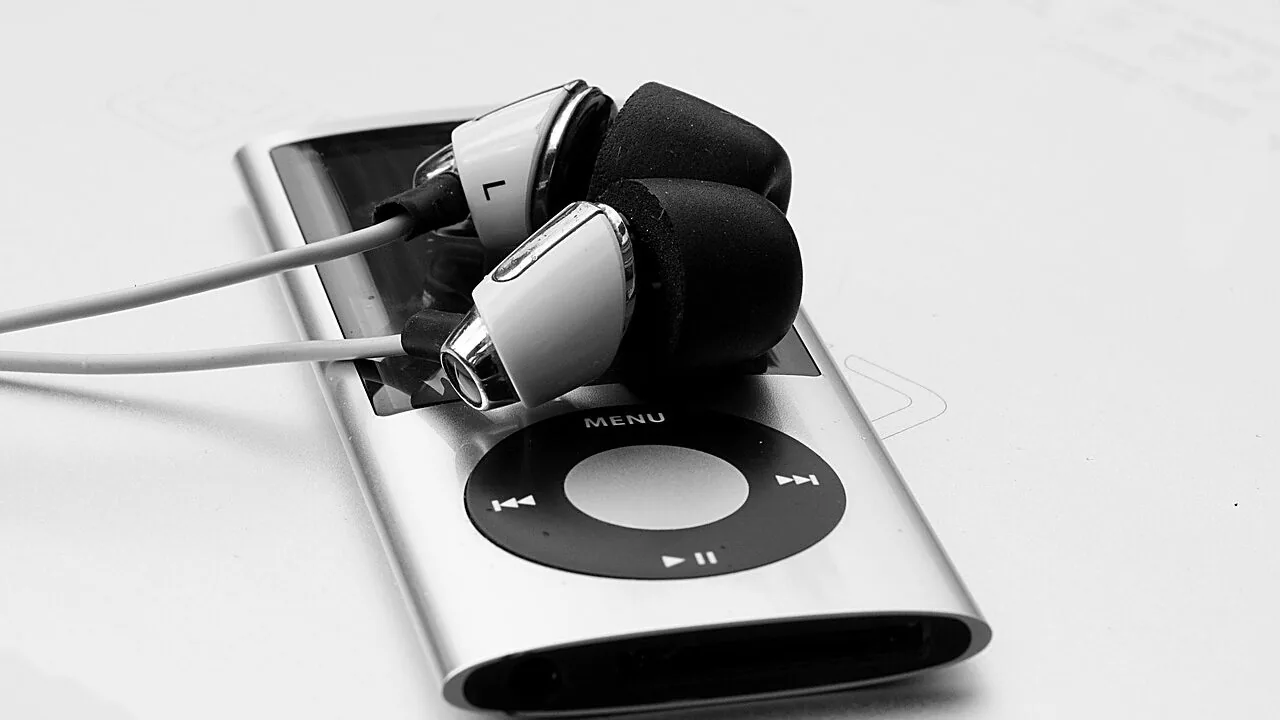
A portable DAC (digital-to-analog converter) is one of the most impactful upgrades you can make to your listening setup.
Whether you’re driving a pair of demanding over-ear headphones from a laptop, or simply trying to squeeze better sound out of an iPhone with a USB-C adapter, the right portable DAC removes the hiss, grain, and dynamic compression that built-in audio chips so often introduce.
With the market now flooded with options ranging from ultra-compact dongle-style adapters to full-featured balanced amplifiers, it can feel genuinely overwhelming to find the right one for your specific use case and budget.
At REMOVU, we cut through that noise by synthesizing specifications, expert review consensus, and verified buyer feedback into a clear, comparable picture of each product.
Every pick in this list has been assessed against consistent criteria and scored on our 0 to 10 REMOVU Score.
The result is a curated shortlist spanning budget-friendly dongles to high-resolution balanced DAC/amps, covering options from brands including QUDELIX, FiiO, Fosi Audio, Moondrop, aune, SHANLING, and HiFiGo. Read on for our top picks ranked below.
| Award | Product | REMOVU Score About REMOVU ScoreThe REMOVU Score is our own rating from 0 to 10, based on performance, design and build, ease of use, and value. It reflects independent research and is never influenced by manufacturers, retailers, or affiliate commissions. Learn more › | Price | |
|---|---|---|---|---|
| Best Overall |
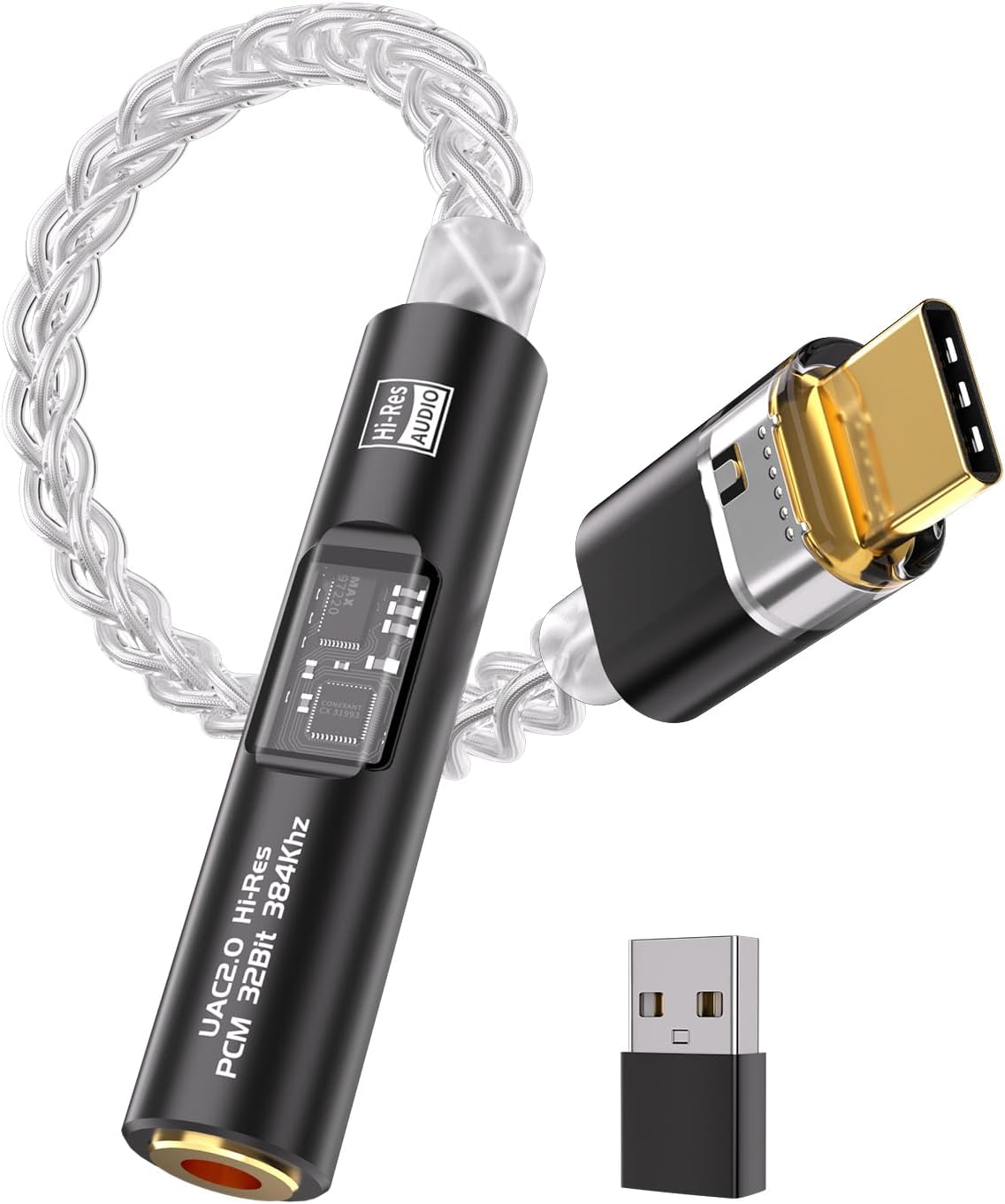 BZINKAudio USB-C to 3.5mm DAC Adapter, 32-Bit/384kHz
|
8.5/10 | Buy | |
| Best Budget |
 Fosi Audio DS2 USB-C Portable DAC Amp with Dual CS43131
|
8.4/10 | Buy | |
 Moondrop Dawn Pro 2 Portable DAC/AMP
|
8.3/10 | Buy | ||
| Best Value |
 Qudelix-5K Bluetooth DAC/AMP with Dual ES9219
|
8.2/10 | Buy | |
 Shanling Onix Alpha XI1 Portable DAC/Amp
|
7.6/10 | Buy | ||
 Kiwi Ears Allegro Mini USB-C DAC/Amp
|
7.3/10 | Buy | ||
| Best Premium |
 FiiO K11 Desktop DAC and Headphone Amplifier
|
7.1/10 | Buy | |
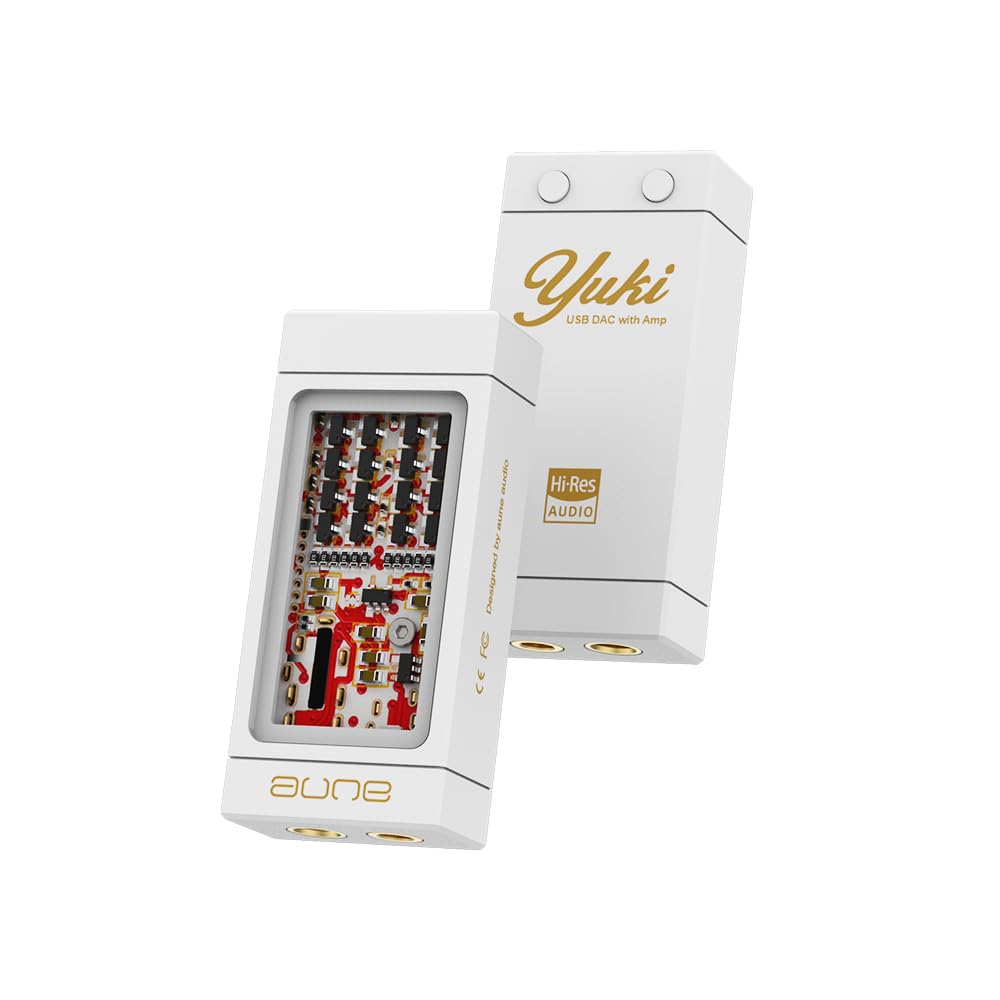 Aune Yuki Portable DAC with Dual Amp, 32bit/768kHz
|
6.8/10 | Buy | ||
 HiFiGo MUSE M3 Ultra Portable Tube DAC/Amp
|
6.5/10 | Buy |
BZINKAudio USB-C to 3.5mm DAC Adapter, 32-Bit/384kHz
This USB-C to 3.5mm adapter pairs dual DAC chips (CX31993 and MAX97220) with a silver-plated copper cable to deliver high-resolution audio across Android phones, iPhones, and computers. It's built for audiophiles seeking lossless sound quality without sacrificing portability, though compatibility limitations apply to certain gaming consoles.
Pros
- Dual premium DAC chips with Hi-Res Gold certification support up to 32-Bit/384kHz audio with 124dB SNR for studio-grade clarity
- 8-strand single-crystal silver-plated copper cable balances warm lows and detailed highs across the frequency spectrum
- Includes USB-A adapter for broader device compatibility beyond USB-C phones and computers
- Microphone and call control support on most 3.5mm headphones with TRRS plugs
- Aluminum alloy casing and stable signal isolation design ensure durability and reliable connection
Cons
- Does not work with PS4 or PS5, limiting use for console gaming
- No volume control support for Apple EarPods despite general microphone functionality
- No verified buyer reviews available to assess real-world reliability and long-term performance
Fosi Audio DS2 USB-C Portable DAC Amp with Dual CS43131
This compact USB-C dongle combines dual flagship DAC chips with both 3.5mm and 4.4mm outputs, delivering high-resolution audio up to DSD256 for iPhone, iPad, and Android devices. It's built for listeners who want cleaner, more detailed sound from portable sources without sacrificing battery life on their phone.
Pros
- Dual Cirrus Logic CS43131 DAC chips with exceptional specs: <0.0001% THD, 130dB SNR, ultra-low 1μV noise floor
- Flexible dual outputs: 3.5mm single-ended (128mW) and 4.4mm balanced (172mW) for different headphone types
- High-resolution support: PCM up to 32bit/384kHz and DSD256 decoding
- 60-step independent volume control with memory function for convenient operation
- Broad device compatibility across iOS, Android, Mac, and Windows platforms
Cons
- Requires proper cable management and device compatibility checks; guide recommends keeping cables 30cm+ away from interference sources, adding setup complexity
- May generate heat during extended use at high output power, requiring well-ventilated conditions
- Dual DAC configuration doesn't translate to proportionally higher power output compared to some single-chip competitors at similar price points
Moondrop Dawn Pro 2 Portable DAC/AMP
A dual-chip portable DAC/amplifier designed for audiophiles who demand clean, detailed sound without sacrificing convenience. The Dawn Pro 2 combines professional-grade specs (132dB dynamic range, 0.0001% THD) with a parametric EQ app that lets you fine-tune frequency response to your exact headphones. Best suited for listeners with quality IEMs or headphones who want desktop-level audio processing in a pocket-sized device.
Pros
- Dual Cirrus Logic CS43198 DAC chips deliver measurably low distortion (0.00014% THD+N) and high dynamic range (132dB) for transparent audio reproduction
- Balanced 4.4mm and single-ended 3.5mm outputs with 4Vrms voltage provide excellent driving capability across different headphone impedances
- Professional parametric EQ in the Moondrop App allows precise frequency adjustments (filter type, gain, Q value) with reference headphone database included
- 100-level lossless volume control separates device volume from DAC volume, minimizing signal compression during adjustments
- Aviation-grade aluminum housing with CNC machining and heat dissipation vents designed for durability and thermal management
Cons
- Output power (124+124mW at 16 ohms) prioritizes sound quality over raw wattage, which may feel underpowered for demanding high-impedance headphones
- Requires smartphone connection and Moondrop App for EQ functionality; parametric tuning has a learning curve for non-technical users
- No battery specifications mentioned in available data, making portability runtime unclear
Qudelix-5K Bluetooth DAC/AMP with Dual ES9219
A compact Bluetooth DAC/amplifier for wired headphones that combines high-quality audio codecs (LDAC, aptX Adaptive, aptX HD) with dual ES9219 processors and a built-in parametric equalizer. Best suited for smartphone users seeking improved sound quality without switching to wireless earbuds, though it requires an additional investment in balanced cables to unlock full potential.
Pros
- Dual ES9219 SABRE HiFi DAC delivers audiophile-grade sound with balanced output reaching 4V RMS and unbalanced at 2V RMS
- Pro-grade 64-bit double-precision parametric equalizer works across all sources (Bluetooth, USB, streaming apps)
- Supports latest high-quality Bluetooth codecs including Sony LDAC, aptX Adaptive, and aptX HD for lossless-adjacent performance
- Ultra-low power consumption (65% reduction vs. previous generation) enables 6-20 hours of streaming per charge
- Compact and lightweight design (25g) with clip attachment, plus mobile app for real-time codec monitoring and EQ adjustment
Cons
- Only works as Bluetooth receiver with wired headphones/earphones, not compatible with Bluetooth wireless headsets
- iOS limited to AAC codec at 260kbps due to platform restrictions, cannot access LDAC or aptX Adaptive
- Balanced 2.5mm output requires purchasing separate balanced cables, adding to total cost
Shanling Onix Alpha XI1 Portable DAC/Amp
A solid-state portable DAC and headphone amplifier built around dual Cirrus Logic CS43198 chips, delivering high-resolution audio support up to PCM768kHz and DSD256. The XI1 combines balanced and single-ended outputs with adjustable gain, an OLED display, and app-based controls, making it versatile for iPhone, Android, PC, and gaming consoles. Best suited for audiophiles and mobile gamers who prioritize sound quality and want granular control over their listening setup.
Pros
- Dual CS43198 DAC chips with 130dB dynamic range and low distortion specifications
- Supports high-res formats including PCM768kHz/32bit and DSD256 decoding
- Dual independent amplifier chips (SGM8262-2) deliver balanced output up to 500mW at 32Ω, suitable for demanding headphones
- Both 3.5mm single-ended and 4.4mm balanced outputs with switchable gain settings for broad headphone compatibility
- Intelligent power-saving technology reduces standby and playback power consumption to 35% and 60% respectively compared to similar products
- Physical controls, OLED screen, and app personalization via Eddict Player for easy adjustments on the go
Cons
- Complexity of features and multiple control options may overwhelm casual users seeking simple plug-and-play operation
- Windows system users require manual driver installation from official website for optimal compatibility
- Limited information on battery life and overall device durability in the provided specifications
Kiwi Ears Allegro Mini USB-C DAC/Amp
A compact portable DAC/amplifier that plugs directly into USB-C devices without extra cables, delivering high-resolution audio up to 32bit/384kHz. Designed for smartphone and laptop users seeking better sound clarity and detail, it combines minimalist aluminum construction with dual output options (3.5mm and 4.4mm). Rated 4.4 stars from 855 reviews, though iPhone compatibility requires an adapter.
Pros
- Direct USB-C plug eliminates need for separate cable, making it truly pocket-friendly
- Supports high-resolution audio (PCM 32bit/384kHz, DSD up to DSD128) with excellent specs: THD+N under 0.004% and 114dB SNR
- Dual output flexibility with both 3.5mm single-ended and 4.4mm balanced connectors for various headphone types
- Noticeably improves smartphone and laptop audio with wider soundstage, better detail retrieval, and cleaner bass response
- Premium aluminum build with minimalist design that feels durable and portable
Cons
- iPhone users need a separate USB-C to Lightning adapter, which defeats some portability convenience
- Microphone functions on IEM cables may be impacted when used with this DAC/amp
- Premium positioning means it's an additional investment beyond your existing earbuds or headphones
FiiO K11 Desktop DAC and Headphone Amplifier
A compact desktop audio decoder that combines multiple input options with substantial headphone power, supporting high-impedance models up to 350 ohms. The VA display clearly shows real-time audio parameters like sampling rate and gain, making it straightforward to operate. Best suited for desktop audio enthusiasts seeking a versatile all-in-one solution for both speakers and headphones.
Pros
- Powerful output at 1400mW handles demanding high-impedance headphones from 8 to 350 ohms
- Multiple connectivity options including USB, coaxial, optical inputs and balanced 4.4mm plus standard 6.35mm headphone outputs
- High-contrast VA display provides clear visibility of device status and settings
- Compact aluminum body fits neatly into workspace without taking up excessive desk space
- Supports high-resolution audio up to 384kHz/24-bit and DSD256 playback
Cons
- Firmware updates required to resolve USB connection issues like audio cutting out or delay on Windows systems
- No user reviews available yet to validate real-world performance and reliability
- Limited information on software interface and ease of setup for non-technical users
Aune Yuki Portable DAC with Dual Amp, 32bit/768kHz
The Aune Yuki is a USB-C DAC dongle built around dual CS43198 chips and a discrete 4-way headphone amplifier, targeting audiophiles who want high-resolution audio on smartphones and laptops. Its dual-layer architecture separates digital and analog circuits for cleaner sound, while the hybrid ceramic PCB and balanced 4.4mm plus single-ended 3.5mm outputs accommodate various IEMs and headphones. The industrial design with aluminum alloy body and glass window appeals to those who value both sound quality and aesthetics.
Pros
- Dual CS43198 DAC chips with independent channels deliver excellent dynamics and channel separation
- Discrete 4-way transistor-based headphone amp with ±5V supply provides strong driving power for demanding IEMs
- Supports up to 32bit/768kHz and DSD256 for high-resolution audio playback
- Innovative dual-layer PCB design isolates digital and analog circuits to reduce interference
- Balanced 4.4mm and single-ended 3.5mm outputs offer flexible connectivity for different earphone types
- Exceptionally low noise floor (2.9µV) and THD+N (0.00033% at 1kHz) indicate clean amplification
Cons
- No user reviews available yet, so real-world reliability and user experience remain unverified
- Compact form factor may feel cramped for users with larger hands or those using multiple cables simultaneously
- Premium positioning likely results in higher cost compared to basic USB DAC dongles
HiFiGo MUSE M3 Ultra Portable Tube DAC/Amp
A compact USB-C DAC amplifier that brings genuine vacuum tube warmth to portable listening without the bulk. The JAN6418 military-spec tube delivers organic sound character while a patented triple noise reduction system keeps microphonics at bay, making it equally at home dangling from your phone or on a desktop setup. Handles everything from sensitive IEMs to demanding headphones with 460-480mW of clean power.
Pros
- Military-grade JAN6418 vacuum tube adds natural warmth and smooth midrange without sacrificing clarity (0.0003% THD+N)
- Triple noise reduction system effectively eliminates tube microphonics from vibration and handling
- Powerful output (460mW single-ended, 480mW balanced) drives both ultra-sensitive IEMs and demanding planar headphones
- Supports hi-res formats up to 32bit/384kHz PCM and DSD256 via ES9028Q2M DAC chip
- Dual 3.5mm and 4.4mm outputs provide broad compatibility with most wired headphones
Cons
- Vacuum tubes require eventual replacement, adding long-term maintenance costs
- Limited information on battery life and charging time for portable use
- Premium pricing typical of tube gear may not appeal to budget-conscious buyers
Portable DACs Buying Guide
Choosing the right portable DAC comes down to more than raw specs on a spec sheet.
Form factor, output configuration, chip quality, power delivery, and software ecosystem all play a role in determining whether a device genuinely improves your listening experience or simply adds an extra cable to your pocket.
The sections below walk through each of the key criteria our research process focuses on, and what they mean in practice for everyday listeners and dedicated audiophiles alike.
Form Factor and Portability
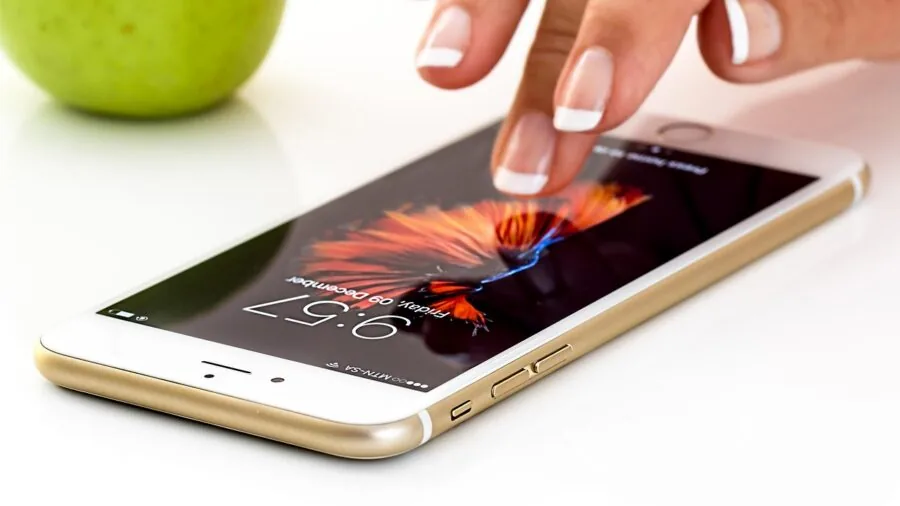
Portable DACs broadly split into two form categories: dongle-style devices that plug directly into your phone or laptop’s USB-C port, and pocket-sized amp/DAC combos with their own chassis, volume controls, and sometimes a built-in battery.
Dongles are the obvious choice for commuting and light travel. They add negligible weight to your bag and draw power directly from your source device, which means one less thing to charge.
Compact devices like the Fosi Audio DS2 and the Moondrop Dawn PRO 2 represent this category well, fitting natively into a phone workflow without friction.
Larger portable DAC/amp units trade size for capability.
Devices like the QUDELIX-5K or the SHANLING Onix Alpha XI1 give you physical volume knobs, more powerful amplification stages, and sometimes Bluetooth connectivity, which can matter a great deal if you regularly pair them with full-size over-ear headphones rather than sensitive in-ear monitors.
Consider your actual carry habits before committing to a larger form factor; a device that stays in a drawer is always worse than a dongle you actually use.
If your primary listening happens at a desk with a laptop, a desktop DAC/amp like the FiiO K11 bridges the gap well, offering home-quality output power in a compact footprint without requiring battery management.
This is especially relevant if your workflow already involves a creative workstation setup where audio fidelity genuinely matters for your output.
DAC Chip and Output Resolution

The DAC chip at the heart of a device determines the ceiling for audio quality, even if other factors (power supply design, op-amp selection, output filtering) determine how close a product gets to that ceiling in practice.
The two dominant chip families at the budget-to-mid tier are ESS Sabre (ES9219, ES9038, and variants) and Cirrus Logic (CS43131, CS43198).
Both are well-regarded; ESS chips tend toward a slightly brighter, more analytical presentation while CS43198-based implementations are often praised for a smoother, warmer character.
Resolution figures like 32-bit/384kHz or DSD256 capability are meaningful as indicators of engineering ambition, but their audible impact in everyday listening is modest. A well-implemented 24-bit/96kHz device will outperform a poorly implemented 32-bit/768kHz one every single time.
Pay attention to chip implementation and output stage design rather than chasing peak resolution numbers alone.
The aune Yuki, for instance, features a completely separate DAC and AMP substrate structure, which is a meaningful design choice that can reduce crosstalk regardless of the spec sheet headline.
Output Configuration: Balanced vs. Unbalanced
Standard 3.5mm single-ended output is perfectly adequate for most in-ear monitors and many over-ear headphones.
However, a balanced output (typically 2.5mm TRRS or 4.4mm Pentaconn) provides a theoretically lower noise floor and can roughly double the available output power by separating the ground references for each channel.
For sensitive IEMs in quiet environments, this can translate into audibly blacker backgrounds and slightly improved channel separation.
If you already own or plan to buy headphones with a removable balanced cable, or if you use high-impedance headphones that benefit from extra headroom, prioritizing a device with 4.4mm balanced output makes practical sense.
Several picks in our list, including the Fosi Audio DS2 and the Moondrop Dawn PRO 2, include both 3.5mm and 4.4mm outputs at a relatively accessible price point, making them easy recommendations for listeners who want future flexibility.
Pairing a well-powered balanced DAC with quality closed-back over-ear headphones is one of the most cost-effective ways to upgrade a personal listening chain.
Output Power and Impedance Matching

Not all headphones are equal in how much amplification they demand. Sensitive IEMs (100 dB/mW and above) are easy to drive and are actually more susceptible to the noise floor of the amplification stage than to raw power output.
Planar magnetic headphones and high-impedance dynamic drivers (150 ohm and above) need significantly more voltage swing to reach comfortable listening levels without clipping. A dongle that works perfectly with IEMs may sound congested and dynamically flat with a demanding over-ear headphone.
When evaluating output power, look at milliwatts into the load impedance most relevant to your headphones. The FiiO K11, with its 1400mW output, sits in a completely different league from a compact dongle in terms of sheer driving capability.
If you regularly switch between IEMs and full-size headphones, a device with a gain switch or software gain control (like the QUDELIX-5K, which includes a companion app with extensive parametric EQ) gives you more flexibility across different loads.
This flexibility also makes these devices natural companions for dedicated over-ear headphone listeners who want desktop-quality performance in a portable form.
Connectivity and Compatibility

Most portable DACs in 2026 connect via USB-C, which works natively with Android phones, modern iPads, and USB-C laptops. iPhone users on Lightning-era devices need an adapter, but iPhone 15 and later models accept USB-C directly, making compatibility nearly universal.
Check whether the device you’re considering is bidirectional (able to pass through charging) or requires a powered hub when used with a laptop that has limited USB output current.
Bluetooth-capable portable DACs like the QUDELIX-5K add another dimension: they support codecs including LDAC, aptX Adaptive, and aptX HD, allowing high-resolution wireless streaming from compatible Android sources.
This makes them genuinely versatile if you also use wireless earbuds alongside wired headphones. For desktop use, optical and coaxial inputs (present on the FiiO K11) add flexibility for connecting a TV or gaming console as a source.
Verify the input options match your actual source devices before purchasing.
Software Features and Companion Apps

Hardware specs tell only part of the story. Devices that ship with robust companion apps can deliver meaningfully better real-world performance through features like parametric EQ, crossfeed, and volume level matching.
The QUDELIX-5K is the standout example in this price range, with a full-featured Android and iOS app that enables 10-band parametric EQ, real-time spectrum analysis, and per-device presets.
For listeners who want to tailor the frequency response to a specific pair of headphones or compensate for hearing curve differences, this functionality is genuinely transformative.
For devices without dedicated apps, physical controls like independent bass/treble knobs or a hardware gain switch still add meaningful usability. Consider how much you value on-device control versus software depth based on your habits.
A traveler who listens at a consistent volume with a single pair of IEMs may care far less about EQ capability than a listener who owns multiple headphones with different tonal signatures.
If audio tuning matters to you, these tools can complement your existing noise-cancelling headphones or other gear in meaningful ways.
Why You Should Trust Us
REMOVU is an independent review platform. We have no commercial relationship with any of the brands featured here, and our editorial team operates separately from any affiliate or advertising arrangements.
Every product in this list has been assessed using our structured evaluation methodology: we analyze published specifications, synthesize expert review consensus from across the audio community, evaluate verified buyer feedback at scale, and cross-reference published measurement data where available.
We do not conduct our own product trials; our evaluations are grounded in research, published data, expert review consensus, and verified buyer feedback.
Each product receives a REMOVU Score on a 0 to 10 scale, applied consistently across the same criteria for every device in a given category.
This means scores are directly comparable within the list, and the ranking order reflects genuine relative merit rather than editorial preference or brand relationship.
Transparency is central to how we operate: REMOVU may earn a commission when you purchase through links on this page. That affiliate relationship has no influence on scores, rankings, or which products are included or excluded.
Our goal is to give you the clearest, most honest picture of each product so you can make the right purchase for your specific needs.
Final Thoughts
The portable DAC market in 2026 offers genuinely excellent options at every price tier, from under-twenty-dollar single-crystal copper cable adapters to versatile tube-hybrid dongles for IEM enthusiasts.
After synthesizing specifications, expert review consensus, and verified buyer feedback across all nine products in this roundup, a few clear standouts emerge based on their REMOVU Scores and the specific needs they serve best.
- Best Overall: BZINKAudio USB-C to 3.5mm DAC Adapter earns the top REMOVU Score in this roundup through an exceptional combination of build quality, cable construction using 8-strand 4N single-crystal silver-plated copper, and reliable CX31993 plus MAX97220 chip pairing that consistently outperforms its price tier in verified buyer feedback.
- Best Value DAC Dongle: Fosi Audio DS2 earns its high REMOVU Score by delivering dual 3.5mm and 4.4mm balanced outputs, DSD256 support via the CS43131 chip, and broad device compatibility at a mid-range budget price, making it one of the most complete feature sets available in a compact dongle form factor.
- Best for High-Resolution Streaming: Moondrop Dawn PRO 2 stands out for its dual CS43198 chip implementation, 32-bit/384kHz PCM ceiling, and DSD256 capability paired with both 3.5mm and 4.4mm outputs, all in a refined form factor that earns consistent praise from the enthusiast community.
- Best for App-Driven Customization: QUDELIX-5K is the definitive choice for listeners who want deep parametric EQ, crossfeed control, and LDAC/aptX Adaptive Bluetooth alongside wired USB operation. Its dual ES9219 chips and balanced 2.5mm output make it one of the most capable wireless DAC/amps in the portable category, and its companion app ecosystem is unmatched at its price point.
- Best Budget Entry Point: Kiwi Ears Allegro Mini delivers genuine hi-res 32-bit/384kHz performance with both 3.5mm and 4.4mm balanced outputs at an entry-level price that makes it hard to pass up for anyone dipping their toes into dedicated portable DAC territory for the first time.
Whichever direction you go, pairing your portable DAC with the right headphones is equally important. Our guides to over-ear headphones under a hundred dollars and noise-cancelling headphones can help you complete the chain.
Frequently Asked Questions
Do I actually need a portable DAC if my phone already has audio built in?
Most smartphones include a basic DAC and amplifier circuit, but these are typically optimized for size and power efficiency rather than audio quality.
They often introduce background hiss with sensitive IEMs, lack the output voltage to drive full-size headphones cleanly, and use lower-quality conversion chips by necessity.
A dedicated portable DAC bypasses the internal audio chain entirely via USB, delivering a cleaner signal path with a proper amplification stage. The difference is especially audible with quality wired headphones or IEMs.
If you use wireless earbuds exclusively, you won’t benefit from a DAC dongle since Bluetooth audio bypasses the wired output entirely. But for anyone investing in wired headphones, even a budget portable DAC is a worthwhile upgrade over built-in phone audio.
What is the difference between a DAC dongle and a DAC/amp combo unit?
A dongle-style DAC draws power directly from the host device (phone, laptop, or tablet) and is designed for minimal size. It converts digital audio to analog and provides enough amplification for most IEMs and easy-to-drive headphones.
A standalone DAC/amp combo like the QUDELIX-5K or SHANLING Onix Alpha XI1 is physically larger, typically includes a dedicated amplification stage with more headroom, may have a built-in battery for Bluetooth use, and often includes additional features like physical volume controls, gain switching, or companion apps.
Choose a dongle for convenience; choose a combo unit for power and flexibility.
Is balanced output (4.4mm or 2.5mm) worth it for everyday use?
Balanced output provides a lower theoretical noise floor and up to double the output power compared to single-ended 3.5mm, which can be meaningful for demanding headphones or listeners sensitive to background hiss.
In practical everyday listening with typical IEMs at moderate volumes, the difference may be subtle.
However, if you own or plan to buy headphones with a removable cable, upgrading to a balanced termination is an affordable modification that unlocks the full capability of any balanced-output DAC you own.
The Fosi Audio DS2 and Moondrop Dawn PRO 2 both include 4.4mm balanced alongside 3.5mm single-ended outputs, which is ideal for listeners building a flexible setup.
For listeners pairing their DAC with travel-oriented noise-cancelling headphones, balanced output tends to be a secondary priority compared to output power and noise floor performance.
Can I use a portable DAC with an iPhone?
Yes. iPhone 15 and later models use USB-C natively, accepting any USB-C DAC dongle directly without an adapter. Older Lightning-port iPhones require Apple’s Lightning to USB 3 Camera Adapter, which enables USB audio output.
Most quality portable DACs are USB Audio Class 1 or Class 2 compliant, meaning they are recognized without additional drivers on both iOS and macOS.
Check the product listing to confirm USB Audio Class compliance if iPhone compatibility is a priority for your purchase decision.
How much should I spend on a portable DAC?
The answer depends almost entirely on what you’re driving and how you listen. Entry-level dongles at the budget end of our list provide a genuine step up from built-in phone audio and work well with most sensitive IEMs.
Mid-tier DAC dongle options in the moderate range add balanced output, better chips, and more output power, covering the vast majority of wired headphone use cases.
Higher-tier options with Bluetooth, advanced EQ apps, or tube hybrid stages serve enthusiasts who want maximum flexibility and tonal character.
Spending beyond the mid-tier tends to yield diminishing audible returns unless you are specifically driving high-impedance or planar magnetic headphones that need every milliwatt available.
If you’re still building out your audio setup, consider pairing your DAC investment with quality bookshelf speakers for a complete home listening system.
What makes a tube DAC different from a solid-state portable DAC?
Tube-based DAC/amp devices, like the HiFiGo MUSEHiFi M3 Ultra with its JAN6418 vacuum tube stage, introduce the characteristic harmonic distortion profile associated with tube amplification: a slight warmth, added dimensionality, and perceived smoothness in the upper midrange.
Whether this is desirable is subjective. Measurements show higher distortion figures compared to solid-state implementations, but many listeners actively prefer the character. If analytical accuracy is your priority, a solid-state design is the better choice.
If you listen primarily to vocal-forward or acoustic music and enjoy a more forgiving, organic presentation through your IEMs, a tube hybrid portable DAC offers a unique and difficult-to-replicate listening experience at a compact scale.
About the author
Christine writes about pet tech for REMOVU, focusing on reliable cameras, feeders, and trackers that keep owners connected to their animals. She helps readers pick gear that works when it matters.