The 12 Best Closed-Back Over-Ear Headphones
From professional studio monitors to commuter-friendly daily drivers, the right closed-back headphones depend on tuning, impedance, and build quality. Here are the top picks.
 By Kay Hanson
Updated July 26, 2026
By Kay Hanson
Updated July 26, 2026
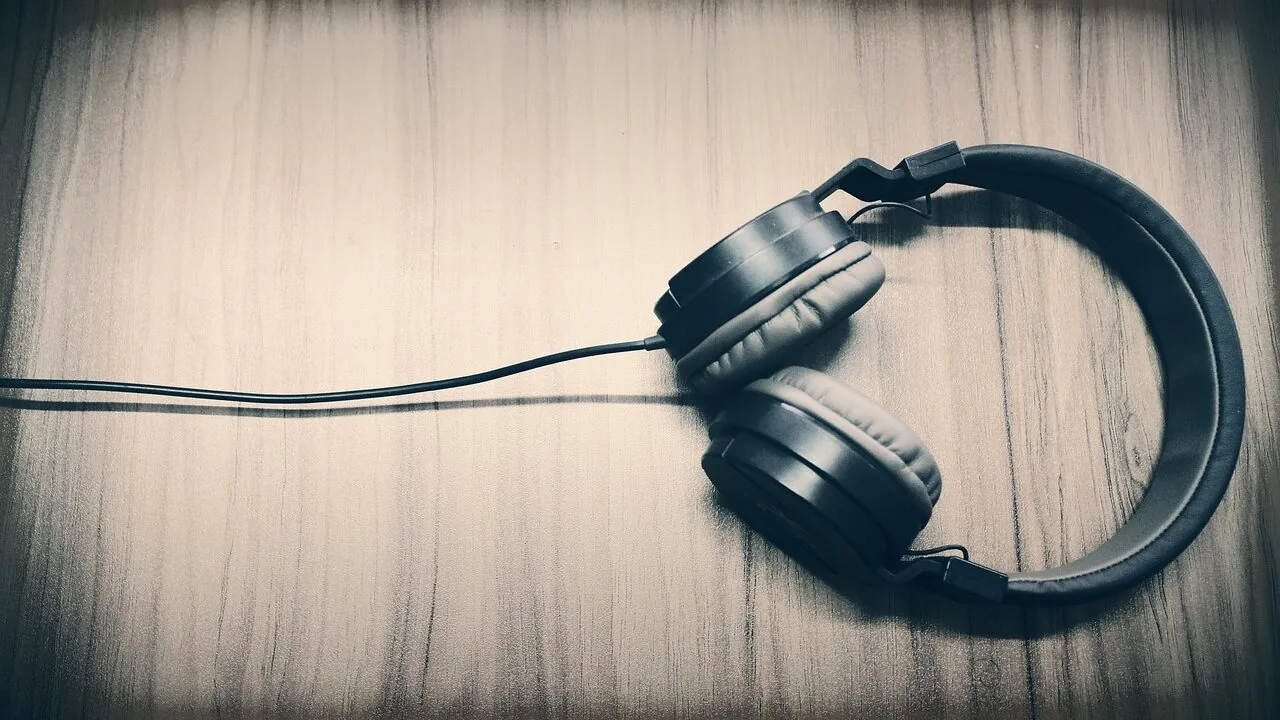
Closed-back over-ear headphones remain the go-to choice for anyone who needs serious sound isolation without sacrificing audio quality.
Whether you’re tracking vocals in a home studio, commuting through a noisy city, or simply want to listen without disturbing everyone around you, the enclosed design keeps sound in and ambient noise out in ways that open-back and in-ear alternatives simply can’t match.
The category spans a wide range, from affordable workhorses beloved by broadcast engineers to premium reference monitors used in professional recording environments.
With so many options crowding the market, from trusted names like Sony, beyerdynamic, Audio-Technica, Shure, and Sennheiser to value-oriented picks, narrowing the field is genuinely difficult.
At REMOVU, we researched each model by analyzing published specifications, synthesizing expert review consensus, and weighing verified buyer feedback to surface the picks that consistently perform across real-world use cases.
If you’re also considering wireless or noise-cancelling alternatives, our roundup of over-ear noise cancelling headphones covers that territory in depth. Read on for our top picks ranked by REMOVU Score.
| Award | Product | REMOVU Score About REMOVU ScoreThe REMOVU Score is our own rating from 0 to 10, based on performance, design and build, ease of use, and value. It reflects independent research and is never influenced by manufacturers, retailers, or affiliate commissions. Learn more › | Price | |
|---|---|---|---|---|
| Best Budget |
 Sony MDR-7506 Professional Studio Headphones
|
8.3/10 | Buy | |
| Best Premium |
 Sony MDR-M1 Professional Reference Headphones
|
8.4/10 | Buy | |
 Beyerdynamic DT 770 PRO 80 Ohm
|
7.8/10 | Buy | ||
| Best Overall |
 Audio-Technica ATH-M50X Studio Headphones
|
8.4/10 | Buy | |
 Meze 99 Classics Walnut Wood Headphones
|
7.8/10 | Buy | ||
| Best Value |
 Shure SRH840A Professional Studio Headphones
|
7.6/10 | Buy | |
 Shure SRH440A Studio Headphones
|
7.3/10 | Buy | ||
 Sennheiser HD 569 Closed-Back Headphones
|
7.2/10 | Buy | ||
 Audio-Technica ATH-M20x Studio Headphones
|
6.2/10 | Buy | ||
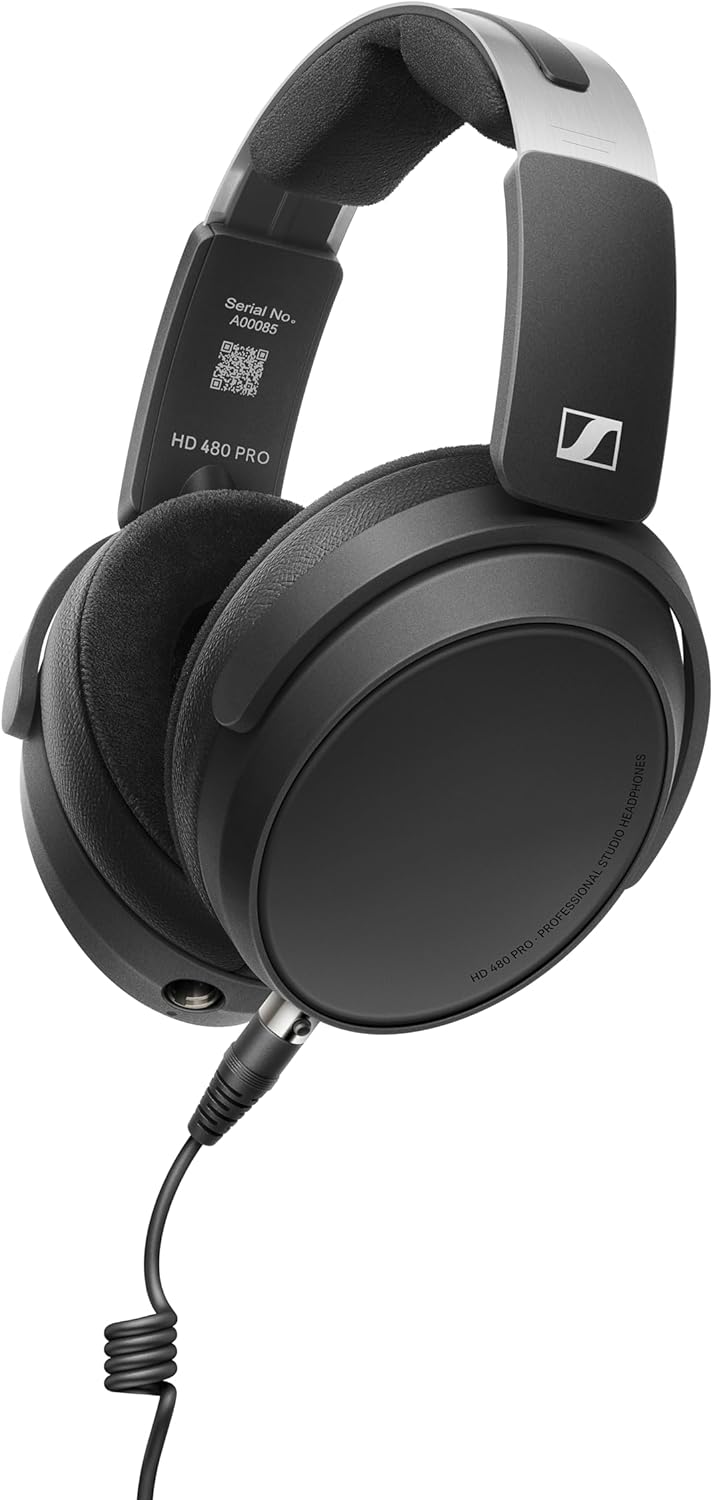 Sennheiser HD 480 PRO Studio Headphones
|
6.2/10 | Buy | ||
 Sennheiser HD 560S Open-Back Headphones
|
6.9/10 | Buy | ||
 OneOdio Pro-10 Studio Monitor Headphones
|
7.1/10 | Buy |
Sony MDR-7506 Professional Studio Headphones
The Sony MDR-7506 are closed-back studio headphones trusted by professionals for over 30 years, delivering balanced sound with deep bass and clear mids ideal for recording, mixing, and broadcast work. Built rugged and lightweight with replaceable earpads, they're a reliable choice for engineers and producers who need accurate monitoring without breaking the bank.
Pros
- Accurate, neutral sound profile ideal for critical listening, mixing, and mastering tasks
- Extremely durable construction withstands daily professional use in demanding environments
- Lightweight and foldable design makes transport and storage convenient for mobile recording
- Replaceable earpads and robust build quality provide excellent long-term value
- Effective noise isolation from closed-ear design reduces need for high volume levels
Cons
- Non-detachable cable limits flexibility if replacement is needed
- Closed-back design may feel isolating for extended wear in non-studio environments
- Fixed cable length requires adapter for some professional audio interfaces
Sony MDR-M1 Professional Reference Headphones
The Sony MDR-M1 delivers studio-grade sound reproduction with a 5Hz-80kHz frequency response and closed-back isolation, making it ideal for music producers, mixing engineers, and audio professionals who need accurate monitoring in varied environments. At 216g with replaceable earpads and dual cable options, it balances precision with long-session comfort.
Pros
- Exceptional frequency response (5Hz-80kHz) captures details across the entire audio spectrum for critical listening
- Closed-back design with high sound isolation allows accurate monitoring without acoustic room interference
- Lightweight and ergonomic design supports comfortable wear during long mixing and mastering sessions
- Modular design with replaceable earpads and two cable lengths reduces long-term ownership costs
- Professional-grade connectivity with dual adapter options fits both standard studio and portable equipment
Cons
- Closed-back design may feel isolating during extended use and limits ambient awareness compared to open-back alternatives
- 24-ohm impedance requires proper gain staging on some audio interfaces to avoid noise floor issues
- Price point positions it as a premium option, making it less accessible for hobbyists or budget-conscious home studios
Beyerdynamic DT 770 PRO 80 Ohm
The DT 770 PRO 80 Ohm is a closed-back studio headphone built for professional monitoring and recording with exceptional bass definition and sound isolation. Ideal for music producers, sound engineers, and serious listeners who need accurate reference sound in a durable, comfortable package.
Pros
- Excellent bass response and low-frequency definition ideal for mixing and monitoring
- Outstanding sound isolation from ambient noise due to closed-back design
- Comfortable for extended wear with replaceable ear pads and adjustable headband
- Single-sided cable design prevents cable fatigue during frequent use
- Durable German build quality with replaceable components for long-term reliability
Cons
- Closed design may feel isolating for casual listening compared to open-back alternatives
- Heavier weight and clamping force may cause fatigue during very long sessions for some users
- Premium price point reflects professional-grade positioning rather than consumer budget options
Audio-Technica ATH-M50X Studio Headphones
The ATH-M50X are professional studio monitor headphones with a proven sonic signature, detachable cables, and excellent passive isolation. Trusted by audio engineers and reviewers, they're ideal for studio work, mixing, and critical listening at a mid-range price.
Pros
- Flat, neutral frequency response ideal for accurate mixing, mastering, and critical audio work
- Robust construction with professional-grade materials built to withstand daily studio use and travel
- Three included detachable cables and adapter provide flexibility for studio, portable, and home listening
- Excellent passive isolation blocks external noise without battery drain or active processing
- Foldable design balances portability with the serious performance engineers expect
Cons
- Closed-back design may feel isolating during extended wear compared to open-back alternatives
- No active noise cancellation or wireless capability limits use in certain professional environments
- 38-ohm impedance requires adequate amplification for optimal performance from portable devices
Meze 99 Classics Walnut Wood Headphones
The Meze 99 Classics deliver warm, natural sound through hand-finished walnut wood ear cups and a meticulously engineered design built for longevity. Best for audiophiles and music enthusiasts who value craftsmanship and timeless aesthetics over trend-driven features.
Pros
- Exceptional build quality with premium materials that improve with age rather than degrade
- Unique aesthetic appeal due to natural walnut wood grain variations that make each headphone truly individual
- Proven comfort design praised across the audio industry for extended wear without discomfort
- Warm, balanced sound signature suits a wide range of music genres and listening preferences
- Replaceable ear pads and modular design extend product lifespan and reduce waste
Cons
- Wired connection limits portability compared to wireless alternatives for on-the-go use
- Premium price point places them above budget-friendly options despite lack of active noise cancellation
- Walnut wood finish requires care to maintain appearance and prevent damage from moisture or impacts
Shure SRH840A Professional Studio Headphones
The Shure SRH840A delivers accurate, detailed sound with a closed-back design ideal for recording, mixing, and critical listening. Built for comfort during long studio sessions with a detachable locking cable system, these headphones are a solid choice for audio professionals and serious home recordists.
Pros
- Accurate frequency response (5-25,000 Hz) ideal for critical listening, recording, and mixing applications
- Exceptional comfort for long sessions thanks to lightweight design and premium padding
- Durable closed-back construction withstands constant professional use and looks professional on camera
- Detachable cable with locking mechanism prevents accidental disconnection and simplifies storage
- Excellent value at the $169 price point with 4.6/5 rating from 400 verified users
Cons
- Closed-back design may feel isolating in non-studio environments; not ideal for casual listening in shared spaces
- 40-ohm impedance requires adequate amplification from audio interfaces or mixing consoles for optimal performance
Shure SRH440A Studio Headphones
The Shure SRH440A delivers accurate, studio-grade audio in a lightweight, collapsible design built for long sessions and portable use. Ideal for home studio work, podcasting, and critical listening on a budget.
Pros
- Accurate, detailed audio reproduction ideal for mixing, editing, and critical listening tasks
- Lightweight and collapsible design makes these headphones genuinely portable without sacrificing comfort
- Detachable cable with included 1/4-inch adapter works seamlessly with both professional studio equipment and everyday devices
- Closed-back design effectively contains sound and reduces background noise for focused work
- Strong build quality and proven Shure reliability backed by decades of audio industry expertise
Cons
- Limited frequency response (10-22 kHz) compared to higher-end studio models that extend to 25-30 kHz
- Closed-back design may feel isolating during extended wear for some users
Sennheiser HD 569 Closed-Back Headphones
The HD 569 delivers excellent sound isolation and comfort for stationary listening, powered by Sennheiser's proprietary transducers that produce rich bass and minimal distortion. Best suited for home studios, office work, and anyone prioritizing noise isolation over portability.
Pros
- Excellent noise isolation thanks to closed-back design ideal for distraction-free work environments
- Superior sound quality with minimal distortion and rich bass performance across music genres
- Exceptional comfort for extended listening sessions with plush ear cushions and padded headband
- Versatile connectivity with two included cables for studio use and mobile devices
- Built-in microphone and remote control on shorter cable enables hands-free calling
Cons
- Closed-back design can feel slightly warm during long sessions in warm environments due to reduced air circulation
- Lower impedance (23 ohm) may require higher volume on some portable devices compared to open-back alternatives
- Primarily designed for wired use with no wireless connectivity option
Audio-Technica ATH-M20x Studio Headphones
The ATH-M20x delivers accurate, studio-grade audio in a lightweight, durable package designed for tracking and mixing. At this price point, it's an excellent entry-level choice for home producers, audio engineers, and anyone seeking professional-quality sound isolation.
Pros
- Accurate, well-balanced audio suitable for critical listening and studio work
- Excellent passive isolation makes these ideal for tracking vocals and instruments
- Comfortable fit for multi-hour studio sessions thanks to professional-grade ear pads
- Durable build quality at an entry-level price point
- Includes 1/4-inch adapter for compatibility with studio equipment
Cons
- Wired design with fixed cable limits portability compared to wireless alternatives
- Bass-forward tuning may not suit those preferring neutral frequency response
- Limited cable length at 9.8 feet may require extension for some studio setups
Sennheiser HD 480 PRO Studio Headphones
The HD 480 PRO delivers studio-grade accuracy with a closed-back design that eliminates leakage and distortion, making it ideal for mixing, monitoring, and professional audio work. At $399, it's a solid choice for serious producers who prioritize signal integrity and all-day comfort over portability.
Pros
- Exceptional audio clarity with minimal distortion, ideal for critical listening and mixing tasks
- Comfortable all-day wear thanks to precision-fit design and lightweight construction
- Versatile connectivity with dual jacks and detachable cable for studio and mobile use
- Durable build quality with German engineering and accessible design features like braille markers
- Sustainable design with replaceable pads and full repairability extends product lifespan
Cons
- Premium price point at $399 may be steep for casual users or hobbyists
- Closed-back design sacrifices soundstage openness, which some mixing engineers prefer for certain applications
- Limited color options and heavy design may not appeal to portable or travel-focused users
Sennheiser HD 560S Open-Back Headphones
The Sennheiser HD 560S delivers neutral, reference-grade sound in an open-back design that excels for critical listening, gaming, and content creation. Its lightweight comfort and wide soundstage make it ideal for audiophiles and creators seeking accuracy without wireless compromise.
Pros
- Accurate, uncolored sound signature reveals subtle details across music, games, and recordings
- Spacious soundstage and open design reduce listener fatigue during long sessions
- Lightweight construction with soft velour pads delivers comfort without pressure points
- Versatile connectivity with detachable cable and multiple adapters for any audio source
- Excellent value for reference-grade audio quality compared to higher-tier Sennheiser models
Cons
- Open-back design leaks sound and provides no isolation, unsuitable for shared spaces or travel
- Wired connection limits mobility compared to wireless alternatives
- Requires careful amp matching for optimal performance with some audio interfaces
OneOdio Pro-10 Studio Monitor Headphones
The OneOdio Pro-10 delivers professional-grade studio monitoring in a budget-friendly wired package, featuring 50mm drivers and dual audio jacks for seamless DJ and mixing work. With over 77,000 reviews averaging 4.4 stars, these headphones offer exceptional value for musicians, podcasters, and audio engineers who prioritize sound quality and comfort during extended sessions.
Pros
- Exceptional sound clarity with balanced bass, vocals, and highs suitable for critical listening and mixing
- Dual-jack compatibility eliminates need for adapters when switching between studio gear and consumer devices
- 90-degree swiveling earcups enable single-ear monitoring essential for DJing and live performance
- Comfortable padded construction designed for fatigue-free wear during multi-hour studio sessions
- Two included cables provide flexibility for different studio setups and portable use
Cons
- Wired-only design limits mobility compared to wireless alternatives, requiring cable management in studio environments
- 32-ohm impedance may require higher amplifier power than some professional studio equipment prefers
- Closed-back design lacks the spacious soundstage of open-back monitoring headphones for certain mixing preferences
Closed-Back Over-Ear Headphones Buying Guide
Choosing the right pair of closed-back over-ear headphones means matching a specific set of technical and ergonomic trade-offs to your actual use case.
A set of cans that excels in a professional studio may feel overkill for daily commuting, while a commuter-friendly option may lack the flat frequency response a recording engineer requires.
The sections below break down the criteria that matter most, so you can invest confidently rather than guess.
Sound Signature and Frequency Response

The single most important factor is how a headphone is tuned.
Studio monitoring headphones, such as the Sony MDR7506 and the beyerdynamic DT 770 PRO, aim for a relatively flat, analytical response so engineers can hear a mix as it actually is, without flattering bass boost or rolled-off treble.
Consumer-oriented headphones, by contrast, often apply a V-shaped or bass-forward curve that sounds exciting on streaming music but can mislead during critical listening work.
Pay close attention to a model’s published frequency response range and, where available, its frequency response curve graph.
A headphone rated 20 Hz to 20 kHz is table stakes; what matters more is how flat or colored the response is within that range. If your priority is music enjoyment over professional accuracy, a warmer tuning may actually be preferable.
If you mix or master audio, prioritize neutrality above all else.
For listeners who want a completely different presentation, open-ear headphones offer a wider soundstage at the cost of isolation, which is a trade-off worth understanding before you commit to a closed-back design.
Impedance and Driver Sensitivity

Impedance is often the most misunderstood specification in this category. Lower-impedance headphones (generally 32 ohms or below) are easy to drive from a smartphone or laptop headphone jack.
Higher-impedance models, such as the beyerdynamic DT 770 PRO at 80 ohms, need more voltage to reach their full potential and benefit noticeably from a dedicated headphone amplifier or DAC.
Buying a high-impedance headphone and running it directly from a phone will result in lower volume headroom and a thinner sound.
Driver sensitivity (measured in dB/mW) works alongside impedance. A headphone with high sensitivity but lower impedance will get very loud from portable sources, while a lower-sensitivity, high-impedance design scales better with dedicated amplification.
Match the impedance to your source gear before purchasing, especially if you plan to use these at a studio console or paired with an audio interface.
Isolation and Ear Cup Design
Not all closed-back headphones isolate equally. The depth of the ear cup, the density of the ear pad foam, and the clamping force all determine how much ambient sound is attenuated.
Single-sided ear cup designs or shallower cups tend to let more noise bleed in.
If isolation is your primary use case, look for models with deep circumaural (around-the-ear) cups rather than supra-aural (on-ear) designs, which press against the ear and isolate less effectively.
It is also worth noting that passive isolation, which is what closed-back headphones provide, behaves differently from active noise cancellation. Passive isolation blocks mid and high frequencies well but lets low-frequency rumble (airplane engines, HVAC systems) pass through more easily.
If you need deep low-frequency attenuation, pairing a closed-back design with an ANC option might be worth exploring in our guide to noise-cancelling headphones.
Build Quality and Long-Term Comfort

Extended listening sessions expose any comfort shortcomings quickly. Key variables include headband padding density, ear pad material (velour vs. pleather vs. leather alternatives), ear cup depth relative to ear size, and total headphone weight.
Velour pads tend to breathe better during long sessions but isolate slightly less than leather-equivalent materials. Pleather pads seal more effectively but can cause heat build-up over time.
Build quality matters particularly for studio use, where headphones get knocked around, shared across sessions, and plugged and unplugged repeatedly.
Models with replaceable ear pads and detachable cables, such as the Audio-Technica ATH-M50X and the Shure SRH840A, have a significant long-term cost advantage.
Budget models with fixed cables and non-replaceable pads will degrade faster and cost more over a multi-year horizon due to full-unit replacement.
Cable Configuration and Connectivity
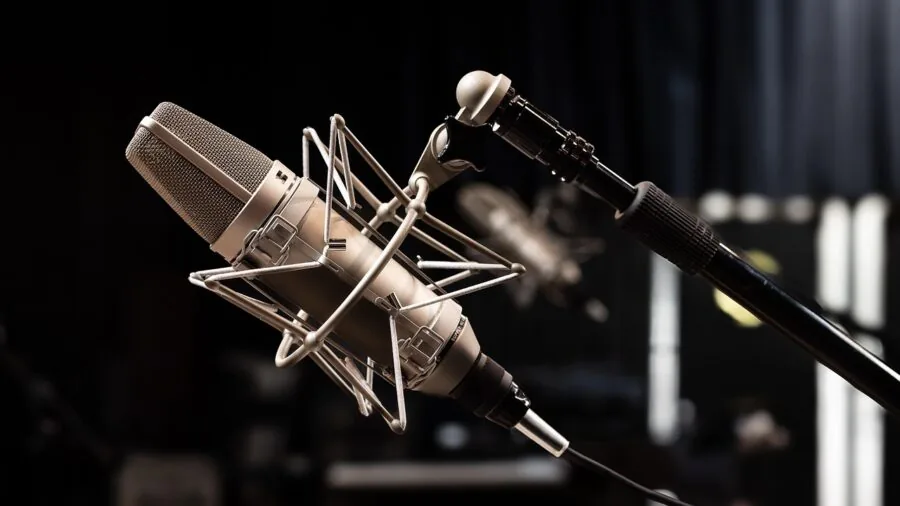
Wired closed-back over-ear headphones connect via a 3.5mm stereo jack, with most professional models including a 6.35mm (quarter-inch) adapter for studio console and amplifier use. The key variable is whether the cable is detachable.
A detachable cable is a major reliability advantage: cable failures are the single most common reason for headphone retirement, and a fixed cable means the entire unit becomes unusable when it frays or breaks at the connector.
Some models include multiple cable lengths in the box. The Shure SRH840A, for example, ships with a long coiled cable suited to studio use.
Consider whether you need a short cable for portable use or a longer run for a fixed studio position.
If you’re drawn to completely wireless solutions instead, our comprehensive wireless earbuds guide and our roundup of noise cancelling wireless earbuds offer strong alternatives for on-the-go listeners.
Price-to-Performance and Use-Case Fit

The closed-back over-ear market breaks into three practical tiers. The budget tier covers entry-level monitoring and casual listening, with options like the Audio-Technica ATH-M20x offering a solid introduction to studio-style sound.
The mid-range tier, which includes models like the Audio-Technica ATH-M50X, Shure SRH440A, and Sennheiser HD 569, delivers refined tuning, better build materials, and features like detachable cables at a price most buyers can justify without overthinking.
The upper tier, covering the Sony MDR-M1, beyerdynamic DT 770 PRO, and Meze 99 Classics, targets professionals and enthusiasts who will feel the difference in resolution and long-session comfort.
Avoid over-speccing for your use case. If you listen primarily at your desk with a standard audio interface, you don’t need the most expensive option in this roundup.
Conversely, if you’re doing serious mixing work, skimping on frequency response accuracy costs you in mixes that translate poorly to other systems. Match the tier to the task, and you’ll rarely be disappointed.
Why You Should Trust Us
REMOVU is an independent review publication. We do not manufacture, sell, or distribute any of the products we cover, and we have no commercial relationship with the brands featured in this article.
Every headphone in this roundup was evaluated using the REMOVU Score, a consistent 0 to 10 rating system applied across the full audio and headphones category.
Our methodology is research-driven and transparent. We assess each model by analyzing manufacturer-published specifications, synthesizing expert review consensus drawn from professional audio publications and acoustic engineers, and carefully weighing verified buyer feedback from confirmed purchasers.
We do not conduct our own product trials; our evaluations are grounded in research, published data, expert review consensus, and verified buyer feedback.
This approach allows us to evaluate a broad range of products consistently, without the sample bias or access limitations that affect many single-reviewer formats.
We are transparent about how this site operates financially. REMOVU may earn a commission if you purchase through a link in this article. That affiliate relationship has no influence whatsoever on REMOVU Scores, rankings, or editorial selections.
Products are ranked solely on performance, value, and fit for the stated use case. A product with a higher commission rate will not rank above a better-performing product with no commission at all.
Final Thoughts
The closed-back over-ear headphone market rewards buyers who are clear about their use case. Studio professionals need flat response and durable build quality. Commuters and casual listeners need comfort and solid isolation.
Audiophiles seeking a premium listening experience at home will prioritize driver resolution and premium materials. Fortunately, this roundup covers all three, with standouts at every tier. Here are our editorial highlights based on REMOVU Score and category fit:
- Best Overall: Sony MDR7506 Professional Large Diaphragm Headphone. The highest REMOVU Score in this roundup, and for good reason. Decades of proven use in broadcast studios, a reliable folding design, and an accurate, detailed sound signature make it the most versatile pick regardless of budget tier.
- Best Premium Reference Monitor: Sony MDR-M1 Professional Reference Closed Monitor Headphones. Sony’s modern reference flagship raises the bar on detail retrieval and imaging accuracy, earning a top-tier REMOVU Score among premium closed-back options.
- Best for Studio Recording: beyerdynamic DT 770 PRO. A long-standing standard in professional tracking sessions, praised for its extended frequency response, robust build, and well-controlled isolation that keeps bleed off microphone recordings.
- Best Mid-Range Pick: Audio-Technica ATH-M50X. Consistently praised by engineers and enthusiasts alike for its balanced sound, three interchangeable cables, and foldable design that suits both studio and portable use. A strong REMOVU Score makes it the top recommendation for buyers who want professional quality without the upper-tier price.
- Best Budget Entry Point: Audio-Technica ATH-M20x. For listeners stepping into studio-style monitoring for the first time, the M20x delivers accurate-leaning sound at an accessible price that few competitors in the budget segment can challenge.
If you’re building out a full home studio setup, pairing any of these headphones with quality source gear from our DACs and headphone amps category or a capable recording interface will help you hear everything these headphones are capable of delivering.
For listeners who want a completely different form factor, waterproof wireless earbuds and workout-focused wireless earbuds are worth exploring for active use cases where over-ear headphones aren’t practical.
Frequently Asked Questions
What is the difference between closed-back and open-back over-ear headphones?
Closed-back headphones seal the ear cup at the rear, which prevents sound from leaking out and reduces the amount of ambient noise that enters.
This makes them well-suited for studio recording (where bleed into a microphone is a concern), commuting, and shared environments.
Open-back designs, by contrast, allow air and sound to pass freely through the rear of the cup, which typically produces a wider, more natural soundstage but offers essentially no isolation.
Note that the Sennheiser HD 560S included in our shortcode is an open-back headphone and is listed here for direct comparison purposes.
Do I need a headphone amplifier for closed-back over-ear headphones?
It depends entirely on the impedance of the model you choose. Lower-impedance headphones (under 50 ohms) will perform adequately from a smartphone, laptop headphone jack, or audio interface.
Higher-impedance models, particularly the beyerdynamic DT 770 PRO at 80 ohms, will benefit measurably from a dedicated amplifier, delivering better dynamics and fuller bass response.
If you’re investing in a higher-impedance model, factor the cost of a DAC and headphone amp into your total budget.
Are closed-back headphones good for everyday listening as well as studio use?
Absolutely. Many buyers in this category use closed-back headphones for both purposes. Models with a slightly warmer tuning, such as the Meze 99 Classics or the Sennheiser HD 569, are particularly enjoyable for long listening sessions with music, podcasts, and video.
Studio-tuned models like the Sony MDR7506 and the Shure SRH440A have a brighter, more analytical presentation that some listeners find fatiguing over extended casual use.
Consider your primary use case when choosing between a flatter studio tuning and a more musical, enjoyable consumer tuning.
How important are replaceable ear pads and detachable cables?
Very important if you plan to use the headphones regularly over multiple years. Ear pads degrade with sweat, oils, and regular compression, typically becoming cracked or flat within one to three years of daily use.
Models with user-replaceable pads let you restore comfort and hygiene cheaply rather than replacing the whole headphone. Similarly, cable failure at the connector is the most common failure mode for wired headphones.
A detachable cable turns a potential unit-killing fault into a minor five-minute fix. Both features are worth prioritizing over minor specification differences when comparing models in the same price tier.
Can I use closed-back over-ear headphones for gaming?
Yes, and many gamers prefer them for competitive play precisely because the isolation keeps ambient sounds from masking in-game audio cues.
Studio-style closed-back headphones with a flatter response often provide a more accurate positional audio experience than consumer gaming headsets that apply heavy bass boost.
If gaming is your main use case, it is worth also looking at our dedicated category for gaming headsets, which includes headsets with built-in microphones and console-specific compatibility features that a standard studio headphone will not offer.
What should I consider if I want to pair closed-back headphones with a microphone for recording or podcasting?
The key concern is isolation: a poorly isolating closed-back headphone will allow audio from your mix or reference track to bleed into the microphone during recording, ruining the take.
Prioritize models with deep circumaural cups and firm clamping force for recording environments. The Sony MDR7506 and beyerdynamic DT 770 PRO are both industry standards for this reason.
You will also want to check the output volume at your interface’s headphone output against the headphone’s impedance to make sure you have enough clean gain.
For the microphone side of the equation, our microphones category covers a range of options from USB condenser mics to XLR broadcast dynamics suited to home and professional studio setups.
About the author
Kay is REMOVU's drawing tablet writer, weighing pen accuracy, screen quality, and software support for artists and designers. She matches pen and display tablets to real creative workflows and budgets.