The 10 Best Over-Ear Headphones Under $200
Great over-ear headphones no longer cost a fortune. This guide covers the top picks under $200, from hybrid ANC commuter models to hi-res audio workhorses, matched to real listening needs.
 By Nevaeh Ross
Updated July 26, 2026
By Nevaeh Ross
Updated July 26, 2026

Finding a great pair of over-ear headphones no longer means spending a fortune.
The market under two hundred dollars has matured dramatically, with genuine active noise cancellation, hi-res audio support, and premium comfort now available at prices that would have been unthinkable a few years ago.
Whether you commute daily, work from a noisy open-plan office, or simply want a better listening experience at home, the right pair of over-ear headphones can transform how you engage with music, podcasts, and calls.
To put this guide together, the REMOVU editorial team researched specifications, analyzed expert review consensus across dozens of published sources, and weighed verified buyer feedback for every model considered.
The result is a shortlist of the most compelling picks at this price point, each assigned a REMOVU Score on our 0 to 10 scale.
Read on for our top-ranked picks, followed by a practical buying guide to help you match the right headphones to your needs.
| Award | Product | REMOVU Score About REMOVU ScoreThe REMOVU Score is our own rating from 0 to 10, based on performance, design and build, ease of use, and value. It reflects independent research and is never influenced by manufacturers, retailers, or affiliate commissions. Learn more › | Price | |
|---|---|---|---|---|
| Best Overall |
 JLab JBuds Lux ANC Over-Ear Headphones
|
8.6/10 | Buy | |
| Best Budget |
 Soundcore Q20i Hybrid ANC Over-Ear Headphones
|
6.8/10 | Buy | |
| Best Value |
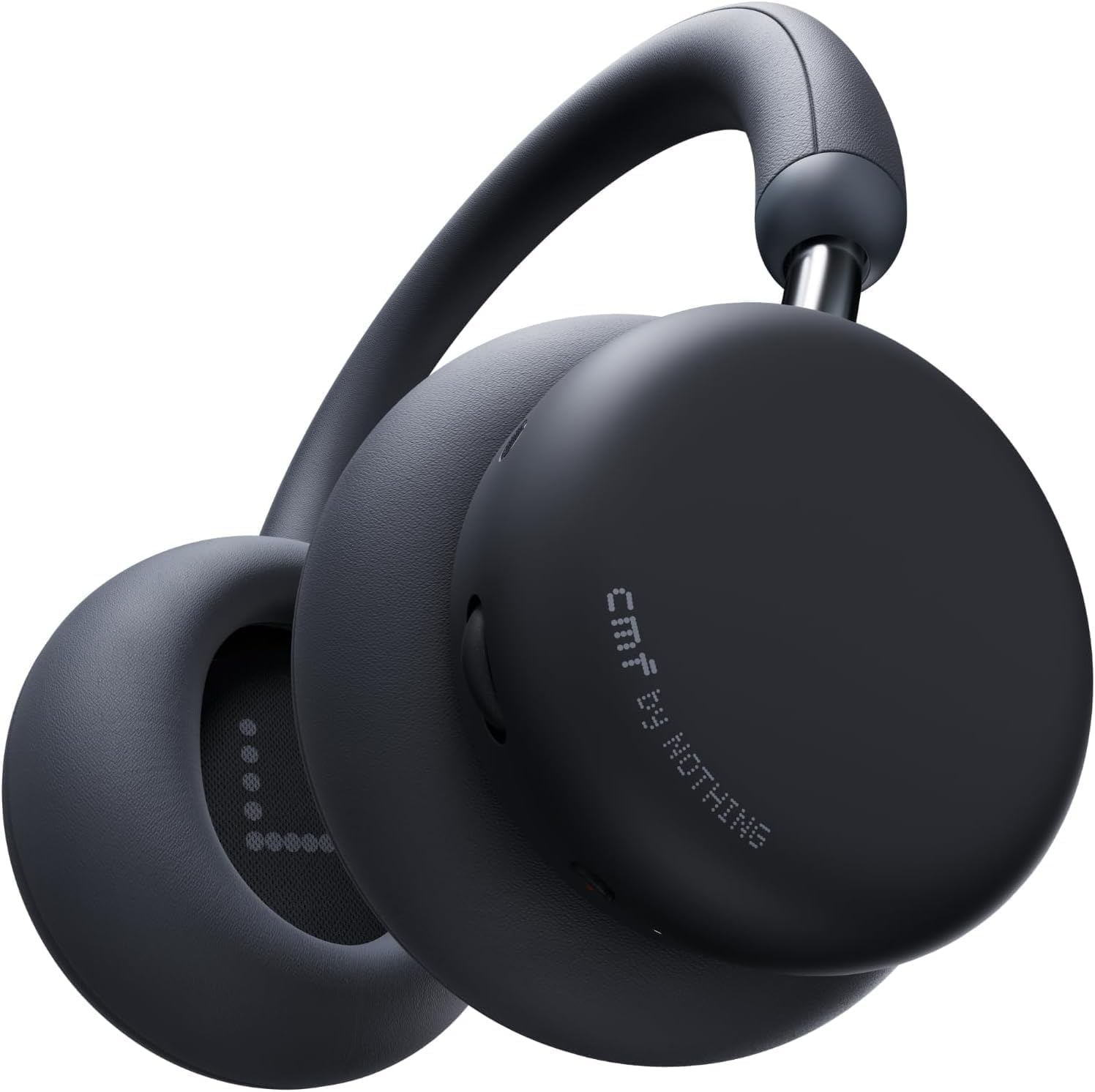 CMF by Nothing Headphone Pro
|
8.3/10 | Buy | |
| Best Premium |
 JBL Tune 770NC Wireless Headphones
|
8.2/10 | Buy | |
 Philips SHP9500 Open-Back Over-Ear Headphones
|
7.8/10 | Buy | ||
 JBL Tune 720BT Wireless Headphones
|
7.2/10 | Buy | ||
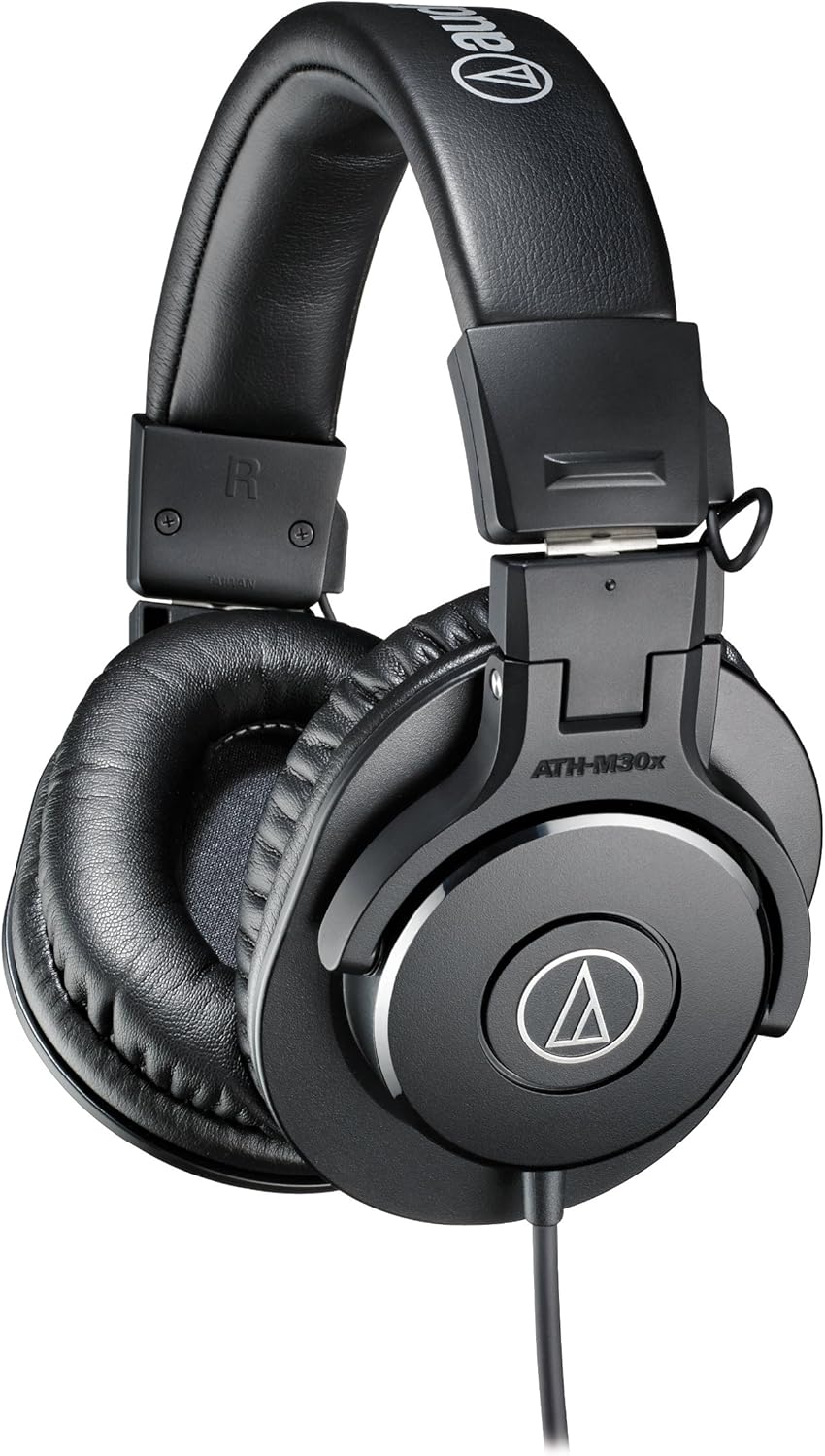 Audio-Technica ATH-M30x Studio Monitor Headphones
|
6.5/10 | Buy | ||
 HybridActiveNoiseCancelling Wireless Headphones
|
6.2/10 | Buy | ||
 Sony MDR-ZX110 On-Ear Headphones
|
6.2/10 | Buy | ||
 KVIDIO Bluetooth Headphones 65H Battery
|
6.2/10 | Buy |
JLab JBuds Lux ANC Over-Ear Headphones
The JLab JBuds Lux ANC delivers exceptional value with 70+ hours of battery life, hybrid active noise cancellation, and spatial audio support at an accessible price point. Best for commuters and remote workers seeking all-day comfort without premium pricing.
Pros
- Exceptional battery endurance means a full work week of listening without recharging
- Hybrid ANC and Be Aware mode provide flexibility for different listening environments
- Cloud Foam cushions and adjustable hinges deliver genuine comfort during extended wear
- Bluetooth Multipoint and Wireless Share Mode offer practical multi-device connectivity
- JLab App provides meaningful sound customization and hearing protection features
Cons
- ANC performance reduces battery life by nearly 50%, limiting true all-day use with noise cancellation active
- Spatial Audio benefits depend on compatible apps and content, limiting real-world applicability for casual listeners
Soundcore Q20i Hybrid ANC Over-Ear Headphones
The Soundcore Q20i delivers strong active noise cancellation and impressive 40-hour battery life at an exceptional price point. Best suited for commuters and remote workers seeking reliable, comfortable all-day listening without premium pricing.
Pros
- Exceptional battery life at 40 hours with ANC on, among the best in the category
- Effective hybrid noise cancellation suitable for offices, commutes, and travel
- Fast charging capability delivers significant playback from minimal charge time
- Dual Bluetooth connectivity eliminates manual switching between work and personal devices
- Affordable price-to-performance ratio with Hi-Res audio support and app customization
Cons
- Active noise cancellation only works in Bluetooth mode; disabled when using wired AUX connection
- Heavier weight at 246 grams may cause fatigue during extended wear for some users
CMF by Nothing Headphone Pro
The CMF Headphone Pro delivers impressive value with 50 hours of ANC playtime, Hi-Res LDAC audio, and customizable spatial sound via the Nothing X app. Best suited for budget-conscious listeners who want premium features without the premium price tag.
Pros
- Exceptional battery endurance at this price point makes these ideal for travel and daily use
- Hi-Res LDAC support and customizable EQ via Nothing X app provide audiophile-grade flexibility
- Lightweight design with memory foam earpads ensures comfort during extended wear sessions
- Hybrid adaptive ANC effectively blocks ambient noise while Transparency Mode keeps you aware
- Fast charging capability and USB-C support mean minimal downtime
Cons
- No USB-C audio input limits wired connectivity options to 3.5mm aux only
- Dual connection feature is disabled by default and requires app setup, adding initial configuration steps
- Zero customer reviews at launch means real-world performance data is still accumulating
JBL Tune 770NC Wireless Headphones
The JBL Tune 770NC delivers exceptional value with up to 70 hours of battery life, adaptive noise cancelling, and customizable sound through the JBL app. Best for commuters and students seeking reliable all-day listening without premium pricing.
Pros
- Exceptional 70-hour battery life eliminates frequent charging concerns
- Adaptive noise cancelling effectively blocks distractions while maintaining situational awareness when needed
- Dual device connectivity allows seamless switching between phone calls and tablet entertainment
- Free app-based EQ customization provides personalized sound without paying for premium features
- Compact foldable design makes these headphones genuinely portable for travel
Cons
- Battery life drops to 44 hours with noise cancelling enabled, significantly less than advertised maximum
- No auto play/pause sensor means manual control required when removing headphones
- Smart Ambient features require app setup and may feel less intuitive than physical buttons
Philips SHP9500 Open-Back Over-Ear Headphones
The Philips SHP9500 delivers transparent, well-balanced sound through its open-back design and 50mm neodymium drivers, making it an excellent choice for audiophiles and casual listeners seeking comfort during extended listening sessions without breaking the bank.
Pros
- Exceptional sound clarity and detail with natural, well-balanced frequency response
- Lightweight and breathable design ideal for extended listening without fatigue
- Versatile connectivity works with phones, laptops, TVs, and audiophile amplifiers
- Premium build quality with reinforced steel construction and quality materials
- Great value for open-back headphones at this price point
Cons
- Open-back design provides minimal noise isolation and allows sound leakage
- Not suitable for portable use or noisy environments due to lack of passive isolation
JBL Tune 720BT Wireless Headphones
The JBL Tune 720BT delivers impressive 76-hour battery life and JBL's signature Pure Bass sound at an affordable price point. Best for budget-conscious listeners who prioritize battery endurance and portability over active noise cancellation.
Pros
- Exceptional battery life of up to 76 hours eliminates frequent charging hassles
- Compact, foldable design makes these headphones ideal for travel and commuting
- Affordable price point delivers premium JBL sound quality without breaking the bank
- Easy-to-use controls on ear cups and intuitive app customization
- Reliable multi-point connectivity seamlessly switches between your devices
Cons
- No active noise cancellation, limiting use in loud environments
- Lacks auto play/pause sensor, requiring manual control when removing headphones
Audio-Technica ATH-M30x Studio Monitor Headphones
The ATH-M30x delivers professional-grade monitoring with 40mm drivers and excellent mid-range clarity in a lightweight, portable package. Ideal for studio professionals and field recordists seeking accurate sound isolation and durability at an affordable price point.
Pros
- Accurate, balanced sound signature tuned for professional monitoring and mixing tasks
- Excellent sound isolation from circumaural design keeps ambient noise out during recording
- Comfortable fit and lightweight build support long studio sessions without fatigue
- Durable construction with premium materials withstands frequent use and transport
- Collapsible design and included adapter increase versatility for studio and field applications
Cons
- Wired connection limits mobility compared to wireless alternatives
- Mid-range emphasis may not suit casual listening or bass-heavy music genres
HybridActiveNoiseCancelling Wireless Headphones
These over-ear wireless headphones deliver 120 hours of battery life, active noise cancellation, and hi-res audio in a lightweight design with memory foam ear cups. Ideal for remote workers, travelers, and anyone seeking all-day comfort without breaking the bank.
Pros
- Exceptional 120-hour battery life outlasts most competitors by weeks
- Memory foam ear cups stay comfortable even during 8+ hour workdays
- Active noise cancellation effectively reduces background noise and distractions
- Hi-res audio quality and deep bass provide immersive listening experience
- Lightweight design minimizes neck strain during extended use
Cons
- Product description lacks detailed specifications and performance metrics
- Limited information about noise cancellation depth compared to premium models
- No mention of water resistance or durability certifications
Sony MDR-ZX110 On-Ear Headphones
The Sony MDR-ZX110 delivers solid sound quality with punchy bass and a wide frequency range at an unbeatable price point. Best suited for budget-conscious travelers who prioritize portability and comfort over premium features.
Pros
- Exceptional value for money with solid audio performance
- Compact, foldable design ideal for travel and daily commutes
- Comfortable cushioned earpads suitable for extended listening sessions
- Wide frequency response ensures balanced sound across all music types
- Lightweight construction reduces ear fatigue during all-day wear
Cons
- Wired connection limits mobility compared to wireless alternatives
- On-ear design may not provide passive noise isolation for loud environments
- Limited durability expectations given the budget price point
KVIDIO Bluetooth Headphones 65H Battery
The KVIDIO over-ear headphones deliver 65 hours of wireless playtime with a lightweight, foldable design and dual 40mm drivers for clear stereo sound. At under $19, they're a solid choice for budget-conscious travelers and remote workers who prioritize battery life and comfort.
Pros
- Exceptional battery life of 65 hours eliminates frequent charging for extended trips and daily use
- Extremely lightweight and foldable design makes them portable without sacrificing durability
- Memory-foam ear cushions and flexible earmuffs adapt to different head shapes for comfortable all-day wear
- Dual 40mm drivers produce clear, balanced audio with noticeable bass and minimal distortion
- Hybrid wireless and wired connectivity ensures you're never without audio, even if the battery dies
Cons
- Sound quality, while good for the price, may not match premium headphones in the $50+ range
- Bluetooth 6.0 is newer but real-world connection stability and range depend on your device
- No active noise cancellation, so ambient sound isolation relies on passive ear cup design
Over-Ear Headphones Under $200 Buying Guide
With so many options crowding this price bracket, it helps to know which specifications and features actually matter for day-to-day listening.
The sections below break down the key criteria we weigh when evaluating headphones in this category, from noise cancellation depth to long-term comfort. Use these as a framework to match any pair to your specific situation.
Active Noise Cancellation: What to Expect at This Price

Active noise cancellation (ANC) was once a premium-only feature, but it now appears across a wide range of budget-friendly over-ear headphones. At this price point, quality varies considerably.
Hybrid ANC, which uses microphones on both the inside and outside of the ear cup, tends to perform significantly better than single-microphone feedforward designs.
Look for headphones that specify “hybrid” ANC in their feature list rather than just advertising the feature generically.
Transparency or ambient mode is an increasingly common companion feature that lets you hear your environment without removing the headphones. This is particularly useful during commutes or when you need to stay aware of announcements.
Not every affordable pair includes it, so if situational awareness matters to you, confirm it is present before buying.
If noise cancellation is a core priority at work, our roundup of noise cancelling headphones for work covers models with stronger ANC performance across all budgets.
Keep in mind that ANC effectiveness is highly environment-dependent. It excels at suppressing steady low-frequency drone (airplane cabins, HVAC hum, train noise) but is less effective against sudden sharp sounds like voices or keyboard clatter.
Expert reviewers consistently note that even mid-tier ANC at this price range handles commute noise well, but premium-tier performance still requires spending more.
Sound Quality and Audio Codec Support

Sound signature is deeply personal, but there are objective markers of quality worth prioritizing. Driver size (typically 30mm to 40mm in this category), frequency response range, and total harmonic distortion figures all offer useful signals.
Beyond hardware specs, codec support plays a major role in wireless audio quality. SBC and AAC are baseline codecs found on virtually every Bluetooth headphone. aptX and aptX HD offer lower latency and higher bitrates on compatible Android devices.
LDAC, Sony’s high-resolution audio codec now supported across multiple brands, is increasingly appearing in sub-200-dollar models and represents a genuine quality upgrade for streaming hi-res audio.
Hi-Res Audio certification (from the Japan Audio Society) is another useful marker, indicating the headphones can reproduce audio above the standard 20 kHz ceiling.
Several models at this price tier now carry this certification, which was previously reserved for far more expensive hardware.
For listeners who also use their headphones with a dedicated source, compatibility with DACs and headphone amplifiers is worth considering if you plan to plug in via 3.5mm.
Bass boost and custom EQ via companion apps have also become common at this price. JLab, JBL, Soundcore, and CMF by Nothing all offer app-based EQ customization, which can meaningfully shift the listening experience without requiring any additional hardware.
If you have strong preferences about your sound signature, app support should weigh heavily in your decision.
Battery Life and Charging
Battery life claims in this category range from around 40 hours to over 100 hours, though these figures are typically measured without ANC enabled. When ANC is active, expect meaningful reductions, often 20 to 40 percent lower than the advertised number.
A model claiming 65 hours might realistically deliver 40 to 45 hours with ANC on, which is still excellent for most use cases.
Fast charging has become a genuine differentiator. Many models in this price range offer a 10-minute charge for several hours of playback, which is useful if you forget to charge overnight.
USB-C charging is now standard across virtually all new releases in this bracket, so watch out for any lingering micro-USB holdouts.
A 3.5mm wired fallback is still a useful feature for long flights where Bluetooth is restricted or when the battery is dead.
Comfort, Build Quality, and Fit

Comfort is arguably the most underrated factor in headphone purchases, especially for extended listening sessions. Over-ear headphones should fully encircle the ear rather than rest on top of it.
Shallow ear cups that press against the outer ear become uncomfortable quickly and degrade passive isolation.
Look for memory foam ear pads, which conform to the shape of the ear and distribute clamping force more evenly than standard foam or pleather pads.
Headband padding and adjustability also matter for users who wear headphones for several hours at a stretch. Foldable designs are a practical bonus for commuters and travelers, reducing bulk in a bag.
Build quality at this price tier is typically a mix of plastic and metal, with metal headband reinforcement generally indicating better long-term durability.
Weight is worth noting too: heavier headphones cause more fatigue during long sessions, and the difference between a 200g and a 280g pair becomes noticeable after an hour or two.
If you are also considering more compact listening options for workouts or outdoor activities, wireless earbuds built for exercise are worth comparing for active use cases where over-ear headphones may not be the best fit.
Wireless Connectivity and Multipoint Pairing

Bluetooth 5.0 and above is the baseline to expect at this price. Newer versions (5.3, 5.4) offer marginally improved range and connection stability, but the practical differences are modest for typical home and commute use.
More meaningful is multipoint pairing, which allows simultaneous connection to two devices, so you can switch between your phone and laptop without manual re-pairing. This feature has migrated down from premium headphones and is now common in the mid-budget tier.
Bluetooth LE Audio, an emerging standard built on the LC3 codec, promises lower power consumption and better audio at lower bitrates. JBL’s Tune 770NC is among the early mid-budget adopters.
While LE Audio ecosystem support is still maturing, it represents a degree of future-proofing worth noting when comparing models.
For those who primarily use headphones at a desk and want to explore wired setups with more detail, our guide to wired over-ear headphones covers options optimized for stationary listening.
Microphone Quality and Call Performance

Built-in microphone quality is highly variable in this price range. Headphones marketed toward travel and commuting tend to invest more in call performance than those aimed primarily at music listening.
Features like beamforming microphone arrays and wind noise reduction are worth looking for if you take frequent calls. “Voice Aware” technology, found in some JBL models, adjusts the microphone mix to make your voice sound more natural during calls.
For headphones used primarily for professional voice work or recording, the microphone built into most consumer over-ear headphones will not match a dedicated solution. In that scenario, pairing headphones with a standalone microphone is a significantly better approach.
For everyday video calls and phone calls, however, the microphone on most mid-budget over-ear headphones is entirely adequate.
Why You Should Trust Us
REMOVU is an independent editorial platform. We have no retailer relationships that influence which products appear in our guides, and our editorial team operates separately from any commercial arrangements.
Every product in this roundup was assessed using a consistent set of criteria drawn from published technical specifications, expert review consensus aggregated from multiple credible sources, and verified buyer feedback collected over time.
Each model receives a REMOVU Score on a 0 to 10 scale, reflecting its overall performance relative to category expectations, price-to-value ratio, and reliability signals from the broader reviewer and owner community.
We do not conduct our own product trials; our evaluations are grounded in research, published data, expert review consensus, and verified buyer feedback.
This approach lets us cover a broader range of products with greater consistency than any single-reviewer evaluation could achieve.
We want to be transparent: REMOVU may earn a commission if you purchase through a link in this article. That affiliate relationship has no bearing on which products are included, how they are ranked, or what scores they receive.
Our recommendations are editorially independent and based solely on the quality and merit of each product as determined through our research process.
Final Thoughts
The under-200-dollar over-ear headphone category has never been stronger. Whether you prioritize noise cancellation, audio fidelity, all-day comfort, or pure value, there is a well-designed option here. Below are the standout picks from this roundup, each recognized for a specific strength.
- Best Overall: JLab JBuds Lux ANC earns the top REMOVU Score in this roundup thanks to its rare combination of spatial audio, hybrid ANC, and strong app support at a budget-friendly price that outperforms models costing significantly more.
- Best Runner-Up: CMF by Nothing Headphone Pro impresses with LDAC support, a hardware bass and treble slider for tactile EQ control, and Bluetooth 5.4, making it a standout choice for audio enthusiasts who want hi-res wireless performance without crossing into premium pricing territory.
- Best Noise Cancelling Pick: JBL Tune 770NC delivers adaptive noise cancellation alongside Bluetooth LE Audio support and JBL’s well-regarded bass-forward sound signature, making it a strong choice for commuters and frequent travelers who want reliable ANC from a trusted brand.
- Best for Audiophiles on a Budget: Philips SHP9500 remains a benchmark in open-back wired listening at an accessible price. Its wide soundstage and natural tuning earn consistent praise from expert reviewers, and it pairs well with a quality source for anyone exploring critical listening and mixing.
- Best Budget ANC Pick: Soundcore by Anker Q20i offers hybrid ANC, hi-res audio certification, and 40 hours of ANC playtime at an entry-level price that is difficult to argue with, making it an excellent starting point for first-time ANC buyers.
If your priorities extend beyond over-ear designs, our guides to wireless over-ear headphones across all budgets and the broader noise-cancelling headphones category are good next steps for comparison shopping.
Frequently Asked Questions
Are over-ear headphones better than on-ear headphones for long listening sessions?
For most people, yes. Over-ear headphones fully encircle the ear, which distributes clamping force more evenly and avoids the localized pressure that on-ear designs place directly on the outer ear.
That said, over-ear headphones are generally larger and heavier, so the trade-off is portability. If you plan to wear headphones for two or more hours at a time, the over-ear form factor is typically more comfortable for extended use.
Do I really need active noise cancellation, or is passive isolation enough?
Passive isolation from a well-fitting over-ear headphone can block a meaningful amount of ambient noise without any electronics involved. Closed-back designs, like the Audio-Technica ATH-M30x, can be surprisingly effective at dampening background chatter.
ANC adds the most value in environments with steady low-frequency noise: airplanes, trains, and open offices with heavy HVAC systems.
If your primary listening environment is a quiet room or you prefer open-back sound, you may find that passive isolation is entirely sufficient.
For a deeper look at closed-back over-ear headphones optimized for isolation, we have a dedicated guide covering that category.
What is LDAC and does it matter for wireless headphones in this price range?
LDAC is a high-resolution audio codec developed by Sony that transmits audio at up to 990 kbps over Bluetooth, roughly three times the bitrate of standard SBC.
For listeners who stream hi-res audio from services that support it, LDAC can deliver a noticeable improvement in perceived audio quality over standard Bluetooth codecs. Until recently, LDAC support was largely confined to Sony’s own headphones.
Its appearance in models like the CMF by Nothing Headphone Pro at an accessible price is a genuinely meaningful development for budget-conscious audiophiles.
Can I use over-ear headphones for gaming or video calls?
Yes, with some caveats. Most consumer over-ear headphones include a built-in microphone adequate for video calls and casual use.
However, they are not purpose-built gaming headsets, which typically include directional audio tuning, a boom microphone positioned closer to the mouth, and features designed for in-game communication.
If gaming is a primary use case, dedicated gaming headsets are worth comparing directly.
For mixed-use listeners who game occasionally but primarily use headphones for music and calls, a well-reviewed over-ear pair at this price range is usually a better all-around investment.
How important is multipoint Bluetooth pairing in everyday use?
Multipoint pairing allows your headphones to maintain simultaneous Bluetooth connections with two devices, such as your phone and your laptop, and switch between them automatically when audio plays from either source.
For anyone who regularly moves between devices throughout a workday, this feature eliminates the friction of manually disconnecting and reconnecting. It has become one of the most consistently praised features in verified buyer feedback for commuter and work-from-home headphones.
If you use more than one device regularly, prioritize models that explicitly list multipoint or dual-device pairing in their specifications.
Are wireless earbuds a better alternative to over-ear headphones for everyday use?
It depends on your priorities. Wireless earbuds win on portability, discreteness, and ease of use during physical activity. Over-ear headphones generally deliver richer bass, better passive isolation, stronger ANC performance, and longer battery life per charge.
Listeners who commute in noisy environments or sit at a desk for extended periods typically prefer the over-ear form factor for its superior comfort and sound immersion.
If you are weighing both options, our guide to wireless earbuds covers the best compact alternatives, and our wireless noise cancelling headphones roundup is the natural companion to this guide for cross-category comparison.
About the author
Nevaeh is REMOVU's over-ear headphone writer, judging sound, comfort, and value across wireless and wired models. She helps readers find a spacious, long-wear pair for home or travel.