The 12 Best Headphone Amps
Driving high-impedance cans or running a home studio? Finding the right headphone amp depends on output power, topology, and connectivity. Here are the top picks across every budget.
 By Hannah Mitchell
Updated July 26, 2026
By Hannah Mitchell
Updated July 26, 2026
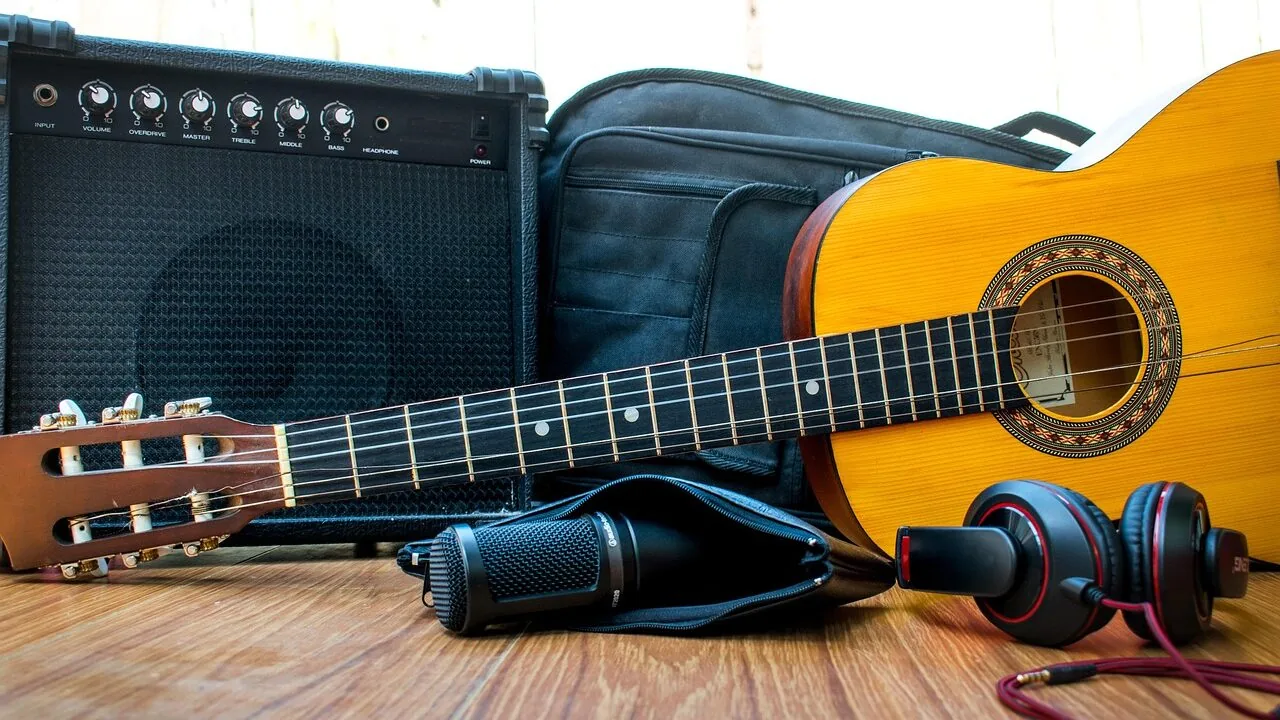
A great pair of headphones is only half the equation.
Whether you own high-impedance audiophile cans that your phone simply cannot drive properly, run a recording studio where multiple musicians need to monitor simultaneously, or just want cleaner, more powerful sound from your desktop setup, a dedicated headphone amplifier makes a genuine, audible difference.
The market today ranges from ultra-affordable class A desktop amps to fully balanced discrete designs with enough headroom for the most demanding planar magnetic headphones, and sorting through the noise takes real research.
To build this list, the REMOVU team analyzed published specifications, synthesized consensus from expert audio reviewers, and cross-referenced verified buyer feedback across the full price spectrum, from budget-friendly splitter amps to premium USA-made designs from Schiit and high-power balanced options from LEAUDIO and Fosi Audio.
Every pick below has been assigned a REMOVU Score. If you are also deciding which headphones to pair with your new amp, our roundup of over-ear headphones for mixing is a logical next stop.
| Award | Product | REMOVU Score About REMOVU ScoreThe REMOVU Score is our own rating from 0 to 10, based on performance, design and build, ease of use, and value. It reflects independent research and is never influenced by manufacturers, retailers, or affiliate commissions. Learn more › | Price | |
|---|---|---|---|---|
| Best Overall |
 LEAUDIO HP70 Balanced Discrete Headphone Amplifier
|
8.5/10 | Buy | |
| Best Premium |
 Schiit Midgard Headphone Amp and Preamp
|
8.4/10 | Buy | |
| Best Value |
 Fosi Audio ZH3 DAC Headphone Amp with AKM4493SEQ
|
7.8/10 | Buy | |
| Best Budget |
 Douk Audio U3 PRO 1500mW Class A Headphone Amp
|
7.5/10 | Buy | |
 AKG HP4E 4-Channel Headphone Amplifier
|
7.2/10 | Buy | ||
 Apos Gremlin Class A Tube Headphone Amp
|
7.1/10 | Buy | ||
 Mackie HM-4 4-Way Headphone Amplifier
|
7.0/10 | Buy | ||
 Douk Audio U3 Class A Headphone Amp
|
6.8/10 | Buy | ||
 KGUSS A50 III Headphone Amplifier
|
6.5/10 | Buy | ||
 Fender Mustang Micro Plus Headphone Amplifier
|
6.2/10 | Buy | ||
 Audio-Technica ATH-M20x Studio Headphones
|
6.2/10 | Buy | ||
 LZSIG LHA1 4-Channel Headphone Amplifier with Bass Boost
|
6.2/10 | Buy |
LEAUDIO HP70 Balanced Discrete Headphone Amplifier
A fully balanced Class A headphone amplifier built on discrete topology with dual LME49720 op-amps and 4 pairs of power transistors. Delivers clean audio across multiple input formats (RCA, XLR) and output stages (6.35mm single-ended, 4.4mm balanced), making it suited for audiophiles seeking transparent amplification without compromises.
Pros
- Fully balanced signal path from input to output, minimizing noise and crosstalk (-120dB channel isolation)
- High output power (2000mW into 32Ω balanced) with low distortion (THD+N <0.0005%)
- Flexible connectivity: accepts both RCA and XLR balanced inputs, with preamp output for speaker integration
- Multi-stage voltage regulation and low-noise 30VA power supply reduce ripple interference
- Socketed op-amps allow for user-level component upgrades
Cons
- No reviews or verified user feedback available to assess real-world reliability and sonic characteristics
- Requires AC mains power; external DC input option adds complexity for portable use
- Compact form factor (220x170x50mm) may limit heat dissipation in continuous Class A operation
Schiit Midgard Headphone Amp and Preamp
A fully discrete headphone amplifier that doubles as a desktop preamp, delivering nearly 5W into 32 ohms with Schiit's proprietary Halo mixed-mode feedback topology. The XLR input enables Halo's driver-focused feedback loop, while the balanced TRS input bypasses it for direct comparison. Built in Texas with premium components including an Alps RK27 volume pot, it's designed for both sensitive IEMs and power-hungry headphones, plus it can drive powered studio monitors.
Pros
- Exceptional build quality with balanced and single-ended I/O flexibility for a complete desktop audio system
- Near state-of-the-art measurements and low noise floor suitable for ultra-sensitive headphones
- Halo topology on XLR input offers potential acoustic improvements, with TRS input for direct comparison
- Made in the USA with premium connectors and dual gain levels for versatile headphone matching
- Highly rated (4.7/5 stars) with strong owner consensus on value and performance
Cons
- USA power only (115VAC). Will not work in 220-240V countries without a step-down transformer
- Halo topology benefits remain subjective and unconfirmed by formal research, as Schiit acknowledges
- Requires separate ground returns for XLR Halo mode, limiting plug-and-play convenience
Fosi Audio ZH3 DAC Headphone Amp with AKM4493SEQ
A versatile desktop audio hub combining DAC, headphone amplifier, and preamp functions in one compact unit. Built around premium AKM and XMOS chipsets with fully balanced circuitry, it delivers low noise performance (1.9μV floor) and substantial headphone power while supporting multiple input/output formats. Best suited for desktop HiFi setups where flexibility and sound quality matter equally.
Pros
- Exceptional versatility with four input types (USB, optical, coaxial, RCA) and four output formats (4.4mm balanced, 6.35mm single-ended, RCA, XLR)
- Powerful balanced headphone output delivering 2570mW per channel at 32 ohms, handling everything from IEMs to high-impedance over-ear headphones
- Low noise floor (1.9μV) and high SNR (121dB) for clean, detailed audio across headphones and speaker systems
- Customizable sound with bass/treble EQ, six filter types, bypass mode, and user-swappable op-amps for personalization
- Well-designed interface with responsive LCD display, volume memory, and remote control for convenient operation
Cons
- EQ adjustments only work in headphone output mode, not for preamp/speaker outputs, limiting tone shaping flexibility
- Requires Windows drivers for PCM 768kHz playback and DSD support, adding setup complexity for some users
- Some function limitations depend on input/output pairing (e.g., UAC switching unavailable with optical/coaxial to preamp output)
Douk Audio U3 PRO 1500mW Class A Headphone Amp
A compact desktop amplifier delivering 1500mW of clean power for headphones ranging from 18Ω to 600Ω. The built-in ±14V boost circuit transforms a standard 5V input into warm, detailed sound, while the swappable op-amp socket lets audiophiles fine-tune the signature. Best for mid-to-high impedance headphone users seeking desktop-grade amplification in a minimal footprint.
Pros
- Robust 1500mW output at 32Ω handles demanding headphones like HD600 and DT 770 Pro without strain
- Pluggable op-amp design supports popular upgrades (AD797, OPA627, AD843) for sonic customization
- Dual headphone outputs (3.5mm and 6.35mm) allow simultaneous connection without quality loss
- Ultra-low distortion via ±14V boost circuit from 5V input delivers clear, dynamic audio
- Compact 68x92x32mm footprint suits desktop setups without taking up space
Cons
- Power adapter not included; requires sourcing a quality DC 5V/≥1A adapter separately
- Cannot use RCA and 3.5mm AUX inputs simultaneously, limiting flexibility with multiple sources
- Optimized for 18-600Ω headphones; less ideal for very low-impedance or extremely high-impedance models outside this range
AKG HP4E 4-Channel Headphone Amplifier
A compact professional-grade headphone amp built for studio and live monitoring setups. The HP4E delivers independent amplification across four channels with flexible 1/4" and 1/8" outputs on each, eliminating the need for adapters. Its dual stereo inputs and front-panel switching make it practical for multi-user environments where quick input selection matters.
Pros
- Four independent high-power stereo amplifiers handle demanding headphone loads at high volume levels
- Dual 1/4" and 1/8" outputs per channel reduce adapter clutter and improve connectivity flexibility
- Two stereo inputs with convenient front-panel selection switches for fast source switching
- Rugged half-rackspace metal chassis fits standard studio racks without taking excessive space
- Solid 4.5-star rating from 32 verified reviews reflects consistent professional reliability
Cons
- No headphone level metering or individual channel gain controls mentioned, which limits precise level management across outputs
- Limited to 4 channels total, which may constrain larger ensemble or broadcast monitoring scenarios
- Specifications array incomplete in available data, leaving some technical details unclear for direct comparison
Apos Gremlin Class A Tube Headphone Amp
A hybrid tube amplifier that pairs vacuum tube warmth with balanced architecture to minimize interference, delivering 1250mW of power across a wide 8-600Ω headphone range. Built for audio enthusiasts who want to experiment with tube rolling and prefer lush, musical tonality over clinical accuracy. Comes with matched Ray Tubes 12AU7 and supports both 12AU7 and 6922 tube swaps.
Pros
- Class A fully-balanced design reduces hum and interference for cleaner sound
- Hybrid architecture combines tube warmth with transistor precision
- Supports tube rolling with 12AU7 and 6922 compatibility for sound customization
- High output power (1250mW) handles most headphones from 8-600Ω impedance
- Includes matched pair of Ray Tubes CORE 12AU7 out of the box
Cons
- Headphone amp only, cannot be used as speaker amp or preamp
- Requires balanced XLR or 4.4mm inputs, limiting compatibility with standard RCA sources
- Orange tube LEDs cannot be disabled, only the main LED can be switched off
Mackie HM-4 4-Way Headphone Amplifier
A straightforward headphone distribution solution that lets up to four people listen to a single stereo source with independent volume control on each output. Built with heavy-gauge steel and premium analog circuitry, it delivers clean audio and durability for studios or shared listening setups.
Pros
- Individual level controls for each of the four headphone outputs
- Ultra-compact design with minimal footprint
- Heavy-gauge steel chassis built for longevity
- Premium analog circuitry delivers low noise floor and high headroom
- Includes 12V AC adapter, ready to use out of box
Cons
- Limited to basic stereo splitting with no advanced mixing or metering features
- Single 1/4" stereo input means no auxiliary inputs or channel-specific controls
- Fewer total outputs compared to higher-tier HM-400 or HM-800 models
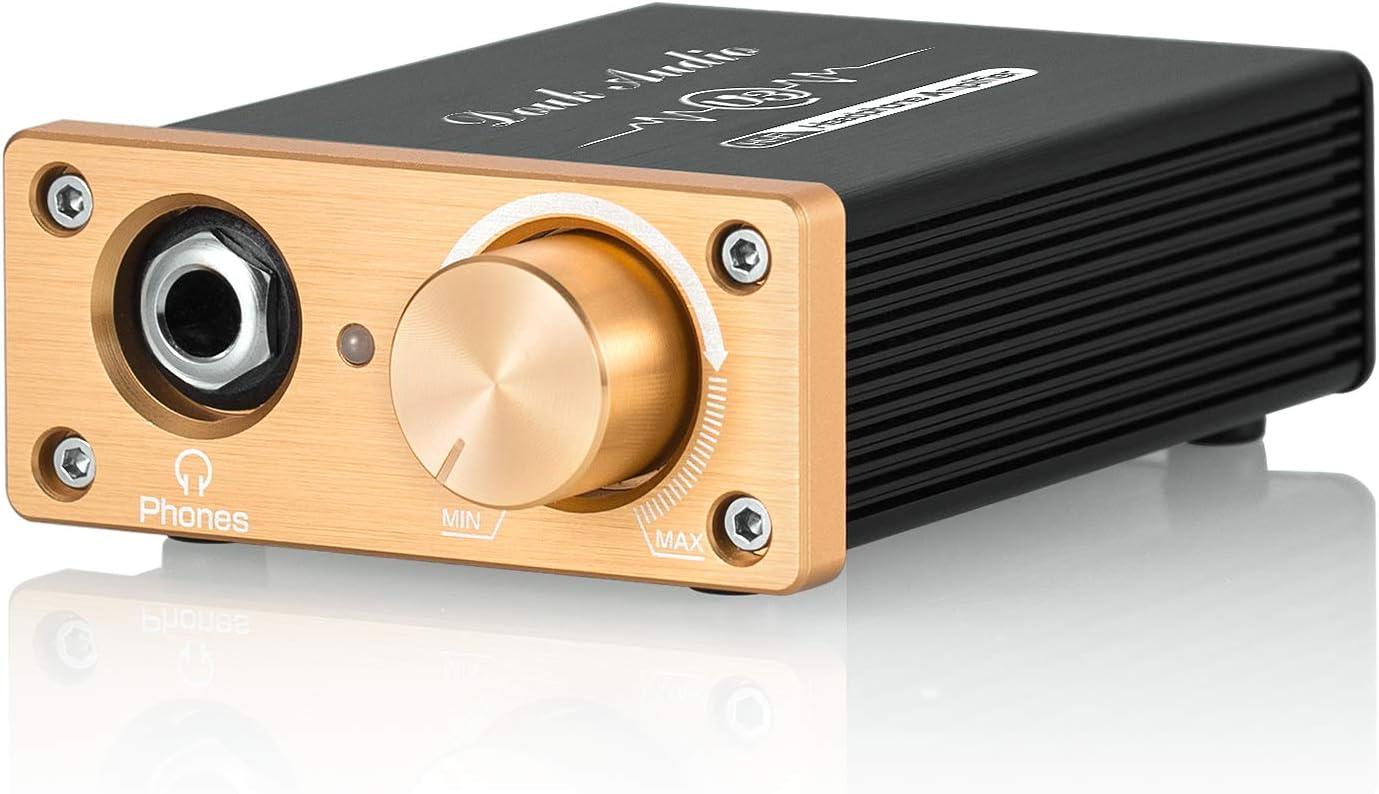
Douk Audio U3 Class A Headphone Amp
This compact desktop amplifier pairs Class A circuitry with a pluggable op amp design, making it an accessible entry point for audiophiles seeking warmer, more detailed sound. It handles impedances from 18 to 600 ohms, including demanding models like HD600 and K701, and runs on modest 5-20V input power. Best suited for desktop setups where space and cost matter but sound quality doesn't get compromised.
Pros
- High output power (1300mW at 32 ohms) drives most headphones with authority, including high-impedance models
- Class A amplification delivers warm, detailed sound signature favored for vocals and acoustic music
- Pluggable op amp socket lets users swap components for sound tuning without additional gear
- Genuinely compact footprint and budget-friendly pricing for Class A performance
- Wide frequency response (20-30kHz) and excellent signal-to-noise ratio (110dB) ensure clean audio
Cons
- RCA input only, no USB or digital inputs, limiting integration with modern source devices
- Class A design generates heat and higher power consumption compared to Class D alternatives
- Requires external power adapter (DC 5-20V) rather than simple USB power
KGUSS A50 III Headphone Amplifier
A premium desktop headphone amp built from solid aluminum with NFCA hybrid feedback architecture. Delivers 3500mW per channel with flexible SE/balanced connectivity and three gain modes to match any headphone impedance, from sensitive IEMs to power-hungry planars. Best suited for audiophiles seeking a compact, well-engineered amplifier with clean aesthetics.
Pros
- Powerful 3500mW x2 output with low distortion below 0.1% at full power
- Dual connectivity: 6.35mm single-ended and 4.4mm balanced headphone jacks with matching RCA and TRS inputs
- Three gain settings accommodate IEMs to high-impedance headphones with minimal noise floor (0.3uVrms)
- Precision CNC-machined aluminum chassis provides excellent shielding and build quality
- 12V Trigger support for synchronized operation with compatible devices like the D50 III DAC
Cons
- No specifications provided for dimensions, weight, or power consumption, limiting portability assessment
- Limited information on actual sonic characteristics or frequency response beyond technical specs
- Only 8 verified reviews available, providing limited long-term user feedback on reliability
Fender Mustang Micro Plus Headphone Amplifier
A portable headphone amp that packs 25 amp and 25 effect models into a pocket-sized device, ideal for silent practice and on-the-go jamming. Bluetooth streaming lets you play along with songs in real time, while 100 editable presets and Fender Tone App integration give you room to customize your tone. The rechargeable battery delivers 4+ hours of play time, making it genuinely travel-friendly.
Pros
- 50 total amp and effect models provide versatile tone shaping from clean to high-gain
- 100 preset slots with Fender Tone App support for easy customization and preset sharing
- Built-in Bluetooth audio streaming syncs with videos and songs for practice along
- Integrated OLED tuner and compact design eliminate need for separate gear
- 4+ hour battery life and USB-C recording enable mobile recording without a full rig
Cons
- Limited to headphone or earbud output only, no speaker connectivity for group play
- Smaller screen and interface may require Fender Tone App for serious preset editing
- Battery life of 4+ hours suits casual sessions but falls short for full-day rehearsals
Audio-Technica ATH-M20x Studio Headphones
The ATH-M20x delivers accurate, studio-grade audio in a lightweight, durable package designed for tracking and mixing. At this price point, it's an excellent entry-level choice for home producers, audio engineers, and anyone seeking professional-quality sound isolation.
Pros
- Accurate, well-balanced audio suitable for critical listening and studio work
- Excellent passive isolation makes these ideal for tracking vocals and instruments
- Comfortable fit for multi-hour studio sessions thanks to professional-grade ear pads
- Durable build quality at an entry-level price point
- Includes 1/4-inch adapter for compatibility with studio equipment
Cons
- Wired design with fixed cable limits portability compared to wireless alternatives
- Bass-forward tuning may not suit those preferring neutral frequency response
- Limited cable length at 9.8 feet may require extension for some studio setups
LZSIG LHA1 4-Channel Headphone Amplifier with Bass Boost
A compact 4-channel headphone amp designed to split one audio source to four independent outputs, each with its own volume control. Features bass boost, stereo/mono switching, and ultra-low noise circuitry using ROHM operational amplifiers. Best suited for studios, live venues, or practice setups where multiple musicians need to monitor from a single source without a mixer.
Pros
- Four fully isolated channels prevent crosstalk interference, keeping each headphone feed clean and independent
- Bass boost enhances 400-600 Hz and 3000-7200 Hz bands with a single button press for immediate tonal shaping
- Accepts both 1/4 inch and 1/8 inch plugs on all four outputs without requiring adapters
- Stereo/mono toggle accommodates both stereo sources (computers, phones) and mono sources (some instruments, mixers)
- Rated 4.5 stars from 755 verified reviews with low distortion performance at 0.1% THD
Cons
- 1-in-4-out design means it splits rather than mixes, so combining multiple audio sources requires a separate mixer
- Limited to headphones only; cannot drive passive speakers and lacks sufficient power for direct speaker connection
- Requires original DC 12V power adapter to avoid noise or buzzing; non-original adapters, loose cables, or nearby interference (phones, Wi-Fi routers, microwaves) can degrade sound quality
Headphone Amps Buying Guide
Choosing the right headphone amplifier depends on the sensitivity and impedance of your headphones, your listening environment, the source devices you plan to connect, and how much flexibility you need for future upgrades.
The sections below walk through every major decision point so you can match the right amp to your specific setup without overspending or undershooting.
Impedance Matching and Output Power
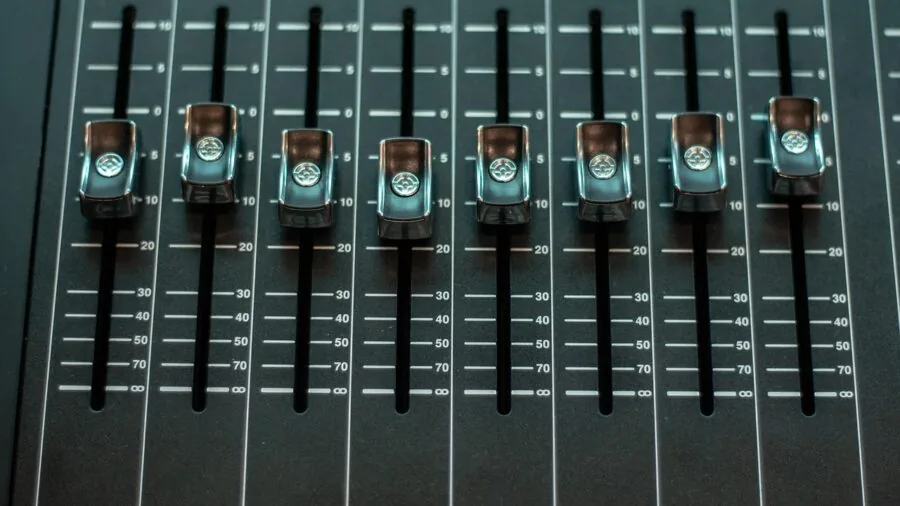
Impedance is the single most important technical spec to understand before buying a headphone amp.
Headphones are typically rated anywhere from 16 ohms (easy to drive, common in consumer earbuds and gaming headsets) up to 300 ohms or beyond for audiophile studio models from Sennheiser or Beyerdynamic.
A smartphone or laptop can struggle badly with anything above roughly 80 ohms, producing thin, low-volume sound with compressed dynamics.
Look for an amp rated to handle the impedance range of your headphones, and pay attention to output power in milliwatts.
High-sensitivity in-ear monitors actually need very low-noise, low-gain amps to avoid hiss, while planar magnetic headphones are power hungry even at moderate impedances.
Some amps, including the Douk Audio U3 PRO, specify a usable range up to 600 ohms, which covers nearly every consumer headphone on the market.
Always cross-check the amp’s gain settings against your headphones’ sensitivity rating, because too much gain introduces noise, while too little leaves the volume knob pegged at maximum.
If you pair your amp with demanding studio monitors or over-ear headphones tuned for bass, higher output power gives you proper headroom for dynamic peaks without clipping.
Budget amps in the sub-watt range work fine for sensitive, low-impedance cans but will hit their ceiling with harder-to-drive models.
Single-Ended vs. Balanced Connections
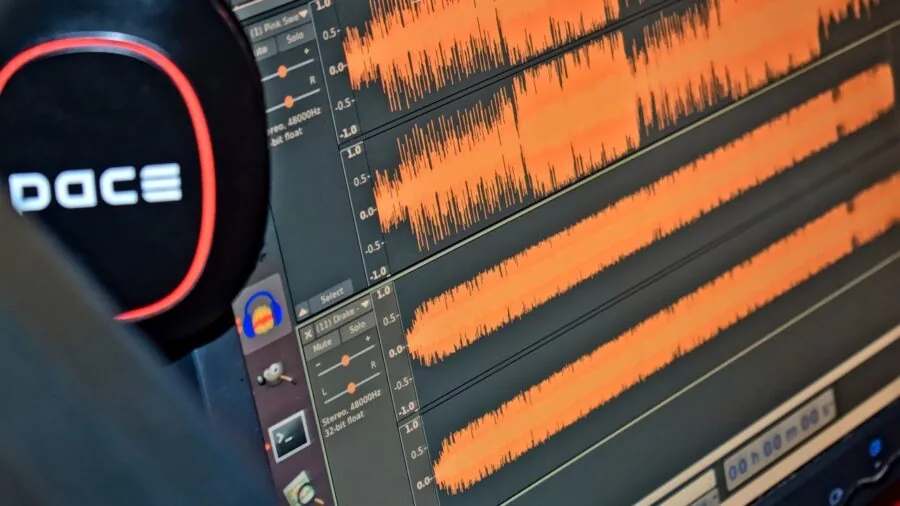
Traditional headphone connections use a single-ended topology: one positive signal wire and one shared ground per channel.
Balanced connections, by contrast, carry the positive and negative signal on separate conductors with no shared ground, which mathematically cancels common-mode noise and can double the maximum output voltage swing. For most casual listeners, single-ended performance is perfectly fine.
For audiophiles or anyone dealing with long cable runs or noisy environments, a balanced output is a meaningful upgrade.
Look for 4.4mm Pentaconn or XLR balanced outputs if you want to take advantage of this topology.
The Schiit Midgard, Fosi Audio ZH3, Topping A50 III, and the LEAUDIO HP70 all offer balanced inputs and outputs, giving you a complete signal path with lower noise floors.
The trade-off is cost and cable compatibility: you will need headphones rewired or shipped with a balanced cable to use these outputs.
Single-ended amps with a 3.5mm or 6.35mm jack still deliver excellent performance when matched to the right headphones.
Budget options like the Douk Audio U3 and the Mackie HM-4 work exclusively in single-ended mode and are entirely appropriate for studio headphone distribution or everyday desktop listening.
Topology: Solid State vs. Tube
Solid-state amplifiers use transistors and operational amplifiers (op-amps) to amplify the signal. They typically offer flat frequency response, very low distortion figures, and consistent performance regardless of temperature or tube age.
Class A solid-state designs like the Douk Audio U3 run their output stage fully in class A at all times, trading efficiency for extremely low crossover distortion.
The result is often described as a warmer, more musical character compared to class AB designs.
Tube amplifiers use vacuum tubes to amplify signal and introduce a small amount of even-order harmonic distortion that many listeners find pleasing.
The Apos Gremlin uses replaceable 12AU7 and 6922 tubes, allowing you to “roll” tubes from different manufacturers to subtly tune the sound character.
Tube amps require a warm-up period, the tubes degrade over time and need occasional replacement, and they are generally less suited for very low-impedance or highly sensitive in-ear monitors due to higher output impedance.
Neither topology is objectively superior. Solid-state amps appeal to engineers and listeners who want transparency and measurable accuracy. Tube amps appeal to listeners who prioritize a certain tonal warmth, particularly for acoustic music and jazz.
Many of the amps in this guide are solid-state, reflecting the current market consensus that they offer better value-per-dollar at most price points.
DAC Integration vs. Standalone Amplification
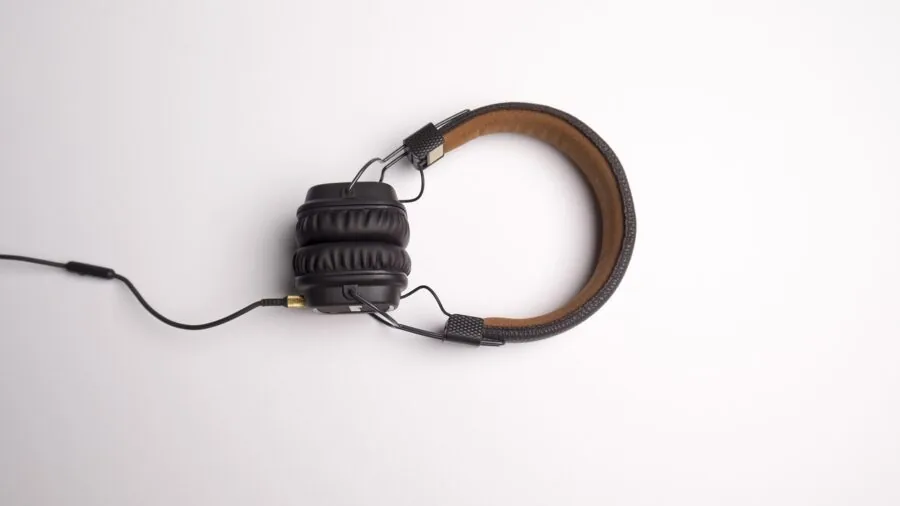
A standalone headphone amplifier assumes you already have a clean analog signal coming in from a DAC (digital-to-analog converter) or an analog source.
A DAC/amp combo like the Fosi Audio ZH3 handles both conversion and amplification in a single chassis, accepting USB, optical (TOSLINK), coaxial, and RCA inputs.
This is convenient and cost-effective for desktop setups where you want a single device to manage everything from your PC or streaming device.
Standalone amps make sense when you already own a quality DAC or when you want to upgrade just one stage of your signal chain at a time.
The Schiit Midgard, for example, accepts both balanced and single-ended analog inputs and is intended to be paired with Schiit’s own DAC products or any third-party DAC with RCA or XLR outputs.
This modular approach lets you swap the DAC separately as technology improves without replacing the amp.
For guitar players, the Fender Mustang Micro Plus operates in a completely different category: it is a headphone amp designed to simulate guitar amplifier models and effects, connecting directly to an instrument rather than to a DAC.
This is a specialized tool, not a general-purpose hi-fi amp.
If general audio quality for music listening is your goal, focus on hi-fi amps; if silent guitar practice with amp simulations is the goal, the Mustang Micro Plus is purpose-built for that use case.
Players who eventually want to share their recordings should also look at microphone options that complement a headphone monitoring setup.
Distribution Amps for Multi-Headphone Setups

If you run a recording studio, podcast setup, or group monitoring situation, a multi-channel headphone distribution amplifier lets you connect several sets of headphones to a single audio source simultaneously.
The AKG HP4E and the Mackie HM-4 are both purpose-built for this scenario, providing four independent headphone outputs from a single input.
The LZSIG unit adds a bass boost feature and includes a power adapter, aiming at home studio users who want a compact and affordable distribution solution.
When evaluating distribution amps, prioritize output level consistency across all channels, input sensitivity, and build quality at the headphone jacks, since these connectors take the most physical wear in studio environments.
The AKG HP4E scores higher than the budget alternatives in this category, reflecting its more robust construction and cleaner channel-to-channel separation according to expert review consensus.
Producers who use high-quality studio monitors alongside their headphone rig may also want to read our guide to bookshelf speakers for music lovers and our review of bookshelf speakers for home theater to complete their listening environment.
Build Quality, Connectivity, and Value
Beyond raw specifications, consider the physical construction of the amp. All-metal chassis designs like the LEAUDIO HP70 and the Schiit Midgard resist interference better than plastic housings and feel more durable over years of daily use.
Volume pot quality matters too: the Schiit Midgard uses an Alps RK27 potentiometer, which is a well-regarded component known for smooth tracking and low channel imbalance at low volumes.
Connectivity flexibility is increasingly important on modern desks cluttered with USB-C devices, streaming streamers, and game consoles. Check what inputs the amp accepts (RCA, XLR, USB, optical) and what outputs are available (6.35mm, 3.5mm, 4.4mm, XLR).
The Fosi Audio ZH3 is notable here for offering USB, optical, coaxial, and RCA inputs plus a 12V trigger, making it unusually versatile at a mid-range price.
A remote control, included with the ZH3, is a quality-of-life addition that standalone amps rarely bother with.
Finally, match the amp’s price tier to how seriously you listen. A budget class A amp like the Douk Audio U3 is a legitimate upgrade over a computer’s onboard audio for casual listeners and students.
Spending more on a fully discrete balanced design like the LEAUDIO HP70 or Schiit Midgard only makes sense if your headphones, source, and listening habits can actually reveal the difference.
Pair the right amp with equally capable over-ear headphones to hear what your investment is actually doing.
Why You Should Trust Us
REMOVU is an independent review publication. Every product in this guide was evaluated against a consistent set of criteria and scored on the REMOVU Score scale of 0 to 10.
Our assessments are built on a multi-source research methodology: we analyze published manufacturer specifications, synthesize consensus from experienced audio reviewers and professional publications, and weight verified buyer feedback from confirmed purchasers to surface real-world performance patterns that specifications alone cannot reveal.
We do not conduct our own product trials; our evaluations are grounded in research, published data, expert review consensus, and verified buyer feedback.
This approach lets us cover a broader range of products more consistently than any single listening room could, and it means our scores reflect aggregated real-world experience rather than the preferences of one reviewer.
When expert consensus is split or buyer feedback diverges from spec-sheet promises, we note it explicitly so you can make an informed decision.
REMOVU may earn a commission if you purchase through links on this page. That affiliate relationship has no influence whatsoever on our scores, rankings, or product selection. Products are ranked by their REMOVU Score, not by commission rates.
We recommend the same products regardless of affiliate availability, and we exclude products that do not meet our research-based quality threshold even when they carry higher margins.
Final Thoughts
The headphone amplifier market in 2026 is genuinely strong across every price tier, and this list reflects that range.
Whether you need a no-frills desktop class A amp, a four-channel studio distribution unit, a fully balanced discrete design, or a guitar-centric amp simulator, there is a clear recommendation here.
Below are our standout picks by category, each linked for quick reference.
- Best Overall: LEAUDIO Gustard/Audalytic HP70 earns the top REMOVU Score in this group with its fully balanced discrete circuit, LME49720 dual op-amp topology, and premium all-metal build, making it the strongest all-around performer for serious audiophile desktop listening.
- Best Value Upgrade: Schiit Midgard delivers a USA-made fully discrete amplifier with Alps RK27 volume control, balanced and single-ended I/O, and approximately 5 watts into 32 ohms, all at a mid-range price that punches well above its class.
- Best DAC/Amp Combo: Fosi Audio ZH3 stands out for pairing an AKM4493SEQ DAC chip and XMOS XU316 USB interface with fully balanced preamp functionality, multiple digital inputs, and a remote control, giving it remarkable versatility at its price point.
- Best Budget Class A Pick: Douk Audio U3 PRO is the most capable budget option in this roundup, covering headphones from 18 to 600 ohms with 1500mW of output power and both 3.5mm and 6.35mm jacks, powered by a simple USB-C connection.
- Best for Studio Distribution: AKG HP4E is the professional choice for multi-headphone monitoring in recording and podcast environments, offering four independently driven outputs with reliable channel separation in a robust build.
Whichever amp you choose, pairing it with quality source material and well-matched headphones will let you hear everything your amp is actually doing.
If you are still deciding on the headphones side of the chain, our coverage of over-ear headphones under a mid-range budget and budget over-ear headphones covers the most popular pairing ranges.
Gamers who also want amplified audio for competitive play may find our guide to gaming headsets for every platform useful as a complementary read. For complete audio system planning, our audio and headphones hub has the full picture.
Frequently Asked Questions
Do I actually need a headphone amp, or will my phone’s output work fine?
For low-impedance, high-sensitivity headphones like typical consumer earbuds and many wireless over-ear models, a phone’s built-in output is usually sufficient.
However, if you own higher-impedance headphones (generally above 80 ohms) or planar magnetic models, a dedicated headphone amp will provide noticeably more volume, better dynamic range, and lower distortion at loud listening levels.
You may also notice hiss is reduced with sensitive in-ear monitors when using an amp with a proper low-noise, low-gain setting compared to a noisy onboard audio chip.
What is the difference between a headphone amp and a DAC/amp combo?
A standalone headphone amp accepts an analog signal (via RCA or XLR) and amplifies it.
A DAC/amp combo adds a digital-to-analog converter stage, meaning it can accept a digital signal directly from a computer via USB, optical, or coaxial and both convert and amplify it.
If you already own a quality DAC or use a turntable or analog preamp as your source, a standalone amp is appropriate.
If your primary source is a computer or streaming device with digital outputs, a DAC/amp combo like the Fosi Audio ZH3 simplifies your setup considerably.
Is a balanced headphone amp worth the extra cost?
Whether balanced output is worth paying more for depends on your headphones and your sensitivity to background noise. Balanced amplification cancels common-mode noise and can deliver higher output power from the same circuit.
In quiet listening environments with high-quality headphones, the difference is audible as a lower noise floor and slightly better channel separation. For most listeners using mid-tier headphones in typical home environments, a well-designed single-ended amp delivers perfectly satisfying results.
Balanced connectivity becomes more clearly worthwhile at the higher end of the market, where the headphones themselves are resolving enough to reveal the improvement.
Can I use a headphone amp as a preamp for powered speakers?
Many headphone amps include a preamp output, particularly higher-end models. The Schiit Midgard and Fosi Audio ZH3 both include preamp functionality, allowing you to connect powered monitors and control their volume through the amp’s volume pot.
This makes them dual-purpose devices suitable for a desktop setup where you switch between headphone listening and speaker listening. Not all headphone amps include this feature, so check the product specifications carefully if preamp use is important to you.
If you are building out a full desktop speaker setup, our roundup of bookshelf speakers for every room and budget pairs naturally with this guide.
How many headphone outputs do I need for a home studio?
For solo home recording, a single high-quality output is sufficient. If you collaborate with other musicians or run voice-over sessions where a director and talent need to monitor simultaneously, a four-channel distribution amp is the practical minimum.
Both the AKG HP4E and the Mackie HM-4 offer four outputs and are frequently recommended in home studio contexts.
For larger group sessions, rack-mounted multi-channel distribution systems are the professional standard, though they fall outside the scope of this particular roundup.
Podcasters and content creators who prioritize portability may also want to consider wireless headset options for monitoring during remote sessions.
Does the type of music I listen to change which amp I should buy?
To a degree, yes. Tube amplifiers like the Apos Gremlin are often favored by listeners who primarily enjoy acoustic music, jazz, and vocals, because the subtle harmonic coloration complements those genres’ natural timbre.
Solid-state class A amps are typically preferred for electronic music, orchestral recordings, and anything where accurate tonal balance and low distortion matter more than coloration.
For critical mixing and studio work where your monitoring needs to be as neutral as possible, a flat-measuring solid-state amp is the more appropriate tool.
Those mixing decisions also benefit from using the right headphones, so pairing this guide with our coverage of noise cancelling headphones in the mid-range budget gives you a fuller picture of building an effective monitoring chain.
About the author
Hannah writes about video doorbells for REMOVU, comparing video quality, smart alerts, and subscription value. She helps readers keep an eye on the porch without overpaying for storage.