The 8 Best Camera Drones Under $500
Flight time, gimbal stabilization, GPS reliability, and sub-249g portability all vary wildly in this price range. Here are the picks that actually deliver on their promises.
 By Nevaeh Ross
Updated July 26, 2026
By Nevaeh Ross
Updated July 26, 2026
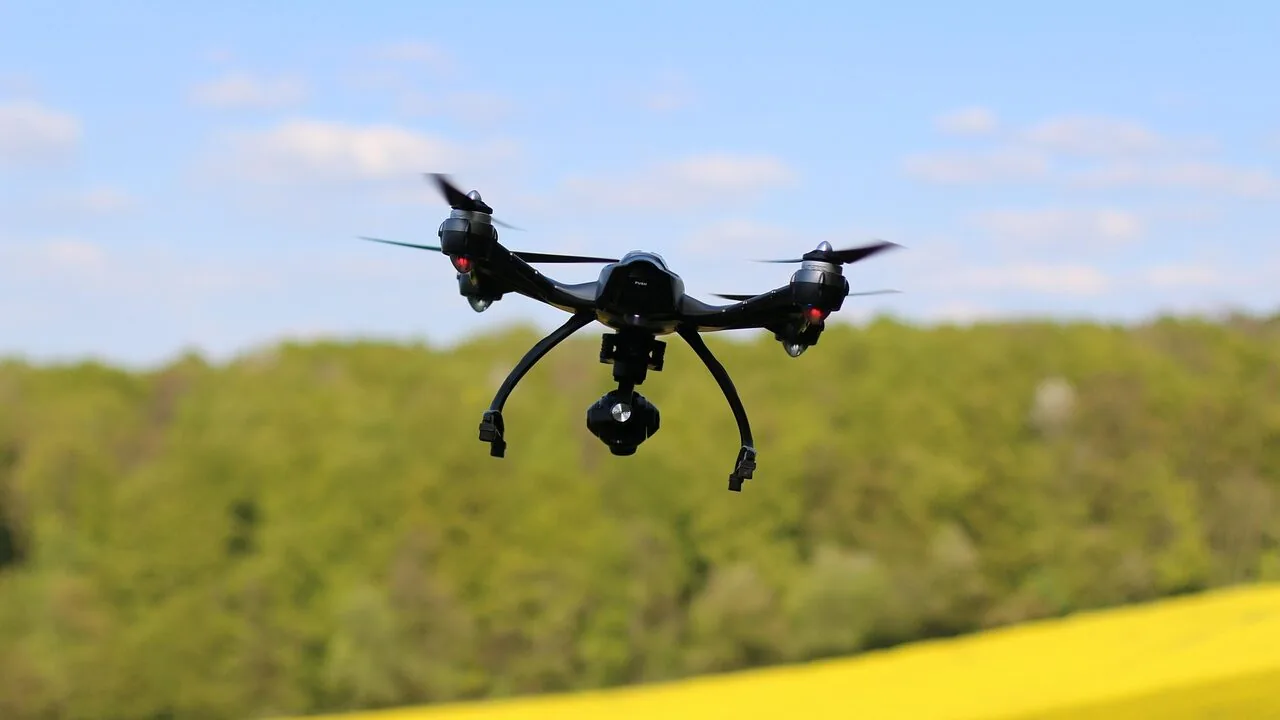
Camera drones under $500 have never been more capable.
Whether you want smooth 4K aerial footage for travel vlogs, a lightweight flyer that fits in a backpack, or a beginner-friendly quad to build your skills, this price range now delivers features that were reserved for professional rigs just a few years ago.
GPS-assisted hovering, gimbal stabilization, subject tracking, and intelligent flight modes are all available without breaking the bank, which makes choosing the right model genuinely difficult.
To help you cut through the noise, the team at REMOVU researched every model on this list by analyzing published specifications, synthesizing expert review consensus across the industry, and weighing verified buyer feedback from thousands of real-world owners.
Our research covers everything from camera drones across every skill level to beginner-friendly picks, so you get recommendations grounded in the full market picture.
Read on for our top picks, followed by a practical buying guide that explains exactly what to look for.
| Award | Product | REMOVU Score About REMOVU ScoreThe REMOVU Score is our own rating from 0 to 10, based on performance, design and build, ease of use, and value. It reflects independent research and is never influenced by manufacturers, retailers, or affiliate commissions. Learn more › | Price | |
|---|---|---|---|---|
| Best Overall |
 DJI Neo 135g Palm-Takeoff Drone with 4K Camera
|
8.9/10 | Buy | |
| Best Premium |
 DJI Mini 4K Drone with 4K Camera
|
8.5/10 | Buy | |
 Potensic ATOM SE GPS Drone, 4K EIS, 62-Min Flight
|
8.2/10 | Buy | ||
 VUCDUSK 4K GPS Drone with 4.5-inch FPV Controller
|
6.7/10 | Buy | ||
| Best Value |
 Karuisrc GPS Drone with 4.5" Controller Screen
|
7.3/10 | Buy | |
| Best Budget |
 RELIDOL PK01 Foldable Drone with Screen Controller
|
6.4/10 | Buy | |
 Pallton 1080P Foldable Mini Drone with 2 Batteries
|
6.2/10 | Buy | ||
 RELIDOL 1080P Foldable Drone with Gesture Control
|
6.2/10 | Buy |
DJI Neo 135g Palm-Takeoff Drone with 4K Camera
A featherweight drone that eliminates controller complexity by taking off from your palm and flying controller-free via voice or app commands. Built-in subject tracking and creative QuickShots modes make it accessible for casual vloggers and families, while 4K stabilized video and propeller guards provide quality footage without requiring FAA registration.
Pros
- Ultralight at 135g, avoiding FAA registration requirements and fitting easily into bags or pockets
- Palm takeoff and landing with one-button operation removes barriers to entry for beginners
- Subject tracking and eight QuickShots modes (Dronie, Circle, Helix, Boomerang) deliver cinematic results without manual piloting
- 4K UHD video with stabilization and level-4 wind resistance ensures smooth footage in varied conditions
- Multiple control options (controller-free, voice, mobile app, optional RC) suit different user preferences
Cons
- DJI Fly app must be downloaded from DJI's website rather than Google Play due to platform compatibility issues, adding an extra setup step
- Controller-free operation limits advanced flight control for users wanting precision maneuvering or longer-range flights
- Battery life not specified in available product data, making flight duration unclear for trip planning
DJI Mini 4K Drone with 4K Camera
A lightweight sub-249g drone designed for beginners and casual creators, the Mini 4K delivers 4K video with a 3-axis gimbal and 31-minute flight time. Its 10km transmission range, automated QuickShots, and intuitive controls make it accessible for first-time flyers, though it's positioned as an entry-level option with some limitations compared to higher-end DJI models.
Pros
- No FAA registration required in most regions due to sub-249g weight
- 4K/30fps video with 3-axis gimbal stabilization for smooth, cinematic footage
- 31-minute max flight time per battery, extendable with additional batteries (62 or 93 minutes total)
- Beginner-friendly with one-tap takeoff/landing, GPS Return to Home, and automated QuickShots (Helix, Dronie, Rocket, Circle, Boomerang)
- Level 5 wind resistance (38 kph) and stable hovering for reliable outdoor performance
Cons
- DJI Fly app removed from Google Play; requires downloading directly from DJI's website, adding extra setup steps
- Lower camera sensor (1/2.3-inch CMOS) and 12MP resolution compared to Mini 3 and Mini 3 Pro models
- 10km transmission is adequate but lower than newer O4 systems on other DJI models; video transmission limited to 720p/30fps
- No vertical/portrait mode shooting capability, limiting creative framing options
Potensic ATOM SE GPS Drone, 4K EIS, 62-Min Flight
A lightweight sub-249g drone built for beginners and casual flyers who want 4K video without FAA registration hassles. The ATOM SE balances portability with practical features like GPS auto-return, 4km transmission range, and decent wind resistance, making it accessible for someone stepping into aerial photography without overcomplicating the experience.
Pros
- No FAA registration needed under 249g weight limit, removing bureaucratic friction for US/Canada users
- Solid 62-minute total flight time with two included batteries, practical for extended sessions
- 4K/30fps video with EIS stabilization and Sony 1/3-inch sensor delivers usable image quality for the price tier
- GPS auto-return on signal loss or low battery provides genuine safety reassurance for beginners
- Foldable pocket-sized design and brushless motor with level-5 wind resistance enable reliable outdoor shooting
Cons
- EIS gimbal is less sophisticated than the 3-axis gimbal on the ATOM 2, limiting professional-grade stabilization
- 4km transmission range trails competing models in open-water or long-distance scenarios
- Micro SD card not included; requires separate purchase for video storage and firmware updates
VUCDUSK 4K GPS Drone with 4.5-inch FPV Controller
This GPS quadcopter combines a 4K camera with a built-in 4.5-inch display controller, eliminating the need for smartphone tethering during basic flight. Dual batteries deliver up to 60 minutes of total flight time, while GPS, optical flow positioning, and three return-to-home safeguards make it accessible for beginners seeking extended outdoor sessions without registration hassle due to its sub-250g weight.
Pros
- 4.5-inch integrated FPV display allows standalone flying without phone dependency
- Dual batteries provide 60 minutes combined flight time for extended missions
- Triple return-to-home functions (one-key, low battery, signal loss) enhance safety
- Brushless motors deliver quieter, more durable operation with improved stability
- Foldable design and sub-250g weight enable convenient portability and FAA registration exemption
Cons
- No verified buyer reviews available to confirm real-world performance claims
- Intelligent features like Follow Me and Track Flight require smartphone app connectivity, limiting standalone capability
- Specifications array incomplete in source data, leaving some technical details unconfirmed
Karuisrc GPS Drone with 4.5" Controller Screen
This GPS-enabled quadcopter targets adult beginners and casual creators with a built-in 4.5-inch display on the remote for real-time preview. Key strengths include intelligent tracking modes (Follow Me, Orbit, Waypoint), extended control range up to 400m, and automatic return-to-home positioning. Best suited for aerial photography of landscapes and action content without heavy technical setup.
Pros
- Large 4.5-inch LCD screen on controller provides live HD feed and eliminates need for separate phone mounting
- Multiple autonomous flight modes (Follow Me, Orbit Mode, Waypoint Navigation) simplify cinematic shots for beginners
- GPS precision positioning and auto-return function offer confidence for outdoor exploration up to 250m mapping range
- Extended 400m control distance enables coverage of large areas while maintaining stable transmission
- Lightweight design under 249g reduces regulatory complexity in many regions
Cons
- Specifications array not populated in available data, limiting detailed performance comparisons
- No information on battery life or flight time specifics for operational planning
- Limited detail on wind resistance capabilities despite marketing mention, making real-world stability assessment difficult
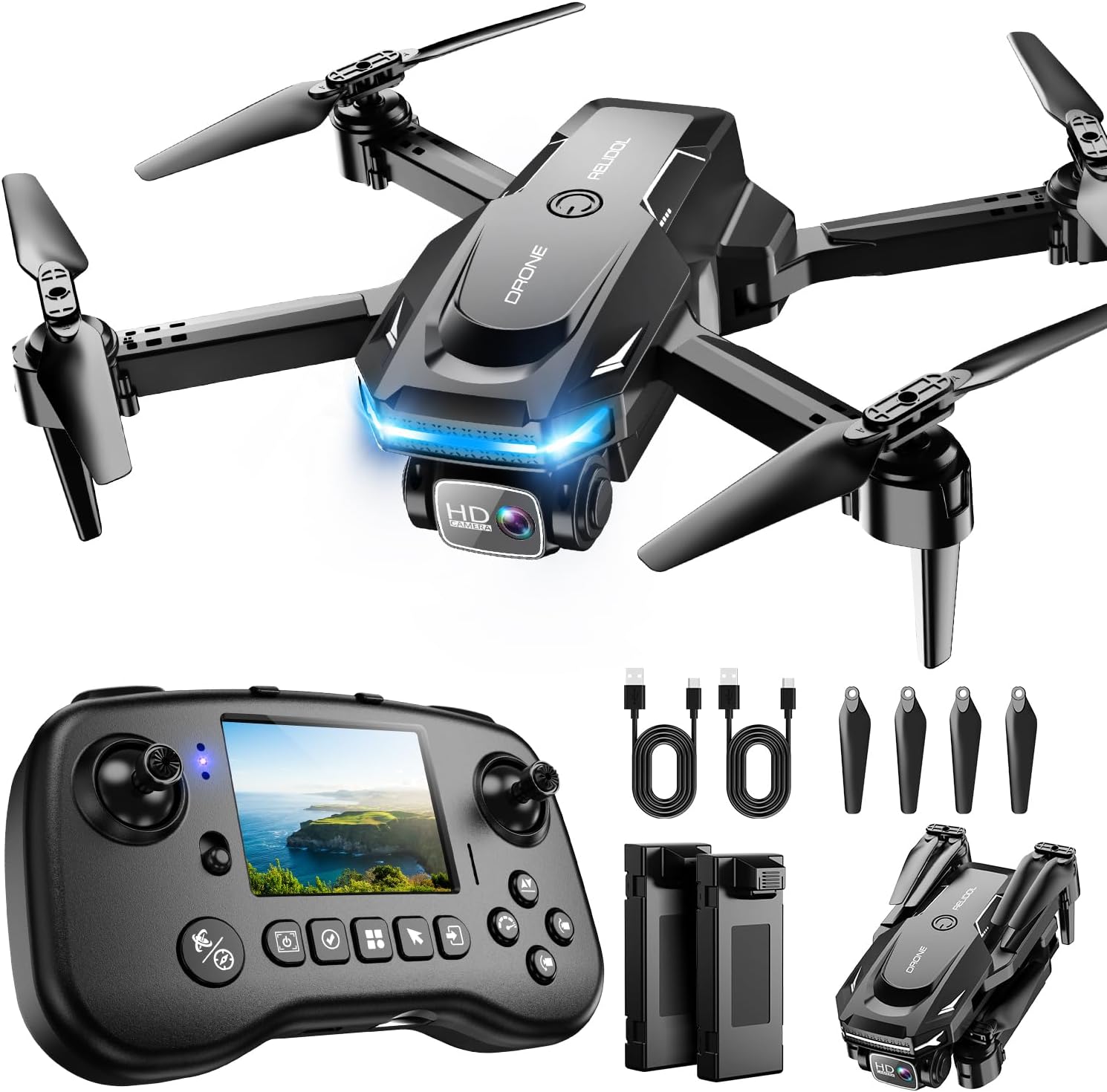
RELIDOL PK01 Foldable Drone with Screen Controller
This beginner-friendly quadcopter pairs a built-in LCD display on the remote with a 1080P adjustable camera, eliminating the need for a smartphone to start flying. Two included batteries stretch flight time to 25 minutes total, while headless mode and one-key controls make it accessible for newcomers. Best suited for casual indoor and outdoor flying rather than advanced aerial photography.
Pros
- LCD screen on remote controller lets you monitor HD feed without a phone
- Two batteries included provide extended 25-minute total flight time
- Headless mode and one-key takeoff/landing simplify beginner operation
- Brushless motors deliver smooth, durable performance
- Propeller guards and emergency stop add safety layers for new pilots
Cons
- SD card required to save footage but not included in package
- Some advanced features like waypoint flight only work via app, requiring phone setup anyway
- 1080P camera at 80-degree fixed angle limits creative framing compared to premium drones
- Recommended flight distance under 30 meters and altitude under 6 meters restricts practical range
Pallton 1080P Foldable Mini Drone with 2 Batteries
A beginner-friendly quadcopter that prioritizes ease of use with one-key takeoff, altitude hold, and intuitive app control. The 1080P camera and real-time FPV feed make it appealing for casual aerial photography, while dual batteries extend flight time to around 24 minutes total. Best suited for families and novice pilots wanting a portable, low-stress introduction to drone flying.
Pros
- One-key takeoff and landing with altitude hold make it genuinely accessible for kids 8+ and adults with no flying experience
- Dual modular batteries provide approximately 24 minutes of total flight time, doubling single-battery duration
- 1080P HD camera with real-time FPV transmission and gesture selfie feature adds creative value for casual users
- Compact foldable design with included carrying case enhances portability for trips and outdoor outings
- 3D flips, trajectory flight, and 3-speed modes offer progression from beginner to more skilled flying
Cons
- 1080P resolution is modest by current standards and limits detailed aerial photography compared to higher-end drones
- Small propeller guards and lightweight construction suggest limited durability in windy conditions or rough handling
- App-dependent features like trajectory flight and gravity control require smartphone connectivity, which may frustrate users preferring simple remote-only operation
RELIDOL 1080P Foldable Drone with Gesture Control
A beginner-friendly quadcopter featuring a 1080P camera, dual batteries for up to 25 minutes of flight time, and intuitive controls like gesture photography and one-key start. The foldable design and propeller guards make it practical for both indoor and outdoor use, though wind sensitivity limits performance in less-than-ideal conditions.
Pros
- Extended flight time with two included batteries, each providing 10-12 minutes of operation
- Gesture control and voice command features reduce the learning curve for new pilots
- Stable hover system with headless mode and altitude hold for easier handling
- Compact and portable with no FAA registration required
- Multiple control modes including remote, app, and gravity-sensing smartphone control
Cons
- Recommended for windless indoor spaces and altitudes below 6 meters, limiting outdoor versatility
- 1080P camera is modest by current standards and lacks 4K capability
- Some advanced features require app control, splitting functionality between remote and smartphone
Camera Drones Under $500 Buying Guide
Picking a camera drone in this price segment requires balancing several competing priorities. Flight performance, image quality, portability, regulatory compliance, and ease of use all pull in different directions depending on how and where you plan to fly.
The subsections below walk through the criteria that matter most, so you can match a model to your actual needs rather than just chasing the highest spec sheet.
Camera Quality and Stabilization

Resolution is the first number most buyers notice, but it tells only part of the story. A 4K sensor mounted on a 3-axis mechanical gimbal will consistently outperform a higher-resolution sensor relying solely on Electronic Image Stabilization (EIS).
Mechanical gimbals physically counteract pitch, roll, and yaw movements, producing silky footage even in moderate wind, while EIS works by cropping and digitally shifting the image frame, which can introduce a subtle warping effect and reduces the effective field of view.
At this price tier, 4K at 30fps is the practical benchmark for video quality.
Look for drones that pair a capable sensor with at least 2-axis gimbal stabilization; 3-axis stabilization is the gold standard and appears on premium picks in this range.
If mechanical gimbal stabilization is absent, confirm that the EIS implementation is rated highly by expert reviewers before committing, as quality varies enormously between manufacturers.
Still photography matters too, particularly for real estate scouting, landscape work, or social media content. A larger sensor aperture and RAW capture support give you significantly more latitude in post-processing.
If aerial photography is your primary goal rather than video, weight that criterion heavily in your decision.
Flight Time and Battery Life
Manufacturer-quoted flight times are measured under ideal, windless laboratory conditions and almost always represent a ceiling rather than a realistic average.
A model rated for 31 minutes will typically deliver 22 to 25 minutes of usable flight time in real conditions once you account for takeoff, landing, return-to-home reserves, and light wind resistance. Plan your kit accordingly.
Buyers who want uninterrupted sessions should budget for at least one spare battery, since most charging cycles take 60 to 90 minutes. Some bundles include multiple batteries at the point of sale, which can represent meaningful savings compared to buying separately.
Verified buyer feedback consistently highlights that single-battery kits frustrate users who travel specifically to fly, so treat a second battery as nearly essential kit.
Weight, Portability, and Regulations
The 249-gram threshold is arguably the single most important specification in consumer drones right now. In the United States, drones under 250g are exempt from FAA Remote ID broadcast requirements for recreational flyers and fall into a lower-risk registration category.
Similar weight-based regulatory tiers exist in the EU, UK, Canada, and across much of Asia, making sub-249g models dramatically simpler to fly legally in more locations.
Beyond regulation, weight directly affects packability. Ultralight foldable models slip into a jacket pocket or the top pouch of a daypack, removing the need for a dedicated drone bag.
If you travel frequently and want to capture aerial footage on trips, a sub-249g foldable drone is almost always the smarter choice over a heavier, more powerful alternative.
Our broader camera drone guide covers heavier, more capable models if your use case demands them.
GPS, Intelligent Flight Modes, and Tracking

GPS-assisted hovering transforms the flying experience for beginners. Without it, a drone requires constant manual correction to hold position, which is tiring and error-prone.
With GPS, the drone locks its position automatically, freeing you to focus on framing and camera control.
GPS also enables return-to-home safety features that bring the drone back automatically if signal is lost or the battery runs low, dramatically reducing the risk of a lost aircraft.
Intelligent flight modes such as QuickShots (pre-programmed cinematic maneuvers), orbit mode, and follow-me tracking add creative flexibility without demanding advanced piloting skill.
Subject tracking quality varies considerably between manufacturers; premium implementations use computer vision to maintain lock even as the subject changes speed or direction, while budget implementations may lose track easily or lag noticeably.
Expert reviewer consensus is your best guide here, since on-paper descriptions rarely convey real-world tracking reliability.
Brushless motors are another worthwhile indicator of overall engineering quality. They run quieter, last longer, and handle wind gusts more smoothly than brushed alternatives. Most GPS drones in this price range use brushless motors, but it is worth confirming before purchasing a no-name budget model.
Video Transmission Range and FPV Quality
Transmission range determines how far you can fly while maintaining a live video feed to your controller or smartphone.
Proprietary transmission systems like DJI’s O2 and O3 deliver significantly longer effective range and more resilient signal quality in congested radio environments compared to generic 5.8 GHz Wi-Fi connections found on budget models.
If you intend to fly in urban areas or near other radio interference, the quality of the transmission system matters as much as its rated range.
FPV (first-person view) quality also affects how enjoyable flying feels day to day. A smooth, low-latency live feed makes it easier to frame shots precisely and respond to obstacles.
Some models include a built-in screen on the controller, which eliminates smartphone compatibility issues and glare problems outdoors. Buyers who fly frequently in bright sunlight often find a dedicated screen preferable to squinting at a phone display.
Ease of Use and Who It Is Really For
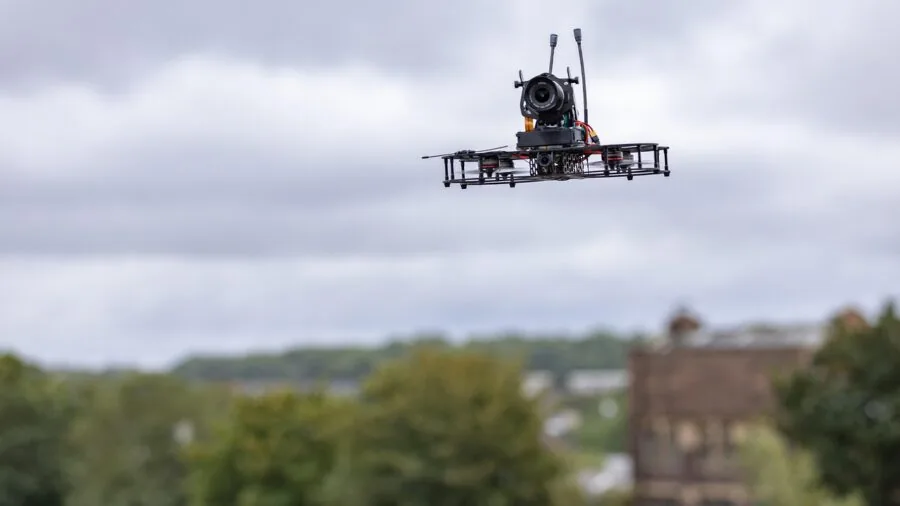
Not every drone on this list is built for the same buyer.
Some models, like toy-grade quads with fixed 1080p cameras and no GPS, are genuinely aimed at children and casual indoor flyers, while others are serious travel tools with professional-grade stabilization and regulatory-friendly weight.
Matching the drone to the actual user avoids frustration and wasted money.
Beginners benefit most from stable GPS hovering, automatic takeoff and landing, obstacle avoidance or propeller guards, and a straightforward companion app.
If you are buying for a child or a first-time flyer, camera drones designed for kids offer the right balance of durability, safety features, and simplified controls.
Experienced pilots stepping up from a toy quad will appreciate longer transmission range, higher-quality optics, and more granular manual controls.
Why You Should Trust Us
REMOVU is an independent review publication with no manufacturer relationships influencing our recommendations.
Every product on this list was evaluated using our structured research methodology: we analyze published specifications, synthesize expert review consensus from across the industry, and assess verified buyer feedback from confirmed purchasers.
We do not conduct our own product trials; our evaluations are grounded in research, published data, expert review consensus, and verified buyer feedback.
Each model is then scored on the REMOVU Score scale from 0 to 10, applied consistently across the category so you can compare models at a glance.
REMOVU may earn a commission if you purchase through a link on this page. That affiliate relationship has zero influence on our rankings, scores, or product selection.
We include a product because our research indicates it genuinely serves a real buyer need at its price point, not because of commercial incentives. Products are ranked by REMOVU Score, not by margin or promotional arrangement.
Final Thoughts
The camera drone market under $500 spans an enormous quality range, from simple toy quads built for backyard fun to genuinely capable aerial cameras that rival gear costing far more.
Our research identified a clear hierarchy, and the following picks earned the highest distinction in each category.
- Best Overall: DJI Neo earns the top spot on this list with the highest REMOVU Score in the group. Its palm takeoff, subject tracking, QuickShots, built-in propeller guards, and ultra-lightweight 135g design combine intelligent automation with genuine portability in a way no competitor at this price matches.
- Best 3-Axis Gimbal Pick: DJI Mini 4K delivers the most stabilized footage in this roundup thanks to its 3-axis gimbal, while staying under 249g for simplified regulatory compliance. It is the pick for buyers who prioritize smooth video above all else.
- Best Budget GPS Drone: Potensic ATOM SE punches well above its price class with a brushless motor, GPS positioning, EIS-equipped 4K camera, and an impressive rated flight time, making it the standout value option for buyers who want GPS reliability without reaching further up the price ladder.
- Best for Beginners on a Budget: Karuisrc GPS Drone offers GPS-assisted flight, AI tracking, orbit mode, and a built-in LCD screen on the controller at a wallet-friendly price, giving new pilots a meaningful feature set without a steep learning curve.
- Best Entry-Level Toy Quad: Pallton Mini Drone is the right pick for casual indoor fun or young flyers who want a simple, affordable introduction to quadcopters with altitude hold and one-key start, without the complexity of GPS or advanced camera systems.
If your needs extend beyond this budget, our camera drones under $1,000 guide covers more advanced options with obstacle avoidance, longer range, and larger sensors. For pilots just starting out, the beginner camera drone roundup narrows the field to the most forgiving models regardless of price.
Frequently Asked Questions
Do I need to register a drone under $500 with the FAA?
It depends on the weight. In the United States, drones weighing 250 grams or more must be registered with the FAA before flying outdoors, even recreationally.
Drones under 250g avoid mandatory Remote ID registration for recreational use, which is why the sub-249g specification appears so prominently in this price range.
Always verify the current regulations for your specific location before flying, as rules change and vary internationally.
Is a mechanical gimbal really necessary, or is EIS good enough?
For most buyers who want polished aerial footage, a mechanical gimbal makes a noticeable difference. A 3-axis gimbal physically stabilizes the camera against vibration and movement, producing smooth video even in gusty conditions.
EIS works by digitally processing the image after capture, which introduces a slight crop and can still look shaky in strong wind.
If video quality is your primary reason for buying a camera drone, prioritize models with at least a 2-axis gimbal.
How far can a drone under $500 realistically fly?
Transmission range claims from manufacturers should be treated as theoretical maximums recorded in open, interference-free environments. Real-world effective range is typically lower, especially in urban areas with dense Wi-Fi and radio traffic.
Premium transmission systems like those found on DJI models maintain reliable video links at substantially greater distances and in more challenging conditions than generic Wi-Fi-based systems used on budget models.
Regardless of range capability, regulatory line-of-sight rules require you to keep the drone within visual range in most jurisdictions.
What is the actual flight time I should expect from these drones?
Plan for roughly 70 to 80 percent of the manufacturer’s quoted flight time under normal conditions. Wind, aggressive flying, cold temperatures, and frequent recording all reduce battery endurance.
Buying a spare battery or a multi-battery bundle before your first serious outing is strongly recommended, as charging times typically run 60 to 90 minutes per cycle.
Are budget no-name drones worth buying, or should I stick to known brands?
Brand reputation correlates strongly with after-sale support, firmware update reliability, and spare parts availability. Established names like DJI and Potensic have documented track records of addressing bugs through software updates and maintaining spare part supply chains.
No-name budget models can offer surprisingly decent hardware at low prices, but verified buyer feedback frequently highlights inconsistent quality control, limited customer support, and discontinued spare parts.
For casual indoor use or gift buying, a budget model may suffice; for regular outdoor flying, the investment in a reputable brand pays dividends over time.
Our beginner camera drone guide focuses specifically on reliable entry-level options that balance cost and build quality.
Can these drones be used for professional photography or real estate work?
The top-tier picks in this roundup, particularly those with 4K gimbal-stabilized cameras, are capable of producing footage that meets professional requirements for many real estate, travel, and content creation applications.
However, commercial drone operations in the United States require an FAA Part 107 Remote Pilot Certificate regardless of drone size or cost. If you are pursuing paid work, ensure your certification and insurance are in order before flying commercially.
For more demanding professional imaging work involving larger sensors and RAW capture, explore our guide to camera drones built for photography.
About the author
Nevaeh is REMOVU's over-ear headphone writer, judging sound, comfort, and value across wireless and wired models. She helps readers find a spacious, long-wear pair for home or travel.