The 8 Best Camera Drones for Beginners
Picking your first camera drone is easier when you know what actually matters. Here are the GPS-equipped, sub-249g picks that deliver smooth 4K footage without a steep learning curve.
 By Myrtle Baker
Updated July 26, 2026
By Myrtle Baker
Updated July 26, 2026
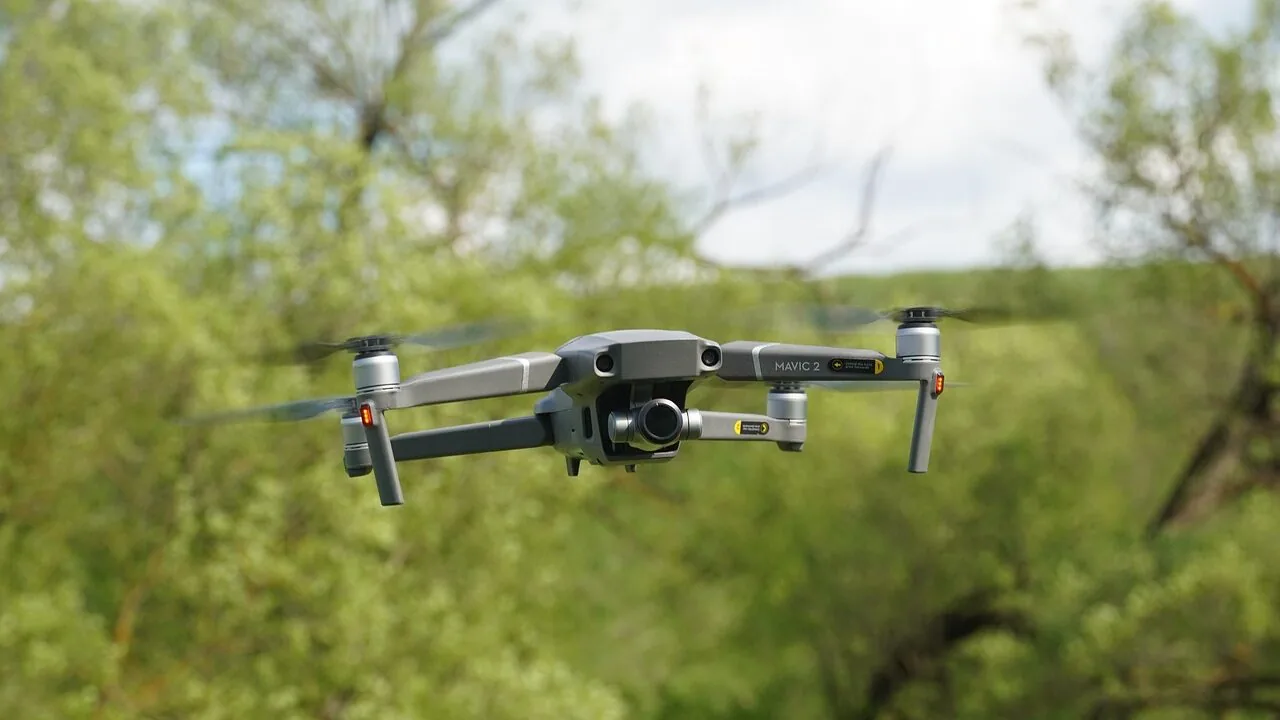
Getting into drone photography has never been more accessible. Today’s beginner-friendly camera drones pack genuine 4K video, GPS-assisted stabilization, and intelligent flight modes into compact, sub-249g frames that sidestep many FAA registration requirements.
Whether you want to capture sweeping landscape shots on a hiking trip or document a family gathering from the air, the right drone can deliver results that would have required professional equipment just a few years ago.
The challenge is cutting through a crowded market where marketing claims often outpace real-world performance, and specs alone rarely tell the full story.
That’s exactly why we researched this category in depth: evaluating options from brands like DJI, Potensic, Bwine, Gleesfun, Oddire, VUCDUSK, CHUBORY, and Trinton against a consistent set of criteria covering image quality, flight stability, ease of use, and value.
Our analysis draws on published specifications, expert review consensus across the industry, and verified buyer feedback to surface the picks that genuinely serve new pilots.
Scroll down for our ranked top picks, then read the buying guide below to match the right drone to your needs.
| Award | Product | REMOVU Score About REMOVU ScoreThe REMOVU Score is our own rating from 0 to 10, based on performance, design and build, ease of use, and value. It reflects independent research and is never influenced by manufacturers, retailers, or affiliate commissions. Learn more › | Price | |
|---|---|---|---|---|
| Best Overall |
 DJI Mini 4K Drone with 4K Camera
|
8.5/10 | Buy | |
| Best Premium |
 Potensic ATOM 4K GPS Drone with 3-Axis Gimbal
|
7.6/10 | Buy | |
 Bwine F7MINI 4K Drone with 3-Axis Gimbal
|
6.5/10 | Buy | ||
| Best Value |
 VUCDUSK 4K GPS Drone with 4.5-inch FPV Controller
|
6.7/10 | Buy | |
| Best Budget |
 Chubory GPS Drone with 4K EIS Camera and 4.5-inch Controller
|
6.5/10 | Buy | |
 Trinton GPS Drone with 4.5" LCD Screen
|
6.4/10 | Buy | ||
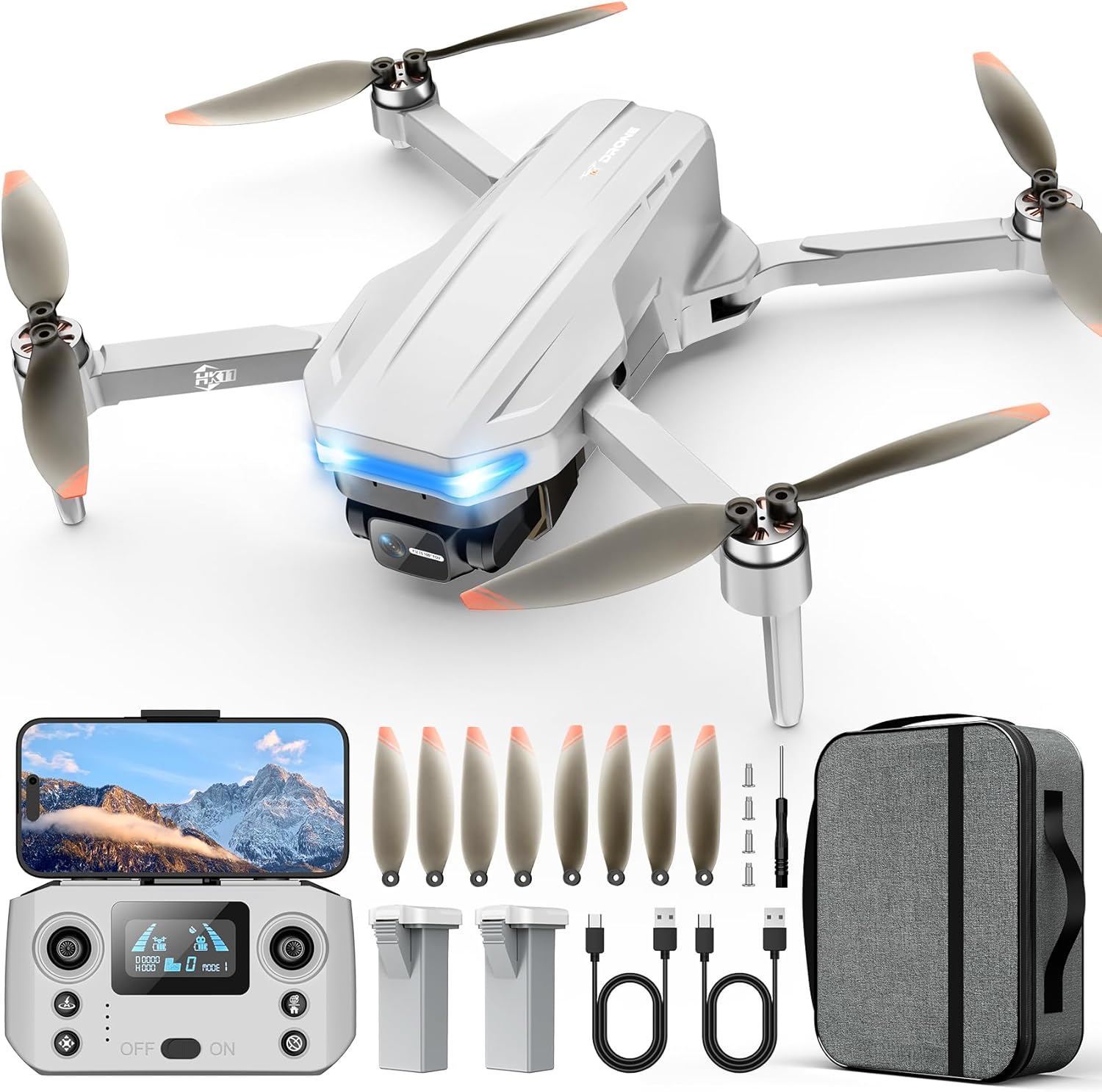 Oddire 4K GPS Drone, 48-Min Flight Time
|
6.2/10 | Buy | ||
 Gleesfun G11PRO 6K Drone with 70-Min Flight Time
|
6.2/10 | Buy |
DJI Mini 4K Drone with 4K Camera
A lightweight sub-249g drone designed for beginners and casual creators, the Mini 4K delivers 4K video with a 3-axis gimbal and 31-minute flight time. Its 10km transmission range, automated QuickShots, and intuitive controls make it accessible for first-time flyers, though it's positioned as an entry-level option with some limitations compared to higher-end DJI models.
Pros
- No FAA registration required in most regions due to sub-249g weight
- 4K/30fps video with 3-axis gimbal stabilization for smooth, cinematic footage
- 31-minute max flight time per battery, extendable with additional batteries (62 or 93 minutes total)
- Beginner-friendly with one-tap takeoff/landing, GPS Return to Home, and automated QuickShots (Helix, Dronie, Rocket, Circle, Boomerang)
- Level 5 wind resistance (38 kph) and stable hovering for reliable outdoor performance
Cons
- DJI Fly app removed from Google Play; requires downloading directly from DJI's website, adding extra setup steps
- Lower camera sensor (1/2.3-inch CMOS) and 12MP resolution compared to Mini 3 and Mini 3 Pro models
- 10km transmission is adequate but lower than newer O4 systems on other DJI models; video transmission limited to 720p/30fps
- No vertical/portrait mode shooting capability, limiting creative framing options
Potensic ATOM 4K GPS Drone with 3-Axis Gimbal
This compact GPS drone weighs under 249g and skips FAA registration while delivering 4K video from a 3-axis gimbal stabilized by a Sony CMOS sensor. It pairs long flight time (96 minutes across three batteries) with intuitive features like visual tracking and preset QuickShots, making it accessible for beginners without sacrificing range or image quality.
Pros
- Extended flight time: 96 minutes total with three batteries and 1.3-hour fast charging via 60W hub
- Rock-solid 4K video with 3-axis gimbal handles level-5 wind conditions for smooth aerial footage
- Long transmission range up to 6 km with PixSync 3.0 technology for stable signal
- Sub-249g weight eliminates FAA registration requirement in the US, simplifying legal compliance
- Creative automation: visual tracking and QuickShots (Boomerang, Circle, Rocket, Spiral, Pull-Away) lower the barrier for cinematic videos
Cons
- No independent user reviews yet to verify real-world performance claims and reliability
- Limited transmission range details on signal stability in urban or interference-heavy environments
- Gimbal stabilization effectiveness in extreme conditions remains unverified by third-party evaluation
Bwine F7MINI 4K Drone with 3-Axis Gimbal
A compact 249g drone designed for casual aerial photography, offering 4K video, 8K photo capability, and a stabilized 3-axis gimbal for smooth footage. The standout feature is its 96-minute total flight time across three batteries, making extended shooting sessions feasible without constant recharging. Best suited for hobbyists and beginners who want professional-grade video quality without FAA registration hassles.
Pros
- No FAA registration required at 249g, removing bureaucratic friction for casual users
- Exceptional 96-minute total flight time with three included high-density batteries and fast PD 3.0 charging
- 3-axis gimbal with L5 wind resistance delivers stable footage in variable weather conditions
- 20,000ft transmission range with wired digital anti-interference technology minimizes signal loss
- Comprehensive beginner features including smart return-to-home, optical flow indoor positioning, and waypoint flight modes
- Complete package with premium case, three batteries, and 2-year warranty included
Cons
- 4.6-star rating from 356 reviews suggests occasional reliability concerns or user experience issues not detailed in marketing copy
- 48MP camera sensor is modest by current standards; 8K photo capability may involve upscaling rather than native resolution
- Beginner-focused intelligent modes may feel limiting for experienced drone pilots seeking manual control precision
VUCDUSK 4K GPS Drone with 4.5-inch FPV Controller
This GPS quadcopter combines a 4K camera with a built-in 4.5-inch display controller, eliminating the need for smartphone tethering during basic flight. Dual batteries deliver up to 60 minutes of total flight time, while GPS, optical flow positioning, and three return-to-home safeguards make it accessible for beginners seeking extended outdoor sessions without registration hassle due to its sub-250g weight.
Pros
- 4.5-inch integrated FPV display allows standalone flying without phone dependency
- Dual batteries provide 60 minutes combined flight time for extended missions
- Triple return-to-home functions (one-key, low battery, signal loss) enhance safety
- Brushless motors deliver quieter, more durable operation with improved stability
- Foldable design and sub-250g weight enable convenient portability and FAA registration exemption
Cons
- No verified buyer reviews available to confirm real-world performance claims
- Intelligent features like Follow Me and Track Flight require smartphone app connectivity, limiting standalone capability
- Specifications array incomplete in source data, leaving some technical details unconfirmed
Chubory GPS Drone with 4K EIS Camera and 4.5-inch Controller
This foldable quadcopter combines essential features for aerial photography without requiring FAA registration thanks to its sub-249g weight. The 4.5-inch HD screen on the controller provides instant FPV feedback, while the 4K EIS camera captures smooth footage. With three batteries and GPS auto-return, it's designed for extended flight sessions and reliable navigation across a 1km control range.
Pros
- Integrated 4.5-inch HD screen controller eliminates need for separate smartphone mounting
- Pre-installed 32GB SD card means immediate recording capability out of box
- GPS precision and 3280 FT range support waypoint navigation and interest point tracking
- 90-minute total flight time across three batteries extends shooting sessions
- Under 249g weight avoids registration requirements in many jurisdictions
Cons
- EIS stabilization is limited to 4K; no mention of higher resolution or RAW video options
- No specifications provided for wind resistance, obstacle avoidance, or advanced flight modes beyond route/follow presets
- 117 reviews suggest popularity but lack detail on real-world range consistency or battery longevity in varied conditions
Trinton GPS Drone with 4.5" LCD Screen
This GPS drone pairs a dedicated 4.5-inch HD LCD remote screen with dual cameras and intelligent tracking features, designed for beginners and casual fliers. The integrated display eliminates smartphone dependency, while Follow Me and Circle Fly modes handle dynamic shots automatically. Best suited for users prioritizing ease of use and reliable GPS recovery over advanced manual controls.
Pros
- Built-in 4.5" HD LCD screen with sunlight-readable display and flight data overlay eliminates phone pairing hassle
- GPS auto-return function ensures safe recovery when signal is lost, battery depletes, or manually triggered
- Follow Me mode maintains 3-50m distance and altitude automatically for hands-free tracking shots
- Dual camera setup with wide-angle stabilized lens for smooth video capture and crisp mid-flight photos
- Includes carrying case and supports 32GB SD card storage for immediate data organization
Cons
- Fixed LCD screen means less flexibility for customized flight monitoring compared to smartphone app control
- Specifications array incomplete in product data, limiting clarity on flight time, max range, and weight details
- Dual camera system details sparse; unclear which camera handles primary vs. secondary functions
Oddire 4K GPS Drone, 48-Min Flight Time
A mid-range GPS drone built for beginners and casual aerial photographers seeking intelligent flight modes without complexity. The 48-minute flight time across two batteries and 4K camera with adjustable wide-angle lens deliver solid value, though video resolution caps at 2048x1088P and SD card storage requires separate purchase.
Pros
- Extended 48-minute flight time with dual 7.7V batteries, among the longest in its class
- GPS-enabled auto-return, waypoint flight, and follow-me modes simplify operation for beginners
- Lightweight 249g design avoids FAA registration requirements in the US
- 5G WiFi transmission with 500-meter range for stable real-time footage
- 4.5-star rating from 606 verified reviews reflects consistent user satisfaction
Cons
- Video recording limited to 2048x1088P despite 4K camera marketing, below flagship standards
- SD card not included and required for photo and video storage
- No brushless motor performance data or wind resistance specifics provided in verified reviews
Gleesfun G11PRO 6K Drone with 70-Min Flight Time
This mid-range drone delivers 6K photo and 4K/30fps video through a 3-axis brushless gimbal, backed by FAA compliance and a 10,000ft transmission range. The 70-minute flight time across two batteries and fast 2.5-hour charging make it practical for extended aerial sessions. Best suited for hobbyists and content creators seeking stable footage without premium pricing.
Pros
- 3-axis brushless gimbal ensures smooth, stable footage across various flight conditions
- Extended 70-minute flight time with two GL2.0 smart batteries and quick 2.5-hour recharge
- 10,000ft GQ2.0 digital transmission with wired connection eliminates WiFi dependency
- 6K photo resolution and 4K/30fps video capture with 1/3.2 inch CMOS sensor
- FAA-compliant with built-in Remote ID module, includes carrying case and comprehensive accessories
Cons
- Requires wired phone connection to remote control, limiting spontaneous smartphone mounting flexibility
- 357g weight triggers FAA registration requirements, adding regulatory overhead for users
- Cruise Control and advanced flight modes demand learning curve despite one-key simplicity claims
Camera Drones for Beginners Buying Guide
Buying your first camera drone involves balancing more variables than most gadget purchases. Flight performance, camera quality, regulatory compliance, and ease of learning all intersect. The sections below break down each factor so you can prioritize what matters most for your specific situation.
Weight Class and FAA Regulations

The 249-gram threshold is one of the most practically important specs on any beginner drone’s spec sheet. In the United States, drones weighing less than 250 grams are exempt from FAA recreational registration, which simplifies the legal side of flying significantly.
All eight drones in our list are designed to come in under that limit, but it’s worth verifying final weight with accessories attached, since some cases and propeller guards push a drone just over the line.
Beyond registration, lighter drones are generally more forgiving in the event of a flyaway or collision, and they’re easier to carry on outdoor adventures.
If you’re planning to shoot near people or in urban spaces, staying firmly under 249g also tends to reduce scrutiny from bystanders and local authorities.
Always check local regulations in addition to federal rules, since some parks and municipalities impose additional restrictions regardless of drone weight.
For a broader look at how camera technology intersects with portability, our cameras and photo category covers the full spectrum of imaging gear.
Camera Quality and Gimbal Stabilization
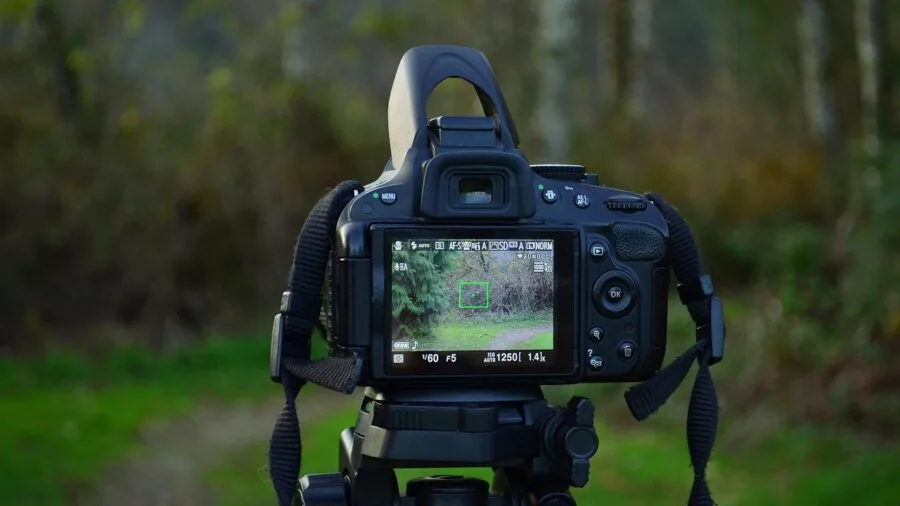
Resolution is the headline number brands love to promote, but it’s only one piece of the image quality puzzle. A 4K sensor mounted on a poor stabilization system will produce shakier, less usable footage than a well-stabilized 2.7K setup.
For beginners, the most important camera spec is whether the drone uses a mechanical 3-axis gimbal or electronic image stabilization (EIS).
A true 3-axis gimbal physically counteracts pitch, roll, and yaw movement, delivering smooth cinematic footage even in moderate wind.
EIS processes the footage digitally after capture, which costs you a small crop of the frame and produces noticeably less stable results in turbulent conditions.
Top-tier picks in our list use mechanical 3-axis gimbals, while more budget-oriented options rely on EIS. If smooth video is your primary goal, prioritize the gimbal type over the pixel count.
Sensor size and dynamic range also matter for low-light shooting, though most sub-249g drones use small sensors with similar limitations in that regard.
Photo capabilities round out the camera package. Look for drones that capture in at least 12 megapixels for stills, and check whether RAW file capture is supported if you plan to do any post-processing.
If aerial photography is your main interest rather than video, mirrorless and DSLR cameras paired with a drone can also be a complementary part of a broader imaging kit.
Flight Time and Battery Ecosystem
Advertised flight times are typically measured under ideal conditions with no wind and minimal aggressive maneuvering.
Real-world flight times are usually 15 to 20 percent shorter than the spec sheet number. With that in mind, a drone advertised at 30 minutes will likely deliver around 25 minutes of usable flight per charge, which is still respectable for a beginner session.
Several drones in our lineup come in Fly More configurations that bundle extra batteries, significantly extending a shooting session without long waits between flights.
If you plan to shoot all day, the cost-per-minute of flight time often makes multi-battery bundles the smarter long-term investment even at a higher upfront price.
Check that replacement batteries are readily available from the manufacturer before committing to a platform, since some budget brands discontinue battery stock within a year or two of a product launch.
GPS Features and Beginner Flight Modes

GPS is arguably the single feature that most separates a beginner-friendly drone from a frustrating one. A GPS-equipped drone knows where it is at all times, enabling automatic return-to-home if the battery runs low or the signal is lost.
This safety net is invaluable for new pilots who are still building spatial awareness in the air. Drones without GPS rely solely on the pilot for position holding, which means any lapse in attention can result in drift.
Beyond safety, GPS unlocks creative intelligent flight modes that beginners find immediately useful. Follow Me mode keeps the drone locked on the pilot during activities like cycling or hiking.
Waypoint flight lets you preprogram a route and focus on composing shots rather than flying. QuickShots and Orbit modes automate cinematic camera movements that would take professional skill to execute manually.
When evaluating these features, look for implementation quality, not just feature presence: some budget drones list Follow Me as a spec but execute it with poor accuracy or significant lag.
Beginner modes that limit speed, altitude, and range are also worth checking. These software guardrails give new pilots the space to learn gradually without immediately putting the drone at risk.
Pairing smart flight features with reliable stabilization gear is a theme that runs across the best beginner picks, similar to how tripods and gimbals extend creative control for ground-based photographers.
Video Transmission Range and Signal Reliability

Transmission range figures are marketing maximums measured in open, interference-free environments. In a typical suburban or semi-urban setting with Wi-Fi congestion, you’ll achieve a fraction of the listed range.
More important than the peak number is the quality of the transmission system: how well does the signal hold up in real environments, and how gracefully does the drone respond when signal weakens?
Drones using OcuSync or equivalent proprietary transmission technology (like DJI’s O2 system) provide notably more stable FPV feeds than generic Wi-Fi-based solutions.
Budget drones often use smartphone Wi-Fi connections that are vulnerable to interference from surrounding networks, resulting in choppy live views and video lag. If you plan to fly in busy areas, prioritize drones with dedicated transmission protocols.
Also verify whether the app ecosystem for controlling the drone is actively maintained, since abandoned apps on outdated iOS or Android versions can render an otherwise capable drone unflyable.
Build Quality, Portability, and Long-Term Value

Foldable designs have become the standard for portable camera drones, and for good reason.
A drone that packs down to roughly the size of a large smartphone fits in a daypack without hassle, making it far more likely to actually come with you on adventures.
Look for rigid hinges and solid arm locks that don’t introduce flex during flight, since loose folds can cause vibration that shows up in footage.
For beginners especially, the availability of replacement propellers is a practical concern. First flights often end with at least one hard landing, and snapped propeller blades are the most common casualty.
Drones from established brands with active accessory ecosystems tend to have cheaper, more accessible spare parts than no-name alternatives.
Consider the total cost of ownership, not just the purchase price: a budget drone that requires difficult-to-source parts after every minor incident can end up costing more than a slightly pricier option with readily available spares.
Build robustness also correlates with motor quality. Brushless motors run cooler, last longer, and deliver more consistent thrust than brushed alternatives. Most of the better-scoring drones in our lineup use brushless motors, which is worth confirming before purchase.
Think of it the same way you’d evaluate durability in any imaging accessory: the upfront price matters less than whether the gear holds up through real-world use, much like choosing between action cameras where ruggedness is a defining purchase criterion.
Why You Should Trust Us
REMOVU is an independent review platform with no affiliation to any drone manufacturer or retailer.
Every drone in this roundup was assessed using the REMOVU Score, a 0 to 10 rating system that evaluates each product against a consistent set of criteria relevant to its category.
For camera drones aimed at beginners, those criteria include camera and gimbal quality, GPS reliability, flight time, transmission performance, ease of use, build quality, and overall value relative to price.
We do not conduct our own product trials; our evaluations are grounded in research, published data, expert review consensus, and verified buyer feedback.
Scores reflect the weight of available evidence across those sources, not a single opinion or a single moment in time.
When expert consensus and buyer feedback diverge significantly on a product, we account for both perspectives in the final score and note the discrepancy in the product review.
REMOVU may earn a commission if you purchase through links on this page. That affiliate relationship has no influence on our scores, rankings, or product selection.
Products are ranked by REMOVU Score, and no brand can pay to improve its position. Our sole interest is helping you make a well-informed purchase decision.
Final Thoughts
The best camera drones for beginners in 2026 span a wide range of prices and capability tiers, but our research consistently points to a small group of standout performers. Here are the picks that earned the strongest case for each type of buyer:
- Best Overall: DJI Mini 4K. The highest REMOVU Score in our lineup reflects DJI’s mature ecosystem, 3-axis gimbal stabilization, 10 km O2 transmission, and the confidence that comes from flying a platform backed by the world’s leading consumer drone brand. For most beginners, this is the drone that will grow with your skills without frustrating you early on.
- Best Mid-Range Pick: Potensic ATOM 4K GPS Drone. The second-highest score in the group, the ATOM earns its place with a legitimate 3-axis gimbal, an extended flight time that makes all-day shooting sessions feasible, and a Fly More Combo that bundles extra batteries for serious outings. It’s a compelling alternative for buyers who want near-flagship performance at a more accessible price.
- Best Budget GPS Drone: Oddire Foldable GPS Drone. For pilots on a tight budget who still want GPS return-to-home and brushless motors in a sub-249g package, the Oddire delivers the core safety features that matter most for new flyers at a budget-friendly entry price.
- Best Feature Set for the Price: VUCDUSK GPS Drone. The built-in 4.5-inch FPV screen controller removes the need to mount a smartphone, giving beginners a more intuitive flying experience out of the box. Multiple speed modes let new pilots dial in a comfortable pace as they build confidence.
Whichever drone you choose, the fundamentals hold: prioritize GPS over raw specs, mechanical gimbal over EIS if smooth video matters to you, and a brand with an active parts and software ecosystem over the lowest possible sticker price.
A drone you can fly confidently and repair easily will always deliver more value than a marginally cheaper option that frustrates you into putting it in a drawer.
If you want to broaden your imaging setup beyond aerial shots, explore point-and-shoot cameras for ground-level versatility or camcorders for longer-form video work.
Frequently Asked Questions
Do I need to register a drone under 249 grams with the FAA?
In the United States, drones weighing less than 250 grams are exempt from FAA recreational registration requirements under current rules. All of the drones in our list are designed to stay under that threshold.
However, you should always verify the final weight of your specific configuration and check local ordinances, since some cities, parks, and private properties impose their own restrictions regardless of federal exemptions.
Rules also change, so it’s worth bookmarking the FAA’s official drone page for updates.
What is the difference between a 3-axis gimbal and electronic image stabilization?
A 3-axis gimbal is a mechanical system that physically moves the camera to counteract pitch, roll, and yaw in real time, producing smooth footage even in windy conditions.
Electronic image stabilization (EIS) is a software process that crops and shifts the digital frame to compensate for movement after it happens, which results in a slightly reduced field of view and is less effective in strong turbulence.
For beginners who prioritize video quality, a mechanical 3-axis gimbal is the more capable solution, while EIS is an acceptable trade-off on budget models where the lower price is the main priority.
How much real-world flight time should I expect compared to the advertised spec?
Advertised flight times are measured under controlled, windless conditions with conservative flying. In typical outdoor conditions with any wind, active maneuvering, or FPV streaming active, expect real-world flight time to be roughly 15 to 25 percent below the stated figure.
A drone rated at 30 minutes will generally deliver around 22 to 26 minutes of practical air time.
Buying extra batteries or a Fly More bundle is the most effective way to extend a shooting session without long breaks waiting for a single battery to recharge.
Is a GPS drone necessary for a complete beginner, or can I start with a simpler model?
GPS is strongly recommended for beginners, not just a luxury upgrade. Without GPS, a drone has no position-holding capability and will drift with any breeze, requiring constant manual correction.
GPS enables automatic return-to-home if the battery drops or the signal is lost, which is the single most important safety feature for new pilots.
The learning curve on a non-GPS drone is significantly steeper, and the risk of a flyaway or crash is meaningfully higher.
Given that most GPS-equipped beginner drones are available at accessible price points, skipping GPS to save money is rarely the right trade-off for a first drone.
Can I fly a beginner camera drone indoors?
Flying indoors is technically possible but not recommended as a primary use case for GPS-dependent drones.
GPS signals are unreliable or completely absent indoors, which means the position-holding and return-to-home features that make these drones beginner-friendly outdoors won’t function correctly inside.
Some models include optical flow sensors that provide limited indoor stabilization using a downward-facing camera, but performance is inconsistent. For indoor flying, a small dedicated indoor drone with optical flow stabilization is a better tool.
The drones in our list are optimized for outdoor use where GPS is available.
What accessories should I budget for alongside my first drone?
Beyond extra batteries (the single most impactful accessory for extending your sessions), useful first purchases include spare propellers, a quality carrying case or backpack, and a microSD card if your drone doesn’t include one.
Propeller guards are worth considering for early flights in tight spaces, though they add a small amount of weight and drag. A landing pad is an inexpensive addition that keeps dust and grass out of motors on takeoff and landing.
If you plan to shoot stills seriously, understanding how flashes and lighting interact with aerial photography in mixed-light conditions can also inform how you plan your shoots around golden hour.
Budget for the complete kit, not just the drone itself, to get the most out of your first flights.
Related Guides
About the author
Myrtle covers open-ear and bone-conduction headphones for REMOVU, weighing comfort, stability, and situational awareness. She helps runners and cyclists hear their music and their surroundings at once.