The 11 Best Beginner Camera Drones
Picking your first camera drone means balancing flight safety, image quality, and ease of use. We researched top-rated models to help beginners find the right fit.
 By Adrian Perez
Updated July 26, 2026
By Adrian Perez
Updated July 26, 2026
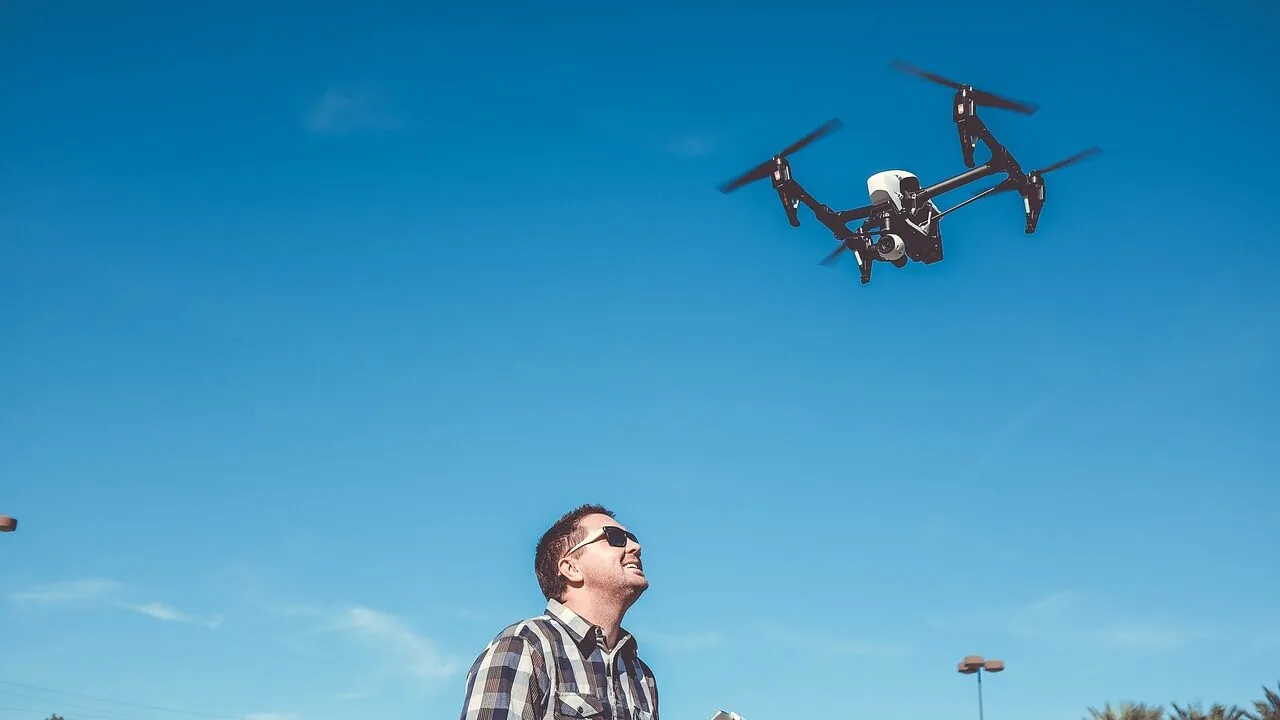
Getting into drone flying has never been more accessible, but walking into a market flooded with options ranging from budget toy-grade quadcopters to near-professional rigs can feel overwhelming for a first-time buyer.
The right beginner camera drone needs to balance ease of flight, meaningful image quality, and enough built-in safety features to survive the inevitable learning-curve moments.
Whether you want to capture landscape footage on a weekend hike, document family gatherings, or simply learn the basics of aerial photography, picking the wrong model early on can turn an exciting hobby into a frustrating one.
To help you cut through the noise, the REMOVU team researched and scored every model on this list using a consistent methodology built on published specifications, expert review consensus across the drone community, and verified buyer feedback from confirmed purchasers.
We assessed each drone across flight performance, camera capability, portability, safety features, and overall beginner friendliness.
Our Cameras & Photo coverage spans a wide range of imaging gear, and this roundup focuses specifically on camera drones approachable enough for someone on their very first flight. Read on for our top picks.
| Award | Product | REMOVU Score About REMOVU ScoreThe REMOVU Score is our own rating from 0 to 10, based on performance, design and build, ease of use, and value. It reflects independent research and is never influenced by manufacturers, retailers, or affiliate commissions. Learn more › | Price | |
|---|---|---|---|---|
| Best Premium |
 DJI Mini 4K Drone with 4K Camera
|
8.5/10 | Buy | |
| Best Overall |
 DJI Neo 135g Palm-Takeoff Drone with 4K Camera
|
8.9/10 | Buy | |
 Potensic ATOM 4K GPS Drone with 3-Axis Gimbal
|
7.6/10 | Buy | ||
| Best Value |
 VUCDUSK 4K GPS Drone with 4.5-inch FPV Controller
|
6.7/10 | Buy | |
 Bwine F7MINI 4K Drone with 3-Axis Gimbal
|
6.5/10 | Buy | ||
| Best Budget |
 Chubory GPS Drone with 4K EIS Camera and 4.5-inch Controller
|
6.5/10 | Buy | |
 Trinton GPS Drone with 4.5" LCD Screen
|
6.4/10 | Buy | ||
 Ruko F11PRO 2 Plus 48MP 8K Drone
|
7.2/10 | Buy | ||
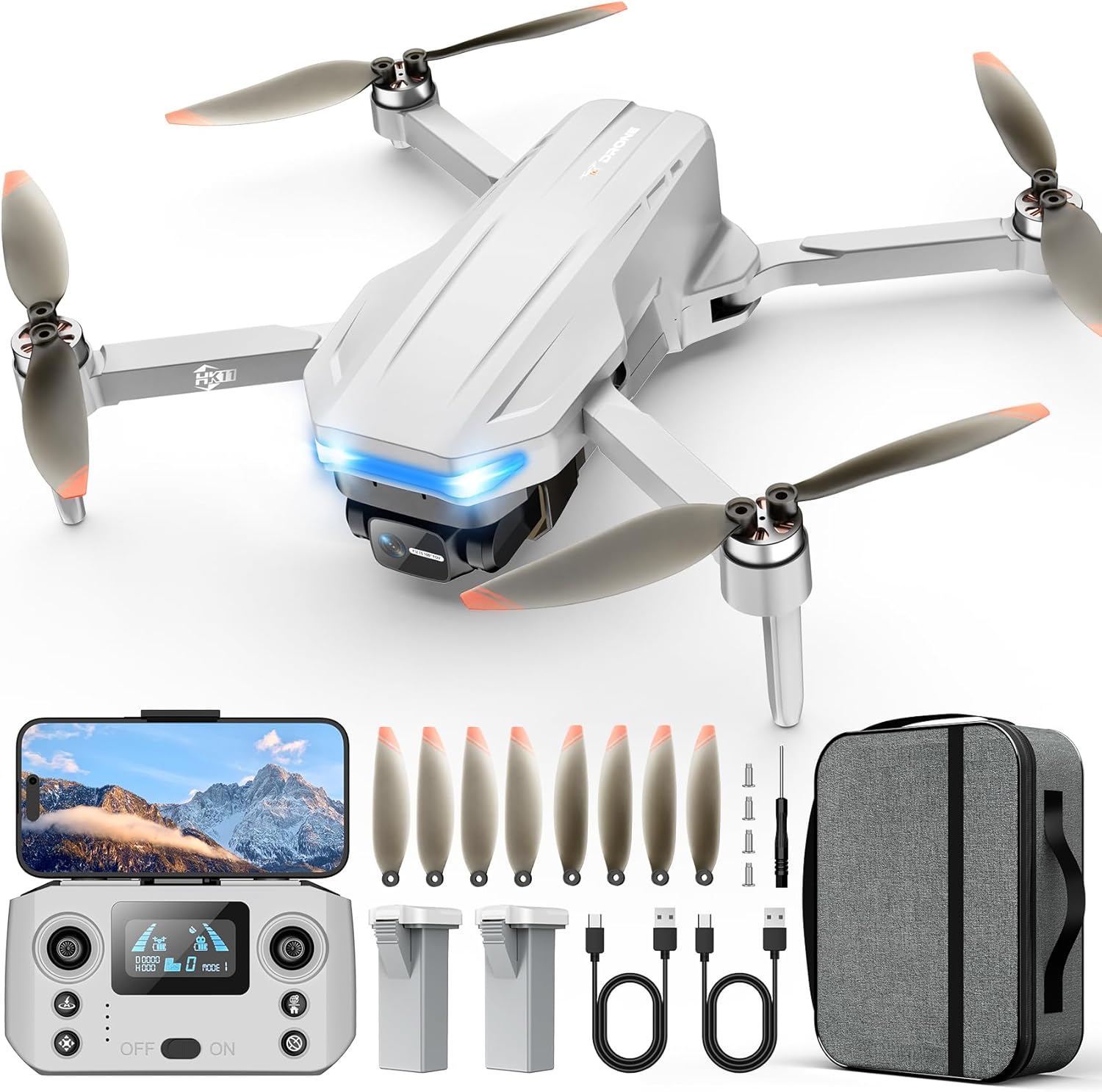 Oddire 4K GPS Drone, 48-Min Flight Time
|
6.2/10 | Buy | ||
 RELIDOL 1080P Foldable Drone with Gesture Control
|
6.2/10 | Buy | ||
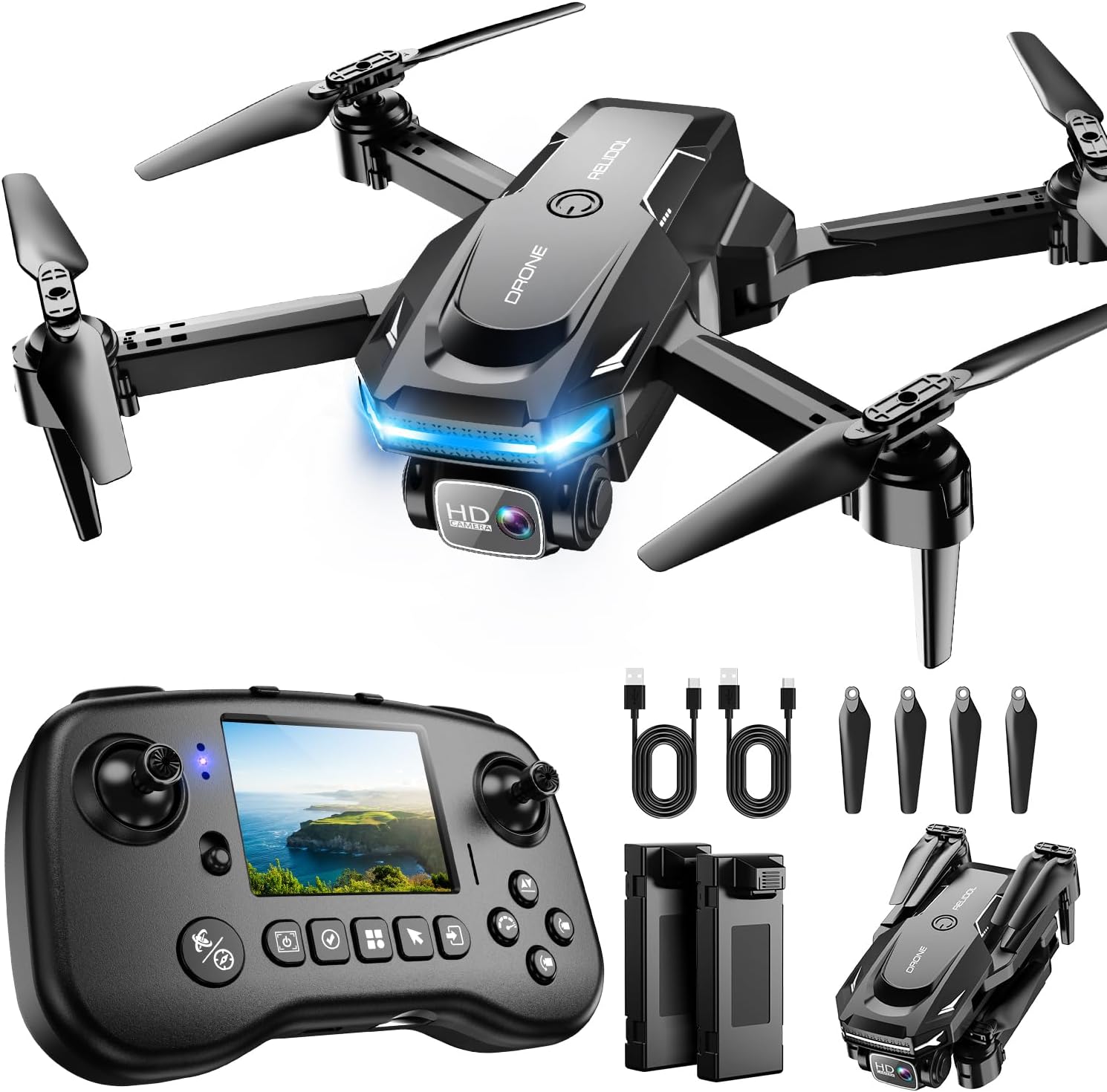 RELIDOL PK01 Foldable Drone with Screen Controller
|
6.4/10 | Buy |
DJI Mini 4K Drone with 4K Camera
A lightweight sub-249g drone designed for beginners and casual creators, the Mini 4K delivers 4K video with a 3-axis gimbal and 31-minute flight time. Its 10km transmission range, automated QuickShots, and intuitive controls make it accessible for first-time flyers, though it's positioned as an entry-level option with some limitations compared to higher-end DJI models.
Pros
- No FAA registration required in most regions due to sub-249g weight
- 4K/30fps video with 3-axis gimbal stabilization for smooth, cinematic footage
- 31-minute max flight time per battery, extendable with additional batteries (62 or 93 minutes total)
- Beginner-friendly with one-tap takeoff/landing, GPS Return to Home, and automated QuickShots (Helix, Dronie, Rocket, Circle, Boomerang)
- Level 5 wind resistance (38 kph) and stable hovering for reliable outdoor performance
Cons
- DJI Fly app removed from Google Play; requires downloading directly from DJI's website, adding extra setup steps
- Lower camera sensor (1/2.3-inch CMOS) and 12MP resolution compared to Mini 3 and Mini 3 Pro models
- 10km transmission is adequate but lower than newer O4 systems on other DJI models; video transmission limited to 720p/30fps
- No vertical/portrait mode shooting capability, limiting creative framing options
DJI Neo 135g Palm-Takeoff Drone with 4K Camera
A featherweight drone that eliminates controller complexity by taking off from your palm and flying controller-free via voice or app commands. Built-in subject tracking and creative QuickShots modes make it accessible for casual vloggers and families, while 4K stabilized video and propeller guards provide quality footage without requiring FAA registration.
Pros
- Ultralight at 135g, avoiding FAA registration requirements and fitting easily into bags or pockets
- Palm takeoff and landing with one-button operation removes barriers to entry for beginners
- Subject tracking and eight QuickShots modes (Dronie, Circle, Helix, Boomerang) deliver cinematic results without manual piloting
- 4K UHD video with stabilization and level-4 wind resistance ensures smooth footage in varied conditions
- Multiple control options (controller-free, voice, mobile app, optional RC) suit different user preferences
Cons
- DJI Fly app must be downloaded from DJI's website rather than Google Play due to platform compatibility issues, adding an extra setup step
- Controller-free operation limits advanced flight control for users wanting precision maneuvering or longer-range flights
- Battery life not specified in available product data, making flight duration unclear for trip planning
Potensic ATOM 4K GPS Drone with 3-Axis Gimbal
This compact GPS drone weighs under 249g and skips FAA registration while delivering 4K video from a 3-axis gimbal stabilized by a Sony CMOS sensor. It pairs long flight time (96 minutes across three batteries) with intuitive features like visual tracking and preset QuickShots, making it accessible for beginners without sacrificing range or image quality.
Pros
- Extended flight time: 96 minutes total with three batteries and 1.3-hour fast charging via 60W hub
- Rock-solid 4K video with 3-axis gimbal handles level-5 wind conditions for smooth aerial footage
- Long transmission range up to 6 km with PixSync 3.0 technology for stable signal
- Sub-249g weight eliminates FAA registration requirement in the US, simplifying legal compliance
- Creative automation: visual tracking and QuickShots (Boomerang, Circle, Rocket, Spiral, Pull-Away) lower the barrier for cinematic videos
Cons
- No independent user reviews yet to verify real-world performance claims and reliability
- Limited transmission range details on signal stability in urban or interference-heavy environments
- Gimbal stabilization effectiveness in extreme conditions remains unverified by third-party evaluation
VUCDUSK 4K GPS Drone with 4.5-inch FPV Controller
This GPS quadcopter combines a 4K camera with a built-in 4.5-inch display controller, eliminating the need for smartphone tethering during basic flight. Dual batteries deliver up to 60 minutes of total flight time, while GPS, optical flow positioning, and three return-to-home safeguards make it accessible for beginners seeking extended outdoor sessions without registration hassle due to its sub-250g weight.
Pros
- 4.5-inch integrated FPV display allows standalone flying without phone dependency
- Dual batteries provide 60 minutes combined flight time for extended missions
- Triple return-to-home functions (one-key, low battery, signal loss) enhance safety
- Brushless motors deliver quieter, more durable operation with improved stability
- Foldable design and sub-250g weight enable convenient portability and FAA registration exemption
Cons
- No verified buyer reviews available to confirm real-world performance claims
- Intelligent features like Follow Me and Track Flight require smartphone app connectivity, limiting standalone capability
- Specifications array incomplete in source data, leaving some technical details unconfirmed
Bwine F7MINI 4K Drone with 3-Axis Gimbal
A compact 249g drone designed for casual aerial photography, offering 4K video, 8K photo capability, and a stabilized 3-axis gimbal for smooth footage. The standout feature is its 96-minute total flight time across three batteries, making extended shooting sessions feasible without constant recharging. Best suited for hobbyists and beginners who want professional-grade video quality without FAA registration hassles.
Pros
- No FAA registration required at 249g, removing bureaucratic friction for casual users
- Exceptional 96-minute total flight time with three included high-density batteries and fast PD 3.0 charging
- 3-axis gimbal with L5 wind resistance delivers stable footage in variable weather conditions
- 20,000ft transmission range with wired digital anti-interference technology minimizes signal loss
- Comprehensive beginner features including smart return-to-home, optical flow indoor positioning, and waypoint flight modes
- Complete package with premium case, three batteries, and 2-year warranty included
Cons
- 4.6-star rating from 356 reviews suggests occasional reliability concerns or user experience issues not detailed in marketing copy
- 48MP camera sensor is modest by current standards; 8K photo capability may involve upscaling rather than native resolution
- Beginner-focused intelligent modes may feel limiting for experienced drone pilots seeking manual control precision
Chubory GPS Drone with 4K EIS Camera and 4.5-inch Controller
This foldable quadcopter combines essential features for aerial photography without requiring FAA registration thanks to its sub-249g weight. The 4.5-inch HD screen on the controller provides instant FPV feedback, while the 4K EIS camera captures smooth footage. With three batteries and GPS auto-return, it's designed for extended flight sessions and reliable navigation across a 1km control range.
Pros
- Integrated 4.5-inch HD screen controller eliminates need for separate smartphone mounting
- Pre-installed 32GB SD card means immediate recording capability out of box
- GPS precision and 3280 FT range support waypoint navigation and interest point tracking
- 90-minute total flight time across three batteries extends shooting sessions
- Under 249g weight avoids registration requirements in many jurisdictions
Cons
- EIS stabilization is limited to 4K; no mention of higher resolution or RAW video options
- No specifications provided for wind resistance, obstacle avoidance, or advanced flight modes beyond route/follow presets
- 117 reviews suggest popularity but lack detail on real-world range consistency or battery longevity in varied conditions
Trinton GPS Drone with 4.5" LCD Screen
This GPS drone pairs a dedicated 4.5-inch HD LCD remote screen with dual cameras and intelligent tracking features, designed for beginners and casual fliers. The integrated display eliminates smartphone dependency, while Follow Me and Circle Fly modes handle dynamic shots automatically. Best suited for users prioritizing ease of use and reliable GPS recovery over advanced manual controls.
Pros
- Built-in 4.5" HD LCD screen with sunlight-readable display and flight data overlay eliminates phone pairing hassle
- GPS auto-return function ensures safe recovery when signal is lost, battery depletes, or manually triggered
- Follow Me mode maintains 3-50m distance and altitude automatically for hands-free tracking shots
- Dual camera setup with wide-angle stabilized lens for smooth video capture and crisp mid-flight photos
- Includes carrying case and supports 32GB SD card storage for immediate data organization
Cons
- Fixed LCD screen means less flexibility for customized flight monitoring compared to smartphone app control
- Specifications array incomplete in product data, limiting clarity on flight time, max range, and weight details
- Dual camera system details sparse; unclear which camera handles primary vs. secondary functions
Ruko F11PRO 2 Plus 48MP 8K Drone
A mid-range quadcopter built for aerial cinematography, pairing a 48MP camera with 8K photo capability and a 3-axis gimbal for smooth footage. The 74-minute total flight time across two batteries and 20,000ft transmission range appeal to property surveyors and landscape enthusiasts, while GPS auto-return and beginner-friendly controls lower the learning curve for newcomers.
Pros
- 48MP 1/2-inch CMOS sensor with strong low-light performance for night and sunset shots
- Dual batteries deliver 74 minutes total flight time, reducing downtime between sessions
- 3-axis mechanical gimbal stabilizes footage in real time, eliminating shake
- 20,000ft transmission range supports long-distance scouting and remote exploration
- Smart GPS features including one-key return and auto-home on low battery or signal loss
Cons
- No specifications array provided in source data limits detailed performance verification
- Level 6 wind resistance noted but not quantified against real-world flight conditions
- 4.5-star rating from 1,063 reviews suggests some users encountered issues despite overall satisfaction
Oddire 4K GPS Drone, 48-Min Flight Time
A mid-range GPS drone built for beginners and casual aerial photographers seeking intelligent flight modes without complexity. The 48-minute flight time across two batteries and 4K camera with adjustable wide-angle lens deliver solid value, though video resolution caps at 2048x1088P and SD card storage requires separate purchase.
Pros
- Extended 48-minute flight time with dual 7.7V batteries, among the longest in its class
- GPS-enabled auto-return, waypoint flight, and follow-me modes simplify operation for beginners
- Lightweight 249g design avoids FAA registration requirements in the US
- 5G WiFi transmission with 500-meter range for stable real-time footage
- 4.5-star rating from 606 verified reviews reflects consistent user satisfaction
Cons
- Video recording limited to 2048x1088P despite 4K camera marketing, below flagship standards
- SD card not included and required for photo and video storage
- No brushless motor performance data or wind resistance specifics provided in verified reviews
RELIDOL 1080P Foldable Drone with Gesture Control
A beginner-friendly quadcopter featuring a 1080P camera, dual batteries for up to 25 minutes of flight time, and intuitive controls like gesture photography and one-key start. The foldable design and propeller guards make it practical for both indoor and outdoor use, though wind sensitivity limits performance in less-than-ideal conditions.
Pros
- Extended flight time with two included batteries, each providing 10-12 minutes of operation
- Gesture control and voice command features reduce the learning curve for new pilots
- Stable hover system with headless mode and altitude hold for easier handling
- Compact and portable with no FAA registration required
- Multiple control modes including remote, app, and gravity-sensing smartphone control
Cons
- Recommended for windless indoor spaces and altitudes below 6 meters, limiting outdoor versatility
- 1080P camera is modest by current standards and lacks 4K capability
- Some advanced features require app control, splitting functionality between remote and smartphone
RELIDOL PK01 Foldable Drone with Screen Controller
This beginner-friendly quadcopter pairs a built-in LCD display on the remote with a 1080P adjustable camera, eliminating the need for a smartphone to start flying. Two included batteries stretch flight time to 25 minutes total, while headless mode and one-key controls make it accessible for newcomers. Best suited for casual indoor and outdoor flying rather than advanced aerial photography.
Pros
- LCD screen on remote controller lets you monitor HD feed without a phone
- Two batteries included provide extended 25-minute total flight time
- Headless mode and one-key takeoff/landing simplify beginner operation
- Brushless motors deliver smooth, durable performance
- Propeller guards and emergency stop add safety layers for new pilots
Cons
- SD card required to save footage but not included in package
- Some advanced features like waypoint flight only work via app, requiring phone setup anyway
- 1080P camera at 80-degree fixed angle limits creative framing compared to premium drones
- Recommended flight distance under 30 meters and altitude under 6 meters restricts practical range
Beginner Camera Drones Buying Guide
Choosing your first camera drone is about more than spec sheets. The factors below are the ones that most directly affect how enjoyable, safe, and practical the experience will be for a newcomer.
Understanding each one before you buy will prevent the most common regrets we see in verified buyer feedback across this category.
Weight Class and Regulatory Exemptions

In the United States, the FAA treats drones under 250 grams differently from heavier aircraft.
Models in the sub-249 g category, such as the DJI Mini 4K and the Potensic ATOM, are exempt from certain registration requirements, which meaningfully reduces the paperwork barrier for casual recreational flyers.
This weight threshold has become an industry benchmark, and many manufacturers specifically engineer their beginner-oriented drones to land just below it.
For beginners who plan to fly recreationally in parks, on hikes, or while traveling, a lightweight sub-249 g drone is almost always the smarter starting point. That said, weight is not the only proxy for capability.
Some heavier models include more powerful gimbals and larger sensors that may justify the added regulatory step, depending on your goals.
Always verify current FAA rules before your first flight, as regulations are updated periodically and vary by airspace class.
If you are also shopping for a camera to pair with your aerial footage workflow, our mirrorless and DSLR cameras guide covers ground-based options that complement drone footage beautifully.
Camera Quality and Gimbal Stabilization

For a beginner, the most visible difference between a budget drone and a mid-range one is how stable and sharp the footage looks.
A 3-axis mechanical gimbal, found on models like the DJI Neo, DJI Mini 4K, and the Potensic ATOM, physically counteracts vibration and tilt on all three axes simultaneously.
This produces smoother video than electronic image stabilization (EIS) alone, which is a software-based crop-and-warp approach used in lower-cost models.
Resolution matters, but it is secondary to stabilization for most beginners. A 4K 30 fps video from a well-stabilized gimbal will almost always look better in real-world conditions than 8K footage from a drone with no gimbal at all.
When evaluating listings, look carefully at whether the stated resolution applies to video or only to still photos, as some manufacturers advertise 8K in large print but deliver that only in photo mode while video tops out at 4K or lower.
If you are serious about video production and plan to edit footage on a laptop, a capable editing machine matters as much as the drone itself.
High-resolution drone footage is demanding on hardware, so it is worth pairing your drone purchase with a look at our laptops for video editing roundup.
Flight Time and Battery Ecosystem
Advertised flight times are measured under ideal laboratory conditions with no wind, minimal payload, and consistent speed. In practice, expect roughly 70 to 80 percent of the stated flight time in real-world flying.
A drone marketed at 30 minutes will realistically give you 20 to 25 minutes of useful flight per battery in calm conditions.
This makes battery count critical: buying a combo or fly-more bundle that includes two or three batteries is almost always worth it for a beginner, since you will want extra flight sessions while learning.
Pay attention to charging time as well. Some budget models take two to three hours per battery via USB, while premium models often support faster charging through dedicated hubs.
If you plan to use your drone on trips, a multi-battery charging hub can make a meaningful difference in how much footage you capture in a single day out.
GPS, Auto Return, and Safety Features

GPS-equipped drones offer a safety net that is invaluable for beginners.
The Auto Return Home function, sometimes called RTH, automatically flies the drone back to its launch point if the controller signal is lost or the battery drops below a set threshold.
Without GPS, losing orientation or signal can mean losing your drone entirely. Every model we recommend for beginners either includes GPS or offers meaningful proximity sensing as an alternative.
Additional features worth seeking out include obstacle sensors (even basic downward-facing ones), beginner mode or geofencing that limits speed and altitude, and built-in propeller guards.
These features do not make a drone crash-proof, but they substantially reduce the consequences of a mistake while you are developing spatial awareness and controller intuition.
Intelligent flight modes such as subject tracking, follow me, and waypoint navigation are also beginner-friendly because they let the drone handle complex maneuvers autonomously while you focus on framing your shot.
Models like the DJI Neo with its palm-takeoff and QuickShots, or the Potensic ATOM with visual tracking, lower the technical barrier considerably.
If you enjoy capturing outdoor adventures with hands-free technology, you might also appreciate action cameras as a complement to drone footage.
Transmission Range and Video Feed Quality
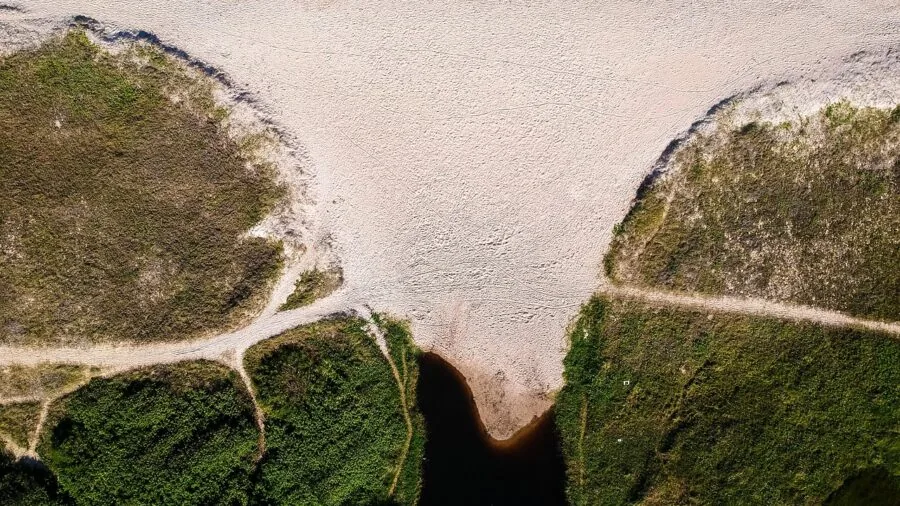
Transmission range determines how far from the controller you can fly while maintaining a reliable video feed and control link. For beginners, a range of 1 to 3 km is more than sufficient for most recreational use cases.
However, the quality of that transmission matters as much as the distance.
DJI’s OcuSync and O2 transmission systems, used in models like the DJI Mini 4K and DJI Neo, are widely regarded by expert reviewers as substantially more stable and lower latency than the generic Wi-Fi or 5G-band transmitters found in many budget competitors.
Some mid-range competitors such as the VUCDUSK and CHUBORY models include a built-in screen on the controller, which eliminates the need to mount a smartphone.
This is a practical convenience for beginners who prefer a self-contained system without phone compatibility concerns. Consider whether you prefer an integrated screen or a smartphone-paired setup when comparing options in the mid-range segment.
Price-to-Feature Ratio and Long-Term Value

The beginner camera drone market spans a wide range from entry-level toy quadcopters to capable mini drones with professional-adjacent features.
At the budget end, you get basic cameras, limited GPS, and shorter range, which is fine if your primary goal is learning stick control indoors or in a backyard.
At the mid-range tier, GPS, 4K cameras, and intelligent flight modes become standard. At the upper end of the beginner bracket, you approach the quality level of drones used by travel content creators and real estate videographers.
For most first-time buyers, the best long-term value sits in the mid-range segment.
You get meaningful safety features, better footage, and enough capability to grow into over the first year of flying, without paying for advanced features you are unlikely to use until you have mastered the basics.
Verified buyers consistently report that spending slightly more upfront on a reputable brand saves money in the long run by avoiding early replacement costs.
Why You Should Trust Us
REMOVU is an independent review publication. We do not sell drones, take manufacturer payment for coverage, or provide customer service for any product featured on this site.
Every drone in this roundup was assessed using the REMOVU Score system, a 0 to 10 rating scale applied consistently across a fixed set of criteria: camera and stabilization performance, flight time and battery ecosystem, GPS and safety features, transmission quality, build and portability, and overall beginner accessibility.
We do not conduct our own product trials; our evaluations are grounded in research, published data, expert review consensus, and verified buyer feedback.
This means we synthesize findings from the broader drone review community, cross-reference manufacturer-published specifications against real-world reports from confirmed purchasers, and apply consistent criteria so that products are ranked relative to each other rather than in isolation.
Our editorial team monitors buyer feedback trends over time and updates scores when new information warrants it.
REMOVU may earn an affiliate commission when you purchase through links on this page. That relationship has no influence on our rankings, scores, or product selections. Products are ordered by REMOVU Score, not by commission rate.
We recommend only products we would genuinely suggest to a friend asking for advice.
Final Thoughts
The beginner camera drone market in 2026 offers genuine options at nearly every budget, from capable toy-grade quadcopters for pure learning to compact GPS drones that rival what professionals used just a few years ago.
After scoring every model on this list against consistent criteria, a few clear standouts emerged across different needs and budgets.
- Best Overall: DJI Neo earned the highest REMOVU Score in this roundup, and it is easy to understand why. Palm takeoff, subject tracking, QuickShots, and built-in propeller guards make it the most beginner-friendly drone on this list while still delivering stabilized footage that holds up in real-world use. It is the pick we would recommend to the widest range of first-time buyers.
- Best Value with GPS: DJI Mini 4K earns a strong score thanks to its 3-axis gimbal, sub-249 g weight, O2 transmission system, and solid 31-minute rated flight time. It brings a level of transmission reliability and camera quality that generic competitors at similar price points struggle to match, making it the best step up for buyers who want to grow into their drone.
- Best Mid-Range Pick: Potensic ATOM 4K GPS stands out in the mid-range segment with an impressive rated flight time across two batteries, a 3-axis gimbal, and visual tracking. It is the top non-DJI option for buyers who want legitimate GPS capability and 4K stabilization without committing to a premium budget.
- Best Budget Entry Point: RELIDOL 1080P Foldable Drone is the most affordable option on this list and is best suited for pure indoor practice and learning stick control. Expectations for camera quality and GPS features should be set accordingly at this price tier, but for a first taste of quadcopter flying, it serves its purpose.
Whichever model fits your budget and goals, the most important thing is getting in the air safely, understanding the regulatory basics for your country, and building flight confidence gradually before pushing range or altitude limits.
The drones on this list cover the full spectrum of what beginners genuinely need in 2026.
Frequently Asked Questions
Do I need to register my drone before flying?
In the United States, drones weighing 250 grams or more must be registered with the FAA before outdoor flight. Drones under 250 g flown purely for recreational purposes currently fall under a simplified registration rule.
Regulations differ by country, so always check the relevant aviation authority for your region before your first flight.
Several models on this list, including the DJI Mini 4K and Potensic ATOM, were designed specifically to stay under the 249 g threshold to simplify this process for beginners.
What is the realistic flight time I should expect from a beginner drone?
Advertised flight times are measured under controlled, windless conditions. In typical outdoor flying, plan for roughly 70 to 80 percent of the stated maximum. Wind, aggressive maneuvers, cold temperatures, and flying at higher altitudes all reduce battery life.
Buying a fly-more combo with extra batteries is one of the best investments a beginner can make, as running out of power mid-session is the most common frustration reported by new flyers.
Is a 3-axis gimbal really necessary for a beginner drone?
It is not strictly necessary if your main goal is learning to fly, but a 3-axis mechanical gimbal makes a significant visible difference in footage quality.
Electronic image stabilization found in budget models can reduce minor vibrations but cannot compensate for larger movements and tends to introduce a warped, rolling-shutter look.
If you plan to share or publish your footage rather than use the drone purely for practice, a gimbal-equipped model is worth the additional investment. Think of it as the drone equivalent of optical image stabilization on a smartphone camera.
Can I fly a beginner camera drone indoors?
Yes, and flying indoors is actually one of the best ways to build confidence before taking your drone outside.
GPS does not function reliably indoors since satellite signals are blocked by roofs and walls, so look for a drone with optical flow sensors or downward-facing vision sensors that help it hover stably indoors.
Models with built-in propeller guards, like the DJI Neo, reduce the risk of damage during close-quarters indoor practice. Start with slow, deliberate movements in a large open room and avoid hovering near ceiling fans or other obstacles.
How should I store and carry my drone when traveling?
Most beginner camera drones fold flat for compact storage, which makes them easy to pack in a carry-on bag or backpack.
When traveling by air, store batteries in your carry-on luggage rather than checked baggage, as aviation regulations restrict lithium batteries in checked bags due to fire risk.
Remove batteries from the drone during storage to prevent accidental power-on, and use the original foam packaging or a padded case to protect the gimbal and propellers from pressure damage.
If you also carry a camera for ground-level shots, tripods and gimbals can complement your aerial footage workflow on the same trip.
What is the difference between follow me mode and subject tracking?
Follow me mode uses GPS coordinates from your smartphone or controller to track your location and keep the drone pointed roughly in your direction.
Subject tracking uses onboard vision processing to identify and follow a specific person or object in the camera frame, which tends to be more accurate and responsive in real-world use.
High-quality subject tracking, like the implementation in the DJI Neo, keeps the subject centered even during direction changes, making it a powerful tool for solo content creators.
Budget drones with advertised follow-me often use only GPS-based following, which is less precise and can lag behind fast-moving subjects.
About the author
Adrian is REMOVU's home theater speaker writer, matching bookshelf, tower, and surround options to real rooms and receivers. He helps readers build a cohesive system that sounds bigger than its price.