The 9 Best Camera Drones Under $1000
Finding a capable camera drone without breaking the bank comes down to three things: gimbal quality, real-world flight time, and reliable GPS. Here are the picks that deliver on all three.
 By Clyde Spencer
Updated July 26, 2026
By Clyde Spencer
Updated July 26, 2026
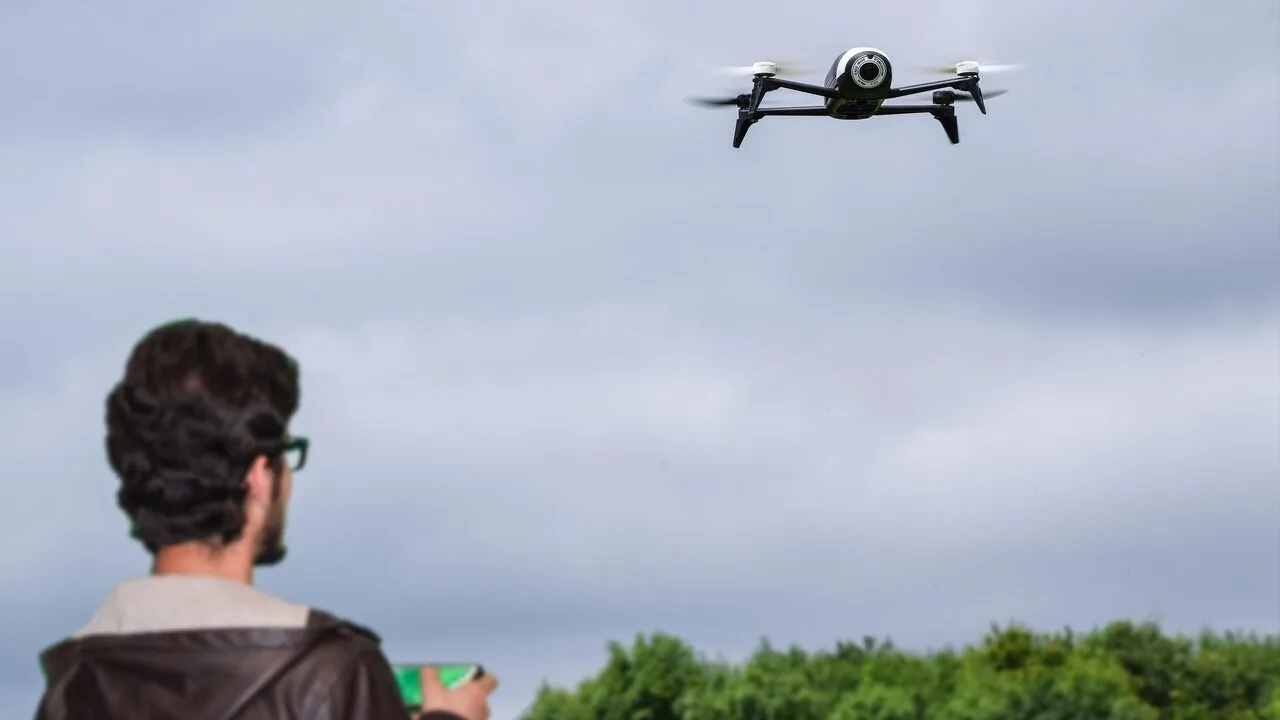
Camera drones under $1,000 have become genuinely capable tools for aerial photography, not just expensive toys.
Whether you are a travel filmmaker wanting to capture sweeping landscapes, a real estate agent needing clean overhead shots, or a hobbyist exploring creative perspectives, the sub-$1,000 bracket now offers 4K video, 3-axis mechanical gimbals, and sub-249g designs that sidestep many registration requirements.
The market has matured quickly, and sorting through dozens of models from brands like DJI, Potensic, and smaller challengers takes real effort.
This guide covers the most compelling camera drones available at this price point, drawing on published specifications, expert review consensus, and verified buyer feedback to surface the picks that consistently perform.
Our research weighs image stabilization quality, flight time, transmission range, portability, and value so you can match the right drone to your actual needs.
Read on for our top picks, then dive into the buying guide below to understand exactly what separates a great drone from a frustrating one.
| Award | Product | REMOVU Score About REMOVU ScoreThe REMOVU Score is our own rating from 0 to 10, based on performance, design and build, ease of use, and value. It reflects independent research and is never influenced by manufacturers, retailers, or affiliate commissions. Learn more › | Price | |
|---|---|---|---|---|
 DJI Mini 4K Drone with 4K Camera and 3-Axis Gimbal
|
7.5/10 | Buy | ||
| Best Overall |
 DJI Mini 3 4K Drone with 38-Min Flight Time
|
8.2/10 | Buy | |
| Best Premium |
 DJI Mini 4K Drone Combo with Extra Battery
|
8.1/10 | Buy | |
 Potensic ATOM 2 4K Drone with 8K Photo
|
7.8/10 | Buy | ||
| Best Value |
 Potensic ATOM 4K GPS Drone with 3-Axis Gimbal
|
7.6/10 | Buy | |
| Best Budget |
 VUCDUSK 4K GPS Drone with 4.5-inch FPV Controller
|
6.7/10 | Buy | |
 Trinton GPS Drone with 4.5" LCD Screen
|
6.4/10 | Buy | ||
 Gleesfun G11PRO 6K Drone with 70-Min Flight Time
|
6.2/10 | Buy | ||
 Oddire 4K GPS Drone, 48-Min Flight Time
|
6.2/10 | Buy |
DJI Mini 4K Drone with 4K Camera and 3-Axis Gimbal
A lightweight sub-250g drone designed for beginners and content creators seeking 4K aerial footage without regulatory hassle. The 3-axis gimbal stabilization and intelligent QuickShots modes handle most creative shots automatically, while the 10km transmission range and multi-battery options extend your flying sessions. Best suited for casual users prioritizing ease of use over advanced manual control.
Pros
- No FAA registration required in most regions due to sub-249g weight
- 4K video capture with 3-axis gimbal for smooth, cinematic footage
- Intelligent QuickShots (Helix, Dronie, Rocket, Circle, Boomerang) automate professional-looking shots with one tap
- Extended flight time with included 2-battery combo (62 minutes total), expandable to 93 minutes with third battery
- Beginner-friendly features including one-tap takeoff/landing and GPS Return to Home
- Level 5 wind resistance (38kph) for stable flight in variable conditions
- 10km max HD video transmission range for exploring distant landscapes
Cons
- DJI Fly app removed from Google Play due to platform compatibility; requires manual download from DJI website
- 31-minute max flight time per battery is modest compared to some competitors, requiring frequent battery swaps for extended sessions
- 1/2.3-inch CMOS sensor and 12MP resolution trail behind higher-end DJI models in image quality and detail
DJI Mini 3 4K Drone with 38-Min Flight Time
An entry-level camera drone that stays under the 249g registration threshold while delivering 4K HDR video and a 38-minute flight time. The 3-axis gimbal keeps footage stable in moderate wind, and true vertical shooting makes it useful for social media content. Best suited for casual creators and beginners who want reliable aerial footage without regulatory hassle.
Pros
- No FAA registration required under 249g, reducing legal barriers for recreational users
- Solid 38-minute flight time with standard battery, extendable to 51 minutes with optional battery
- 4K HDR video with dual native ISO for better detail in highlights and shadows
- 10km video transmission range with good anti-interference capability
- True vertical shooting mode and creative QuickShots templates for varied content
Cons
- 4K HDR video capped at 30fps, limiting slow-motion options compared to competitors
- Optional Intelligent Flight Battery Plus pushes total weight over 249g, triggering registration requirements
- Battery charger sold separately, requiring additional purchase
- Downward obstacle sensing only, no forward-facing sensors for obstacle avoidance
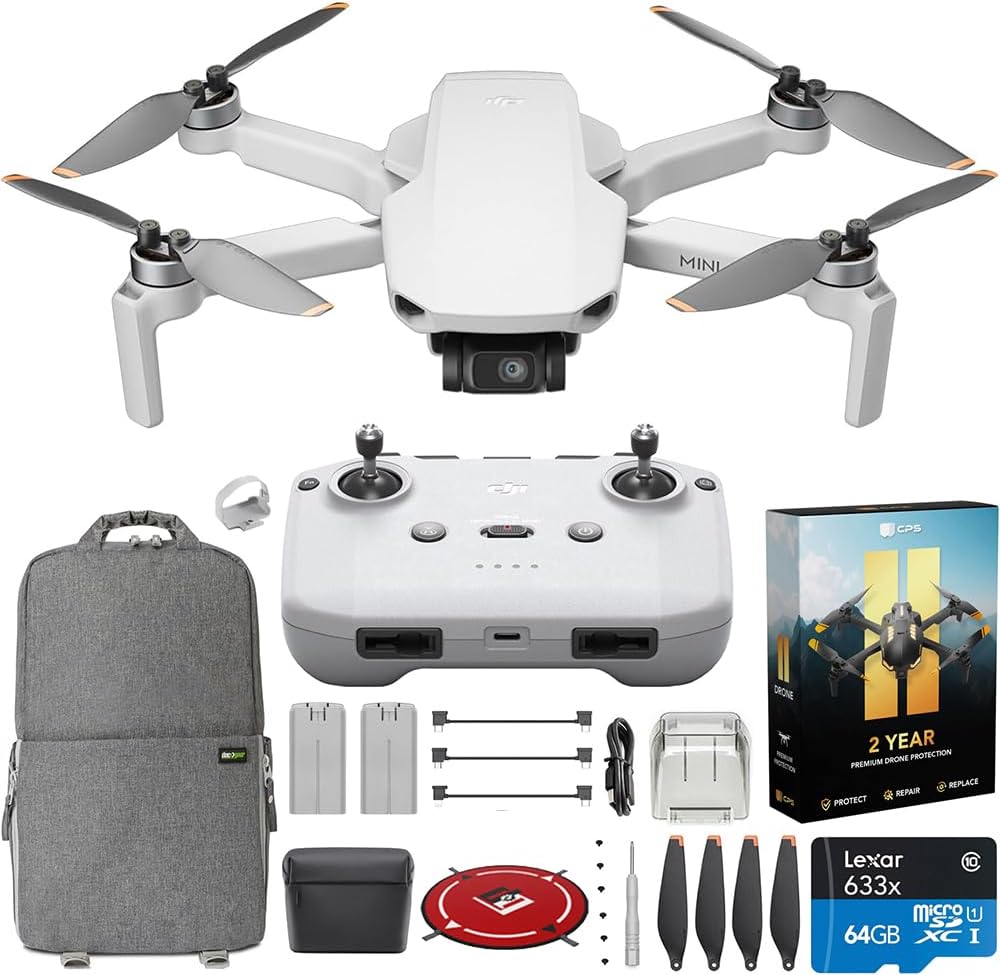
DJI Mini 4K Drone Combo with Extra Battery
A lightweight 4K drone designed for beginners and casual creators, weighing under 249g to skip FAA registration. It delivers stabilized 4K video via a 3-axis gimbal, intelligent QuickShots for automatic cinematic sequences, and up to 62 minutes of flight time with the included dual-battery combo. The bundle adds a carrying case, landing pad, and memory card for immediate use.
Pros
- No FAA registration required due to sub-249g weight, removing bureaucratic friction for recreational flyers
- 3-axis gimbal stabilization captures smooth 4K footage even in challenging lighting or wind conditions up to 38kph
- One-tap QuickShots and Panorama modes generate professional-looking videos automatically without post-editing
- Extended flight time options with dual batteries provide up to 62 minutes of continuous operation
- Compact and portable design fits in a palm, ideal for travel and adventure documentation
Cons
- Standard single battery offers only 31 minutes of flight time, requiring purchase of additional batteries for extended sessions
- 10km max video transmission range may be limiting in remote or densely built environments
- 4.5-star rating based on 205 reviews suggests some users encountered reliability or performance inconsistencies
Potensic ATOM 2 4K Drone with 8K Photo
A compact sub-249g drone built for content creators seeking cinematic quality without registration hassles. The 1/2-inch Sony sensor delivers sharp 4K HDR video and 48MP stills, while AI-powered tracking and night shot capabilities expand creative possibilities. Best suited for aerial photography enthusiasts who value long flight time and intuitive controls over extreme portability.
Pros
- 8K photo and 4K HDR video with 3-axis gimbal stabilization
- 96-minute flight time with Fly More Combo and 1.3-hour fast charging
- 10km transmission range with 1080p live view via PixSync 4.0 technology
- AI tracking modes (Spotlight, Follow, Parallel) and AI Night Shot for low-light clarity
- Under 249g weight eliminates FAA registration requirement in many regions
- Multiple creative shooting modes: vertical shooting, panorama, dolly zoom, slow motion, QuickShots
Cons
- Relies on 4x digital zoom rather than optical zoom, which may reduce image quality at maximum magnification
- 10km transmission range is theoretical maximum and real-world distance depends on environment and interference
- AI features and advanced modes have a learning curve for beginners despite beginner-friendly flight controls
Potensic ATOM 4K GPS Drone with 3-Axis Gimbal
This compact GPS drone weighs under 249g and skips FAA registration while delivering 4K video from a 3-axis gimbal stabilized by a Sony CMOS sensor. It pairs long flight time (96 minutes across three batteries) with intuitive features like visual tracking and preset QuickShots, making it accessible for beginners without sacrificing range or image quality.
Pros
- Extended flight time: 96 minutes total with three batteries and 1.3-hour fast charging via 60W hub
- Rock-solid 4K video with 3-axis gimbal handles level-5 wind conditions for smooth aerial footage
- Long transmission range up to 6 km with PixSync 3.0 technology for stable signal
- Sub-249g weight eliminates FAA registration requirement in the US, simplifying legal compliance
- Creative automation: visual tracking and QuickShots (Boomerang, Circle, Rocket, Spiral, Pull-Away) lower the barrier for cinematic videos
Cons
- No independent user reviews yet to verify real-world performance claims and reliability
- Limited transmission range details on signal stability in urban or interference-heavy environments
- Gimbal stabilization effectiveness in extreme conditions remains unverified by third-party evaluation
VUCDUSK 4K GPS Drone with 4.5-inch FPV Controller
This GPS quadcopter combines a 4K camera with a built-in 4.5-inch display controller, eliminating the need for smartphone tethering during basic flight. Dual batteries deliver up to 60 minutes of total flight time, while GPS, optical flow positioning, and three return-to-home safeguards make it accessible for beginners seeking extended outdoor sessions without registration hassle due to its sub-250g weight.
Pros
- 4.5-inch integrated FPV display allows standalone flying without phone dependency
- Dual batteries provide 60 minutes combined flight time for extended missions
- Triple return-to-home functions (one-key, low battery, signal loss) enhance safety
- Brushless motors deliver quieter, more durable operation with improved stability
- Foldable design and sub-250g weight enable convenient portability and FAA registration exemption
Cons
- No verified buyer reviews available to confirm real-world performance claims
- Intelligent features like Follow Me and Track Flight require smartphone app connectivity, limiting standalone capability
- Specifications array incomplete in source data, leaving some technical details unconfirmed
Trinton GPS Drone with 4.5" LCD Screen
This GPS drone pairs a dedicated 4.5-inch HD LCD remote screen with dual cameras and intelligent tracking features, designed for beginners and casual fliers. The integrated display eliminates smartphone dependency, while Follow Me and Circle Fly modes handle dynamic shots automatically. Best suited for users prioritizing ease of use and reliable GPS recovery over advanced manual controls.
Pros
- Built-in 4.5" HD LCD screen with sunlight-readable display and flight data overlay eliminates phone pairing hassle
- GPS auto-return function ensures safe recovery when signal is lost, battery depletes, or manually triggered
- Follow Me mode maintains 3-50m distance and altitude automatically for hands-free tracking shots
- Dual camera setup with wide-angle stabilized lens for smooth video capture and crisp mid-flight photos
- Includes carrying case and supports 32GB SD card storage for immediate data organization
Cons
- Fixed LCD screen means less flexibility for customized flight monitoring compared to smartphone app control
- Specifications array incomplete in product data, limiting clarity on flight time, max range, and weight details
- Dual camera system details sparse; unclear which camera handles primary vs. secondary functions
Gleesfun G11PRO 6K Drone with 70-Min Flight Time
This mid-range drone delivers 6K photo and 4K/30fps video through a 3-axis brushless gimbal, backed by FAA compliance and a 10,000ft transmission range. The 70-minute flight time across two batteries and fast 2.5-hour charging make it practical for extended aerial sessions. Best suited for hobbyists and content creators seeking stable footage without premium pricing.
Pros
- 3-axis brushless gimbal ensures smooth, stable footage across various flight conditions
- Extended 70-minute flight time with two GL2.0 smart batteries and quick 2.5-hour recharge
- 10,000ft GQ2.0 digital transmission with wired connection eliminates WiFi dependency
- 6K photo resolution and 4K/30fps video capture with 1/3.2 inch CMOS sensor
- FAA-compliant with built-in Remote ID module, includes carrying case and comprehensive accessories
Cons
- Requires wired phone connection to remote control, limiting spontaneous smartphone mounting flexibility
- 357g weight triggers FAA registration requirements, adding regulatory overhead for users
- Cruise Control and advanced flight modes demand learning curve despite one-key simplicity claims
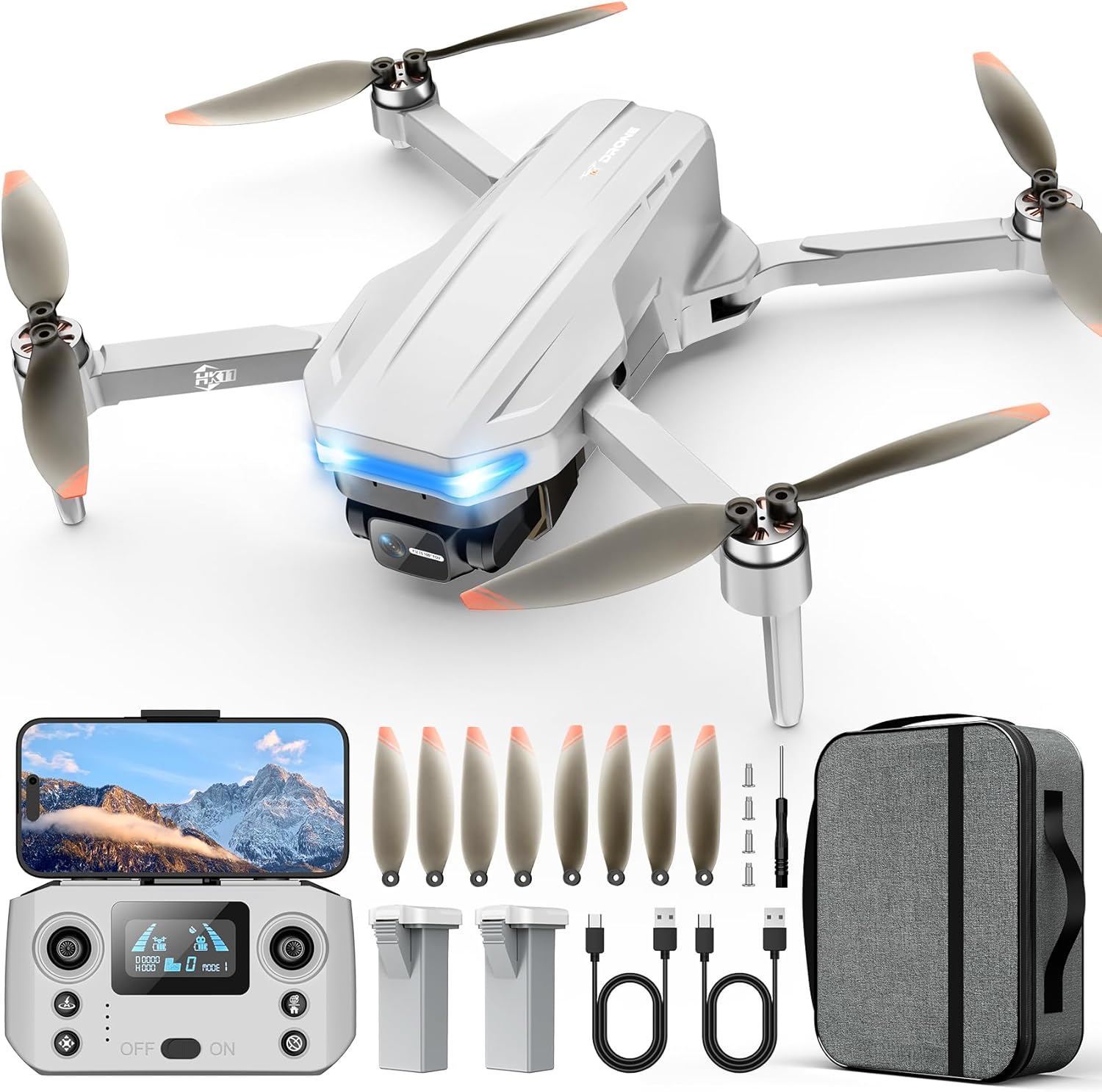
Oddire 4K GPS Drone, 48-Min Flight Time
A mid-range GPS drone built for beginners and casual aerial photographers seeking intelligent flight modes without complexity. The 48-minute flight time across two batteries and 4K camera with adjustable wide-angle lens deliver solid value, though video resolution caps at 2048x1088P and SD card storage requires separate purchase.
Pros
- Extended 48-minute flight time with dual 7.7V batteries, among the longest in its class
- GPS-enabled auto-return, waypoint flight, and follow-me modes simplify operation for beginners
- Lightweight 249g design avoids FAA registration requirements in the US
- 5G WiFi transmission with 500-meter range for stable real-time footage
- 4.5-star rating from 606 verified reviews reflects consistent user satisfaction
Cons
- Video recording limited to 2048x1088P despite 4K camera marketing, below flagship standards
- SD card not included and required for photo and video storage
- No brushless motor performance data or wind resistance specifics provided in verified reviews
Camera Drones Under $1000 Buying Guide
Choosing a camera drone involves more than comparing megapixel counts. Flight time, gimbal quality, weight class, and the ecosystem around a drone all determine how useful it will actually be on a shoot.
The sections below walk through every factor worth evaluating before you commit to a purchase.
Weight Class and Regulatory Impact
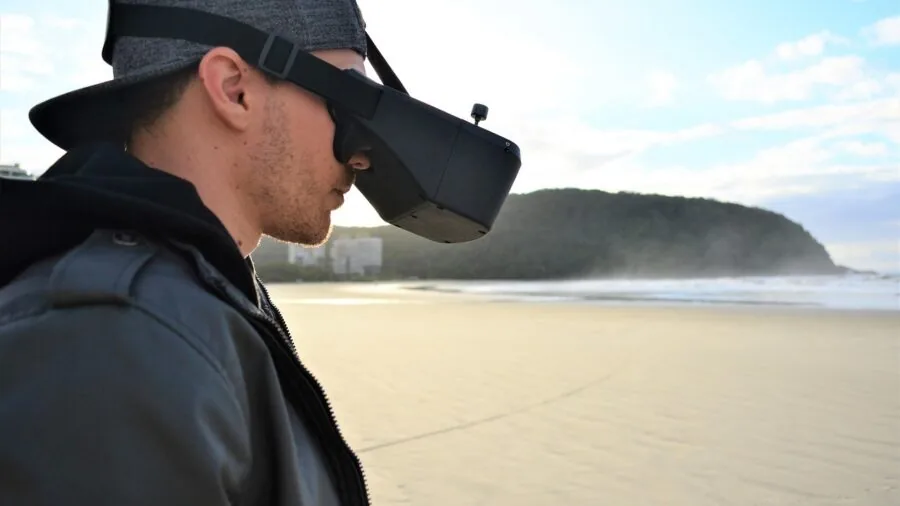
Weight is arguably the single most consequential spec on a camera drone, yet many buyers overlook it entirely. In the United States, drones weighing 250 grams or more must be registered with the FAA.
Several countries in Europe and Asia have similar thresholds.
Drones that come in under 249g, such as the DJI Mini 4K and the Potensic ATOM series, offer a meaningful operational advantage because they can be flown in more locations with fewer bureaucratic hurdles.
That said, staying under 249g sometimes means engineering compromises elsewhere, such as smaller sensors or reduced battery capacity. The right weight class depends on where you plan to fly most often.
If you are primarily shooting in open rural areas and do not mind registration, a slightly heavier drone may offer better camera performance.
If you want maximum flexibility in urban parks and travel destinations, a sub-249g model is almost always the smarter choice.
Gimbal Stabilization and Video Quality

A 3-axis mechanical gimbal is now the baseline for any drone worth recommending at this price. It compensates for pitch, roll, and yaw movements independently, which means your footage stays smooth even in moderate wind.
Electronic Image Stabilization (EIS) alone, offered on some budget models, is a software workaround that crops the frame and still struggles in gusty conditions. Always confirm whether a drone uses a true mechanical gimbal or relies on EIS before buying.
Beyond stabilization technology, resolution and codec matter for usable footage. 4K at 30 frames per second is the current practical standard for sharing and light editing.
Models that also offer higher bitrates, 10-bit color profiles, or slow-motion options at 1080p/120fps give you more flexibility in post-production.
If you plan to shoot footage for clients or social media professionally, prioritize gimbal quality and color depth over raw resolution numbers alone.
The tripods and gimbals category covers stabilization accessories that complement drone footage when shooting at ground level too.
Flight Time and Battery Strategy
Advertised flight times are measured under ideal conditions, meaning calm air, moderate temperatures, and a light payload. Real-world figures typically run 20 to 30 percent shorter.
A drone claiming 38 minutes of flight time will likely deliver around 28 to 32 minutes in typical outdoor conditions. That is still useful, but it matters when planning a shoot.
The Potensic ATOM series bundles multiple batteries to extend total session time, which is often a smarter value proposition than paying for a single high-capacity pack.
Consider how quickly the batteries charge, what a replacement costs, and whether the charging hub supports simultaneous multi-battery charging.
For travel shoots where access to power is intermittent, two batteries and a charging hub can be more valuable than any single drone feature.
Fly More combos, which bundle extra batteries and carrying cases, tend to offer better total value than buying accessories separately after the fact.
Video Transmission Range and Signal Reliability

Transmission range describes how far the drone can fly while maintaining a stable video feed to your controller.
DJI’s O3 and O4 transmission systems, used in their Mini series, are widely regarded as the most reliable in the consumer space, with low-latency feeds and strong interference resistance.
Third-party alternatives vary significantly; some deliver clean feeds at close range but drop signal unpredictably beyond a few hundred meters.
For most recreational pilots, a reliable transmission of 3 to 6 kilometers is more than enough. What matters more in practice is latency and how gracefully the drone handles signal interruption.
Features like auto return-to-home, triggered automatically when signal drops, are not optional safety features but essential ones. Verify that any drone you consider has a genuine and reliable return-to-home system based on GPS, not just a general marketing claim.
Intelligent Flight Modes and Automation

QuickShots, ActiveTrack, waypoint navigation, and orbit mode transform a drone from a manual aircraft into a cinematic tool. DJI’s QuickShots, for example, automate cinematic moves like Dronie, Helix, Boomerang, and Rocket, producing polished footage with minimal piloting skill required.
These modes are especially valuable when flying solo without an assistant to operate the camera independently.
Subject tracking quality varies considerably between manufacturers. DJI’s tracking is generally smoother and more reliable than third-party implementations, which sometimes lose subjects in busy scenes or fail to distinguish between a person and surrounding objects.
If tracking is a core part of your workflow, prioritize models with a proven track record in that feature specifically.
Potensic’s AI Track on the ATOM 2 has earned positive verified buyer feedback in this area as a strong alternative at a lower price point than DJI.
Portability and Build Quality
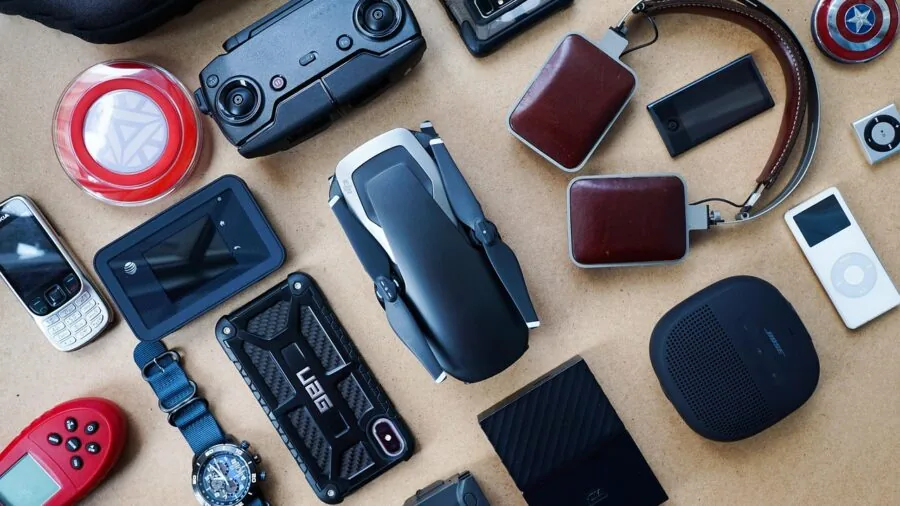
Foldable designs have become standard across virtually every drone in this category, but the quality of the folding mechanism and overall build varies.
Cheaper plastics can flex or crack under travel stress, and prop guards that feel solid in the box sometimes degrade after a few flights.
DJI’s build quality remains a consistent benchmark that most competitors aspire to but do not always match.
Consider the complete travel footprint. A drone that folds down to a compact size but ships with a bulky, non-included controller adds real friction to packing.
Bundles that include a slim carrying case, a quality controller, and a shoulder strap represent genuine convenience gains for travel photographers who already carry lightweight laptops and other gear on location shoots.
Why You Should Trust Us
REMOVU is an independent review publication. Every drone in this guide was evaluated against a consistent set of criteria covering image stabilization, flight performance, transmission reliability, intelligent flight features, portability, and overall value.
Each product receives a REMOVU Score on a 0 to 10 scale, reflecting how well it performs across those criteria relative to others in the same category and price range.
We do not conduct our own product trials; our evaluations are grounded in research, published data, expert review consensus, and verified buyer feedback.
Our analysis draws on publicly available specifications from manufacturers, aggregated feedback from verified purchasers, and the broader consensus from experienced drone reviewers across multiple independent sources.
When expert opinions diverge on a product, we note the disagreement rather than averaging it away.
REMOVU may earn a commission if you purchase through links in this article. That affiliate relationship has no influence on which products are included, how they are ranked, or what scores they receive.
Our rankings reflect research quality and editorial judgment, not commission rates. Products from any brand can score high or low on the REMOVU scale based solely on performance data and consensus evidence.
Final Thoughts
The sub-$1,000 drone market is stronger than ever, offering genuine 4K capability, mechanical stabilization, and intelligent flight features that were exclusive to professional rigs just a few years ago. After evaluating the full field, a few picks stand out clearly for specific needs.
- Best Overall: DJI Mini 3 With DJI RC earns the top spot with the highest REMOVU Score in this group, combining a 3-axis mechanical gimbal, 4K HDR video, vertical shooting capability, and one of the best transmission systems at this price into an impressively compact sub-249g package.
- Best Bundle Value: DJI Mini 4K Camera Drone Combo with Case and Deco Gear Accessories offers everything in the standard Mini 4K plus a carrying case and accessory bundle, making it the most practical all-in-one option for buyers who want to arrive at a shoot genuinely prepared.
- Best for Beginners on a Mid-Range Budget: Potensic ATOM 2 impresses with AI Track, vertical shooting, AI Night Shot, and a 96-minute total flight time across included batteries, making it one of the most feature-rich alternatives to DJI at a lower price point.
- Best Budget Pick: Potensic ATOM 4K GPS Drone Fly More Combo delivers a 3-axis gimbal and solid flight time in a lightweight frame at one of the lowest prices in the lineup, making it a strong entry point for first-time drone owners who still want real stabilization.
- Best Ultra-Budget Option: Oddire GPS Drone covers the basics of GPS auto return, waypoint flight, and brushless motors at a fraction of the cost of the premium picks, earning its place for buyers who want to explore the hobby before committing to a larger investment.
Whichever model fits your needs, the key is matching the drone’s strengths to your actual shooting conditions rather than chasing spec-sheet numbers.
If you are also outfitting a broader creative kit, our coverage of action cameras and mirrorless and DSLR cameras can help you build a complete imaging setup.
Frequently Asked Questions
Do I need to register a camera drone under 249g in the United States?
In the US, drones weighing less than 250 grams are exempt from FAA registration requirements for recreational flight.
However, you must still follow FAA operational rules, including flying below 400 feet, keeping the drone in visual line of sight, and avoiding restricted airspace near airports or sensitive locations.
Always check the B4UFLY app or the FAA’s UAS Data Exchange before any flight.
What is the difference between a mechanical gimbal and electronic image stabilization?
A mechanical gimbal uses physical motors to counteract movement on multiple axes, keeping the camera level regardless of how the drone tilts or rotates.
Electronic Image Stabilization (EIS) uses software to crop and shift the frame digitally to reduce the appearance of shake. Mechanical gimbals produce smoother, sharper footage, especially in wind, and do not crop the sensor.
EIS is a compromise that works reasonably well in calm conditions but falls short in any serious outdoor shooting scenario.
How important is GPS in a camera drone?
GPS is essential for safe, stable flight.
It enables the drone to hold its position accurately when you release the sticks, execute intelligent flight modes like orbit and waypoint navigation, and trigger a reliable return-to-home if the signal drops or the battery runs low.
Drones without GPS are significantly harder to control for beginners and lack the safety net that makes flying in open areas practical. Every model we recommend in this guide includes GPS.
Are the camera drones in this guide suitable for professional use?
Several models here, particularly the DJI Mini 3 and the Potensic ATOM 2, produce footage that is entirely usable for professional deliverables like real estate videos, travel content, and social media campaigns.
They are not substitutes for a DJI Mavic 3 or Air 3 when it comes to dynamic range, low-light performance, or obstacle avoidance sophistication.
But for freelancers and small creators working within a tight budget, the best picks in this guide offer a genuine professional starting point. Pair drone footage with ground-level camcorder or mirrorless shots for a complete professional package.
What should I look for in a Fly More Combo?
A quality Fly More Combo should include at least two additional batteries, a multi-battery charging hub, a carrying case or shoulder bag, and ideally a set of spare propellers.
The total value should meaningfully exceed what you would pay buying those accessories individually. Not every combo is equally worthwhile: some bundles inflate perceived value with low-quality accessories.
Check whether the included batteries are genuine manufacturer units and whether the charging hub allows simultaneous or sequential charging, as the latter significantly affects how quickly you can turn around between flights.
Can I travel internationally with a camera drone under 249g?
Sub-249g drones enjoy lighter regulatory burdens in many countries, but regulations vary widely by destination. Some countries require registration regardless of weight, while others ban recreational drone flights entirely in certain regions.
Before any international trip, research the specific rules for each country on your itinerary using official civil aviation authority sources.
Carry your drone in a dedicated case as carry-on luggage and check airline rules on lithium battery quantities, as most carriers allow two to four spare batteries in the cabin but prohibit them in checked bags.
About the author
Clyde covers wireless mice for REMOVU, weighing comfort, precision, and battery life for work and productivity. He helps readers find a mouse that fits their hand and their desk.