The 10 Best Drones with Camera
Choosing a camera drone means weighing sensor size, flight time, weight class, and obstacle avoidance. REMOVU ranked the top picks from DJI and beyond to match every budget and use case.
 By Jack Perkins
Updated July 26, 2026
By Jack Perkins
Updated July 26, 2026
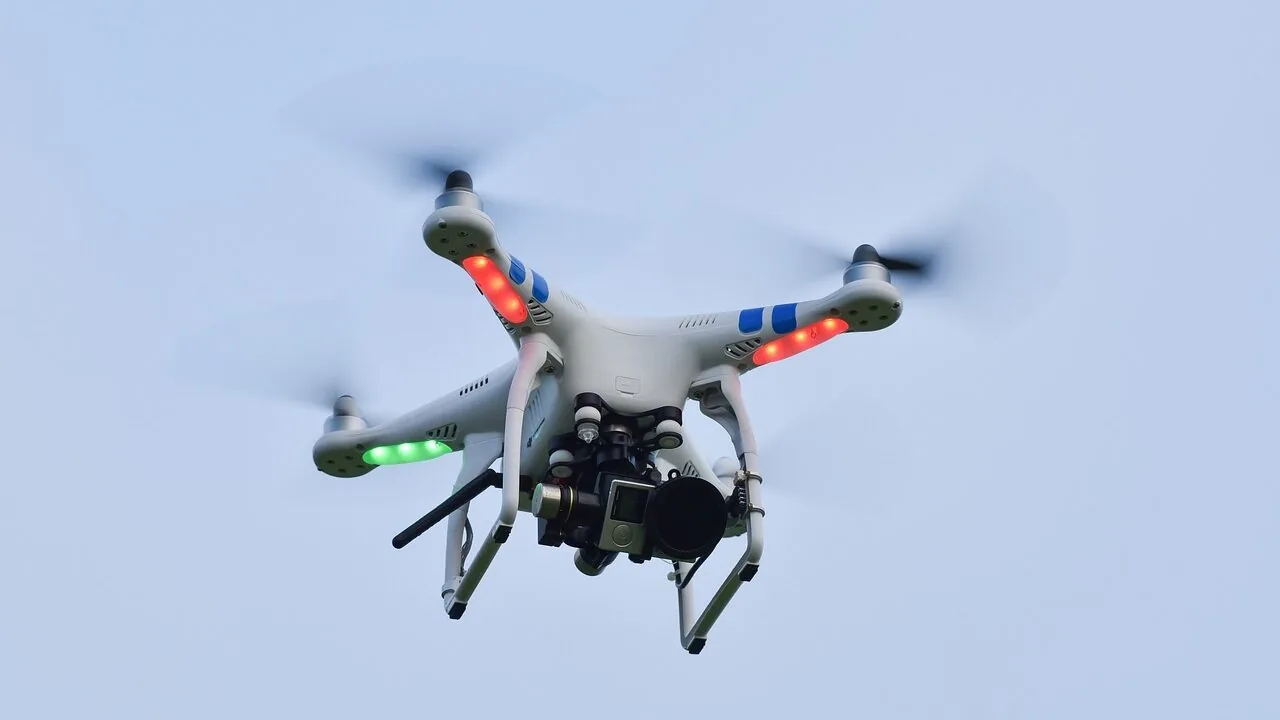
Camera drones have moved well beyond niche hobby territory.
Whether you’re a travel filmmaker, a real estate photographer, or simply someone who wants a fresh perspective on family adventures, a capable drone with a camera puts professional-grade aerial imagery within reach.
The market ranges from sub-250g foldable flyers that slip into a daypack to advanced prosumer rigs with one-inch sensors and omnidirectional obstacle sensing, and choosing the wrong one can mean wasted money, frustrating flight restrictions, or footage that never looks the way you imagined.
To help you navigate the options, our team at REMOVU researched every model on this list by analyzing published specifications, synthesizing consensus from expert reviewers across the industry, and weighing verified buyer feedback from confirmed purchasers.
Each drone received a REMOVU Score on our 0-to-10 scale, reflecting overall value across image quality, flight performance, portability, safety features, and real-world usability.
The picks below represent the strongest options available right now, from flagship DJI systems down to approachable budget flyers. Scroll down to see our ranked top picks.
| Award | Product | REMOVU Score About REMOVU ScoreThe REMOVU Score is our own rating from 0 to 10, based on performance, design and build, ease of use, and value. It reflects independent research and is never influenced by manufacturers, retailers, or affiliate commissions. Learn more › | Price | |
|---|---|---|---|---|
| Best Overall |
 DJI Air 3S Fly More Combo RC 2, Dual 4K Camera Drone
|
9.0/10 | Buy | |
| Best Premium |
 DJI Mini 5 Pro RC2 Fly More Combo Plus
|
8.8/10 | Buy | |
| Best Value |
 DJI Mini 3 Fly More Combo, 4K HDR, 114-Min Flight Time
|
8.5/10 | Buy | |
| Best Budget |
 DJI Mini 4K Drone with 4K Camera and 3-Axis Gimbal
|
7.5/10 | Buy | |
 Ruko F11PRO 2 Plus 48MP 8K Drone
|
7.2/10 | Buy | ||
 Bwine F7MINI 4K Drone with 3-Axis Gimbal
|
6.5/10 | Buy | ||
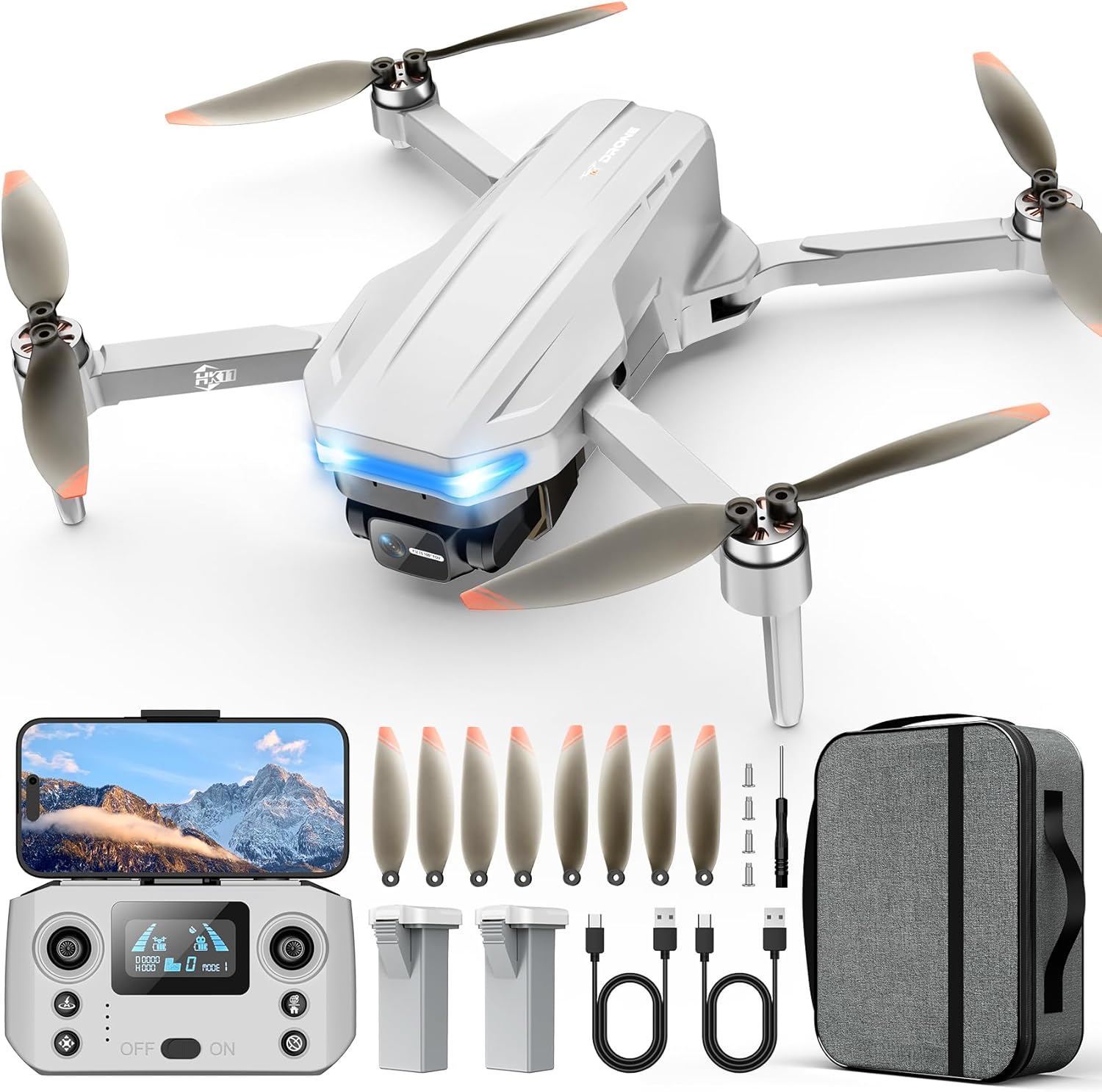 Oddire 4K GPS Drone, 48-Min Flight Time
|
6.2/10 | Buy | ||
 Gleesfun G11PRO 6K Drone with 70-Min Flight Time
|
6.2/10 | Buy | ||
 VUCDUSK 4K GPS Drone with 4.5-inch FPV Controller
|
6.7/10 | Buy | ||
 Bingchat Tablet Remote Drone with 4K Camera and Payload Release
|
6.2/10 | Buy |
DJI Air 3S Fly More Combo RC 2, Dual 4K Camera Drone
A travel-focused drone with dual 4K/60fps cameras, including a 1-inch CMOS main sensor and medium tele lens for versatile framing. The 45-minute flight time, 20km transmission range, and omnidirectional obstacle sensing make it capable for advanced creators. Comes bundled with three batteries, charging hub, ND filters, and RC 2 remote with built-in screen.
Pros
- Dual-camera setup delivers flexible composition options with 1-inch CMOS main camera and 4K/60fps HDR recording
- 45-minute max flight time provides extended creative window for scouting and shooting
- Omnidirectional obstacle sensing with LiDAR enables safer nighttime and low-light operation
- Smart Return-To-Home algorithm adapts to weak GPS signals and memorizes flight paths
- Comprehensive bundle includes three batteries, charging hub, ND filter set, and RC 2 controller with screen
Cons
- Battery charger sold separately, requiring additional purchase of DJI 65W Portable Charger
- No integrated 3x or higher telephoto camera compared to Mavic 4 Pro, limiting extreme zoom capability
- Heavier than Mini 5 Pro at 724g, affecting portability for ultralight travel scenarios
DJI Mini 5 Pro RC2 Fly More Combo Plus
A compact, travel-friendly drone built for both beginners and experienced pilots seeking reliable everyday aerial capture. The RC2 controller's integrated display eliminates smartphone dependency, while the Fly More Combo Plus extends flight time to 52 minutes and includes practical accessories. Intelligent flight assistance and responsive controls make it approachable for learning, yet capable enough for creative growth.
Pros
- Integrated RC2 display reduces setup friction and improves outdoor reliability without smartphone tethering
- Extended flight time up to 52 minutes with Plus batteries in the Fly More Combo, minimizing downtime between sessions
- Lightweight, portable design fits easily into travel bags and daypacks for spontaneous aerial work
- Built-in intelligent stabilization and assisted flight features support confident control across varying conditions
- Comprehensive bundle includes 64GB card, landing pad, and cleaning kit, covering immediate needs
Cons
- Maximum 52-minute flight time may still require multiple battery swaps for longer creative sessions
- Integrated RC2 display cannot be separated from the controller, limiting flexibility for users who prefer smartphone integration
- Limited details on wind resistance specifications and performance in challenging weather conditions
DJI Mini 3 Fly More Combo, 4K HDR, 114-Min Flight Time
An entry-level camera drone under 249g that doesn't require FAA registration for recreational use. Delivers 4K HDR video, vertical shooting capability, and up to 114 minutes of total flight time across three batteries, making it practical for extended creative sessions without regulatory burden.
Pros
- No registration required in most regions due to sub-249g weight, reducing legal friction for casual flyers
- Generous battery ecosystem: Fly More Combo includes three batteries plus charging hub for extended field sessions
- True vertical shooting mode with 1/1.3-inch CMOS sensor captures 4K HDR video suitable for social media content
- 10km HD video transmission range and Level 5 wind resistance enable stable footage in varied conditions
- Beginner-friendly with auto takeoff, Return to Home, QuickShots, and in-app learning resources
Cons
- DJI Fly app removed from Google Play on Android, requiring manual download from DJI website for setup
- Single 38-minute max flight time per battery (without optional Battery Plus sold separately), requiring mid-session swaps for longer shoots
- HDR video limited to 30fps maximum, restricting slow-motion capabilities for HDR content
DJI Mini 4K Drone with 4K Camera and 3-Axis Gimbal
A lightweight sub-250g drone designed for beginners and content creators seeking 4K aerial footage without regulatory hassle. The 3-axis gimbal stabilization and intelligent QuickShots modes handle most creative shots automatically, while the 10km transmission range and multi-battery options extend your flying sessions. Best suited for casual users prioritizing ease of use over advanced manual control.
Pros
- No FAA registration required in most regions due to sub-249g weight
- 4K video capture with 3-axis gimbal for smooth, cinematic footage
- Intelligent QuickShots (Helix, Dronie, Rocket, Circle, Boomerang) automate professional-looking shots with one tap
- Extended flight time with included 2-battery combo (62 minutes total), expandable to 93 minutes with third battery
- Beginner-friendly features including one-tap takeoff/landing and GPS Return to Home
- Level 5 wind resistance (38kph) for stable flight in variable conditions
- 10km max HD video transmission range for exploring distant landscapes
Cons
- DJI Fly app removed from Google Play due to platform compatibility; requires manual download from DJI website
- 31-minute max flight time per battery is modest compared to some competitors, requiring frequent battery swaps for extended sessions
- 1/2.3-inch CMOS sensor and 12MP resolution trail behind higher-end DJI models in image quality and detail
Ruko F11PRO 2 Plus 48MP 8K Drone
A mid-range quadcopter built for aerial cinematography, pairing a 48MP camera with 8K photo capability and a 3-axis gimbal for smooth footage. The 74-minute total flight time across two batteries and 20,000ft transmission range appeal to property surveyors and landscape enthusiasts, while GPS auto-return and beginner-friendly controls lower the learning curve for newcomers.
Pros
- 48MP 1/2-inch CMOS sensor with strong low-light performance for night and sunset shots
- Dual batteries deliver 74 minutes total flight time, reducing downtime between sessions
- 3-axis mechanical gimbal stabilizes footage in real time, eliminating shake
- 20,000ft transmission range supports long-distance scouting and remote exploration
- Smart GPS features including one-key return and auto-home on low battery or signal loss
Cons
- No specifications array provided in source data limits detailed performance verification
- Level 6 wind resistance noted but not quantified against real-world flight conditions
- 4.5-star rating from 1,063 reviews suggests some users encountered issues despite overall satisfaction
Bwine F7MINI 4K Drone with 3-Axis Gimbal
A compact 249g drone designed for casual aerial photography, offering 4K video, 8K photo capability, and a stabilized 3-axis gimbal for smooth footage. The standout feature is its 96-minute total flight time across three batteries, making extended shooting sessions feasible without constant recharging. Best suited for hobbyists and beginners who want professional-grade video quality without FAA registration hassles.
Pros
- No FAA registration required at 249g, removing bureaucratic friction for casual users
- Exceptional 96-minute total flight time with three included high-density batteries and fast PD 3.0 charging
- 3-axis gimbal with L5 wind resistance delivers stable footage in variable weather conditions
- 20,000ft transmission range with wired digital anti-interference technology minimizes signal loss
- Comprehensive beginner features including smart return-to-home, optical flow indoor positioning, and waypoint flight modes
- Complete package with premium case, three batteries, and 2-year warranty included
Cons
- 4.6-star rating from 356 reviews suggests occasional reliability concerns or user experience issues not detailed in marketing copy
- 48MP camera sensor is modest by current standards; 8K photo capability may involve upscaling rather than native resolution
- Beginner-focused intelligent modes may feel limiting for experienced drone pilots seeking manual control precision
Oddire 4K GPS Drone, 48-Min Flight Time
A mid-range GPS drone built for beginners and casual aerial photographers seeking intelligent flight modes without complexity. The 48-minute flight time across two batteries and 4K camera with adjustable wide-angle lens deliver solid value, though video resolution caps at 2048x1088P and SD card storage requires separate purchase.
Pros
- Extended 48-minute flight time with dual 7.7V batteries, among the longest in its class
- GPS-enabled auto-return, waypoint flight, and follow-me modes simplify operation for beginners
- Lightweight 249g design avoids FAA registration requirements in the US
- 5G WiFi transmission with 500-meter range for stable real-time footage
- 4.5-star rating from 606 verified reviews reflects consistent user satisfaction
Cons
- Video recording limited to 2048x1088P despite 4K camera marketing, below flagship standards
- SD card not included and required for photo and video storage
- No brushless motor performance data or wind resistance specifics provided in verified reviews
Gleesfun G11PRO 6K Drone with 70-Min Flight Time
This mid-range drone delivers 6K photo and 4K/30fps video through a 3-axis brushless gimbal, backed by FAA compliance and a 10,000ft transmission range. The 70-minute flight time across two batteries and fast 2.5-hour charging make it practical for extended aerial sessions. Best suited for hobbyists and content creators seeking stable footage without premium pricing.
Pros
- 3-axis brushless gimbal ensures smooth, stable footage across various flight conditions
- Extended 70-minute flight time with two GL2.0 smart batteries and quick 2.5-hour recharge
- 10,000ft GQ2.0 digital transmission with wired connection eliminates WiFi dependency
- 6K photo resolution and 4K/30fps video capture with 1/3.2 inch CMOS sensor
- FAA-compliant with built-in Remote ID module, includes carrying case and comprehensive accessories
Cons
- Requires wired phone connection to remote control, limiting spontaneous smartphone mounting flexibility
- 357g weight triggers FAA registration requirements, adding regulatory overhead for users
- Cruise Control and advanced flight modes demand learning curve despite one-key simplicity claims
VUCDUSK 4K GPS Drone with 4.5-inch FPV Controller
This GPS quadcopter combines a 4K camera with a built-in 4.5-inch display controller, eliminating the need for smartphone tethering during basic flight. Dual batteries deliver up to 60 minutes of total flight time, while GPS, optical flow positioning, and three return-to-home safeguards make it accessible for beginners seeking extended outdoor sessions without registration hassle due to its sub-250g weight.
Pros
- 4.5-inch integrated FPV display allows standalone flying without phone dependency
- Dual batteries provide 60 minutes combined flight time for extended missions
- Triple return-to-home functions (one-key, low battery, signal loss) enhance safety
- Brushless motors deliver quieter, more durable operation with improved stability
- Foldable design and sub-250g weight enable convenient portability and FAA registration exemption
Cons
- No verified buyer reviews available to confirm real-world performance claims
- Intelligent features like Follow Me and Track Flight require smartphone app connectivity, limiting standalone capability
- Specifications array incomplete in source data, leaving some technical details unconfirmed
Bingchat Tablet Remote Drone with 4K Camera and Payload Release
A large quadcopter with an integrated Android tablet controller that doubles as a standalone device, featuring 4K video, 3-axis gimbal, and payload release capability. The 84-minute total flight time across two batteries and 5-mile range appeal to adult hobbyists seeking extended aerial sessions. Setup and operation require careful attention to safety guidelines, particularly regarding obstacle avoidance limitations.
Pros
- Dual-function tablet controller works as standalone Android device with app download capability
- Extended flight endurance: 42 minutes per battery, 84 minutes total with two included batteries
- Comprehensive safety features including low battery auto-return, GPS follow mode, and 360-degree obstacle avoidance
- Payload release function enables creative applications beyond standard filming
- One-year quality replacement warranty plus three-year flight support from local service team
Cons
- 360-degree obstacle avoidance is ineffective near trees and branches, requiring manual tree avoidance during flights
- Transmission range and GPS connectivity heavily dependent on environment; 5-mile range requires open areas without obstacles
- Steep learning curve with multiple pre-flight requirements: must fly above 200 feet initially, needs 19+ GPS satellites, and demands careful gimbal calibration on level surfaces
- No verified customer reviews available to validate real-world performance claims
Drones with Camera Buying Guide
Picking the right camera drone comes down to matching the machine’s strengths to your actual shooting scenarios. A filmmaker who needs cinematic dynamic range has different priorities than a hiker who wants a pocket-friendly flyer for travel snaps.
The six criteria below cover everything that separates a satisfying purchase from a shelf ornament.
Camera and Sensor Quality
The sensor is the single biggest determinant of image quality, and the gap between a small 1/2.3-inch sensor and a one-inch CMOS is enormous in low light and high-contrast scenes.
Larger sensors capture more light, produce less noise at higher ISO settings, and retain highlight and shadow detail that smaller sensors simply clip.
If you plan to shoot around golden hour or in shaded canyons, a larger sensor matters far more than megapixel count alone.
Video resolution and frame rate combinations are equally important.
4K at 30fps is the practical baseline for shareable content in 2026, but 4K at 60fps allows smooth slow-motion playback at half speed, a feature that separates upper-tier drones from entry-level machines.
Logarithmic color profiles (D-Log, D-Log M) give colorists far more latitude in post-production, which matters if you edit footage seriously.
Compressed spec sheets that advertise “8K photo” often achieve this through pixel-binning or interpolation rather than native resolution, so read the fine print carefully before comparing models side by side.
If video work is central to your plans, pairing a high-quality drone with a solid editing rig, such as one of the laptops built for video editing, makes the full pipeline smoother.
Gimbal stabilization is equally critical. A 3-axis motorized gimbal compensates for wind buffeting and rapid pitch changes mechanically, producing silky footage even in gusty conditions.
Electronic Image Stabilization (EIS) alone, without a physical gimbal, tends to introduce a warping or jello effect at the edges of the frame under any turbulence.
Look for a 3-axis gimbal as a minimum for usable cinematic footage rather than relying on software correction after the fact.
Weight, Size, and Regulatory Class

Weight is not just a portability concern; it is a legal one.
In the United States, drones weighing under 249 grams fall into a favorable regulatory category under FAA rules, generally exempting recreational flyers from full Part 107 registration requirements and enabling flight in more locations.
Several models on this list, including compact DJI Mini-series drones and a few third-party alternatives, deliberately target this threshold.
If you plan to fly at national parks, over populated areas, or internationally, the sub-249g class gives you significantly more flexibility.
Foldable designs have become the standard for travel-oriented drones because they reduce packed dimensions dramatically without sacrificing rigidity during flight. That said, folding mechanisms add mechanical complexity, and cheaper implementations can develop wobble over time.
Check for magnet-assisted arm locks or solid latch designs rather than friction-fit arms that rely on tight tolerances alone.
If you typically shoot from a fixed location such as a rooftop or property, a non-folding design may actually prove more durable for frequent assembly and disassembly.
Flight Time and Battery Ecosystem
Advertised maximum flight times are almost always measured in ideal laboratory conditions: calm air, mild temperatures, minimal payload, and steady hovering. Real-world flight time is typically 15 to 25 percent shorter once wind resistance, aggressive maneuvering, and camera operation are factored in.
A drone rated at 46 minutes may deliver 34 to 38 minutes of practical flight, which is still excellent, but a 20-minute rating can shrink to 14 minutes in a crosswind.
Battery ecosystem matters as much as single-charge runtime. Bundles described as “Fly More Combo” typically include two or three batteries, a multi-charging hub, and extra accessories, and they offer significantly better value per battery than buying individually after the fact.
Assess whether the manufacturer sells replacement batteries at a reasonable price and whether third-party cells are available, since proprietary battery formats can become expensive to maintain over a multi-year ownership period.
Charging time is another overlooked factor; a drone with a 45-minute flight time that requires 90 minutes to recharge creates frustrating downtime during a shooting session.
Obstacle Avoidance and Safety Systems
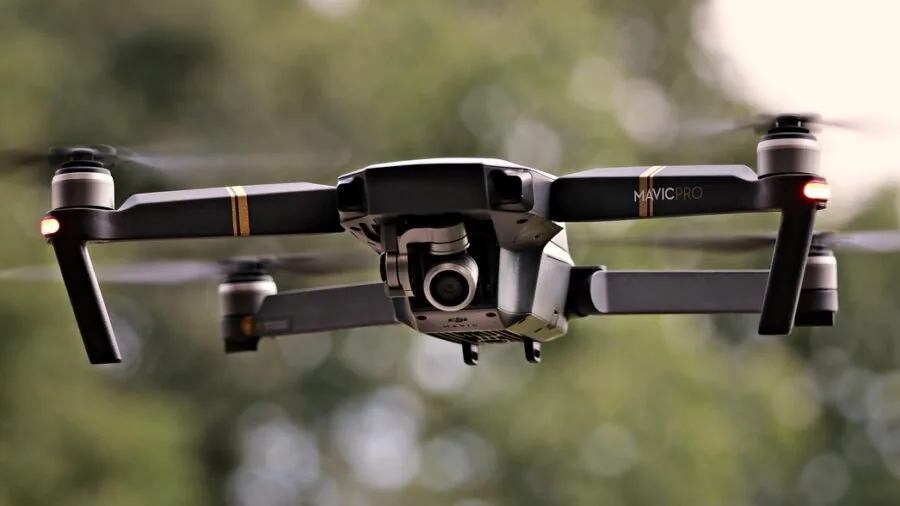
Obstacle sensing technology varies enormously across price tiers, and the difference matters most when you are flying in environments with trees, power lines, buildings, or other aircraft.
Forward and backward sensing is the baseline; the better systems add lateral (side) sensing and upward sensing to create a near-omnidirectional awareness bubble around the drone.
APAS (Advanced Pilot Assistance Systems) technology, found in higher-end DJI models, actively re-routes the drone around obstacles rather than simply stopping, enabling more fluid autonomous flight paths.
Budget drones frequently omit obstacle avoidance entirely or include only a basic downward sensor used for precision landing and altitude hold.
This is an acceptable trade-off for experienced pilots flying in open environments, but beginners who plan to fly around trees or structures should prioritize multi-directional sensing even if it means stepping up in price.
Auto-return-to-home (RTH), low battery RTH, and signal-loss RTH are non-negotiable safety features that every drone on this list provides in some form, but the reliability and trigger conditions of RTH vary by model.
Video Transmission Range and Signal Reliability

Transmission range figures are marketing maximums, typically measured in open, unobstructed terrain with no radio interference. Urban environments with dense Wi-Fi networks and 5G signals can cut effective range to a fraction of the advertised figure.
DJI’s O3 and O4 transmission systems are broadly recognized as the industry benchmark for low-latency, interference-resistant video feeds.
Third-party systems relying on standard Wi-Fi protocols tend to struggle in crowded RF environments and exhibit higher lag in the FPV feed, which makes precise flying more difficult.
The type of controller also affects usability significantly. Dedicated RC controllers with built-in screens eliminate smartphone dependency, spare you from battery drain on your phone, and deliver a brighter, more consistent display in direct sunlight.
Smartphone-dependent controllers are lighter and cheaper but introduce variables: screen brightness limits, notification interruptions, app update compatibility, and mounting bulk from larger phones. For serious or frequent use, a dedicated-screen controller is the more reliable long-term solution.
Footage captured from these aerial perspectives pairs naturally with high-quality recording gear, and if you later want spatial audio to complement your videos, our full cameras and photo coverage explores complementary imaging tools across categories.
Intelligent Flight Modes and Practical Automation
Autonomous flight modes have become a key differentiator for solo content creators who cannot operate both the drone and a separate camera simultaneously.
Subject tracking (ActiveTrack, Follow Me, GPS Follow) keeps a moving subject centered in the frame while the drone maintains a programmed distance and altitude.
QuickShots and MasterShots run pre-programmed cinematic maneuvers, such as Rocket, Boomerang, and Hyperlapse, that produce polished results without manual pilot skill. Waypoint flight allows pre-planned GPS routes for mapping, inspection, or repeatable establishing shots.
Evaluate which automation features are genuinely useful for your use case rather than accumulating a spec-sheet checklist.
Subject tracking quality varies enormously: higher-end models use machine-learning-based recognition that maintains lock through partial occlusion and subject rotation, while budget implementations may lose lock when the subject turns sideways or enters a shadow.
Reading verified buyer accounts of real-world tracking performance, rather than relying solely on manufacturer demos, gives a much more accurate picture of what to expect in daily use.
For those capturing adventures outdoors, your drone footage will also benefit from having reliable audio gear on the ground; portable Bluetooth speakers are a natural companion for playback and review in the field.
Why You Should Trust Us
REMOVU is an independent review publication. We have no affiliation with any drone manufacturer, retailer, or distributor, and our editorial decisions are made entirely by our research team.
Every product in this roundup was evaluated by analyzing published specifications, synthesizing expert review consensus drawn from credible industry sources, and studying verified buyer feedback from confirmed purchasers across major retail platforms.
Each drone received a REMOVU Score on our 0-to-10 scale, applied against a consistent set of criteria: camera and sensor quality, flight performance and stability, battery and range practicality, obstacle avoidance and safety systems, portability and build quality, and overall value relative to price tier.
We do not conduct our own product trials; our evaluations are grounded in research, published data, expert review consensus, and verified buyer feedback.
REMOVU may earn a commission when you purchase through links on this page. That affiliate relationship has zero influence on our rankings, scores, or which products we choose to include or exclude.
Products are ranked by REMOVU Score, not by commission rate or retailer preference. Our goal is to give you an honest, research-backed shortlist that saves you time and helps you spend your money well.
Final Thoughts
The camera drone market in 2026 offers genuinely strong options at almost every price point, from polished prosumer rigs to capable budget flyers. After evaluating each model against our consistent scoring criteria, here are our standout picks and the roles they fill best.
- Best Overall: DJI Air 3S Fly More Combo (RC 2) earns the top spot with the highest REMOVU Score in this roundup, combining a one-inch CMOS wide-angle sensor, 4K/60fps video, omnidirectional obstacle sensing, and a three-battery Fly More bundle into the most complete aerial imaging package here.
- Best New Flagship: DJI Mini 5 Pro RC2 Fly More Combo Plus earns its near-top REMOVU Score by delivering flagship-class imaging and intelligent tracking in a lightweight, travel-ready form factor, with an extended bundle that adds meaningful real-world value from day one.
- Best Compact Pick: DJI Mini 3 Fly More Combo with DJI RC is the go-to recommendation for travelers and recreational flyers who need sub-249g portability, 4K HDR video, vertical shooting capability, and a multi-battery bundle without stepping up to a heavier class.
- Best Entry-Level DJI: DJI Mini 4K Combo brings DJI build quality, 3-axis gimbal stabilization, and reliable 10km transmission to an accessible price tier, making it the most trustworthy first drone for newcomers who want brand reliability without full prosumer cost.
- Best Budget Pick: Oddire GPS Drone with 4K Camera stands out in the under-budget tier with its sub-249g weight, brushless motor, GPS auto-return, and dual-battery configuration, offering a practical starting point for pilots who want core GPS safety features without a significant financial commitment.
If you are still deciding on a price tier, consider what you will actually film most often. Enthusiasts who shoot travel content and want their footage to stand up alongside mirrorless camera output should budget for a one-inch-sensor platform.
Casual weekend flyers and first-time drone owners will find the sub-249g segment far more forgiving both legally and financially.
Regardless of which model you choose, investing in extra batteries and a reliable storage case will make every outing more productive.
You can explore further imaging gear in our action cameras section and our tripods and gimbals coverage for ground-level stabilization to complement your aerial shots.
Frequently Asked Questions
Do I Need to Register My Drone Before Flying?
In the United States, the FAA requires registration for drones weighing 250 grams or more that are flown outdoors.
Drones under 249g used purely for recreational purposes are generally exempt from registration, which is why manufacturers like DJI have engineered entire product lines to land just below that threshold.
Rules differ significantly by country, so always check local civil aviation authority guidance before flying in a new location. Flying without required registration can result in fines and, more importantly, puts other airspace users at risk.
What Is the Difference Between a Fly More Combo and a Standard Bundle?
A standard drone purchase typically includes one battery, a remote controller, and basic cables.
A Fly More Combo adds two or three batteries, a multi-charging hub that charges all batteries simultaneously, a carrying bag or shoulder bag, and sometimes spare propellers or ND filter sets.
For most buyers who intend to use their drone regularly, the Fly More Combo offers meaningfully better per-item value than buying accessories separately after the fact.
The extended flight sessions enabled by multiple batteries are especially important for travel and event coverage where you cannot afford to cut a shoot short.
How Do I Get Better Footage in Windy Conditions?
Wind resistance is largely determined by motor power-to-weight ratio and the sophistication of the flight controller’s stabilization algorithms.
Higher-end drones actively compensate for gusts, but even they have rated wind resistance limits, typically expressed in Beaufort scale levels or meters per second.
In practical terms, flying in winds above 25 to 30 km/h with a sub-250g drone will produce shaky footage and drain the battery significantly faster.
For windy environments, use the lowest possible gimbal exposure compensation, fly in Tripod or Cine mode to reduce aggressive corrections, and if possible position yourself upwind of your subject so the drone is flying away from you rather than fighting the wind on the return leg.
Are Budget Drones from Lesser-Known Brands Worth Buying?
Third-party brands such as Ruko, Bwine, Gleesfun, and others fill a legitimate role for buyers who want GPS-assisted flying and basic camera capability without flagship pricing.
The trade-offs are real, however: image quality from smaller sensors and software-stabilized cameras generally falls short of DJI equivalents at comparable resolution claims, obstacle avoidance is usually absent or minimal, and long-term firmware and app support can be inconsistent.
For a beginner learning to fly who primarily wants to capture fun footage rather than professional deliverables, a well-reviewed budget model is a reasonable entry point.
For anyone who wants footage they are genuinely proud of, the jump to a DJI mid-range platform is worth the additional investment.
Pairing any drone with quality peripheral gear elevates the overall production value; mirrorless and DSLR cameras complement aerial perspectives with close-up and wide ground-level coverage that drones cannot replicate.
What Should I Look for in a Drone Controller?
Controllers fall into three categories: smartphone-dependent (phone clips onto the controller and runs the app), dedicated-screen RC (built-in display with no phone needed), and FPV-style (goggles or immersive headset for racing).
For camera drone buyers, the choice between smartphone-dependent and dedicated-screen RC is the most relevant. Dedicated-screen remotes like the DJI RC 2 cost more but deliver consistent brightness in sunlight, eliminate notification distractions, and avoid phone battery drain.
Smartphone-dependent controllers are lighter and more affordable, but compatibility can become an issue as phone form factors and operating systems evolve. If you plan to fly frequently or professionally, the dedicated-screen controller pays for itself in reliability over time.
Can I Use Drone Footage Commercially?
In the US, commercial drone operation, meaning any flight where you or your employer receive compensation, requires an FAA Part 107 Remote Pilot Certificate. The exam covers airspace classifications, weather interpretation, drone regulations, and emergency procedures.
Passing it opens up a wide range of paid work including real estate, film production, inspection, and event coverage. Many other countries have equivalent commercial operator licensing requirements.
Even if you only plan recreational use today, obtaining a Part 107 certification is worth considering if you think your interest might develop into a side income, since the credential is valid for two years and expands your legal operating permissions considerably.
For editing the footage you capture, a capable video editing laptop and complementary camera gear round out a complete aerial production workflow.
About the author
Jack covers camera lenses for REMOVU, evaluating sharpness, build quality, and value across popular mounts. He helps photographers match the right prime or zoom to their camera and their subjects.