The 8 Best Game Controllers
Hall effect sticks, high polling rates, and wireless reliability have reshaped what a great controller looks like. Here are the picks worth buying right now.
 By Levi Carlson
Updated July 26, 2026
By Levi Carlson
Updated July 26, 2026
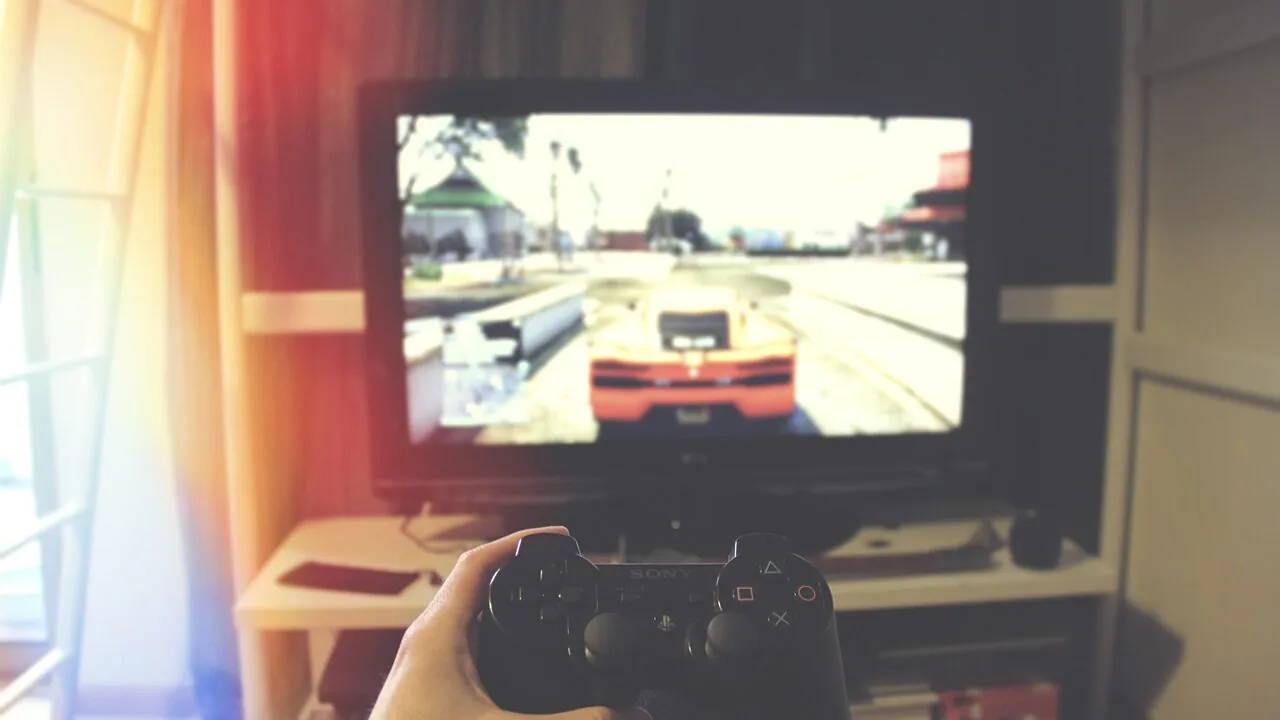
A great game controller can transform how you play, whether you’re grinding through an action RPG on your PC, streaming games to your phone, or competing in fast-paced esports titles.
The gap between a cheap, unreliable gamepad and a well-engineered one shows up immediately in precision, comfort, and longevity.
Features like anti-drift joysticks, hall effect triggers, and high polling rates have moved from “premium niche” to “mainstream expectation” in just a few years, meaning buyers at almost every price point now have genuinely competitive options.
Pairing a capable controller with a strong setup, whether that’s a dedicated game console or a well-specced PC, makes a real difference to your overall experience.
This guide covers the best game controllers available right now, spanning budget-friendly wired options all the way up to high-polling-rate wireless esports pads.
REMOVU researched each model by analyzing manufacturer specifications, synthesizing expert review consensus, and evaluating verified buyer feedback across thousands of purchases. We do not conduct our own product trials; our recommendations are grounded in published data and consistent cross-source research.
Read on for our ranked picks, and scroll to the buying guide below to understand exactly what separates a controller worth your money from one that will disappoint you after a month of use.
| Award | Product | REMOVU Score About REMOVU ScoreThe REMOVU Score is our own rating from 0 to 10, based on performance, design and build, ease of use, and value. It reflects independent research and is never influenced by manufacturers, retailers, or affiliate commissions. Learn more › | Price | |
|---|---|---|---|---|
| Best Value |
 8BitDo Ultimate 2 Wireless Controller with TMR Joysticks
|
8.2/10 | Buy | |
 8BitDo Ultimate 2C Wireless Controller, Hall Effect Joysticks
|
7.8/10 | Buy | ||
| Best Premium |
 GameSir G7 Pro Wireless Xbox Controller with TMR Sticks
|
7.3/10 | Buy | |
| Best Overall |
 GameSir G7 Pro Wireless Controller for Xbox/PC
|
8.3/10 | Buy | |
 Logitech F310 Wired Gamepad for PC
|
7.2/10 | Buy | ||
| Best Budget |
 EasySMX D10 Wireless Controller with TMR Joysticks
|
8.1/10 | Buy | |
 GameSir G7 Pro 8K Aimlabs PC Controller
|
7.9/10 | Buy | ||
 AOC GC310 Multi-Platform Controller with Interactive Screen
|
6.2/10 | Buy |
8BitDo Ultimate 2 Wireless Controller with TMR Joysticks
A premium multi-platform gamepad built for competitive gaming, featuring 8BitDo's proprietary 8Speed wireless technology with sub-1ms latency and switchable trigger modes. Best suited for players who value low-lag performance across Windows, Steam, Apple, and Android.
Pros
- Sub-1ms latency and strong anti-interference on 2.4G connection make it reliable for competitive gaming
- Trigger mode switch lets you adapt between linear Hall Effect and tactile feedback for different game types
- TMR Joysticks deliver higher sensitivity and precision with extended durability compared to standard sticks
- Back paddle buttons and extra bumpers provide ergonomic options for faster response times
- High 4.5-star rating from nearly 5,000 verified reviews indicates consistent user satisfaction
Cons
- Switchable trigger modes add complexity that casual players may not need
- Premium positioning means higher cost compared to standard controller options
- Customization features require 8BitDo's software, creating a learning curve for setup
8BitDo Ultimate 2C Wireless Controller, Hall Effect Joysticks
A budget wireless gamepad for Windows and Android that delivers Hall Effect joysticks, Hall triggers, and a 1000 Hz polling rate over 2.4G without the price tag of premium controllers. Reviewers consistently praise its build quality, responsiveness, and long battery life despite its lightweight plastic construction.
Pros
- Hall Effect joysticks and triggers provide durability and precision without stick drift
- 1000 Hz polling rate on 2.4G wireless eliminates noticeable input lag
- Excellent build quality and ergonomic grip despite budget pricing
- Long battery life on wireless mode, reported to last a month between charges
- Works instantly on Windows without drivers; supports Bluetooth and 2.4G dongle
Cons
- Bluetooth connection shows noticeable delay compared to 2.4G dongle or wired mode
- Power button occasionally requires multiple presses to turn on, per some users
- Included USB-C charging cable is short, not suitable for wired gameplay from a couch
GameSir G7 Pro Wireless Xbox Controller with TMR Sticks
An officially licensed Xbox controller featuring Hall Effect triggers, TMR joysticks with anti-drift technology, and four remappable buttons including top-mounted mini bumpers. Delivers responsive 1000Hz polling on PC and includes a smart charging dock, making it a strong alternative to the Xbox Elite Series 2 at a lower price point.
Pros
- Exceptional build quality and premium feel compared to standard Xbox controllers, with micro switch ABXY buttons delivering tactile, mouse-like clicks
- TMR stick technology and adjustable triggers significantly reduce the stick drift and durability issues common in Xbox Elite Series 2 controllers
- Well-placed remappable buttons (especially top-mounted mini bumpers) offer competitive advantage without the accidental activation issues of back paddles
- Comprehensive customization via GameSir Nexus app including gyro settings, stick curves, and button mapping
- Generous accessories included: charging dock, carrying case, USB cable, wireless dongle, and six stick variants
Cons
- Slightly smaller form factor than Xbox Elite controllers may feel cramped for larger hands, requiring adjustment to bumper and trigger reach
- Battery life around 8-10 hours requires regular charging after extended play sessions, shorter than some competing premium controllers
- Firmware updates require direct wired connection to PC rather than wireless or console-based updates, adding friction to maintenance
GameSir G7 Pro Wireless Controller for Xbox/PC
GameSir's first official Xbox wireless controller combines Hall Effect triggers, magnetic TMR sticks, and tri-mode connectivity in a premium build that reviewers consistently praise for durability and customization. The 4.5-star rating reflects solid performance across competitive gaming and long sessions, though the mechanical D-pad and button feel require adjustment for some players.
Pros
- Hall Effect analog triggers and Mag-Res TMR sticks eliminate drift issues after extended use, confirmed by veteran gamers with months of daily gameplay
- Tri-mode connectivity: 2.4G wireless dongle, USB-C wired, and Bluetooth 5.3 for seamless switching between Xbox, PC, and Android
- Four programmable M-buttons on back with dedicated app for quick remapping, plus swappable magnetic faceplate for customization
- Premium build quality rated on par with Xbox Elite controllers at significantly lower price point
- Smart charging dock with integrated 1200mAh battery and built-in dongle storage compartment
Cons
- Mechanical D-pad and ABXY buttons feel softer and require more deliberate pressure than standard controllers, particularly frustrating for fighting games
- Heavier than typical controllers (266 grams per user measurements) which some find uncomfortable during extended sessions
- Joystick calibration needed out of box for drift issues, requiring multi-step process via USB and app, though instructions are clear
Logitech F310 Wired Gamepad for PC
A straightforward wired controller designed for broad PC game compatibility, featuring a console-like layout and Logitech's floating 4-switch D-pad for responsive directional input. Best suited for players seeking a familiar, customizable controller without premium features.
Pros
- Broad compatibility across old and new PC game titles via XInput/DirectInput support
- Responsive floating D-pad with four individual switches delivers tactile feedback
- Fully customizable controls through Logitech Profiler software, including keyboard and mouse input simulation
- Familiar console-style button layout reduces adjustment time for users
Cons
- Requires software installation for full customization features and keyboard/mouse command mapping
- Wired connection limits mobility compared to wireless alternatives
- No reviews available to assess real-world durability or long-term reliability
EasySMX D10 Wireless Controller with TMR Joysticks
A multi-platform wireless gamepad with TMR anti-drift joysticks, mechanical buttons, and dual-mode triggers that works across PC, Switch, and mobile. Reviewers praise its responsive inputs and included charging dock, though the D-pad and bumpers require some adjustment and it lacks gyro support in 2.4G mode.
Pros
- Exceptional value for features offered, comparable to controllers costing more according to verified owners
- Mechanical buttons deliver satisfying tactile feedback and responsive inputs for all game genres
- Included charging dock is genuinely convenient and syncs LED lighting with the controller
- TMR joysticks show zero drift even after 1000+ hours of use according to long-term user reports
- Flush USB-C charging port and improved button layout eliminate frustrations from earlier EasySMX models
Cons
- D-pad has left input bias (SOCD issue) that disqualifies it for tournament fighting game play, and requires slightly heavier presses for rapid inputs
- Bumpers sit too high and require deliberate, committed presses rather than easy roll-over activation
- Lacks gyro support when using 2.4G wireless dongle mode, available only on Switch via Bluetooth
- Not compatible with Xbox, PlayStation, Amazon Luna, or GeForce Now platforms
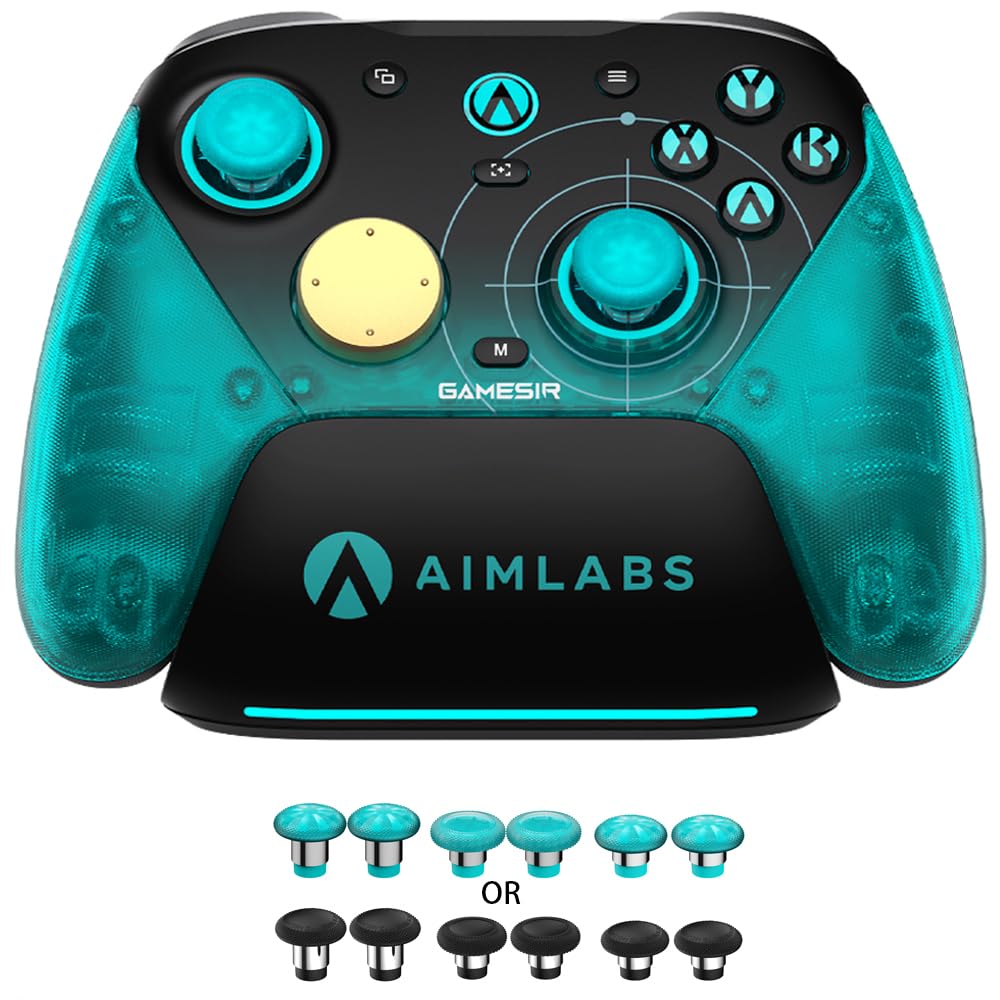
GameSir G7 Pro 8K Aimlabs PC Controller
A competitive PC gamepad built for low-latency gaming with 8000Hz polling, magnetic TMR joysticks that resist drift, and dual-mode triggers supporting both analog and digital input. Reviewers praise the refined D-pad and gyro performance over the standard G7 Pro, making it solid for FPS, fighting, and racing games.
Pros
- 8000Hz polling rate over USB and 2.4G wireless delivers measurable latency reduction in competitive play
- Magnetic TMR joysticks Gen-2 eliminate physical contact, providing durable anti-stick drift with smooth linear response
- Dual-mode Hall Effect plus mechanical triggers let you switch between analog precision and instant digital actuation
- Mechanical D-pad and optical ABXY buttons are significantly tighter than the standard G7 Pro, reducing input bleed
- Gyro aiming implementation works smoothly as mouse input on PC, a major step above the original G7 Pro
Cons
- Battery life is moderate at roughly 8 hours per gaming session at 1K polling, worse at 8K mode
- Macro button customization limited to R, L, and the back buttons; practical macro count is lower than feature count suggests
- Options button placement is awkward for larger hands without remapping to another button
AOC GC310 Multi-Platform Controller with Interactive Screen
A versatile gamepad built for PC, Switch, Steam Deck, and mobile with Hall Effect joysticks, a built-in 1.5-inch display for on-controller settings, and triple-mode connectivity. Best suited for players who value cross-platform compatibility and drift-free precision without software overhead.
Pros
- Hall Effect sticks and triggers eliminate drift at hardware level, critical for competitive play
- On-controller screen removes the driver/app setup cycle common with gaming controllers
- Genuine multi-platform support across PC, Nintendo Switch family, PS4, and mobile without repurchasing
- Programmable back paddles with macro recording suit both casual and hardcore gamers
- Strong battery endurance handles extended sessions across tethered and portable setups
Cons
- Not compatible with Xbox Series or PS5, limiting its appeal for those ecosystems
- No independent user reviews available yet to validate real-world reliability and build quality
- Battery life variance depends on RGB and vibration settings, so actual runtime may fall short of 18-hour claim during heavy use
Game Controllers Buying Guide
Shopping for game controllers in 2026 means navigating a market full of marketing jargon, competing hardware standards, and a surprisingly wide range of build quality at similar price points.
The subsections below break down every criterion that actually matters, so you can match the right controller to your platform, play style, and budget, rather than defaulting to whatever is most heavily advertised.
Joystick Technology: Hall Effect vs. Potentiometer
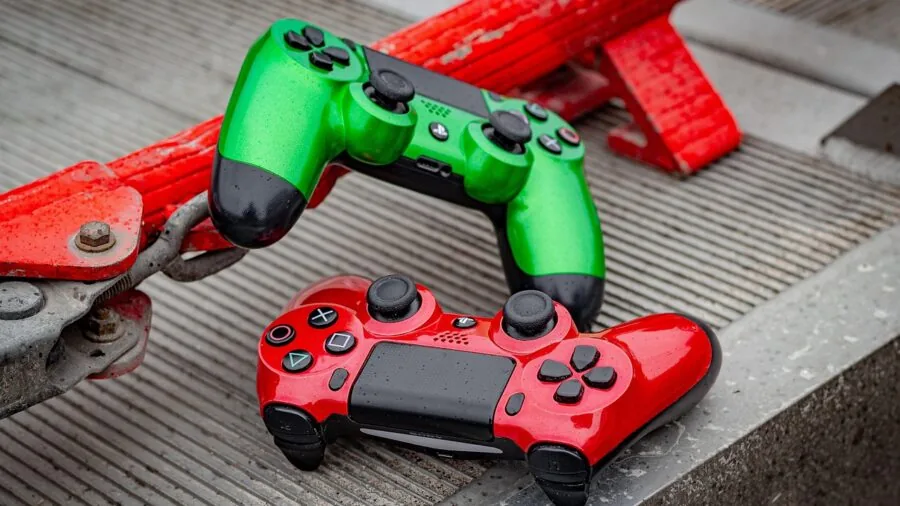
Joystick drift is the single most common long-term failure mode in game controllers.
It happens because traditional potentiometer-based thumbsticks use physical contact between components that wear down over time, eventually causing the stick to register movement even when you are not touching it.
Hall effect joysticks replace that physical contact with magnetic sensing, which has no direct wear mechanism and is far more resistant to drift.
TMR (Tunnel Magnetoresistance) sticks are an evolution of this concept and offer even higher sensitivity and lower latency than standard hall effect designs.
If you are buying a controller you intend to use for two or more years, hall effect or TMR sticks are strongly worth prioritizing. Nearly all of the controllers in our lineup use one of these technologies.
Potentiometer sticks are still found in budget controllers, and while they can be fine initially, the long-term reliability gap is significant enough to justify spending slightly more upfront.
For competitive gaming, joystick precision is even more critical. Short-throw sticks with consistent dead zones reduce input error in fast-paced titles.
If you are building a broader gaming setup, pairing a high-precision controller with a capable gaming laptop or a fast SSD helps ensure the controller is not the bottleneck in your rig.
Polling Rate: Why It Matters (and When It Doesn’t)
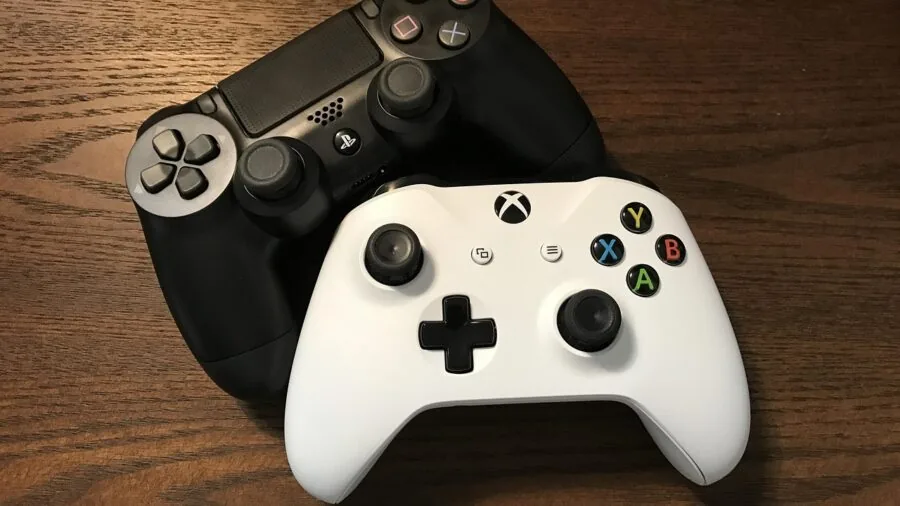
Polling rate refers to how frequently a controller reports its input state to the connected device, measured in Hz. A standard controller operates at 125 Hz or 250 Hz, meaning it reports inputs up to 250 times per second.
Controllers with 1000 Hz polling report inputs 1,000 times per second, reducing the maximum input latency from 8 milliseconds down to 1 millisecond. Some specialized esports-focused pads push this further to 8000 Hz.
In practice, the difference between 125 Hz and 1000 Hz is clearly perceptible to competitive players in fast-paced games. For casual gaming, story games, or slower-paced genres, standard polling is perfectly adequate.
However, if you play competitive shooters or fighting games at a high level, the 1000 Hz tier is worth seeking out.
The jump from 1000 Hz to 8000 Hz is much more marginal and is primarily relevant to players already operating at the extreme edge of competitive play.
Wireless controllers using 2.4 GHz dongles can now match or approach wired polling rates, making them viable for esports use in 2026.
Bluetooth connections still introduce more variable latency and are better suited to casual or cross-platform use than high-stakes competition.
Platform Compatibility and Connection Modes
Before purchasing, you need to confirm that the controller works with your target platform.
PC via Windows is broadly supported by almost every controller on this list. Xbox Series X and Xbox One compatibility is more selective, with only controllers that carry Microsoft’s official or compatible certification working reliably.
Nintendo Switch support, Android compatibility, and Apple (MFi or direct Bluetooth) support each have their own requirements, so always verify the product listing before buying.
Multi-mode controllers that support 2.4 GHz wireless, Bluetooth, and wired USB-C simultaneously are particularly versatile. They let you use a single controller across your PC, phone, and console without swapping devices.
Some models also support motion controls, which can be a meaningful feature for Switch players or games that rely on gyroscopic input for precision aiming.
If you regularly play on a large screen in a living room setup, consider pairing your controller with one of the better large-format TVs to get the full benefit of the wireless range these pads offer.
Connection stability across a room varies by wireless technology, with 2.4 GHz generally outperforming Bluetooth in both latency and range reliability.
Ergonomics, Build Quality, and Button Layout

Ergonomics are deeply personal, but there are some consistent patterns worth knowing. Controllers modeled on the Xbox layout (asymmetric thumbsticks, left stick up top) tend to feel natural to PC gamers and those who grew up on Xbox hardware.
PlayStation-style symmetric layouts suit players who migrated from Sony consoles. Neither is objectively superior; it comes down to muscle memory and hand size.
Build quality signals are often visible in the materials and in user reports on longevity. Look for rubberized grips, textured trigger surfaces, and solid bumper clicks rather than mushy ones.
Mechanical face buttons are increasingly common at mid-range prices and offer a noticeably crisper actuation compared to membrane buttons.
D-pad quality is especially important for fighting game and platformer players; a four-switch D-pad gives precise diagonal inputs, while a traditional cross D-pad prioritizes cardinal direction accuracy.
Remappable rear buttons (often called paddles or back buttons) are a significant ergonomic upgrade for players who want to keep thumbs on the sticks during complex inputs.
If long gaming sessions are common for you, a comfortable ergonomic gaming chair matters as much as the controller in preventing fatigue and repetitive strain.
Battery Life and Charging
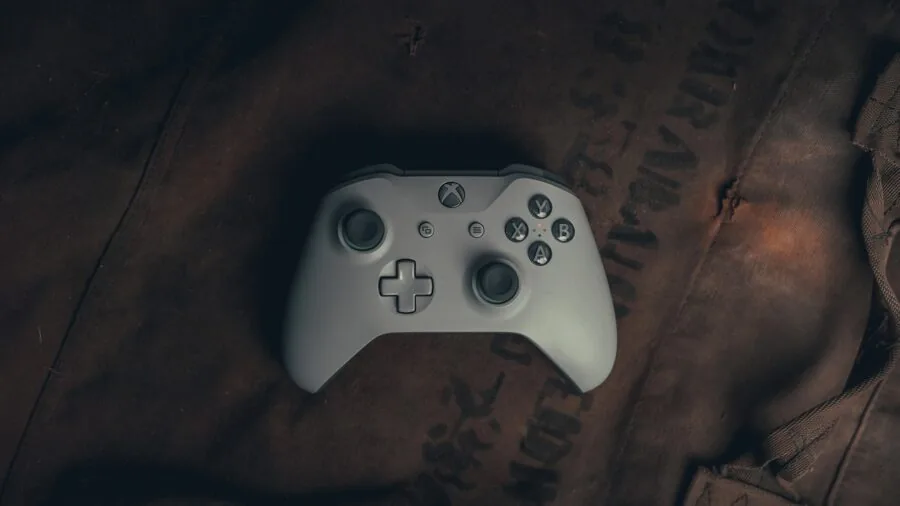
Battery life for wireless controllers ranges widely, from around 10 hours at the low end to 20 or more hours for well-optimized designs. For most players, 15 to 20 hours is plenty for a full day of gaming without mid-session interruptions.
If you plan to use the controller across multiple devices or travel with it, battery capacity becomes more important.
Charging dock compatibility is a quality-of-life feature that not all controllers offer. A dock means you simply place the controller down to charge rather than hunting for a cable, which is particularly convenient for shared setups.
Some models that include a dock will still allow wired play while charging, which is worth confirming if you plan to keep playing during charge cycles.
RGB lighting, while not a performance factor, does draw additional power. Controllers with prominent RGB elements may see reduced battery life compared to their rated figures, depending on lighting settings.
Most allow you to disable RGB if battery longevity matters more than aesthetics in your use case.
Trigger Design: Dual-Mode, Trigger Stops, and Hall Effect

Triggers are one of the most underappreciated areas of controller design. Analog triggers with smooth, consistent resistance are essential for racing games and third-person action titles that use variable trigger pressure for throttle or aiming sensitivity.
Hall effect triggers, like hall effect sticks, eliminate physical contact wear and maintain consistent pull resistance over time without developing dead-zone drift.
Dual-mode triggers let you switch between analog mode for games that use variable input, and a short-throw digital mode for shooters where you want the trigger to register as quickly as possible.
Trigger stops are a hardware mechanism that physically limits trigger travel, achieving the same fast actuation without requiring digital mode. Both approaches are used across our top picks, and both are meaningfully better than standard analog-only triggers for shooters.
For competitive play, trigger responsiveness pairs directly with the polling rate. A fast trigger on a 1000 Hz controller will register a shot faster than the same pull on a 125 Hz pad.
If competitive shooters are your primary use case, prioritizing both hall effect triggers and high polling rate is a coherent strategy.
You can complete your gaming station with solid gaming keyboards and mice for titles where a controller is not optimal.
Why You Should Trust Us
REMOVU is an independent review publication. We rate every controller in this guide using the REMOVU Score, a consistent 0 to 10 scale applied across the same set of criteria for every product in a category.
Our scores reflect a synthesis of manufacturer specifications, expert review consensus drawn from multiple independent sources, and verified buyer feedback aggregated from confirmed purchases.
We do not conduct our own product trials; our evaluations are grounded in research, published data, expert review consensus, and verified buyer feedback.
This approach allows us to compare products systematically and catch patterns, whether positive or negative, that only become visible across a large sample of real-world use reports.
A controller that looks excellent on a spec sheet but generates consistent complaints about stick drift or connectivity drops will score lower than one with comparable specs and strong long-term reliability feedback.
REMOVU earns affiliate commissions when readers purchase through our links. This commercial relationship does not influence our rankings, scores, or product selections. A product’s commission rate plays no role in determining its REMOVU Score or its placement in our lists.
We have no financial incentive to rank a higher-margin product above a better one, and our scores are determined before any affiliate considerations are made. REMOVU does not sell products, handle orders, or provide warranty or return support.
For any purchase issues, contact the retailer or manufacturer directly.
Final Thoughts
The game controller market in 2026 is more competitive than it has ever been, with smaller brands like 8BitDo, GameSir, EasySMX, and AOC offering genuine alternatives to first-party controllers at a range of price points.
Here are our standout picks by category, each chosen based on its REMOVU Score and the specific strengths that make it the right choice for a particular type of player.
- Best Overall: GameSir G7 Pro Wireless Gaming Controller (Wuchang: Fallen Feathers Edition). This controller earned our highest REMOVU Score in the group, combining TMR sticks, hall effect analog triggers, and 1000 Hz wireless polling into a well-rounded package with broad Xbox and PC compatibility. It is the pick we would recommend to most players who want a premium wireless controller without compromise.
- Best Overall Runner-Up: 8BitDo Ultimate 2 Wireless Controller. The 8BitDo Ultimate 2 scores just below the top spot and earns its place as a strong alternative, offering TMR joysticks, hall effect triggers, motion controls, an RGB fire ring, and 1000 Hz polling across an exceptionally wide range of platforms including Windows, Apple, Steam, and Android. It is the better choice if platform versatility matters more to you than Xbox-specific compatibility.
- Best Mid-Range Value: EasySMX D10 Wireless Game Controller. The EasySMX D10 delivers TMR anti-drift joysticks, dual-mode triggers, mechanical buttons, 1000 Hz polling, and cross-platform support at a mid-range price point, along with a charging dock. It represents one of the strongest value propositions in the category for buyers who want flagship-tier stick technology without paying flagship prices.
- Best Budget Pick: 8BitDo Ultimate 2C Wireless Controller. For buyers on a tighter budget who still want hall effect joysticks, a 1000 Hz polling rate, and remappable bumpers, the 8BitDo Ultimate 2C delivers a remarkable amount of technology at an entry-level price. It is the most accessible route to drift-resistant, low-latency wireless gaming.
- Best for Esports and PC-Focused Play: GameSir G7 Pro 8K PC Wireless Controller (Aimlabs Edition). The Aimlabs Edition pushes polling rate to 8000 Hz in wired mode, making it the most responsive option in our lineup for competitive PC gamers. Its 3.5 mm audio jack and esports-grade input precision make it a strong companion for players who want every possible edge. A setup like this benefits from pairing with fast storage to keep load times from undermining the low-latency input chain.
If you are building out a full gaming station, remember that the controller is one part of a larger ecosystem.
A supportive gaming chair, a capable display from our wireless gaming headsets all contribute to how much you get out of your controller. Visit our gaming category hub for more guides across every part of the setup.
Frequently Asked Questions
What Is the Difference Between Hall Effect and TMR Joysticks?
Both hall effect and TMR (Tunnel Magnetoresistance) joysticks use magnetic sensing instead of physical contact to track stick position, which means they resist drift far better than traditional potentiometer sticks.
TMR is a newer and more sensitive variation of the technology, offering higher resolution and lower latency than standard hall effect designs.
In everyday gaming, both are a significant upgrade over potentiometer sticks; the TMR advantage is most relevant to competitive players who need maximum precision at the edge of stick travel.
Do I Need a 1000 Hz Polling Rate Controller for Casual Gaming?
No. For casual gaming, story-driven games, or slower-paced genres, a standard polling rate is completely adequate and you will not notice a meaningful difference in feel.
The 1000 Hz tier primarily benefits competitive players in fast-paced games where milliseconds of input lag translate into in-game outcomes.
That said, many 1000 Hz controllers in our list are priced accessibly enough that you get the upgrade for free when choosing between otherwise similar options.
Can I Use These Controllers on Nintendo Switch or Mobile?
Several controllers in this guide support Nintendo Switch, Nintendo Switch 2, Android, and iOS, but compatibility varies by model. The 8BitDo controllers in our lineup are especially well-regarded for broad cross-platform support.
The GameSir G7 Pro models are primarily designed for Xbox and PC ecosystems. Always check the compatibility list in the product description before purchasing, particularly if you need Switch or mobile support.
For handheld gaming more broadly, our handheld consoles category covers dedicated portable options.
Are Wired or Wireless Controllers Better for Competitive Play?
Wired controllers traditionally had a latency advantage, but modern 2.4 GHz wireless controllers have largely closed that gap. Controllers with 1000 Hz polling over a dedicated 2.4 GHz dongle are now competitive with wired connections for most players.
Bluetooth remains slightly higher latency and less consistent, making it better suited to casual and multi-platform use than competitive play. If you are competing seriously, a wired mode or 2.4 GHz dongle is still the safest choice.
For even greater setup immersion, consider how your audio setup affects competitive awareness, as covered in our wireless gaming headset guide.
How Long Do Game Controllers Typically Last?
Build quality and joystick technology are the two biggest factors in controller longevity. Controllers with potentiometer sticks typically develop drift within one to three years of regular use.
Hall effect and TMR controllers have a much longer service life since there is no physical wear on the sensing mechanism.
Build quality of buttons, triggers, and grips also varies; models with mechanical buttons and reinforced housings generally outlast those with membrane buttons and lightweight plastic shells.
Verified buyer feedback across longer ownership periods is one of the key inputs REMOVU uses when assessing long-term reliability in our scores.
What Should I Look for in a Controller for Xbox vs. PC?
For Xbox Series X and Series S, you need a controller with confirmed Xbox compatibility, either a Microsoft first-party pad or a third-party model with Xbox licensing.
The GameSir G7 Pro variants in our lineup are designed specifically with Xbox compatibility in mind. For PC gaming on Windows, compatibility is broader, and most controllers in this list work natively or with minimal driver setup.
If you play across both platforms, look for a controller that explicitly lists Xbox and PC support rather than assuming PC support implies Xbox compatibility.
Completing your PC gaming setup may also mean looking at budget desktop PCs or racing wheels depending on your preferred genres.
About the author
Levi writes about handheld gaming consoles for REMOVU, weighing processing power, battery life, and library depth. He helps players pick a handheld that fits both their backlog and their commute.