Mini PC Supercharger: How This Build Delivers Enterprise AI Power for $3,500
How one builder paired a compact desktop with four GPUs to create a 128GB AI processing station for under $3,500.
 By Nevaeh Sims
Updated November 23, 2026
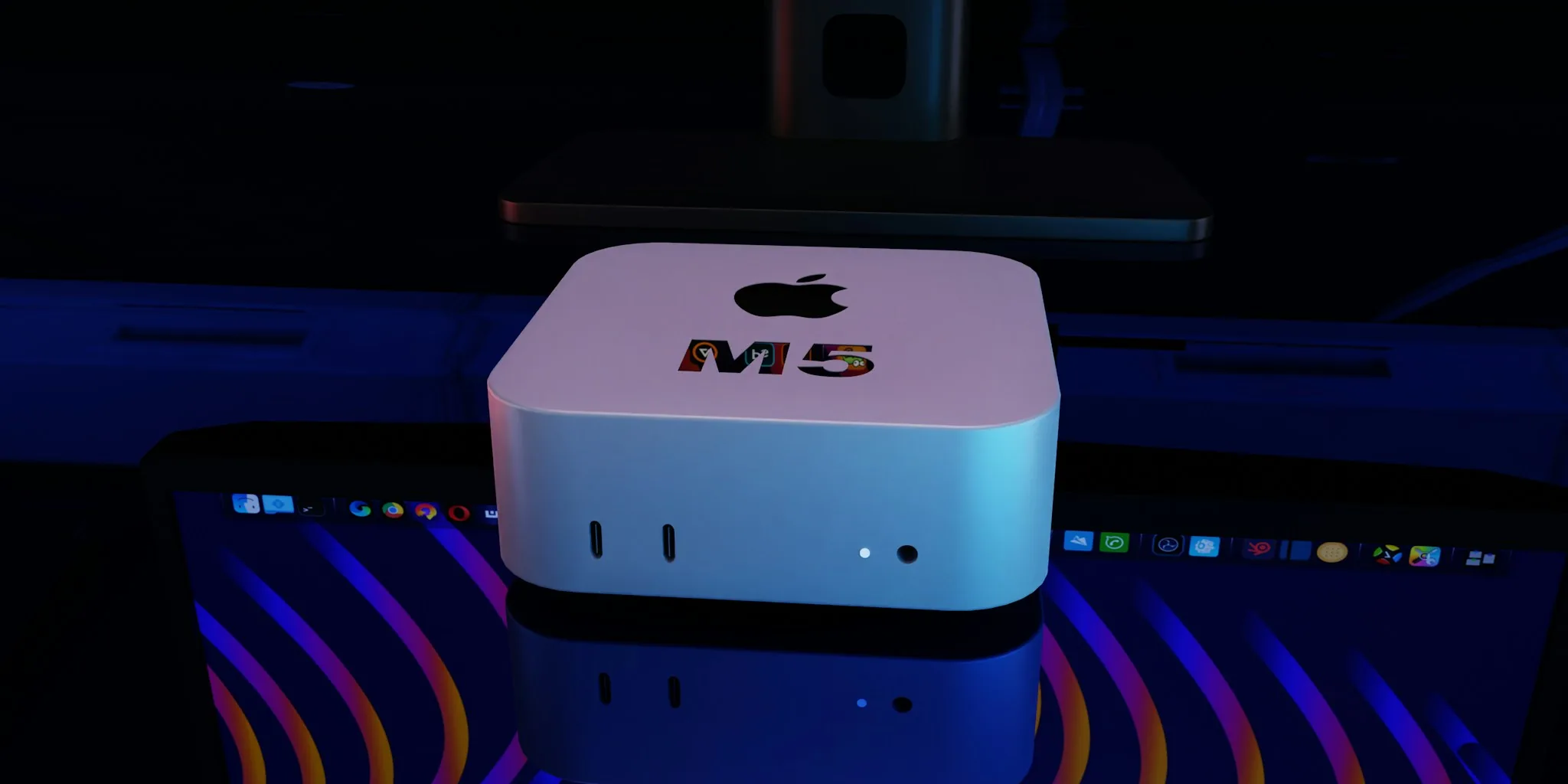
A hobbyist builder has revealed an unconventional approach to running advanced AI models locally, using a compact desktop computer paired with four high-end graphics processors. This setup challenges the assumption that you need massive data-center servers or expensive consumer GPUs to run sophisticated artificial intelligence workloads at home.
The Build: Compact Hardware, Enterprise Ambitions
The core system relies on a Lenovo M720q Tiny mini PC, a machine originally designed for office environments. This compact unit pairs an Intel i5-9400T processor with 64GB of RAM, providing a foundation that would normally be suitable for email and document work. The real power comes from four Nvidia Tesla V100 graphics processors, each with 32GB of dedicated memory. Together, they deliver 128GB of VRAM, a specification that rivals dedicated machine learning systems costing significantly more.
Connecting four GPUs to a machine designed for office productivity required creative engineering. The builder employed a PCIe switch card with OCuLink cables, the same external connector technology used for external graphics setups. Each GPU connects via a separate OCuLink port, allowing data to flow from the mini PC to the graphics processors at PCIe 3.0 x4 speeds per card.
The Technical Challenges
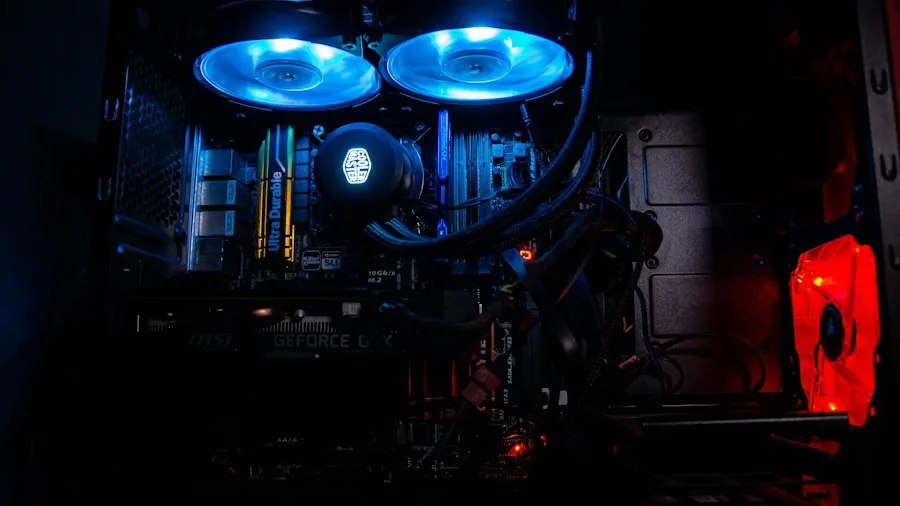
Getting this configuration to work proved more complex than simply plugging in hardware. The stock BIOS firmware on the Lenovo machine only supported two graphics cards simultaneously. The firmware could address only 128GB of memory window space for 64-bit devices, and each V100 required 64GB on its own. A third card would not initialize properly.
The solution involved replacing the standard BIOS with coreboot, an open-source firmware replacement. This custom firmware expanded the addressable memory window to approximately 486GB, enabling the system to recognize all four cards at boot. Additional modifications unlocked features like wake-on-LAN and improved memory handling. Installing the custom firmware required specialized hardware: a CH341A programmer and a small clip to access the BIOS chip directly.
Powering the GPUs presented another obstacle. Each card requires an eight-pin CPU connector, different from the standard PCIe power connectors. The builder paired each GPU with a dedicated external dock, each containing an 800-watt power supply. Adapters converted the standard connectors to match what the Tesla cards expected.
Keeping It Quiet
A major design goal was noise control. Data centers running these GPUs typically accept high noise levels. This hobbyist builder wanted a system suitable for office or home use. Each GPU received a 3D-printed funnel coupled with a high-quality case fan, all controlled through a USB fan hub. The result measures approximately 62 decibels at one meter away, comparable to a busy office environment rather than an industrial facility.
Temperature management included power limiting each GPU to 200 watts, well below their maximum specifications. Automated scripts monitor the hottest card and throttle work if temperatures approach 83 degrees Celsius, shutting down the entire system at 87 degrees to prevent damage.
Real-World Performance and Cost
With all four cards working together, the system achieves approximately 285 tokens per second when running Qwen 3.8-27B, a popular open-source AI model. This is substantially faster than what a single card provides, while remaining significantly cheaper than a single RTX 5090 graphics card. The builder estimates the total cost at approximately $3,500 in U.S. dollars, though pricing varies by region and component availability.
Beyond raw performance numbers, the builder employs this system for practical business work. The setup analyzes historical stock announcements dating back to the 1990s, processing millions of documents. The system has demonstrated stability, running continuously for weeks without issues. The builder projects the system will pay for itself through its AI processing work in approximately three months.
What This Means for Shoppers
Mini PCs have traditionally served as thin clients or basic office machines. This build demonstrates that compact systems can support sophisticated computational workloads when paired with appropriate external hardware. For anyone considering building a custom AI system, it proves that expensive workstation desktops or specialized machines are not mandatory.
The approach also highlights the used GPU market. The Tesla V100 cards, once expensive new hardware, have become more affordable on the secondary market as newer architectures emerge. For builders comfortable with customization and firmware modifications, significant savings are possible compared to purchasing modern consumer-grade systems.
Future upgrades appear likely. The builder is considering doubling the installation by adding a second set of four V100s, suggesting the modest mini PC chassis can serve as a platform for continued expansion. Mini PCs continue evolving as a category, and this real-world example shows they can serve demanding users who think creatively about system architecture.
About the author
Nevaeh is REMOVU's mini PC writer, judging performance, ports, and value in palm-sized machines. She helps readers pick a tidy computer for a desk, a media center, or a quiet office.