Memory Prices Drive Smartphone Market Shift: What Buyers Should Know
Global shipments plunge 22% as component costs force higher prices and slower upgrades.
 By Eleanor Garcia
Updated October 23, 2026
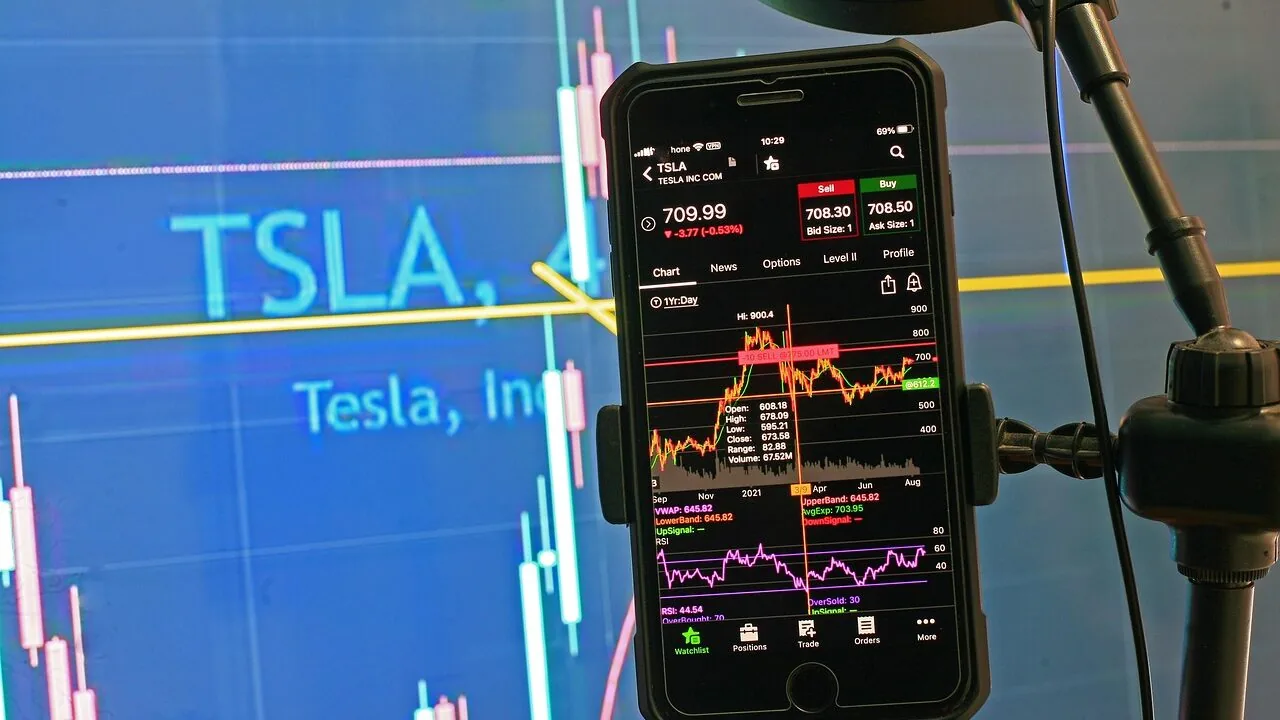
The global smartphone market is experiencing a significant contraction, and rising memory costs are playing a major role in the slowdown. In the third quarter of 2026, smartphone shipments in China reached a 14-year low, falling 10 percent compared to the same period last year. Worldwide, the decline was even steeper, with shipments dropping 22 percent year over year. For consumers, these market dynamics translate into higher device prices, longer waits for upgrades, and shifting buying patterns that could affect when and what you purchase next.
How Memory Costs Are Reshaping the Market
Memory chip pricing remains a critical factor constraining smartphone production and affordability. As manufacturers face elevated component costs, they pass those expenses to consumers through higher retail prices. This cost squeeze is forcing buyers to make different purchasing decisions than they might have made in previous cycles. Instead of upgrading annually or on a regular schedule, many consumers are choosing to hold onto their current devices longer, wait for promotional pricing windows, or explore refurbished options. This buyer hesitation is creating a ripple effect throughout the entire industry, as demand forecasts continue to weaken.
According to recent market analysis, consumers are increasingly delaying their upgrade plans specifically because of elevated device costs. The pressure is expected to intensify in the final quarter of 2026 and beyond, as manufacturers continue to navigate supply chain challenges and component shortages. Understanding these market forces helps you make smarter purchasing decisions and anticipate when prices might become more favorable.
Apple Gains While Others Lose Ground
Interestingly, Apple has managed to expand its market presence even as overall demand contracts. The company captured 19.5 percent of smartphone shipments in China during Q3, up from 14.7 percent a year earlier, and rose from sixth place to second place in overall market rankings. This shift demonstrates that premium device makers with strong brand loyalty and compelling new product launches can still gain share during downturns, while others struggle.
Apple’s success was bolstered by the strong reception of the iPhone 18 Pro series. Early sales momentum for the Pro lineup was particularly robust, up 23.5 percent in the first three weeks compared to the prior-generation Pro models. The delayed release of the base iPhone 18 model encouraged some consumers to trade up to the Pro variants, supporting that segment’s performance. Huawei remained the market leader with 21.3 percent share, also gaining ground year over year. Meanwhile, competing brands like vivo, OPPO, Xiaomi, and HONOR all experienced declining market share as the broader contraction took hold.
What This Means for Your Next Purchase

The current market environment presents both challenges and opportunities for shoppers. Higher memory prices mean that device costs are likely to remain elevated in the near term. If you are considering a smartphone upgrade, waiting for seasonal promotions, Black Friday sales, or carrier incentives may yield better pricing than purchasing at full retail. Alternatively, refurbished or previous-generation models can provide significant savings while still delivering reliable performance for most everyday tasks.
The emphasis on premium models like Apple’s Pro variants also suggests that manufacturers are prioritizing profit margins over volume growth. This strategy typically means base-model devices may see fewer compelling upgrades compared to flagship offerings. If you need a new device soon, comparing specs between current and previous generations can help you identify whether the new model’s improvements justify the higher cost.
The Road Ahead
Market analysts expect the challenging conditions to persist through the fourth quarter of 2026, with memory pricing and supply constraints likely to remain headwinds. Over time, as component supplies stabilize and competition intensifies, pricing should eventually moderate. However, consumers should not expect dramatic price cuts in the immediate months ahead. Device makers are unlikely to accept significantly lower margins to stimulate demand, especially when flagship models continue to find buyers willing to pay premium prices.
For storage-intensive applications and backup solutions, you might also consider complementary products like external solid-state drives for file storage or dedicated backup devices rather than upgrading your smartphone solely for increased internal memory. This approach can extend the life of your current device while providing the storage capacity you need. Similarly, network-attached storage systems offer scalable solutions for managing large photo and media libraries without requiring constant device upgrades.
The current market slowdown is a reminder that patience and strategic timing often pay dividends in consumer electronics purchases. Monitor pricing trends, take advantage of promotional periods, and carefully evaluate whether new features justify the cost premium before making your next upgrade decision.
About the author
Eleanor covers smartphones for REMOVU, balancing cameras, battery life, and software support against price. She helps readers find the best value as the field shifts with every release.