Apple Watch Discontinued: What Shoppers Should Do With Old Models
Your old Apple Watch still has value even after it stops getting updates. Here's how to get the most from it.
 By Kristen Jennings
Updated November 21, 2026

If you own an older Apple Watch that no longer receives software updates, you’re in a common situation. This year, watchOS updates dropped support for Apple Watch models older than the Series 9, leaving many owners wondering what to do with their legacy devices. The good news is that your discontinued smartwatch still has value, and you have several clear options for getting the most out of it.
Understanding the Timeline for Discontinued Models
Apple Watch devices don’t simply stop working when they fall out of the update cycle. What changes is their access to new features and ongoing software improvements. Older models may continue to receive security patches for a limited time, but they won’t gain the latest capabilities that newer hardware supports. This creates a natural upgrade cycle for many users who want current features and full compatibility with Apple’s ecosystem.
The reality is that most people upgrade their smartwatch before it becomes completely unusable. If your watch still functions but no longer gets major updates, trading it in or reselling it makes practical sense. Keeping a device that gathers dust in a drawer means missing out on the opportunity to recoup some of your original investment.
Apple Trade In Program: Convenience and Simplicity

The easiest path forward is Apple’s Trade In program, which accepts used Apple Watch models in exchange for credit toward any Apple product. This program eliminates the complexity of private sales and handles all logistics for you. You can visit an Apple Store in person or mail in your device at no shipping cost to you.
Credit amounts vary based on the model and condition. First-generation Apple Watch SE models from 2020 start at around $30 in credit, while recent Series 8 models reach up to $90. The premium Apple Watch Ultra command the highest trade-in values, reaching $430 for newer models in good condition. If your Series 8 is in solid shape and you trade it toward a new Series 12 at $399, your effective cost drops to around $309.
Keep in mind that Apple credits your account balance rather than issuing cash. This actually provides flexibility: you can apply the value toward a new watch, other Apple products like AirPods or an iPhone, or convert it to an Apple gift card for apps and subscriptions. Apple typically confirms your trade-in credit within days of receiving your device at their processing center.
Resale Markets Often Pay More
If you’re willing to invest additional effort, private resale channels consistently offer higher returns than manufacturer trade-in programs. Marketplaces specializing in used technology typically price discontinued models well above what Apple offers.
For example, a Series 6 Apple Watch might earn you around $100 on these platforms, more than double what Apple’s $45 offer provides. A Series 8 can fetch approximately $130 through third-party sales. Premium models with cellular connectivity and materials like titanium or stainless steel hold their value significantly better than aluminum GPS-only versions.
The tradeoff is administrative burden. You’ll handle photography, write descriptions, manage communications with buyers, and arrange payment securely. However, the financial reward often justifies this extra work. Before listing any device for sale, always unpair it from your Apple Account and perform a factory reset. Failure to do this leaves Activation Lock enabled, which prevents new owners from using the device without your credentials. Apple refuses to accept trade-ins with Activation Lock still active, and private buyers will immediately recognize the problem.
Alternative Uses for Older Models
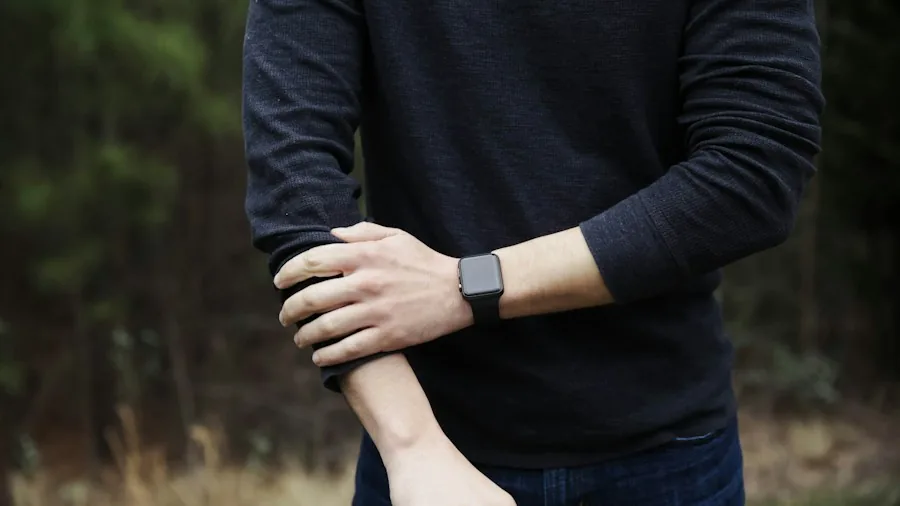
If neither trading in nor reselling appeals to you, consider repurposing your discontinued Apple Watch within your household. Many owners assign an older model a specific role, such as a dedicated sleep tracker while their primary watch charges overnight. This keeps the device productive rather than abandoned in storage.
Older models can also serve as reliable fitness companions during travel or outdoor activities where you’re less concerned about the latest features. Smart home hubs and connected devices continue to evolve, and an older smartwatch still communicates with your ecosystem if it remains on a supported watchOS version for security patches.
Making Your Decision
Your choice should depend on your priorities. Choose Apple Trade In if convenience and guaranteed resolution matter most to you. Select private resale if you want maximum cash value and have time to manage the process. Keep the device if you have a genuine secondary use for it in your household.
Regardless of which path you select, don’t let a discontinued Apple Watch remain unused. These devices represent real residual value, whether you capture it as Apple credit, cash from a buyer, or productivity through repurposing. Even models that no longer receive major updates retain functionality and deserve either a new home or a fresh role in your digital life.
About the author
Kristen writes about smartwatches for REMOVU, comparing features, battery life, and ecosystem fit. She helps readers tie together health tracking, notifications, and apps on the right watch.