The 9 Best Tripods for DSLR
Stability, height range, and head quality separate a forgettable tripod from one you will use for years. Our research covers nine popular DSLR tripods across budget, mid-range, and versatile categories.
 By Kenzi Wood
Updated July 26, 2026
By Kenzi Wood
Updated July 26, 2026
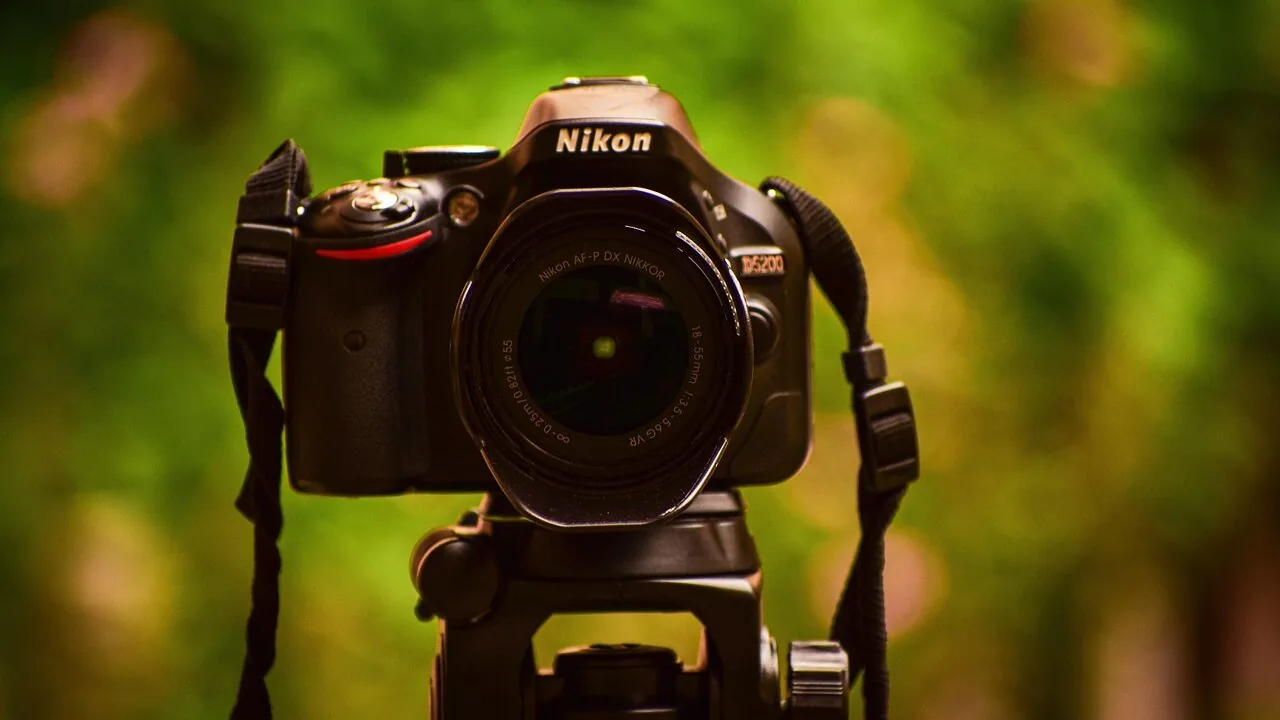
A reliable tripod is one of the most consequential accessories a DSLR photographer can own.
Whether you shoot landscapes at dawn, portraits in a studio, or video content on location, a stable platform separates sharp, professional-looking results from blurry, frustrating ones.
Yet the market is flooded with options spanning wildly different price points, materials, and feature sets, making it genuinely difficult to know where to invest your money.
The good news is that the right tripod for your DSLR does not have to cost a fortune, and several models across the budget and mid-range categories deliver outstanding stability and versatility.
Browse our Cameras & Photo hub for the broader context of how tripods fit into a complete camera kit, or explore our breakdown of mirrorless and DSLR cameras to match your tripod choice to your specific body.
To cut through the noise, our team at REMOVU researched and evaluated nine of the most popular DSLR tripods currently available, drawing on manufacturer specifications, expert review consensus from across the photography community, and verified buyer feedback from thousands of confirmed purchasers.
From compact tabletop options to full-height overhead rigs, this guide covers the tripods that genuinely earn their place in your camera bag.
Read on for our ranked top picks, followed by a practical buying guide to help you match the right tripod to your shooting style.
| Award | Product | REMOVU Score About REMOVU ScoreThe REMOVU Score is our own rating from 0 to 10, based on performance, design and build, ease of use, and value. It reflects independent research and is never influenced by manufacturers, retailers, or affiliate commissions. Learn more › | Price | |
|---|---|---|---|---|
 K&F Concept T254A7 90-Inch Overhead Tripod with Ball Head
|
7.8/10 | Buy | ||
| Best Overall |
 K&F Concept A305A1 63-Inch Aluminum Travel Tripod
|
8.4/10 | Buy | |
 Neewer TP12 66.5" Travel Tripod with Ball Head
|
7.4/10 | Buy | ||
| Best Value |
 K&F Concept O234A1 64-Inch Ball Head Tripod
|
7.5/10 | Buy | |
| Best Premium |
 Neewer 72-Inch Tripod with Ball Head and Center Column
|
8.1/10 | Buy | |
 Victiv NT70 74-Inch Aluminum Tripod
|
6.2/10 | Buy | ||
| Best Budget |
 Victiv NT70 74-Inch Tripod for Cameras and Phones
|
6.7/10 | Buy | |
 CAMBOFOTO SAB265B 73-Inch Tripod/Monopod Combo
|
6.4/10 | Buy | ||
 Neewer 20-Inch Portable Tabletop Tripod with Ball Head
|
6.2/10 | Buy |
K&F Concept T254A7 90-Inch Overhead Tripod with Ball Head
A versatile aluminum tripod designed for overhead and low-angle shots, reaching 90 inches with a 10kg load capacity and detachable monopod. The horizontal center column and 360-degree panoramic rotation make it ideal for food photography and creative angles, though it trades some compactness for shooting flexibility.
Pros
- Horizontal center column enables overhead and low-angle shooting without repositioning legs
- Impressive 90-inch maximum height with compact 21-inch folded length for travel
- 28mm diameter ball head with oil-free damping provides smooth panoramic rotation and stable horizontal positioning
- Detachable monopod adds flexibility for confined spaces and one-handed shooting
- Arca-standard quick release plate allows compatibility with third-party heads and accessories
Cons
- No integrated spikes for soft surfaces like sand or mud, requiring separate purchase for beach and outdoor use
- Lightweight design at 4.4lbs may require careful balancing with heavier telephoto lenses despite 10kg capacity
- Non-slip rubber feet can slide on smooth indoor floors without additional stabilization measures
K&F Concept A305A1 63-Inch Aluminum Travel Tripod
A lightweight aluminum tripod designed for travel photographers and content creators who need serious portability without sacrificing stability. The 2.6-pound frame folds to just 15.7 inches and fits carry-on luggage, while the Arca-compatible ball head and reversible center column support creative angles from low-ground shots to vertical framing. Best suited for mirrorless and DSLR users carrying telephoto lenses or anyone shooting video on smartphones.
Pros
- Genuinely compact at 2.6 lbs with 15.7-inch folded length, verified to fit standard carry-on bags
- Solid 22-pound load capacity handles full-frame DSLRs with telephoto lenses without wobble
- Arca-compatible ball head with 360-degree panoramic base and 90-degree tilt for flexible composition
- Reversible center column and adjustable leg angles enable low-angle and ground-level shots without tools
- Includes phone holder, quick-release plate, and padded carry bag as standard
Cons
- Aluminum construction is lighter but less rigid than carbon fiber alternatives at higher price points
- Hexagon-shaped legs may feel less intuitive to adjust than traditional round-leg designs for some users
- 5-section leg design means more segments to extend and adjust compared to fewer-section competitors
Neewer TP12 66.5" Travel Tripod with Ball Head
A lightweight aluminum travel tripod designed for cameras and smartphones, weighing just 2.9 lbs while supporting up to 11 lbs. The Arca-type quick release system offers compatibility across major camera brands, and the detachable ball head with panoramic pan base handles both standard and low-angle shots. Best suited for content creators and travel photographers seeking portability without sacrificing stability.
Pros
- Compact fold-down design (2.4" diameter) fits easily in bags or single-hand carry
- Arca-type QR plate compatible with multiple mounting systems and camera brands
- Detachable ball head with invertible center column enables macro and low-angle photography
- Includes universal phone holder with 360° rotation for video recording and streaming
- Non-slip rubber feet and tightly fitted legs provide solid stability despite lightweight construction
Cons
- Aluminum and plastic construction may feel less durable than full carbon fiber alternatives
- 11 lb load capacity limits use with heavier professional cameras or telephoto lenses
- Ball head lacks fine-tuning friction controls mentioned in some travel tripod comparisons
K&F Concept O234A1 64-Inch Ball Head Tripod
A lightweight aluminum travel tripod that extends to 64 inches and collapses to just 15.5 inches, making it ideal for vlogging and outdoor shooting. The 360-degree ball head delivers quick angle adjustments without the bulk of traditional pan heads, while the one-handed flip locks speed up setup and teardown.
Pros
- Genuinely compact and light at 2.53 lbs total, fits easily in camera bags
- 360-degree ball head allows fast, smooth panning without repositioning the entire tripod
- One-handed flip leg locks open and close all sections quickly
- Arca-Swiss compatible quick release plate works with most standard mounting systems
- 17.6 lbs load capacity sufficient for mirrorless cameras and compact DSLRs with typical lenses
- 4.7-star rating across 4,260 verified reviews reflects real user satisfaction
Cons
- 4-section legs mean smaller diameter tubes at full extension, potentially less rigid than 3-section designs under load
- 17.6 lbs capacity limits use with heavier telephoto lenses or professional cinema cameras
- Ball head offers less precise fine-tuning control than fluid or geared heads for locked-down shots
Neewer 72-Inch Tripod with Ball Head and Center Column
A versatile aluminum tripod designed for DSLR and video work, featuring a multi-angle center column that rotates 360 degrees and tilts to various angles for overhead and low-angle shots. The 33-pound load capacity and panoramic ball head with quick-release plate make it suitable for most camera setups, while the monopod conversion option adds flexibility for mobile shooting.
Pros
- Adjustable center column supports multiple shooting angles (0°, 22.5°, 45°, 67.5°, 90°) plus horizontal panning and macro reversal
- Converts to monopod by removing one leg, expanding functionality for different shooting scenarios
- Extends to 72.4 inches with compact 26.4-inch folded height, balancing reach with portability
- Arca-type quick-release plate and dual bubble levels streamline composition and leveling
- Highly rated by verified buyers (4.7 stars from 3,362 reviews) with consistent positive feedback
Cons
- 33-pound load limit may constrain use with heavier telephoto lenses or professional cinema cameras
- Multi-section legs and center column adjustments add setup complexity compared to simpler fixed tripods
- Aluminum construction trades some rigidity for weight savings, potentially affecting stability under windy conditions without additional ballast
Victiv NT70 74-Inch Aluminum Tripod
A versatile aluminum tripod that extends from 19 to 74 inches and works with cameras, phones, GoPros, and spotting scopes via its standard 1/4" mount. The 3-way pan head delivers smooth 360° horizontal and 180° vertical movement, making it suitable for video production, live streaming, and photography. At 3.14 lbs with included carry bag, it balances portability with stability for creators and hobbyists.
Pros
- Wide height range (19-74 inches) accommodates various shooting angles and setups
- Universal compatibility with DSLRs, mirrorless cameras, smartphones, and accessories like ring lights and projectors
- 3-way pan head with smooth 360° horizontal and 180° vertical articulation for panoramic and portrait shots
- Lightweight aluminum construction (3.14 lbs) with carrying bag for easy transport
- Includes extras: universal phone holder, quick release plate, and weight hook for added stability
Cons
- 9.5 lb max load may limit use with heavier professional camera setups
- 3-way pan head requires manual adjustment between shooting angles, slower than fluid video heads
- Limited stability on uneven terrain without the optional weight hook deployed
Victiv NT70 74-Inch Tripod for Cameras and Phones
A versatile aluminum tripod that handles DSLR cameras, smartphones, and GoPros with a 19-74 inch height range and 3-way pan head. Its compact 3.14 lb design and included carry bag make it practical for content creators and photographers who shoot both stills and video across multiple devices.
Pros
- Universal compatibility with 1/4" and 3/8" mounts covers DSLRs, mirrorless, smartphones, and accessories like ring lights and projectors
- 3-way pan head enables 360° panoramic, 180° vertical, and 90° portrait shots with smooth, non-slip operation
- Lightweight at 3.14 lbs with carrying bag, making it portable for outdoor and indoor shoots without bulk
- Extended height range of 19-74 inches accommodates various shooting angles and subject distances
- Includes quick release plate and universal phone holder for fast device swaps
Cons
- Tall maximum height may require practice to balance heavier professional cameras stably, especially without the included weight hook
- 3-way pan head adds complexity compared to simpler ball heads, with more adjustment points that need fine-tuning
- No details on leg lock durability or maximum load capacity specifications in provided data
CAMBOFOTO SAB265B 73-Inch Tripod/Monopod Combo
A convertible aluminum tripod that splits into a standalone monopod, designed for entry-level DSLR and mirrorless shooters who value flexibility over specialization. The 2-in-1 design and lightweight build make it practical for travel and event work, though the 11-pound load limit rules out heavier telephoto setups.
Pros
- Detachable center column converts to a functional 41-58 inch monopod without additional purchase
- Compact when folded (19.7 inches) and light (3.3 lbs) for portability across travel, hiking, and outdoor events
- CNC-machined head with smooth, stutter-free pan and tilt action rated for 50,000+ uses over 5+ years
- Bubble level and 160-degree tilt range (90 degrees down, 60 degrees up) support both landscape and portrait framing
- 2-year warranty with free parts replacement for manufacturing defects
Cons
- 11-pound load capacity excludes professional telephoto lenses and heavier cinema rigs
- Monopod mode offers less stability than dedicated monopods for fast-moving subject tracking
- Quick-release plate lacks the advanced features found in mid-range or professional tripod heads
Neewer 20-Inch Portable Tabletop Tripod with Ball Head
A compact aluminum tripod designed for desktop and macro work, offering 360-degree panoramic capability and adjustable leg angles. Best suited for content creators and photographers who need a lightweight, space-saving solution for smaller setups and close-range shots.
Pros
- Lightweight and portable at under 1 pound, making it easy to transport and set up on various surfaces
- 5-section adjustable legs extend from 6.7 to 19.7 inches, providing flexibility for macro photography and different shooting angles
- 360-degree ball head with bubble level and Arca-type quick release plate enables panoramic shots and smooth repositioning
- 3-position leg angle adjustment system accommodates different shooting scenarios and surface conditions
- Non-slip feet design keeps the tripod stable on desks and tabletops with a 5 kg maximum load capacity
Cons
- Limited load capacity at 11 pounds restricts use to lighter cameras and equipment, excluding heavier DSLRs with large lenses
- Desktop-focused design means it cannot serve as a full-height stand for eye-level or overhead shooting
- No reviews available to verify real-world performance and durability claims despite the 4.6-star rating
Best Tripods for DSLR Buying Guide
Choosing a tripod sounds simple until you realize how many variables matter in practice. Height, weight capacity, head type, leg material, and portability all interact in ways that can make or break a tripod’s usefulness for your specific workflow.
The sections below walk through each key factor so you can evaluate any model, including those in our ranked list above, with confidence.
Maximum Load Capacity and Build Quality
Load capacity is the most important safety specification on any tripod. Your DSLR body combined with a heavy zoom lens can easily exceed 3 to 4 lb, and adding accessories like an external flash or microphone pushes that number higher.
As a practical rule, look for a tripod rated to at least twice the weight of your heaviest camera-and-lens combination. Underloading a tripod slightly also reduces vibration, which matters most when shooting at slow shutter speeds or recording video.
Build quality and load capacity go hand in hand. Aluminum alloy construction, found across most of the models in our list, offers an excellent balance of rigidity and affordability.
Pay attention to the quality of the leg-locking mechanisms: twist-lock and flip-lock both work well, but loose or cheaply made locks can slip under load and ruin a shot.
Verified buyer feedback consistently highlights leg-lock reliability as a make-or-break factor for mid-range tripods used in real-world shooting conditions.
If you also shoot video with a camcorder or plan to mount heavier rigs, prioritize the higher load ratings in our list.
For photographers who also use action cameras or mount compact accessories alongside their DSLR, a tripod with a versatile 1/4-inch mount and a rated load well above your actual payload gives the most flexibility over time.
Maximum Height and Working Range
Maximum height determines whether you can shoot at eye level without hunching, which matters enormously during long sessions. For most adult photographers, a tripod that reaches at least 60 inches, including the center column extended, covers the majority of shooting situations.
However, relying heavily on the center column to reach working height introduces vibration and reduces stability, so a tripod that reaches eye level with legs alone is meaningfully better for critical sharpness.
Minimum height is equally relevant if you shoot macro subjects, low-angle landscapes, or flat-lay content.
Several models in our lineup extend the center column horizontally for overhead shots, which is a feature that adds genuine creative flexibility without requiring a separate rig.
Think about the variety of shooting angles your work demands before committing to a height range. Pairing your DSLR with well-chosen camera lenses and a tripod with a wide working range unlocks compositional possibilities that handheld shooting simply cannot replicate.
Ball Head Quality and Quick-Release System
The head is where your camera physically connects to the tripod, and its quality has a direct impact on how smoothly you can reframe, lock down a composition, and switch between landscape and portrait orientation.
A ball head offers the most intuitive and flexible positioning, allowing you to point the camera in virtually any direction with a single locking knob.
Look for a ball head with a dedicated friction adjustment so you can fine-tune resistance and prevent the camera from drooping under its own weight when the lock is loosened.
The quick-release plate system determines how fast you can move the camera on and off the tripod.
Arca-Swiss compatible plates, featured on several models in our ranked list, are the de facto standard among serious photographers because they are compatible with a wide ecosystem of clamps and accessories.
Proprietary plate systems are not inherently bad, but they limit your ability to use the same plate across multiple tripods or fluid heads. If you anticipate growing your kit, Arca compatibility is worth prioritizing from the start.
Weight and Portability
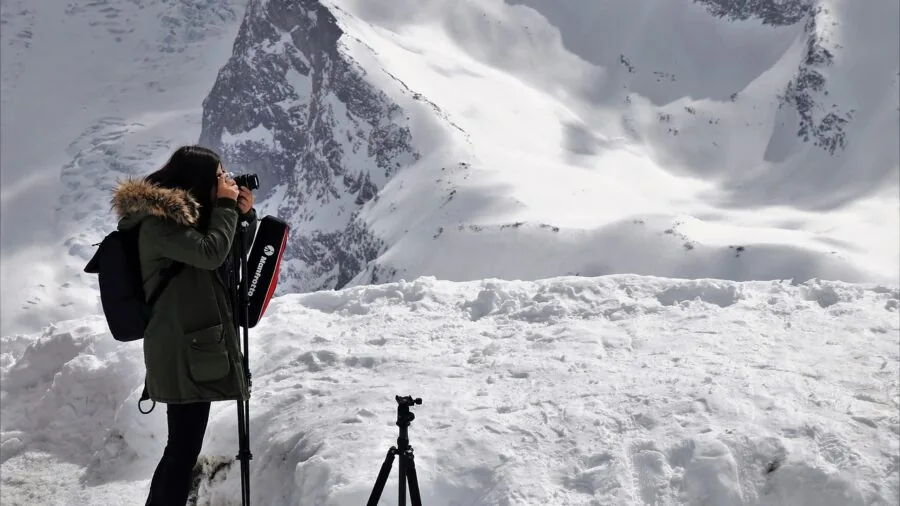
Tripod weight is a genuine trade-off: heavier tripods are typically more stable, while lighter ones are easier to carry on long hikes or through airports.
For travel and outdoor photography, look for models that fold down to a compact length and weigh under 4 lb, since those are the practical thresholds at which a tripod stops feeling like a burden and starts feeling like a tool you actually want to bring.
A carry bag is worth factoring in, particularly if you travel frequently, as a dedicated case protects both the tripod and the equipment around it in your luggage.
Several models in our roundup include a detachable monopod leg, which is a meaningful bonus for photographers who move frequently between static and dynamic shooting.
A monopod does not replace a tripod but gives you a lighter stabilization option for situations where setting up a full three-legged rig is impractical.
If your work takes you outdoors with camera drones or other mobile kit, a lightweight tripod that packs down quickly is often the smarter choice over a heavier but marginally more stable option.
Versatility: Smartphone and Multi-Device Compatibility
Many photographers today shoot across multiple devices, using a DSLR for primary work and a smartphone for behind-the-scenes content, social media clips, or backup shots.
A tripod that ships with a phone holder adapter gives you that flexibility without a separate purchase.
The best implementations include a spring-loaded phone clamp that stays secure at any angle and integrates cleanly with the ball head rather than feeling like an afterthought accessory.
Compatibility with GoPro mounts, spotting scopes, and video camcorders is also worth checking if you use your tripod across multiple disciplines.
All of the models in our lineup support standard 1/4-inch camera screws, and several are explicitly rated for use with video camcorders and spotting scopes in addition to DSLRs and mirrorless bodies.
Photographers who are still building out their kit should also check our guide on laptops for photo editing, where the right machine can make post-processing your tripod-assisted shots considerably faster.
Value and Long-Term Reliability
Price alone is a poor proxy for quality in the tripod category. Several budget-friendly models deliver surprisingly stable platforms, while some mid-range options have weak points in their leg locks or head mechanisms that frustrate owners after extended use.
Reading verified buyer feedback from photographers who have used a tripod over months, not just days, is one of the most reliable ways to surface durability issues that do not show up in spec sheets.
REMOVU’s scoring methodology weights long-term owner satisfaction heavily, which is why some lower-priced models score competitively against more expensive alternatives.
Warranty terms and brand support are secondary but worth noting.
Established brands like K&F Concept, Neewer, and Victiv, all represented in our rankings, have broader communities of users and a longer track record of post-sale support compared to newer entrants.
When spending at the mid-range level, that brand reputation translates to more reliable access to replacement parts and responsive customer service.
Pair a solid mid-range tripod with quality flash and lighting gear and you have the foundation for a genuinely professional studio-capable setup at a fraction of the cost of professional-tier equipment.
Why You Should Trust Us
REMOVU is an independent review platform. We have no commercial relationship with any of the brands featured in this article, and we do not sell the products we cover.
Every product in this roundup was evaluated using our standardized REMOVU Score methodology, which rates each item on a scale of 0 to 10 based on a consistent set of criteria: build quality and materials, load capacity relative to class, head and quick-release mechanism quality, height range and portability, verified owner satisfaction over extended use, and overall value at the current price point.
We do not conduct our own product trials; our evaluations are grounded in research, published data, expert review consensus, and verified buyer feedback.
Our editorial team cross-references manufacturer specifications against real-world owner reports and expert assessments from across the photography community to arrive at scores that reflect how a tripod actually performs in the hands of working photographers, not just on paper.
We also analyze patterns in verified buyer feedback to identify failure modes and long-term reliability concerns that short-term assessments miss.
REMOVU may earn a commission if you purchase through a link in this article. That affiliate relationship has no influence on our rankings, scores, or product selection.
Products are ranked entirely on the merits of our evaluation, not on commission rates or brand relationships.
Our goal is to help you make a confident, well-informed purchase, and that only works if you can trust our recommendations to be genuinely independent.
Final Thoughts
After evaluating nine tripods across a range of price points and feature sets, a few clear standouts emerged for different types of DSLR photographers.
Whether you need an everyday workhorse for travel, a versatile overhead rig for video and flat-lay work, or a compact tabletop option for tight spaces, there is a strong pick in our lineup for your situation.
Here are our key recommendations based on REMOVU Score and intended use case:
- Best Overall: K&F Concept 63-Inch Aluminum Travel Tripod (A305A1+BH-40) earns the top REMOVU Score in this roundup thanks to its combination of a heavy-duty 22 lb load rating, a compact 2.6 lb packed weight, and an Arca-Swiss compatible ball head, making it the most complete package for serious DSLR photographers who also travel.
- Best for Versatile Studio and Field Use: Neewer 72-Inch Camera Tripod Monopod with Center Column and Ball Head scores among the highest in the roundup and stands out for its dual-role tripod-and-monopod design, Arca-Swiss quick release, and impressive 33 lb load capacity, covering photographers who move between controlled and spontaneous shooting environments.
- Best for Overhead and Video Work: K&F Concept 90-Inch Ultra High Horizontal Overhead Tripod (T254A7+BH-28L) is the pick for content creators and videographers who need a full horizontal overhead position alongside a detachable monopod, all in a single rig at a mid-range price.
- Best Mid-Range Value: K&F Concept 64-Inch Lightweight Outdoor Travel Tripod (O234A1+BH-36) hits a strong balance of portability, 360-degree ball head precision, and a generous load rating for photographers who want a capable all-rounder at a moderate outlay.
- Best Budget Pick: CAMBOFOTO 73-Inch Camera Tripod and Monopod delivers a tripod-and-monopod combination at an entry-level price that makes it the most accessible option in this roundup for photographers just getting started with supported shooting.
Whichever model fits your budget and shooting style, investing in a quality tripod pays dividends across every genre of DSLR photography.
A stable platform is not a luxury; it is a fundamental tool that unlocks longer exposures, sharper images, and more deliberate compositions.
If you are still building out your camera system, our mirrorless and DSLR cameras category and our breakdown of laptops for video editing are natural next stops.
Frequently Asked Questions
What load capacity do I need for a full-frame DSLR with a zoom lens?
Most full-frame DSLRs with a mid-range zoom lens, such as a 24-70mm f/2.8, will weigh between 4 and 6 lb combined.
As a safety margin and to minimize vibration, look for a tripod rated to at least 10 to 11 lb for this setup. Photographers using heavy telephoto lenses should prioritize models with 17 lb or higher ratings.
All of the tripods in our roundup are rated well above entry-level weights, with the Neewer 72-inch model offering the highest capacity in the group.
Is aluminum alloy good enough, or do I need carbon fiber?
For the vast majority of DSLR photographers, aluminum alloy is an excellent choice. It offers solid rigidity at a substantially lower cost than carbon fiber.
Carbon fiber’s primary advantage is weight reduction, which matters most for hikers and mountaineers carrying heavy packs over long distances.
If your shoots are primarily studio-based, urban, or involve short walks from a vehicle, the weight savings from carbon fiber rarely justify the price premium.
Every model in our ranked list uses aluminum alloy construction and performs well for typical DSLR use cases.
What is the difference between a ball head and a pan-tilt head?
A ball head uses a single spherical joint and one or two locking knobs to position the camera in any direction quickly. It is the preferred choice for still photography because it allows fast, intuitive repositioning.
A pan-tilt head uses separate controls for horizontal panning and vertical tilting, making it easier to make precise, controlled movements along a single axis. Pan-tilt heads are preferred for video work where smooth, predictable camera movements are important.
Most of the tripods in this roundup ship with a ball head, which suits the majority of DSLR photographers. Video-focused users shooting with a camcorder or cinematic rig may want to consider a fluid head attachment separately.
Can I use a DSLR tripod with my smartphone or action camera?
Yes. All of the tripods in this roundup use a standard 1/4-inch thread mount, which is compatible with the vast majority of smartphone tripod adapters, GoPro mounts, and action camera accessories available separately.
Several models include a phone holder adapter in the box, which adds immediate dual-device capability. If you frequently shoot with both a DSLR and a smartphone, look for models that explicitly include a spring-loaded phone clamp.
For dedicated action camera use, the lightweight and compact models in our list are particularly practical.
How do I know if an Arca-Swiss plate is worth it compared to a proprietary plate?
Arca-Swiss compatible quick-release plates are a global standard across camera accessories, meaning your plate can be used interchangeably with a wide range of clamps, L-brackets, and other tripod heads from different manufacturers. This becomes valuable as your kit grows.
A proprietary plate system locks you into a specific brand’s ecosystem, which can limit compatibility and make replacing a lost plate more difficult.
If you plan to expand your accessories or use the same camera plate across multiple support systems, Arca-Swiss compatibility is the smarter long-term investment. Several top-scoring models in our roundup include Arca-Swiss plates as a standard feature.
Is a tabletop tripod a practical replacement for a full-height tripod?
A tabletop or mini tripod, like the Neewer Portable Travel Mini Tabletop Tripod in our list, is a specialized tool rather than a general replacement.
It excels in situations where a full tripod cannot fit: small studio setups, vlogging from a desk, macro photography on a table surface, or as a compact travel backup.
For outdoor landscapes, portrait sessions, or any situation requiring eye-level framing, a full-height tripod is essential. Many photographers own both: a compact tabletop model for controlled environments and a full-height model for field work.
Matching your tripod to your shooting context is ultimately more important than any single specification.
About the author
Kenzi writes about external SSDs and portable hard drives for REMOVU, weighing speed, capacity, and price per terabyte. She helps readers keep files portable and safely backed up.