The 11 Best Subwoofers Under $500
Deep bass shouldn't cost a fortune. These powered subwoofers span home theater, studio, and car audio use cases, with picks from Polk Audio, Klipsch, Dayton Audio, and more.
 By Nevaeh Sims
Updated July 26, 2026
By Nevaeh Sims
Updated July 26, 2026
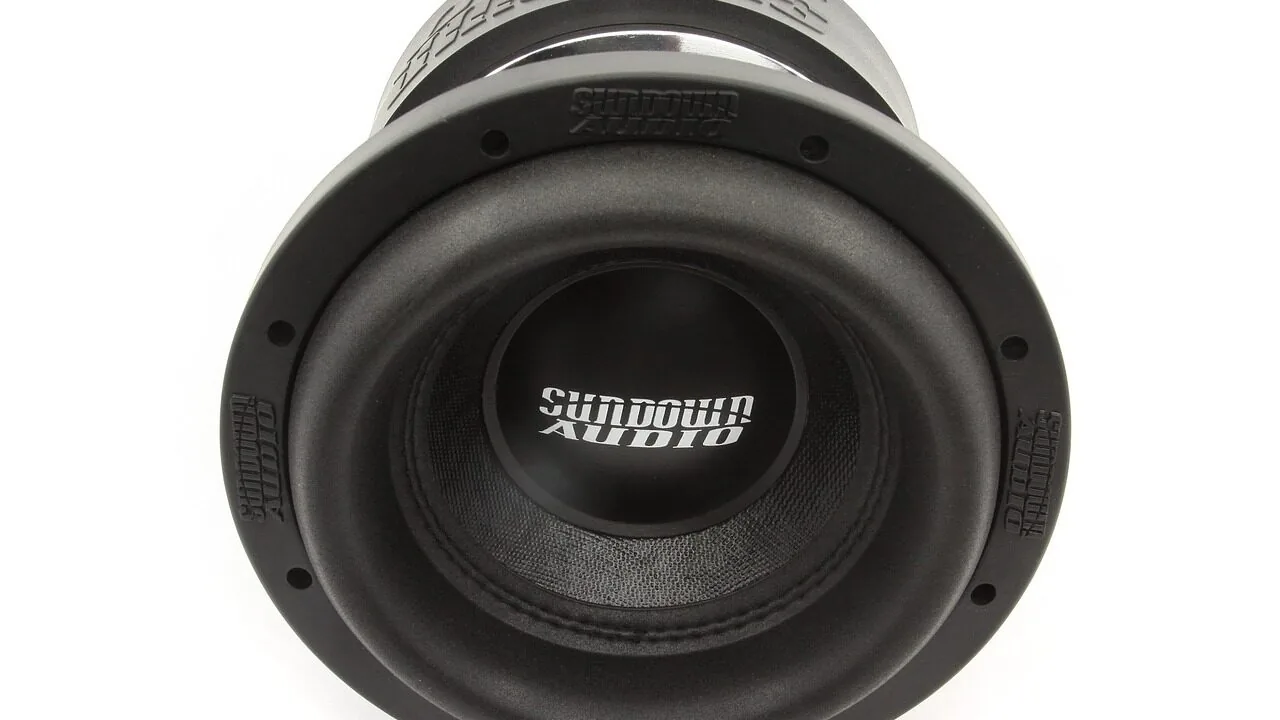
A good subwoofer does something no satellite speaker or soundbar can replicate on its own: it fills a room with the low-frequency weight that makes movie explosions feel physical, gives bass guitar its chest-felt thump, and lets music breathe the way a recording engineer intended.
If you have been relying solely on a 2.0 stereo setup or a slim soundbar, adding a capable powered sub is one of the highest-return upgrades you can make to any home audio or home theater system.
The challenge is that the market under the price point covered here is crowded with models ranging from genuinely excellent performers to boxes that look the part but fall short on real bass extension and amplifier quality.
To help you cut through the noise, the REMOVU editorial team researched and compared every model in this list by synthesizing published specifications, expert review consensus across audio publications, and verified buyer feedback from confirmed purchasers.
From Polk Audio and Klipsch home theater staples to Yamaha and Dayton Audio value picks and PreSonus studio-grade options, we evaluated each sub against a consistent set of criteria and assigned a REMOVU Score on our 0 to 10 scale.
Whether you want deep cinematic bass, a compact sub for a desktop music rig, or a budget-conscious car audio upgrade, the picks below cover every major use case. Read on for our top recommendations.
| Award | Product | REMOVU Score About REMOVU ScoreThe REMOVU Score is our own rating from 0 to 10, based on performance, design and build, ease of use, and value. It reflects independent research and is never influenced by manufacturers, retailers, or affiliate commissions. Learn more › | Price | |
|---|---|---|---|---|
| Best Overall |
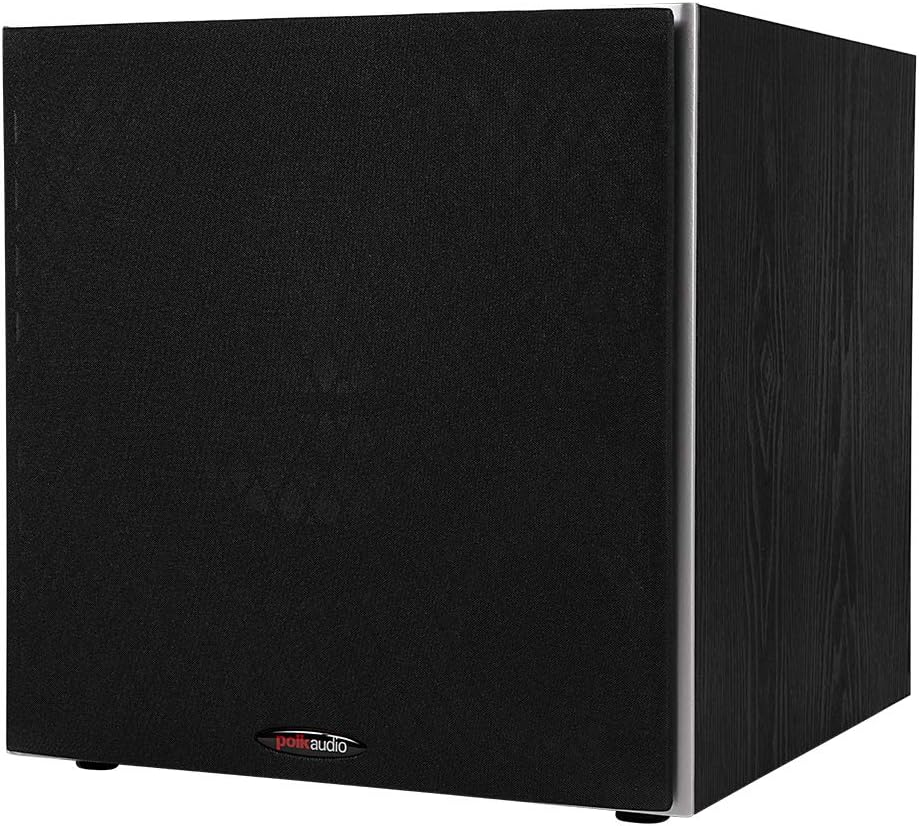 Polk Audio PSW10 10-Inch Powered Subwoofer
|
8.9/10 | Buy | |
| Best Premium |
 Klipsch R-120SW 12-inch Subwoofer
|
8.6/10 | Buy | |
 Dayton Audio CS1200 12-Inch Powered Subwoofer
|
8.1/10 | Buy | ||
| Best Value |
 Klipsch Sub-100 10-inch Subwoofer
|
7.6/10 | Buy | |
 Yamaha NS-SW100BL 10-Inch Powered Subwoofer
|
7.3/10 | Buy | ||
| Best Budget |
 Edifier T5s Powered Subwoofer
|
7.2/10 | Buy | |
 PreSonus Eris Sub 8BT Powered Subwoofer
|
7.1/10 | Buy | ||
 Yamaha NS-SW050BL 8-Inch Powered Subwoofer
|
6.8/10 | Buy | ||
 MTX Terminator Dual 12 Subwoofer
|
6.2/10 | Buy | ||
 Pioneer TS-A120D4 12-Inch Subwoofer
|
6.2/10 | Buy | ||
 MTX Terminator Dual 12 Subwoofer Box
|
6.2/10 | Buy |
Polk Audio PSW10 10-Inch Powered Subwoofer
The Polk Audio PSW10 is a compact 10-inch powered subwoofer delivering 100 watts of dynamic power with minimal distortion, making it an excellent choice for small-to-mid-size rooms seeking impactful bass without taking up significant space. Its easy setup, variable crossover, and timbre-matching design work seamlessly with most home theater systems.
Pros
- Exceptional value for compact bass performance with 4.7-star rating from thousands of users
- Space-saving design ideal for apartments, small living rooms, and limited entertainment spaces
- Simple one-knob output control and straightforward hookup require minimal setup expertise
- Dual amplifier power modes (50W RMS, 100W dynamic) handle both music and movie content
- Front-firing flared port design provides accurate bass depth with reduced cabinet resonance
Cons
- Limited to 40-160 Hz frequency response, which may underwhelm users seeking ultra-deep bass extension
- 50W RMS continuous power is modest compared to larger subwoofers in higher price ranges
- Compact size means reduced output capability in very large rooms or high-SPL applications
Klipsch R-120SW 12-inch Subwoofer
The Klipsch R-120SW delivers powerful, clean bass with a 12-inch spun-copper woofer and 200-watt amplifier, making it an excellent choice for home theater enthusiasts seeking room-filling low frequencies without breaking the bank.
Pros
- Exceptional build quality with rigid, lightweight injection-molded graphite woofer for minimal cone breakup
- All-digital amplifier provides accurate, high-efficiency power delivery with true-to-source reproduction
- Flexible placement options thanks to front-firing driver design that performs well anywhere in the room
- Comprehensive controls allow fine-tuning of bass response to match your room acoustics and speaker system
- Outstanding value at its price point with professional-grade performance and reliability
Cons
- Limited to 120 Hz upper frequency range, so integration with some speaker systems may require careful calibration
- Rear-firing port design requires some distance from walls to prevent boomy bass in smaller rooms
Dayton Audio CS1200 12-Inch Powered Subwoofer
The Dayton Audio CS1200 delivers tight, room-friendly bass with a 200W Class-D amplifier and 12-inch mineral-filled cone driver, extending down to 26 Hz. It's ideal for home theater and music listeners who want impactful low-end performance without overwhelming their space.
Pros
- Exceptional value for a 12-inch powered subwoofer with 200W amplification and 26 Hz extension
- Clean, articulate bass response without bloat or distortion, ideal for both movies and music
- Versatile connectivity supports traditional stereo systems and modern home theater setups
- Compact footprint (15.5 x 18 x 16.37 inches) fits diverse room layouts and spaces
- Highly rated at 4.7/5 stars with 90+ customer reviews confirming real-world performance
Cons
- Cabinet size and weight (38.76 lbs) requires careful placement planning in smaller rooms
- Grille color options limited; gray grille sold separately, adding extra cost for matching decor
Klipsch Sub-100 10-inch Subwoofer
The Klipsch Sub-100 is a compact 10-inch front-firing subwoofer that delivers 150 watts of continuous power with an efficient all-digital amplifier, making it an excellent entry-level choice for home theater systems seeking tight, musical bass without taking up excessive space. Its 4.7-star rating from over 1,100 reviews reflects strong real-world performance for the price point.
Pros
- Excellent value for a Klipsch-branded subwoofer at under $250
- Efficient all-digital amplifier provides clean, accurate bass without excessive heat generation
- Compact size makes it suitable for apartments, bedrooms, and smaller entertainment spaces
- Front-firing design offers placement flexibility compared to downward-firing alternatives
- Strong build quality and removable grille for easy maintenance and customization
Cons
- Requires connection to an AV receiver, processor, or pre-amp; cannot operate as a standalone powered speaker
- Connection cables are not included in the box, requiring separate purchase
- 10-inch driver may deliver less output in very large rooms compared to 12 or 15-inch alternatives
Yamaha NS-SW100BL 10-Inch Powered Subwoofer
The Yamaha NS-SW100BL is a compact 10-inch powered subwoofer that delivers tight, accurate bass for movies and music thanks to its Twisted Flare Port and Advanced YST II technology. It's an excellent choice for home theater enthusiasts and music lovers seeking a stylish, high-performance sub that won't dominate the room.
Pros
- Advanced Twisted Flare Port reduces port noise for cleaner, more accurate bass reproduction
- YST II servo technology optimizes speaker impedance dynamically for superior linearity and control
- Compact 10-inch design fits easily into smaller rooms without sacrificing bass impact
- Stylish, unobtrusive appearance designed to complement rather than dominate your entertainment space
- Solid construction at 26.5 lbs provides stability and durability for long-term use
Cons
- 100W output is modest compared to larger subwoofers like the NS-SW200 or NS-SW300, limiting maximum volume potential in large rooms
- Limited frequency response starting at 25 Hz may not reach the lowest notes of some bass-heavy music genres
- No user reviews available yet, making it difficult to assess real-world performance and reliability from owners
Edifier T5s Powered Subwoofer
The Edifier T5s is a compact 70W powered subwoofer with an 8-inch woofer that delivers deep 35Hz bass in a space-saving design. It's ideal for home audio and studio setups seeking affordable, distortion-free low-end enhancement without a separate amplifier.
Pros
- Delivers tight, distortion-free bass with minimal resonance thanks to 18mm MDF cabinet construction
- Affordable powered subwoofer option that requires no external amplifier or complex setup
- Adjustable controls allow fine-tuning to match any speaker system or room acoustics
- Compact footprint with wood grain finish and low-profile grille blends into home decor
- Includes all necessary cables for immediate installation and use
Cons
- Limited to RCA connections only, lacking modern digital inputs like USB-C or optical audio
- Series connection mode (without sub-out) requires main speaker to have line-level input, limiting compatibility
- 35Hz floor response is adequate but not as deep as larger or higher-powered subwoofers in the market
PreSonus Eris Sub 8BT Powered Subwoofer
The PreSonus Eris Sub 8BT is a compact powered subwoofer designed to extend the low-frequency response of studio monitoring systems down to 30 Hz with studio-accurate bass reproduction. Its Bluetooth 5.0 connectivity, flexible tuning controls, and 100W Class AB amplifier make it ideal for music producers, content creators, and gamers seeking tight, controlled bass without exaggeration.
Pros
- Studio-accurate bass reproduction engineered for clarity and balance rather than dramatic low-end exaggeration
- Comprehensive connectivity options including Bluetooth 5.0, balanced and unbalanced inputs, plus pass-through outputs for satellite speaker integration
- Extensive tuning flexibility with highpass and lowpass filters, polarity control, and gain adjustment allows optimization for any room and speaker setup
- Compact footprint and 100 dB peak SPL output make it suitable for small to medium home studios and gaming setups
- Built-in headphone amp and front-panel aux input provide convenient monitoring alternatives without additional gear
Cons
- 50W RMS amplification may require careful placement and tuning in larger rooms to achieve balanced integration with full-range speakers
- No built-in DSP or room correction software; tuning relies on manual filter adjustments and user experience
- Designed primarily as a companion to Eris studio monitors; compatibility with other full-range speakers requires manual crossover calibration
Yamaha NS-SW050BL 8-Inch Powered Subwoofer
The Yamaha NS-SW050BL delivers tight, accurate bass in a compact footprint using Twisted Flare Port and Advanced YST II servo technology. Ideal for home theater and music systems where space is limited but deep bass impact matters.
Pros
- Exceptional clarity and tightness in bass response thanks to Twisted Flare Port design
- Compact size makes it practical for apartments, bedrooms, and smaller entertainment spaces
- Advanced YST II technology provides superior control compared to conventional subwoofers
- Attractive, unobtrusive styling won't dominate your room aesthetically
- Reliable Yamaha engineering backed by strong customer satisfaction ratings
Cons
- 50W RMS output may feel underpowered for large rooms or bass-heavy music preferences
- Limited to 8-inch driver compared to 10-inch options in higher price tiers
- No high-efficiency power amplifier designation like premium Yamaha models
MTX Terminator Dual 12 Subwoofer
The MTX Terminator delivers impressive bass performance with dual 12-inch drivers in a sealed enclosure, offering 400W RMS power at an accessible price point. Best suited for car audio enthusiasts seeking affordable, plug-and-play subwoofer solutions without complex installation.
Pros
- Excellent value for dual subwoofer setup at this price
- Pre-assembled enclosure saves installation time and effort
- Solid build quality with MDF construction and durable cone materials
- Strong bass response verified by 4,000+ customer reviews
- Includes necessary wiring kit for immediate use
Cons
- Requires external amplifier for full 1200W peak performance
- Sealed design limits customization compared to vented alternatives
- Substantial trunk space needed due to enclosure size
Pioneer TS-A120D4 12-Inch Subwoofer
The Pioneer TS-A120D4 is a powerful 12-inch car subwoofer with 1,500W peak handling and dual voice coils that deliver clean, extended bass across a wide frequency range. It's ideal for car audio enthusiasts seeking impactful low-end performance without breaking the bank.
Pros
- Excellent power handling and sensitivity for the price point
- Dual voice coils provide superior excursion and bass extension
- Clean, detailed bass response with minimal distortion
- Wide frequency response suitable for multiple music genres
- Compatible with both ported and sealed enclosure designs
Cons
- Requires external amplifier for optimal performance and power delivery
- Enclosure must be properly sized and tuned for best results, adding installation complexity
- Limited sensitivity means it benefits from higher-quality amplification to avoid muddiness
MTX Terminator Dual 12 Subwoofer Box
The MTX Terminator is a sealed dual 12-inch subwoofer enclosure with integrated 1200W amplifier and wiring kit, delivering controlled bass in a compact trunk-mounted design. Best for car audio enthusiasts seeking a complete plug-and-play system with solid build quality and reliable performance across sedans, SUVs, and trucks.
Pros
- Complete bundle eliminates need to source amplifier, wiring, and enclosure separately
- Sealed design provides tight bass response with minimal cabinet resonance
- Sturdy MDF construction with carpet finish resists warping and damage
- Universal compatibility allows driver replacement or customization down the line
- Reasonable power output for the price point in a compact footprint
Cons
- Sealed enclosure produces less volume than ported designs, limiting extreme bass enthusiasts
- 1200W peak power is modest compared to higher-end aftermarket systems
- Limited customization of enclosure dimensions or tuning parameters
Subwoofers Under $500 Buying Guide
Choosing the right powered subwoofer involves more than picking the largest driver you can afford. Driver size, amplifier class, enclosure type, low-frequency extension, room-correction options, and connectivity all interact to determine how a sub will actually perform in your space.
The sections below walk through each of the key factors our research team used to evaluate and rank the models in this guide.
Driver Size and Low-Frequency Extension

Driver diameter is the most visible spec on any subwoofer listing, and it matters, but it is not the whole story.
An 8-inch driver in a well-designed ported enclosure with a powerful amplifier can reach lower and play louder than a 10-inch driver paired with an underpowered amp.
That said, larger drivers generally move more air and are better suited to mid-size or large rooms. For a bedroom or small living space, an 8-inch or 10-inch sub is typically sufficient and integrates more easily with bookshelf-speaker setups.
For dedicated home theater rooms or open-plan spaces, a 12-inch driver tends to deliver the kind of visceral impact that movie soundtracks demand.
The frequency number to pay attention to is the rated low-end extension, expressed in hertz (Hz).
A sub that reaches down to 25 Hz will reproduce the subsonic bass in film scores and pipe organ music; one that rolls off at 40 Hz will sound respectable on most pop and rock music but will leave cinematic effects feeling thin.
Look for independently verified extension figures from audio publications rather than relying solely on manufacturer claims, which are often measured at very high distortion levels or at room boundary gain that may not apply to your setup.
Pairing a capable sub with quality bookshelf speakers is one of the most cost-effective ways to build a full-range system.
Room size also affects perceived bass output. A smaller room with parallel walls can create standing waves that exaggerate certain bass frequencies; a large, acoustically damped room will absorb bass energy and make the same subwoofer sound leaner.
Placement near a wall or corner adds boundary reinforcement, effectively lending your sub a few extra decibels of output for free.
Amplifier Power and Class

Powered subwoofers include a built-in amplifier, and the quality and class of that amplifier determines both headroom and efficiency.
Class-AB amplifiers, found in models like the Polk Audio PSW10, offer low distortion and a well-understood sonic character but generate more heat and draw more standby power.
Class-D amplifiers, used in the Dayton Audio CS1200 and many newer designs, are significantly more efficient, run cooler, and pack more wattage into a compact chassis without meaningful sonic penalty at subwoofer frequencies.
Wattage figures deserve scrutiny. Peak or maximum power ratings are marketing figures that represent momentary headroom and tell you very little about sustained performance.
RMS (root mean square) or continuous power ratings are the meaningful number because they reflect the amplifier’s ability to deliver consistent output over time.
A sub with 100 watts RMS is genuinely more powerful than one advertising 300 watts peak with only 50 watts RMS. Our evaluations weight continuous power figures accordingly.
If you are building a home theater system, pairing your sub with a capable AV receiver that offers bass management will help you integrate the subwoofer seamlessly.
Enclosure Type: Sealed vs. Ported
Sealed enclosures are compact, produce tight and accurate bass, and roll off smoothly below their tuning frequency. They are preferred by two-channel audiophiles and studio users who value precision over raw extension.
The trade-off is that sealed subs typically require more amplifier power to reach the same output level as a ported design. The PreSonus Eris Sub 8BT, with its studio-monitor heritage, typifies this approach.
Ported (bass-reflex) enclosures use a tuned port to reinforce bass output at a specific frequency, resulting in higher efficiency and deeper measured extension from a given driver size.
The downside is a sharper roll-off below the port tuning frequency and, at very high volumes, the possibility of port noise (chuffing).
Most home theater subs under this budget use ported designs because they deliver impressive perceived bass impact without requiring enormous driver size.
Klipsch’s Tractrix porting is a well-regarded implementation of this concept, and it is one reason the Klipsch R-120SW ranks highly in our scoring.
Controls, Crossover, and Room Integration
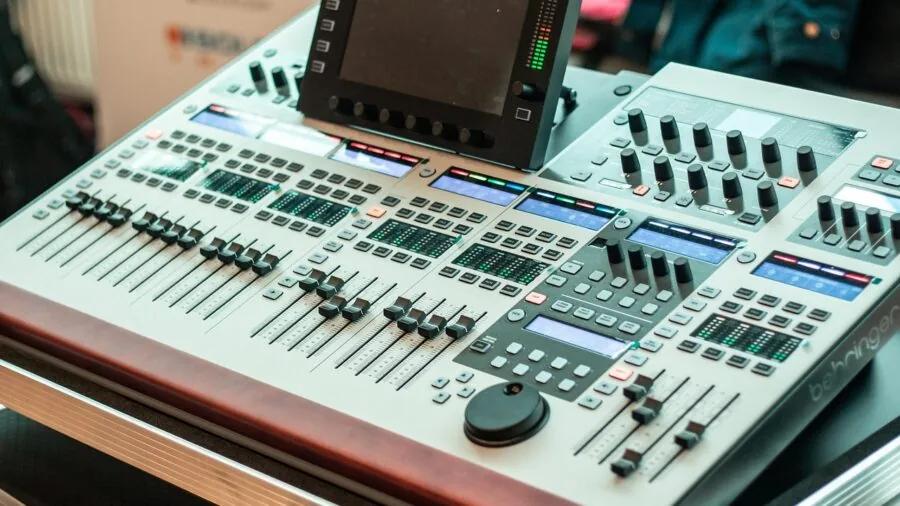
A powered subwoofer needs at minimum a volume (gain) control and a low-pass crossover dial.
The crossover determines the frequency above which the sub hands off to your satellite speakers; setting it correctly is critical to achieving a seamless, non-localized bass sound.
Look for a continuously variable crossover with a range of at least 50 Hz to 150 Hz. Fixed crossover settings are acceptable only if you plan to use the subwoofer output from an AV receiver that handles bass management externally.
Phase control (typically a 0/180 degree switch or a continuously variable dial) allows you to align the sub’s output with your main speakers, eliminating cancellation artifacts at the crossover point.
This is particularly important when the subwoofer cannot be placed near the main speakers. Models like the Edifier T5s include a phase selector, which is a meaningful practical advantage over subs that omit it.
Room correction DSP (digital signal processing) remains rare in this price tier but is worth seeking out if your room has obvious bass problem areas.
The combination of a well-designed crossover and thoughtful placement, ideally not in a corner and not flush against a wall, will get you 80 to 90 percent of the way to a room-corrected result without any additional hardware.
Connectivity: Home Theater, Studio, and Car Audio

Home theater subwoofers typically accept line-level (RCA) inputs: a dedicated LFE (low-frequency effects) input and sometimes stereo left/right inputs for use with stereo receivers without a dedicated sub output.
Speaker-level (high-level) inputs are a useful addition for connecting directly to an amplifier’s speaker terminals when no pre-amp outputs are available, and Klipsch subs in this guide support this configuration.
Bluetooth connectivity, as offered by the PreSonus Eris Sub 8BT, adds flexibility for music playback from a phone or tablet without routing cables.
It is less common in this category and comes with the minor caveat of Bluetooth’s inherent latency, which may be audible during video playback if the sub is carrying the majority of bass duties.
For studio and music production use, the bookshelf speakers or studio monitors in your rig will determine the optimal integration method.
Car audio subs in this guide (MTX Terminator series, Pioneer TS-A120D4) use voice-coil wiring configurations and require a dedicated mono amplifier; the MTX bundle includes one, while the Pioneer component sub requires a separate amp purchase.
Build Quality, Design, and Long-Term Reliability

Cabinet resonance is the enemy of clean bass reproduction. A sub with a thin MDF cabinet will add its own colorations to the sound, smearing transients and making bass sound bloated rather than defined.
Tap the cabinet sides with a knuckle when evaluating in person; a solid, inert thud is what you want. Heavier subs with thicker cabinet walls are generally better in this regard, though good internal bracing can compensate for thinner panels.
Driver surround material (rubber is more durable than foam over the long term) and motor topology (large magnets favor efficiency and low distortion) are worth noting but rarely listed in consumer-facing specs.
Verified buyer feedback aggregated over thousands of reviews provides a practical proxy for long-term reliability, and our scoring incorporates this signal.
For broader home audio context, you may also want to browse our coverage of home theater speakers to complete your system build.
Why You Should Trust Us
REMOVU is an independent review publication. We have no commercial relationship with any manufacturer featured in this guide, and our editorial team makes every ranking and recommendation decision independently of advertiser influence.
Every subwoofer in this list was assessed using the same structured research framework: we gathered published specifications from manufacturers, cross-referenced them against expert review consensus from audio publications and enthusiast communities, and weighted verified buyer feedback from confirmed purchasers to surface real-world reliability and satisfaction patterns.
Each product receives a REMOVU Score on a 0 to 10 scale that reflects its overall performance across consistent criteria including bass extension, amplifier quality, build construction, integration flexibility, and value relative to competitors in the same price tier.
We do not conduct our own product trials; our evaluations are grounded in research, published data, expert review consensus, and verified buyer feedback.
This approach allows us to compare a much larger field of products than any single reviewer could physically assess, and it insulates our scoring from the variability of individual unit samples.
REMOVU may earn an affiliate commission if you purchase a product through a link on this page. That relationship has no bearing on our rankings, scores, or the selection of products included.
Items are chosen on merit; higher-commission products do not receive preferential placement. Our only goal is to help you spend your money well.
Final Thoughts
The subwoofer market in this price tier is more competitive in 2026 than it has ever been, and the picks in this guide represent genuine standouts across a range of use cases.
Whether you are building a home theater from scratch, upgrading an existing two-channel stereo, outfitting a home studio, or powering a car audio system, there is a sub here that matches your needs.
For those weighing their broader audio system, pairing a capable subwoofer with soundbars or a full speaker array can dramatically transform the listening experience. Below are our editorial award picks based on REMOVU Score and specific strengths.
- Best Overall: Polk Audio PSW10 10″ Powered Subwoofer. The highest REMOVU Score in this entire roundup. The PSW10 earns its top position through a decades-long track record, Power Port bass reflex technology that reduces port noise at high output, and near-universal praise across expert reviews and verified buyers for its blend of accurate tonality and room-filling impact. It is the easiest recommendation for the widest range of listeners.
- Best Premium Pick: Klipsch R-120SW Subwoofer. The second-highest score in the group. Klipsch’s 12-inch front-firing driver and all-digital amplifier deliver the kind of dynamic headroom that rewards home theater content and high-volume listening sessions. Tractrix porting keeps output clean even near the limits of the driver’s excursion.
- Best Value for Home Theater: Dayton Audio Classic CS1200. For buyers who want 12-inch driver scale and a Class-D amplifier at a more accessible price point, the CS1200 offers strong measured performance and clean industrial design that suits both dedicated theater rooms and living spaces.
- Best Compact Wireless Sub: PreSonus Eris Sub 8BT. The only Bluetooth-capable model in this group, and the natural companion to a desktop studio monitor setup or a bedroom system where cable routing is a genuine constraint. Its sealed enclosure and 100-watt Class-AB amplifier prioritize accuracy over raw extension.
- Best Budget Home Sub: Edifier T5s Powered Active Subwoofer. At the most affordable price in the home-audio portion of this list, the T5s delivers a 35 Hz low-end claim, a phase selector, and 70 watts RMS in a compact cabinet. It is the logical entry point for first-time sub buyers who want meaningful bass improvement without a large financial commitment.
Frequently Asked Questions
How do I know what size subwoofer to get for my room?
Room volume is the primary guide. For rooms up to roughly 150 square feet (a bedroom or small office), an 8-inch or 10-inch driver is typically sufficient and integrates more easily.
For mid-size living rooms (150 to 300 square feet), a 10-inch or 12-inch sub is ideal.
For dedicated home theater rooms or large open spaces, a 12-inch driver with a high-powered amplifier gives you the headroom needed to pressurize the space without running the sub at its limits.
Placement near a wall or corner will add boundary gain and effectively increase perceived output.
Should I use the LFE input or the stereo RCA inputs on my subwoofer?
Use the dedicated LFE input when connecting from an AV receiver that has a subwoofer pre-out, and set the sub’s crossover dial to its maximum (bypassed) position so bass management is handled entirely by the receiver.
Use the stereo RCA inputs when connecting from a stereo receiver or integrated amplifier that lacks a dedicated sub output; in this case, set the sub’s crossover dial to match the low-frequency limit of your main speakers.
Mixing both methods simultaneously is generally not recommended as it can create phase and level inconsistencies.
Can a home theater subwoofer work for music listening too?
Yes, and most listeners find it preferable.
A well-integrated subwoofer extends the bass response of any bookshelf or satellite speaker, recovering the low-frequency information in jazz double bass, electronic music, orchestral strings, and acoustic guitar body resonance that small speakers simply cannot reproduce.
The key is setting the crossover point and volume level carefully so the sub blends seamlessly with the main speakers rather than drawing attention to itself. Sealed enclosures tend to integrate more musically than ported designs for critical two-channel listening.
Pairing your sub with over-ear headphones tuned for bass for comparison listening can help you calibrate the sub’s output level to sound natural rather than exaggerated.
What is the difference between RMS watts and peak watts on a subwoofer?
RMS (root mean square) wattage represents the continuous power an amplifier can sustain over time without distortion or thermal shutdown. Peak or maximum wattage represents the highest instantaneous power output the amplifier can briefly achieve during transient signals.
Manufacturers frequently highlight peak figures because they are larger and more impressive in marketing copy, but RMS is the number that predicts real-world loudness and headroom.
When comparing two subs, always look for the RMS figure; a sub with 100 watts RMS will typically outperform one with 300 watts peak but only 50 watts RMS in sustained listening scenarios.
Do I need a subwoofer if I already have a soundbar?
Most soundbars include a simulated bass mode but cannot physically move enough air to produce the deep, room-pressurizing bass that movies and music call for. Dedicated powered subs start where soundbar bass ends, typically below 80 Hz.
Some premium soundbars ship with a wireless subwoofer, which is a reasonable convenience solution, but for the same or lower cost you can usually pair a standalone soundbar with a higher-performing dedicated sub and achieve substantially better low-frequency extension and output.
If you are exploring the wider soundbar ecosystem, our coverage of soundbars compares models across every budget and room size.
Are car audio subwoofers in this guide compatible with a home stereo?
The MTX Terminator and Pioneer TS-A120D4 component subwoofers listed here are designed for 12-volt car audio systems.
They require a car amplifier (or a 12V power supply for a home build) and are not plug-and-play with a home theater receiver or stereo amplifier.
If your primary goal is home audio, the powered home theater subs in this guide (Polk Audio, Klipsch, Yamaha, Dayton, Edifier, PreSonus) are the appropriate choices.
Car audio subs are included in this guide for buyers who are specifically upgrading a vehicle’s audio system and are shopping within this budget.
About the author
Nevaeh is REMOVU's mini PC writer, judging performance, ports, and value in palm-sized machines. She helps readers pick a tidy computer for a desk, a media center, or a quiet office.