The 6 Best Solar Chargers Under $100
Finding a solar charger that actually keeps up with your devices outdoors is harder than it looks. This guide cuts through the noise with top picks for hikers, campers, and vehicle owners.
 By Sharlene Rose
Updated July 26, 2026
By Sharlene Rose
Updated July 26, 2026
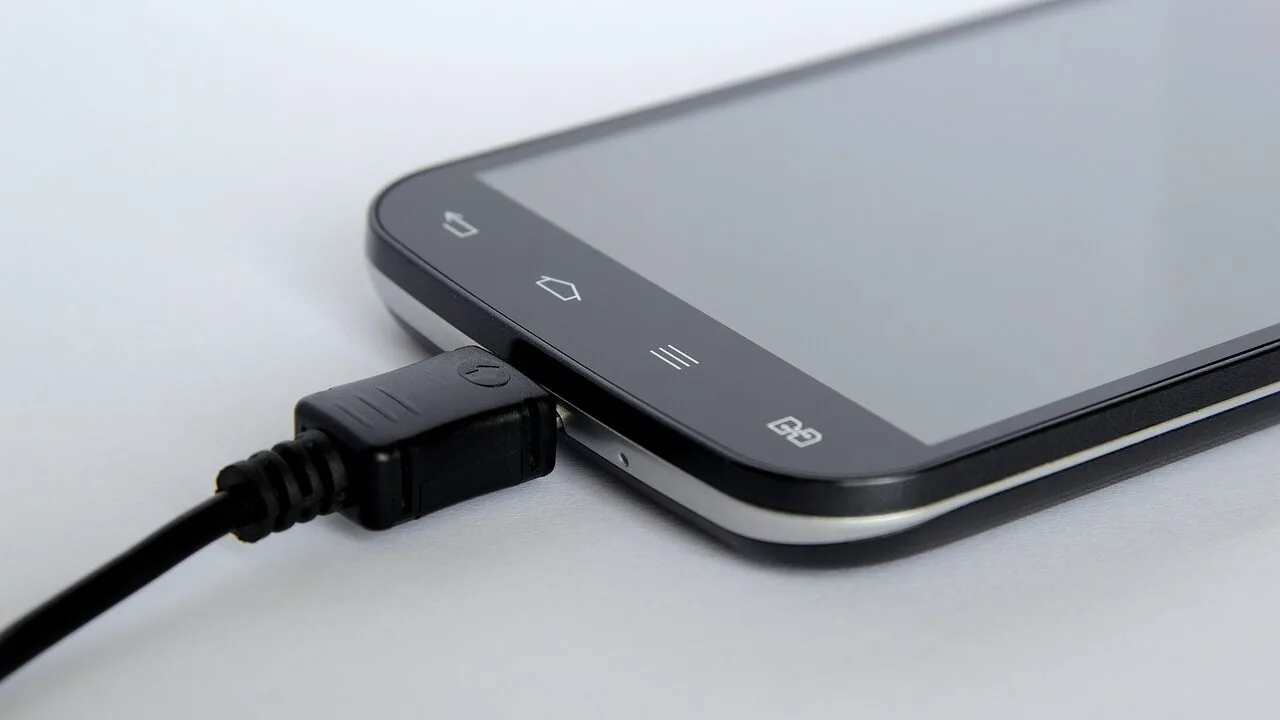
Solar chargers have moved well beyond niche camping gear.
Whether you’re topping off a phone on a weekend trail, keeping a car battery healthy during a long storage period, or building a lightweight off-grid charging kit, a capable solar charger under a hundred dollars can genuinely replace wall power in the field.
The category has matured quickly, and today’s options range from compact foldable panels with USB-C Power Delivery to waterproof trickle-charge kits designed for marine and RV batteries, all at prices that no longer demand a serious budget commitment.
This guide covers six carefully selected solar chargers spanning portable panel chargers, hybrid solar power banks, and 12V battery maintainers.
REMOVU researched each model through a synthesis of published specifications, expert review consensus, and verified buyer feedback, scoring every pick on our 0 to 10 REMOVU Score scale.
If you need to charge phones, tablets, and power banks on the move, or maintain a vehicle battery between drives, the picks below cover every major use case at the right price.
| Award | Product | REMOVU Score About REMOVU ScoreThe REMOVU Score is our own rating from 0 to 10, based on performance, design and build, ease of use, and value. It reflects independent research and is never influenced by manufacturers, retailers, or affiliate commissions. Learn more › | Price | |
|---|---|---|---|---|
| Best Overall |
 BigBlue 28W Solar Panel Charger
|
8.4/10 | Buy | |
| Best Premium |
 BigBlue 35W Portable Solar Panel Charger
|
8.2/10 | Buy | |
| Best Budget |
 FlexSolar 40W Foldable Solar Panel with USB-C, USB-A & DC
|
7.8/10 | Buy | |
 SOLUPUP PS26K 30W Solar Power Bank 10000mAh
|
7.1/10 | Buy | ||
 SOLPERK 30W Solar Panel with 10A MPPT Controller
|
6.3/10 | Buy | ||
| Best Value |
 SUNER POWER BC-50W-P 12V Solar Battery Charger
|
6.2/10 | Buy |
BigBlue 28W Solar Panel Charger
A compact, foldable solar charger with dual USB-C and USB-A ports designed for outdoor adventures and emergency power. It delivers reliable charging in direct sunlight but requires optimal conditions and doesn't store energy, making it best suited for supplemental charging rather than rapid power replenishment.
Pros
- Lightweight and highly portable at 1.5 lbs, folds to 11x6x1.4 inches for easy backpack storage
- Triple ports (dual USB-C plus USB-A) enable simultaneous multi-device charging with 25.4% solar-to-energy conversion efficiency
- Performs adequately even under cloud cover and partial sunlight, not just direct sun
- IP68 waterproof rating and durable construction with included carabiners for secure attachment
- Works reliably with smartphones, tablets, power banks, and small electronics across major brands
Cons
- No internal battery means it cannot store electricity and requires direct sunlight connection to devices for operation
- USB junction box is not waterproof despite IP68 panel rating, and flexible fabric backing can crack under pressure after repeated use
- Charging speed is significantly slower than wall outlets, with performance heavily dependent on sunlight angle, cloud cover, and ambient temperature
- New waffle-pattern design traps dust and dirt, making cleaning difficult compared to older smooth-panel versions
BigBlue 35W Portable Solar Panel Charger
A lightweight, foldable solar charger with dual USB-C and USB-A ports designed for outdoor adventures. It delivers real-world charging performance even on cloudy days and pairs well with devices supporting PPS technology, though it requires direct sunlight and has limitations with certain power banks.
Pros
- Fast charging via USB-C with PD 25W and PPS technology that intelligently adjusts voltage to reduce heat
- Genuinely portable at 1.54 lbs and folds to backpack-friendly dimensions
- Dual parallel circuit design maintains output even when partially shaded, improving real-world outdoor performance
- Verified buyers confirm actual 22-24W output in field conditions, sufficient to recharge phones and small devices
- IP68 waterproof rating and 2-year warranty for durability in harsh environments
Cons
- No electricity storage; only works under direct sunlight, limiting flexibility in low-light or indoor situations
- USB junction box is not waterproof, so care needed when handling in wet conditions
- Type-C1 port incompatible with Apple devices, requiring USB-A fallback for some iPhones; some power banks struggle with voltage drops and require PPS support for reliable charging
FlexSolar 40W Foldable Solar Panel with USB-C, USB-A & DC
A lightweight, portable solar charger that delivers 24-37W in direct sunlight via monocrystalline cells and three simultaneous output ports. Best for campers and hikers seeking compact emergency power without sacrificing real-world charging speed.
Pros
- Compact when folded (8.0 x 11.1 x 1.8 inches) and ultralight at 1.76 lbs, fitting easily into backpacks
- Triple output ports (USB-A QC 3.0, USB-C PD2.0, DC 19V) allow charging two devices simultaneously
- Monocrystalline cells achieve 24% conversion efficiency; verified buyers report 30-37W sustained output in full sun
- IP67 waterproof rating and ETFE coating provide durability in rain, dust, and rugged conditions
- Smart IC chip automatically optimizes charge speed per device and includes overcurrent/overheat protection
Cons
- Rated 40W output often reaches only 30-37W in practice, with some users reporting 17-22W depending on sun angle and atmospheric conditions
- Junction box is not fully waterproof; requires indoor storage during heavy rain despite panel's IP67 rating
- Performance drops up to 70% in shade or partial cloud cover, limiting usefulness on overcast days; DC port cannot be used simultaneously with USB ports
SOLUPUP PS26K 30W Solar Power Bank 10000mAh
A foldable solar charger with 10000mAh capacity and 30W solar panels, designed for outdoor adventures with triple charging ports and IPX5 waterproofing. Best suited for camping and hiking trips where all-day sun exposure is available, though real-world solar charging performance varies significantly with weather and angle.
Pros
- Fast 2-hour full charge in direct sunlight and can reach 60% iPhone charge in 30 minutes
- Lightweight and truly portable with integrated carabiner for hands-free outdoor mounting
- Strong customer satisfaction with camping and hiking use, praised for emergency preparedness
- Supports multiple fast-charging standards (QC 4.0, PD 3.0) for wider device compatibility
Cons
- Real-world solar output inconsistent: heavily dependent on sunlight angle, temperature, and weather; reviewers report 12-15 hours needed for full charge in optimal conditions
- Cannot charge devices while simultaneously solar charging at sufficient speed to power phones; battery prevents drawing enough power during solar input
- Device-to-device charging slower than solar charging performance; some reviewers noted difficulty fully charging multiple phones on single battery cycle
SOLPERK 30W Solar Panel with 10A MPPT Controller
A 12V trickle charger system combining a 30W monocrystalline panel with a high-efficiency MPPT controller, designed for vehicles, RVs, and boats that sit unused. The 360-degree adjustable bracket and comprehensive battery protections make it reliable for long-term maintenance charging, though initial setup complexity and occasional controller connection issues warrant attention.
Pros
- 10A MPPT controller delivers over 30% more power than standard controllers and fully waterproof design
- 360-degree adjustable bracket allows optimal sun positioning on ground, wall, or roof
- 30% cell efficiency with monocrystalline silicon and 25-year lifespan; handles extreme weather (wind up to 2400Pa, snow loads to 5400Pa)
- LED indicator lights clearly show charging status (blue: connected, red: charging, green: full)
- Works with multiple battery types including LiFePO, Lithium Ion, AGM, SLA, and GEL
Cons
- Initial setup takes time and instructions could be clearer for solar equipment beginners
- Quality control issue reported by some users: loose connections in controller box causing intermittent charging detection
- Limited to 12V systems; not suitable for higher voltage applications
SUNER POWER BC-50W-P 12V Solar Battery Charger
A 12W solar trickle charger built with MPPT technology that automatically maintains 12V batteries in cars, boats, and RVs year-round. Requires direct sunlight to function and takes time to charge deeply depleted batteries, but users report reliable performance for seasonal storage and parasitic drain prevention.
Pros
- MPPT charge controller delivers 20-30% more power than traditional PWM systems, with up to 99% tracking efficiency
- Three-stage charging (Bulk, Absorption, Float) prevents overcharging and extends battery life across flooded, AGM, gel, SLA, and LiFePO4 batteries
- Completely automatic operation. stops charging when battery is full and resumes on discharge, eliminating manual management
- IP65 waterproof rating with tempered glass protection withstands rain, snow, dust, and extreme weather without maintenance
- LED indicator clearly shows operational status (blinking green for standby, blinking red for active charging, solid green for full charge)
Cons
- Requires direct sunlight to detect and charge batteries. performs minimal charging on overcast days, limiting effectiveness in consistently cloudy climates
- Slow charging speed on deeply depleted batteries. users report needing 6-12+ hours in full sun to revive completely dead automotive batteries
- Plastic casing reported to pop open during suction cup removal and connector disconnection, though snaps back without functional damage
Solar Chargers Under $100 Buying Guide
Picking the right solar charger comes down to matching the panel’s output, form factor, and port configuration to how you actually plan to use it.
A backpacker’s needs differ sharply from someone who wants a trickle charger sitting on a car dash all winter. The sections below walk through the criteria that matter most so you can narrow the field quickly and confidently.
Wattage and Real-World Charging Speed
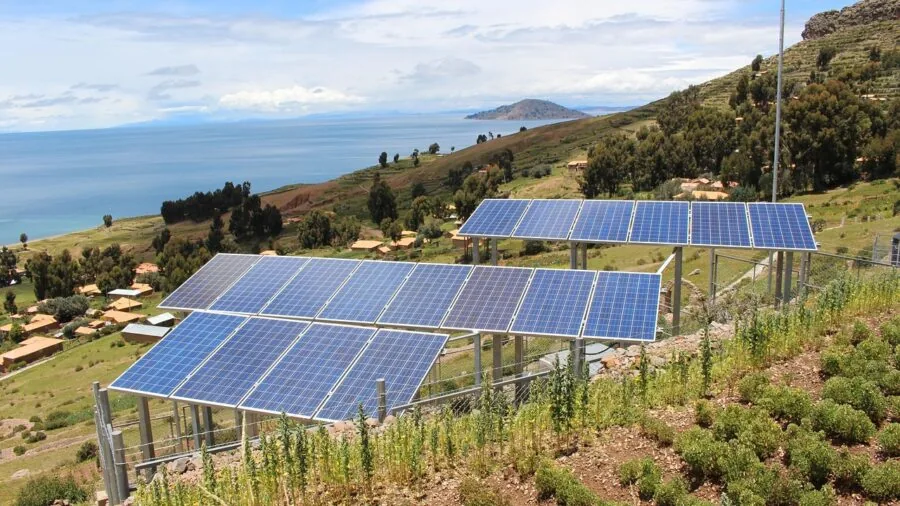
Rated wattage is the headline spec, but real-world output almost always falls below it. Manufacturers measure peak performance under ideal laboratory conditions at a specific sun angle and temperature.
In practical outdoor use, expect roughly 70 to 85 percent of the rated figure on a clear day, less in partial shade or hazy conditions.
A 28W panel will realistically deliver enough current to charge a phone quickly and a tablet slowly at the same time; a 40W panel adds headroom for a small power bank running simultaneously.
If speed is your priority, look for panels that pair USB-C Power Delivery with a strong wattage rating. PD charging can push compatible iPhones and Android devices to full charge significantly faster than standard 5W output.
For vehicle battery maintenance, wattage matters less because the goal is a slow, sustained trickle rather than rapid charging, and 10W to 12W is usually sufficient for that task.
Port Configuration and Device Compatibility
Modern solar chargers worth buying include at least one USB-C port, ideally with Power Delivery support. USB-A ports remain useful for older accessories, cables, and gadgets like GPS units that have not migrated to USB-C.
The best portable panels in this price range offer both port types simultaneously so you can charge two devices at different speeds without an adapter.
If you rely on a laptop or a device with higher power demands, confirm that the USB-C port outputs enough wattage to support it under direct sunlight, not just on paper.
For 12V battery maintainer kits, the relevant output is a DC connection that works with a standard SAE or ring-terminal cable rather than USB.
These products need to be matched with a charge controller, either built in or bundled, to prevent overcharging.
Kits that include an MPPT controller extract more energy from the panel across varying light conditions compared to simpler PWM designs, which matters when the panel is partially shaded or angled suboptimally.
If you also rely on portable power stations for larger loads at camp, a DC-output solar panel can feed those directly as well.
Waterproofing and Durability Ratings

Not all waterproofing claims are equal. IP ratings are the standardized way to compare protection levels. IPX4 means splash-resistant from any direction, suitable for light rain during a hike.
IPX5 handles sustained low-pressure water jets, a meaningful upgrade for kayaking or coastal camping.
IP68 is the most robust rating in this category, indicating submersion resistance, and BigBlue’s 35W panel carries that rating, making it the strongest weather-resistance option in the lineup.
Beyond the IP rating, look at how the panel folds and whether the stitching and zipper hardware feel built for repeated outdoor use.
Cheaper panels often use thin carabiner loops that fray quickly; sturdier options use reinforced grommets or heavy-duty polyester webbing.
If a charger will live in a pack for months, the physical durability of the housing matters as much as the electronics inside.
Weight and Packability
Weight is a genuine trade-off in this category. Higher-wattage panels require more cell area, which means more weight.
BigBlue’s 35W panel comes in at just 1.54 pounds, a notable achievement for its output class that makes it viable for multi-day backpacking where every ounce counts.
If you are base-camping or car-camping, weight matters far less and you can prioritize output over portability.
Folded dimensions matter as much as weight for pack integration. A panel that folds to roughly the size of a thick paperback fits neatly in a hip belt pocket or the front sleeve of a daypack.
Larger panels that fold to briefcase size are better carried in the main compartment or strapped to the outside of a larger pack. Measure your target pocket or attachment point before committing to a specific model.
Integrated Power Bank vs.
Panel-Only Design
Solar chargers fall into two broad camps: pure panel designs that output power directly as sunlight hits them, and hybrid units that combine a solar panel with a built-in battery.
Panel-only designs charge faster in direct sun and weigh less for equivalent wattage, but they stop delivering power the moment clouds roll in or you stow the panel.
Hybrid solar power banks like the SOLUPUP model store harvested energy internally so you can charge devices at night or in the tent without any panel exposure.
The trade-off is efficiency. Solar charging a built-in battery is slower than charging via USB because the energy goes through an extra conversion step.
If your primary charging window is a long hike with sun on your pack straps and you need reliable juice at camp afterward, a hybrid unit makes sense.
If you have consistent direct sunlight and want maximum speed, a panel-only design feeding a separate high-capacity power bank is the more efficient arrangement.
Keeping a dedicated power and charging setup that separates storage from generation gives you more flexibility to upgrade each component independently.
12V Battery Maintenance vs. Direct Device Charging
12V solar maintainer kits serve a completely different use case from portable USB chargers, and it is important not to conflate them when making a purchase decision.
These kits connect directly to a car, boat, motorcycle, or RV battery via ring terminals or SAE connectors and maintain a charge during long-term storage.
They are not designed to charge a phone quickly; their job is to counteract natural battery self-discharge over weeks or months.
Key differentiators in this subcategory are the quality of the included charge controller and the mounting hardware.
An MPPT controller, as found in the SUNER POWER kit, is more efficient than a basic PWM unit and better handles partial shading on a windshield-mounted panel.
A tilt-adjustable mounting bracket, included with the SOLPERK kit, helps you orient the panel toward peak sun angles on a fixed surface.
If you need uninterrupted power backup for home systems, these 12V maintainer kits are a complementary tool rather than a substitute.
Why You Should Trust Us
REMOVU is an independent review publication. We have no manufacturer relationships that influence our selections, and no brand pays for placement or a higher score.
Every product in this guide was assessed using a consistent, research-driven methodology: we analyze published specifications, synthesize expert review consensus from across the industry, and weigh verified buyer feedback to build a complete picture of real-world performance and reliability.
Each product earns a REMOVU Score on a 0 to 10 scale based on performance relative to its category peers, value at its price point, durability signals, and how well it serves its stated use case.
We do not conduct our own product trials; our evaluations are grounded in research, published data, expert review consensus, and verified buyer feedback.
The six models in this guide were selected because they represent the strongest options across distinct use cases within the under-$74.99 price band, not because they generate the highest affiliate revenue.
REMOVU may earn a commission if you purchase through a link in this article. That commercial relationship does not affect scores, rankings, or editorial selections. Our recommendations would be identical whether or not affiliate links existed.
Final Thoughts
The six models in this guide cover the full spectrum of practical solar charging scenarios. Here is how we would categorize each based on its strengths and REMOVU Score:
- Best Overall: BigBlue 28W Solar Panel Charger earns the top spot with the highest REMOVU Score in the lineup. It delivers a well-rounded balance of real-world output, dual-port versatility, and proven reliability across a wide range of user reports, making it the strongest all-purpose pick for hikers, backpackers, and general outdoor users.
- Best Lightweight Upgrade: BigBlue 35W Portable Solar Panel Charger is the option to choose when you want more wattage and IP68 waterproofing without giving up packability. Its 1.54-pound weight is exceptional for a 35W panel, and PD 25W USB-C makes it one of the faster-charging options in the guide.
- Best Mid-Range Foldable Panel: FlexSolar 40W Foldable Solar Panel Charger offers the highest rated wattage in the group at a mid-range price, with USB-C, USB-A, and DC outputs that let it feed phones, tablets, and compatible power stations simultaneously.
- Best Solar Power Bank Combo: SOLUPUP 10000mAh Solar Charger Power Bank is the right pick for travelers who need stored energy available at night or in the tent without relying on wall power. The hybrid design trades some efficiency for off-sun availability.
- Best for 12V Battery Maintenance: SUNER POWER 12W 12V Solar Battery Charger is the go-to choice for keeping car, marine, or RV batteries healthy during storage. Its built-in MPPT controller gives it a meaningful efficiency edge over simpler trickle charger kits.
For most people heading outdoors with phones, tablets, and a power bank to fill, the BigBlue 28W remains the most versatile single purchase.
If 12V vehicle maintenance is the goal, the SUNER POWER kit handles that job well at a budget-friendly price.
Whatever your use case, pairing a quality solar panel with a well-chosen portable power bank or portable power station gives you a resilient off-grid charging setup that scales with your needs.
Frequently Asked Questions
How Many Watts Do I Need to Charge a Phone With a Solar Panel?
A 10W panel can charge a smartphone in direct sunlight, but slowly, often taking four or more hours for a full charge.
A 25W to 28W panel with a Quality Charge or PD-capable USB-C port will charge most modern smartphones at close to their full rated speed in good sunlight.
If you plan to charge two devices at once or keep a power bank topped up while also using your phone, a 35W to 40W panel gives you the headroom to do that without throttling either device.
Can a Solar Charger Under $100 Charge a Laptop?
It depends on the laptop and the panel.
Ultrabooks and thin-and-light laptops that charge via USB-C with 45W to 65W PD adapters can, in principle, be charged by a high-output solar panel with a strong PD USB-C port, but you will typically only slow the discharge rate or maintain battery level rather than charge it quickly outdoors.
Performance laptops with 90W and above requirements will not charge meaningfully from any panel in this price tier.
If laptop charging is your primary need, a larger dedicated solar panel feeding a portable power station with AC output is a more reliable solution.
What Is the Difference Between MPPT and PWM Solar Charge Controllers?
PWM (Pulse Width Modulation) controllers are simpler and less expensive. They work by gradually reducing the current flowing to the battery as it approaches full charge.
MPPT (Maximum Power Point Tracking) controllers are more sophisticated: they continuously calculate the optimal operating point of the solar panel and convert excess voltage into additional current, extracting up to 30 percent more energy from the same panel under real-world conditions.
For small trickle-charge applications on a sunny day, the difference is modest. In partial shade, overcast conditions, or at suboptimal panel angles, MPPT pulls noticeably ahead.
Kits that include a built-in MPPT controller, like the SUNER POWER 12W option, are worth prioritizing for year-round vehicle battery maintenance.
Are Solar Chargers Worth It for Everyday Urban Use?
For day-to-day city use with reliable access to wall outlets, a solar charger is rarely the most convenient solution. Solar output is intermittent, weather-dependent, and requires direct, unobstructed sunlight to perform near rated wattage.
Where solar chargers genuinely earn their place is in scenarios where wall power is unavailable or unreliable: extended hiking trips, camping weekends, road trips with long parking periods, boat ownership, and emergency preparedness kits.
If you occasionally want a guilt-free green charging option at a park or outdoor event, a compact foldable panel is a pleasant bonus. Just keep expectations realistic about speed and consistency compared to a wall adapter.
For a broader look at portable power options, our power and charging category covers everything from power banks to battery backups.
Do Solar Chargers Work Through Windows or in Cloudy Weather?
Most standard glass windows filter out a significant portion of the UV and infrared spectrum that solar panels rely on, reducing output by 50 percent or more.
Charging through a car window is possible but slow; it is better suited to trickle maintenance than active device charging.
In overcast or cloudy weather, diffuse light still reaches the panel but output drops considerably, often to 10 to 25 percent of the rated figure. Thin clouds are less damaging than heavy overcast.
For reliable charging performance, direct outdoor placement with the panel angled toward the sun produces the best results by a wide margin.
Related Guides
About the author
Sharlene covers instant cameras for REMOVU, comparing print quality, film cost, and creative controls from Instax to Polaroid. She helps readers turn moments into keepsakes without surprises at the checkout.