The 11 Best Solar Chargers for Phones
Solar chargers vary more than you'd think. We break down which foldable panels and solar power banks actually deliver reliable charging speed outdoors, from ultralight trail options to rugged multi-day power banks.
 By Phyllis Holmes
Updated July 26, 2026
By Phyllis Holmes
Updated July 26, 2026
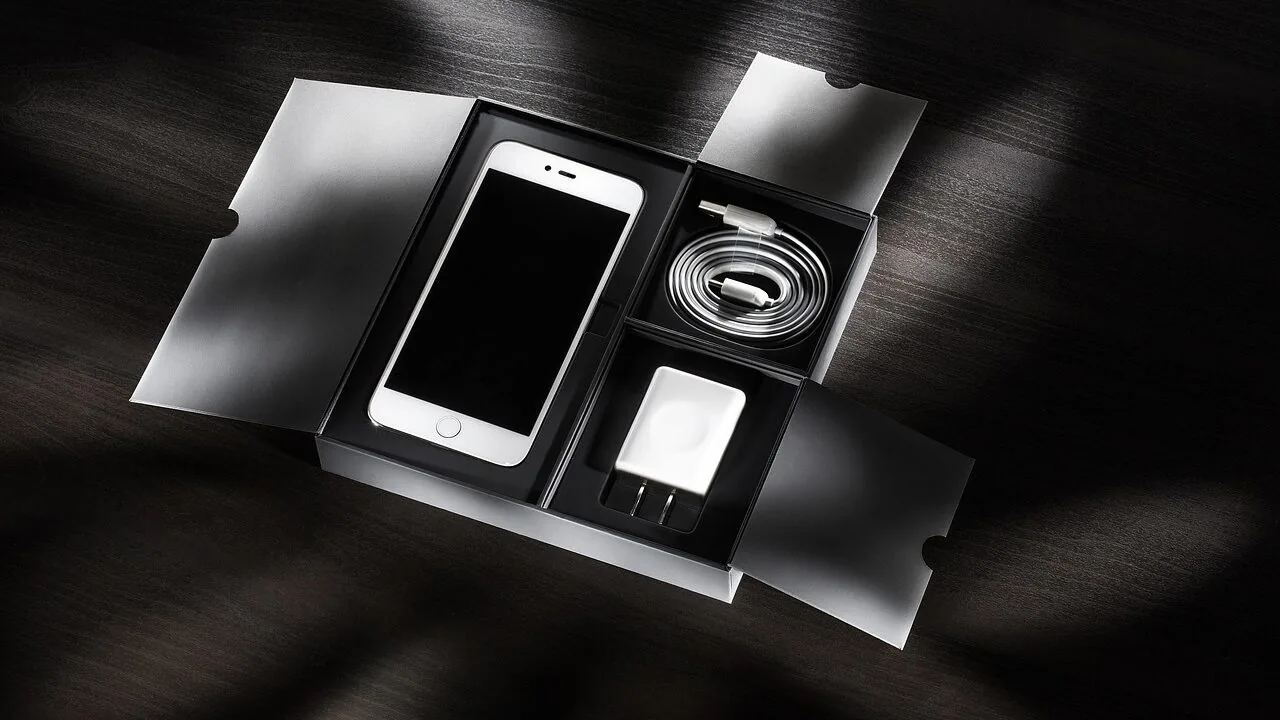
Keeping your phone charged when you’re miles from the nearest outlet has never been more important, and solar chargers have matured into genuinely practical gear for campers, hikers, backpackers, and anyone who wants a reliable off-grid power source.
The category spans two broad types: foldable solar panels that charge devices directly via USB, and solar power banks that store energy in a built-in battery for charging anytime.
Picking the wrong one, whether that’s underpowered wattage for your climate, a flimsy panel, or a power bank that barely recharges under real-world sun, can leave you with a dead phone on day two of a five-day trip.
Whether you’re planning a weekend of backpacking or stocking an emergency kit, understanding what separates a capable solar charger from a disappointing one saves you money and frustration.
For this guide, we researched every model across published specifications, expert review consensus, and verified buyer feedback to give you a clear picture of real-world performance.
Our team at REMOVU evaluated each option against a consistent set of criteria, including panel wattage, conversion efficiency, portability, build quality, and charging versatility, then scored them on our 0 to 10 REMOVU Scale.
The picks below cover dedicated solar panels and solar power banks at a range of price points, so there’s a strong option whether your priority is maximum charging speed on the trail or a compact all-in-one device for travel.
Read on for our top recommendations.
| Award | Product | REMOVU Score About REMOVU ScoreThe REMOVU Score is our own rating from 0 to 10, based on performance, design and build, ease of use, and value. It reflects independent research and is never influenced by manufacturers, retailers, or affiliate commissions. Learn more › | Price | |
|---|---|---|---|---|
| Best Premium |
 BoltStar ES40 40W Foldable Solar Charger
|
8.4/10 | Buy | |
| Best Overall |
 BigBlue 28W Solar Panel Charger
|
8.4/10 | Buy | |
| Best Value |
 RynoTuff 21W Foldable Solar Charger
|
7.8/10 | Buy | |
| Best Budget |
 SolarTred 20000mAh Solar Power Bank with 4 Panels
|
7.2/10 | Buy | |
 FEELLE SPB2603 50000mAh Solar Power Bank with Hand Crank
|
7.1/10 | Buy | ||
 ELECOM NESTOUT 28W Solar Charger (4-Panel)
|
6.5/10 | Buy | ||
 AADDTOP HI-S029 20000mAh Solar Power Bank
|
6.4/10 | Buy | ||
 BLAVOR PN-W39 20000mAh Solar Power Bank with Wireless Charging
|
6.3/10 | Buy | ||
 YOLOSKS WEP-82 49800mAh Solar Power Bank with Wireless Charging
|
6.2/10 | Buy | ||
 GOODaaa 24000mAh Solar Power Bank with 5 Outputs
|
6.2/10 | Buy | ||
 SOARAISE 48000mAh Solar Power Bank with 4 Panels
|
6.2/10 | Buy |
BoltStar ES40 40W Foldable Solar Charger
A lightweight, foldable solar panel that delivers up to 36W output with dual USB-C and USB-A ports, designed for camping and hiking. Works immediately in sunlight with no battery storage, requiring direct sun for optimal charging speed.
Pros
- Extremely portable at 1.48 lbs, folds to notebook size for easy backpack packing
- Fast charging in direct sunlight with dual port compatibility (USB-C, USB-A) for phones, tablets, and power banks
- IP67 weatherproof rating handles rain, dust, sand, and mud without damage
- High 25% conversion efficiency delivers strong power output in outdoor conditions
- Includes mounting bracket, D-ring clips, storage pouch, and charging cables
Cons
- No built-in battery means power is lost if not immediately used, and charging slows significantly on cloudy days
- Requires direct sunlight placement for stable output, reducing utility on overcast trips
- Direct-charging-only design means you must keep device plugged in during charging rather than storing energy for later use
BigBlue 28W Solar Panel Charger
A compact, foldable solar charger with dual USB-C and USB-A ports designed for outdoor adventures and emergency power. It delivers reliable charging in direct sunlight but requires optimal conditions and doesn't store energy, making it best suited for supplemental charging rather than rapid power replenishment.
Pros
- Lightweight and highly portable at 1.5 lbs, folds to 11x6x1.4 inches for easy backpack storage
- Triple ports (dual USB-C plus USB-A) enable simultaneous multi-device charging with 25.4% solar-to-energy conversion efficiency
- Performs adequately even under cloud cover and partial sunlight, not just direct sun
- IP68 waterproof rating and durable construction with included carabiners for secure attachment
- Works reliably with smartphones, tablets, power banks, and small electronics across major brands
Cons
- No internal battery means it cannot store electricity and requires direct sunlight connection to devices for operation
- USB junction box is not waterproof despite IP68 panel rating, and flexible fabric backing can crack under pressure after repeated use
- Charging speed is significantly slower than wall outlets, with performance heavily dependent on sunlight angle, cloud cover, and ambient temperature
- New waffle-pattern design traps dust and dirt, making cleaning difficult compared to older smooth-panel versions
RynoTuff 21W Foldable Solar Charger
A compact solar panel charger using high-efficiency SUNPOWER cells to deliver 22-25% energy conversion for two devices simultaneously via USB. Best suited for camping, hiking, and off-grid trips where direct sunlight is consistently available.
Pros
- Superior solar conversion efficiency compared to standard panels (22-25% vs typical 16-18%)
- True portability with minimal weight and fold-down design for travel
- Dual 2.4A USB outputs charge two devices at full speed simultaneously
- Weather-resistant construction holds up in outdoor conditions
Cons
- No internal battery means charging only works in direct sunlight, not viable for cloudy days or nighttime use
- Requires intentional positioning toward sun for optimal charging, adding setup friction
- Single Micro USB cable included limits charging flexibility without additional cables
SolarTred 20000mAh Solar Power Bank with 4 Panels
A rugged 20000mAh solar power bank designed for outdoor use and emergencies, featuring four solar panels, built-in cables for multiple devices, and dual lighting modes. Best suited for camping, hiking, and backup power during outages.
Pros
- Large capacity with multiple output options makes it practical for group trips and multi-device households
- Built-in cables eliminate cable clutter and reduce what you need to pack
- Durable construction withstands drops and outdoor handling without damage
- Solar panels provide genuine supplemental charging in full sun, useful for extended backcountry use
- Integrated lighting features add real value for camping and emergency situations
Cons
- Solar charging is slow and best used for maintenance rather than primary recharging, especially in low-light conditions
- Flashlight and camping light cannot operate simultaneously, limiting flexibility in lighting scenarios
- Relatively heavy at 699g compared to non-solar power banks of similar capacity
FEELLE SPB2603 50000mAh Solar Power Bank with Hand Crank
A rugged 50000mAh solar charger built for extended outdoor trips and emergencies, featuring four solar panels, hand crank backup, built-in cables, and compass. Best for camping and multi-device scenarios where grid power is unavailable, though solar charging is slow and the unit is notably heavy.
Pros
- Massive 50000mAh capacity charges multiple devices (up to 6 simultaneously) and keeps phones charged for days on a single full charge
- Comprehensive connectivity with 4 built-in cables (USB-C, Lightning, Micro, USB-A) plus 3 ports eliminates need for separate cords
- Hand crank generator provides emergency backup power when sun and grid are unavailable
- Integrated compass, flashlight with SOS/strobe modes, and mounting hook add genuine outdoor functionality
- Durable construction with shockproof silicone bumpers, dustproof port covers, and 3-year warranty inspire confidence
- Fast USB-C charging delivers 0-60% on iPhone in 30 minutes via wall outlet
Cons
- Solar charging requires several hours in bright direct sunlight and produces minimal output on cloudy days, making it slower than wall charging
- Weighs 0.5kg and is bulky for daily carry, though manageable for dedicated camping trips
- Port cover is thin plastic with weak hinge design and can be fragile despite overall durability
ELECOM NESTOUT 28W Solar Charger (4-Panel)
A compact, foldable solar panel designed for backpackers and outdoor enthusiasts, featuring SunPower MAXEON cells for 24% higher efficiency than standard panels. The integrated storage pouch, dual USB-A ports, and water-resistant ripstop nylon make it practical for multi-day trips, though the lack of USB-C limits compatibility with newer devices.
Pros
- Excellent portability with integrated storage system that consolidates panel, cables, and compatible NESTOUT batteries in one package
- High charging speed verified by users, with reports of full power bank charge in 2.5 to 3 hours under adequate sunlight
- Adjustable stands and hanging loops provide flexible mounting options for camping, hiking, or moto-camping
- Verified 4.6-star rating from 643 reviews praising durability, build quality, and ease of use
- LED power meter gives real-time visibility into charging efficiency throughout the day
Cons
- USB-A only, no USB-C port, limiting compatibility with modern devices and chargers
- Full 28W output requires both ports in simultaneous use; single-port charging delivers reduced power
- Mid-range price point; some users note it costs more than comparable competitor products with similar specifications
AADDTOP HI-S029 20000mAh Solar Power Bank
A rugged 20000mAh solar power bank with 4 built-in cables, wireless charging, and 3 USB ports to charge multiple devices simultaneously. Best suited for camping and outdoor trips where durability and multi-device charging matter more than fast solar recharge speeds.
Pros
- Charges up to 7 devices at once with 4 built-in cables plus wireless charging pad
- Four solar panels recharge 6x faster than single-panel competitors in direct sunlight
- Durable construction (ABS+PC shell, drop-resistant, waterproof, shockproof, dustproof)
- LED flashlight with multiple modes (steady, SOS, strobe) for emergencies
- Strong user satisfaction (4.4/5 stars, 1490 reviews) for outdoor and emergency use
Cons
- Solar charging is slow and impractical as primary recharge method, works best as supplementary power in emergencies
- Takes considerable time to fully charge the 20000mAh battery even via wall outlet
- Can overheat in extreme temperatures (40°C+), which concerns some users about battery integrity
BLAVOR PN-W39 20000mAh Solar Power Bank with Wireless Charging
A feature-packed 20000mAh solar power bank designed for outdoor enthusiasts and multi-device users. Built-in cables, wireless charging, flashlight, and compass make it versatile for camping and emergencies, though solar recharging is slow and the unit is relatively heavy.
Pros
- Extensive built-in cable selection eliminates need to pack multiple chargers
- High capacity delivers multiple full charges for phones, tablets, and smartwatches
- Comprehensive outdoor feature set including work light, compass, and thermometer adds genuine utility
- Durable construction with waterproof silicone and shockproof design handles rough conditions
- Strong verified customer satisfaction for camping and emergency use cases
Cons
- Solar charging is slow and insufficient as primary recharge method; manufacturer recommends cable charging instead
- Wireless charging pad requires precise device alignment to function reliably
- Large size and 0.78 kg weight make it less practical for light-packing trips; some users note Apple Watch wireless charging requires constant pressure
YOLOSKS WEP-82 49800mAh Solar Power Bank with Wireless Charging
A high-capacity solar power bank designed for outdoor enthusiasts and frequent travelers, combining 22.5W fast charging, wireless charging, and built-in cables to reduce accessory clutter. Multiple ports support simultaneous charging of up to 6 devices, though solar charging serves mainly as a backup rather than a primary power source.
Pros
- 49800mAh capacity delivers multiple full phone charges, ideal for extended trips and emergencies
- Six simultaneous charging ports across USB-A, USB-C, and wireless channels minimize need for extra cables
- IP65 waterproof, shock-resistant design with integrated LED flashlight suited for camping and outdoor use
- Built-in charging cables reduce pack clutter for travelers
- 2-year warranty provides protection on this mid-range investment
Cons
- Solar charging speed depends heavily on sunlight intensity and is intentionally a backup feature, not primary charging method
- Built-in cables reported durability issues by some users, with USB-C connections breaking within weeks of use
- Onboard cable charging speed is slower than using external fast-charging cables, and wireless charging response varies between iPhone and Android devices
GOODaaa 24000mAh Solar Power Bank with 5 Outputs
A versatile 24000mAh portable charger with built-in cables, fast charging, and dual LED flashlight modes suitable for outdoor trips and emergency backup. Features deliver solid multi-device charging, though battery longevity and solar charging speed have mixed user feedback.
Pros
- 5 simultaneous charging outputs plus 3 inputs (USB-C, iOS, USB-A) covers most devices
- 24000mAh capacity provides approximately 3.5 iPhone charges or 1.8 iPad charges per full charge
- Integrated cables and carabiner clip eliminate loose cable clutter
- Dual LED flashlight with SOS mode and built-in thermometer add emergency utility
- Durable design with shock-absorbing silicone bumpers and sealed port covers resists drops and dust
Cons
- Solar charging is extremely slow (trickle charge in sunlight, weeks to months behind glass) and best treated as supplementary only
- Requires 24+ hours for full AC charge and battery capacity reportedly degrades noticeably after 1-1.5 years of use
- Weight and bulk make it less ideal for ultralight travel despite the carabiner
SOARAISE 48000mAh Solar Power Bank with 4 Panels
A high-capacity solar power bank designed for outdoor enthusiasts and travelers, combining 48000mAh capacity with quad solar panels, built-in cables, and wireless charging. Works best as a backup charger when paired with wall outlet charging rather than relying solely on solar.
Pros
- Large 48000mAh capacity supports charging multiple devices simultaneously
- Four built-in cables (USB-C, Lightning, USB-A, Micro) plus wireless pad eliminates cable hunting
- 4 solar panels charge faster than single-panel alternatives and enable outdoor recharging
- Fast 5V/3A USB-C charging, reportedly boosting iPhones 15% to 60% in 30 minutes
- Rugged design with waterproof, shockproof, dustproof ratings plus LED flashlight
Cons
- Weighs close to 1.5 pounds, making it heavy for extended backpacking despite portability claims
- Built-in cables are extremely short, making it difficult to use devices while charging
- Solar charging alone is slow, full charge requires approximately 4 hours in bright Arizona sun or daily supplemental charging
Solar Chargers for Phones Buying Guide
Not all solar chargers are created equal.
The difference between a panel that keeps your phone topped up all day and one that barely moves the needle often comes down to a handful of specs and design decisions that aren’t obvious from a product listing.
This guide breaks down the most important factors to weigh before you buy, whether you’re after a lightweight foldable panel or a rugged solar power bank for longer trips.
For broader context on powering up outdoors, our coverage of solar panels for camping goes deeper on capacity planning for multi-device setups.
Panel Wattage and Real-World Output

Rated wattage is the single most important spec on a solar charger, but it’s also the most frequently misunderstood.
A panel rated at 28W can deliver up to 28 watts under ideal laboratory conditions, meaning direct, unobstructed sunlight at peak solar noon.
In practice, you should expect roughly 60 to 75 percent of rated output under good outdoor conditions, and considerably less on overcast days or if the panel is even slightly shadowed.
This gap matters enormously when you’re deciding between a 21W panel and a 40W panel for a full day’s hiking.
For charging a modern smartphone from zero to full, you need a sustained output in the 10W to 15W range just to overcome the phone’s own power draw while it’s in active use.
A 28W panel gives you meaningful headroom; anything below 20W may struggle to charge quickly in less-than-perfect light. If you regularly carry tablets, GPS units, or power banks alongside your phone, prioritize panels at 28W or higher.
The BoltStar 40W panel and the BigBlue 28W sit at the top of our dedicated panel picks for exactly this reason.
For solar power banks, the wattage of the solar panel array is typically much lower, often in the 5W to 10W range across the four small panels on the back of the device.
This means solar input alone is rarely enough to fully recharge a large battery in a single day.
Treat the solar function on a power bank as a supplement for topping off in the field, not a primary charging source, and always bring the device fully charged from a wall outlet before your trip.
Solar Cell Technology and Conversion Efficiency
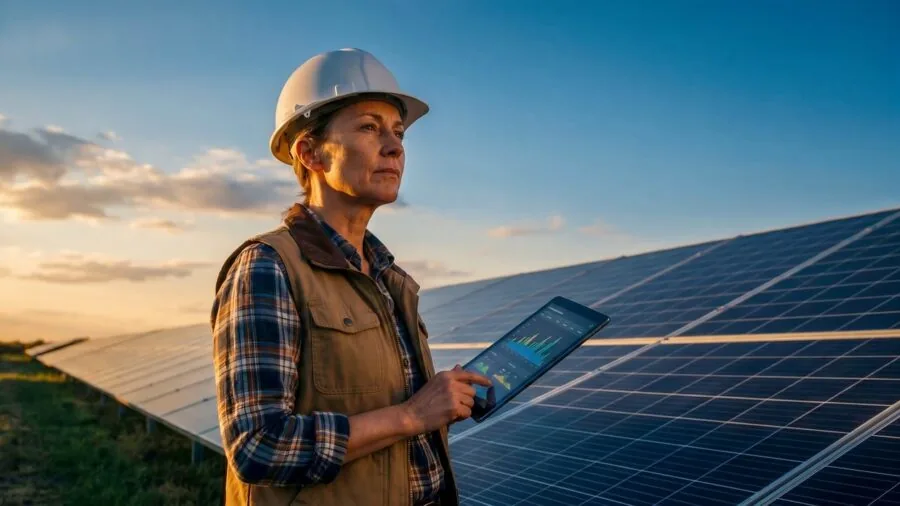
Most portable solar chargers in this price range use monocrystalline silicon cells, which offer the best efficiency-to-weight ratio of any widely available cell type.
Monocrystalline panels typically achieve 21 to 24 percent conversion efficiency, meaning they convert roughly a fifth of the sunlight hitting them into usable electricity.
Polycrystalline cells are cheaper but less efficient and more temperature-sensitive, making them a poor choice for high-output portable panels. When a manufacturer doesn’t specify cell type, that’s usually a sign the panels are polycrystalline or a lower-grade monocrystalline variant.
Some premium panels also incorporate ETFE (ethylene tetrafluoroethylene) lamination over the cells instead of standard PET plastic. ETFE is more scratch-resistant, more transparent at the wavelengths solar cells use, and holds up better to UV exposure over years of use.
If you plan to use a panel heavily over multiple seasons, the durability premium of ETFE lamination is worth factoring into your decision even if it adds to the upfront cost.
Portability and Packability
For backpackers and hikers, weight and packed dimensions matter as much as wattage. The best foldable panels balance output against a slim, lightweight folded profile that fits in or straps to the side of a pack without creating drag.
Look for panels with integrated attachment points, loops, or carabiner holes so you can hang the panel from your pack while hiking and charge simultaneously.
The RynoTuff 21W is a strong pick here specifically because it optimizes for this use case at a modest weight.
Solar power banks add weight because of the integrated battery, so the trade-off is convenience versus load. A 20,000mAh solar power bank can weigh 400 to 600 grams, which is significant for ultralight backpackers.
For car camping, overlanding, or base camping where weight is less critical, a larger capacity power bank like the FEELLE 50,000mAh or the SOARAISE 48,000mAh makes sense because you can charge multiple devices for several nights without worrying about grid access.
For an overview of non-solar battery options for extended trips, our power banks for camping guide covers the field thoroughly.
Ports, Charging Protocols, and Device Compatibility

A solar charger is only as versatile as its output ports. Dedicated panels typically offer a mix of USB-A and USB-C ports, and the best models support at least one port capable of delivering 18W or more for fast charging.
USB-C with Power Delivery (PD) is increasingly essential for modern iPhones and Android flagships; older USB-A-only panels will charge these devices slowly.
The BigBlue 28W provides both USB-C and USB-A ports, making it compatible with virtually any device you’re likely to carry.
For solar power banks, look for models that support Quick Charge 3.0 (QC 3.0) or PD on at least one output port.
The built-in cables found on many solar power banks are convenient but check that they include USB-C in addition to older Micro-USB or Lightning connectors, since cable compatibility is a common complaint in verified buyer feedback.
Models like the BLAVOR 20,000mAh that add Qi wireless charging give you a fallback option if a cable fails in the field, which is a genuinely useful feature on longer trips.
For a wider look at what fits within a typical trip budget, our solar chargers under a certain budget roundup highlights strong value options across both panel and power bank formats.
Weather Resistance and Build Quality

Outdoor gear needs to handle more than sunshine. A solar charger that shorts out in a rain shower or cracks after a single drop is worse than useless in the backcountry.
Look for panels with at least water-resistant construction, ideally backed by an IPX4 rating or higher for splash and rain protection.
The ELECOM NESTOUT uses ripstop nylon backing specifically for durability in rough conditions, which is a meaningful differentiator at its price point.
For solar power banks, rugged designs with reinforced corners and rubberized housings handle drops better than smooth-sided units.
The FEELLE and SOARAISE models both lean into rugged aesthetics, though verified buyer feedback suggests build quality varies; checking recent reviews for reports of port failure or battery swelling is always worth doing before committing to a higher-capacity unit.
Features like an SOS flashlight and a hand crank backup, as found on the FEELLE, add genuine utility for emergency preparedness scenarios beyond casual day hikes.
Solar Power Banks vs. Dedicated Solar Panels

The choice between a solar power bank and a dedicated solar panel often comes down to trip length and charging behavior.
For day hikes or weekend trips where you have access to a wall outlet at the start and end of your trip, a dedicated high-wattage panel gives you faster, more reliable daytime charging directly to your devices.
You’re essentially using the sun as your power source during active outdoor hours, and you don’t carry the extra weight of a battery you may not need.
For multi-day trips without any grid access, a solar power bank is more flexible because it stores energy harvested during the day for use at night or in your tent.
The catch is that the solar panels on most power banks are undersized relative to the battery capacity, so expect to supplement with occasional wall charging when civilization is available.
A hybrid approach, pairing a 28W or 40W foldable panel with a separate high-capacity power bank, gives you the best of both worlds at the cost of carrying two pieces of kit.
Our broader roundup of solar chargers for outdoor adventure explores this hybrid approach in more detail.
Why You Should Trust Us
REMOVU is an independent review publication with no brand affiliations and no product sales.
Every product in this guide was evaluated by our editorial team using a structured research process that draws on published specifications, expert review consensus from across the web, and verified buyer feedback sourced from major retail platforms.
We do not conduct our own product trials; our evaluations are grounded in research, published data, expert review consensus, and verified buyer feedback.
Each product receives a REMOVU Score on a 0 to 10 scale, assigned after comparing the product against consistent category criteria: panel wattage and efficiency, portability, build quality, port selection and charging protocol support, and value relative to competing options.
Products scoring 8.0 or above represent what we consider genuinely strong picks in their segment. Scores in the 6 to 7 range indicate products with meaningful trade-offs that may still suit specific use cases.
REMOVU may earn a commission if you purchase through links on this page. That affiliate relationship has no influence on our rankings, scores, or editorial recommendations.
Products are selected and ranked entirely on research merit, and we are equally willing to note when a higher-priced option does not justify its premium over a cheaper alternative.
Final Thoughts
The solar charger market has expanded rapidly, but quality is still concentrated at the top of the wattage and build-quality tiers. Here are our standout picks from this guide, each earning a specific distinction based on how they performed in our research.
- Best Overall: BoltStar 40W Solar Panel Charger earns the top spot with the highest wattage in the dedicated panel category, USB-C and USB-A outputs for broad device compatibility, and an ultralight design that won’t tax your pack. It shares the top REMOVU Score in this guide and is the most capable direct-charging panel we evaluated.
- Best for Backpackers: BigBlue 28W Solar Panel Charger strikes the best balance of real-world charging speed and packable weight, with dual USB-C and USB-A ports that cover every device a backpacker is likely to carry. It matches the BoltStar on our scoring and is the more established panel with a longer track record in verified buyer feedback.
- Best Lightweight Option: RynoTuff 21W Portable Solar Charger is purpose-built for hikers who prioritize pack weight above all else, offering a foldable, trail-ready design with dual USB ports at a lower weight penalty than higher-wattage panels. It’s an excellent choice for solo trips in reliably sunny conditions.
- Best Solar Power Bank for Extended Trips: SolarTred 20,000mAh Solar Power Bank leads the power bank segment in our scoring, with four solar panels, built-in cables for multiple device types, USB-C input and output, and a camping light mode that adds genuine utility beyond simple phone charging.
- Best for Emergency Preparedness: FEELLE Solar Power Bank 50,000mAh stands out for its combination of very high battery capacity, hand crank backup charging, magnetic attachment, and the ability to charge up to six devices simultaneously. Its SOS flashlight and rugged build make it one of the most well-rounded options for emergency kits and extended off-grid use.
If you’re still deciding between a standalone panel and an all-in-one power bank, the right answer almost always depends on trip length and how much you value charging flexibility versus pack simplicity.
Dedicated panels from BigBlue and BoltStar deliver faster direct charging on bright days, while solar power banks from SolarTred and FEELLE give you stored energy for night charging and multi-day autonomy.
Either way, any of the picks above will outperform the budget no-name panels that dominate search results but fail quickly in real conditions.
Frequently Asked Questions
How many watts do I need to charge a phone with a solar panel?
For reliable phone charging in typical outdoor conditions, a panel rated at 20W or more is the practical minimum.
Real-world output is usually 60 to 75 percent of the rated wattage, so a 21W panel delivers roughly 13 to 16 watts under good sun, which is enough to charge most smartphones at a reasonable pace.
If you also want to charge tablets or top off a portable power bank during the day, a 28W or 40W panel gives you significantly more headroom and faster throughput.
Can a solar power bank fully recharge itself using only sunlight?
In theory, yes. In practice, it takes much longer than most buyers expect.
A 20,000mAh solar power bank with a small built-in panel array may need 50 or more hours of direct sunlight to recharge from empty, which is unrealistic on any reasonable trip.
Solar input on power banks is best treated as a slow top-off function that extends your available charge rather than a primary recharging method.
Always start a trip with the power bank fully charged from a wall outlet, and use the solar panels to recover partial capacity during the day.
Are solar chargers worth it for everyday carry or just outdoor trips?
Dedicated solar panels are primarily useful for extended outdoor trips where grid power isn’t available.
For everyday carry in an urban setting, a conventional power bank is more practical because consistent direct sunlight is rarely available on a commute or in an office.
Solar power banks occupy a useful middle ground for people who want a single device for both city travel and occasional outdoor use, though they’re heavier and bulkier than equivalent non-solar power banks.
If solar charging is genuinely important to your routine, our guide to solar chargers built for the trail covers the most field-appropriate options in detail.
What’s the difference between a solar charger and a solar power bank?
A solar charger (or solar panel) converts sunlight directly into electricity and outputs it through USB ports, but it does not store energy. When the sun goes down or clouds roll in, charging stops.
A solar power bank combines a battery with one or more small solar panels, so it can store harvested energy and release it on demand even after dark or indoors.
The trade-off is that solar power banks are heavier and that their built-in solar panels are typically too small to recharge the battery quickly.
Understanding this distinction helps you match the right product format to your specific use case, whether that’s a single-day hike or a week-long camping expedition relying on capable camp solar gear.
Will a solar charger work on cloudy days?
Yes, but output drops substantially. Solar panels generate electricity from diffuse light as well as direct sunlight, but on overcast days you can expect output to fall to 10 to 25 percent of rated capacity.
A 40W panel might deliver only 4 to 10 watts in heavy cloud cover, which may be enough to trickle-charge a phone but not enough for fast charging or powering larger devices.
If your destination has reliably overcast weather, prioritize a higher-wattage panel to compensate for the reduced efficiency, or pair your panel with a power bank so you can store energy during any sunny breaks and use it when needed.
Are there solar charger options that work with both iPhones and Android phones?
Yes, every panel and solar power bank in this guide is device-agnostic and compatible with both iPhones and Android phones as long as you have the appropriate cable.
Models with USB-C PD output, like the BigBlue 28W and BoltStar 40W, support fast charging for modern iPhones (iPhone 8 and later with a USB-C cable) and the majority of Android flagships. USB-A ports are universally compatible but charge more slowly.
For the widest compatibility, choose a panel or power bank that offers at least one USB-C output alongside USB-A, which covers virtually every phone, tablet, and accessory you’re likely to carry.
You can find a broader overview of portable power options in our power and charging category hub.
About the author
Phyllis writes about security cameras for REMOVU, comparing video quality, smart alerts, and fair storage costs. She helps readers pick indoor and outdoor cameras they can rely on.