The 11 Best Mini PCs for Home Theater
Mini PCs have become serious HTPC contenders. We researched eleven models across processor generation, 4K output, fan noise, and connectivity to find the ones worth connecting to your TV.
 By Catherine Shaw
Updated July 26, 2026
By Catherine Shaw
Updated July 26, 2026
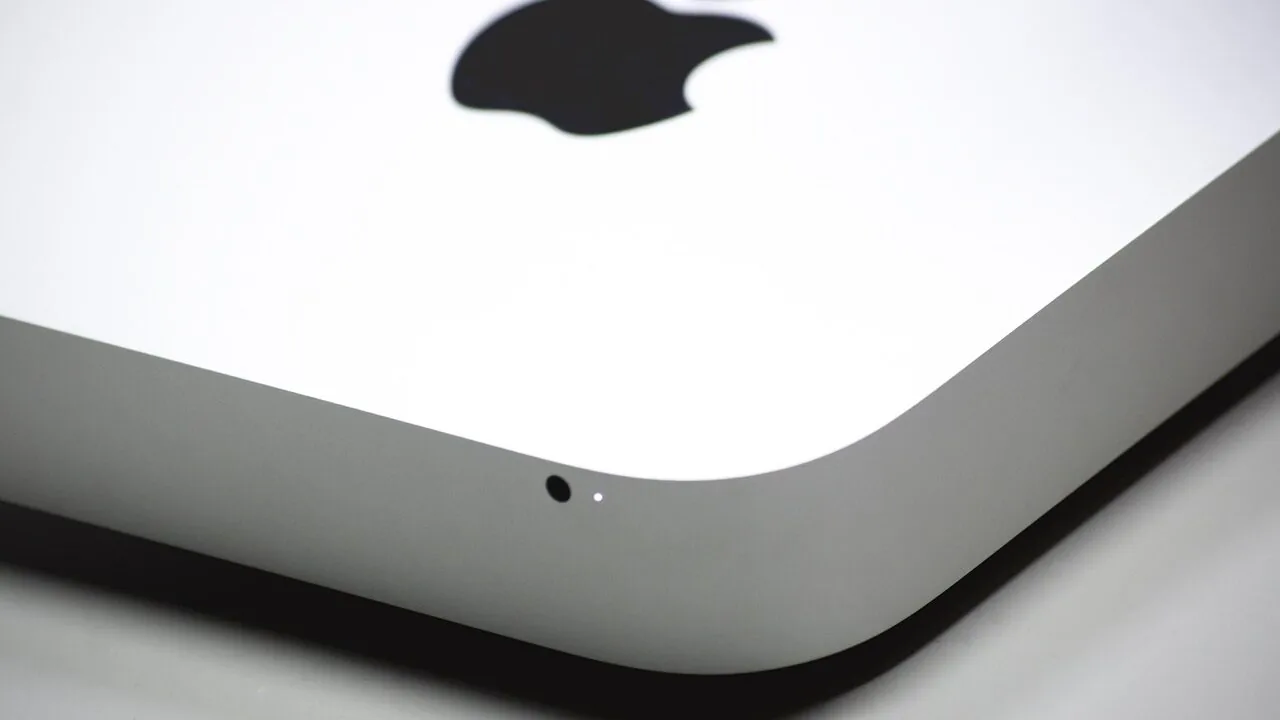
A compact mini PC can transform any living room into a full-featured home theater without the bulk of a traditional tower.
Whether you want to stream 4K HDR content, run a local media server, or enjoy light gaming on your TV, today’s mini PCs pack surprising processing power into palm-sized enclosures.
Paired with a capable smart TV or a high-quality 4K projector, the right mini PC becomes the silent powerhouse behind a cinema-grade living room setup.
The question is knowing which models genuinely deliver on that promise and which ones cut too many corners to be worth your money.
To help you cut through the noise, REMOVU researched and assessed eleven of the most-discussed mini PCs for home theater use, drawing on manufacturer specifications, expert review consensus from across the tech press, and verified buyer feedback.
Our research covers everything from processor generation and thermal management to display output flexibility and connectivity. Scroll down for our ranked top picks.
| Award | Product | REMOVU Score About REMOVU ScoreThe REMOVU Score is our own rating from 0 to 10, based on performance, design and build, ease of use, and value. It reflects independent research and is never influenced by manufacturers, retailers, or affiliate commissions. Learn more › | Price | |
|---|---|---|---|---|
| Best Overall |
 Beelink EQR7 Ryzen 7 Mini PC with 24GB RAM
|
8.4/10 | Buy | |
| Best Value |
 Getorli Ryzen 5 7430U Mini PC with Triple 4K Display
|
8.3/10 | Buy | |
| Best Premium |
 GMKtec M3 Mini PC, Core i5-12450H 16GB DDR4
|
8.2/10 | Buy | |
 MINIX Z150 Fanless Mini PC, Intel N150, 16GB/512GB
|
8.1/10 | Buy | ||
 GMKtec Nucbox G10 Ryzen 5 3500U Mini PC
|
7.8/10 | Buy | ||
 Origimagic C4 Mini PC, Ryzen 5 3500U, Dual 1000Mbps LAN
|
7.7/10 | Buy | ||
 Beelink EQR5 Mini PC with Ryzen 5 5625U
|
7.6/10 | Buy | ||
| Best Budget |
 wo-we P6 AMD Ryzen 5 3550H Mini PC with Triple 4K Display
|
7.4/10 | Buy | |
 Beelink ME Mini N95 12GB/1TB NAS PC
|
6.8/10 | Buy | ||
 BOSGAME B95 Mini PC, Intel N95, 16GB/512GB
|
6.7/10 | Buy | ||
 Origimagic C5 Ryzen 5 3500U Mini PC with Triple 4K Display
|
6.5/10 | Buy |
Beelink EQR7 Ryzen 7 Mini PC with 24GB RAM
A capable compact desktop powered by AMD Ryzen 7 7735U that handles multitasking, video editing, and 4K streaming without lag. The 24GB LPDDR5 RAM and 1TB SSD provide solid performance for creative work and productivity, while dual HDMI outputs support 4K@60Hz across two monitors. Best suited for professionals and power users who need desktop-class performance in a small footprint.
Pros
- Ryzen 7 8-core processor with 4.75GHz boost handles demanding applications smoothly
- 24GB LPDDR5 RAM eliminates bottlenecks for multitasking and creative software
- Dual 4K@60Hz HDMI display support with AMD Radeon 680M graphics for video work and casual gaming
- Dual 2.5G LAN ports plus WiFi 6 and Bluetooth 5.2 for flexible connectivity
- 1TB NVMe SSD provides ample storage for large files and applications
Cons
- Limited display options compared to some competitors; no DisplayPort or USB-C video output mentioned for the EQR7 specifically
- Only one review available on product page, making it difficult to assess real-world reliability and user satisfaction
- Pricing sits in mid-to-premium range for a mini PC, which may not appeal to budget-conscious buyers
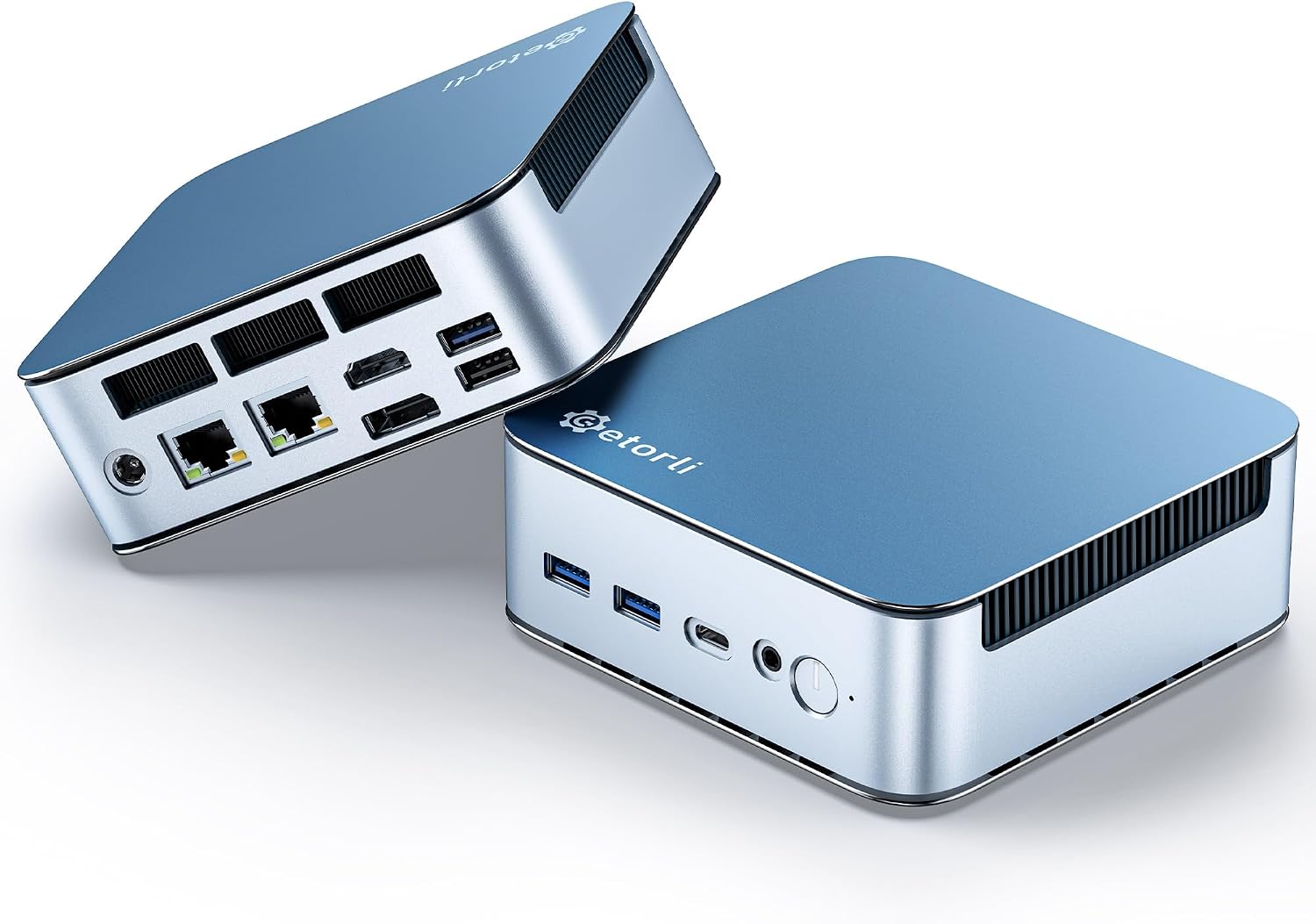
Getorli Ryzen 5 7430U Mini PC with Triple 4K Display
This compact desktop packs a 6-core Ryzen 5 7430U processor with enough muscle for office work, light gaming, and multimedia tasks. Its standout feature is native support for three 4K displays simultaneously via HDMI, DisplayPort, and USB-C, making it ideal for productivity-focused users. Dual 2.5G LAN ports and WiFi 6 connectivity round out a well-equipped machine for professional and home office setups.
Pros
- Triple 4K display support (HDMI, DP, USB-C) for efficient multitasking and content creation workflows
- Dual 2.5G LAN ports provide fast, stable wired connectivity for demanding network tasks
- Highly upgradeable: RAM expandable to 64GB and SSD storage to 4TB via dedicated slots
- Low 28W TDP ensures quiet operation and minimal heat generation for office environments
- Complete port ecosystem including multiple USB 3.2 ports, audio jack, and DC power inlet
Cons
- Base 16GB RAM and 512GB SSD require additional investment to reach full expandability potential
- Windows 11 Pro licensing adds to overall cost; Linux compatibility requires professional setup guidance
- Integrated Radeon graphics suitable for light tasks only, not recommended for demanding gaming or professional 3D work
GMKtec M3 Mini PC, Core i5-12450H 16GB DDR4
A compact desktop replacement built around Intel's 12th-gen Core i5-12450H, this mini PC delivers solid multi-threaded performance in a 4.5x4.2-inch chassis. With 16GB DDR4 RAM, 512GB SSD, WiFi 6, and 2.5G ethernet, it handles office work, light gaming, and content creation without breaking a sweat. Best for professionals and small-space setups who want expandable storage and memory without sacrificing connectivity.
Pros
- 12th-gen Core i5-12450H offers 31% single-core and 48% multi-core improvement over prior i7-10810U, with comparable single-core performance to AMD R9 6900HX
- Triple display output (dual HDMI 4K@60Hz plus USB-C DisplayPort) and extensive I/O (3x USB 3.2, 2.5G ethernet, WiFi 6, Bluetooth 5.2) for flexible connectivity
- Dual-channel DDR4 expandable to 64GB and M.2 SSD expandable to 4TB total, letting you upgrade as needs grow
- Includes VESA mount bracket for wall or monitor mounting, plus HDMI cable and user manual in retail package
- Highly rated at 4.5 stars from 444 verified buyers, with documented setup and gaming performance videos
Cons
- 512GB base storage is modest for video editing or large game libraries; expansion drives sold separately
- Air cooling fan design may produce noticeable noise under sustained gaming or rendering loads
- Limited to PCIe 3.0 SSD (not 4.0), which affects sequential read/write speeds compared to newer standards
MINIX Z150 Fanless Mini PC, Intel N150, 16GB/512GB
A compact, silent mini PC built around Intel's N150 processor with fanless passive cooling and no CPU throttling. Designed for home offices, light commercial use, and noise-sensitive environments where quiet operation matters more than raw power. Includes dual 4K display support, 2.5G LAN, and Windows 11 Pro.
Pros
- Completely fanless design eliminates noise and maintenance, with no moving parts to fail
- Full CPU performance without throttling despite passive cooling approach
- Efficient RAM cooling and anti-static hardware protection for long-term reliability
- Compact form factor with dual 4K display capability and 2.5G LAN connectivity
- Strong user satisfaction with 4.7/5 rating across 35 verified reviews
Cons
- Intel N150 is entry-level, suitable only for basic tasks like web browsing and office work, not demanding applications
- DDR4 memory is older standard compared to newer DDR5 options in competing models
- Passive cooling limits sustained performance under extended heavy workloads despite no throttling claim
GMKtec Nucbox G10 Ryzen 5 3500U Mini PC
A compact desktop built around AMD's Ryzen 5 3500U processor, this mini PC pairs 16GB DDR4 RAM and 512GB SSD storage with triple 4K display support and 2.5GbE networking. It handles office work, light content creation, and media streaming effectively, making it suitable for professionals who need a space-efficient workstation or those setting up network appliances.
Pros
- Strong single-thread and multi-core performance with Ryzen 5 3500U outpacing Intel N-series chips by roughly 35 percent
- Triple 4K display output via HDMI 2.1, DisplayPort 1.4, and USB-C accommodates multi-monitor productivity setups
- 2.5GbE LAN port eliminates network bottlenecks for server applications, NAS configurations, and high-bandwidth workflows
- Dual M.2 PCIe 3.0 slots and upgradeable RAM allow storage expansion up to 16TB and memory up to 32GB
- Low 35W power consumption and fanless cooling design reduce operating costs and noise
Cons
- Radeon Vega 8 GPU limits demanding gaming and professional 3D rendering workloads despite handling 4K video playback
- WiFi 5 and Bluetooth 5.2 lack the latest wireless standards found in newer mini PC competitors
- Limited USB 3.2 ports (only two) and single USB 2.0 may constrain users with many peripherals
Origimagic C4 Mini PC, Ryzen 5 3500U, Dual 1000Mbps LAN
Compact desktop replacement built around the Ryzen 5 3500U, delivering solid everyday performance in a footprint that fits tight spaces. Dual gigabit ethernet, triple display support, and user-upgradeable RAM/storage make it practical for home offices, light content creation, and always-on setups. Energy-efficient at around 25W, though the older processor generation limits demanding workloads.
Pros
- Dual 1000Mbps LAN ports with intelligent load balancing, rare in mini PCs at this level
- Triple display capable via HDMI 2.0, DisplayPort, and USB-C, expanding workspace flexibility
- RAM and SSD both user-upgradeable (up to 32GB and 4TB respectively), future-proofs investment
- Low power consumption around 25W enables 24/7 operation without high electricity costs
- Solid 4.8-star rating from 35 verified reviews, indicating real-world reliability
Cons
- Ryzen 5 3500U is from 2019, noticeably older than current-gen processors, limiting performance for heavy multitasking or modern apps
- Radeon Vega 8 graphics sufficient for office work but not suited for gaming or professional GPU-accelerated tasks
- No discrete GPU option, relying entirely on integrated graphics for video output
Beelink EQR5 Mini PC with Ryzen 5 5625U
A compact desktop replacement built around AMD's Ryzen 5 5625U processor, the EQR5 handles productivity software, video editing, and light creative work in a footprint smaller than a monitor stand. With 16GB RAM, dual 4K HDMI outputs, and dual gigabit ethernet, it's designed for professionals who need expandability without the bulk.
Pros
- Compact form factor (4.96 x 4.96 x 1.74 inches) fits easily in tight desk spaces
- Dual 4K HDMI outputs enable multi-monitor workflows for design and content creation
- Upgradeable to 64GB RAM and 8TB storage across two slots, supporting future expansion
- Dual 1000Mbps LAN ports plus WiFi 6 and Bluetooth 5.2 for flexible connectivity
- Quiet operation at 32dB with MSC 2.0 cooling system handles sustained workloads efficiently
- Strong rating of 4.7 stars based on verified user feedback
Cons
- Base storage of 500GB is modest for media-heavy workflows, requiring early upgrade
- Integrated Radeon Graphics 7 is entry-level for demanding 3D applications or modern gaming
- Limited to PCIe 3.0 SSD speeds rather than faster PCIe 4.0 standard
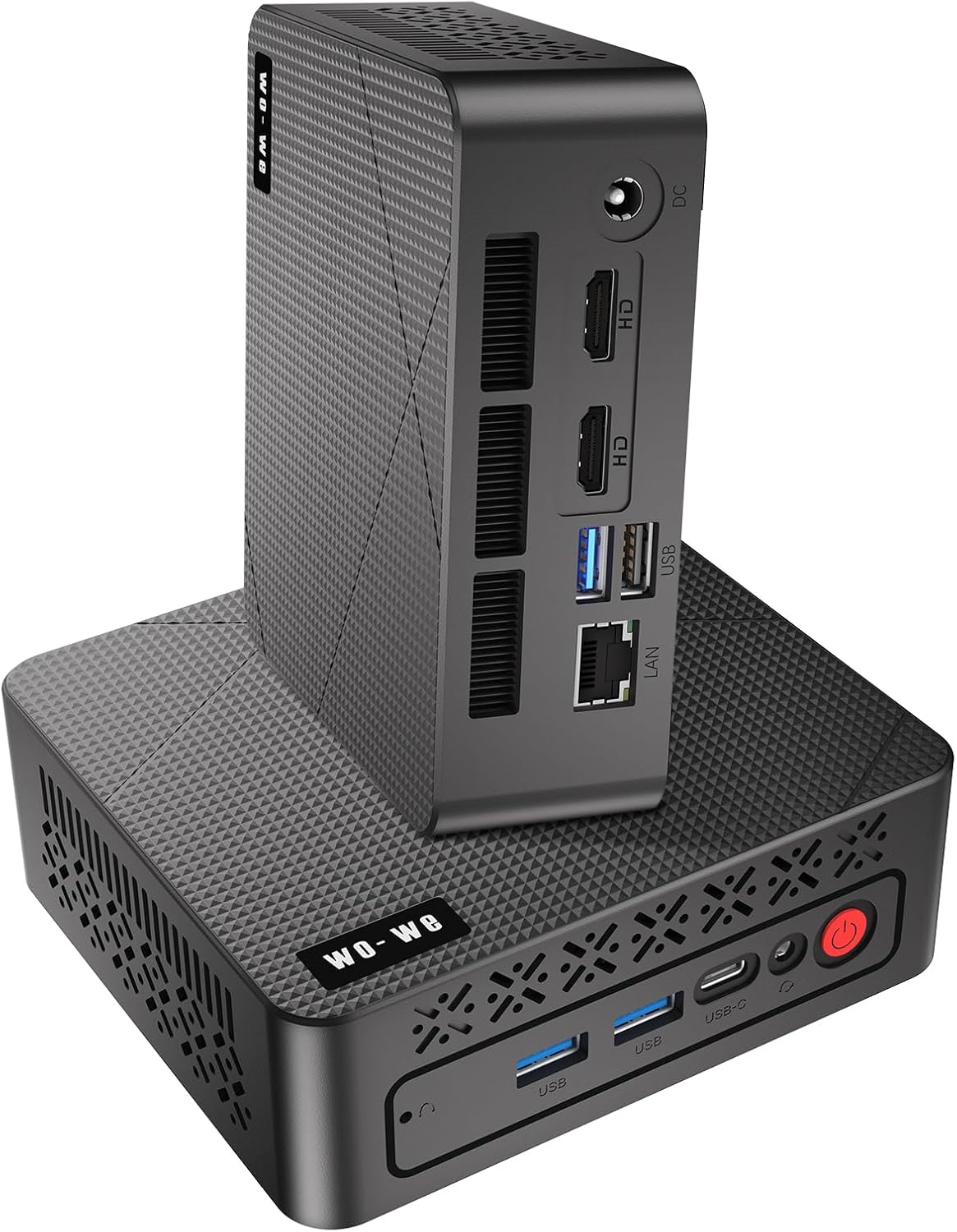
wo-we P6 AMD Ryzen 5 3550H Mini PC with Triple 4K Display
A compact desktop replacement built around the AMD Ryzen 5 3550H processor, delivering enough performance for office work, content consumption, and light gaming without taking up desk space. The triple-display setup via dual HDMI and USB-C makes it genuinely useful for productivity workflows, while 16GB RAM and 512GB SSD handle everyday multitasking smoothly.
Pros
- Supports three simultaneous displays at 4K resolution, practical for multitasking and professional setups
- 16GB DDR4 RAM and 512GB NVMe SSD provide responsive performance for office and creative applications
- Nine versatile ports including USB 3.2, USB-C, Ethernet, and audio connections cover most peripheral needs
- Silent cooling design keeps noise minimal during everyday use
- Wall-mountable form factor saves physical desk space
- 24/7 multilingual customer support with 3-year warranty
Cons
- AMD Ryzen 5 3550H is an older processor (2019 release), limiting performance ceiling for demanding games or heavy video editing
- 512GB storage may fill quickly with modern applications and media; upgrading requires opening the unit
- No dedicated graphics beyond Vega 8 integrated GPU, so gaming is limited to casual titles at lower settings
Beelink ME Mini N95 12GB/1TB NAS PC
A compact desktop built for storage-heavy workloads, this Beelink mini PC combines a 12th-gen quad-core N95 processor with six M.2 SSD slots that can accommodate up to 24TB total capacity. The dual 2.5G LAN ports, WiFi 6, and quiet cooling system make it suitable for NAS, home theater, or small office setups where expandability matters more than raw gaming performance.
Pros
- Exceptional storage expansion with six M.2 slots supporting up to 24TB total capacity
- Dual 2.5G LAN ports enable soft routing and network redundancy for NAS/server applications
- Quiet operation at 33-35 decibels during typical use thanks to vertical airflow cooling design
- Supports multiple operating systems including Windows, Linux, TrueNAS, and Proxmox
- Comprehensive connectivity with USB 3.2 10Gbps, Type-C 10Gbps, HDMI, and always-on USB 2.0
Cons
- 12th-gen N95 processor is entry-level and unsuitable for demanding applications or modern gaming
- Only one M.2 slot uses PCIe 3.0x2 speed; remaining five slots limited to PCIe 3.0x1, which may bottleneck high-speed NVMe drives
- Single HDMI output limits multi-monitor setup options without additional adapters
BOSGAME B95 Mini PC, Intel N95, 16GB/512GB
Compact desktop built on Intel's 12th-gen N95 processor with 16GB RAM and 512GB SSD, designed for office work, streaming, and light gaming. The standout feature is triple 4K display support via dual HDMI and USB-C, letting you run three monitors simultaneously for productivity gains. WiFi 5, Bluetooth 5.0, and expandable storage make it flexible for various setups.
Pros
- Triple 4K monitor support (dual HDMI 2.0 + USB-C DP) enables genuine multi-screen workflows without docking complications
- Intel N95 processor offers noticeably better performance than older N5105/N5095 alternatives, with 4 cores, 3.4GHz turbo, and dedicated graphics for everyday tasks
- Expandable storage and memory: single DDR4 slot and M.2 SSD slot support upgrades up to 2TB; also includes 2.5-inch SATA bay for additional drives
- Rich connectivity: 4x USB 3.2, 2.5G LAN, WiFi 5 dual-band, Bluetooth 5.0, plus audio jack covers most peripheral needs
- Includes VESA mount and comes with 1-year full replacement plus 2-year repair warranty, reducing buyer risk
Cons
- 16GB DDR4-2666MHz is soldered as single module, limiting future RAM upgrades without replacement
- Intel UHD Graphics with 16EU handles light tasks but lacks dedicated VRAM for demanding gaming or video editing workloads
- 512GB base storage fills quickly for media-heavy workflows; expansion drives sold separately and require manual installation
Origimagic C5 Ryzen 5 3500U Mini PC with Triple 4K Display
A compact desktop replacement built around the Ryzen 5 3500U processor, designed for professionals who need multiple displays and expandable performance in a small footprint. The standout feature is its ability to drive three 4K monitors simultaneously through dual HDMI and USB-C DisplayPort outputs, making it well-suited for content creators, traders, and remote workers. Windows 11 Pro comes pre-installed, and the system supports memory and storage upgrades for future-proofing.
Pros
- Triple 4K display support at 60Hz via HDMI 2.0 and USB-C DisplayPort, ideal for multitasking and productivity workflows
- Upgradeable RAM (up to 32GB) and expandable M.2 NVMe storage provide flexibility for evolving needs
- Gigabit Ethernet plus WiFi 5 and Bluetooth 5.0 deliver reliable connectivity for video conferencing and streaming
- Energy-efficient 15W platform reduces power consumption compared to traditional desktop towers
- 1-year full unit warranty plus 3-year parts warranty provides extended peace of mind
Cons
- Base configuration includes only 8GB RAM and 256GB storage, requiring upgrades for heavier workloads
- Ryzen 5 3500U is an older generation processor (not current-gen), so performance gains over mid-range alternatives may be incremental
- Limited to USB 2.0 ports on the rear, which can slow down peripheral connections on the back panel
Mini PCs for Home Theater Buying Guide
Choosing a mini PC for your home theater is not the same as choosing one for a home office.
The priorities shift toward display output quality, audio pass-through, silent or near-silent operation, and enough CPU grunt to decode high-bitrate video without dropping frames. Below are the six criteria REMOVU weighs most heavily when evaluating mini PCs in this category.
Processor Generation and Decoding Capability

The CPU is the single biggest predictor of home theater performance. For smooth 4K playback you want hardware-accelerated decoding of HEVC (H.265), AV1, and VP9.
Intel’s 12th-generation N-series chips and AMD’s Ryzen 5000 or 7000 series all support these codecs natively, meaning the processor handles the heavy lifting without maxing out CPU cores and generating heat or noise.
Older or lower-binned processors can still play 4K, but they lean more on software decoding, which raises temperatures, shortens fan life, and occasionally causes stutters in high-bitrate Blu-ray remuxes.
If you plan to run a local media server alongside your playback client, lean toward a chip with at least six cores so background transcoding does not compete with your movie night.
Among the models we researched, AMD Ryzen 7 and Ryzen 5 parts from Beelink and GMKtec consistently receive praise from expert reviewers for snappy iGPU performance at the 4K desktop level, making them strong options for demanding HTPC workloads.
Intel Core i5-12450H-based units offer a good balance of single-core speed and efficiency for more mainstream streaming tasks.
Display Output and Resolution Support

Most mini PCs now advertise “4K triple display” support, but the fine print matters. Check whether all three ports output true 4K at 60 Hz simultaneously, or whether one port drops to 30 Hz or 1080p when a second screen is active.
For a dedicated home theater with a single large display, dual HDMI 2.0 or HDMI 2.1 plus a USB-C DisplayPort Alt Mode output is more than sufficient, and those configurations tend to be more reliable in practice.
HDMI 2.1 is worth seeking out if you ever plan to connect a high-refresh-rate gaming monitor or a TV that supports 4K at 120 Hz.
Most Ryzen 7000-series mini PCs in this roundup include at least one HDMI 2.1 port, while N95 and Ryzen 5 3500U-based models generally top out at HDMI 2.0, which is still fine for standard 4K/60 Hz home theater use.
Thermal Design and Fan Noise
Fan noise is the nemesis of the home theater experience. A unit that spins up loudly every time a scene gets action-heavy will pull you right out of the movie.
Look for mini PCs with dual-fan designs, large heatsink surface area relative to the chassis, or, ideally, fully fanless builds for low-TDP chips.
Fanless options like the MINIX Z150-0dB are especially popular with home theater purists because they produce zero acoustic noise under any workload.
For active-cooled units, verified buyer feedback is your best signal. Manufacturer noise specifications are rarely verified independently, so pay attention to community reports about fan ramp-up frequency during streaming sessions.
Units with a good balance of heat dissipation and quiet operation tend to dominate the upper tier of our REMOVU Score rankings in this category.
Also consider the thermal headroom for longevity. A mini PC that runs at 95°C regularly will throttle faster and degrade sooner than one that idles comfortably in the mid-50s.
Power users who combine HTPC duties with light workloads should prioritize chassis size and build quality alongside raw clock speeds.
RAM and Storage Configuration

For home theater use, 16 GB of RAM is the comfortable baseline. It gives your media player, browser, and any background services room to coexist without memory pressure.
If you plan to run Plex or Jellyfin as a local server at the same time you are watching content, 16 GB is a practical minimum rather than a luxury.
LPDDR5 RAM, found in higher-end Ryzen 7000 and Intel 12th-gen units, offers lower latency and better bandwidth than DDR4, which can matter for GPU-intensive tasks.
Storage should be a PCIe NVMe SSD rather than SATA for snappy OS boot times and fast library loading.
Capacity matters more for NAS-style setups; if you rely on network-attached storage or external drives for your media library, even a 512 GB boot drive is plenty.
Check whether the chassis supports an additional M.2 slot or a 2.5-inch SATA bay if you want to add local storage later. You can find deeper guidance on memory performance in our RAM buying guide.
Networking and Connectivity

A reliable network connection is essential for streaming and for remote management of a media server.
Dual 2.5G LAN is increasingly common in this price bracket and is a meaningful upgrade over single-gigabit ethernet for households with high-throughput NAS arrays or multi-room streaming demands.
Wi-Fi 6 is the current standard to look for; it reduces latency and improves throughput in crowded wireless environments compared to Wi-Fi 5.
On the peripheral side, count your USB 3.2 ports carefully. A home theater PC typically needs ports for a wireless keyboard/mouse dongle, an external audio DAC, a USB storage device, and possibly a CEC adapter.
Units with four or more USB-A ports plus a full-function USB-C port offer the most flexibility without requiring a hub.
Value and Ecosystem Support

Price is not the only dimension of value.
A mini PC from a brand with an active firmware update cadence, English-language support documentation, and a community forum will serve you far better over a three-to-five year ownership window than a cheaper unit with no software support.
Beelink and GMKtec in particular have developed reputations among HTPC enthusiasts for timely BIOS updates and responsive customer service channels.
Consider the full ecosystem: does the unit ship with Windows 11 Pro or Home, and does that license matter for your use case?
If you plan to run Linux, Proxmox, or a dedicated HTPC distribution, check community reports on driver availability for the specific chip and Wi-Fi card combination.
The units in our roundup that score highest on value tend to ship with legitimate Windows licenses, upgradeable RAM slots, and at least one spare M.2 slot.
Building a complete home theater setup also involves bookshelf speakers, a solid AV receiver with Dolby Atmos, and ideally a dedicated subwoofer to complete the audio picture.
Why You Should Trust Us
REMOVU is an independent review publication with no manufacturer affiliations.
Every product in this roundup is assessed using our REMOVU Score, a 0 to 10 composite rating built on a consistent set of criteria that spans performance, build quality, connectivity, thermal design, software support, and overall value.
We do not conduct our own product trials; our evaluations are grounded in research, published data, expert review consensus, and verified buyer feedback.
Our research process pulls from publicly available specifications, teardown analyses, long-term ownership reports in enthusiast communities, and aggregated professional reviews. When expert consensus and buyer sentiment diverge, we weight long-term reliability reports more heavily than first-impression scores.
This approach ensures our rankings reflect real-world home theater performance rather than synthetic benchmarks alone.
REMOVU may earn a commission if you purchase through links in this article. That affiliate relationship has no bearing on which products appear in our rankings, how they are scored, or what we say about them.
Our editorial positions are set independently, and no manufacturer has paid for placement or favorable coverage.
Final Thoughts
The mini PC market for home theater is more competitive than ever in 2026, with capable options at every price tier from budget-friendly Ryzen 3500U builds to premium Ryzen 7000-series flagships.
After researching across specifications, expert review consensus, and verified buyer feedback, here are the standout picks from our roundup along with the REMOVU Score-backed reasons each one earns its designation.
- Best Overall: Beelink EQR7 Mini PC earns the top spot with the highest REMOVU Score in the group, thanks to its AMD Ryzen 7 7735U chip, LPDDR5 RAM, dual 2.5G LAN, and HDMI 2.1 support. It is the most capable all-around mini PC for home theater users who also want headroom for productivity and light workloads.
- Best Runner-Up: Getorli Mini PC (Ryzen 5 7430U) sits just behind the EQR7 in our rankings and offers dual 2.5G LAN alongside triple 4K display support at a more accessible price point. It is an excellent pick for anyone who wants near-flagship connectivity without paying flagship prices.
- Best for Streaming and Office Crossover: GMKtec M3 (Intel Core i5-12450H) scores strongly for its balance of Intel 12th-gen single-core performance, dual HDMI 4K output, and robust wireless connectivity. It is particularly well-suited to households that use the same machine for streaming in the evening and productivity tasks during the day.
- Best Fanless Option: MINIX Z150-0dB is the only fully fanless model in the roundup and earns a strong REMOVU Score for its completely silent operation. Home theater purists who cannot tolerate any fan noise will find it hard to beat, and its Windows 11 Pro license and auto-power-on feature make it especially clean for a dedicated HTPC build.
- Best Budget Pick: Origimagic C5 (Ryzen 5 3500U) offers a capable entry point for buyers on a tighter budget. It covers the fundamentals of 4K triple display output and pre-installed Windows 11 Pro at a lower outlay than most rivals, making it a sensible starting point for first-time mini PC home theater builders.
Whichever model you choose, pairing it with quality audio makes a noticeable difference. Even an entry-level set of bookshelf speakers or a well-matched subwoofer will elevate the experience well beyond what the TV’s built-in speakers can offer.
For larger rooms, projecting from a mini PC onto a big screen via a gaming-capable projector is also a compelling use case these units handle well.
Frequently Asked Questions
Can a mini PC replace a dedicated streaming stick or set-top box?
Yes, and in most cases a mini PC offers significantly more flexibility.
Streaming sticks are limited to their built-in app libraries, while a mini PC running Windows gives you access to every streaming platform available on a browser or native desktop app, plus local media playback software like Kodi, Plex, or Jellyfin.
The trade-off is a slightly higher upfront cost and the need to manage a full operating system.
For technically comfortable users, the added control is worth it. You can install a custom remote control app, automate wake-on-LAN, and even run a lightweight NAS alongside your media player.
Streaming sticks remain simpler for non-technical households, but they cannot match the depth of a properly configured mini PC HTPC build.
What is the difference between Wi-Fi 5 and Wi-Fi 6 for home theater use?
Wi-Fi 6 (802.11ax) offers higher aggregate throughput and, crucially, better performance in environments with many connected devices.
For streaming 4K content from a NAS or the internet, Wi-Fi 5 is often adequate on its own, but Wi-Fi 6 provides more consistent low-latency performance when your router is also managing phones, smart home devices, and laptops simultaneously.
If your home network is busy, Wi-Fi 6 is a meaningful upgrade.
That said, a wired ethernet connection will always outperform wireless for stability and latency.
The dual 2.5G LAN ports found on several top-ranked models in this roundup are particularly valuable for users who run local media servers or want the most reliable connection possible for high-bitrate 4K HDR content.
Do I need a dedicated GPU in a mini PC for home theater?
For standard home theater duties, including 4K HDR streaming, Blu-ray ripping playback, and basic gaming, the integrated graphics on modern AMD Ryzen and Intel 12th-gen chips are more than sufficient.
Hardware-accelerated video decoding handles HEVC, AV1, and VP9 without taxing the CPU, and the iGPU handles 4K output smoothly.
A discrete GPU becomes relevant only if you want to play graphically demanding games at high settings on your TV.
In that scenario, you are likely looking beyond the mini PC form factor toward a compact desktop or a gaming desktop build. For pure HTPC use, the integrated graphics in the units recommended here are entirely capable.
How do I connect a mini PC to a receiver for surround sound?
The most common method is via HDMI. Most modern AV receivers accept HDMI input from a PC and can pass audio as Dolby Digital, DTS, or even Dolby Atmos depending on the receiver and the playback software.
You run an HDMI cable from the mini PC to the receiver’s input, then from the receiver’s monitor output to your TV or projector. This keeps both audio and video on a single cable run from the PC.
Alternatively, a USB DAC or optical S/PDIF output (if the mini PC has one) can feed a stereo amplifier directly for a simpler two-channel setup.
For full surround sound passthrough of Dolby Atmos object-based audio, HDMI is the recommended path. Our guide to AV receivers with Dolby Atmos covers the receiver side of that equation in detail.
Is 16 GB of RAM enough for an HTPC, or should I look for more?
For most home theater workloads, 16 GB is comfortable and rarely a bottleneck. Media playback software, a browser with a streaming tab open, and a few background services will comfortably fit within that budget.
Where 16 GB starts to feel tight is if you simultaneously run a Plex or Jellyfin server that is actively transcoding multiple streams for other devices in your home.
If you want to future-proof or use the mini PC as a dual-purpose workstation, check whether the unit has user-accessible RAM slots.
Several models in our roundup support upgrades to 32 GB or beyond, which gives you room to grow without replacing the entire machine. Deeper context on memory options is available in our RAM guide.
What should I look for in the operating system for a home theater mini PC?
Windows 11 Home is adequate for most home theater users, covering Netflix, Disney+, streaming app support, and local playback software.
Windows 11 Pro adds remote desktop access, BitLocker encryption, and domain joining, which matters more if you are running the machine as part of a small network or want to manage it remotely without third-party tools.
Some enthusiasts prefer Linux-based HTPC distributions for their lower overhead and better long-term support, and the Ryzen and Intel chips in this roundup are generally well-supported.
Proxmox is popular for users who want to run a media server and a HTPC frontend as separate virtual machines on the same hardware, which pairs naturally with the dual-LAN and high-RAM configurations found in the top-tier picks here.
For a broader look at computing options across form factors, the desktop PCs and all-in-one PCs categories cover additional alternatives worth considering.
About the author
Catherine is REMOVU's camera drone writer, comparing image quality, flight time, and obstacle avoidance across beginner and pro models. She focuses on which drones capture keeper footage without risking a crash.