How to Choose the Right Electric Toothbrush Explained: Smart Features vs. Budget Models
Premium features cost extra. See which ones actually improve your teeth cleaning versus which just empty your wallet.
 By Ava Herrera
Updated September 1, 2026
By Ava Herrera
Updated September 1, 2026

Understanding What Modern Electric Toothbrushes Actually Do
The electric toothbrush market has evolved dramatically over the past decade. What started as simple rotating bristles has transformed into a category where brands compete on innovation, features, and price points that can range from under $100 to nearly $500. Before deciding which model fits your needs, you need to understand what separates a basic electric toothbrush from one packed with advanced technology.
Most people don’t realize that basic oral hygiene needs remain the same regardless of price. Dentists consistently recommend brushing for two minutes twice daily and flossing to remove plaque from between teeth. A quality $90 electric toothbrush can accomplish the core cleaning job just as effectively as premium models costing five times more. The real question becomes: what problem does the extra investment solve?
The Practical Benefits of Standard Electric Toothbrushes
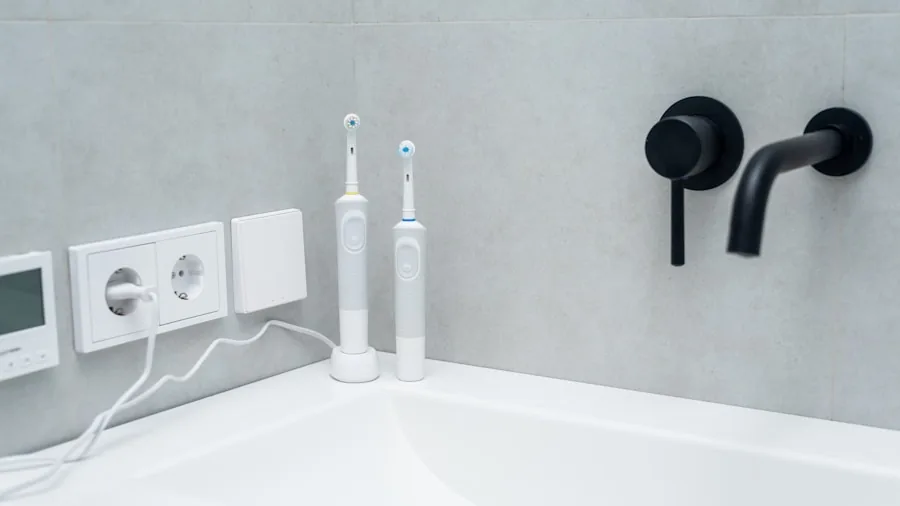
A solid mid-range electric toothbrush delivers consistent results without the premium price tag. Models in the $90 range offer features like multiple cleaning modes, built-in timers to ensure you brush long enough, and rechargeable batteries lasting 40 days per charge. These features address genuine pain points: most people brush for only 45 seconds instead of the recommended two minutes, and many struggle to maintain consistent technique.
The engineering of a reliable budget-friendly electric toothbrush focuses on what matters most. Fast bristle vibrations remove plaque from tooth surfaces effectively. Pressure sensors prevent you from scrubbing too hard and damaging gums. Extended battery life means you actually remember to charge the device. These core capabilities haven’t changed much across price tiers, which is why independent reviews often show comparable cleaning performance between affordable and expensive models.
Advanced Features Explained: When Technology Adds Real Value
Higher-priced electric toothbrushes introduce features designed to change your behavior rather than simply improve cleaning mechanics. Some models include smartphone connectivity that tracks your brushing habits and provides real-time feedback about technique. Others use pressure sensors more intelligently to coach better form. These features assume that motivation and awareness matter more than raw cleaning power.
The most ambitious innovation in recent years involves automated flossing technology. Rather than you manually flossing after brushing, some advanced models include cameras that detect gaps between teeth and automatically spray rinse directly into those spaces. This technology required six years of development, hundreds of engineers, and training on nearly half a million tooth images. The engineering is genuinely impressive, even if the fundamental problem it solves: getting people to clean between their teeth regularly, could also be solved with traditional floss costing almost nothing.
Evaluating Price Against Your Actual Needs
The core issue when choosing an electric toothbrush is matching features to your real behavior and priorities. If you’re someone who never flosses despite good intentions, an automated solution might justify a significant investment. If you already maintain consistent brushing and flossing habits, the extra expense brings minimal dental benefit. The expensive features essentially pay to modify behavior, not to improve cleaning chemistry.
Consider your track record honestly. Do you consistently brush twice daily? Do you floss regularly? Will adding complexity and connectivity actually encourage better habits, or will it feel like an unnecessary burden? These answers determine whether features beyond basic cleaning modes are worthwhile. A person with poor flossing discipline might see real health benefits from automation. Someone already diligent with oral care will see diminishing returns on expensive features.
Total Cost of Ownership Matters More Than You Think
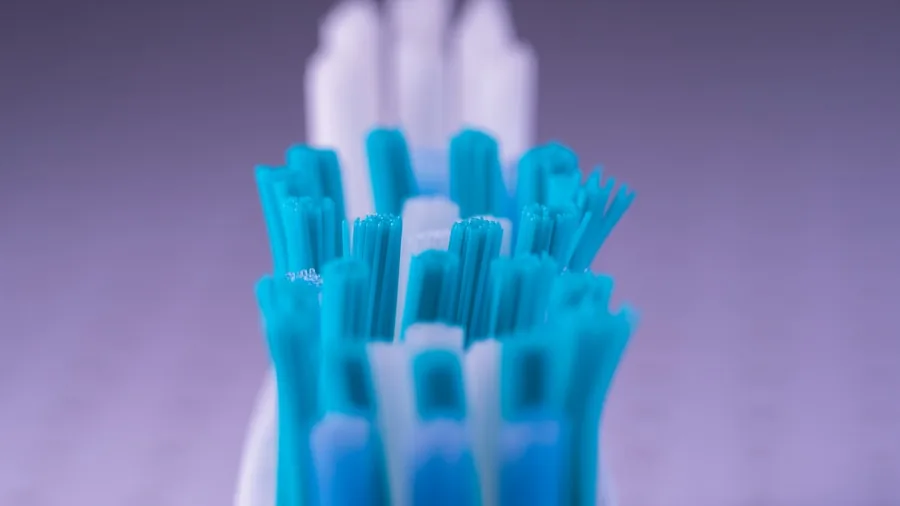
The purchase price tells only part of the financial story. Higher-end electric toothbrushes often require proprietary replacement heads, specialized toothpaste, and branded rinse systems. Budget models use standard bristle heads available everywhere at low cost. Over several years, these recurring expenses add up significantly. Calculate what you’ll actually spend annually on replacement heads and accessories before deciding based on the upfront price alone.
A less expensive toothbrush also means less anxiety about damage. You’ll use it more comfortably in situations where accidents happen: travel, shared bathrooms, or simply the inevitable drops on bathroom tile. The durability concerns that come with investing nearly $500 in a device designed to get wet and dropped regularly deserve serious consideration.
Making Your Decision: Questions to Ask
Start by identifying your weakest oral hygiene habit. For many people, this is flossing frequency. For others, it’s brushing duration or technique. Next, honestly assess whether extra features will change this behavior or whether the solution lies elsewhere: better reminders, accountability, or simply accepting your current habits and improving what you can.
Research side by side comparisons between models at different price points to see whether cleaning performance actually differs, or whether you’re primarily paying for convenience features. Check current user reviews to understand which features people actually use versus which ones seem impressive but get ignored after a few weeks.
Finally, consider whether the premium model truly solves a problem or whether it solves a problem you don’t have. A basic electric toothbrush with a two-minute timer and multiple cleaning modes addresses most dental needs. Everything beyond that targets behavior change, not cleaning chemistry. That distinction should guide your entire decision-making process.
About the author
Ava is REMOVU's laptop writer, balancing speed, battery life, and build quality against price across the whole range. She helps readers find the sweet spot as each new chip shifts what a dollar buys.