The 8 Best Solar Chargers
Solar chargers range from ultralight backpacking panels to high-capacity power stations. Here are the options that balance efficiency, portability, and real-world durability.
 By Veronica Sanchez
Updated July 26, 2026
By Veronica Sanchez
Updated July 26, 2026
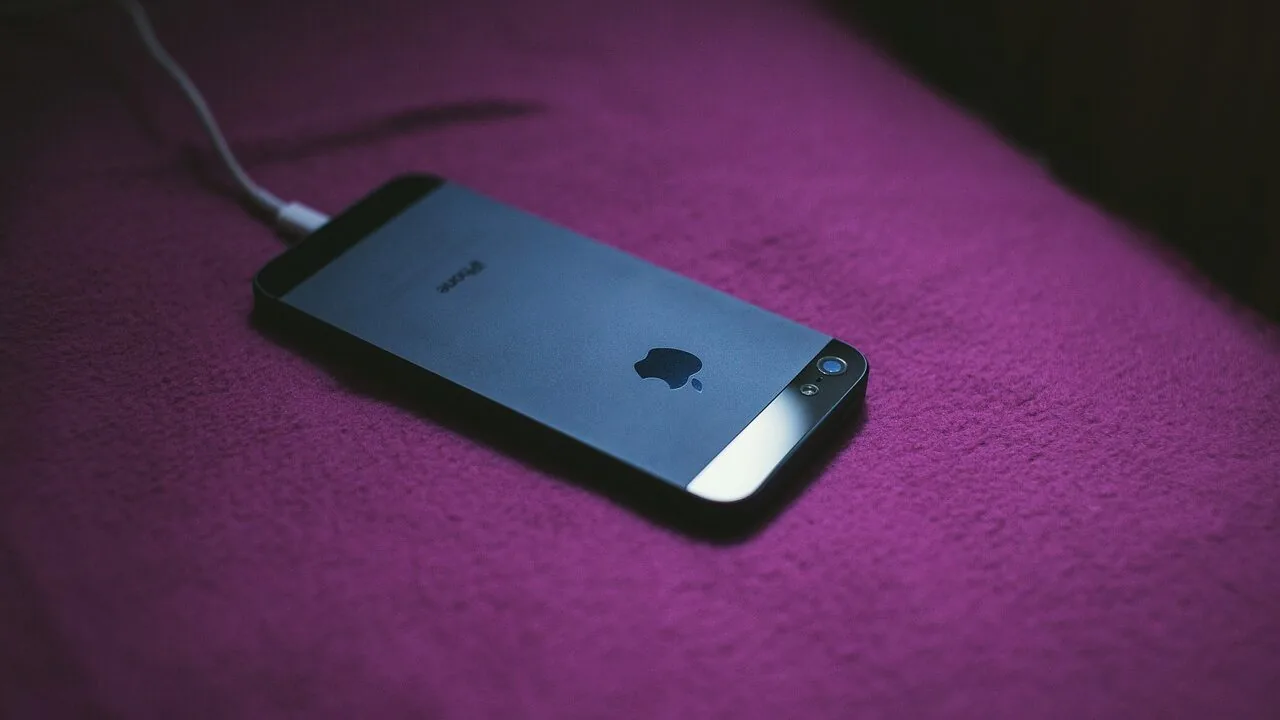
Keeping your devices charged when you’re far from a wall outlet has never been more important, and solar chargers have matured into genuinely practical gear for campers, hikers, overlanders, and anyone who wants a reliable backup power source.
The category now spans compact foldable panels that slip into a daypack, rugged solar power banks with built-in cables and flashlights, and full-featured portable power stations that can run small appliances.
With so many options flooding the market, it’s easy to overpay for underwhelming performance or overlook a standout value.
To help you cut through the noise, REMOVU’s team researched and evaluated every pick below using a combination of published manufacturer specifications, expert review consensus from the outdoor and tech communities, and verified buyer feedback from thousands of confirmed purchasers.
Whether you need a pocket-friendly charger for weekend hikes or a high-capacity station for extended off-grid stays, the ranked list below covers the top solar chargers worth buying right now.
| Award | Product | REMOVU Score About REMOVU ScoreThe REMOVU Score is our own rating from 0 to 10, based on performance, design and build, ease of use, and value. It reflects independent research and is never influenced by manufacturers, retailers, or affiliate commissions. Learn more › | Price | |
|---|---|---|---|---|
| Best Overall |
 Anker SOLIX C200 DC 192Wh Portable Power Station with 60W Solar Panel
|
8.6/10 | Buy | |
| Best Value |
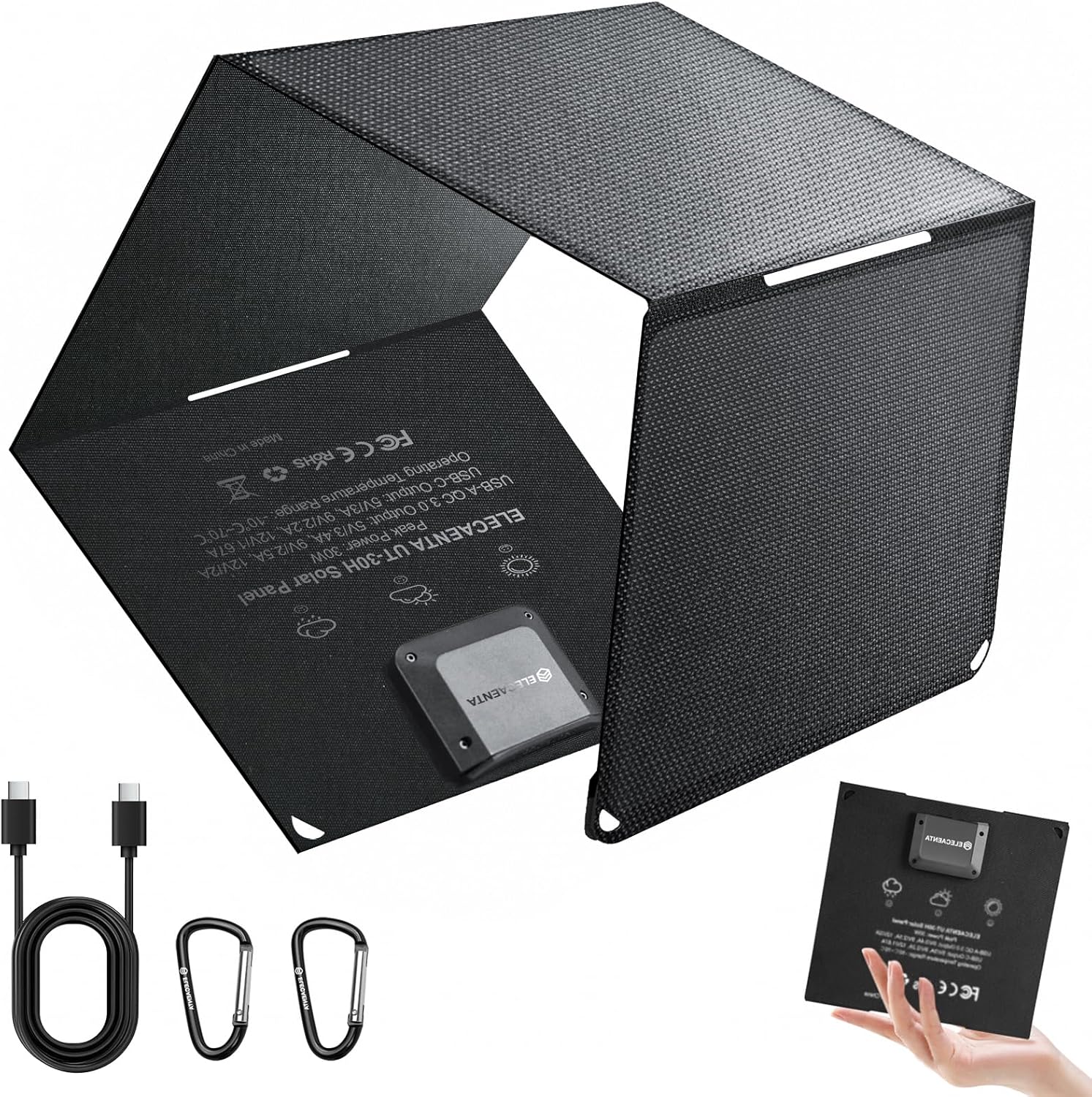 ELECAENTA UT-30H 30W Solar Panel
|
7.3/10 | Buy | |
| Best Budget |
 SolarTred 20000mAh Solar Power Bank with 4 Panels
|
7.2/10 | Buy | |
 BLAVOR PN-W39 20000mAh Solar Power Bank with Wireless Charging
|
6.3/10 | Buy | ||
 BLAVOR PN-W12-Pro 20000mAh Solar Power Bank with PD 18W
|
7.2/10 | Buy | ||
 GOODaaa 24000mAh Solar Power Bank with 5 Outputs
|
6.2/10 | Buy | ||
| Best Premium |
 FEELLE SPB2603 50000mAh Solar Power Bank with Hand Crank
|
7.1/10 | Buy | |
 SUNER POWER BC-50W-P 12V Solar Battery Charger
|
6.2/10 | Buy |
Anker SOLIX C200 DC 192Wh Portable Power Station with 60W Solar Panel
A compact 192Wh power station with LiFePO4 battery and included 60W solar panel, designed for camping and off-grid use. Seven charging ports and multiple recharge methods make it versatile for phones, laptops, and small appliances, though it requires a separate wall charger for full-speed charging.
Pros
- Includes 60W solar panel and XT60 cable in the box, ready to set up immediately
- Fast USB-C charging to 80% in 1.3 hours using PD 3.1, or 1.7 hours full charge
- Compact and lightweight (11.6 lbs) with 39% smaller footprint than comparable stations
- Seven total ports (two USB-C, one USB-C 140W input/output, two USB-A) handle multiple devices simultaneously
- 3-year LiFePO4 battery warranty and proven durability in field use (camping, military field conditions)
- Can power Starlink Mini continuously in full sun with solar panel attached
Cons
- No wall charger included; 140W USB-C PD charger sold separately for approximately 100 dollars extra
- Solar panel efficiency varies significantly with cloud cover and requires positioning management in tree-heavy areas
- 192Wh capacity limits runtime for high-power devices (roughly 5-6 hours powering Starlink Mini alone without solar)
- Not compatible with older Anker solar panels (PS30, PS200, PS400); panels over 100W risk device malfunction
ELECAENTA UT-30H 30W Solar Panel
A lightweight solar charger with 25.4% conversion efficiency and dual USB-C/USB-A outputs, designed for camping and outdoor trips. Reviewers consistently report solid charging performance in sunlight, though real-world output depends on weather and panel positioning.
Pros
- Exceptionally lightweight and compact, highly portable for backpacking
- Delivers consistent 15-20W USB-C output in direct sunlight per verified buyers
- HPBC cells perform better than traditional panels on cloudy days and in heat
- Dual output ports allow charging two devices simultaneously without switches
- Durable ETFE laminate withstands outdoor conditions and mishandling
Cons
- Charging stops or significantly drops when partially shaded, requiring full sun exposure
- No carrying case included despite compact design
- Power output is slower than wall chargers; requires daylight and clear positioning to work optimally
SolarTred 20000mAh Solar Power Bank with 4 Panels
A rugged 20000mAh solar power bank designed for outdoor use and emergencies, featuring four solar panels, built-in cables for multiple devices, and dual lighting modes. Best suited for camping, hiking, and backup power during outages.
Pros
- Large capacity with multiple output options makes it practical for group trips and multi-device households
- Built-in cables eliminate cable clutter and reduce what you need to pack
- Durable construction withstands drops and outdoor handling without damage
- Solar panels provide genuine supplemental charging in full sun, useful for extended backcountry use
- Integrated lighting features add real value for camping and emergency situations
Cons
- Solar charging is slow and best used for maintenance rather than primary recharging, especially in low-light conditions
- Flashlight and camping light cannot operate simultaneously, limiting flexibility in lighting scenarios
- Relatively heavy at 699g compared to non-solar power banks of similar capacity
BLAVOR PN-W39 20000mAh Solar Power Bank with Wireless Charging
A feature-packed 20000mAh solar power bank designed for outdoor enthusiasts and multi-device users. Built-in cables, wireless charging, flashlight, and compass make it versatile for camping and emergencies, though solar recharging is slow and the unit is relatively heavy.
Pros
- Extensive built-in cable selection eliminates need to pack multiple chargers
- High capacity delivers multiple full charges for phones, tablets, and smartwatches
- Comprehensive outdoor feature set including work light, compass, and thermometer adds genuine utility
- Durable construction with waterproof silicone and shockproof design handles rough conditions
- Strong verified customer satisfaction for camping and emergency use cases
Cons
- Solar charging is slow and insufficient as primary recharge method; manufacturer recommends cable charging instead
- Wireless charging pad requires precise device alignment to function reliably
- Large size and 0.78 kg weight make it less practical for light-packing trips; some users note Apple Watch wireless charging requires constant pressure
BLAVOR PN-W12-Pro 20000mAh Solar Power Bank with PD 18W
A rugged solar charger combining a 20000mAh battery, 4-panel solar array, and PD 18W fast charging for laptops and phones. Includes built-in camping light, flashlight modes, compass, and carabiner, making it well-suited for extended outdoor trips where grid power is unavailable.
Pros
- 4 foldable solar panels deliver 1.2A max output, 7x more efficient than single-panel competitors under sunlight
- PD 18W USB-C supports laptop charging (PD protocol) plus QC3.0 18W USB-A for 50% faster phone charging
- Real-rated 20000mAh capacity with high-cycle lithium-polymer battery, achieving 4.6+ full iPhone recharges per bank charge
- IPX5 waterproof, dustproof, and shockproof design verified for outdoor durability
- Three simultaneous outputs plus bundled camping light, SOS/strobe flashlight modes, and navigation tools reduce gear burden
Cons
- No verified customer reviews available yet to assess real-world reliability and solar charging speed in varied conditions
- Solar charging at 1.2A max remains slow compared to wall charging (2.4A input), making it a backup rather than primary recharge method
- 1.3-pound weight and foldable panel design trade portability for capability, less ideal for minimalist hiking
GOODaaa 24000mAh Solar Power Bank with 5 Outputs
A versatile 24000mAh portable charger with built-in cables, fast charging, and dual LED flashlight modes suitable for outdoor trips and emergency backup. Features deliver solid multi-device charging, though battery longevity and solar charging speed have mixed user feedback.
Pros
- 5 simultaneous charging outputs plus 3 inputs (USB-C, iOS, USB-A) covers most devices
- 24000mAh capacity provides approximately 3.5 iPhone charges or 1.8 iPad charges per full charge
- Integrated cables and carabiner clip eliminate loose cable clutter
- Dual LED flashlight with SOS mode and built-in thermometer add emergency utility
- Durable design with shock-absorbing silicone bumpers and sealed port covers resists drops and dust
Cons
- Solar charging is extremely slow (trickle charge in sunlight, weeks to months behind glass) and best treated as supplementary only
- Requires 24+ hours for full AC charge and battery capacity reportedly degrades noticeably after 1-1.5 years of use
- Weight and bulk make it less ideal for ultralight travel despite the carabiner
FEELLE SPB2603 50000mAh Solar Power Bank with Hand Crank
A rugged 50000mAh solar charger built for extended outdoor trips and emergencies, featuring four solar panels, hand crank backup, built-in cables, and compass. Best for camping and multi-device scenarios where grid power is unavailable, though solar charging is slow and the unit is notably heavy.
Pros
- Massive 50000mAh capacity charges multiple devices (up to 6 simultaneously) and keeps phones charged for days on a single full charge
- Comprehensive connectivity with 4 built-in cables (USB-C, Lightning, Micro, USB-A) plus 3 ports eliminates need for separate cords
- Hand crank generator provides emergency backup power when sun and grid are unavailable
- Integrated compass, flashlight with SOS/strobe modes, and mounting hook add genuine outdoor functionality
- Durable construction with shockproof silicone bumpers, dustproof port covers, and 3-year warranty inspire confidence
- Fast USB-C charging delivers 0-60% on iPhone in 30 minutes via wall outlet
Cons
- Solar charging requires several hours in bright direct sunlight and produces minimal output on cloudy days, making it slower than wall charging
- Weighs 0.5kg and is bulky for daily carry, though manageable for dedicated camping trips
- Port cover is thin plastic with weak hinge design and can be fragile despite overall durability
SUNER POWER BC-50W-P 12V Solar Battery Charger
A 12W solar trickle charger built with MPPT technology that automatically maintains 12V batteries in cars, boats, and RVs year-round. Requires direct sunlight to function and takes time to charge deeply depleted batteries, but users report reliable performance for seasonal storage and parasitic drain prevention.
Pros
- MPPT charge controller delivers 20-30% more power than traditional PWM systems, with up to 99% tracking efficiency
- Three-stage charging (Bulk, Absorption, Float) prevents overcharging and extends battery life across flooded, AGM, gel, SLA, and LiFePO4 batteries
- Completely automatic operation. stops charging when battery is full and resumes on discharge, eliminating manual management
- IP65 waterproof rating with tempered glass protection withstands rain, snow, dust, and extreme weather without maintenance
- LED indicator clearly shows operational status (blinking green for standby, blinking red for active charging, solid green for full charge)
Cons
- Requires direct sunlight to detect and charge batteries. performs minimal charging on overcast days, limiting effectiveness in consistently cloudy climates
- Slow charging speed on deeply depleted batteries. users report needing 6-12+ hours in full sun to revive completely dead automotive batteries
- Plastic casing reported to pop open during suction cup removal and connector disconnection, though snaps back without functional damage
Solar Chargers Buying Guide
Choosing a solar charger involves balancing panel efficiency, battery capacity, portability, and the types of devices you need to power.
The sections below walk through the criteria that matter most, so you can match a charger to your real-world use case rather than chasing spec-sheet numbers.
Solar Panel Efficiency and Wattage
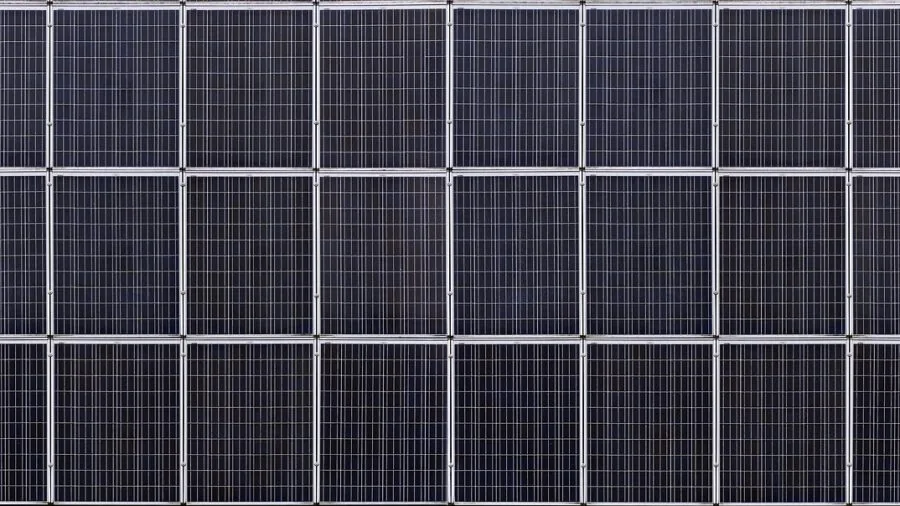
Conversion efficiency tells you what percentage of incoming sunlight the panel actually turns into usable electricity.
Budget panels typically sit in the 15 to 20 percent range, while high-efficiency monocrystalline cells like those found on the ELECAETNA 30W HPBC panel can push past 25 percent.
A higher efficiency rating means you generate more power in the same amount of sunlight, which matters enormously when cloud cover rolls in or you’re charging in partial shade.
Wattage determines how quickly you can charge a device or top up a battery pack.
A 10W panel might take several hours to meaningfully charge a modern smartphone, while a 30W panel can deliver near-wall-socket speeds to phones and tablets via USB-C PD or QC 3.0.
For a portable power station like the Anker SOLIX C200 DC, you’ll want the highest wattage panel you can comfortably carry to keep recharge times reasonable.
Think about how many hours of direct sunlight you realistically have each day and work backward from there.
Also pay attention to whether the product uses a Maximum Power Point Tracking (MPPT) charge controller.
MPPT circuitry continuously adjusts the electrical load to extract the most power possible from the panel under changing light conditions, which can improve real-world yield by 20 to 30 percent compared to simpler PWM controllers.
This is especially relevant for dedicated solar battery chargers designed to maintain 12V vehicle or marine batteries, such as the SUNER POWER 12W unit in our list.
Battery Capacity and Chemistry
For solar power banks, capacity is measured in milliamp-hours (mAh). A 20,000mAh pack can typically fully recharge an average smartphone four to five times, while a 50,000mAh pack like the FEELLE extends that to roughly ten or more charges.
Keep in mind that advertised capacity is at the cell’s nominal voltage; actual usable energy delivered at USB output is always lower due to conversion losses, so real-world results will vary from the headline number.
Battery chemistry matters more than most buyers realize. Lithium-polymer (LiPo) packs are lightweight and offer good energy density but degrade faster when left in full sunlight for extended periods.
Lithium Iron Phosphate (LiFePO4), used in the Anker SOLIX C200 DC, is heavier but dramatically more stable at high temperatures, far more resistant to thermal runaway, and rated for a much higher cycle count.
If you plan to leave your charger strapped to a backpack in direct sun all day, prioritizing thermal stability in the battery chemistry is worth the weight trade-off.
For portable power stations intended for emergency or basecamp use, LiFePO4 is the preferred choice among serious buyers.
Charging Ports and Output Speed
Modern solar chargers should offer at least one USB-C port with Power Delivery (PD) support if you’re charging recent smartphones, tablets, or laptops.
PD 18W is the minimum threshold for fast-charging most Android phones; PD 20W or higher is needed to fast-charge current iPhone models.
Some power banks in our roundup, such as the BLAVOR 20000mAh with wireless charging, also support Qi wireless output, which is genuinely useful when cables are tangled or wet.
Multiple simultaneous outputs are worth prioritizing if you’re charging for a group. Look for devices that can split power intelligently across ports without throttling individual outputs too severely.
The GOODaaa 24000mAh bank’s five outputs and built-in multi-device cables make it a flexible option for travelers who carry a mix of USB-A and USB-C devices.
Built-in cables also eliminate the frustration of a dead phone when you’ve forgotten your cable at camp. Think about your real cable situation before dismissing a built-in option as gimmicky.
Portability and Form Factor
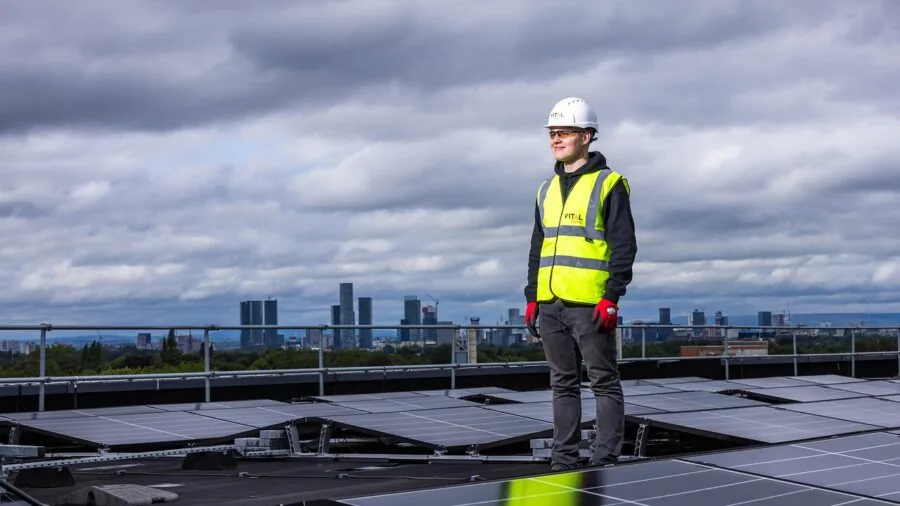
Solar chargers split into two broad form factors: panel-only devices that rely on a separate battery, and integrated power banks that combine panels with an onboard battery.
Standalone panels like the ELECAETNA 30W are lighter per watt of output and can charge a battery pack while also simultaneously feeding a device, but they require you to carry a separate power bank if you want to store energy for use at night.
Integrated solar power banks are more convenient for casual use, but the panels are necessarily smaller, meaning solar recharge times are measured in many hours rather than minutes.
Weight is a critical variable for backpackers. The ELECAETNA 30W panel stands out at just 1.1 lb for a 30W foldable panel, making it genuinely viable for multi-day trips where base weight matters.
Heavier integrated packs like the FEELLE 50000mAh are better suited for car camping or base camp use where weight isn’t a constraint. Check folded dimensions against your pack’s side pocket before buying.
Weather Resistance and Durability

IP (Ingress Protection) ratings define how well a device resists dust and water. IP67 means the device can survive temporary immersion in water up to 1 meter for 30 minutes; IP68 is rated for deeper or longer immersion.
For a product that will be used outdoors in variable conditions, an IP67 or IP68 rating provides meaningful peace of mind. The ELECAETNA 30W carries an IP68 rating, making it one of the more durable panel options in this category.
The SUNER POWER 12W solar battery maintainer also advertises waterproofing, which matters for a device designed to sit on a vehicle dashboard or boat deck indefinitely.
Build quality of the panel fabric, hinge reinforcements, and port covers varies widely at this price tier.
Reading verified buyer feedback specifically about long-term durability, rather than just initial impressions, is one of the most reliable ways to assess real-world robustness before purchasing.
Products that earn consistent praise after six or more months of outdoor use are far more trustworthy than those with glowing early reviews that fade as seams split or charging ports corrode.
Just as you’d research waterproof Bluetooth speakers by checking long-term owner feedback, the same approach applies here.
Use Case Match: Hiking, Camping, or Vehicle Charging

Not every solar charger fits every use case, and buying the wrong form factor is the most common purchasing mistake in this category. For multi-day backpacking, a lightweight high-efficiency panel paired with a compact power bank optimizes the weight-to-output ratio.
For weekend car camping or overlanding, a larger integrated bank or a full portable power station with a dedicated solar panel input makes more sense, since weight is no longer the primary constraint and you may need to run lanterns, fans, or small appliances.
Vehicle and marine applications call for a dedicated trickle charger like the SUNER POWER 12W rather than a portable panel bank.
These units are designed to maintain a 12V lead-acid or AGM battery at full charge during storage, preventing sulfation without overcharging.
They are not designed to charge phones or USB devices directly, so don’t conflate that category with portable solar power banks.
Knowing which problem you’re solving before you shop will save you from returning a product that was perfectly built for a different use case.
If your interest extends to powering a full basecamp setup, our coverage of power and charging solutions includes guidance across the broader category.
Why You Should Trust Us
REMOVU is an independent review publication with no brand partnerships, sponsored placements, or retailer relationships that influence our editorial output. Every product in this guide was assessed by our research team using consistent criteria applied equally across all picks.
Each product earns a REMOVU Score on a 0 to 10 scale, reflecting a weighted assessment of key performance attributes, build quality, value, and verified owner satisfaction.
We do not conduct our own product trials; our evaluations are grounded in research, published data, expert review consensus, and verified buyer feedback.
Our team cross-references manufacturer specifications against independent technical analyses, aggregates expert review consensus from credible sources across the outdoor, tech, and automotive verticals, and filters verified buyer feedback to identify recurring strengths and failure patterns.
We weight long-term reliability reports more heavily than initial impressions because durability in field conditions is what actually matters for this product category. Products are ranked strictly by REMOVU Score, not by margin, affiliate potential, or brand prominence.
REMOVU may earn a commission when you purchase through links in this article; that relationship has no bearing on our scores, rankings, or editorial recommendations. Our only obligation is to help you make a well-informed decision.
Final Thoughts
The solar charger market offers genuinely strong options at every price tier and use case in 2026, but the best pick depends almost entirely on matching form factor and capacity to your actual situation. Here’s how our top picks shake out by category strength:
- Best Overall: Anker SOLIX C200 DC Power Bank Station and 60W Solar Panel earns the highest REMOVU Score in our roundup. Its LiFePO4 battery chemistry, 192Wh capacity, and bundled 60W solar panel make it the most complete and dependable solar power solution in this group, suitable for camping, travel, and emergency preparedness.
- Best Lightweight Panel for Backpacking: ELECAETNA 30W HPBC Portable Solar Panel stands out for its 25.4% conversion efficiency, IP68 waterproofing, and sub-1.1 lb weight. It’s the pick for hikers who want serious output without a serious weight penalty.
- Best Integrated Solar Power Bank for Outdoor Use: SolarTred Solar Power Bank 20000mAh balances four solar panels, built-in multi-device cables, USB-C fast charging, and a combined flashlight and camping light into a well-rounded package at an accessible price point.
- Best High-Capacity Power Bank for Group Trips: FEELLE Solar Power Bank 50000mAh delivers the largest onboard capacity in our roundup along with a hand crank backup, four built-in cables, and the ability to charge six devices simultaneously, making it ideal for basecamp or group adventure use.
- Best Budget Solar Power Bank: GOODaaa Solar Power Bank 24000mAh offers the largest mAh count at the lowest price tier in this roundup, with five outputs, four built-in cables, and a thermometer plus SOS flashlight. A solid value pick for casual outdoor use when budget is the primary concern.
If you’re building out a broader outdoor electronics kit, pairing a quality solar charger with reliable waterproof headphones and a rugged compact smartphone covers most of what you need for extended off-grid adventures.
For those who also rely on tech at camp or in a vehicle, a dependable power source is just as fundamental as any other piece of gear.
Frequently Asked Questions
How long does it take a solar charger to fully charge a smartphone?
Charge time depends on panel wattage, sunlight intensity, and the phone’s battery size. A 30W panel in direct midday sun can charge a typical 4,000mAh smartphone in roughly two hours.
Integrated solar power banks with small built-in panels are much slower at solar input, often taking a full sunny day just to add a partial charge to the bank itself.
For reliable on-the-go phone charging, a dedicated high-wattage panel feeding a quality power bank is faster than relying solely on the built-in solar cells of an integrated unit.
Can I use a solar charger to maintain my car or boat battery?
Yes, but only if the product is specifically designed for 12V battery maintenance, such as the SUNER POWER 12W unit in our roundup.
Standard portable solar power banks are designed for USB output and are not compatible with 12V lead-acid, AGM, or lithium vehicle batteries.
A dedicated solar battery maintainer with a built-in MPPT or PWM charge controller is the correct tool for keeping a vehicle, boat, or RV battery topped up during storage or light use.
Using the wrong product type risks both undercharging and overcharging the battery.
Do solar power banks actually work on cloudy days?
Solar panels do generate power in overcast conditions, but output drops significantly, typically to 10 to 25 percent of their peak rating under heavy cloud cover. High-efficiency panels with HPBC or monocrystalline cells perform better in diffuse light than lower-efficiency alternatives.
In practice, relying solely on solar input during an overcast multi-day trip is impractical; the battery capacity of your power bank acts as your buffer, storing energy collected during sunny windows for use when the sky is grey.
This is why raw battery capacity matters alongside panel efficiency.
What is the difference between a solar power bank and a portable power station?
Solar power banks are compact, pocket-to-bag-sized units with USB outputs, designed primarily for charging phones, tablets, and small electronics.
Portable power stations are significantly larger, typically measured in watt-hours rather than mAh, and can power AC devices like laptops, CPAP machines, mini-fridges, and power tools via standard wall outlets.
The Anker SOLIX C200 DC in our roundup sits at the boundary of these categories, offering 192Wh of capacity with both DC and high-wattage USB outputs.
For a deeper look at large-format energy storage, our portable power station coverage covers that segment in detail.
Are solar chargers with built-in cables worth it?
Built-in cables are a genuine convenience feature for outdoor use, eliminating the risk of forgetting a cable or dealing with a wet, muddy connector.
The trade-off is that if the built-in cable fails, it can be difficult or impossible to replace, whereas a separate cable is a cheap, easy swap.
Products like the BLAVOR 20000mAh and GOODaaa 24000mAh include multiple cable types to cover iPhone, USB-C, and Micro-USB simultaneously, which is practical when traveling with a mixed group of devices.
For buyers who are careful with gear, the convenience usually outweighs the repairability concern.
How should I store a solar power bank when not in use?
Store solar power banks at roughly 50 to 80 percent charge in a cool, dry location away from direct sunlight. Lithium-based batteries degrade faster when stored fully charged or fully depleted for extended periods.
Avoid leaving integrated solar power banks in a hot car or in direct sunlight when not actively charging, as sustained heat accelerates cell degradation.
For long-term storage of several months, check the charge level every two to three months and top up if it has dropped significantly. Proper storage can meaningfully extend the useful lifespan of the battery cells.
About the author
Veronica is REMOVU's action camera writer, comparing stabilization, low-light footage, and rugged, waterproof builds across the latest releases. She focuses on which cameras truly hold up on the trail, underwater, and mounted to a helmet.