E-Bike Supply Chain Delays: What Shoppers Need to Know About the Also Pause
High-tech e-bike startup halts shipments over battery and software problems affecting early customers.
 By Ava Herrera
Updated November 18, 2026
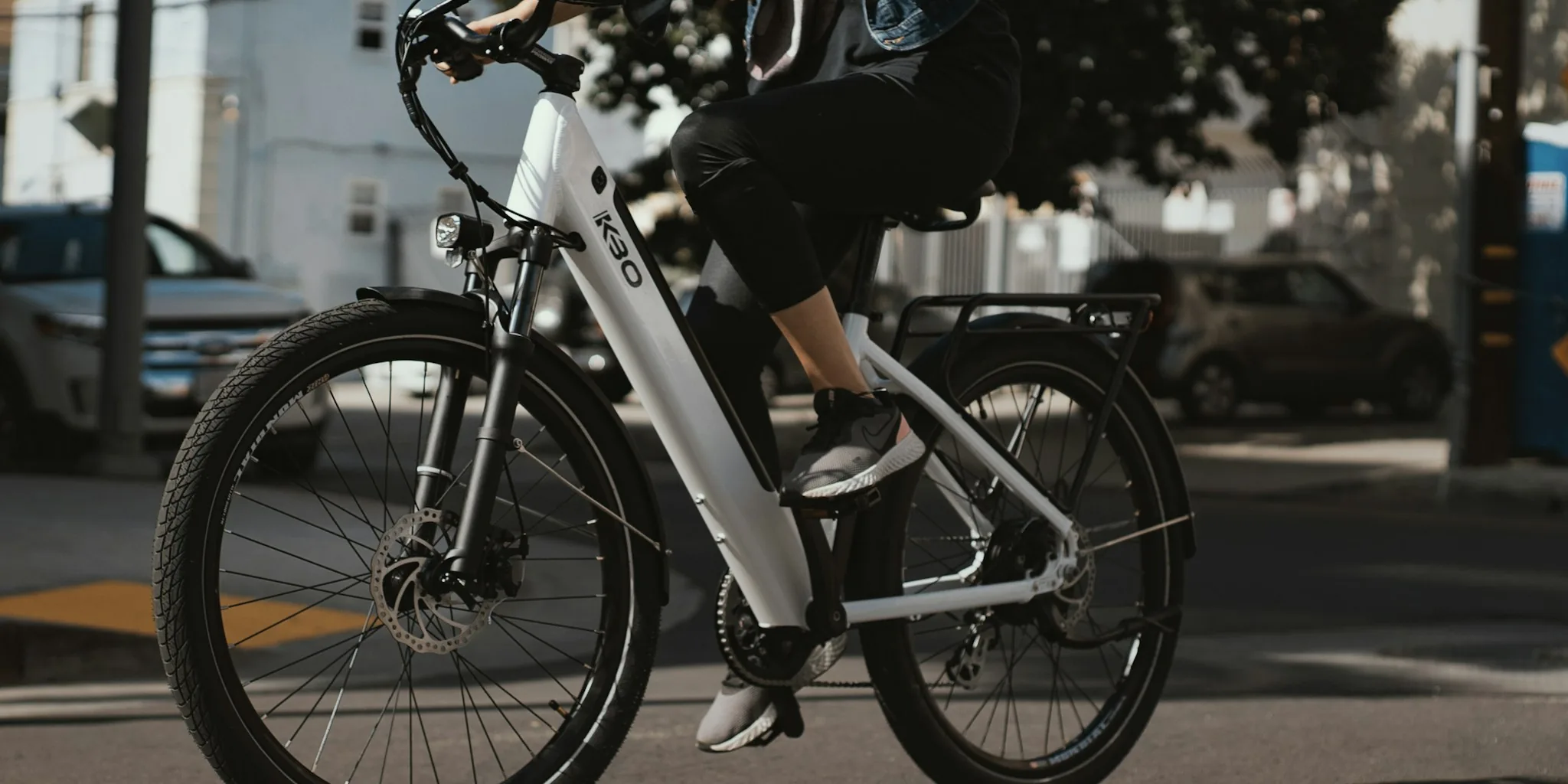
The emerging e-bike market continues to face production challenges. Also, a mobility startup that separated from Rivian, has announced a temporary halt to customer deliveries of its TM-B electric bike due to software and battery issues that are affecting early units. The pause comes after the company had already encountered multiple supply chain obstacles while attempting to bring one of the most technology-intensive bicycles to market.
What Went Wrong with the Also TM-B
Also identified critical problems with its pedal-by-wire e-bike that required immediate attention before continuing shipments. Customers who received early Launch Edition models reported serious battery malfunctions, including overnight drain rates that depleted batteries from 70 percent to 40 percent over just a couple of days without use. These parasitic power losses triggered error messages on the bike’s display, with many owners unable to recharge their batteries because the system failed to recognize the installed battery pack.
The company determined that software-related issues, particularly around charging behavior, were the root cause of these failures. Rather than continue shipping additional units while these problems persisted, Also elected to pause all customer deliveries and focus on developing a comprehensive firmware update. The company announced that it would provide another status update on November 24th regarding the revised delivery timeline.
Understanding the Supply Chain Layer
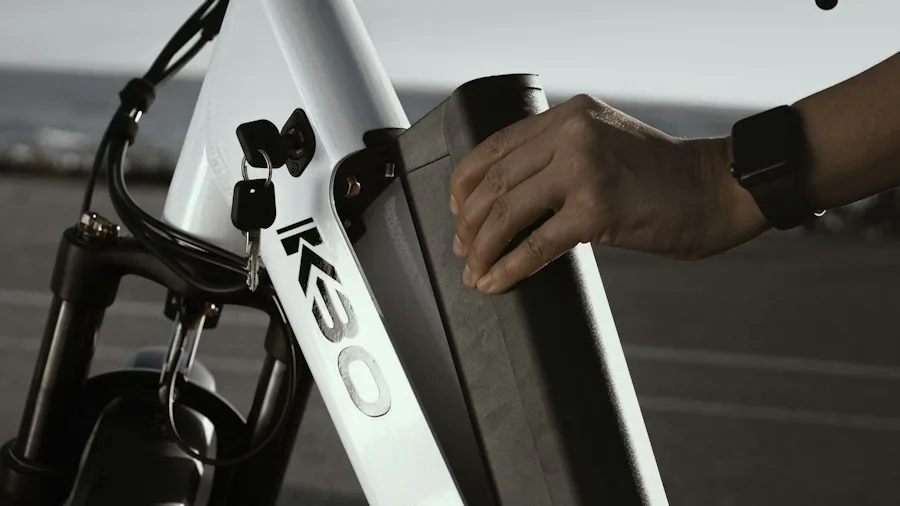
The delay reveals how complex supply chain issues affect consumers in the emerging mobility sector. Also has been struggling for months to deliver bikes to waiting customers, facing what company representatives described as numerous supply chain headaches. The fundamental challenge stems from the bike’s architectural design, which pushes the boundaries of what’s currently possible in electric bicycle manufacturing.
The TM-B utilizes USB-C rechargeable batteries available in two capacities: 538 watt-hours or 808 watt-hours, capable of supporting up to 100 miles of range per charge. However, the system’s 240-watt power delivery exceeds current regulatory safety standards, forcing Also to collaborate with industry standards organizations to establish new testing and safety protocols. This regulatory navigation significantly complicates the supply chain, as manufacturers must ensure compliance with evolving requirements before production can scale.
Beyond battery constraints, the bike’s pedal-by-wire mechanism removes any mechanical connection between pedaling and movement. Instead, riders operate a generator motor attached to the crank that replenishes battery power, while a separate rear-wheel traction motor controlled entirely by software drives movement through a Gates Carbon belt. This software-driven architecture requires extensive validation before deployment, adding another layer to production timelines.
What This Means for Shoppers Waiting for Deliveries
Customers who ordered Launch Edition bikes face extended wait periods beyond previously communicated delivery dates. Also acknowledged that this pause represents additional delays for buyers who have already experienced longer-than-expected waits. The company maintains that prioritizing software reliability over aggressive delivery schedules is the correct approach, ensuring that the product delivers the experience that customers expect when their bikes finally arrive.
For shoppers considering purchasing high-tech e-bikes, this situation illustrates the risks of early adoption in rapidly evolving product categories. When manufacturers attempt to introduce unprecedented technology features, supply chain disruptions and quality issues often emerge that weren’t apparent during initial development phases. Understanding the difference between first-generation products and refined versions helps buyers make informed purchase decisions.
The Broader Picture for E-Bike Innovation
Also’s president has stated that the company would make identical design choices if given the opportunity to revisit the TM-B from scratch. The company’s vision focuses on attracting consumers who have never seriously considered cycling or who abandoned the activity years ago. By addressing common objections such as theft concerns, maintenance burden, navigation limitations, and cargo capacity, Also designed an experience intended to rival the simplicity of stepping into an electric vehicle.
However, delivering such an ambitious product within realistic timeframes while maintaining quality standards remains extraordinarily difficult. The pause demonstrates that companies operating at the frontier of consumer technology often face unexpected obstacles once early production units reach customers. Real-world usage patterns frequently reveal issues that simulations and controlled environments cannot predict.
Shoppers should recognize that supply chain delays and quality issues are relatively common with first-generation products that incorporate significant technological innovation. While frustrating for customers waiting on deliveries, addressing software and hardware problems before widespread distribution typically results in better long-term satisfaction than rushing products to market with known defects. As the e-bike industry matures and manufacturing processes become more standardized, such disruptions should become less frequent.
About the author
Ava is REMOVU's laptop writer, balancing speed, battery life, and build quality against price across the whole range. She helps readers find the sweet spot as each new chip shifts what a dollar buys.