USB-C Dominance: What Shoppers Need to Know About the End of Proprietary Phone Chargers
Discover the bizarre phone charging ports manufacturers tried before USB-C unified everything.
 By Eleanor Garcia
Updated November 17, 2026
USB-C Dominance: What Shoppers Need to Know About the End of Proprietary Phone Chargers
For decades, buying a new phone meant potentially replacing your entire charging ecosystem. If you switched from one manufacturer to another, you’d need new cables, new wall adapters, and new accessories. This fragmentation created mountains of electronic waste and frustrated consumers worldwide. The rise of USB-C as a universal standard represents a seismic shift in how phones charge and connect, and understanding this transition matters if you’re shopping for devices today.
The Wild Years of Phone Charging
Before USB-C became the industry norm, manufacturers competed with bewildering array of proprietary connectors. Motorola introduced the 17-pin CE Bus connector in 2000, a bulky port that handled power, data, and audio simultaneously. This connector featured mechanical hooks to keep it secured and appeared on iconic clamshell models like the Motorola V60 and the first phone with iTunes support, the Motorola ROKR E1. As phones became thinner, however, manufacturers abandoned this oversized design.
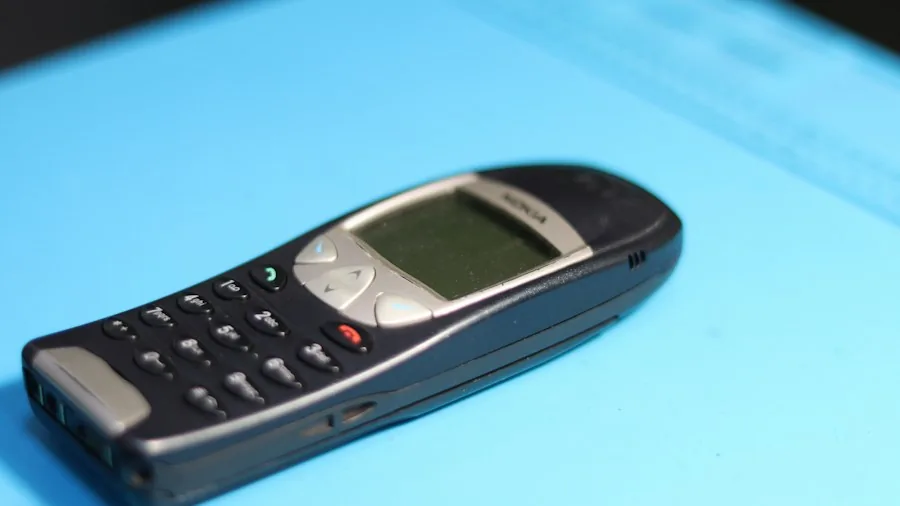
Nokia pursued its own approach with the Pop-Port connector, a 14-pin design built for external accessories including earphones and car kits. The Nokia 7210 from 2002 showcased this connector’s versatility, though its plastic clips deteriorated quickly with regular use. Many Nokia phones actually relied on separate barrel connectors for charging while using the Pop-Port for data and accessories. When Mini-USB became widespread, the Pop-Port disappeared into obscurity.
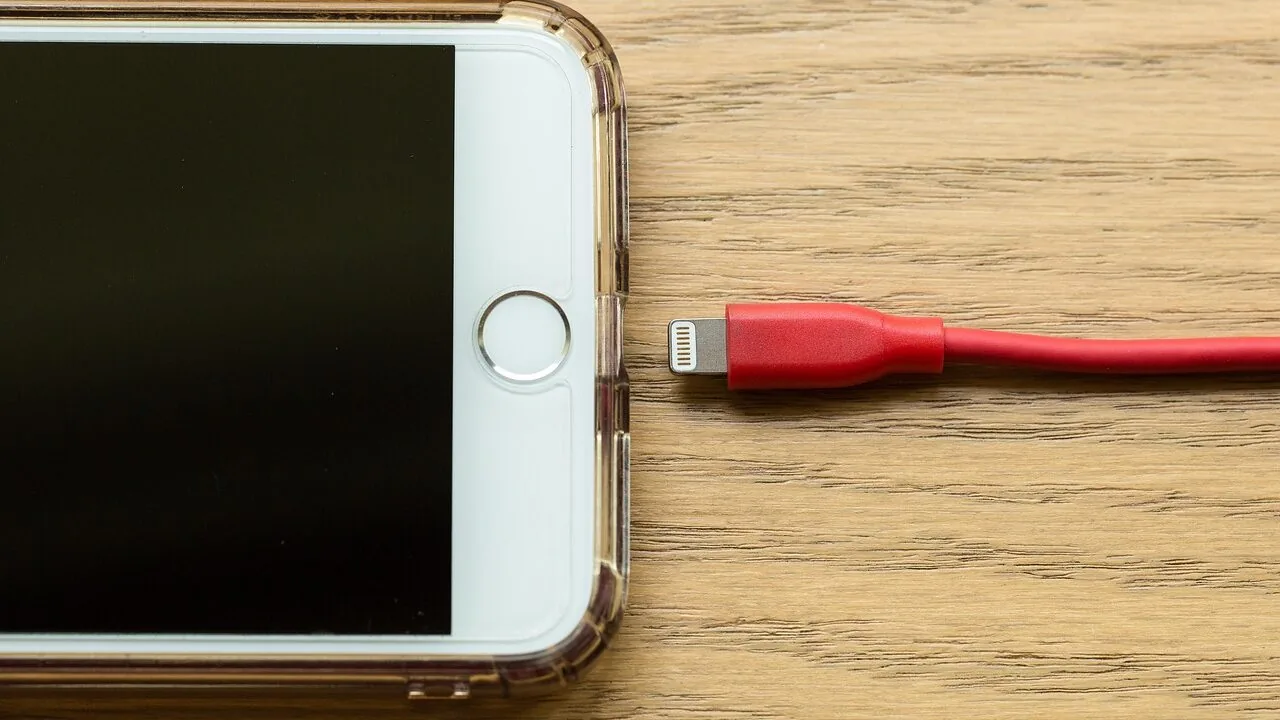
Apple took the proprietary route even further. The company’s flat, wide power connector debuted on the third-generation iPod in 2003 and later powered the original iPhone and iPad models. This design carried over to accessories like Bose’s SoundDock speaker system. Apple replaced this connector with the Lightning port in 2012, another proprietary standard that kept iPhone users locked into Apple’s ecosystem. Only recently, with the iPhone 15 lineup in 2023, did Apple finally embrace USB-C. The iPad Pro had already made this transition in 2018.
Unusual Designs That Didn’t Last
Sony Ericsson introduced the FastPort in 2005, a clunky 12-pin connector with double-sided plastic hooks that snapped into matching holes on the device. While this design could handle data, charging, and audio output, the flimsy construction meant that broken hooks rendered the entire port useless. The FastPort’s short five-year lifespan demonstrated that versatility alone couldn’t overcome poor engineering. By 2010, Micro-USB and a 3.5 mm audio jack replaced it.
HTC’s early Android phones featured the ExtUSB port, an 11-pin extended connector recognizable by its slanted corner. This design cleverly combined a standard 5-pin Mini-USB connection with extra pins for expanded functionality. Users could actually use regular Mini-USB chargers with ExtUSB ports, offering genuine backward compatibility that many other proprietary designs lacked. Despite this advantage, ExtUSB never gained widespread adoption outside HTC and Windows Mobile devices before the industry standardized on Micro-USB.
Why USB-C Changes Everything for Shoppers
The European Union’s mandate for USB-C as a universal charging standard sealed the fate of proprietary connectors. Unlike its predecessors, USB-C offers genuine advantages beyond mere standardization. The reversible design means you’ll never insert the cable incorrectly, eliminating a universal frustration. Data transfer speeds far exceed older ports, and USB-C delivers substantially more power for faster charging across devices ranging from phones to tablets to laptops.
For consumers, this standardization translates to tangible benefits. You can purchase quality USB-C docks that work across your entire device ecosystem rather than maintaining separate charging solutions for each manufacturer. When upgrading phones, you keep your existing cable collection instead of discarding perfectly functional chargers. This compatibility reduces electronic waste significantly compared to the chaotic years when every phone brand required its own connectors.
The transition also eliminated the licensing fee structure that Apple and other companies used with proprietary designs. Third-party manufacturers can now produce certified USB-C accessories without negotiating separate agreements, which increases competition and typically lowers prices for consumers.
Looking Forward
The shift toward USB-C represents the culmination of decades of technological evolution and regulatory pressure. What began as manufacturers pursuing individual technological visions eventually gave way to recognition that universal compatibility serves consumers far better than proprietary fragmentation. If you’re shopping for a new phone today, USB-C compatibility is no longer a premium feature but rather a baseline expectation.
Understanding this history helps you appreciate why USB-C represents genuine progress. The old connectors, while charming in retrospect, locked users into single-brand ecosystems and generated tremendous waste. Modern USB-C ports deliver faster charging, universal compatibility, and the confidence that your cables and accessories will work with virtually any phone you purchase next. That’s a transformation worth celebrating for anyone tired of the cable clutter that plagued the previous era of personal electronics.
About the author
Eleanor covers smartphones for REMOVU, balancing cameras, battery life, and software support against price. She helps readers find the best value as the field shifts with every release.