Rivian Rolls Out Autonomous Driving Feature: What You Need to Know Before Buying
Rivian launches hands-free driving feature in 2026, betting autonomy will drive customer demand and company survival against Tesla's dominance.
 By Ava Herrera
Updated October 30, 2026
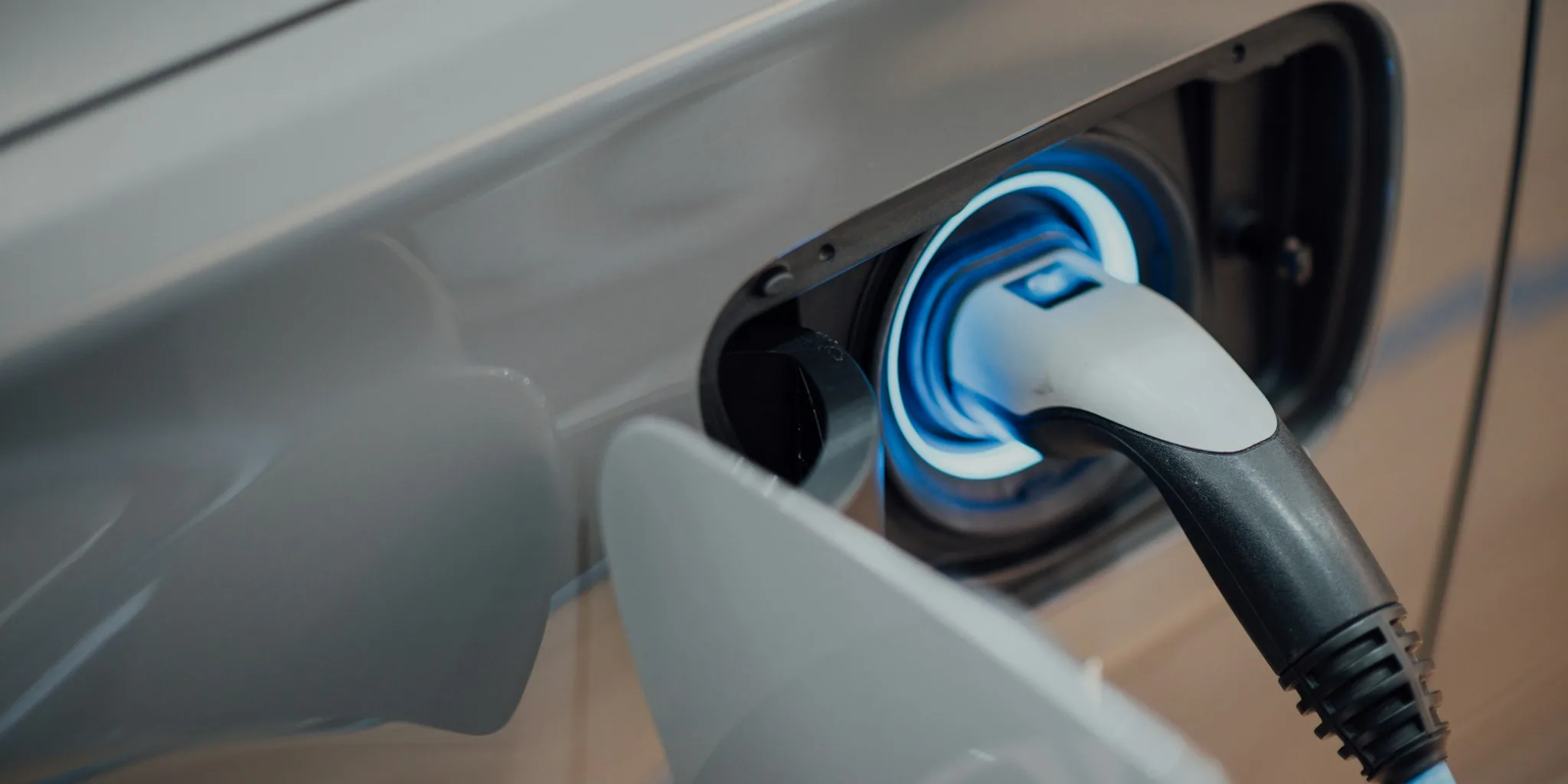
Rivian announced a major milestone in its push toward self-driving vehicles, rolling out a hands-free point-to-point driving feature that will reshape how the automaker competes in the autonomous vehicle space. The company plans to release this capability first to its own employees for real-world evaluation during 2026, followed by a broader customer launch in 2027. By 2028, Rivian intends to partner with Uber to deploy its first robotaxi fleet. For potential buyers, this roadmap signals both opportunity and uncertainty as the electric vehicle manufacturer gambles on autonomy as a core selling point.
During a recent earnings call, Rivian’s leadership spent considerable time discussing autonomous capabilities, sometimes overshadowing updates on the company’s mass-market R2 SUV. Finance Vice President Derek Mulvey stated clearly: “We believe autonomy is a primary product differentiator, market share driver, and long-term value creator.” This commitment reflects Rivian’s conviction that software-based features will drive customer demand and loyalty in ways traditional vehicle attributes cannot. The company sees autonomy not as a nice-to-have add-on but as essential to its long-term survival and profitability.
The stakes are extraordinarily high. Tesla already dominates the autonomous driving landscape with Full Self-Driving (Supervised) active in over 1.7 million vehicles across North America. Tesla’s adoption rate tells a compelling story: more than 75 percent of new vehicle buyers in the region chose the FSD package in the third quarter of 2026. Rivian must somehow convince customers to embrace its alternative while simultaneously building and scaling the R2 at volume. This dual challenge represents one of the riskiest bets in automotive history.
For shoppers considering a Rivian purchase, the autonomy question matters significantly. The company already collects software and subscription revenue, generating $605 million in Q3 2026 alone, a 45 percent year-over-year increase. More impressively, Rivian turned $256 million in profit from software services during that quarter, up $102 million from the prior year, with a robust 42 percent profit margin. These numbers suggest the company’s software strategy is gaining traction, even if adoption rates remain lower than Tesla’s.
CEO RJ Scaringe shared that he personally uses the autonomous driving system during his daily commute, describing it as “wonderful” and emphasizing its potential to drive demand. However, when asked about take rates for the Autonomy Plus subscription package, Scaringe remained vague, only stating that adoption “exceeded our expectations.” This reticence suggests Rivian may be protecting competitive information while managing investor expectations about how many buyers will actually pay for the feature.
The technology itself presents formidable challenges. Advanced autonomous systems demand powerful computing infrastructure, and Rivian is investing heavily in custom silicon chips, expensive lidar sensors, and massive AI computing capacity. These costs directly impact profit margins on the R2, the vehicle meant to drive Rivian’s profitability. Adding two processors and costly lidar to certain R2 models could substantially reduce the margins Rivian hoped to achieve through mass production. The company already flagged that computer chips, memory, and electronics costs are rising, squeezing available profit on affordable vehicles.
Urban driving environments present another layer of complexity. Edge cases, unpredictable pedestrian behavior, and infrastructure variability require autonomous systems to handle scenarios that occur infrequently but demand flawless responses. A single serious accident involving Rivian’s autonomous feature could damage brand reputation permanently, just as Tesla has experienced multiple times with FSD incidents. Even with active driver supervision requirements built into the system, Rivian will likely face legal challenges when accidents occur.
The financial runway matters enormously. Developing cutting-edge autonomous driving technology requires sustained investment in research and development that typically exceeds near-term revenue generation. Rivian must maintain investor confidence while burning capital on expensive AI systems and sensor networks. The company cannot afford to fall behind Tesla or Waymo in autonomous capabilities, yet the R&D costs threaten to overwhelm profits from software services.
Buyers interested in Rivian vehicles should understand that autonomy represents both an attraction and a risk. The potential for transformative autonomous features could make future Rivian purchases increasingly valuable as capabilities improve. Conversely, delays in delivering promised autonomy or technical failures could sour customer sentiment and impact resale value. Rivian’s next two years will prove decisive in determining whether the company can balance mass-market vehicle production with cutting-edge autonomous development, or whether attempting both simultaneously proves unsustainable.
The broader industry watches closely. Success in autonomous driving opens entirely new revenue streams beyond traditional vehicle sales, creating opportunities for software-company-style profit margins. However, Rivian’s path forward requires flawless execution across multiple fronts simultaneously, an extraordinarily difficult challenge in an industry where safety failures carry severe consequences. For consumers, this pivotal moment will determine whether Rivian remains a viable EV manufacturer or becomes an autonomous technology player struggling to compete against entrenched competitors.
About the author
Ava is REMOVU's laptop writer, balancing speed, battery life, and build quality against price across the whole range. She helps readers find the sweet spot as each new chip shifts what a dollar buys.