AI Data Center Expansion Squeezes Supply Chain and Drives Up PC Prices for Consumers
Why data center demand is making your next laptop more expensive than ever before.
 By Ava Herrera
Updated October 30, 2026

OpenAI’s aggressive purchasing strategy for computer memory components is reshaping global supply chains and directly impacting what shoppers pay for everyday electronics. In recent remarks, OpenAI CEO Sam Altman explained the reasoning behind the company’s massive acquisitions, shedding light on why memory shortages are expected to persist and affect consumer device pricing.
Why Cloud Computing Demands Dominate the Memory Market
The world’s supply of RAM, or dynamic random-access memory, is becoming increasingly concentrated in the hands of large cloud service operators and artificial intelligence companies. Samsung and SK Hynix, the two major memory manufacturers, have already committed to long-term contracts that reserve much of their production capacity over the coming years. These commitments prioritize data center infrastructure over consumer devices, fundamentally reshaping the supply chain landscape.
Altman’s perspective reveals a strategic calculation about resource allocation. He argues that from a global efficiency standpoint, concentrating memory in cloud infrastructure is preferable to distributing it across millions of personal computers and devices. The reasoning centers on utilization rates: while a typical personal computer might use its installed memory at only a fraction of its capacity, data center systems operate continuously at maximum demand. This efficiency argument has profound real-world consequences for shoppers navigating an increasingly expensive technology market.
What This Means for Your Next Device Purchase
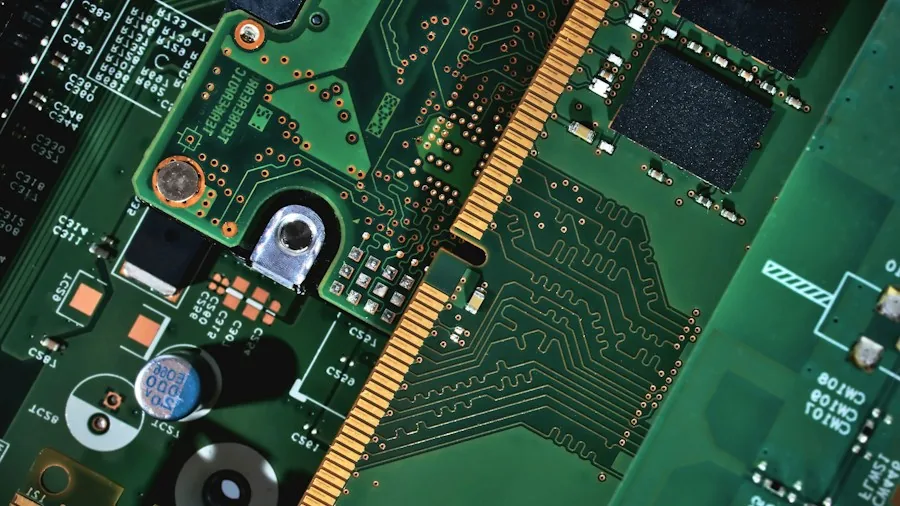
The supply chain dynamics Altman describes directly translate into higher prices at retail. Laptops, smartphones, tablets, and other consumer electronics require memory chips that are now in short supply relative to demand. When manufacturing capacity is reserved for data center projects, fewer chips become available for traditional consumer goods, driving prices upward across the board.
The situation extends to specialized computing devices as well. Professional development workstations and devices designed for creators and engineers face similar pressures as mainstream consumer electronics. Smart devices and connected home technology also depend on memory components, meaning even your household appliances may cost more than they would have in previous years.
Industry analysts expect this shortage to persist through at least 2028 according to recent forecasts from major manufacturers. SK Hynix has indicated that memory constraints could extend even further, potentially lasting through 2030. This extended timeline suggests that consumers should anticipate elevated pricing on memory-dependent products for years to come.
The Philosophy Behind Cloud Concentration
Altman’s comments reveal a deliberate strategy rather than an accidental shortage. Many technology enthusiasts assume that open-source artificial intelligence models running locally on personal devices will reduce the need for cloud infrastructure. However, Altman contends that this approach represents poor resource management on a global scale. If everyone maintained sufficient memory capacity locally, the world’s entire supply of these components would be sitting idle in millions of devices, utilized only a small fraction of the time.
This perspective highlights a tension between consumer preferences and efficient resource allocation. While many users prefer having AI capabilities available locally on their devices without cloud dependencies, the scale of global memory production simply cannot support both widespread local deployment and continued expansion of cloud infrastructure. The companies investing billions in data center projects have effectively determined the outcome through their purchasing commitments.
Supply Chain Effects Ripple Through Retail
The practical impact extends beyond memory-focused products. Storage solutions and network-attached devices often integrate memory components, experiencing similar price pressures. Graphics cards, processors with integrated memory systems, and specialized computing equipment all feel the effects of constrained supply chains.
For consumers planning technology purchases, understanding these supply chain dynamics helps explain price trends observed across the market. When manufacturers announce price increases for new product lines, supply constraints on memory components typically play a significant role. Retailers and manufacturers face genuine cost pressures rather than arbitrary pricing decisions.
What Shoppers Should Know Moving Forward
Several practical takeaways emerge from this supply chain reality. First, technology prices are unlikely to decrease substantially while memory remains constrained. Second, older device models may retain better value than they would in a normal market, since upgrading becomes less economically attractive. Third, consumers seeking affordable electronics might consider refurbished or previous-generation products that avoid the newest supply chain pressures.
The concentration of memory resources in cloud infrastructure represents a conscious choice by technology companies rather than an unavoidable natural disaster. Consumer electronics across categories will continue experiencing pricing effects as long as manufacturers prioritize data center expansion. Understanding this dynamic helps shoppers make informed decisions about when and what to purchase during this extended period of supply constraints.
About the author
Ava is REMOVU's laptop writer, balancing speed, battery life, and build quality against price across the whole range. She helps readers find the sweet spot as each new chip shifts what a dollar buys.