The 11 Best PC Cases
Airflow, aesthetics, and compatibility all hinge on which PC case you choose. These are the top-rated enclosures across every build type, from compact mid-towers to panoramic showcase rigs.
 By Clyde Spencer
Updated July 26, 2026
By Clyde Spencer
Updated July 26, 2026
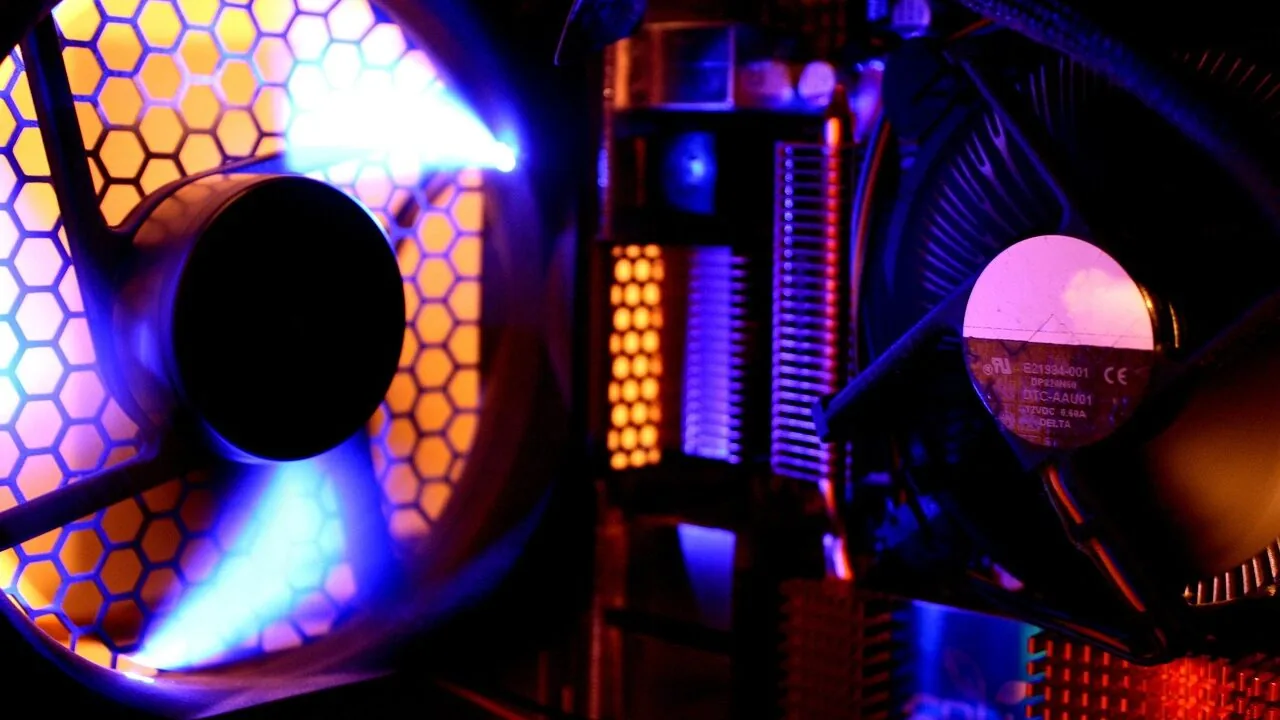
Choosing the right PC case shapes your build in more ways than most buyers expect.
It determines which components fit, how cool they run, how easy the build process feels, and whether the finished machine looks good sitting on your desk.
With everything from budget-friendly mid-towers to panoramic showcase chassis on the market, picking the wrong enclosure can mean cramped airflow, a frustrating cable management experience, or spending more than necessary on aesthetics you never actually wanted.
Getting this decision right from the start saves time, money, and a fair amount of frustration. Pair your case with the right motherboard and processor and the whole build comes together much more smoothly.
This guide covers the top PC cases across a range of budgets, form factors, and use cases, from straightforward first builds to high-airflow workstations and dual-chamber showcase rigs.
REMOVU assembled these picks by synthesizing manufacturer specifications, expert review consensus, and verified buyer feedback, then scoring each model on the REMOVU Score scale.
Whether you are planning a compact mid-tower build or a full-featured E-ATX system, the ranked list below is a solid starting point.
| Award | Product | REMOVU Score About REMOVU ScoreThe REMOVU Score is our own rating from 0 to 10, based on performance, design and build, ease of use, and value. It reflects independent research and is never influenced by manufacturers, retailers, or affiliate commissions. Learn more › | Price | |
|---|---|---|---|---|
 Corsair 7000D Airflow Full-Tower Case
|
8.6/10 | Buy | ||
| Best Premium |
 Corsair Air 5400 RS-R Triple-Chamber Mid-Tower Case
|
8.8/10 | Buy | |
| Best Budget |
 Corsair Frame 4000D RS ARGB Mid-Tower Case
|
8.2/10 | Buy | |
 NZXT H9 Flow RGB+ Dual-Chamber ATX Case
|
8.1/10 | Buy | ||
 Fractal Design North Mid Tower Case with Walnut Wood
|
7.2/10 | Buy | ||
 HYTE Y70 Mid-Tower ATX Case with Panoramic Glass
|
7.6/10 | Buy | ||
| Best Value |
 Lian Li O11D EVO RGB E-ATX Dual Chamber Case
|
7.5/10 | Buy | |
 ASUS TUF Gaming GT501 Mid-Tower Case
|
7.2/10 | Buy | ||
 NZXT H5 Flow Mid-Tower ATX Case
|
7.8/10 | Buy | ||
 Lian Li Vector V100 ATX Mid-Tower Case
|
7.4/10 | Buy | ||
| Best Overall |
 Lian Li LANCOOL 217 ATX Mid-Tower Case with 5 Fans
|
9.8/10 | Buy |
Corsair 7000D Airflow Full-Tower Case
A spacious full-tower case designed for high-performance builds with serious cooling ambitions. The optimized steel front panel and included 140mm fans deliver strong airflow, while the RapidRoute cable management system keeps the interior organized. Best suited for builders planning multiple radiators or extensive cooling solutions.
Pros
- Exceptional cooling capacity supports up to three 360mm radiators or extensive fan configurations for custom loops
- High-airflow front panel design maximizes intake with anti-vortex fan technology for concentrated cooling
- Thoughtful cable management via RapidRoute system with 30mm rear space keeps builds clean and accessible
- Tempered glass side panel and customizable PSU shroud with vertical GPU mount provide good aesthetics
- Generous interior accommodates up to ten storage drives and offers flexible mounting options
Cons
- Full-tower size demands significant desk or floor space, making it impractical for compact setups
- Steep learning curve for first-time builders despite cable management features due to sheer internal complexity
- Premium positioning means higher cost compared to mid-tower alternatives with similar cooling performance
Corsair Air 5400 RS-R Triple-Chamber Mid-Tower Case
Corsair's triple-chamber design isolates CPU, GPU, and PSU cooling into separate compartments, reducing thermal interference and enabling quieter operation. The wraparound panoramic glass and included reverse-rotor RGB fans create a visually striking build, while optimized airflow ducts enhance cooling efficiency without requiring aggressive fan speeds. Best suited for enthusiasts prioritizing both thermal performance and aesthetics in a premium mid-tower.
Pros
- Triple-chamber isolation keeps CPU heat separate from main components, improving overall thermals
- Integrated airflow ducts accelerate velocity through narrow channels for better cooling at lower noise levels
- Panoramic wraparound glass design offers exceptional visibility of internal components and RGB lighting
- Dedicated 360mm radiator chamber front-mounted for optimized liquid cooling setup
- Reverse-rotor RGB fans included with unobstructed lighting display
Cons
- Premium positioning means higher cost than traditional dual-chamber designs
- Triple-chamber layout reduces usable space in each section, limiting GPU length and storage flexibility
- No detailed specifications provided for dimensions, fan mounting options, or radiator compatibility beyond 360mm
Corsair Frame 4000D RS ARGB Mid-Tower Case
A modular mid-tower case built around customization, featuring the InfiniRail mounting system that lets you position fans flexibly and three pre-installed RS ARGB fans for solid airflow. The frame-based design means you can swap components like the motherboard tray or I/O panel as your build evolves, though this modularity comes at the cost of a less traditional setup experience.
Pros
- Modular FRAME system allows upgrading and swapping internal components without replacing the entire case
- InfiniRail mounting offers flexible fan placement with support for dual 360mm radiators
- Three pre-installed RS ARGB fans with daisy-chainable connectors and Zero RPM mode for quiet operation
- 3D Y-Pattern airflow panel optimizes cooling efficiency with minimal air restriction
- Supports next-gen high-end GPUs (430mm length, 158mm width with 90° cables)
Cons
- Modular design may require learning curve compared to conventional case builds
- Limited motherboard compatibility due to frame-specific mounting requirements
- Higher cost compared to standard mid-tower alternatives at this capacity level
NZXT H9 Flow RGB+ Dual-Chamber ATX Case
A premium ATX case built around thermal efficiency and clean aesthetics through its dual-chamber design, which isolates power supplies and storage from main components. Ships with seven pre-installed RGB fans and an NZXT Control Hub for immediate lighting sync via CAM software, making it ideal for builders prioritizing both cooling performance and visual appeal without extra fan purchases.
Pros
- Dual-chamber layout significantly improves thermal performance and cable management by separating PSU/drives from main components
- Comes fully RGB-equipped with seven fans and Control Hub pre-installed, eliminating the need for additional purchases for color coordination
- Supports extensive cooling options including up to 420mm radiators on top and front-right, plus nine 140mm fan capacity
- Seamless wraparound tempered glass paneling provides panoramic view of the entire build
- Excellent cable management with extra-wide channels, Velcro straps, and back-connect motherboard compatibility (ASUS BTF, MSI Project Zero)
Cons
- Premium positioning means higher cost compared to standard single-chamber ATX cases with similar capacity
- Dual-chamber design trades some internal volume flexibility, potentially limiting component placement options in certain build scenarios
- Requires CAM software for full RGB synchronization, adding a software dependency for lighting control
Fractal Design North Mid Tower Case with Walnut Wood
A Scandinavian-designed mid tower that prioritizes aesthetics alongside cooling performance, featuring sustainably sourced walnut or oak wood panels paired with brass accents. The case accommodates ATX, mATX, and ITX builds with an intuitive interior layout and includes two 140mm PWM fans out of the box. Best suited for builders who want their PC to complement modern living spaces rather than dominate them.
Pros
- Natural wood front panels (walnut or oak) create a distinctive, furniture-quality appearance that integrates into home decor
- Fine-patterned mesh ventilation combined with open front design balances airflow with visual appeal
- Tempered glass side panel offers clear component visibility with scratch resistance
- Includes two 140mm Aspect PWM fans, reducing initial build costs
- Flexible motherboard support (ATX, mATX, ITX) with seven bridgeless expansion slots and generous GPU clearance (355mm standard, 300mm with 360mm radiator)
Cons
- Premium materials and Scandinavian design positioning suggest higher pricing than standard mid towers
- Wood panels require care to maintain appearance and may not suit all aesthetic preferences
- Limited information on cable management solutions relative to conventional gaming cases
HYTE Y70 Mid-Tower ATX Case with Panoramic Glass
A dual-chamber mid-tower designed for builders who want both visual impact and cooling flexibility. The Y70 prioritizes GPU showcase with 4-slot vertical mounting and a luxury PCIe 4.0 riser, while its 10-fan capacity and modular radiator support appeal to enthusiasts planning serious thermal setups. The panoramic glass front and available colorways make hardware visibility the design centerpiece.
Pros
- Exceptional cooling capacity with support for up to 10 fans, dual 360mm radiators, and dedicated cold floor intake for GPUs
- Premium build quality with tool-less panels, seamless cable management space in rear chamber, and thoughtful details like reusable Velcro straps and floating storage sleds
- Stunning visual presentation through 3-piece panoramic glass and 4 colorway options with included color-matched PCIe 4.0 riser
- Generous 180mm+ side glass clearance and flexible mounting options for both air and liquid cooling configurations
- High user satisfaction with 4.8-star rating across 500+ verified reviews
Cons
- Dual-chamber layout and extensive cooling options add complexity that may overwhelm first-time builders
- Premium aesthetic focus and feature set position it toward enthusiast segment rather than budget builds
- Large form factor and cooling capacity requirements mean it's not ideal for compact desk setups or minimalist builds
Lian Li O11D EVO RGB E-ATX Dual Chamber Case
A spacious dual-chamber gaming case built around an unobstructed interior view, thanks to its removable front pillar design. The O11D EVO accommodates large graphics cards and radiators while offering flexible motherboard mounting heights and integrated RGB lighting strips. Best suited for enthusiasts prioritizing aesthetics and component visibility alongside performance cooling.
Pros
- Seamless tempered glass view with removable front support pillar maintains structural integrity
- Generous 455.7mm graphics card clearance and seven expansion slots for high-end hardware
- Two built-in RGB strips with customizable lighting and multiple control options
- Flexible motherboard installation at two height levels for optimized fan and cooler configurations
- Comprehensive cable management with Velcro straps, dual-layered clips, and recessed PSU bracket
Cons
- Larger footprint and dual-chamber layout may not suit compact desk setups
- Requires careful planning during initial build due to multiple configuration options
- RGB lighting control complexity may overwhelm first-time builders despite overall ease of assembly
ASUS TUF Gaming GT501 Mid-Tower Case
A spacious mid-tower designed for builders who prioritize cooling flexibility and component visibility. The smoked tempered glass panel, pre-installed RGB fans, and support for dual 360mm radiators make it well-suited for high-end gaming builds or custom water-cooling setups. Magnetic dust filters and integrated cable management keep maintenance straightforward.
Pros
- Exceptional cooling capacity with seven fan mounting points and support for two 360mm radiators plus rear 140mm radiator
- Full-height smoked tempered glass side panel hinged at bottom for easy access and clear component showcase
- Pre-installed RGB fans with Aura Sync compatibility for synchronized lighting across compatible components
- Robust build quality with up to 1.5mm galvanized steel and scratch-resistant coating, rated to support 30kg weight
- User-friendly cable management with pre-drilled grommet holes, Velcro wraps, and removable PSU shroud
Cons
- Mid-tower size may be tight for extreme custom water-cooling loops with multiple large radiators and reservoirs
- RGB fan functionality requires Aura Sync-compatible motherboard to achieve full lighting synchronization
- Tempered glass panel adds weight and requires careful handling during transport despite reinforced cotton handles
NZXT H5 Flow Mid-Tower ATX Case
A compact mid-tower built for builders prioritizing airflow and expandability. The dual 120mm pre-installed fans and perforated PSU shroud deliver solid cooling out of the box, while support for up to 360mm front and 240mm top radiators opens the door to liquid cooling upgrades. Ultra-fine mesh panels across top, front, and sides balance intake with dust filtration.
Pros
- Two 120mm fans pre-installed for immediate use without additional purchase
- Generous radiator support (360mm front, 240mm top) enables future liquid cooling builds
- Perforated PSU shroud optimizes GPU airflow intake
- Ultra-fine mesh design across multiple panels maximizes airflow while filtering dust
- Wide cable management channels and straps simplify routing and concealment
Cons
- Compact mid-tower form factor limits drive bays and expansion slots compared to full-size cases
- Additional 120mm fans required for optimal two-fan intake setup (not included)
- Limited internal space may challenge cable management with certain motherboard layouts or large power supplies
Lian Li Vector V100 ATX Mid-Tower Case
A spacious mid-tower designed for high-end builds, the Vector V100 ships with four pre-installed ARGB fans and an integrated LED strip for straightforward lighting setup. It accommodates large GPUs up to 420mm and 360mm radiators, making it well-suited for enthusiasts balancing performance cooling with aesthetic customization.
Pros
- Four pre-installed 120mm ARGB PWM fans with daisy-chain connectivity eliminate extra fan purchases and simplify initial setup
- Tool-less side panels enable quick internal access without tools, streamlining component installation and maintenance
- Supports GPUs up to 420mm and 360mm top-mounted radiators, offering flexibility for high-end cooling and graphics hardware
- Integrated 26-LED ARGB strip with full spectrum control and motherboard software sync enhances visibility and aesthetics
- Broad motherboard compatibility including ATX, Micro-ATX, Mini-ITX, and back-connect layouts for flexible build options
Cons
- Pre-installed fans operate at 26.5-30.8 dB at max speed, which may be audible during heavy workloads in quiet environments
- Requires motherboard with PWM and ARGB headers for full fan and lighting control; non-RGB motherboards cannot synchronize aesthetics
Lian Li LANCOOL 217 ATX Mid-Tower Case with 5 Fans
This mid-tower case combines practical cooling performance with distinctive wood panel aesthetics. Five pre-installed fans handle airflow across CPU and GPU workloads, while toolless fan mounting and dual PSU configurations offer flexibility for different build layouts. Best suited for builders who want solid thermals without sacrificing visual appeal.
Pros
- Five pre-installed fans provide out-of-box cooling capability for both CPU and GPU-focused setups
- Adjustable fan positioning allows 170mm front fans to shift into CPU-optimized mode when needed
- Genuine wood accents in walnut or beech finishes differentiate the aesthetic from standard cases
- Dual PSU mounting orientations and back-connect motherboard support simplify cable management
- Dual power buttons accommodate different desk placement scenarios
Cons
- Real wood panels may require more careful handling and maintenance compared to all-metal designs
- Five pre-installed fans add cost but may be unnecessary for users with existing cooling solutions
- Limited specification details available regarding maximum GPU length, drive bays, and exact interior dimensions
PC Cases Buying Guide
Buying a PC case is not as simple as picking the one that looks best in a render. The enclosure you choose affects thermal performance, component compatibility, cable management options, and long-term build flexibility.
The subsections below break down the criteria that matter most, drawn from the same specifications and expert consensus framework used to score every product in this list.
Form Factor and Motherboard Compatibility

Before anything else, confirm that the case supports your motherboard’s form factor. ATX is the most common standard and is supported by virtually every mid-tower and full-tower case on this list.
If you are building on an E-ATX or larger board, you will need a case that explicitly lists E-ATX support, such as the ASUS TUF Gaming GT501 or the Lian Li O11D EVO RGB.
Conversely, if you want a smaller footprint, a compact ATX mid-tower like the NZXT H5 Flow keeps the build manageable without sacrificing standard ATX compatibility.
Dual-chamber designs, where the power supply and cable runs sit behind a separate partition from the main components, have become increasingly popular because they clean up the interior view dramatically.
Models like the NZXT H9 Flow RGB+ and the Hyte Y70 use this layout to great effect. The tradeoff is that dual-chamber cases tend to be physically larger, so measure your desk or tower space before committing.
Reversal-ready motherboard mounting, sometimes called reverse-connector or back-connect compatibility, is a newer feature showing up in higher-end cases.
The Lian Li LANCOOL 217 and the CORSAIR 4000D RS both support this layout, which routes nearly all GPU and CPU power cables through the back of the motherboard tray for an extremely clean front-panel view.
Airflow and Thermal Performance
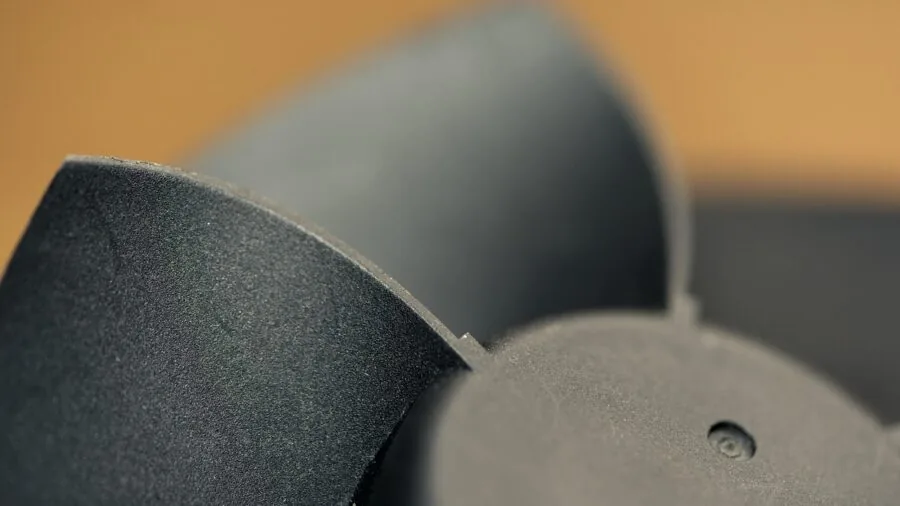
Airflow design is arguably the single most important performance variable in a PC case, especially as modern graphics cards and processors generate more heat per cycle than ever before.
Cases with high-airflow front panels, mesh side intakes, or dedicated ventilation channels move significantly more cool air over components than solid-panel designs with the same number of fans.
The CORSAIR 7000D Airflow earns its name with a perforated front panel and room for multiple 140mm intake fans, making it a consistent recommendation in thermal-focused builds.
A CPU cooler that relies on strong case airflow will perform noticeably better in a well-ventilated enclosure. Pay attention to the maximum radiator size the case supports as well.
Cases like the Lian Li O11D EVO RGB support radiators up to 420mm, giving custom loop and all-in-one liquid cooler users serious flexibility.
Fan count matters, but fan placement matters more. Look for cases with intake positions at the front and bottom and exhaust positions at the rear and top.
Many cases on this list come with pre-installed fans, which saves immediate cost and ensures the included fans are sized appropriately for the mounting positions.
Cable Management and Build Experience
A case with poor cable routing provisions can turn an otherwise straightforward build into a time-consuming exercise in frustration.
Look for wide cable routing channels behind the motherboard tray, sufficient tie-down points or velcro straps, and a PSU shroud that hides the lower cable bundle from view.
The CORSAIR 4000D RS takes this further with its InfiniRail mounting system and ASUS BTF, MSI Zero, and Gigabyte Stealth compatibility, meaning the rear cable routing works natively with back-connect motherboard ecosystems.
Check the clearance behind the motherboard tray before buying. Budget cases sometimes allocate only a narrow gap for cables, which makes routing thick power cables difficult.
Higher-end cases like the CORSAIR 7000D Airflow and the Lian Li LANCOOL 217 provide generous behind-the-tray space and multiple grommeted pass-throughs.
If you are installing high-capacity solid state drives or multiple hard drives, also check how many storage bays and tool-free trays the case offers.
Tempered Glass and Aesthetics

Tempered glass side panels have become the default expectation for mid-range and premium cases. They allow a clear view of internal components and RGB lighting without meaningfully compromising structural rigidity.
The key distinction to look for is whether the glass is a true full-panel design or a partial window.
Cases like the Hyte Y70 and the CORSAIR AIR 5400 RS-R take this further with panoramic glass that wraps around the front and side, giving the build a showcase-quality appearance from multiple viewing angles.
Smoked or tinted glass, as seen on the ASUS TUF Gaming GT501, reduces glare and gives the interior a more subdued aesthetic. Clear glass shows off RGB lighting and component colors more vividly.
If aesthetics are a priority, also check whether the case uses tool-free glass retention or screw-in thumbscrews, since the former makes cleaning far more convenient.
Natural material accents, such as the genuine walnut wood front panel on the Fractal Design North and the Lian Li LANCOOL 217, have become a notable differentiator for buyers who want a less aggressive, more living-room-friendly look.
Front Panel I/O and Connectivity
Modern builds benefit from a front panel that includes at minimum one USB 3.0 Type-A port and one USB-C port. The USB-C front panel connector requires a corresponding header on the motherboard, so verify compatibility before purchasing.
Cases like the Fractal Design North, the Hyte Y70, and the NZXT H9 Flow RGB+ include USB-C front I/O as standard, which matters increasingly as peripherals move toward that connector standard.
Audio jacks, fan and lighting hubs, and reset buttons are secondary but worth checking. Some enthusiast cases include integrated fan controllers or RGB sync hubs that simplify wiring significantly.
The NZXT H9 Flow RGB+ ships with a NZXT Control Hub pre-installed, which consolidates fan headers and RGB connections into a single CAM-compatible device.
For builders who pair their rig with a 32GB RAM kit and plan to run the system at maximum capacity, having clean I/O management from day one reduces headaches later.
GPU Clearance and Future-Proofing

Modern high-end graphics cards have grown dramatically in length and thickness. Before buying a case, check its maximum GPU clearance specification against your current card or the card you plan to upgrade to.
Several cases in this list, including the Lian Li Vector V100, support GPUs up to 420mm in length, which covers virtually all current flagship cards.
The Vector V100 also includes a GPU bracket to prevent GPU sag, a practical detail on builds using heavier three-fan cards.
PCIe riser cable support is another forward-looking feature. Vertical GPU mounting, which positions the card facing the tempered glass panel, is a popular aesthetic choice but requires a riser cable.
The Hyte Y70 includes a Luxury PCIe 4.0 riser cable in the box, removing an extra purchase from the build list.
Consider also how many PCIe expansion slots the case provides, since some compact cases limit you to standard two-slot arrangements while full-towers offer room for add-in capture cards or networking cards alongside the GPU.
Why You Should Trust Us
REMOVU is an independent review platform with no brand affiliations or manufacturer sponsorships.
Every product in this list was scored using the REMOVU Score, a consistent 0 to 10 rating scale applied across a structured set of criteria including airflow design, build quality, component compatibility, cable management, I/O provisions, and overall value.
We do not conduct our own product trials; our evaluations are grounded in research, published data, expert review consensus, and verified buyer feedback.
Our research process for PC cases draws on manufacturer-published specifications, comparative analysis from the broader expert review community, and aggregated feedback from verified purchasers who have built with these enclosures in real-world conditions.
This multi-source approach allows us to surface consistent strengths and weaknesses that a single perspective would miss. Scores reflect overall quality across the criteria above, not marketing claims.
REMOVU may earn a commission when you purchase through links in this article. That affiliate relationship has no bearing on our scores, rankings, or recommendations. Products are ranked by REMOVU Score, not by commission rate.
We do not sell products, handle orders, or provide warranty support. For purchase and post-sale assistance, contact the retailer or manufacturer directly.
Final Thoughts
The PC case market in 2026 offers genuinely strong options at every price tier.
Whether you are building your first mid-tower on a modest budget or assembling a showcase dual-chamber rig with panoramic glass and full RGB synchronization, there is a well-engineered enclosure on this list that fits the brief.
Below are the standout picks by category, each one linked directly for quick reference.
- Best Overall: Lian Li LANCOOL 217 earns the top REMOVU Score in this roundup by combining back-connect motherboard readiness, genuine walnut wood panel accents, five pre-installed PWM fans, and flexible PSU mounting into a package that performs as well as it looks.
- Best Full-Tower for Enthusiast Builds: CORSAIR 7000D Airflow remains a benchmark-level full-tower, with its high-airflow front panel, spacious interior, and excellent cable management provisions earning it one of the highest scores in the group.
- Best Panoramic Showcase Case: CORSAIR AIR 5400 RS-R ARGB stands out with its triple-chamber layout, reverse-rotor ARGB fans, and wraparound panoramic design, making it the strongest choice for builders who want maximum visual impact alongside genuine airflow.
- Best Mid-Range Modular Pick: CORSAIR 4000D RS ARGB Frame delivers a high REMOVU Score relative to its mid-range price point, thanks to its InfiniRail system, three pre-installed RS fans, and broad back-connect motherboard compatibility.
- Best for Natural Aesthetics: Fractal Design North offers a distinctive walnut wood front panel, clean Scandinavian styling, and solid ATX airflow in a package that looks equally at home in a home office as it does in a dedicated gaming setup.
For builders assembling a full system, it is worth thinking through every component layer alongside the case.
A well-matched PC component combination, from RAM to storage to GPU, performs better when housed in an enclosure that was chosen with the same care.
If you are still finalizing the rest of the build, our guides to RAM and graphics cards are good next steps.
Frequently Asked Questions
What size PC case do I actually need?
The answer starts with your motherboard. ATX boards fit in standard mid-towers and full-towers. E-ATX boards need a case that explicitly supports that larger footprint.
Micro-ATX and Mini-ITX boards can fit in smaller cases, though many builders still use mid-towers with those boards for better airflow headroom and future upgrade flexibility. If you are uncertain, an ATX mid-tower is the safest universal choice.
Do PC cases come with fans, or do I need to buy them separately?
Most mid-range and premium cases include at least one or two pre-installed fans, and several on this list ship with three to seven fans.
The Lian Li LANCOOL 217 includes five pre-installed PWM fans, while the NZXT H9 Flow RGB+ includes seven RGB fans with a control hub.
Budget cases like the NZXT H5 Flow typically include two 120mm fans, which is sufficient for a basic build but may warrant additional fans for high-TDP components. Always check the included fan spec before budgeting for extras.
Is airflow or aesthetics more important when choosing a PC case?
For most builders, the good news is that you do not have to choose. Several cases on this list, including the CORSAIR AIR 5400 RS-R and the Lian Li LANCOOL 217, deliver both strong thermal management and compelling visual design.
Where a genuine tradeoff exists is in panoramic or all-glass designs, which can restrict intake airflow if not engineered carefully.
The best approach is to prioritize a case that has been specifically engineered for both goals rather than treating one as an afterthought.
What is a dual-chamber PC case and should I buy one?
A dual-chamber case separates the PSU and cabling into a hidden secondary compartment behind or below the motherboard tray, leaving the main chamber visually clean. This design makes for a much more presentable build with minimal effort on cable management.
The NZXT H9 Flow RGB+ and the Hyte Y70 are dual-chamber examples in this list. The main consideration is physical size: dual-chamber cases are typically wider or deeper than traditional layouts.
If desk space is limited, a well-designed single-chamber case with a PSU shroud achieves a similar aesthetic at a more compact footprint.
Does the PC case affect gaming performance?
Indirectly, yes. A case with poor airflow allows components to run hotter, which triggers thermal throttling on both the CPU and GPU under sustained load. This can reduce frame rates and increase system instability in long gaming sessions.
A well-ventilated case keeps thermals in check, allowing your components to sustain their rated boost clocks.
This is especially relevant when pairing a high-end GPU with a gaming headset and a demanding display, since consistent frame delivery matters more than raw peak performance in most real-world gaming scenarios.
Can I use any power supply in any PC case?
Most modern PC cases support standard ATX PSU dimensions, but maximum PSU length can vary. Some compact cases impose length restrictions that may exclude longer modular units.
Check the case specifications for PSU clearance, particularly if you are using a high-wattage fully modular unit. Cases like the Lian Li LANCOOL 217 offer flexible PSU mounting options that accommodate a wider range of unit sizes.
Our power supplies guide covers what to look for when matching a PSU to your case and build requirements.
About the author
Clyde covers wireless mice for REMOVU, weighing comfort, precision, and battery life for work and productivity. He helps readers find a mouse that fits their hand and their desk.