7 Tips for Choosing Safe Fast Charging Cables and Connectors
Magnetic USB-C cables sound appealing but come with hidden risks. Here's what you need to know before choosing your next charging solution.
 By Adrian Rogers
Updated October 30, 2026
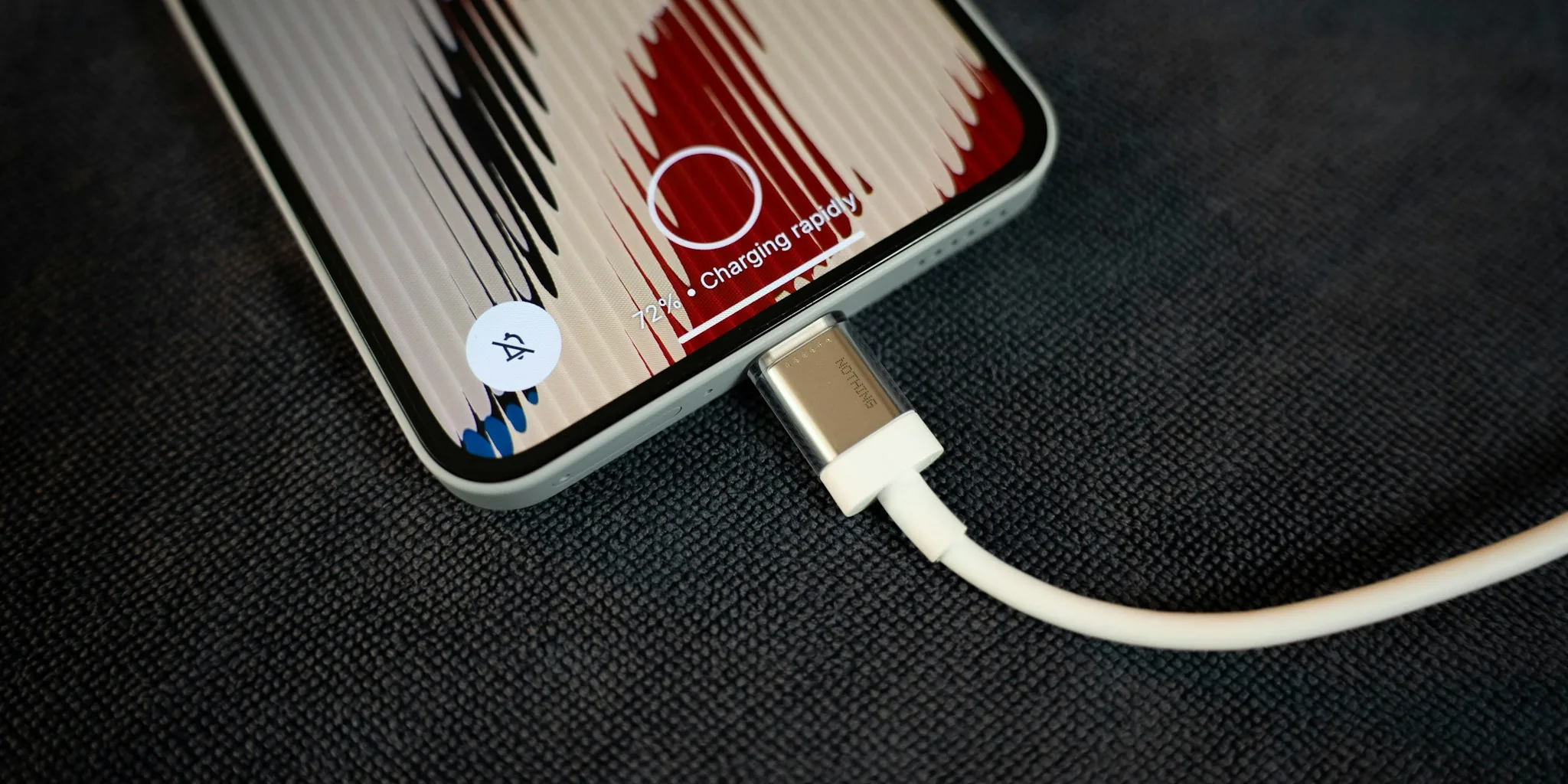
Fast charging has become an essential feature for smartphones and devices, but the cables you use matter just as much as the charger itself. With magnetic USB-C cables and other aftermarket charging solutions flooding the market, it’s crucial to understand what makes a charging cable safe and reliable. This guide walks you through the key considerations when selecting fast charging accessories, helping you protect your device while enjoying speedy power delivery.
Understand the Risks of Aftermarket Magnetic Connectors
Magnetic USB-C cables sound appealing in theory. They offer the convenience of snap-on, snap-off charging similar to Apple’s MagSafe system found on laptops. However, there’s a critical difference: integrated magnetic systems built into a device during manufacturing are engineered and validated as part of the overall design. Aftermarket magnetic connectors retrofitted onto standard USB-C ports operate without that factory oversight.
The primary concern involves ferrous materials accumulating on magnetic connectors. Because magnets attract metal particles and conductive debris, these foreign materials can collect on the connector over time. This accumulation raises the risk of short circuits when power flows through the connector. While widespread failure reports remain limited, the potential for damage exists, and it’s something you should weigh when deciding between conventional and magnetic charging solutions.
Know How USB-C Power Can Cause Device Damage
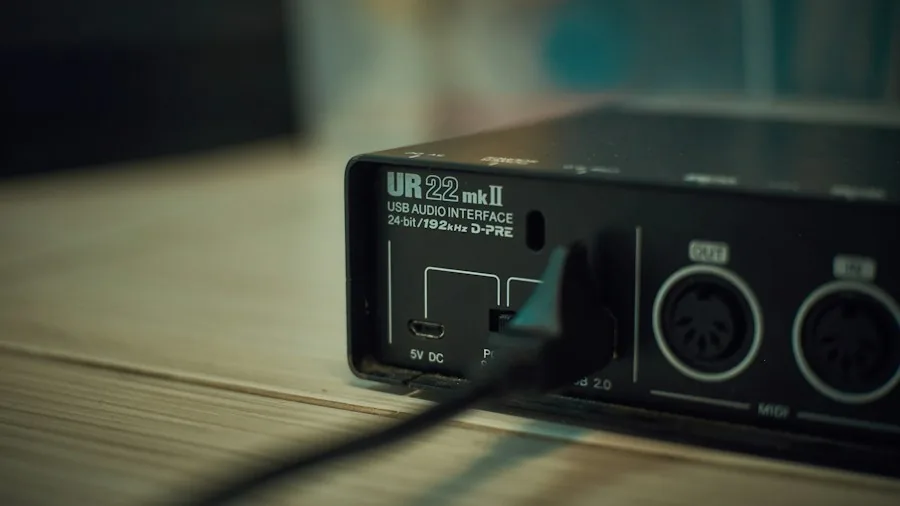
USB-C connectors pack numerous pins into a compact space, creating inherent vulnerability to electrical faults. According to electrical engineering standards, even slight damage to a connector or inserting a plug at an improper angle can create a short circuit between power-carrying wires and data lines. Modern fast charging systems deliver up to 100 watts of power through these same connectors. If power reaches a data pin instead of its intended destination, the surge can permanently damage sensitive phone circuitry.
This risk applies to all USB-C cables, not just magnetic ones. However, adding magnetic components to this already complex connector design introduces additional points where problems could occur. Cheap or poorly manufactured cables without proper certification only amplify these dangers.
Verify Safety Features and Certifications
When evaluating any fast charging cable, prioritize those that explicitly mention short-circuit protection and other safety mechanisms. Reputable manufacturers clearly list these protections in their product specifications. If a cable manufacturer makes no mention of safety features designed to prevent electrical faults, that absence should raise concerns about its reliability.
Look for cables that meet recognized safety standards and certification requirements. Just as Apple historically maintained strict standards for third-party Lightning cables, modern fast charging requires cables that have undergone formal evaluation. Buying the cheapest cable available for a device worth hundreds of dollars is penny-wise and pound-foolish.
Consider Your Actual Charging Habits
Evaluate whether a magnetic connector genuinely adds value to your daily routine. If you’re using fast charging, your phone typically charges in 30 minutes or less, and you’re probably not leaving it unattended during that time. During quick charging sessions, the convenience factor of a magnetic connector diminishes since the cable is only connected briefly.
For longer charging periods where your phone sits on a desk or table, wireless charging options eliminate cable concerns entirely. Modern wireless chargers deliver reliable power without any connector-related risks. This approach sidesteps both short-circuit hazards and cable tripping accidents.
Avoid Niche or Untested Cable Solutions for Phones
While magnetic connectors might make sense for laptops, where a yanked cable could cause a more serious fall, phones are considerably more resistant to damage from drops. The risk-reward calculation shifts significantly when you’re protecting a phone versus a laptop. For phones specifically, sticking with established, certified charging solutions from reputable manufacturers provides better protection than experimenting with niche magnetic alternatives.
Before using any aftermarket magnetic cable, research whether that manufacturer provides evidence of formal evaluation and certification. Without documented proof of quality assurance, you’re essentially gambling with your device’s safety and longevity.
Invest in Quality Cables from Established Brands

Reputable cable manufacturers have reputations to protect and resources to invest in proper safety design. When shopping for reliable charging accessories, prioritize brands known for rigorous quality control. These manufacturers provide transparency about their safety measures and stand behind their products with warranties.
A quality cable costs slightly more upfront but protects a device worth significantly more. This is one area where budget options pose genuine risks to your investment.
Research Manufacturer Claims About Compatibility
Not all magnetic connectors are created equal. Even if a cable claims fast charging capability and universal compatibility, dig deeper into what that means. Does the manufacturer provide detailed specifications about power delivery? Are there documented reports from users or independent reviewers comparing this cable to conventional options?
Before committing to an unfamiliar brand, check user feedback on established retail platforms and tech forums. Real-world experiences from other consumers provide valuable insight that marketing claims cannot replace. Pay particular attention to any mentions of overheating, charging interruptions, or connectivity problems. Additionally, exploring power solutions from established brands ensures you’re getting products backed by manufacturer support and reliability guarantees.
Making smart choices about fast charging cables means weighing convenience against safety and choosing solutions designed with your device’s protection in mind.
About the author
Adrian writes about power banks for REMOVU, balancing capacity, charging speed, and pocketability for phones and laptops. He helps readers stay topped up without carrying a brick.