Wireless Gaming eGPU Technology Arrives: What Shoppers Need to Know
A new wireless graphics solution promises to turn any Wi-Fi laptop into a gaming machine, but real-world performance remains questionable.
 By Liam Banks
Updated September 25, 2026
By Liam Banks
Updated September 25, 2026
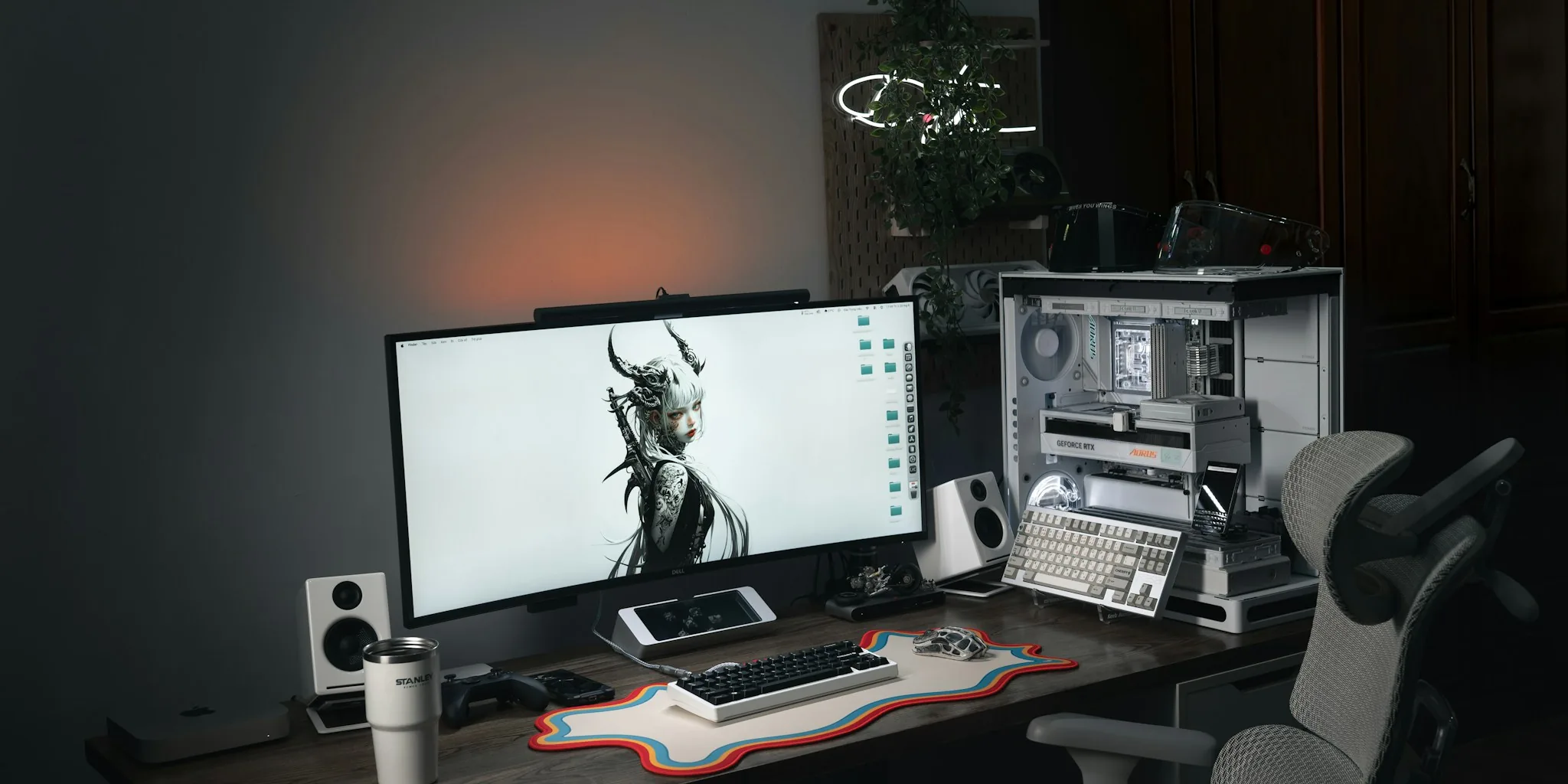
A California-based tech company called WiCi has introduced a new wireless external graphics processing unit that could reshape how gamers think about laptop performance. Rather than relying on traditional wired connections, this device transmits GPU power over Wi-Fi 7, potentially allowing any compatible laptop to handle demanding games without a dedicated graphics card built in.
What is a Wireless eGPU?
An external GPU, or eGPU, is a separate graphics processor housed in its own enclosure that connects to a laptop or desktop computer to boost gaming and graphics performance. Historically, eGPUs have required high-speed physical connections like Thunderbolt or OCuLink cables, which can deliver up to 64 gigabits per second of data throughput. The WiCi approach eliminates this wire requirement entirely by using Wi-Fi 7 connectivity instead.
The initial model features an Nvidia RTX 5060 Ti with 16GB of memory. The system ships as a standalone box with its own power supply and cooling system, meaning buyers need only plug in one power cable. Interested consumers can currently reserve a unit for $2,000, with a planned retail price of $2,600. A higher-performance version using an RTX 5090 graphics card is also in development, though pricing remains unannounced.
Performance Claims vs. Real-World Limitations
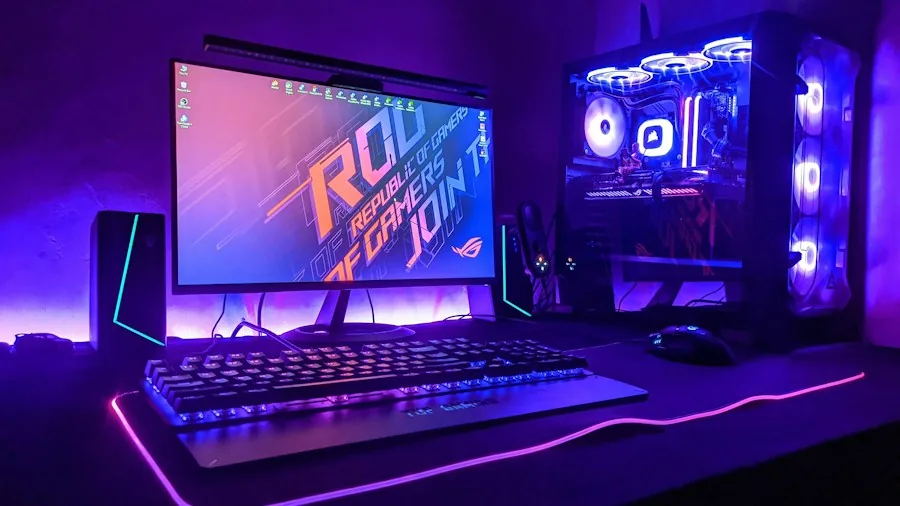
WiCi’s marketing materials showcase impressive performance claims. According to the company, the system can render Cyberpunk 2077 at 4K resolution with Ultra settings and DLSS 4 optimization at up to 80 frames per second. The game Black Myth: Wukong reportedly reaches 60 frames per second at 4K Cinematic quality with DLSS enabled.
However, significant questions remain about whether Wi-Fi 7 bandwidth is truly sufficient for these results. While Wi-Fi 7 offers a theoretical maximum of 48 gigabits per second under ideal laboratory conditions, real-world performance typically falls much lower. Experts estimate that the WiCi system’s specific antenna configuration may deliver less than 12 gigabits per second of actual throughput, which could create bottlenecks that prevent the RTX 5060 Ti from operating at full capacity.
For comparison, traditional gaming laptops achieve consistent performance because the GPU sits directly adjacent to the host processor with no wireless interference. With a wireless eGPU, users must maintain proximity to the device to ensure adequate signal strength. Distance, walls, furniture, and competing Wi-Fi networks can all degrade connection quality and increase latency, potentially causing stuttering during gameplay.
Convenience Versus Practical Constraints
The wireless design does eliminate cable clutter and offers genuine convenience for users who switch frequently between devices. Any Wi-Fi 7 equipped laptop, desktop, or tablet could theoretically connect to the eGPU without plugging in additional hardware. This appeals to people who value simplicity and flexibility.
The trade-off, however, is significant. Wireless connectivity introduces variables that wired eGPU solutions do not face. Even Thunderbolt 5, the fastest current wired standard, sometimes struggles with high-end graphics cards due to bandwidth constraints. Expecting Wi-Fi technology, which travels through air and encounters environmental interference, to deliver superior results stretches credibility. Gamers seeking gaming laptops under $2000 may find this option intriguing but ultimately impractical for competitive or demanding gaming sessions.
Where This Technology May Actually Shine

WiCi’s creators appear to acknowledge the gaming limitations themselves. Industry analysts suggest the wireless eGPU may find greater success as an AI inference device. Unlike gaming, which demands ultra-low latency and consistent high bandwidth, AI tasks send a text prompt to the eGPU and receive a response. This workflow is far less sensitive to connection delays or momentary bandwidth fluctuations. A home-based AI system serving multiple devices simultaneously would represent a more practical application of wireless GPU technology.
The rumored RTX 5090 version makes considerably more sense in this context. That more powerful processor could handle complex AI workloads for an entire household, while the wireless connection simply isn’t a bottleneck for this use case.
Looking Ahead
This technology demonstrates genuine innovation, and wireless connectivity will inevitably improve as Wi-Fi standards evolve. Wi-Fi 8 is already in development and promises enhanced speeds and reliability. As these standards mature, wireless eGPU solutions may eventually become viable for gaming enthusiasts seeking maximum flexibility.
For now, buyers shopping for gaming performance should recognize that wireless eGPU units represent an emerging experiment rather than an established solution. Anyone prioritizing guaranteed frame rates and minimal latency should continue evaluating traditional gaming laptops with integrated or dedicated graphics cards. The WiCi One might appeal to early adopters comfortable with potential limitations, but mainstream gamers should wait for future iterations as the technology matures and connectivity standards improve.
About the author
Liam covers gaming laptops for REMOVU, judging GPU power, display quality, cooling, and value. He helps players find a portable machine that delivers real frame rates without cooking itself.