PlayStation 5 TV Buying Guide: Which TCL Models Deliver the Best Gaming Experience
TCL's gaming TVs offer features like 144 Hz refresh rates and variable refresh rate support for PS5 owners.
 By Serenity Richards
Updated November 2, 2026
If you own a PlayStation 5 or plan to buy one, selecting the right display can dramatically improve your gaming experience. Not all TVs are created equal when it comes to gaming performance, and understanding what features matter most will help you make a smart purchase decision. TCL, a trusted budget-friendly brand, offers several models specifically designed for gamers who want high-quality visuals without overspending.
What Makes a TV Good for PlayStation 5 Gaming
Several technical factors determine how well a TV performs with the PS5. Color accuracy, brightness levels, contrast ratios, and refresh rates all play important roles in delivering smooth, immersive gameplay. Different gamer profiles have different needs: a casual player enjoying story-driven games has different requirements than someone pursuing competitive online play. Understanding these variables helps you choose a model that matches your actual gaming style rather than overpaying for features you won’t use.
TCL’s gaming-focused lineups prioritize the specifications that matter most to PlayStation 5 owners. The company balances affordability with performance, making it a practical choice for budget-conscious consumers who still want quality gaming displays.
The TCL QM Series: Gaming Performance Leaders
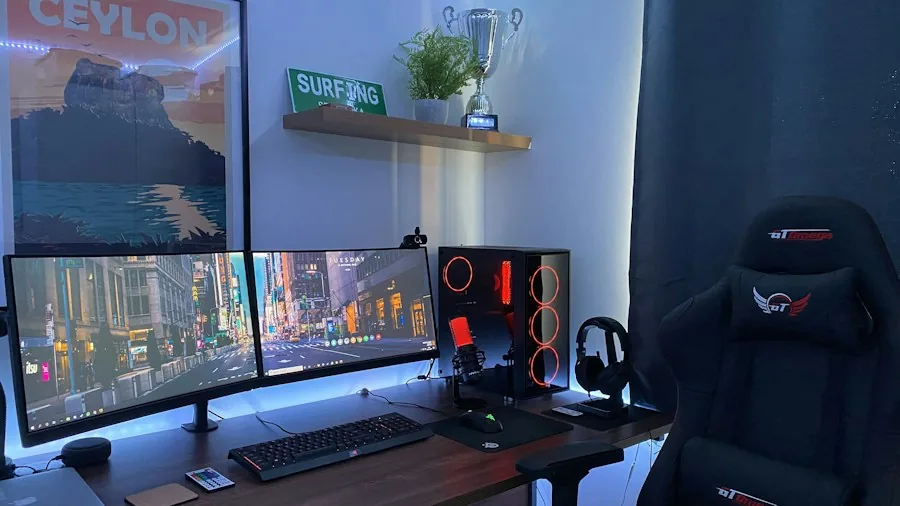
TCL’s QM series stands out as the strongest option for PS5 gamers, featuring 4K QD-Mini LED displays built with gamer-focused specifications. Multiple models in this lineup, including the QM7L and QM8K, include 144 Hz refresh rates paired with variable refresh rate technology and auto low latency mode, both of which reduce input lag during gameplay.
The flagship QM9K model reaches up to 6,500 nits of peak brightness thanks to its Mini LED construction, making it ideal for daytime gaming sessions when ambient light would normally wash out visuals. The display also incorporates TCL’s CrystGlow WHVA panel, which maintains image quality when viewed from angles, a feature that benefits group gaming and multiplayer sessions. Additionally, many QM series TVs include FreeSync Premium Pro certification, AMD’s premium variable refresh rate standard that eliminates screen tearing and stuttering.
Budget-conscious gamers should consider the TCL QM6K, an older but capable model that retains essential gaming features like 144 Hz refresh rates while accepting slightly lower peak brightness than premium variants. This approach lets shoppers access strong gaming performance at a lower entry price.
Do You Actually Need 144 Hz Refresh Rates
The refresh rate debate confuses many buyers. A TV’s refresh rate refers to how many times per second the screen updates the displayed image. Higher refresh rates generally produce smoother motion, which many gamers prefer. However, the PS5’s maximum output caps at 120 Hz, meaning the console cannot take full advantage of 144 Hz capabilities on any display.
This matters less for casual gamers enjoying slower-paced titles. Competitive players pursuing frame rate advantages should prioritize 120 Hz minimum support, especially when playing online multiplayer games where responsiveness affects performance. For casual console gaming, standard 60 Hz refresh rates deliver satisfactory experiences, though higher rates do provide noticeable smoothness improvements.
Comparing TCL’s Gaming TV Options
TCL’s QM lineup represents the brand’s gaming-focused choice, with 144 Hz capabilities and variable refresh rate support. By contrast, QLED models like the Q651G max out at 60 Hz, making them less suitable for players who value high frame rate gaming. When evaluating multiple QM series models with identical 144 Hz refresh rates, such as comparing the QM7K against the QM8K, differences in peak brightness and contrast become the deciding factors, particularly for gamers in consistently bright or dark environments.
Look specifically for FreeSync certification when shopping TCL’s gaming displays, especially if you frequently play fast-paced titles. Games with high frame rate requirements often produce screen tearing on non-certified displays, degrading the visual experience noticeably. This certification becomes less critical for story-driven, slower-paced games that demand less processing power.
Making Your Purchase Decision
Your ideal TCL gaming TV depends on your actual gameplay habits, room lighting conditions, and budget constraints. Premium models justify their higher prices through superior brightness and contrast, while mid-range options deliver strong performance without the expense. Casual gamers benefit most from models with good color accuracy and reasonable brightness, while competitive players should prioritize 120 Hz support and variable refresh rate certification. TCL’s diverse QM lineup ensures most PlayStation 5 owners find an appropriate match within their budget range, whether prioritizing top-tier performance or balancing cost with capability.
About the author
Serenity covers home game consoles for REMOVU, weighing performance, exclusive libraries, and the ecosystem each platform locks you into. She helps players pick the console that fits how and what they play.