Modern Warfare 4 Misses 2026 Top 10 Games: What This Means for Xbox and PlayStation Shoppers
Call of Duty's latest stumbles despite October dominance. Here's what changed and why it matters for gamers.
 By Serenity Richards
Updated November 20, 2026

Call of Duty: Modern Warfare 4 achieved the top spot in October sales across the United States, yet industry data reveals a historic milestone: the franchise has failed to crack the year’s top 10 best-selling games for the first time since its November release window tradition began. This unprecedented performance signals shifting consumer behavior and strategic missteps that directly affect your purchasing decisions in the gaming market.
Record Sales Don’t Equal Top 10 Success
Circana’s latest report confirms that Modern Warfare 4 dominated monthly charts despite significant year-over-year revenue declines. The franchise has experienced a dramatic 32 percent drop compared to the previous year’s Black Ops 7 release. Even more telling, the title’s strong October showing proved insufficient to secure a position among 2026’s ten best-performing games, a distinction the Call of Duty series has never missed in the decades following a mainline launch.
This gap between monthly leadership and annual irrelevance reflects a fragmented market where consumer spending concentrates on fewer marquee titles rather than spreading evenly across releases.
Why Modern Warfare 4 Failed to Sustain Momentum
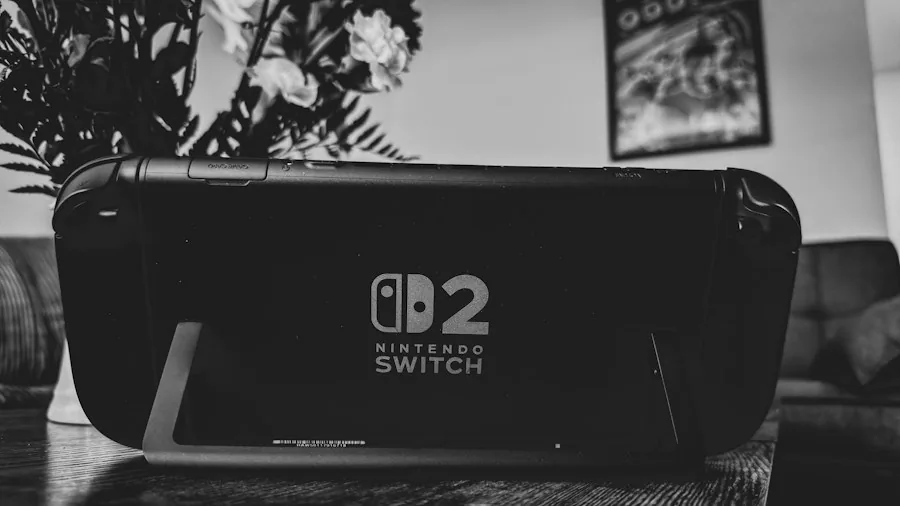
Several interconnected factors explain the franchise’s stumble. Modern Warfare 4 represents a generational shift: unlike every previous entry, this iteration skipped backward compatibility with Xbox One and PlayStation 4 hardware. This decision eliminated millions of players still on last-generation systems who represent substantial revenue pools for Call of Duty historically. For budget-conscious shoppers, the lack of older-gen support effectively raised the barrier to entry by requiring a new console purchase alongside the sixty-dollar game.
Beyond hardware limitations, the title released directly into an unprecedented competitive storm. Grand Theft Auto 6 launched this year after a thirteen-year anticipation cycle, commanding disproportionate consumer attention and disposable gaming budgets. When budgets tighten and difficult purchasing choices emerge, proven generational experiences win over annualized franchise entries.
The absence of Game Pass availability during the launch window further suppressed adoption. Microsoft’s subscription service drives substantial player volume and engagement for game consoles, yet Modern Warfare 4 remained excluded from the library throughout 2026. This strategic decision by Activision prioritized immediate revenue concentration over the volume-based approach that Game Pass membership provides. Industry observers and players frequently note that guaranteed Game Pass inclusion in future years creates purchase hesitation among cost-conscious consumers choosing between immediate spending and waiting.
Implications for Your Gaming Budget

This sales decline carries real implications for your purchasing strategy. First, it suggests that franchise fatigue continues affecting the shooter category, potentially creating better negotiation positions on future Call of Duty titles or encouraging publishers toward more innovation rather than annual incremental updates.
Second, the exclusion of older hardware means accessibility narrowed significantly. If you own Xbox One or PlayStation 4 without plans to upgrade, Modern Warfare 4 represents an entirely unavailable option. This creates opportunity: developers may increasingly recognize that last-generation systems still house millions of engaged players worth supporting, potentially driving more cross-generation releases going forward.
Third, competition intensifies. When premium releases like Grand Theft Auto 6 pull consumer spending away from established franchises, it validates the market’s demand for experiences offering genuinely new content rather than seasonal iterations on established formulas. For shoppers deciding where their money flows, this competitive pressure may ultimately benefit you through enhanced value propositions and feature richness in upcoming titles.
What Comes Next for Call of Duty
Looking ahead, Modern Warfare 4 will join Game Pass next year, fundamentally altering its value equation. This timing strategy suggests Activision may employ Game Pass inclusion as a planned content lifecycle tool rather than a launch-window feature. For subscribers, this represents significant savings within twelve months. For those making purchasing decisions now, waiting becomes increasingly attractive.
The franchise’s historic top-10 failure also signals potential creative pressure. When annual releases consistently underperform against longer-development-cycle competitors, publisher strategies typically shift. Expect either extended development periods between Call of Duty releases, more substantial feature additions, or accelerated integration with other Xbox ecosystem offerings including storage solutions and complementary hardware.
Industry analysts predict this performance may trigger broader strategic recalibrations across franchises relying on annual release models. For you as a consumer, this volatility creates windows of opportunity: price adjustments, enhanced bundle offerings, and competitive positioning from publishers seeking to recapture market share from breakout titles like Grand Theft Auto 6.
The 2026 sales data reveals not failure, but rather the emergence of a more selective gaming audience with limited budgets and high expectations. Modern Warfare 4’s stumble reflects not the game’s individual quality but rather market conditions favoring proven, transformative experiences over incremental franchise entries. As this category evolves, your purchasing power strengthens considerably.
About the author
Serenity covers home game consoles for REMOVU, weighing performance, exclusive libraries, and the ecosystem each platform locks you into. She helps players pick the console that fits how and what they play.