US Wi-Fi Router Manufacturing Boom: What Home Shoppers Need to Know
US manufacturing boom means changes ahead for router pricing and availability this year.
 By Armando Washington
Updated November 20, 2026

Major Shift in Router Production Heads Stateside
The Wi-Fi router landscape is undergoing a significant transformation. Following a White House directive to restrict foreign-made router models, more than 10 major manufacturers have announced plans to shift their production operations to the United States. This development represents a historic milestone: until recently, virtually no router companies operated manufacturing facilities domestically.
According to the Federal Communications Commission, this manufacturing transition is already creating tangible economic impact. Over $119 million in investment has flowed into US-based router production facilities, generating more than 2,000 new jobs in the industry. The shift involves companies that have traditionally relied on overseas manufacturing in countries like Vietnam, Mexico, Thailand, and Taiwan.
The Exemption Process and Major Players Involved
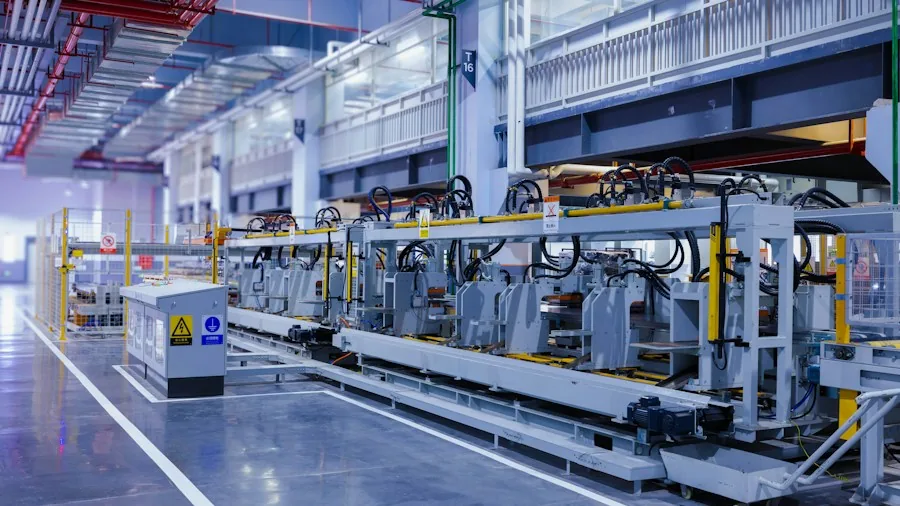
The FCC did not publicly identify all the companies making the transition, but regulatory filings reveal which manufacturers have received conditional approval to continue selling new models while they establish or expand US manufacturing. The approval process requires vendors to submit detailed, time-bound plans for onshoring production and disclose their capital expenditure commitments.
Several household names have secured exemptions, including Netgear, Amazon’s eero brand, SpaceX’s Starlink, Asus, and MSI. When shopping for Wi-Fi routers, you’re likely to encounter products from these brands in the coming months and years as their US manufacturing operations come online.
One notable announcement came from TP-Link, which publicly disclosed plans to manufacture Wi-Fi 8 routers in the United States through a contract manufacturer facility in Mississippi. However, the company has faced regulatory scrutiny and has not yet received an exemption, as federal officials have raised security concerns regarding its historical ties to China. TP-Link has responded by emphasizing its restructuring as a US-based company headquartered in Irvine, California.
Broader Policy Context and Security Rationale
The Trump administration justified the foreign-manufacturing restrictions by citing national security concerns. Officials argue that routers, drones, robots, and other networked devices manufactured abroad could potentially harbor vulnerabilities that foreign adversaries might exploit for surveillance or sabotage purposes. This reasoning extends across multiple product categories: the White House has granted conditional approvals to 71 companies total across routers, drones, robots, and power inverters.
Collectively, these 71 companies have committed to investing $4.4 billion in US manufacturing and creating an additional 4,700 jobs. The scale of this economic commitment underscores the seriousness of the manufacturing transition initiative.
What This Means for Home Network Shoppers
For consumers seeking Wi-Fi routers under $200, the domestication of manufacturing could have several practical implications. First, production timelines may shift as companies establish new facilities and retool operations. Some new models might face temporary delays as manufacturers work through the transition period.
Second, pricing dynamics could evolve. Domestic manufacturing typically involves different labor costs and supply chain expenses than overseas production. Whether this results in higher or lower retail prices depends on multiple factors including production efficiency, supply chain optimization, and competitive pressures within the market.
Third, product availability patterns may change. As manufacturers work to meet conditional approval requirements while ramping up US operations, certain models might experience inventory fluctuations. Shopping for routers during this transition period may offer both challenges and opportunities, particularly if early-generation US-manufactured models debut with competitive pricing or enhanced features.
The Competitive Landscape Ahead

The move toward domestic manufacturing creates both opportunities and challenges for established router vendors. Companies that successfully complete their US manufacturing transitions may gain marketing advantages by promoting domestic production. Those that face delays or regulatory complications could see competitive pressure from peers with smoother transitions.
Chinese drone manufacturer DJI has attempted to challenge its own ban through customer advocacy campaigns, suggesting that similar regulatory battles may continue in the router sector. The regulatory environment remains dynamic, particularly regarding which companies receive exemptions and under what conditions.
For consumers currently evaluating Wi-Fi routers under $100, the timing of purchases warrants consideration. If new US-manufactured models are anticipated in the coming quarters, waiting might provide access to domestically produced options. Conversely, existing inventory from established manufacturers may offer strong value before transitions accelerate.
Looking Forward
The Wi-Fi router manufacturing transition represents a watershed moment for the US networking hardware industry. Where virtually no domestic router production existed at the start of 2025, more than 10 major manufacturers now have concrete plans to establish or expand US-based operations. This shift promises economic benefits through job creation and capital investment while potentially reshaping the competitive dynamics of the home networking market. As a shopper, staying informed about which brands have committed to US manufacturing can help guide your purchasing decisions in the months ahead.
About the author
Armando covers Wi-Fi routers for REMOVU, balancing speed, range, and features for homes of every size. He helps readers match a router to their space and their devices.