Memory Chip Price Increases Expected Through 2030: What Buyers Should Know
Major memory supplier warns of sustained price increases through 2030. What buyers should expect.
 By Ava Herrera
Updated October 28, 2026
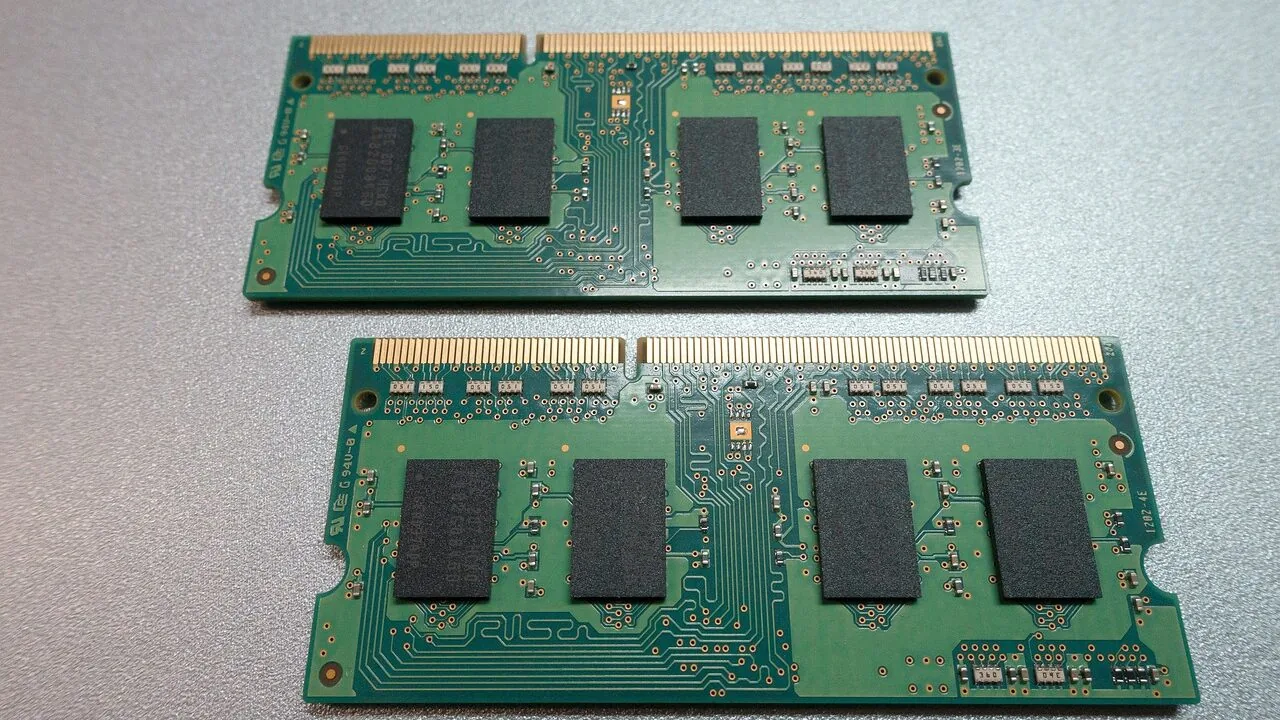
A major memory chip supplier has announced that consumers should prepare for sustained price increases across electronics through at least 2030. The warning comes as demand for memory and storage components continues to surge, while manufacturing capacity struggles to keep pace. For buyers shopping for computers, smartphones, and other tech devices, this means higher prices are likely to remain the norm for years to come.
Why Memory Shortages Persist
The core issue driving price increases is straightforward: demand far exceeds supply. Artificial intelligence applications and advanced computing tasks require ever-increasing amounts of RAM and flash storage. Data centers, tech companies, and consumer devices all compete for limited memory components. Meanwhile, producing leading-edge memory chips requires sophisticated manufacturing processes and enormous capital investments. Building new production facilities takes years, making it nearly impossible for suppliers to quickly expand capacity.
Industry analysts expect this supply-demand imbalance to continue through the end of the decade. The technical complexity of modern chip production, combined with the lengthy construction timelines for new factories, means relief is unlikely in the near term. Even as manufacturing capacity gradually improves, artificial intelligence adoption is expected to accelerate demand at a similar or faster rate.
How Contracts Shield Some Companies
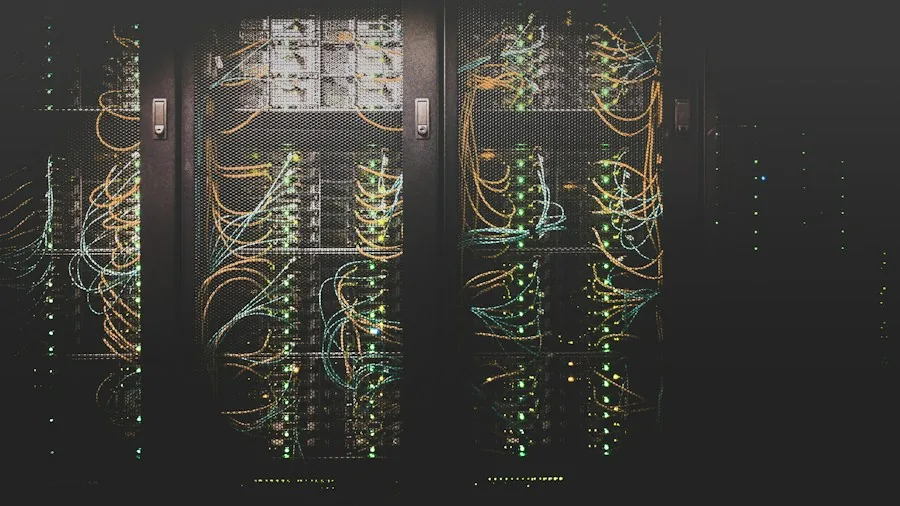
Major technology companies have negotiated long-term supply agreements with memory producers to guarantee access to components. These contracts give 14 of the world’s largest tech firms priority purchasing rights, ensuring they can secure the chips they need for their products. Apple is among these privileged buyers with guaranteed allocation agreements.
However, these priority contracts offer limited protection against rising costs. The agreements include pricing mechanisms that allow for increases based on market conditions within a negotiated range. In other words, even companies with guaranteed supply must pay more as market prices climb. This means that while major manufacturers can secure inventory, they cannot lock in static prices. Cost increases flow through to consumers in the form of higher device prices and reduced profit margins for companies absorbing the costs.
The Broader Component Crisis Ahead
Memory chips represent just one part of the coming shortage picture. Industry sources indicate that printed circuit boards may face similar supply constraints in the coming years. These components have evolved from simple commodity items into sophisticated technology requiring multiple layers and high bandwidth capabilities. This complexity dramatically shrinks the number of qualified suppliers and extends production lead times.
When you compare the landscape across multiple critical components like memory, storage, and circuit boards, the picture becomes clearer: consumers can expect technology prices to remain elevated for years. Whether you’re purchasing a new computer, upgrading storage on a smartphone, or investing in other connected devices, factor higher costs into your purchasing decisions. For those considering major tech purchases, exploring complementary accessories and components early may help you lock in current pricing before further increases take effect.
What This Means for Your Wallet

The implications for consumers are significant. Electronics manufacturers will face ongoing pressure to maintain or raise prices to cover higher component costs. Some companies have attempted to mitigate these expenses through production optimization and supply chain restructuring, but these efforts have proven insufficient to offset rising memory costs.
Budget-conscious buyers should recognize that waiting for prices to drop is unlikely to pay off in the near future. If you need new technology, evaluating your options now may prove more economical than delaying purchases in hopes of future price reductions. For those building computers or choosing between different device tiers, understanding the specifications and memory configurations available at different price points helps you make informed decisions about where to allocate your budget.
Planning Ahead
The extended timeline for component shortages means strategic planning becomes essential for consumers. If you’re considering upgrades to computers, servers, or other memory-intensive devices, evaluate your needs sooner rather than later. Companies will likely continue absorbing costs where possible, but sustained pressure suggests price stabilization is unlikely before 2030 at the earliest.
Additionally, consider whether refurbished or previous-generation devices meet your needs. These alternatives often provide strong value when new equipment commands premium prices due to component scarcity. For those needing storage solutions right now, reviewing available options and specifications helps ensure you get the best value available in this market environment.
The memory shortage that emerged over recent years is not a temporary disruption but rather a structural challenge expected to persist through the remainder of the decade. Understanding this reality allows you to make more informed purchasing decisions and adjust your technology investment strategy accordingly. Plan major purchases with this extended timeline in mind, and prioritize devices and configurations that deliver the best long-term value given current and expected future pricing.
About the author
Ava is REMOVU's laptop writer, balancing speed, battery life, and build quality against price across the whole range. She helps readers find the sweet spot as each new chip shifts what a dollar buys.