Lexar Muse Ultra-Slim SSD with USB-C Connector: What Shoppers Need to Know About This Breakthrough Design
Ultra-thin external drive with proprietary USB-C connector debuts later this year with solid speeds for video pros.
 By Kenzi Wood
Updated September 4, 2026
By Kenzi Wood
Updated September 4, 2026
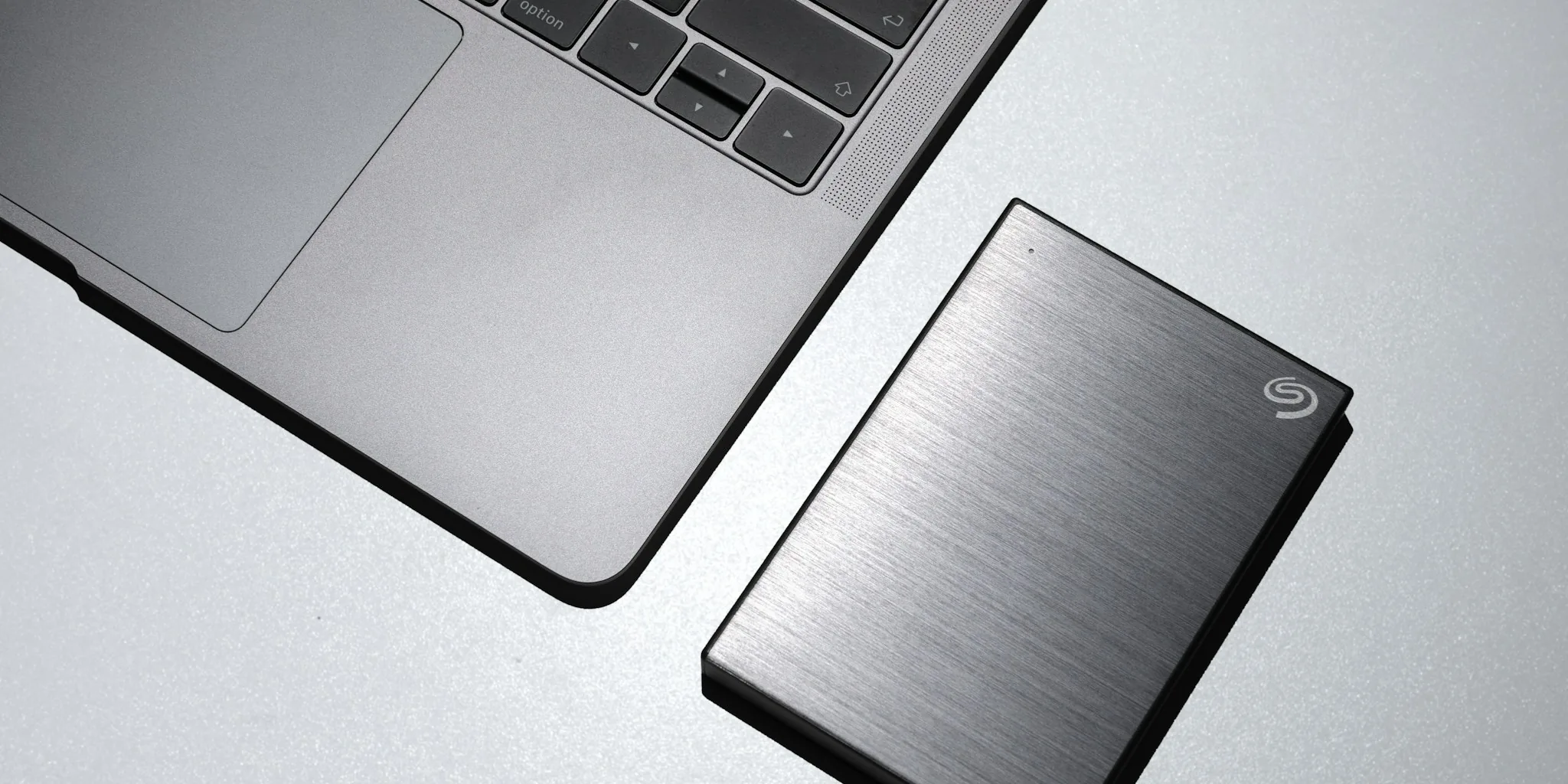
Lexar has entered the ultra-slim portable storage market with an ambitious new product that trades traditional connectivity for a radically thin profile. The Muse Ultra-Slim Portable SSD measures just 3.8mm at its thickest point, tapering down to 1mm at the edges, making it one of the slimmest external drives available to consumers. The company achieves this remarkable thinness through high-density NAND stacking and custom ultra-thin circuit board architecture, without sacrificing performance that matters for creative professionals and content creators.
For shoppers evaluating portable storage, understanding what this design means is crucial. Lexar is following a trend established by other manufacturers who have discovered that eliminating a traditional USB-C port allows for dramatically reduced thickness. While the Muse connects via USB-C technology, it does not use a standard USB-C port. Instead, Lexar designed a proprietary SnapLink cable with a magnetic attachment system that connects to pogo-pin contacts on the device. This approach represents a significant departure from industry conventions, and buyers should understand both the advantages and the drawbacks before deciding whether this drive fits their needs.
Performance Remains Competitive Despite the Design Sacrifice
One of the primary concerns when manufacturers reduce device thickness is whether performance suffers. In the case of the Muse, speed remains impressive. Read speeds reach up to 1,050MB/s, while write speeds top out at 1,000MB/s. This performance level qualifies the drive as genuinely fast for most applications. The real-world impact matters most for specific use cases, particularly video recording. The Muse can handle recording 4K Apple ProRes video at frame rates up to 120fps when paired with a compatible iPhone, which positions it as a legitimate option for mobile videographers and professional content creators working with Apple devices.
The drive will launch in two capacity options: 512GB and 1TB models. Both will ship with the same proprietary cable and magnetic attachment system. Lexar has not announced pricing details at this stage, though the product is expected to become available later in the year. For shoppers needing high-speed storage without bulk, the performance specifications align with what professionals in video, photography, and other data-intensive fields require.
The Proprietary Cable Creates Real Trade-Offs
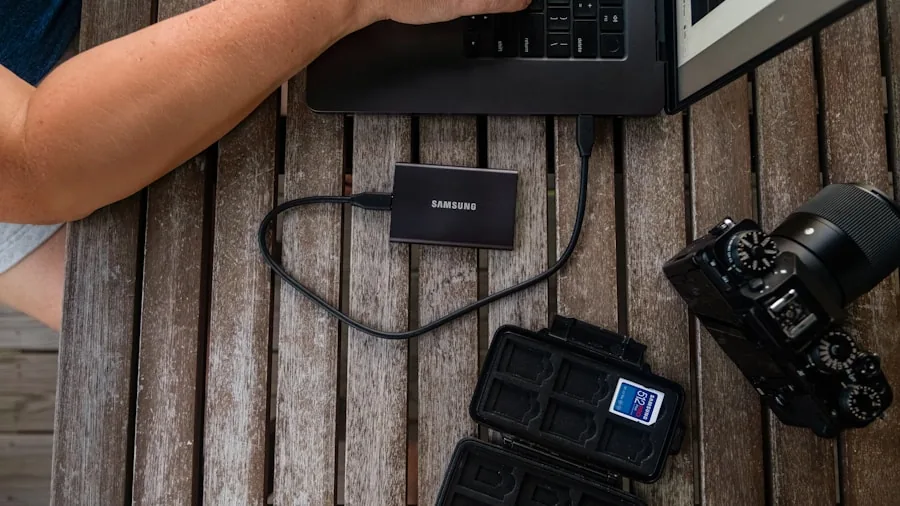
The decision to use a proprietary magnetic SnapLink cable instead of a standard USB-C port is where buyers need to think carefully. On the positive side, the magnetic connector reduces the profile of the device itself, contributing directly to the ultra-slim design. On the negative side, this approach introduces several practical concerns that shoppers should weigh seriously.
First, the proprietary cable means you cannot use any standard USB-C cable you already own. You must use Lexar’s SnapLink cable exclusively, and if it gets lost or damaged, replacement becomes necessary. Unlike standard USB-C accessories that are widely available and interchangeable, a proprietary solution creates dependency on the manufacturer. Second, the magnetic attachment system carries risk during file transfers. While Lexar has not disclosed the magnet strength specifications, magnetically attached connectors can be accidentally knocked loose, potentially interrupting data transfers or causing incomplete file writes. This risk increases in situations where the drive is actively in use and not secured to a stable surface.
Mobile Video Recording Requires an Extra Sleeve

For users planning to record video directly to the Muse through an iPhone, Lexar includes a magnetic sleeve. This sleeve allows the drive to attach to the back of your phone during recording sessions. However, adding the sleeve increases overall thickness significantly, which partly undermines the entire thin-device advantage. Shoppers interested in this use case should recognize that the convenience of recording directly to external storage comes with the trade-off of added bulk during actual recording sessions.
When evaluating portable SSDs for creative work, considering how you actually intend to use the drive matters more than any single specification. A USB-C dock or connection hub might be worth exploring if your workflow involves connecting multiple devices simultaneously, since the Muse’s proprietary connector limits compatibility with standard docking solutions.
Who Should Consider the Muse
The Lexar Muse makes the most sense for buyers who prioritize extreme portability and can accept the proprietary connector trade-off. Video professionals working primarily with iPhone or iPad find genuine value in the fast write speeds for ProRes recording. Content creators who travel frequently and want minimal bulk in their camera bags might appreciate the ultra-slim form factor enough to overlook the connectivity limitations. Meanwhile, users who value flexibility, cable redundancy, and standard connectivity should probably explore other storage solutions that maintain traditional USB-C ports.
The Muse represents a clear market choice: prioritize thinness above all else, accepting the consequences of proprietary connectors. For shoppers, the decision ultimately depends on whether that specific trade-off aligns with your actual use case and comfort level with relying on a single proprietary cable for your external storage.
About the author
Kenzi writes about external SSDs and portable hard drives for REMOVU, weighing speed, capacity, and price per terabyte. She helps readers keep files portable and safely backed up.