iPhone Duo USB-C and Feature Trade-Offs: What Shoppers Should Know Before Buying
The iPhone Duo costs $800 more but sacrifices Face ID, telephoto cameras, and longer battery life. Here's what you actually get.
 By Eleanor Garcia
Updated October 14, 2026
By Eleanor Garcia
Updated October 14, 2026
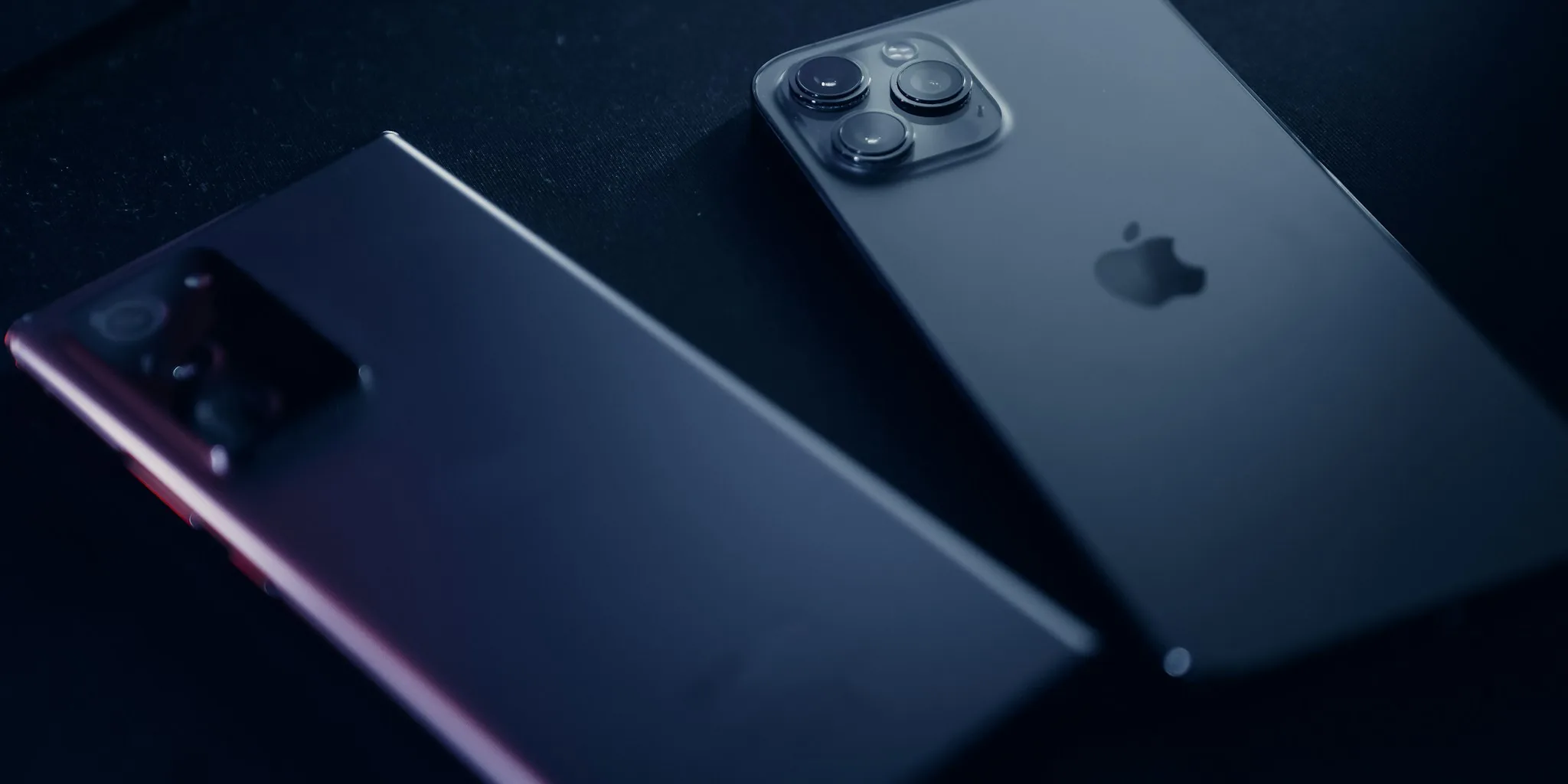
Apple’s new iPhone Duo foldable phone arrives with a premium price tag of $1,999, demanding that buyers carefully weigh what they gain against what they lose. While the device shares several marquee features with the standard iPhone 18 Pro and Pro Max, including USB-C connectivity with USB 3 speeds, the cost of the folding display technology translates into dozens of meaningful compromises that shoppers need to understand.
The USB-C Advantage and Key Shared Features
The iPhone Duo does maintain USB-C charging and data transfer alongside the iPhone 18 Pro models, a feature that has become standard across Apple’s premium lineup. Beyond connectivity, the device includes the same A20 Pro chip, ProMotion displays capable of 120Hz refresh rates, a 48-megapixel Ultra Wide camera, and MagSafe support. These commonalities make the Duo feel like a legitimate flagship device on paper. However, the folding form factor forces Apple to make cuts elsewhere that will directly impact daily usage.
Design and Physical Usability Sacrifices
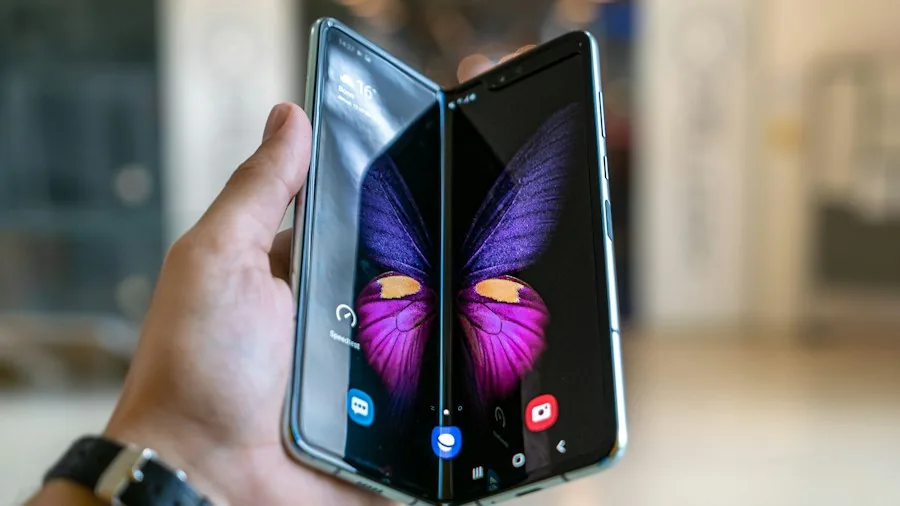
The most immediately noticeable difference is the device’s physical footprint. While shorter when folded, the iPhone Duo measures 84.1mm wide and 11.3mm thick, compared with 71.9mm and 8.75mm on the Pro models. It also weighs 254 grams, making it 43 grams heavier than the Pro and five grams more than the Pro Max. These dimensions mean the closed phone will feel noticeably wider and thicker in your hand during everyday interactions.
Apple has replaced facial recognition with Touch ID on the side button, eliminating Face ID functionality. This changes how you unlock the device, authenticate purchases, and access apps. The custom Action button, which lets you quickly access silent mode, flashlight, Focus modes, and Shortcuts on the Pro models, is completely absent from the Duo. MagSafe wallet support has also been dropped due to the device’s shape, though cases and wireless chargers remain compatible.
The display setup introduces another set of trade-offs. The outer screen measures only 5.4 inches compared to 6.3 inches on the Pro. You must unfold the device to access the larger 7.6-inch inner display. That inner display also features a visible crease down the center when viewed in certain lighting conditions, and uses a different construction with a replaceable polymer cover layer. Out-of-warranty replacement of this layer costs $49, creating a unique maintenance expense not found on standard models.
Battery and Charging Reality
Battery endurance also suffers. The iPhone Duo supports up to 24 hours of typical use, matching the smaller Pro but falling far short of the Pro Max’s 30-hour rating. Video playback on the inner display reaches 31 hours, trailing the Pro’s 36 hours and the Pro Max’s 45 hours. Wired charging is slower too, reaching 50 percent in roughly 20 minutes versus around 15 minutes for the Pro models.
AppleCare+ and repair costs add another financial layer to ownership. Monthly coverage runs $19.99 or $199.99 annually for the Duo, versus $14.99 monthly or $149.99 annually for either Pro. Screen repairs under AppleCare cost $99 for inner-display damage, compared to $29 for the Pro. Without coverage, inner-display repairs jump to $999 versus $329 for the Pro, and battery replacement costs $229 instead of $129.
Camera and Professional Capabilities
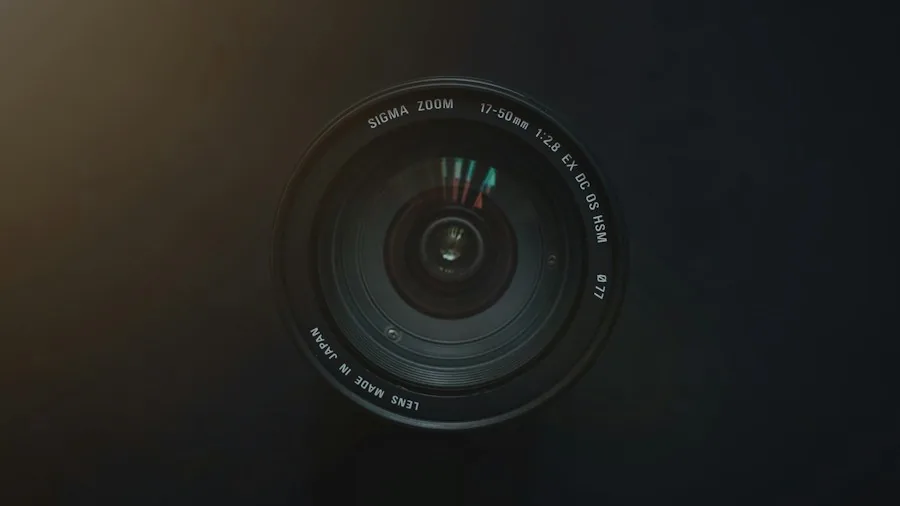
The camera system represents perhaps the most significant capability reduction. The Duo completely lacks the Pro models’ dedicated 48-megapixel Telephoto lens with tetraprism design, limiting optical zoom to 2x from the main camera versus 4x on the Pro. Digital zoom caps at 10x instead of 40x, and video zoom reaches only 6x compared to 24x. Professional video recording features like ProRes and ProRes RAW are unavailable, as are Apple Log 2 and Academy Color Encoding System support. ProRAW photography, spatial photos, spatial video, and Genlock synchronization are all missing.
The front camera also loses functionality. The 12-megapixel outer camera comes with an f/2.2 aperture instead of the Pro’s f/1.9, while the inner under-display camera maxes out at 1080p video and lacks Night mode, portrait photography, and Photographic Styles.
Is the Folding Screen Worth It?
The Duo’s defining benefit is its inner display for activities like reading long articles, reviewing documents, comparing information side by side, editing photos, or watching video. If you expect to regularly unfold the device for these tasks, its large screen could justify some of the compromises. However, if you plan to spend most of your time using the closed phone or primarily need advanced camera capabilities, the iPhone 18 Pro models deliver more capability at a significantly lower cost.
USB-C connectivity ensures seamless integration with modern charging solutions and accessories, but that feature alone does not offset the broader feature gap. Buyers should assess whether they truly need the folding form factor and larger inner display frequently enough to warrant losing Face ID, the Action button, camera versatility, battery longevity, and paying substantially more for repairs and protection plans.
Pre-orders begin October 16, with devices arriving October 23. Before committing, compare the two devices in store to evaluate comfort with the wider, thicker closed form and determine if the inner display genuinely serves your regular workflow.
About the author
Eleanor covers smartphones for REMOVU, balancing cameras, battery life, and software support against price. She helps readers find the best value as the field shifts with every release.