iPhone Duo Teardown Reveals USB-C Port Vulnerability and Possible Screen Crack Culprit
iFixit reveals how dust infiltrates the USB-C port and where screen cracks likely originate in Apple's new foldable.
 By Eleanor Garcia
Updated October 25, 2026
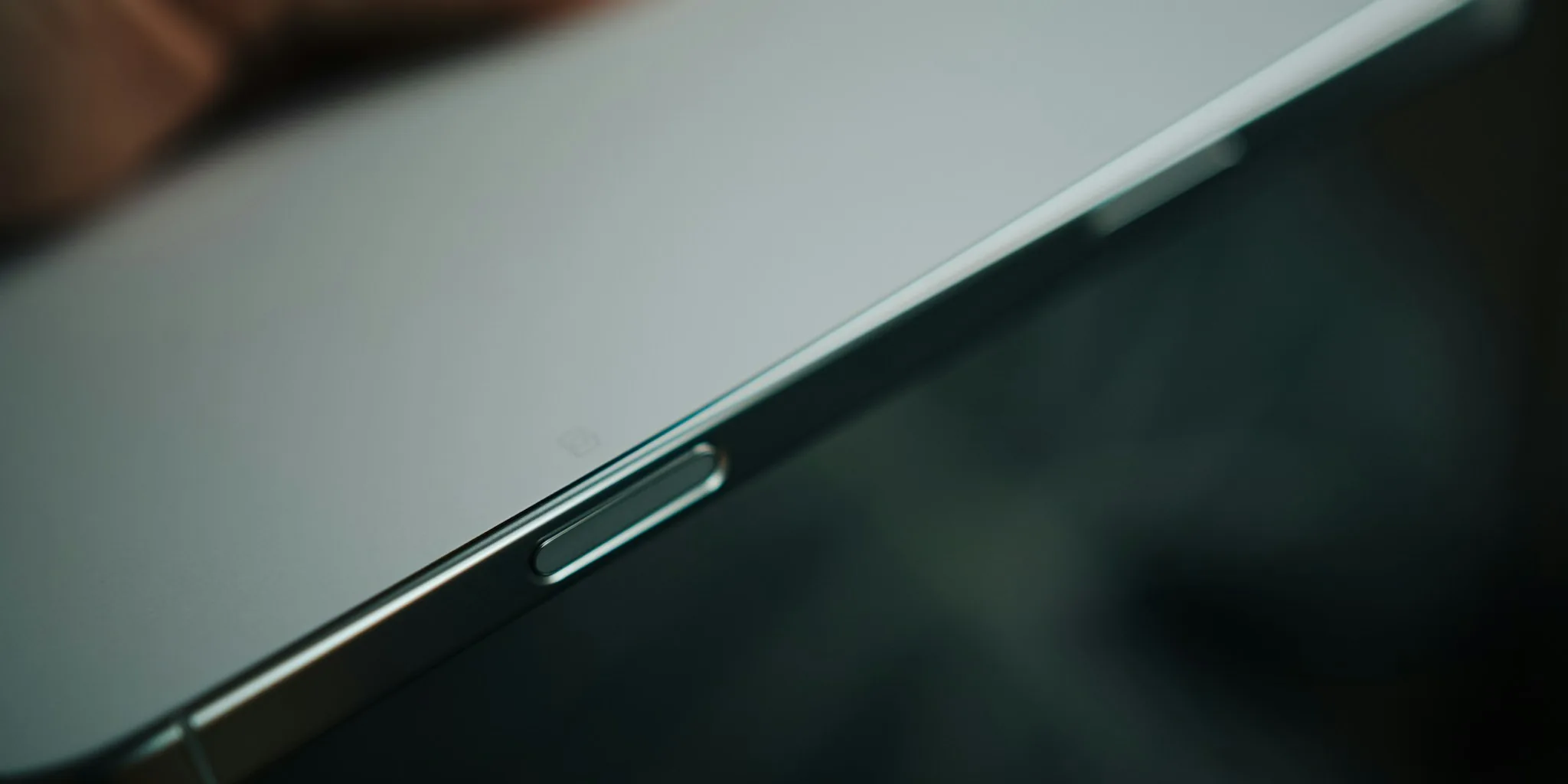
Apple’s new foldable iPhone Duo is drawing scrutiny from repair experts following a detailed breakdown by iFixit that uncovered potential design vulnerabilities that could explain why some early owners are reporting cracked screens. The teardown video and accompanying analysis provide critical insight into how this cutting-edge device is constructed and where durability concerns may lie, offering shoppers valuable information before making a purchase decision.
Dust Infiltration Through USB-C and Hinge Assembly
During iFixit’s evaluation, the iPhone Duo was exposed to fluorescent dust particles to assess its durability claims. Although Apple rates the device as IP68 for dust and water resistance, the analysis revealed that particles managed to penetrate the USB-C port, speaker mesh, and bezel areas. More concerning, dust accumulated in the hinge mechanism, producing an audible crunching sound that suggests potential long-term damage risk.
The findings are particularly relevant for consumers planning to use their iPhone Duo in beach or dusty environments. While the Duo performed better than competing foldable devices like the Galaxy Z Fold8 and Pixel 11 Pro Fold in similar dust exposure scenarios, iFixit concluded that the device remains problematic for outdoor use in sandy or particulate-heavy conditions. The accumulation of debris in moving parts, especially around the USB-C connector area and hinge assembly, raises legitimate durability questions for everyday consumers.
Screen Cracks May Stem from Hinge Stress Points

Perhaps the most revealing discovery from the teardown addresses the mystery of reported screen failures. Rather than indicating fundamental display fragility, iFixit’s analysis suggests that cracks may result from concentrated stress points where multiple hinge components meet beneath the display surface. Using 3D modeling, CT scans, and patent information, the repair experts identified a specific stress concentration zone near where the accordion-style flex cable transitions and where several structural edges converge.
The damage patterns documented by affected users cluster around this vulnerable transition zone. This location represents where the flat plates of the hinge meet curved rail components that support the display as it flexes during opening and closing cycles. Potential culprits include pressure from trapped particles, manufacturing defects, or hinge components failing to retract properly during folding motions. Importantly, iFixit noted that what appears to be physical display fracturing might actually stem from wiring failures caused by stress damage rather than actual glass breakage.
Repairability Advantages and Battery Removal Innovation
On the positive side, iFixit awarded the iPhone Duo a provisional repairability score that surpasses competing foldable smartphones. The device incorporates several user-friendly repair features that reduce overall maintenance costs. Apple designed the nano-texture cover layer to be easily replaceable, allowing customers to restore the outer protective surface for just nineteen dollars with AppleCare+ protection, or forty-nine dollars without coverage.
The battery removal system deserves particular praise. The iPhone Duo uses the battery adhesive technology introduced with the iPhone 16, which responds to electrical current by loosening its grip, allowing batteries to slide out without excessive force or heat damage. iFixit described this as the most straightforward battery removal experience found on any foldable smartphone to date, directly benefiting consumers facing battery replacement needs.
Display Architecture and Construction Quality
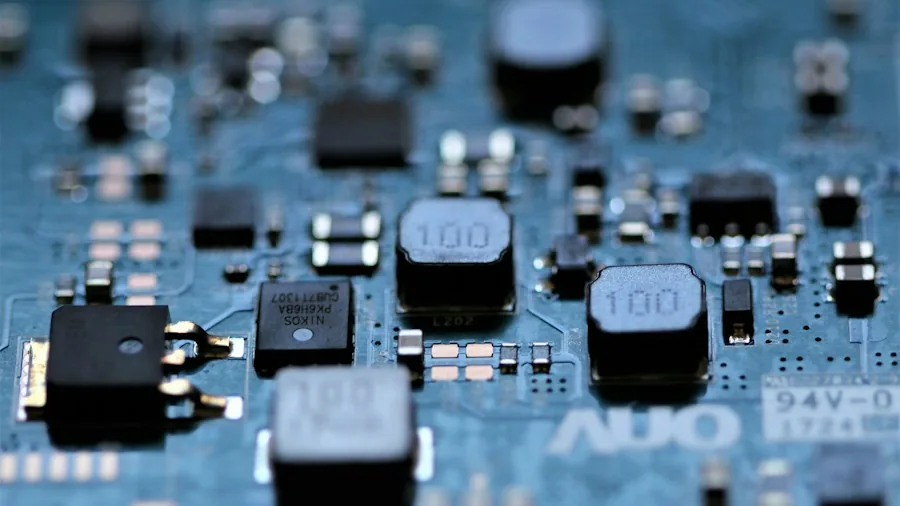
The outer display proved surprisingly accessible during teardown, with iFixit noting that its construction quality is robust and well-suited for internal repairs. The inner screen assembly requires more involved disassembly, involving heat application and extensive adhesive removal, but the methodology remains manageable for professional technicians.
Apple’s ten-layer inner display stack represents sophisticated engineering. Additionally, the iPhone Duo features an unstacked logic board design, marking the first iPhone since the iPhone 8 to employ single-layer processor architecture. This design choice directly enables the device’s thinness, though it may influence long-term durability and thermal management characteristics during extended use. The construction complexity requires careful handling and professional service when repairs become necessary.
What This Means for Prospective Buyers
The teardown analysis reveals that iPhone Duo owners should take reasonable precautions with their devices, particularly in dusty environments. The demonstrated vulnerabilities around the USB-C port and hinge assembly suggest that protective cases and careful handling remain important. Screen damage may not be as catastrophic as initial reports suggested, since wiring issues can produce the same visual symptoms as physical cracks.
For consumers considering purchase, understanding these design characteristics provides context for coverage decisions. AppleCare+ protection becomes increasingly attractive given the specialized repair requirements and concentrated stress points identified by the analysis. The good news is that Apple designed the Duo with repairability in mind compared to earlier foldable competitors, potentially reducing long-term ownership costs despite the higher upfront investment required for this first-generation foldable technology.
About the author
Eleanor covers smartphones for REMOVU, balancing cameras, battery life, and software support against price. She helps readers find the best value as the field shifts with every release.