GPU Cooler Swap Shows Major Performance and Power Savings What Buyers Should Know
Swapping GPU coolers for CPU coolers revealed 30C temperature drops and 9% better performance.
 By Katrina Dean
Updated August 23, 2026
By Katrina Dean
Updated August 23, 2026
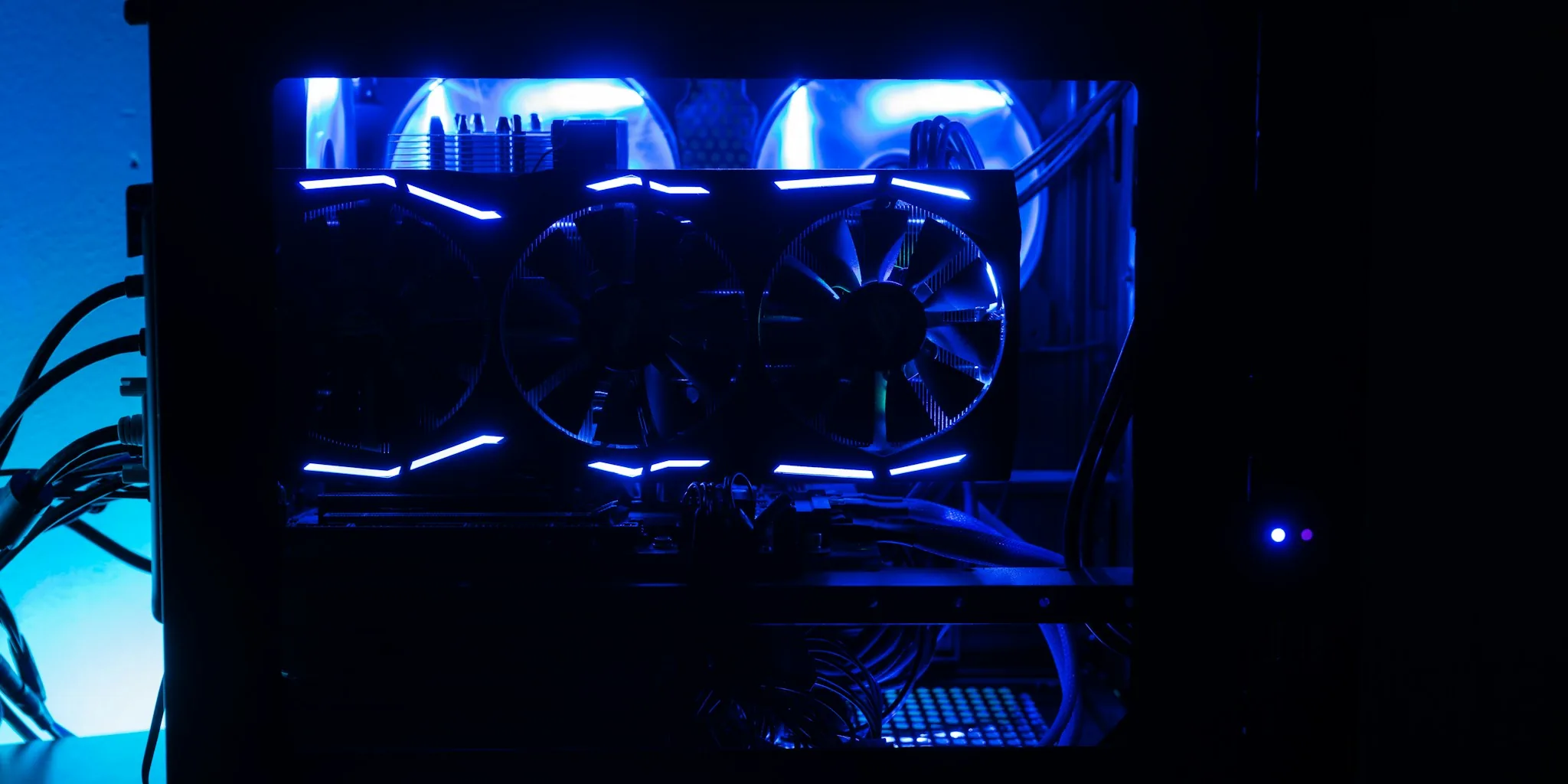
A recent high-profile experiment demonstrates that replacing a graphics card’s factory cooler with a dedicated CPU cooler can deliver substantial improvements in thermal performance, power consumption, and frame rates. The modification, which involved swapping standard GPU coolers for dual-tower CPU coolers on multiple graphics cards, revealed surprising benefits that raise questions about cooling design choices in consumer hardware.
How the Modification Works
The experiment involved removing the stock cooler assemblies from several graphics cards and mounting full-sized CPU coolers directly to the GPU die using custom metalwork. The process required grinding away portions of the cooler shroud and modifying the baseplate to expose the metal surface in contact with the GPU core. Once the contact surface was prepared, a CPU cooler with dual towers and RGB fans was mounted using standard fasteners and thermal compound.
The approach differs from standard cooling solutions because it leverages the larger fin surface area and more powerful fans found in high-end CPU coolers. Unlike GPU-specific designs that prioritize compact form factors, CPU coolers can dedicate significantly more material to heat dissipation, which translates directly to lower operating temperatures.
Temperature and Performance Gains on Entry and Mid-Range Cards
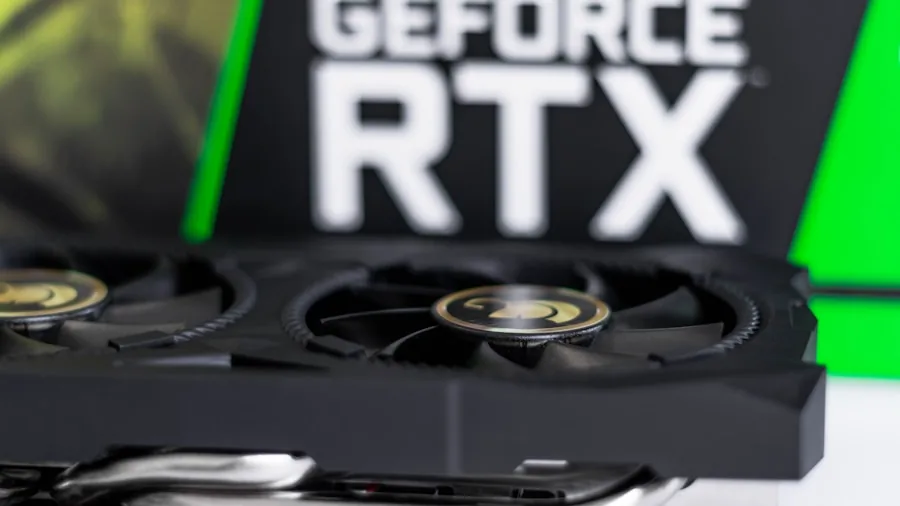
On an NVIDIA GTX 1060, the modification yielded a 9-degree temperature reduction compared to the factory solution, dropping from 46°C to 37°C under load. More importantly, when the card was overclocked with the improved cooling, it achieved 9% higher frame rates in demanding games while remaining 6°C cooler than the stock configuration.
The GTX 1070 showed even more dramatic results. The dual-tower cooler configuration ran 20°C cooler than stock, enabling stable overclocks to 2,177 MHz and delivering 7% more frames per second during gameplay. Power consumption also dropped by 15 watts, demonstrating that better cooling doesn’t just improve performance, it can reduce energy draw.
These gains matter because they show that factory cooler designs may prioritize cost and aesthetics over maximum thermal efficiency. For gamers who rely on their GPUs for demanding workloads, the temperature margin translates into reliability and longevity.
High-End GPU Cooling Breakthrough
The results on a GTX 1080 Ti proved most striking. When researchers replaced the card’s premium factory cooler with a much smaller entry-level alternative, temperatures climbed 8°C. Against that reduced baseline, the dual-tower CPU cooler achieved a staggering 30-degree improvement, lowering the hotspot from 72°C to 42°C. In subsequent runs, the difference averaged around 23°C, still an exceptional margin.
The GTX 1080 Ti experiment also revealed a 12% reduction in power consumption when the card maintained identical clock speeds with the upgraded cooler. This suggests that lower temperatures allow the power management circuitry to operate more efficiently. Even when overclocked, the dual-tower solution remained 19°C cooler than stock, showcasing the massive thermal headroom that premium CPU coolers for overclocking every enthusiast builder can provide.
What This Means for Shoppers
These findings highlight an important consideration for consumers: the cooler included with a graphics card may not represent the upper limit of what’s thermally possible. While manufacturers balance engineering, cost, warranty, and physical constraints when selecting coolers, aftermarket solutions and creative modifications can yield meaningful benefits.
For buyers planning to overclock or operate GPUs in warm environments, the data suggests that investing in external cooling upgrades deserves serious consideration. Better thermal management extends the usable lifespan of expensive hardware and can unlock performance gains without pushing the card to dangerous temperature levels.
The power savings are equally significant. A 30-watt reduction in consumption translates to lower electricity bills and reduced strain on power supplies, factors that compound across years of use. For data center operators or content creators running extended GPU workloads, such efficiency gains matter financially.
Practical Limitations and Feasibility
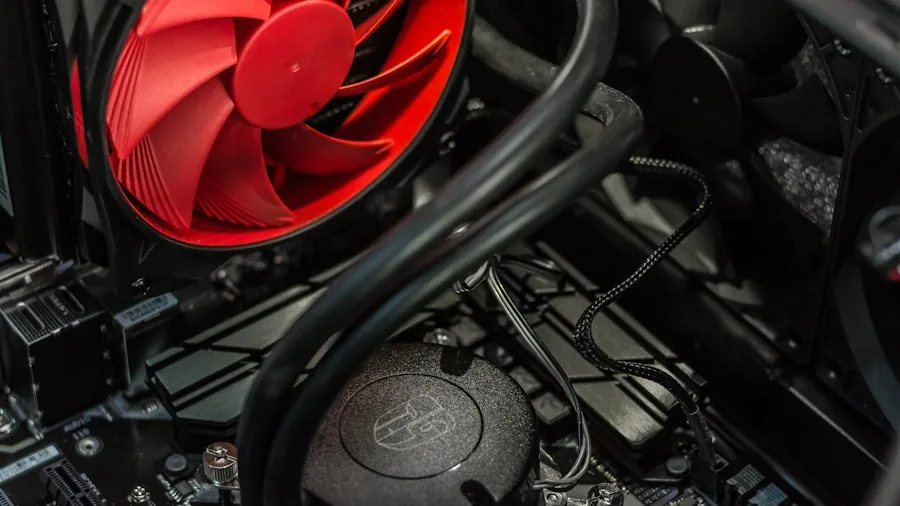
It’s worth noting that this modification requires technical expertise, specialized tools, and acceptance of voiding hardware warranties. Most consumers won’t undertake such modifications themselves. However, the underlying principle remains valid: off-the-shelf cooling solutions designed for processors can deliver superior results on high-heat-density components like GPUs.
Some manufacturers already recognize this opportunity, offering aftermarket cooler solutions specifically engineered for graphics cards. For anyone seeking legitimate upgrades without the customization risk, CPU coolers for Ryzen worth buying right now often appear in compatibility lists for high-performance graphics cards.
The Bigger Picture
This experiment underscores a larger truth in consumer hardware: design decisions reflect balance across multiple priorities rather than pursuit of absolute performance. Factory coolers prioritize reliability, cost-effectiveness, and physical fit within standard cases. Enthusiasts who want to push their hardware often discover that aftermarket solutions, whether officially supported or discovered through experimentation, unlock substantially better outcomes.
For shoppers evaluating graphics cards, understanding the thermal limitations of stock coolers encourages informed decisions about total system requirements, case airflow, and future upgrade paths. Even without modifications, choosing a card with a reputation for effective cooling provides practical advantages in everyday use.
About the author
Katrina covers graphics cards for REMOVU, tracking gaming performance, features, and value as prices shift with every launch. She helps builders find the right GPU for their resolution and budget.