Google Foldable Phone App Support Rules What Shoppers Need to Know
New quality rules from Google will reshape how apps work on foldable phones starting in 2027.
 By Eleanor Garcia
Updated November 18, 2026

For years, foldable phones have promised to reshape how we interact with technology. Samsung brought the first mainstream foldable to US shoppers, and competitors have followed with their own versions. Yet despite the hardware advances, app developers have lagged in supporting these innovative devices. That situation is about to change thanks to new requirements from Google designed to deliver a better experience for everyone who owns a foldable device.
Google Sets New Standards for Foldable Apps
Google recently announced foldable quality requirements that will reshape how apps function on these devices. Beginning in April 2027, developers must meet Tier 3 standards from Google’s Adaptive app quality guidelines. This isn’t optional. Apps that fail to meet these requirements risk losing the ability to publish or update on Google Play, plus they could see reduced visibility in the store. With only five months to meet this deadline, the pressure on developers is real and significant.
The changes extend beyond just meeting technical standards. Developers who comply will gain access to premier store badging, editorial spotlighting, and enhanced visibility across Google Play. For games, the deadline extends to August 2027, though screenshots must be submitted by April 2027. Apps will now require three foldable-specific screenshots in addition to the standard two phone screenshots, making this the mandatory format for all new submissions and store listing updates.
What This Means for Your Foldable Phone Experience
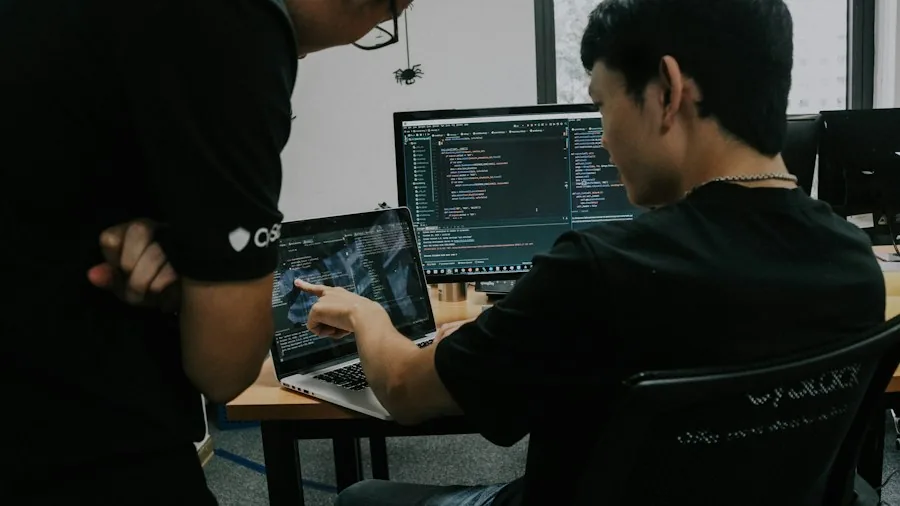
When you purchase a smartphone that folds, inconsistent app behavior has been a persistent frustration. Apps might display awkwardly when you open or close your device, or they may not adapt properly to the unique screen configurations that foldables offer. These new requirements address exactly those pain points by pushing developers to create seamless transitions and optimize layouts for folding screens.
It’s worth noting that existing apps not updated after the April 2027 deadline will remain available for download. However, they won’t meet the new quality standard, and their store visibility will diminish. This gradual transition allows users to continue using their favorite apps while encouraging developers to modernize their offerings.
The requirement for dedicated foldable screenshots signals something important about the market. By demanding visual proof that apps function properly on folding displays, Google is making sure that shoppers can clearly see how software will perform before downloading. This transparency helps you make smarter purchasing decisions about foldable devices and understand what app experiences await you.
A Turning Point for Foldable Innovation
Android foldables have existed for several years, but they’ve never received the unified push toward standardization that this announcement represents. What’s particularly significant is that Google is not waiting for market demand to mature naturally. Instead, the company is actively creating incentives for developers to prioritize foldable support.
The app ecosystem is crucial to any device’s success. Early compact smartphones succeeded partly because apps were optimized for their screens. Foldables face a different challenge, since they require apps to function across multiple form factors and screen configurations. By enforcing these quality guidelines, Google addresses one of the main reasons some shoppers hesitate before buying a foldable device.
Industry observers expect that this push will accelerate the development of creative, foldable-first applications. Beyond basic compatibility, developers will now have motivation to design unique experiences that take advantage of what foldables can do. This could mean productivity apps that use the larger unfolded screen more effectively, gaming experiences tailored to folding mechanics, or entertainment apps that showcase content on both interior and exterior displays.
Preparing for the Foldable Future
If you currently own a foldable or are considering purchasing one, these changes represent a turning point. The gap between hardware capability and software support has been a legitimate criticism of foldable phones. Google’s new standards directly address this disconnect.
Developers now have clear incentives to invest in foldable optimization, which benefits shoppers in multiple ways. You’ll see more consistent app behavior, better visual quality, and applications that actually feel designed for your device rather than merely compatible with it. As you evaluate whether to invest in a foldable, knowing that software support is being mandated rather than left to chance should provide greater confidence.
The ecosystem around phones and accessories matters as much as the hardware itself. By requiring developers to meet specific foldable standards, Google acknowledges that device innovation means nothing without corresponding software evolution. This announcement signals that foldable phones have moved from experimental technology to a mainstream category worthy of serious, mandatory developer attention. For shoppers, that’s genuinely good news.
About the author
Eleanor covers smartphones for REMOVU, balancing cameras, battery life, and software support against price. She helps readers find the best value as the field shifts with every release.