Gaming Laptop Prices Hit $1200 to $1300 as Memory Crisis Deepens: What Buyers Should Know
Entry-level gaming laptops now cost $1200-$1300 due to memory shortages. Here's what specs matter most.
 By Liam Banks
Updated November 18, 2026

The gaming laptop market is experiencing a significant shift as supply chain pressures drive prices well beyond what shoppers have historically expected to pay. What was once a $999 entry point has now become $1200 to $1300 for comparable machines, reshaping how consumers should approach their purchase decisions heading into the holiday season.
Why Gaming Laptop Prices Have Surged
The root cause of rising gaming laptop costs centers on a global memory shortage affecting the entire technology sector. Manufacturers of RAM and SSD components are redirecting production capacity toward high-end data center hardware that powers cloud-based artificial intelligence services. This shift has created fierce competition among PC makers for limited supply, driving up component costs that ultimately get passed to consumers.
As fewer memory chips become available for consumer devices, PC makers face bidding wars with suppliers like Samsung and SK Hynix just to secure inventory. This dynamic is unlikely to reverse soon, making today’s pricing the new reality for budget-conscious gamers.
Rule 1: Prioritize the GPU Above All Else
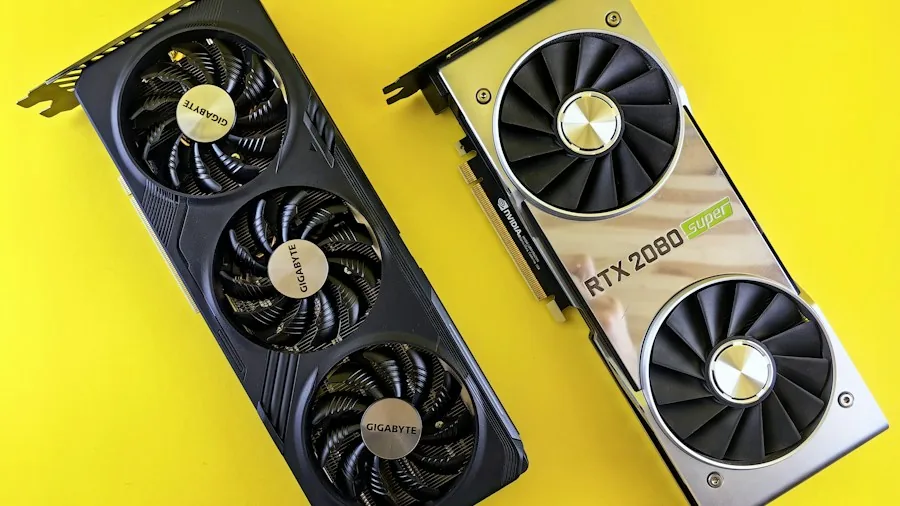
When shopping for an affordable gaming laptop, the graphics processor should be your top consideration. The difference between older and current-generation GPUs is substantial, particularly when it comes to AI-assisted rendering technology.
Look specifically for laptops featuring the Nvidia GeForce RTX 5050 instead of the previous-generation RTX 4050. The RTX 5050 supports Nvidia’s DLSS 5 technology, which includes advanced resolution upscaling and multi-frame generation features. These capabilities allow the GPU to deliver sharper, more detailed images at playable frame rates, essentially making your laptop punch above its weight in gaming performance.
Older RTX GPUs lack access to these latest AI rendering features, making them significantly less capable for modern games. By choosing the RTX 5050, you gain technology advantages that will keep your laptop more relevant for years to come.
Rule 2: Minimum Specifications Matter
Beyond the GPU, two other specifications deserve your attention: RAM and storage capacity. These components directly impact how smoothly your gaming laptop handles both games and multitasking.
Aim for at least 16GB of RAM, which represents the bare minimum for smooth gaming performance in 2026. This amount ensures your laptop can run demanding games while also supporting other applications like web browsers for game guides or streaming services. Without adequate RAM, you’ll experience stuttering and lag that undermines your gaming experience.
Storage capacity has also shifted. A 512GB SSD is now the floor for gaming machines, as modern game installations routinely consume hundreds of gigabytes. While 512GB isn’t generous and will only accommodate a handful of your most-played titles, it’s the absolute lowest capacity you should consider at current price points.
Additional Specifications to Consider
Your processor choice matters, though PC makers have largely streamlined options to prevent bottlenecking the GPU. Skip models with Intel Core i3 or AMD Ryzen 3 processors. Instead, focus on systems featuring a Core i5, Ryzen 5, or better. If you discover a machine with a Core i7 or Ryzen 7 at the same price point as a Core i5 or Ryzen 5 alternative, that represents excellent value.
Display specifications follow naturally from GPU capabilities. Don’t pay extra for screens exceeding 1080p or 1200p resolution, as the RTX 5050 operates best at these levels with strong detail settings. A refresh rate of 144Hz or higher, commonly found on gaming laptops under $1500, provides a worthwhile bonus since the RTX 5050 can approach 144 frames per second with DLSS assistance.
What You Should Expect to Pay
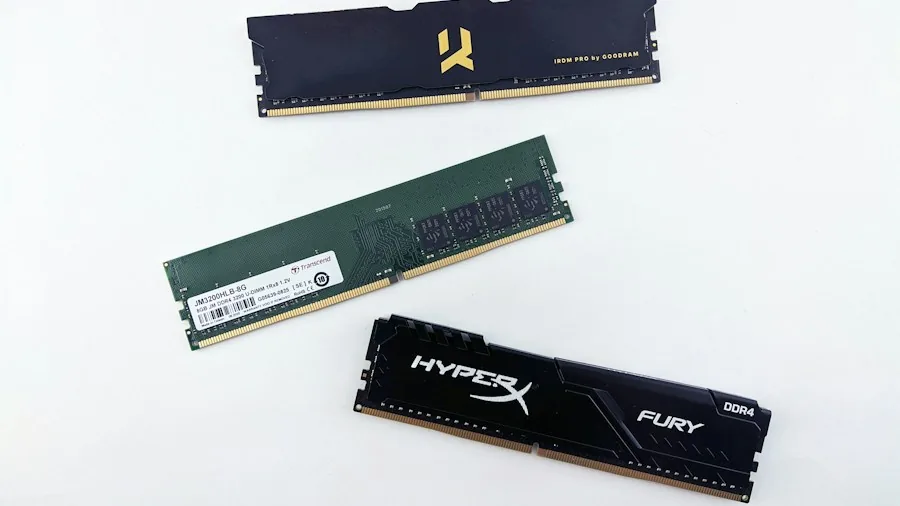
The most challenging reality for budget gamers involves price expectations. The original MSRP for quality gaming laptops in this category hovered around $999, but that price has largely disappeared. Current pricing ranges from $1200 to $1300 for machines that meet these specifications, reflecting the broader memory crisis affecting the industry.
This situation creates a critical opportunity during major sales events. Black Friday and Cyber Monday traditionally offer limited-time discounts that can bring prices back toward the original $999 threshold. If you spot a qualifying machine at or near $999 during these events, acting quickly becomes essential. Such deals may become increasingly rare as the memory shortage persists.
Looking Forward
The gaming laptop landscape has fundamentally changed, at least in the near term. Higher prices and tighter supply will continue shaping consumer options throughout 2026 and potentially beyond. Understanding which specifications genuinely matter, and which price increases represent necessary investments in future-proof technology, helps you make confident purchasing decisions.
Focus on GPU capabilities first, then ensure you meet the minimum RAM and storage requirements. By following this approach and monitoring prices during major sales events, you can still find a capable gaming machine that delivers solid performance without overspending.
About the author
Liam covers gaming laptops for REMOVU, judging GPU power, display quality, cooling, and value. He helps players find a portable machine that delivers real frame rates without cooking itself.