iPhone 18 Pro vs iPhone Duo: What Shoppers Should Know Before Choosing
Five concrete reasons why the standard iPhone 18 Pro offers better value and performance than Apple's new foldable.
 By Eleanor Garcia
Updated November 18, 2026
Apple’s new foldable iPhone Duo has arrived with considerable fanfare, and reviews are largely positive about how well the company adapted its operating system to a folding form factor. However, for most consumers, the standard iPhone 18 Pro remains the more practical choice. Understanding the differences between these two devices will help you make an informed decision that matches your actual needs and budget.
App Compatibility Remains a Significant Barrier
The iPhone Duo’s unique screen dimensions require developers to redesign their applications from the ground up. While this transition is understandable, the reality is that many popular apps remain unsupported or poorly optimized for the foldable format. Users frequently encounter apps that display black bars and fail to utilize the expanded screen space effectively. Some daily-use applications still haven’t received updates months after the Duo’s launch, leaving owners uncertain whether their essential tools will work properly.
This compatibility issue echoes Apple’s previous design overhaul with Liquid Glass in 2025. Even popular paid applications took over a year to fully adapt to that new interface standard. With the Duo’s niche status, the app optimization timeline could easily stretch just as long or longer. The iPhone 18 Pro, by contrast, benefits from universal app support across the entire ecosystem, ensuring every application you rely on works seamlessly from day one.
Face ID Versus Touch ID: A Major Convenience Trade-Off
The Duo’s reliance on Touch ID represents a step backward for users accustomed to Face ID technology. While Touch ID remains functional, it introduces friction into the unlocking experience by requiring you to position your finger on the sensor, which varies depending on how you hold the phone. This creates new muscle memory requirements and adds measurable delay compared to the seamless facial recognition of the iPhone 18 Pro.
Face ID’s advantages extend far beyond just unlocking your device. The iPhone relies on facial recognition for checking notifications, authorizing purchases, and accessing password managers. With the Duo, you lose this convenience across countless daily interactions. Many reviewers cited the absence of Face ID as their top frustration with the foldable device, suggesting that this downgrade significantly impacts overall user experience.
Camera Limitations That Matter
Foldable phones invariably sacrifice some camera capability to fit components into a compact folding chassis. The iPhone Duo lacks the telephoto lens present on the iPhone 18 Pro, limiting you to 2x optical zoom compared to the Pro’s 8x capability. The variable aperture technology also remains exclusive to the Pro model.
For casual photographers, these differences may feel negligible. However, anyone who regularly photographs distant subjects, wildlife, or events will immediately miss the superior zoom capability. The internal camera on the Duo also performs poorly for anything beyond basic video calls, making it unsuitable for quality selfies when the device is folded. The iPhone 18 Pro offers Apple’s best smartphone camera system, delivering both zoom range and sensor quality that the Duo simply cannot match.
Durability Concerns on a First-Generation Device
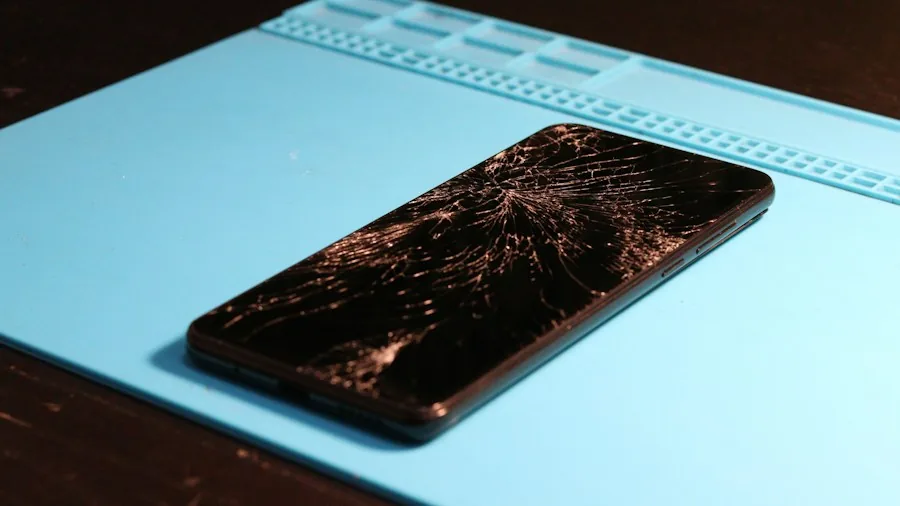
While the iPhone Duo features an impressive hinge mechanism and minimal crease visibility, real-world durability data reveals concerning limitations. Independent durability evaluations showed the Duo performing worse than competing foldables when exposed to challenging conditions. The device failed to close properly after sand exposure, and the screen suffered permanent damage during bend testing that comparable competitors survived without issue.
Beyond manufactured stress scenarios, some users have reported spontaneous internal screen failures under normal usage conditions. This creates legitimate concern about spending two thousand dollars on a device with unresolved hardware reliability issues. The software experience also remains inconsistent, with unclear interface patterns and incomplete gesture support. For a first-generation product, waiting for subsequent iterations makes practical sense while the technology matures.
The Price Reality Check
At $1,999, the iPhone Duo costs $800 more than the iPhone 18 Pro’s $1,199 starting price. This represents not merely a premium for new technology, but a price equivalent to a quality laptop or complete computing device. The disparity becomes even more striking when you consider that purchasing an iPhone 18 Pro paired with the latest iPad mini leaves you with two superior devices for less total investment than the Duo alone.
The iPad mini offers screen real estate comparable to the unfolded Duo while delivering better performance, superior app support, and unmatched durability at a fraction of the price. When you factor in the Duo’s compromised Face ID, limited zoom capability, and ongoing durability questions, the value proposition becomes difficult to justify. For the overwhelming majority of consumers, the iPhone 18 Pro represents better economics and practical performance.
Foldable technology represents an exciting frontier for iPhone ecosystems, and the Duo proves Apple can execute the hardware effectively. However, first-generation adoption always carries trade-offs. The iPhone 18 Pro offers proven reliability, complete app compatibility, superior cameras, and the convenience features you rely on daily, all at a significantly lower price point. Unless you specifically need a foldable form factor for professional reasons, the standard flagship remains the more sensible choice.
About the author
Eleanor covers smartphones for REMOVU, balancing cameras, battery life, and software support against price. She helps readers find the best value as the field shifts with every release.