Custom PlayStation 5 Pro Liquid Cooling Mod: What This Engineering Breakthrough Means for Gamers
A modder spent 120 hours creating a superior cooling solution for the PlayStation 5 Pro, raising questions about console thermal engineering.
 By Serenity Richards
Updated November 25, 2026
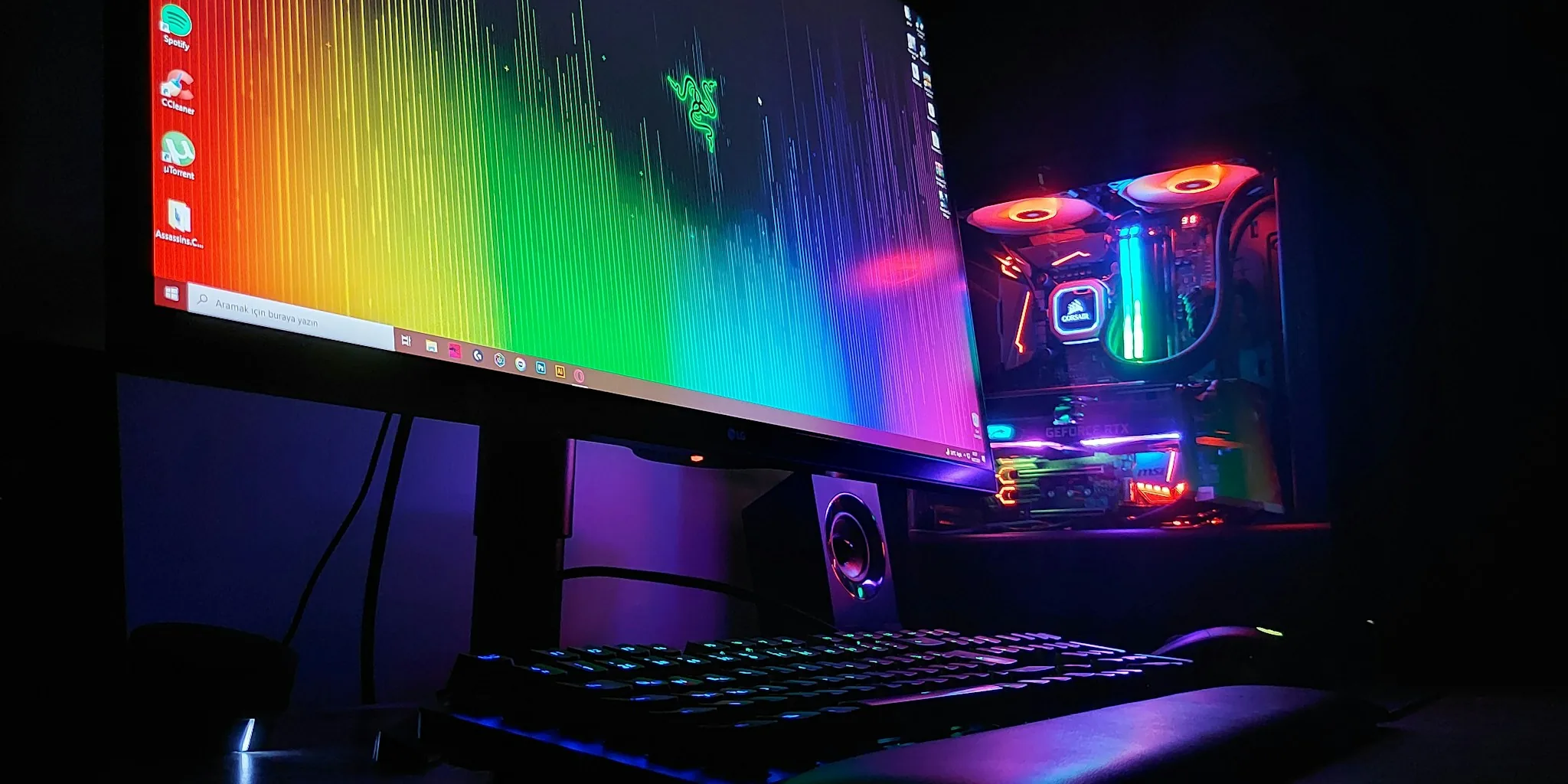
A Swiss tech enthusiast has created an extraordinary custom PlayStation 5 Pro build that addresses one of the console’s most persistent problems: inadequate cooling and fan noise during heavy gaming sessions. The project involved transplanting the PS5 Pro’s logic board into a Phanteks XT V3 PC case, complete with professional-grade liquid cooling components. This breakthrough engineering feat reveals not only what’s possible with consumer hardware modification, but also raises important questions about console design and thermal management that everyday shoppers should understand.
The Problem Every PS5 Owner Knows
The stock PlayStation 5 cooling system has earned a reputation for falling short in real-world conditions. Gamers consistently report excessive fan noise when running demanding titles, and the console’s tendency to accumulate dust accelerates thermal stress over time. Recent major game releases have prompted widespread discussions about cleaning internals and replacing thermal interface material, suggesting the original cooling solution wasn’t engineered for extended high-performance gaming sessions. This is precisely the frustration that inspired a comprehensive custom build solution.
Building a Liquid-Cooled Console PC Hybrid
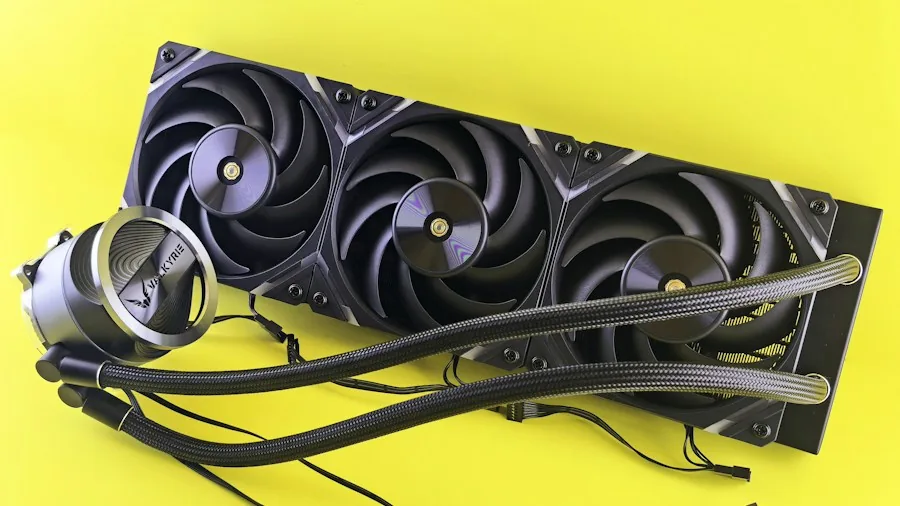
The custom build incorporated several key components that transform the PS5 Pro into something resembling a traditional gaming PC. A Lian-Li Hydroshift II 360mm all-in-one liquid cooler handles thermal management, while multiple high-performance fans from Jonsbo provide intake and exhaust airflow. A compact NZXT power supply replaces the proprietary PSU, requiring innovative electrical engineering to convert ATX power connectors into the 12V direct power the console’s motherboard demands.
The modder solved the power delivery challenge by splitting PCIe power connectors and soldering them in parallel to create a custom 4.5mm cable connected directly to the console’s motherboard. The case power switch bridges the PS_ON and ATX pins using the same paper-clip methodology that PC builders have relied on for years. The controller powers the system on through normal means, making the final product user-friendly despite its complex internals.
Engineering Details That Matter
Beyond the major components, the most time-intensive aspect of this project involved designing and 3D-printing custom parts including an I/O shield, motherboard support bracket, and cold-plate mounting hardware. Without prior CAD experience, the builder invested 80 to 120 hours across multiple iterations to perfect these components. An experienced engineer would likely require 20 to 30 hours for the same work, suggesting the technical barrier isn’t insurmountable for sufficiently motivated modders.
The cooler selection proved critical to success. An earlier revision used a custom loop with a pump wired to the PS5’s PWM fan control, but this pushed the pump speed too high for the builder’s precision standards. The Lian-Li unit resolved this by operating directly from the power supply, removing variable speed concerns. Its integrated control knob allows users to adjust display information and RGB lighting, adding a layer of user interaction beyond simple cooling performance.
What This Means for Console Shoppers
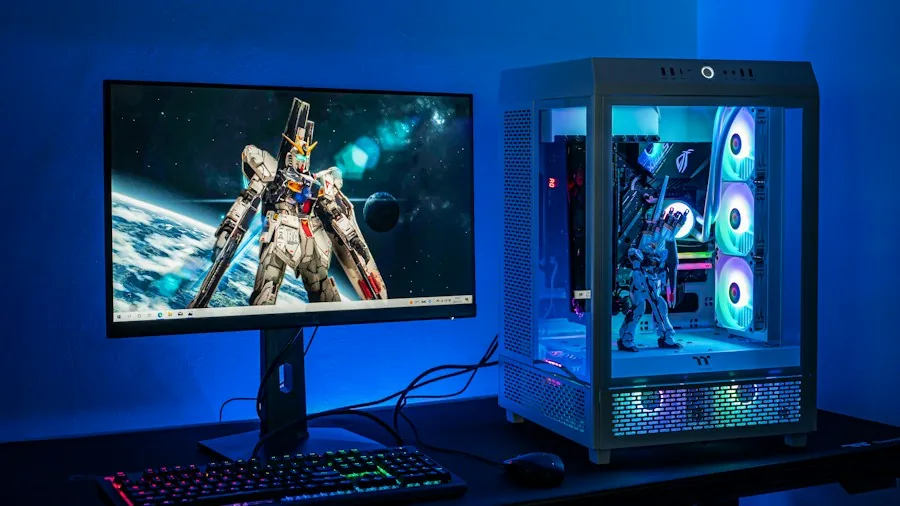
While this modification represents an extreme approach, it underscores legitimate concerns about game consoles and thermal engineering. The fact that a motivated individual can architect a superior cooling solution using off-the-shelf PC components highlights potential design trade-offs manufacturers make. For typical PS5 owners considering their options, this project demonstrates that thermal issues aren’t unsolvable mysteries but rather the result of specific design choices prioritizing factors like size, cost, and manufacturing simplicity.
The cost of reproducing this mod in its perfected form would run approximately $375 in component and material expenses, plus significant time investment. That figure places it well above the console’s original purchase price, making it impractical for most shoppers. However, the existence of detailed guides and 3D printer files means serious enthusiasts now have a documented pathway for addressing thermal concerns at scale.
Implications for Future Console Design
This engineering achievement raises questions about whether console manufacturers should reconsider their approach to thermal management. The demonstration that portable cooling solutions and larger form factors can deliver substantially better results without compromising processing power suggests industry-wide standards may prioritize aesthetic and cost considerations over long-term performance reliability.
Gamers shopping for a PlayStation 5 Pro today should understand that the console performs at its best when properly maintained and placed in well-ventilated environments. The existence of community-driven modifications like this liquid-cooled build demonstrates strong interest in improved thermal solutions, potentially influencing how manufacturers approach future console generations. For now, standard maintenance and careful placement remain the most practical approaches for ordinary consumers, but this project proves that substantially better cooling performance is technically achievable within reasonable budget constraints for those willing to pursue advanced modification projects.
About the author
Serenity covers home game consoles for REMOVU, weighing performance, exclusive libraries, and the ecosystem each platform locks you into. She helps players pick the console that fits how and what they play.