Mirrorless Camera History: What 18 Years of Evolution Means for Shoppers Today
Discover what the pioneering Lumix G1 established 18 years ago and what it means for camera buyers right now.
 By Lawrence Hale
Updated November 25, 2026
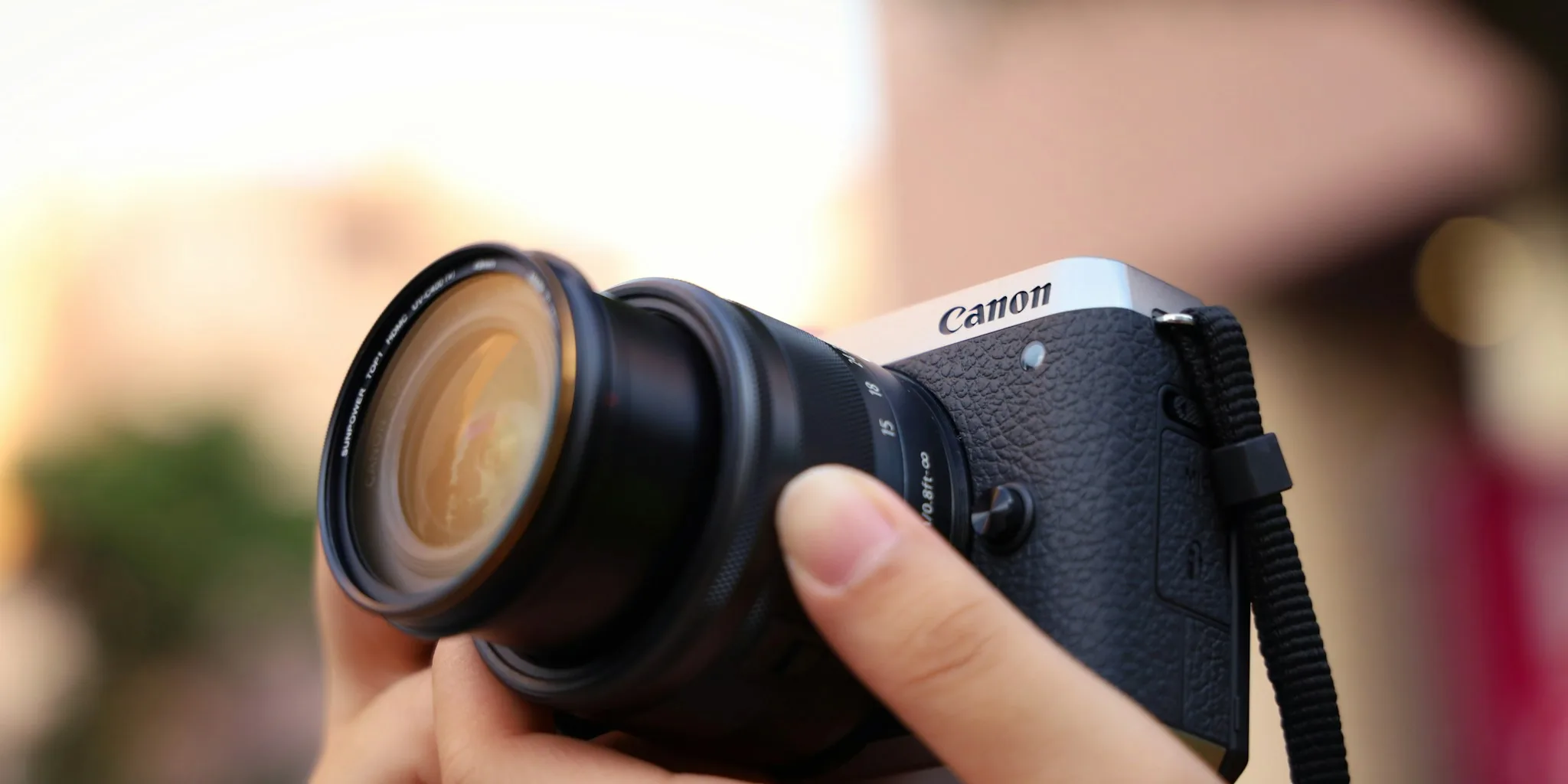
Eighteen years ago, the mirrorless camera revolution began with a single device that changed photography forever. The Panasonic Lumix G1, launched in September 2008, holds the distinction of being the world’s first true mirrorless camera, arriving at a moment when most photographers relied on bulky full-frame DSLRs or entry-level APS-C models. Understanding this landmark moment in imaging history helps shoppers appreciate how far mirrorless technology has come and what it offers today.
The Original Promise: Size Without Compromise
When the Lumix G1 debuted, its defining advantage was straightforward: size. At a time when the Canon EOS 5D Mark II dominated professional work and entry-level DSLRs filled consumer shelves, Panasonic delivered a camera that was a fraction of the weight and dimensions of any DSLR competitor. This compact form factor represented the core promise of mirrorless design: delivering capable imaging in a package that didn’t require photographers to sacrifice mobility or comfort.
The G1 packed a 12.1-megapixel sensor, a 1.44-megapixel electronic viewfinder, and a fully articulating screen. Its 23-zone contrast-detect autofocus system and 3 frames-per-second burst speed represented respectable specifications for the era. The camera even offered 25 scene modes and a pop-up flash, all within a body significantly slimmer than contemporary alternatives.
Notable Limitations That Shaped Future Development

The first mirrorless camera did have considerable gaps. It featured no video capability whatsoever, a stark contrast to what mirrorless cameras represent today. The lack of a touchscreen and joystick made adjusting autofocus points cumbersome, and the contrast-detect autofocus required patient technique. The rear screen, while innovative with its articulating design, displayed images at modest resolution that made image review challenging.
These limitations weren’t flaws so much as learning opportunities. Manufacturers took lessons from the G1’s reception and evolution, which is why modern mirrorless and DSLR cameras now feature advanced video capabilities, sophisticated phase-detection autofocus systems, and high-resolution displays. The G1 established what mirrorless could be, and the industry immediately set about improving every aspect.
How Far Mirrorless Technology Has Advanced
Comparing the original G1 to contemporary mirrorless cameras reveals the stunning progress the category has achieved. The Micro Four Thirds format that the G1 pioneered expanded rapidly, spawning entire camera lines from Panasonic and Olympus. Panasonic later developed the full-frame Lumix S series, taking the company’s mirrorless expertise into professional territory.
Today’s mirrorless cameras offer capabilities the G1’s designers couldn’t have imagined. High-resolution sensors capturing 24, 45, or even 61 megapixels of detail have become standard. Autofocus systems utilizing artificial intelligence and subject detection track moving subjects with remarkable accuracy. In-body image stabilization compensates for camera shake without requiring external support. Video recording at 8K resolution is available on flagship models, with professional color science and dynamic range that rivals cinema cameras.
The electronic viewfinder resolution has jumped from 1.44 megapixels to over 3.6 megapixels on premium models, making them nearly indistinguishable from optical viewfinders. Touchscreen interfaces provide intuitive control, while sophisticated menu systems offer deep customization for professional users.
What This History Means for Today’s Shoppers
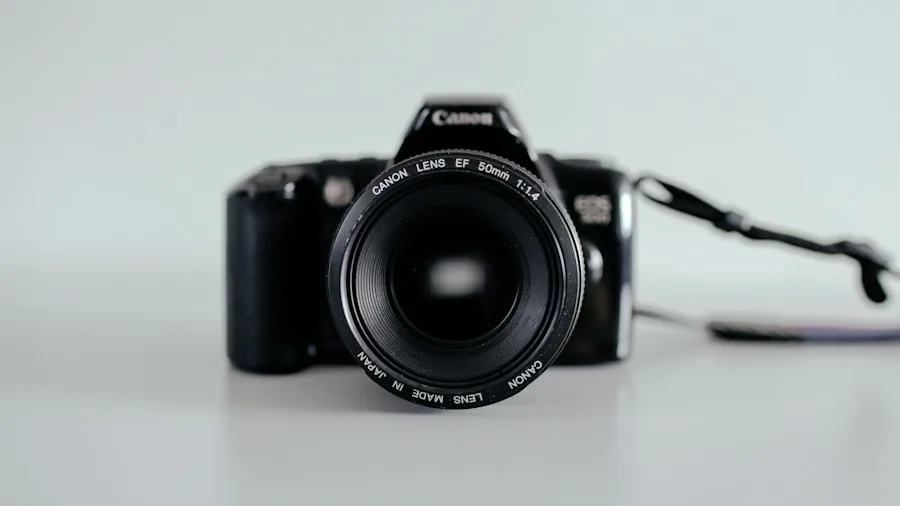
The Lumix G1’s legacy demonstrates that mirrorless technology was fundamentally sound from the beginning. The category wasn’t a risky gamble but rather an evolutionary step that addressed real limitations photographers faced. The compact size, faster autofocus capabilities, and silent shooting options that mirrorless cameras pioneered have become central features that professionals and enthusiasts now consider essential.
For contemporary shoppers evaluating mirrorless cameras worth buying for under $1000, understanding this history provides context. Every modern option represents years of refinement built on the G1’s foundational innovations. The choice between mirrorless and DSLR is no longer about whether mirrorless technology works, it’s proven itself across two decades, but rather which specific mirrorless system best serves your creative goals.
Specialist categories have emerged as well. Photographers focused on the best mirrorless cameras for wildlife photography can access options with advanced tracking, weather sealing, and telephoto lens ecosystems that the G1 never could support. The original camera laid groundwork that enabled all these specialized developments.
The Lasting Impact of Pioneering Innovation
While no contemporary photographer would choose the Lumix G1 over modern alternatives, its significance transcends its specifications. This camera proved mirrorless could work, could be better than DSLRs in meaningful ways, and could inspire an entirely new category that manufacturers worldwide have adopted. Sony, Canon, Nikon, Fujifilm, and others built their mirrorless strategies on the foundation that Panasonic established in 2008.
The G1 reminds us that innovation often comes from willingness to challenge established conventions. At a moment when DSLRs seemed permanently dominant, one manufacturer asked whether a camera without a mirror could be superior. The answer shaped the last eighteen years of imaging technology and continues driving innovation today. For shoppers deciding on a mirrorless investment, that pioneering spirit represents a vote of confidence from both manufacturers and millions of satisfied users worldwide.
About the author
Lawrence covers mirrorless and DSLR cameras for REMOVU, weighing image quality, autofocus, and lens ecosystems. He helps photographers choose a body they can grow with.